Co-creating shared value: Seven Innovative features from a community led CPR management model


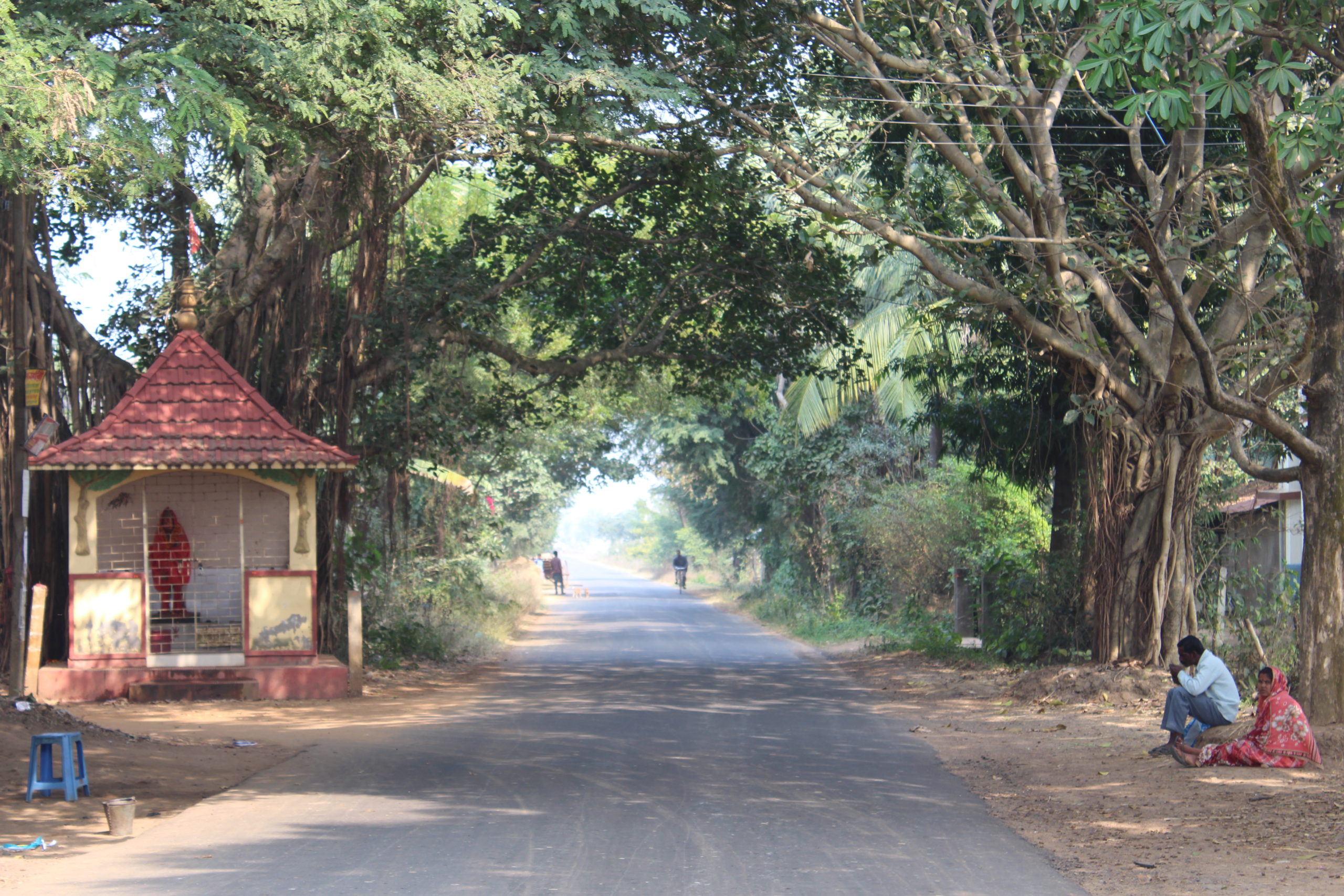
Common Property Resources and its potential to create shared value
An estimated 15% of India’s total geographical area falls under common property land. And, a significant 58% of the Indian rural households meet their daily fuel requirements from the firewood collected from Common Property Resources (CPR). A defining characteristic of these household is that they mostly represent the landless population (38% of the total rural households in India are landless).
These statistics offers me with two underlying impressions. Firstly, a large part of India geographical area (mostly the rural areas and in an absolute sense) comprises of common property. Secondly, there does exist a significant dependency of rural households, particularly the landless, on the CPRs.
Given these inferences, how do we optimally utilize the village commons held by 2.38 lakh Gram Panchayats in India? Also, is there a scope to broaden the nature and duration of impact of the CPRs on the rural landless communities? And, is there a proven CPR management model which answers the above questions?
A community managed CPR model deigned as win-win model for the People, Local Government and Environment
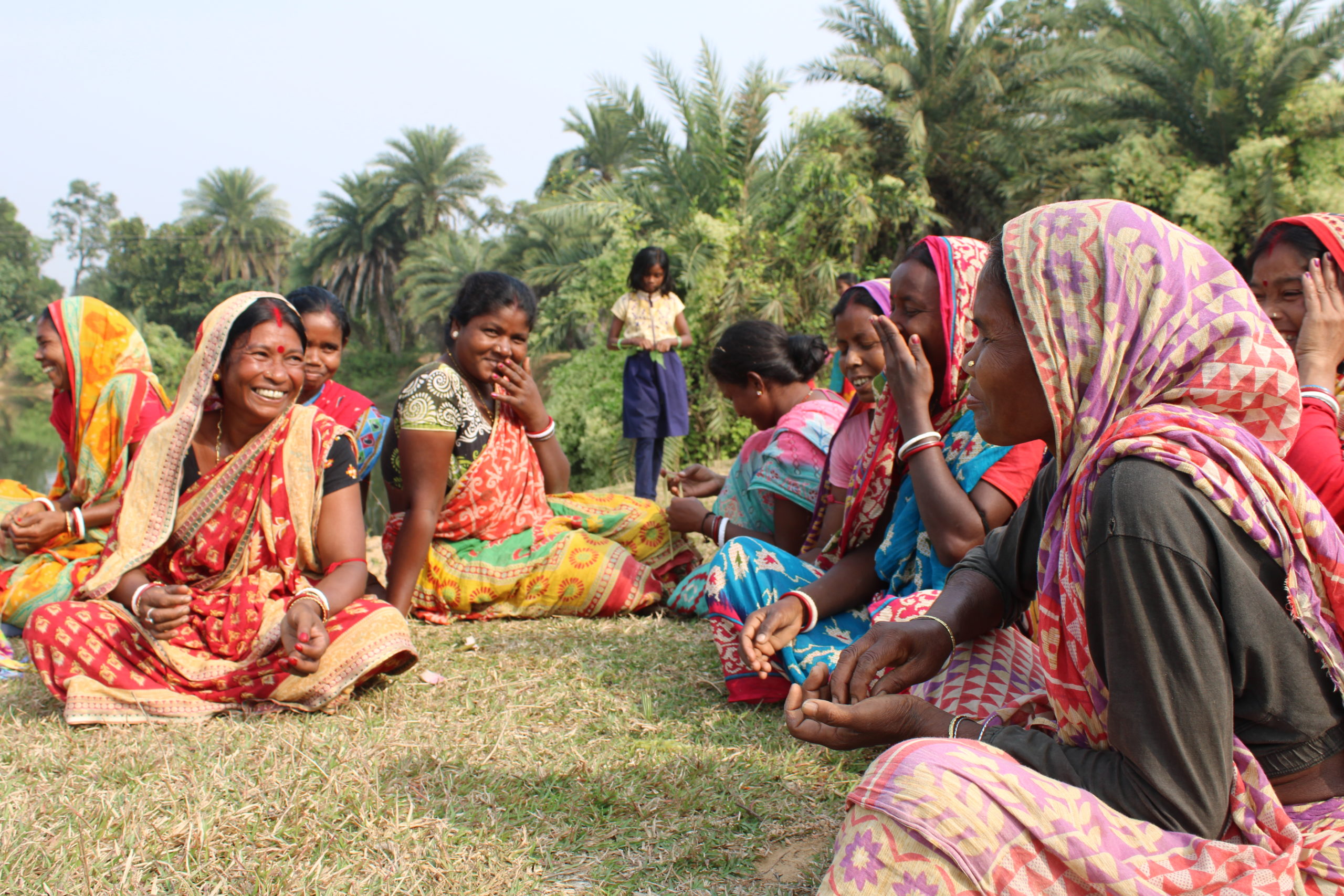
For the last 18 years, DRCSC, a NGO based in Kolkata, has been facilitating an innovative community led CPR management in the Birbhum District, in West Bengal. The model builds upon a Self Help Group (SHG)-Gram Panchayat Partnership for converting a village common into strategic community asset through a 15-20 years lease agreement.
DRCSC has facilitated forty two such models in the Birbhum region covering a total stretch of 55 Km and with over 1.6 lakh multi-purpose trees planted in the CPRs till date. The tangible economic impact of this partnership model is reflected by the significant cash value generated from the CPRs to the landless SHGs (INR 57.42 lakh) and to the gram panchayats (INR 18.42 lakh) from the sale of woodlots.

What makes it win-win innovative model?
This CPR management model is driven by its seven innovative features which makes it unique and impactful in multiple dimensions.
- Creation of economic wealth both for Community and Local Government
- Selection of primarily landless community to manage the CPR leading to the creation of a committed and sincere steward team
- Bottom up implementation of the management of CPR leading to ownership of results
- Delivering non-cash economic value from year 1 through cultivation of lentils
- Encouraging plantation of multiple varieties of trees which balances the year round need of fodder, firewood and long term cash generation through sale of woodlots
- The proper selection of trees ensures that most of the trees re-grow from their trunk after the branches and portion of the trunk have been cut for wood and there is no need for replanting
- A 20-25 years agreement between local community and government ensures long term ownership and planning
Best Practices to benchmark
The innovative features of the SHG-Panchayat Partnership model can serve as a benchmark of optimal utilization of CPRs across the country to create greater shared value among the communities as well as for the local government.
Featured Blog Posts

Get The Latest From The Social Sector In Your Inbox!

Subscribe to our newsletter