
Our Publications
Featured Publication
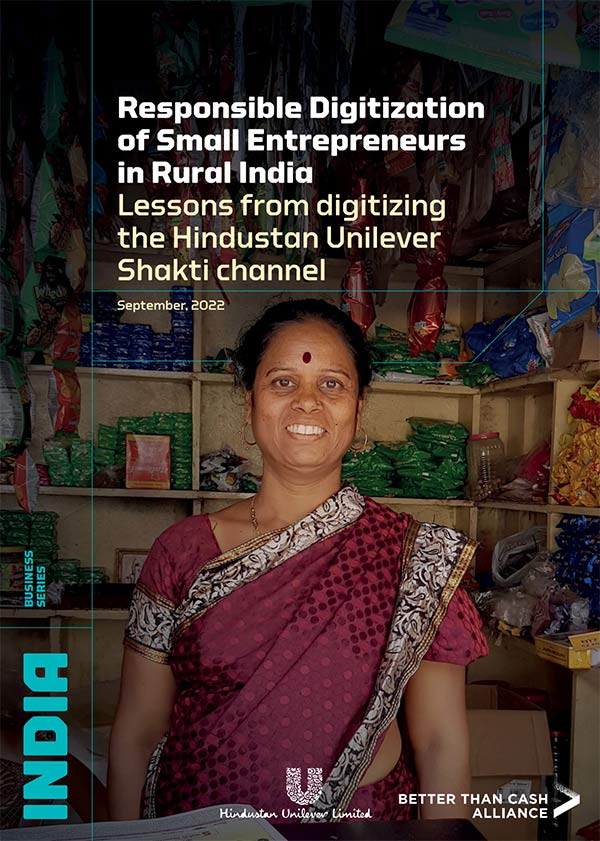
Responsible Digitization of Small Entrepreneurs in Rural India
How has digital technology helped small and medium-sized businesses get a platform to optimize their marketing strategies?
The report presents key insights and opportunities from HUL’s B2B Shakti digitization program to implement the United Nations Principles for Responsible Digital Payments.
The publication synthesizes lessons from digitizing orders and payments for Hindustan Unilever’s Shakti Amma retail network. Re-emerging World was part of the program consortium as the knowledge partner lead from India and has led the development and documentation of the case studies for the report.
You can download the report here.

Browse All Publications
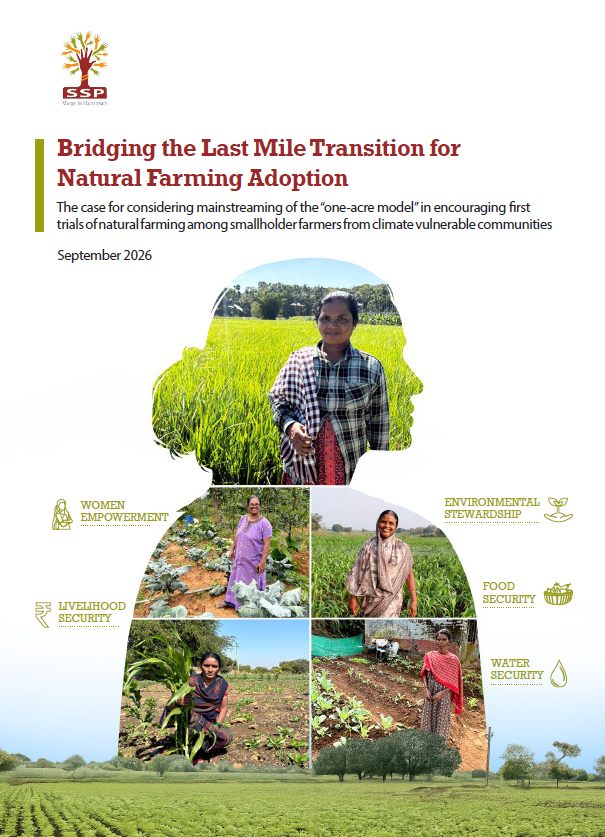
Bridging the Last Mile Transition for Natural Farming Adoption
The Report – “Bridging the Last Mile Transition for Natural Farming Adoption” makes the case for mainstreaming Swayam Shikshan Prayog’s (SSP) One-Acre model as a low-risk entry pathway, helping smallholder farmers from climate-vulnerable communities take their first steps into natural farming.
It draws on over a decade of SSP’s field experience in Maharashtra, along with new evidence from pilots in Bidar (Karnataka) and Wayanad (Kerala) districts. It shows how the model improves food and nutrition security, lowers input costs, restores soil health and strengthens women’s role in farm decisions. The report sets out seven policy recommendations for building transition quality into Nation Mission on Natural Farming (NMNF) implementation.
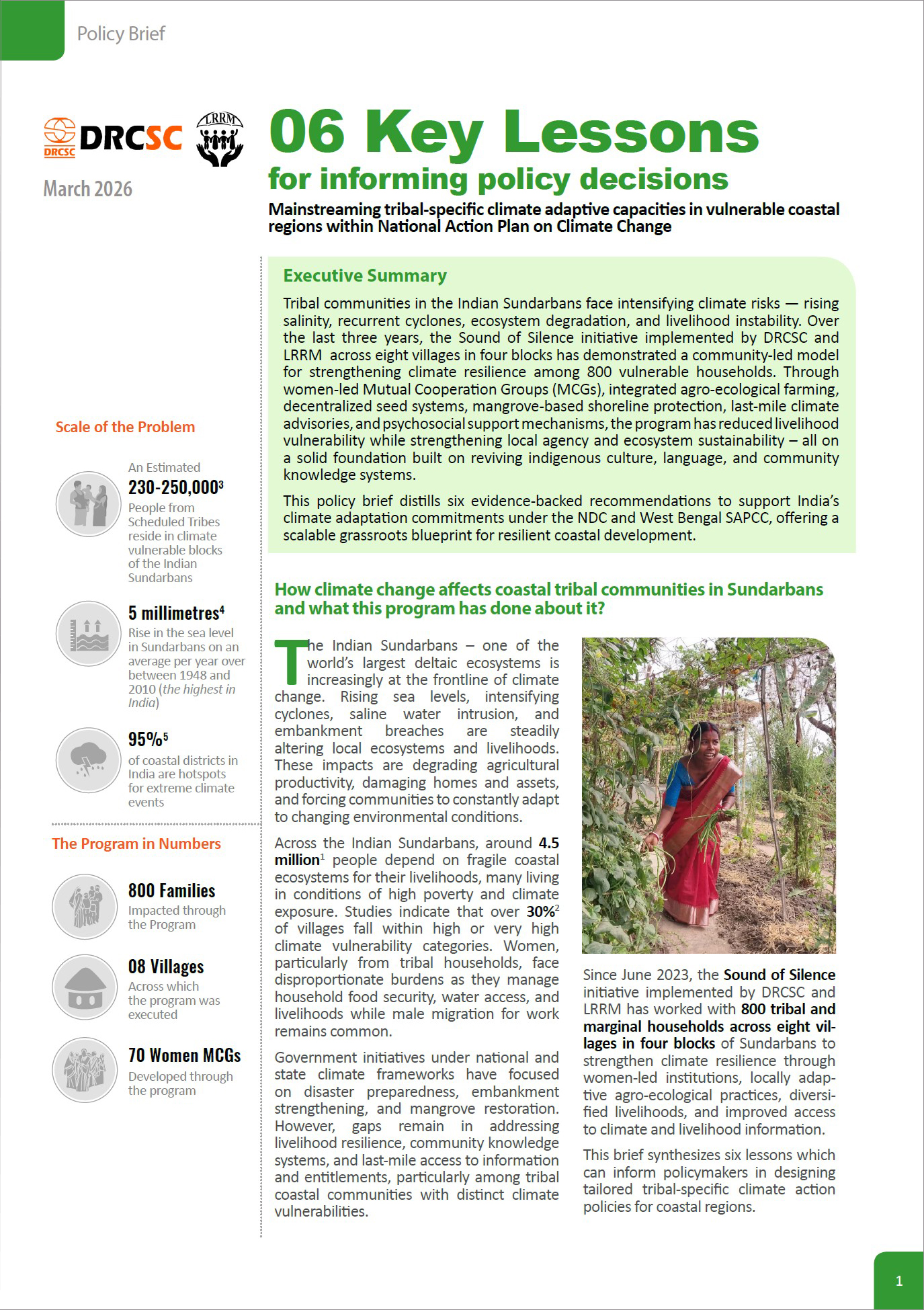
06 Key Lessons for informing policy decisions: Mainstreaming tribal-specific climate adaptive capacities in vulnerable coastal regions within National Action Plan on Climate Change
This policy brief, developed with DRCSC and LRRM, synthesizes key learnings from a climate resilience initiative implemented in the Indian Sundarbans — one of the most climate-vulnerable delta regions globally. Centred on tribal and marginal coastal households , the brief outlines how escalating climate stressors such as salinity intrusion, cyclones, and ecosystem degradation are reshaping livelihoods, increasing vulnerability, and deepening socio-economic inequities.
The insights are organized around a three-part framework that emphasizes strengthening institutional inclusion, enhancing economic resilience, and improving decision-making agency within coastal tribal communities. Within this, the brief highlights the role of women-led community institutions, revival of indigenous knowledge systems, integrated agro-ecological farming, and diversified livelihoods, alongside improved access to climate and entitlement information and attention to psychosocial well-being as critical enablers of resilience.
Grounded in field-level evidence, the brief offers actionable directions for policymakers and practitioners designing climate adaptation programs in coastal regions. It underscores the need for participatory, locally contextualized, and inclusive approaches that embed tribal-specific needs within broader climate frameworks to drive sustainable and equitable resilience outcomes.
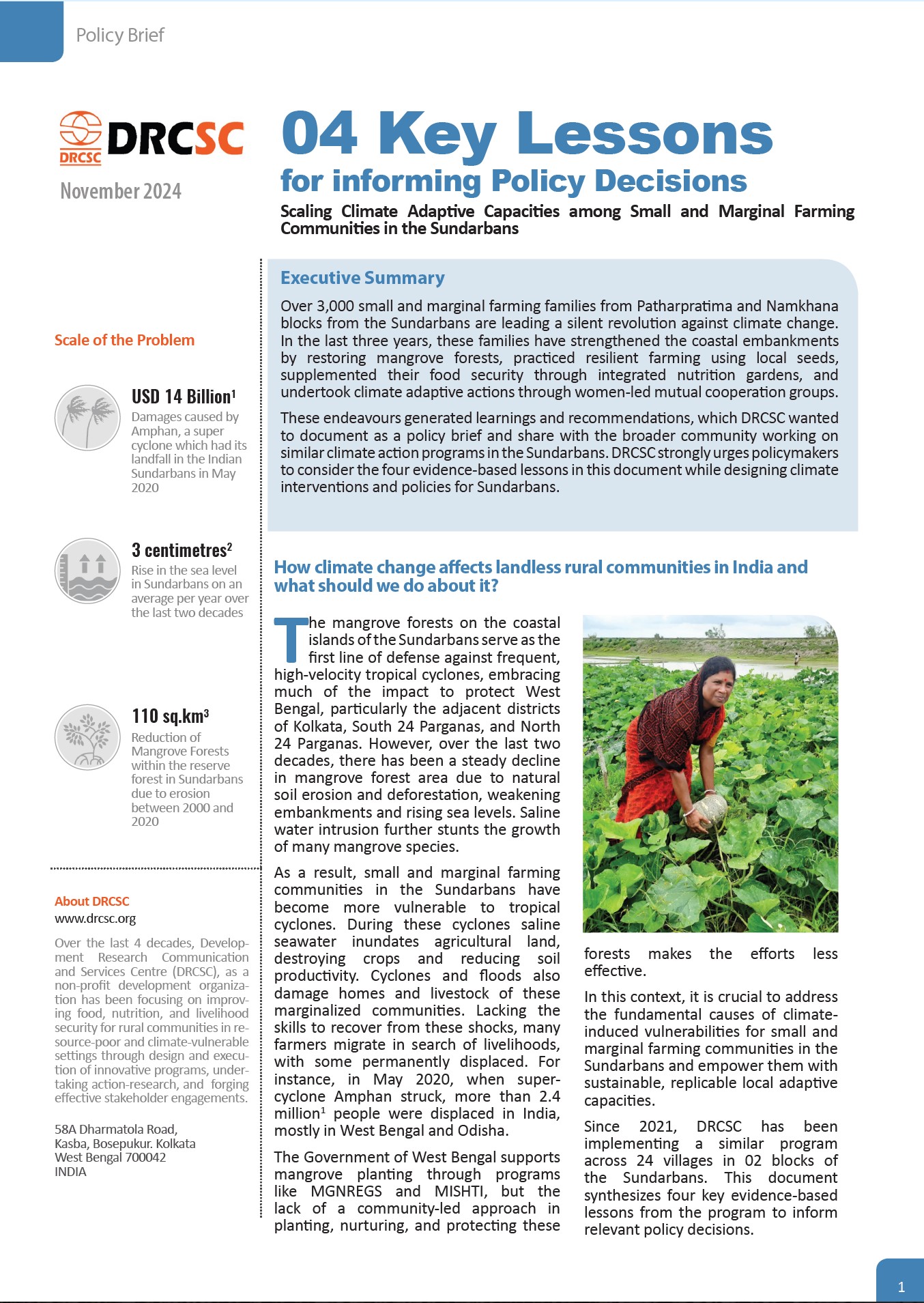
Four Key Lessons for Policy Consideration: Scaling Climate Adaptive Capacities among Small and Marginal Farming Communities in the Sundarbans
This policy brief, developed with DRCSC, distills four evidence-based lessons from a climate adaptation program implemented in the cyclone-prone Sundarbans. Focusing on small and marginal farming communities, the brief examines how rising sea levels, saline water intrusion, and extreme weather events impact livelihoods and food security.
The insights highlight the role of community-led mangrove restoration, revival of traditional seed systems, integrated farming practices, and women-led collectives in strengthening local adaptive capacities.
Grounded in on-the-ground evidence, the brief offers practical recommendations for policymakers and practitioners designing climate resilience programs in coastal and climate-vulnerable regions, emphasizing the importance of participatory, ecosystem-based approaches for sustainable impact.
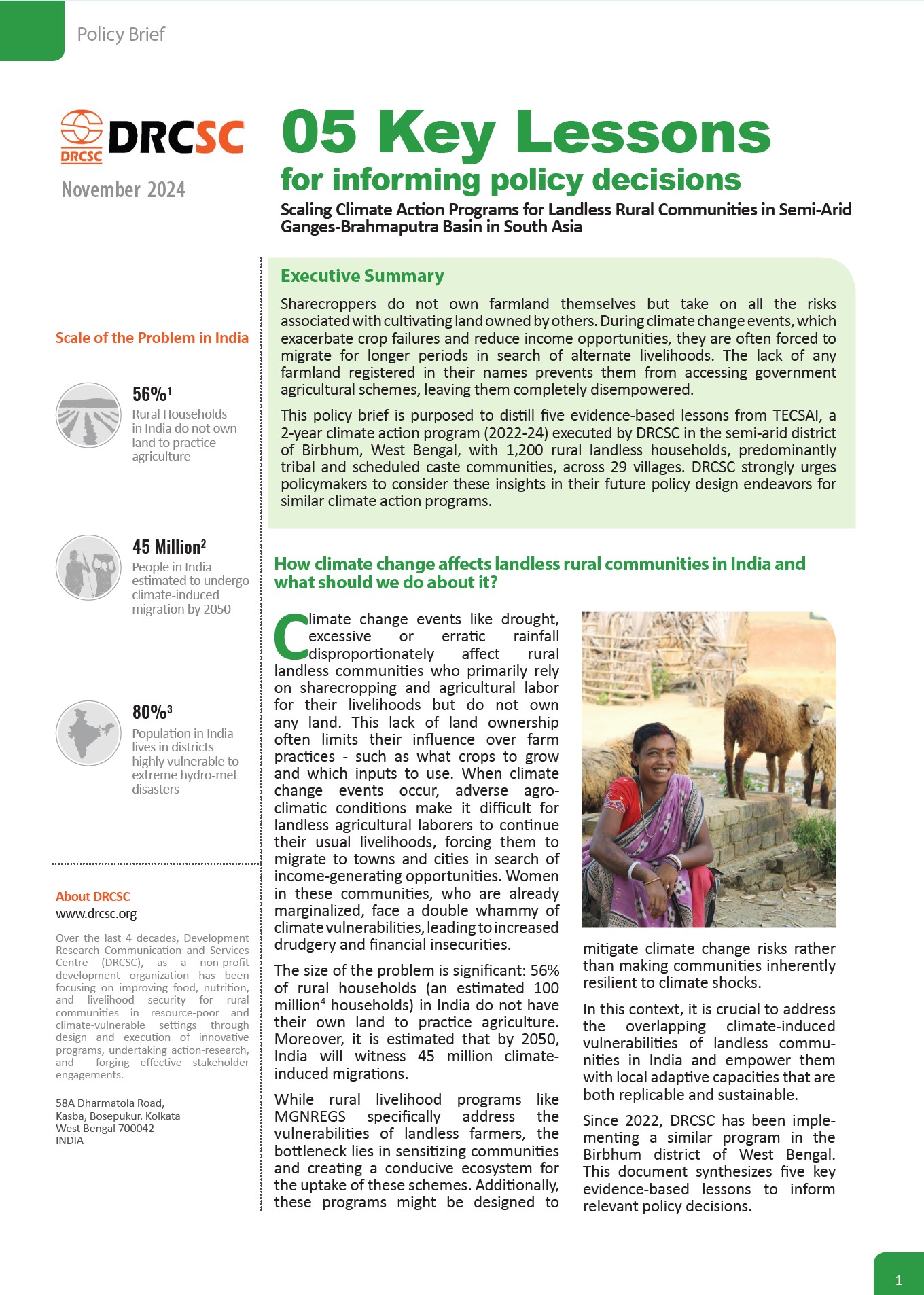
Five Key Lessons for Policy Consideration: Scaling Climate Action Programs for Landless Rural Communities in Semi-Arid Ganges-Brahmaputra Basin in South Asia
This policy brief, developed with DRCSC, presents five key lessons from a climate action program implemented in the semi-arid district of Birbhum, West Bengal. The brief focuses on landless rural households, who face heightened vulnerability to climate shocks due to limited assets, restricted agency, and dependence on informal livelihoods.
The lessons underscore the importance of women-led institutions, livestock-based asset creation, crop diversification, nutrition gardens, and improved access to rights and entitlements in building resilience.
Drawing on field-level evidence, the brief offers actionable insights for policymakers and practitioners working in drought-prone and resource-constrained contexts, highlighting how targeted, context-sensitive interventions can enhance both livelihood security and long-term adaptive capacity.
Responsible Digitization of Small Entrepreneurs in Rural India
How has digital technology helped small and medium-sized businesses get a platform to optimize their marketing strategies?
The report presents key insights and opportunities from HUL’s B2B Shakti digitization program to implement the United Nations Principles for Responsible Digital Payments.
The publication synthesizes lessons from digitizing orders and payments for Hindustan Unilever’s Shakti Amma retail network. Re-emerging World was part of the program consortium as the knowledge partner lead from India and has led the development and documentation of the case studies for the report.
You can download the report here.
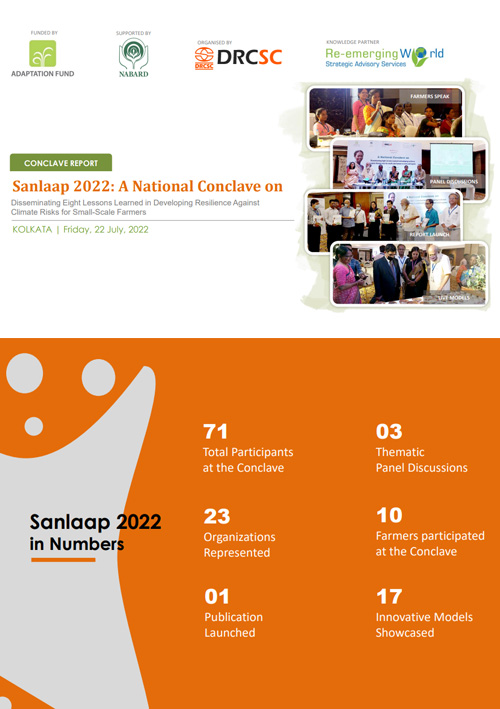
National Conclave Report: Sanlaap 2022
Since 2015, DRCSC (www.drcsc.org) has been developing climate adaptive capacities for 5,000 climate-impacted families across 40 villages in two of the driest districts in the state of West Bengal –Purulia and Bankura. Funded by the Adaptation Fund Board (www.adaptation-fund.org) and supported by NABARD (www.nabard.org), this program over the past five years has encouraged collective stewardship of soil, water, and green cover, driven the adoption of diversified, integrated farming practices, and strengthened food and livelihood systems for the marginalized tribal communities. This is through the introduction of climate smart technologies, nature-based solutions, and strong program design principles.
As a result, today, 84% of the target households are practicing agriculture for at least two seasons now (as compared to only 2% in 2015), and 86% of the target households do not experience any hunger period (as compared to only 2% in 2015). While no households were practicing fisheries and nutrition gardens before, today 62% and 68% of the target households practice them, respectively. Furthermore, hyperlocal weather advisory services, one of the key interventions in the program areas, have helped reduction in farm input costs by 35% among the target households.
These impacts are a direct result of carefully designing, piloting, iterating, and gradually scaling up innovative practices, which are potential lessons for policymakers, practitioners, Governments, and institutions in maximizing their impact. As DRCSC’s knowledge partner, Re-emerging World (www.re-emergingworld.com) has synthesized these learnings into a lessons learned report distilling eight key lessons as inputs for policy considerations while implementing similar programs.
On Friday, 22 July 2022, the consortium partners organised Sanlaap2022: A National Conclave in Kolkata, India to disseminate these eight key lessons which have emerged from the program. The conclave participants witnessed three thematic expert panel discussions, experience sharing by adopter farmers, and the launching of the lessons learned publication. You can find the conclave agenda here: https://bit.ly/conclaveagenda.
This report shares key highlights, perspectives, and takeaways of the sessions from the conclave.
Get The Latest From The Social Sector In Your Inbox

Subscribe to our newsletter
View Blog Posts
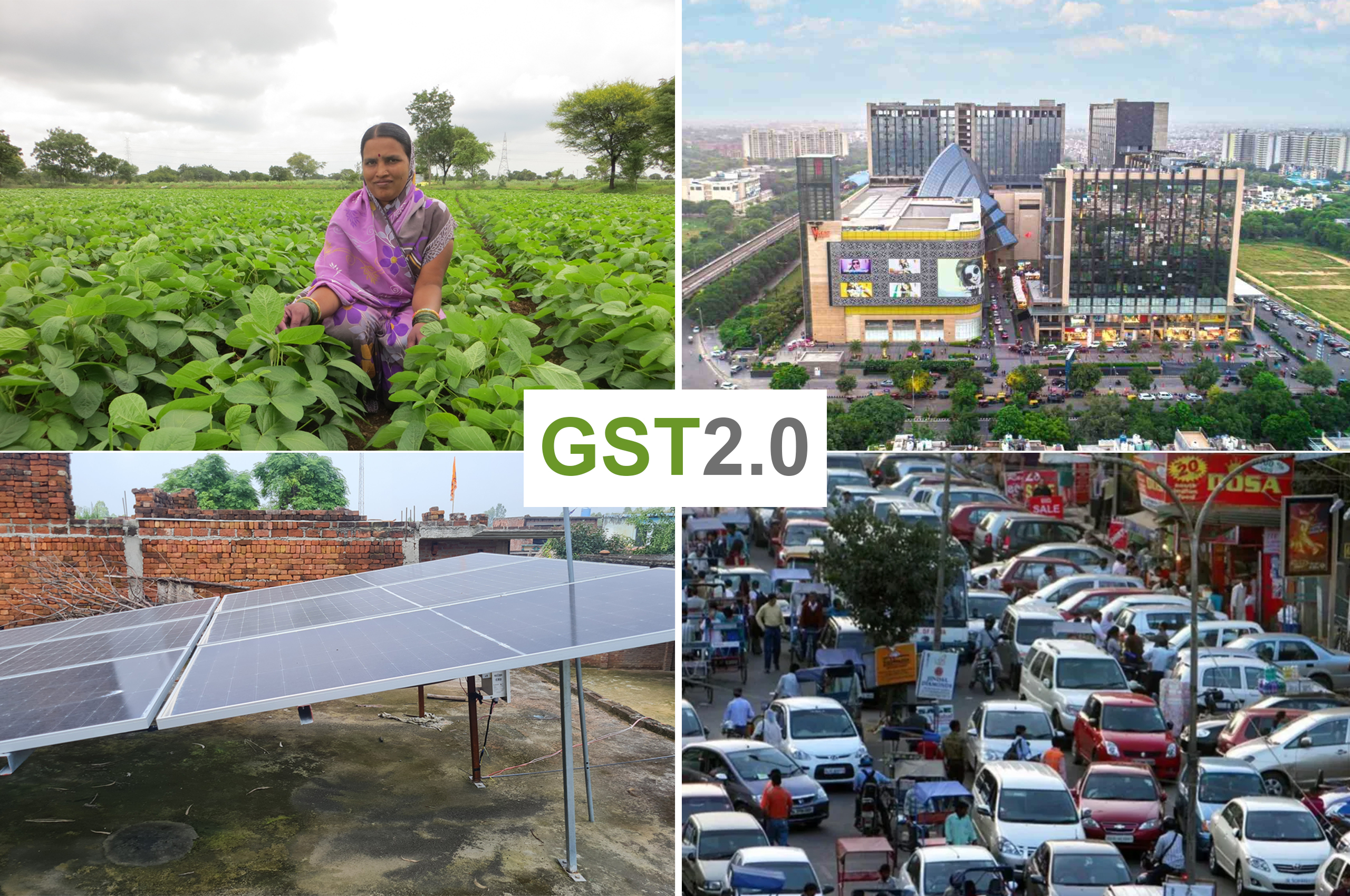
GST 2.0 and Tax Cuts: Can They Make Growth Fairer and Greener?
India's latest GST reform, being termed as GST 2.0, is more than just slashing rates. By simplifying the tax structure, cutting levies on essentials, and supporting renewable infrastructure, it's open..
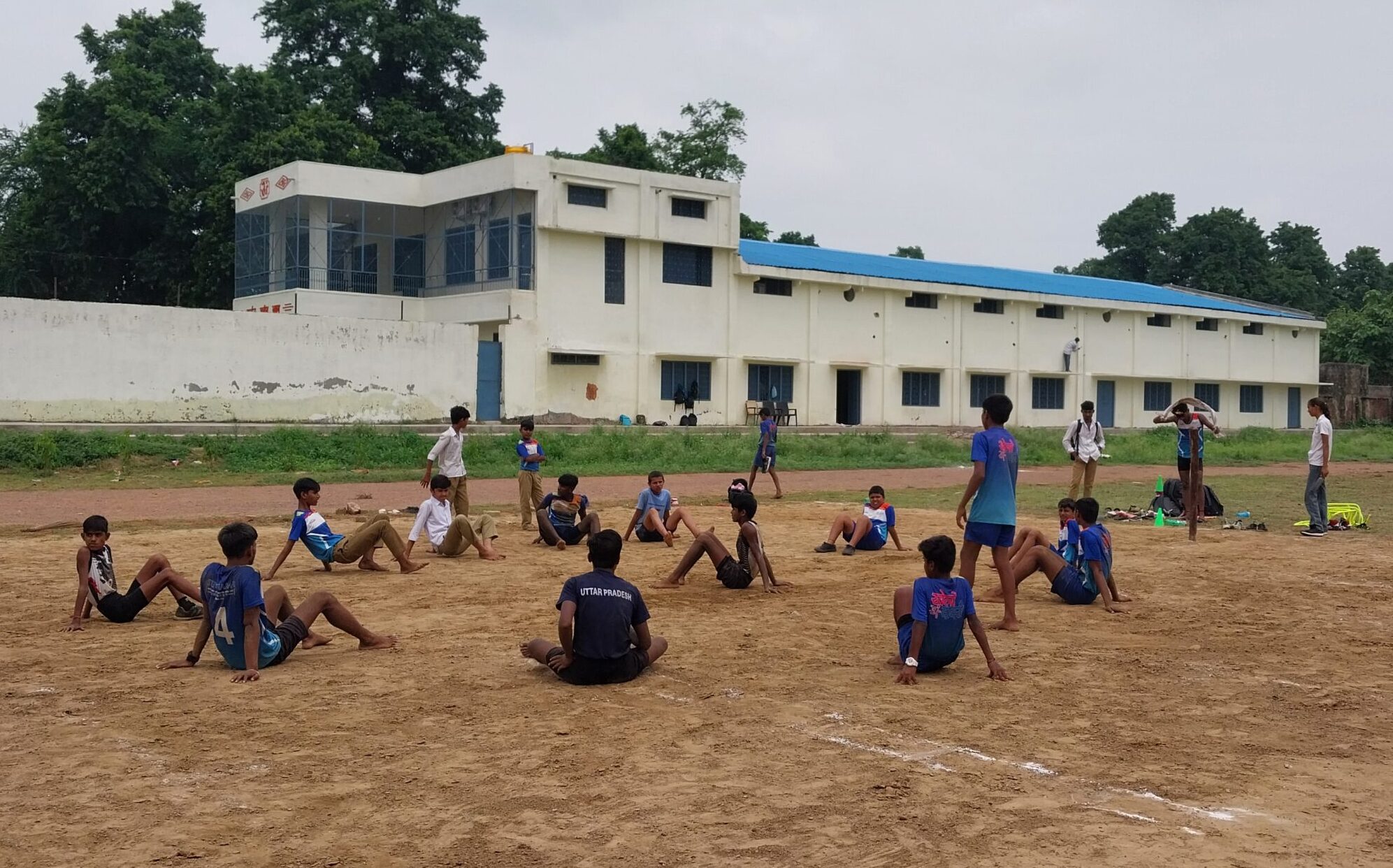
Reimagining Sports in CSR: From Tokenism to a Vehicle for Multiplying Impact
In 2023–24, Indian companies spent about ₹1,396 crore of their CSR budgets on sports — just 4% of the total ₹34,909 crore Indian corporates spent on CSR that year. Most of the rest went to edu..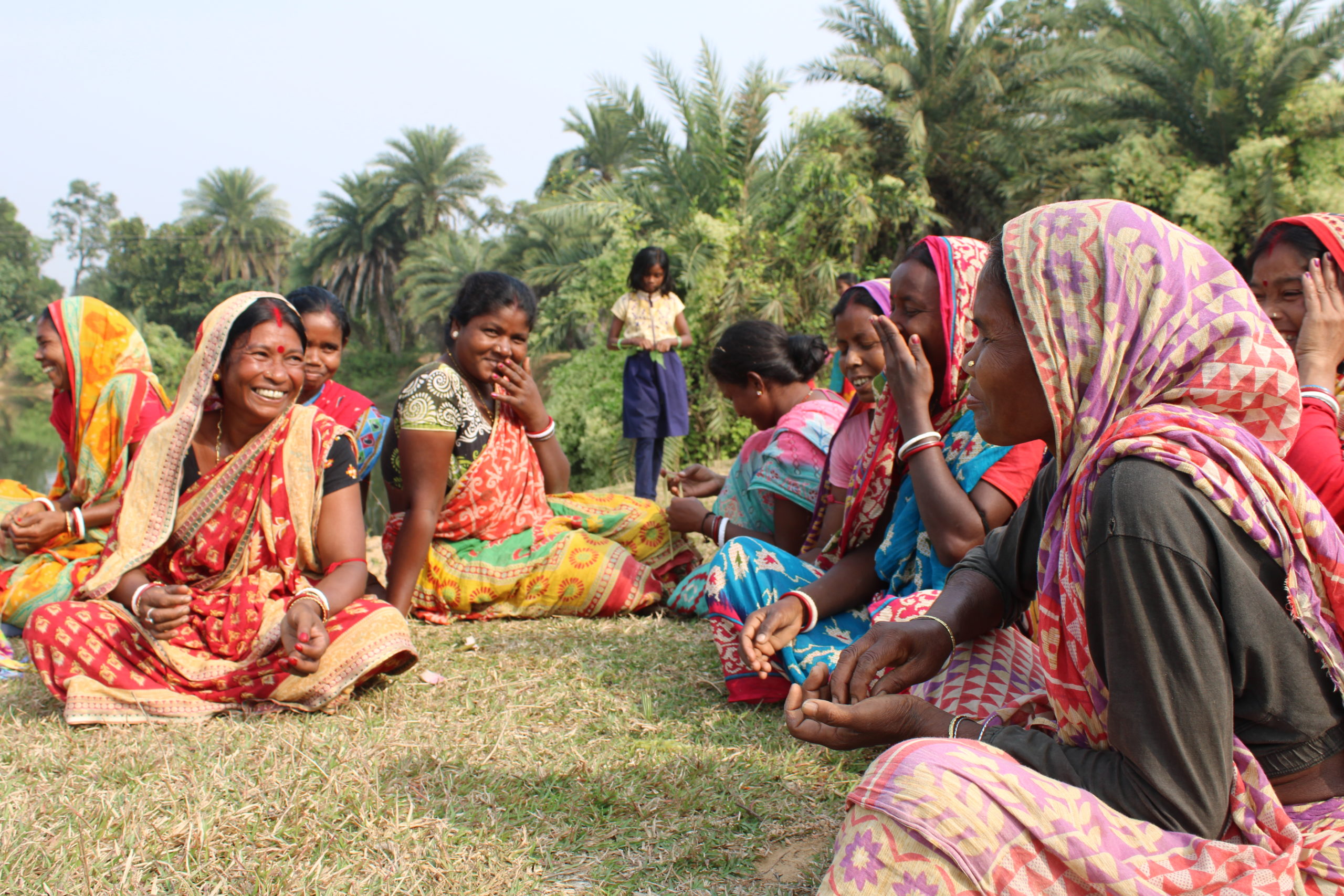
Interactive SHG Map of India: 7.5 million Women Self Help Groups are spread across 27 States and 6 UTs in India
Under the National Rural Livelihood Mission (NRLM), India has 7.5 million Women Self Help Groups (SHGs) spread across 27 states and 6 Union Territories. Each of these small, self-governed, and peer-co..