How to run a successful Interview for a Base of the Pyramid – Low Income Consumers Research?


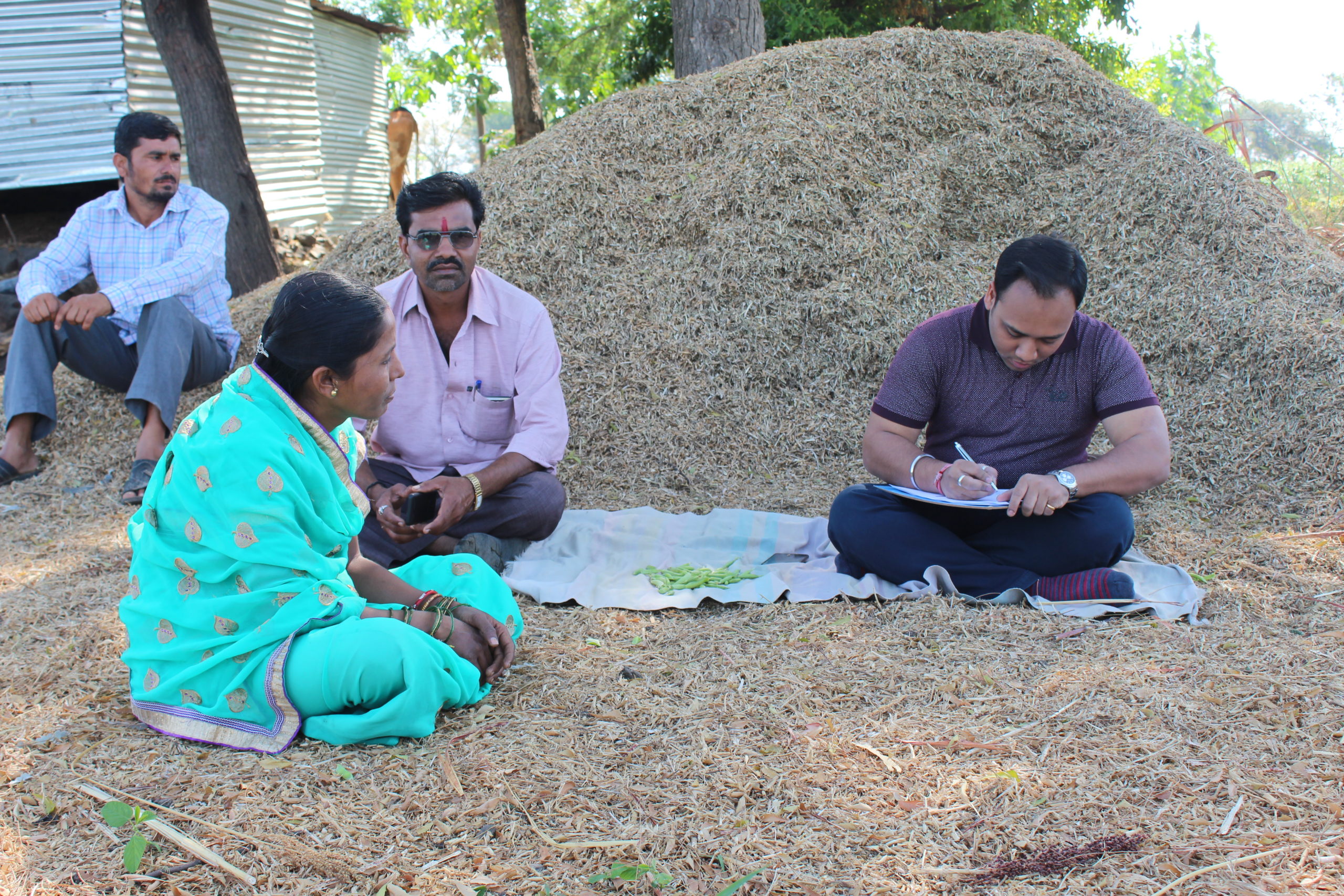
As a Base of the Pyramid researcher, you may have come across people from different ethnicities – speaking different languages, having different gender dynamics, following different traditions and having different food habits. However, in spite of these difference you will witness one overarching commonality – people in the base of the pyramid will always be warm and welcoming. In such a context, it is the responsibility of a researcher to make the respondent comfortable, bring out key insights and data, and make the interview a success.
So, what should you do?
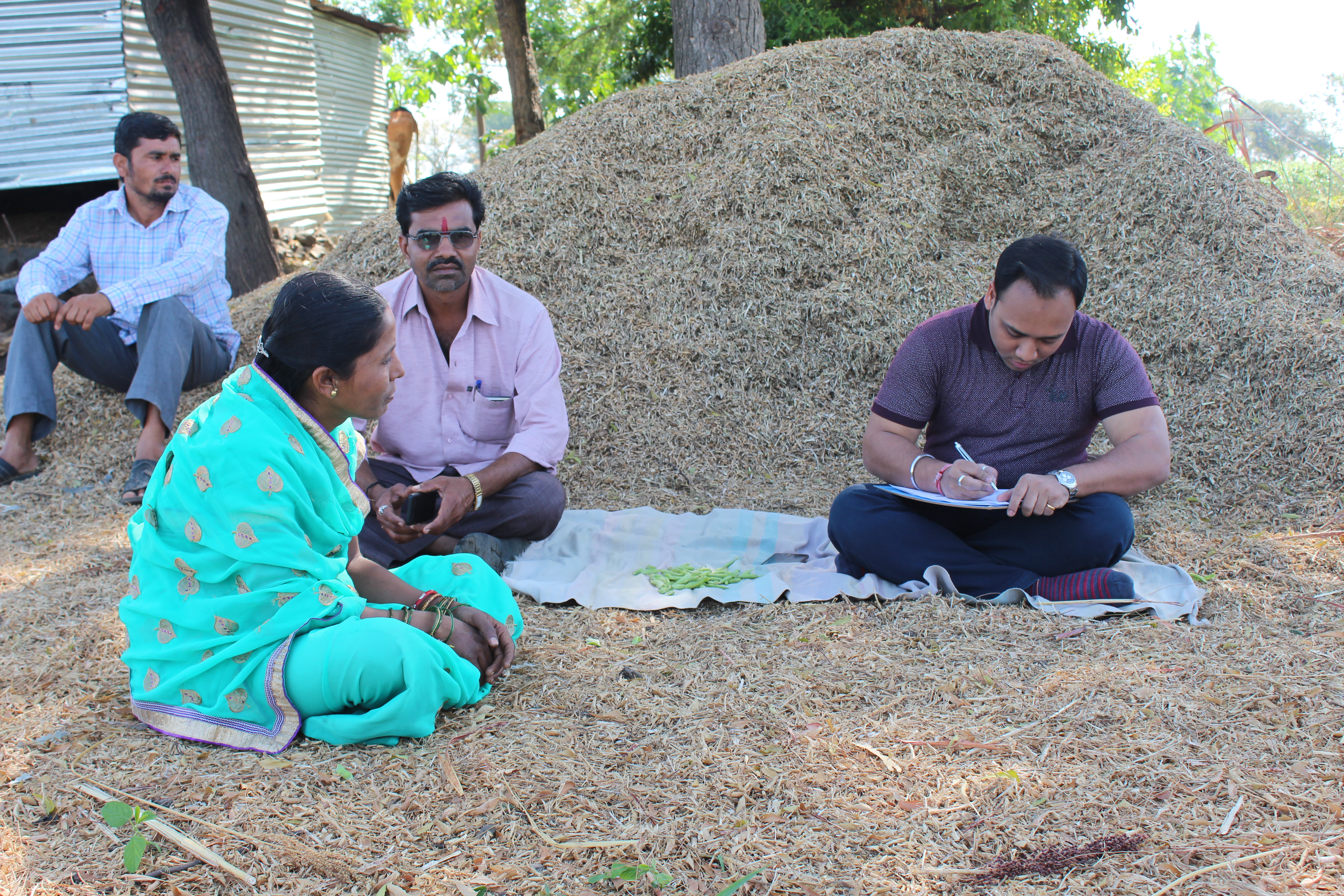
Here are 5 things which you can keep in mind which will help you conduct successful interviews and bring out the data you need for your research.
- Design a good introduction to build an instant rapport
I have always experienced that a good and honest introduction helps break the ice, puts the respondent at ease and helps the researcher gain the respondent’s trust – which is essential to conduct a successful interview. Usually, I use the below for designing the introduction:
- Greet as per the local norm. It is good to acquire some commonly used phrases. I remember when we were in the Philippines for a responsible sourcing project Magandang Umaga (good morning in Tagalog) and Magandang Hapon (good afternoon in Tagalog) used to lit up the faces of the farmers.
- Tell your name, where you are coming from, name of your organization, what does your organization do
- Be honest about the intent of the interview. It reduces the tension between an interviewer and interviewee. It is really okay to tell the respondent things like “We are trying to understand the nutrition situation in your community so that we can work with private sector companies to improve the situation” or “We are here to study the fantastic work you are doing in agriculture and learn how you have brought about the changes”
- Now, ask the respondent to introduce him/her. The respondent may talk about a lot of things; don’t stop him/her immediately. If it goes on for too long, then take control and politely direct the discussion towards the interview.
- Engage, don’t just ask questions
As BoP researchers, it is very important to empathize with the respondents and engage in a dialogue rather than just asking questions to populate your database. It will help the respondent to open up, and the researcher can collect rich insights from these conversations.
Some of the engagement tools which can help you
- Follow up a close-ended question with a clarifying question. For example, “Do you use bio fertilizers in your farmland?” can be followed up with “Why? or Why not?”
- Try to quickly paraphrase after the end of a logical section. Apart from engaging with the respondent it will help you look up from your questionnaire and have eye contact with the respondent, will help in case you or the respondent have missed out on any key data, will help if any wrong data was recorded.
- Occasionally you can take the liberty to crack a joke to make the mood lighter. However, vet the situation and the socio-cultural aspects before doing that.
- Keep it Simple
In Base of the Pyramid interviews, comprehensibility is critical. Simple, to the point questions have better chances of receiving an accurate reply. To do that censor out big management words; instead, use simple language. As a BoP researcher, you should design the questionnaire putting yourself in the shoes of the respondents. This ensures key messages are easily conveyed. For example, if you ask a small or marginal farmer from a remote village in India “How do you think we should improve our outreach of this farming program?” he will probably stare at you for 10 seconds and scratch his head. But if you ask him “Our goal is to take this program to farmers like you in your neighbouring villages. How do you think we can do it?” – chances are he might come up with an insight.
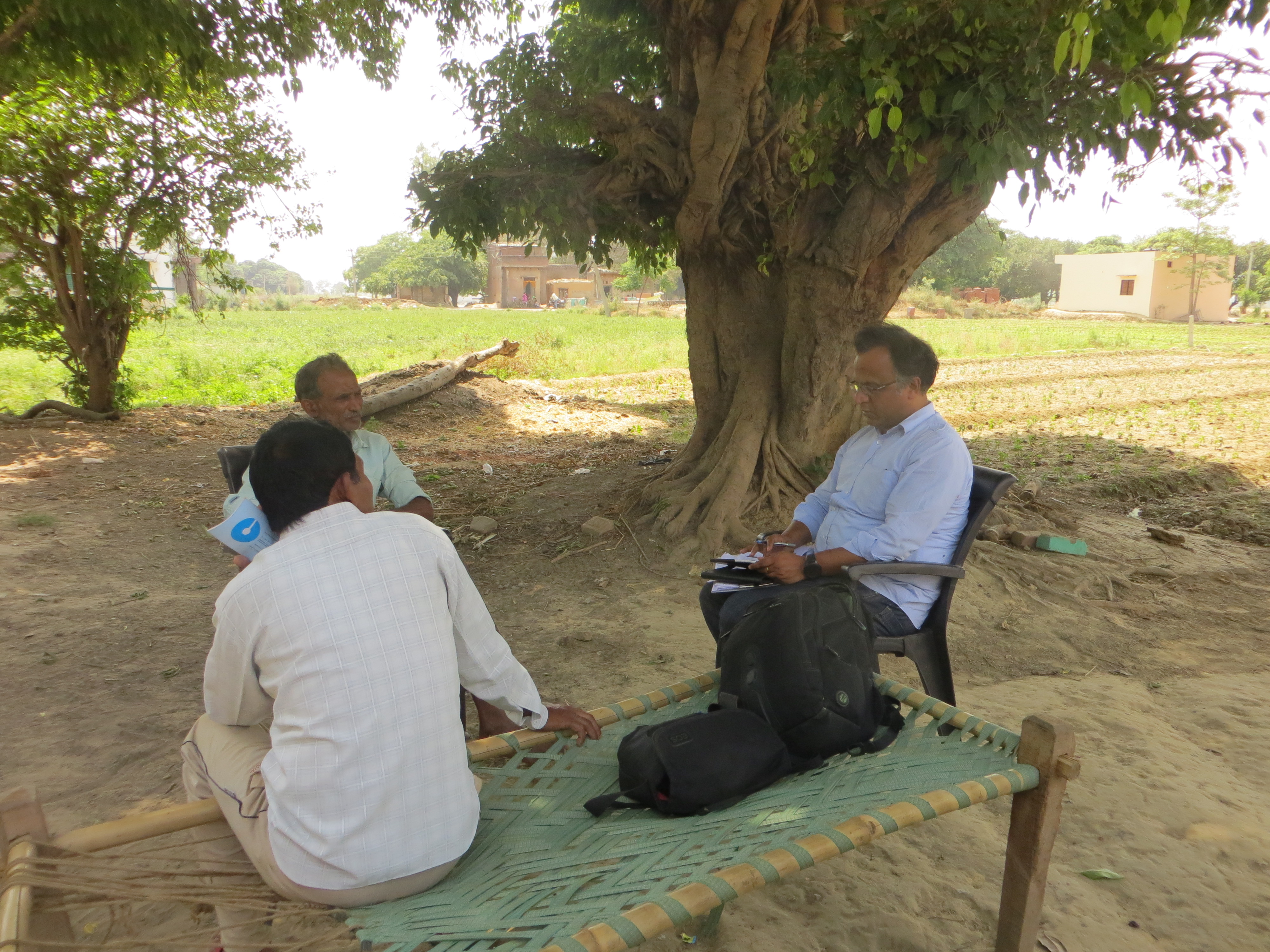
- Break a question into drivers to arrive at accurate responses
Break down a big question into comprehensible drivers for accurate data. For instance, “What is your annual cost of cultivation per acre of land?” may leave you with inaccurate responses or no responses at all. A better way to collect data is breaking it down into smaller components – “How much do you spend on fertilizers”, “How much do you spend on seeds”, “How much do you spend on pesticides”, “How much do you spend on irrigation” in a season on an acre
- Disintegrate a complex question into small simpler questions
Disintegration is a tool to verify and arrive at a data point by collecting drivers as responses to reduce the margin of error. This way only accurate data is collected.
Let me elaborate that with an example:
Question: How much paddy did you harvest last year?
Respondent: 500 kilograms
Question: Did you sell all the produce or keep some for the family?
Respondent: Sold 400 Kg, kept 100 Kg for family
Question: How much did you get per Kg of rice sold?
Respondent: INR 40
Triangulation Question: So, did you earn INR 16,000 from paddy last year?
Respondent: Yes
Had the interviewer asked, “How much did you earn from selling paddy last year”, there could be a risk of collecting inaccurate data with unverified drivers.
- Don’t let fatigue impact the interview
Ideally, an in-depth interview should run from 45 to 60 minutes, and anything more than that will cause fatigue to both the respondent and the interviewer directly affecting the quality of the interview. A researcher should also sequence the questions accordingly. Keep the high priority questions in the beginning and the low priority ones at the end. A tactical way to outrun fatigue is to keep close ended low priority questions at the end.
Hope the five tactics to run an in-depth interview will help you become more productive and successful as a Base of the Pyramid Researcher.
Featured Blog Posts


Get The Latest From The Social Sector In Your Inbox!

Subscribe to our newsletter