‘Accountability’ to fill the gaps in aid availability for malnourished children, West Bengal, India



About 925 million people in the world suffer food scarcity and hunger, of which 578 million people are in the Asia and Pacific Region. Lack of awareness for correct dietary practices is perhaps the biggest cause for malnutrition, second only to the all-pervading (as the numbers suggest) poverty and lack to access to nutritious food. WHO describes malnutrition as the biggest threat to world public health, and also the biggest contributor to child mortality (a factor in nearly half of all cases). In India, number of children suffering from malnutrition is the second highest in the world after Bangladesh. The UN estimates that 2.1 million (four every minute) Indian children die of preventable causes like diarrhoea, pneumonia, tuberculosis before they reach age 5. India has about 160 million children below the age of 6, and 42% of children are underweight, 59% are stunted in their growth (HUNGaMA Report, 2011). The numbers are overwhelming, and the Prime Minister of India, Dr Manmohan Singh said that malnutrition is a ‘national shame’.
In India, the concentration of children suffering from malnutrition is in states like West Bengal, Uttar Pradesh, Bihar, Jharkhand, Madhya Pradesh, Rajasthan and Orissa. In West Bengal particularly, 19% of children are wasted, 38% underweight and 42% suffering from malnutrition. Also, according to the prevalent trend, mothers in West Bengal were largely young adolescent girls forced to marry early. They were found to be generally uneducated (36%), already married (49%) and almost always anaemic (59%).
What is being done to address these issues, made starker by the alarming numbers? The Government of West Bengal, in association with UNICEF, Save the Children ® and Child in Need Institute (CINI) rolled out the program “The 1000 Days Approach to Malnutrition in West Bengal: The Window of opportunity” to address the afflicted mothers and children in West Bengal.
The concept of 1000 Days: A window of Opportunity, if it were to be implemented, would prove to be an efficient tool in reducing the national child and mother mortality rates in India. (“The 1,000 days between a woman’s pregnancy and her child’s 2nd birthday offer a unique window of opportunity to shape healthier and more prosperous futures. The right nutrition during this 1,000 day window can have a profound impact on a child’s ability to grow, learn, and rise out of poverty. It can also shape a society’s long-term health, stability and prosperity”. Read more here). But with how history has run its course in terms of aid-programs in India so far, this could just as well be another program that was funded, piloted and never heard of again, making no mark on its targeted goal of change. How would this be any different?
Dr Sujata Basu, Senior Programme Office at CINI answered our question. According to her, the same stakeholders would be involved – ASHA Workers, Health workers at the grassroot level, and ANM workers, the same forms of governmental and non-governmental schemes and aids will be employed – with the simple exception that accountability creation will be given the utmost priority. Accountability has been recognised as a key missing ingredient to success of such programs, as recognised by Dr. T Kumar (IAS, Principle Secretary, Dept. of Women and Child Development, GoWB). As she put it – all the tools and finances are in the possession to of the state administration, only the lack of accountability creates the gap in services having the impact they were created for. Dr. Dilip Ghosh (IAS), Health and Family Welfare Department, GoWB suggested toward this end, the use of experiences of similar programs piloted before like Positive Deviation and CHCMI (Community healthcare Management Initiative) to learn to avoid creating fallacies in this new program.
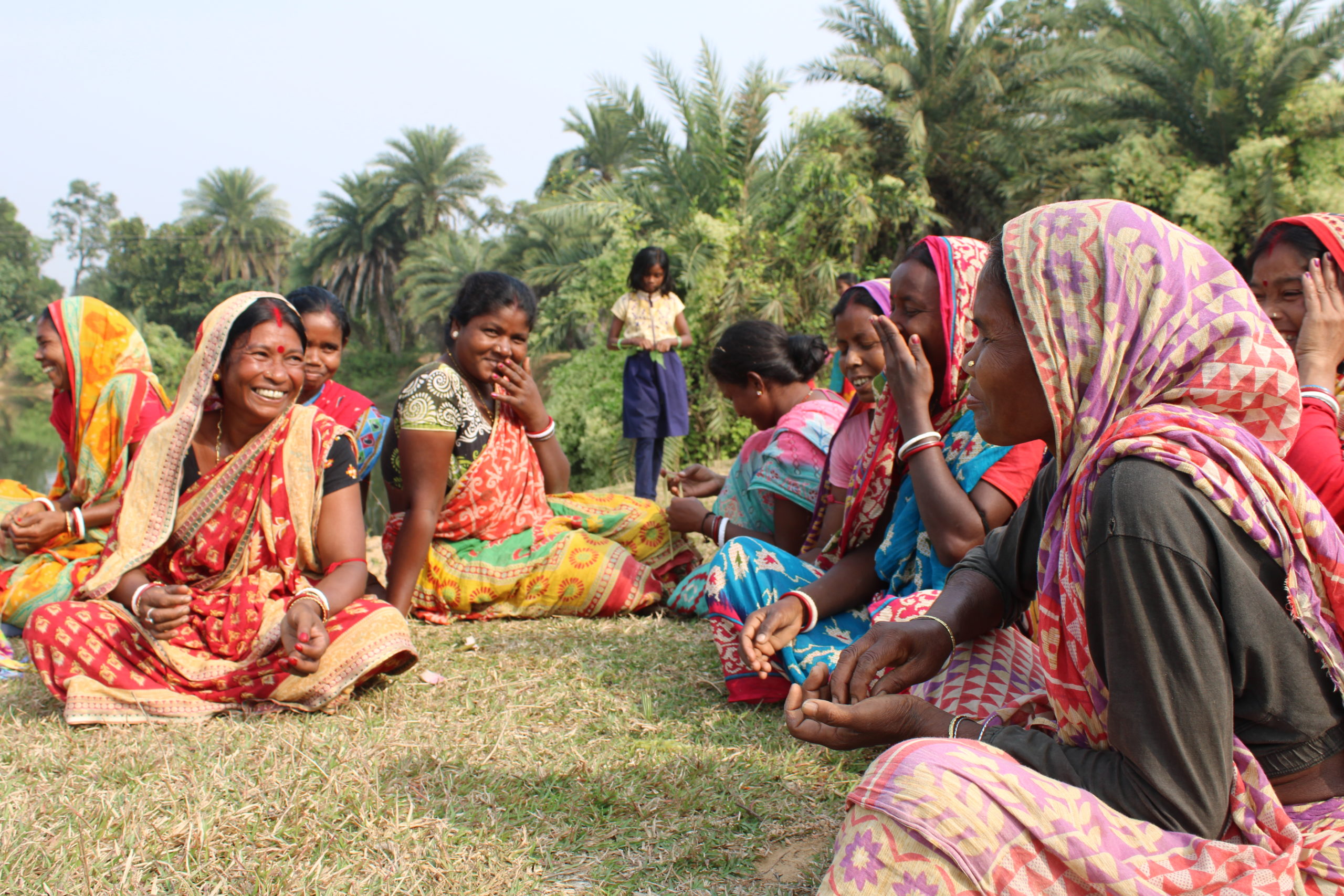
Accountability creation would be implemented through formation of community groups where discussions between urban local body representatives, PRIs (Panchayati Raj Institutions and community members, especially mothers will be conducted. Demand for services that have long been in existence but have not made it into practise with or knowledge of the women at grassroot levels can only be generated once they have been made aware of it – and such community groups will directly facilitate it. Once awareness has been generated and demand has been made, accountability creation will take importance. This will be done through data tracking of the status of malnourished children over regular intervals of time, as well as facilitating the involvement of change makers in community gatherings to share their stories and best practices. SHGs in these communities will be trained to track and monitor progress and funding from UNICEF and Save the Children® shall be used to scale capacity and train more workers.
With such strategic methods to ensure the smooth working of machinery to achieve mother and child health for a better future of India, one cannot but hope that the inference of accountability as a factor to be addressed will finally bring about change.
Featured Blog Posts

Get The Latest From The Social Sector In Your Inbox!

Subscribe to our newsletter