
Recent Developments,
Key Innovations, and
Insightful Reports
Your One Stop Platform for Regular Sector Updates
Sector news
View By Category
Categories
- See all
- Agriculture
- Clean Cookstoves
- Clean Energy
- Climate Action
- Digital Technology
- Education
- Financial Services
- General
- Healthcare
- Hygiene
- Impact Investment
- Inclusive Value Chains
- Livelihoods
- Livestock
- Lower Income Consumers
- Marketing, Distribution and Sales for BoP
- Nutrition
- Sanitation
- Water
- Women Empowerment


April 17, 2013
Big social costs tallied in regions with scant energy access
This post compiles a number of sectors like healthcare and education that suffer from the lack of electricity in the developing world. These reflect on the high social costs these countries must pay as a result. Read more here.
April 17, 2013
Microbial batteries could help Africans use soil to charge cell-phones
Aviva Aiden, a doctor from Boston has figured out a way to use the microbes living in the soil as electricity generators, enough to charge a cell phone. This helped her get funding from the Bill and Melinda Gates’ Foundation. The pilot implementation of these batteries was done in Uganda, […]
April 17, 2013
Dealing with energy poverty, one football at a time
A new start up in the US is working on a football that generates electricity when kicked. This electricity can also be stored within the football. This project is being supported by the Clinton Global Initiative and has the backing of David Villa, a famous football personality. Read more here.
April 17, 2013
India: North India gets a new clean cookstove
AGNI cookstove is a clean cookstove approved by the government of India. This stove runs on rice husk, and produces clean flames which do away with the health hazards that typical ‘chulhas’ or inefficient cookstoves usually entailed. This cookstove will soon be launched in the North Eastern parts of India, […]
April 17, 2013
Nepal: How passive violence against women goes unprotested
The world has seen a number of atrocities against women which usually firmly protested against. However, there is one particular hazard that women are regularly put through in rural areas of the developing world – toxic smoke from inefficient cookstoves. In Nepal, the scenario is no different – 22 million […]
April 17, 2013
Nigeria: Combating desertification through clean cookstoves
In Nigeria, the desert is moving from the north to habitations in the south at the rate of 600 metres per annum. This process is hastened by the process of felling trees for the purposes of use as fuel in cookstoves. Most households depend on wood and charcoal for cooking. […]
April 17, 2013
Clinton’s clean cookstove push may create investment opportunities
Hillary Clinton left behind a legacy through her landmark Global Partnership Initiative, one that she hoped would inspire the State Department to collaborate more. The cornerstone of this initiative was the clean cookstove movement, propelled by the public private partnership GACC, or the Global Alliance of Clean Cookstoves. This organization […]
April 17, 2013
Kashmir benefits from India’s rural electrification programmes
Since 2004, Indian government’s rural electrification programmes has benefited at least 4825 households in remote areas of north Kashmir. Read more here.
April 17, 2013
Sudan: AfDB grants US$340,000 to Sudan’s National Energy Research Centre
The African Development Bank (AfDB) and Republic of Sudan together collaborated to facilitate a grant of US$340,000 to the National Energy Research Centre (NERC). This grant will be used to research viable sources of energy for the rural poor in the country. Read more here.
Get The Latest From The Social Sector In Your Inbox

Subscribe to our newsletter
View Our Publications
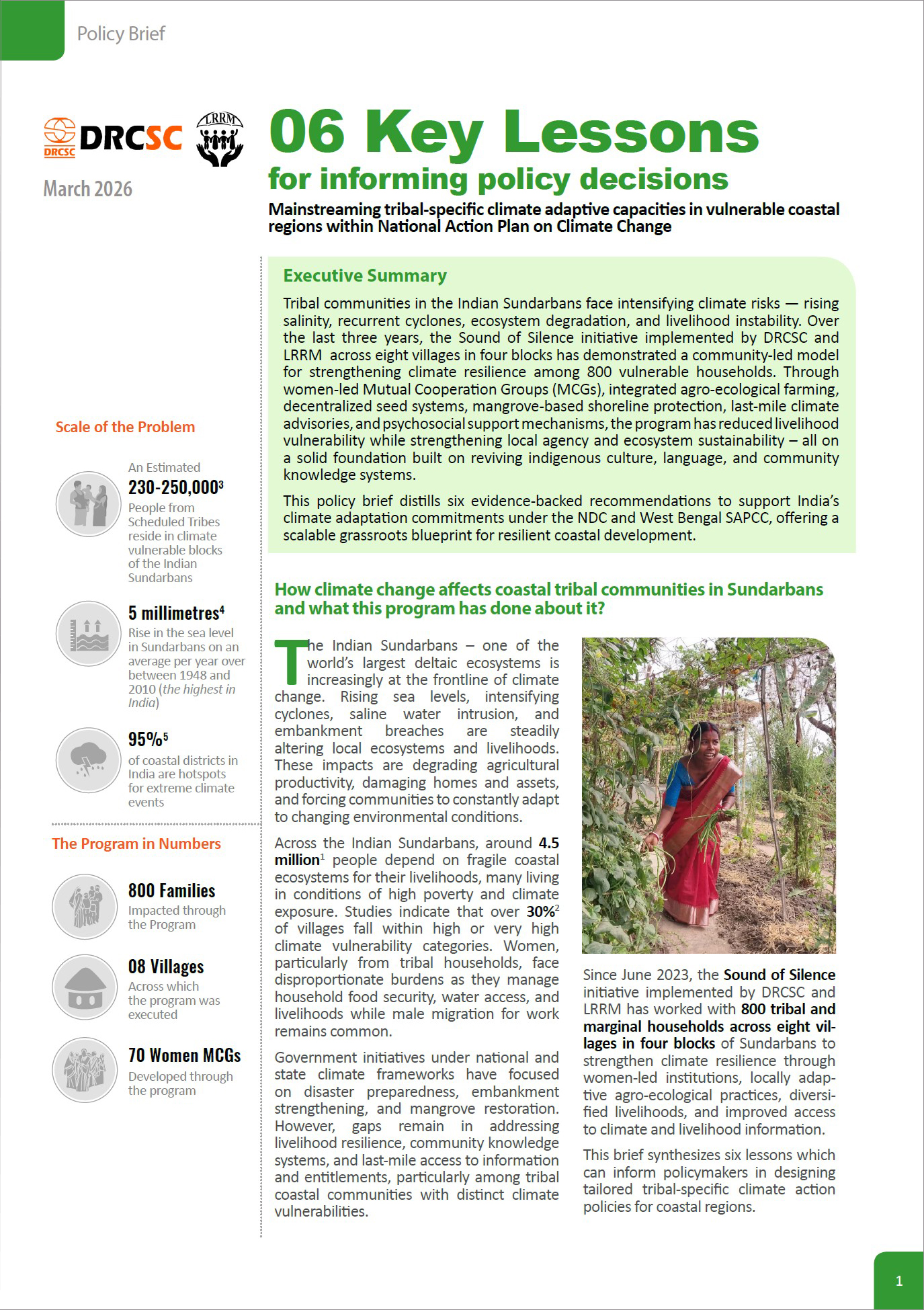
06 Key Lessons for informing policy decisions: Mainstreaming tribal-specific climate adaptive capacities in vulnerable coastal regions within National Action Plan on Climate Change
Download Full Report
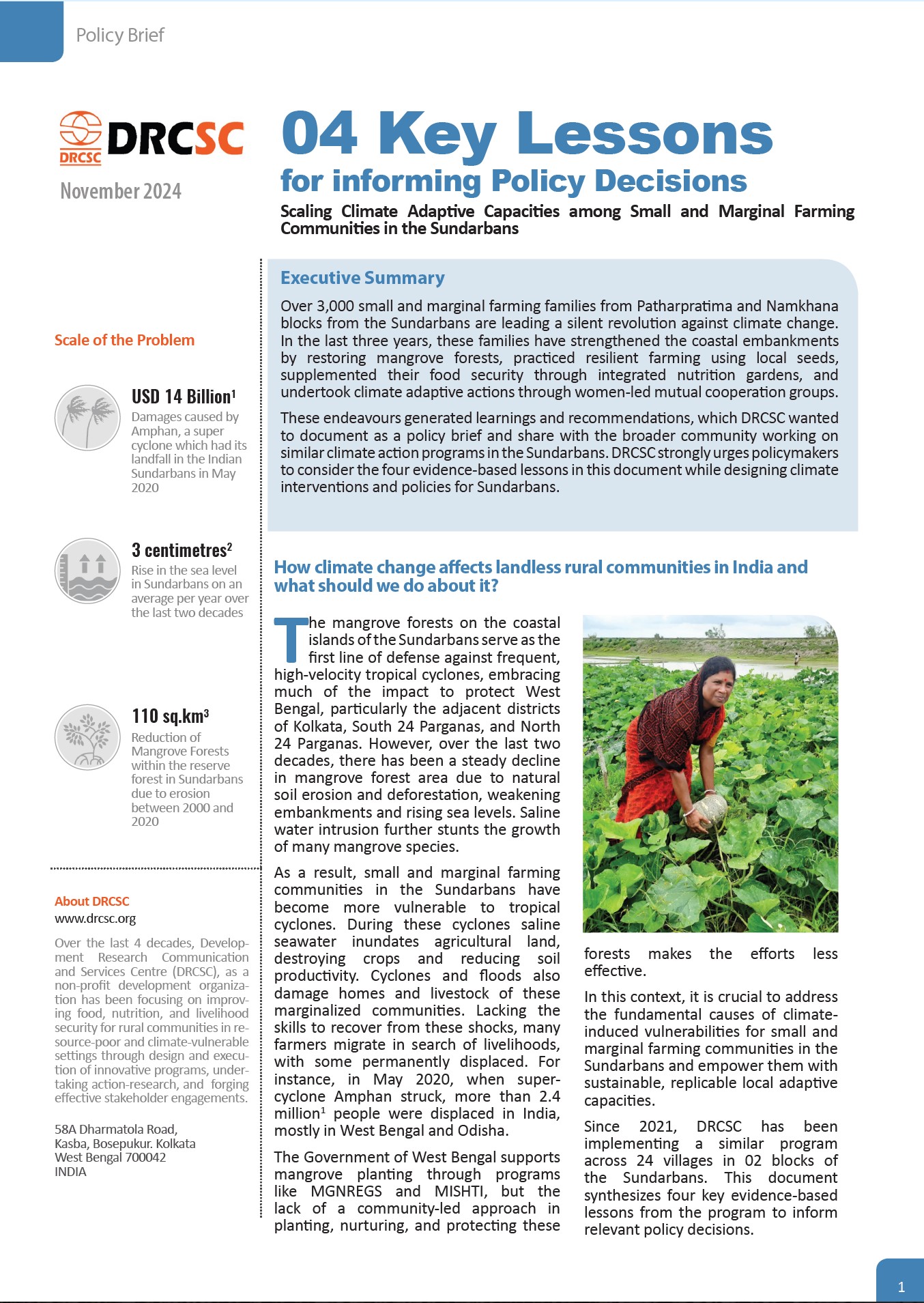
Four Key Lessons for Policy Consideration: Scaling Climate Adaptive Capacities among Small and Marginal Farming Communities in the Sundarbans
Download Full Report
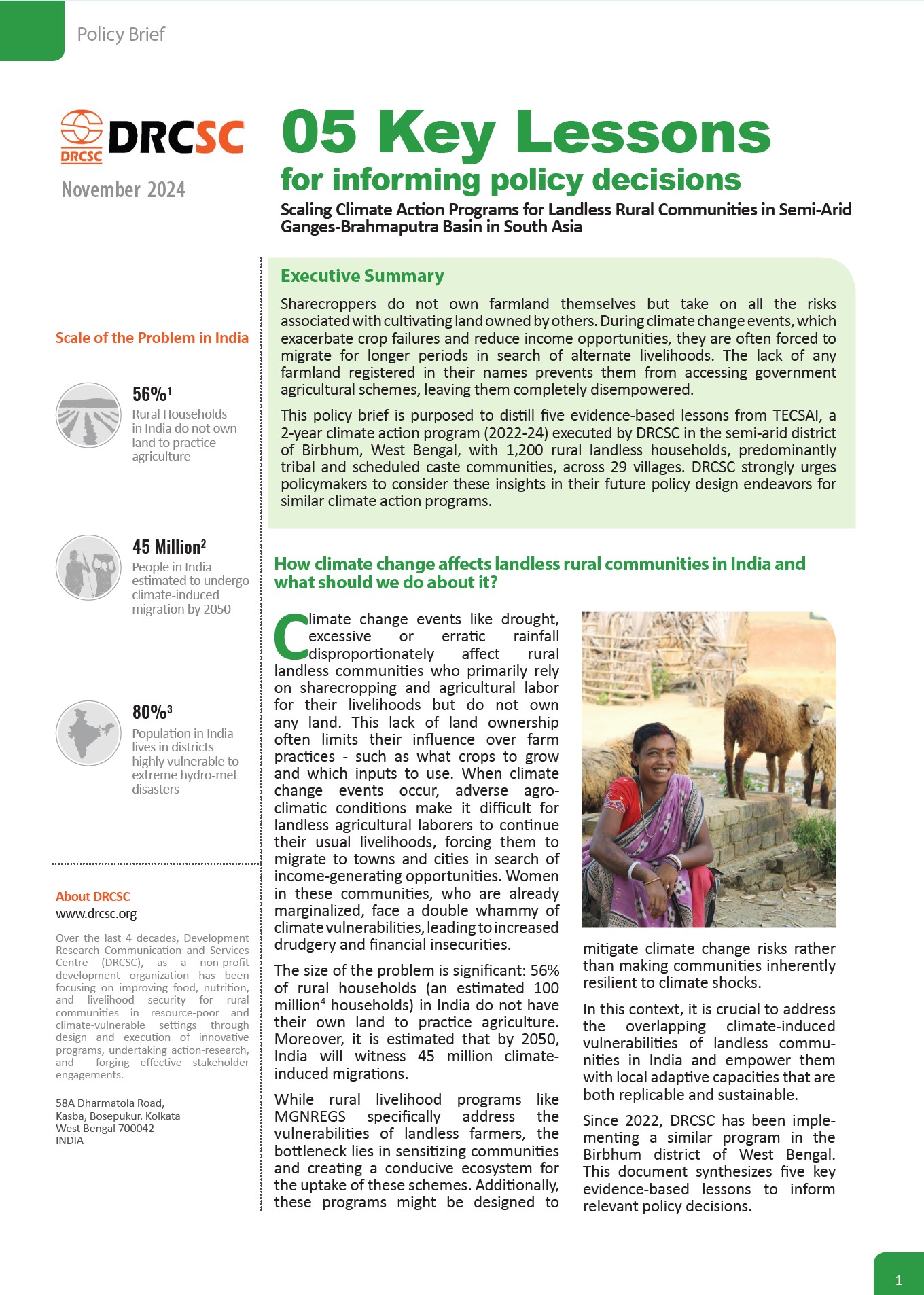
Five Key Lessons for Policy Consideration: Scaling Climate Action Programs for Landless Rural Communities in Semi-Arid Ganges-Brahmaputra Basin in South Asia
Download Full Report
View Blog Posts
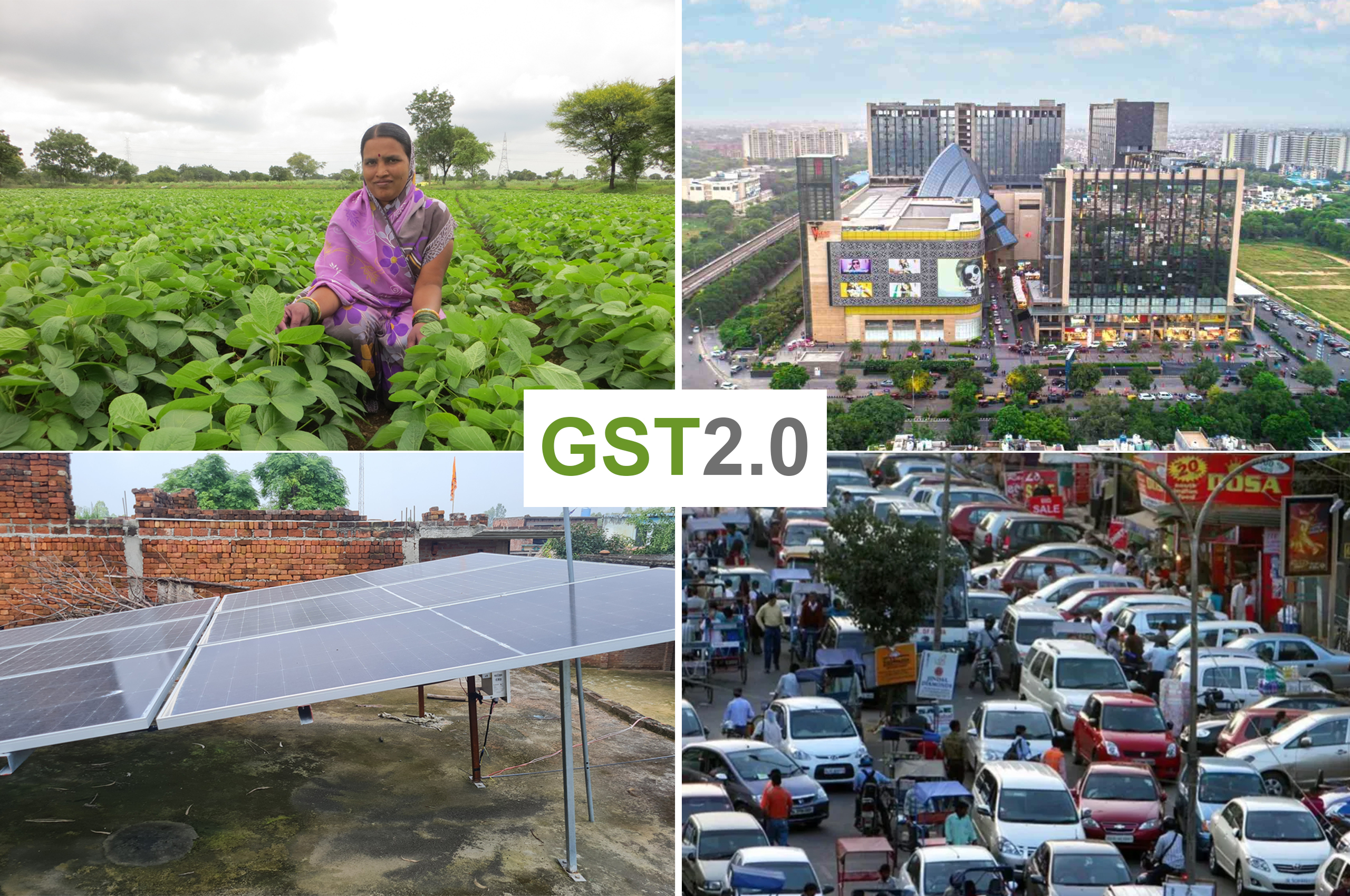
GST 2.0 and Tax Cuts: Can They Make Growth Fairer and Greener?
India's latest GST reform, being termed as GST 2.0, is more than just slashing rates. By simplifying the tax structure, cutting levies on essentials, and supporting renewable infrastructure, it's open..
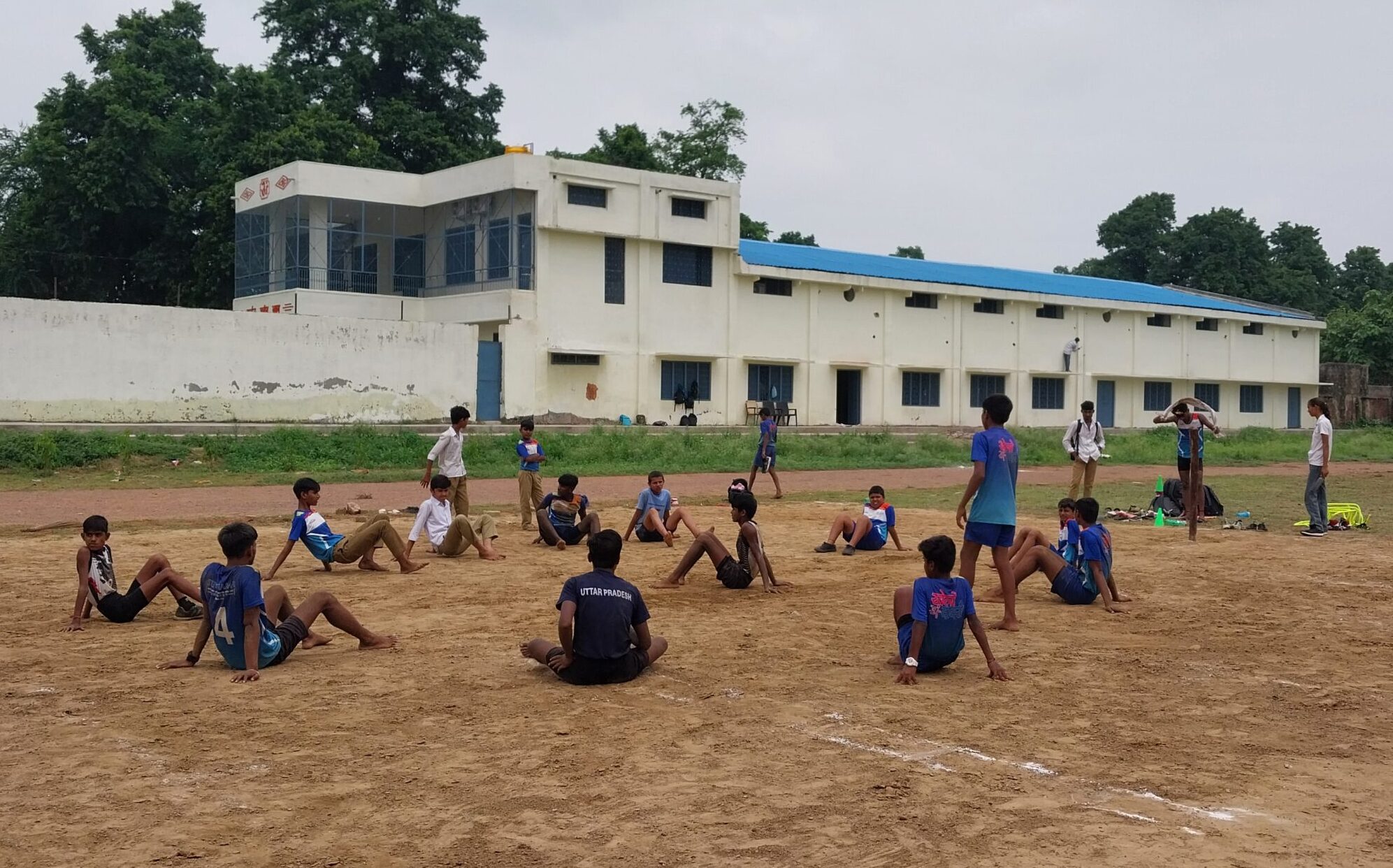
Reimagining Sports in CSR: From Tokenism to a Vehicle for Multiplying Impact
In 2023–24, Indian companies spent about ₹1,396 crore of their CSR budgets on sports — just 4% of the total ₹34,909 crore Indian corporates spent on CSR that year. Most of the rest went to edu..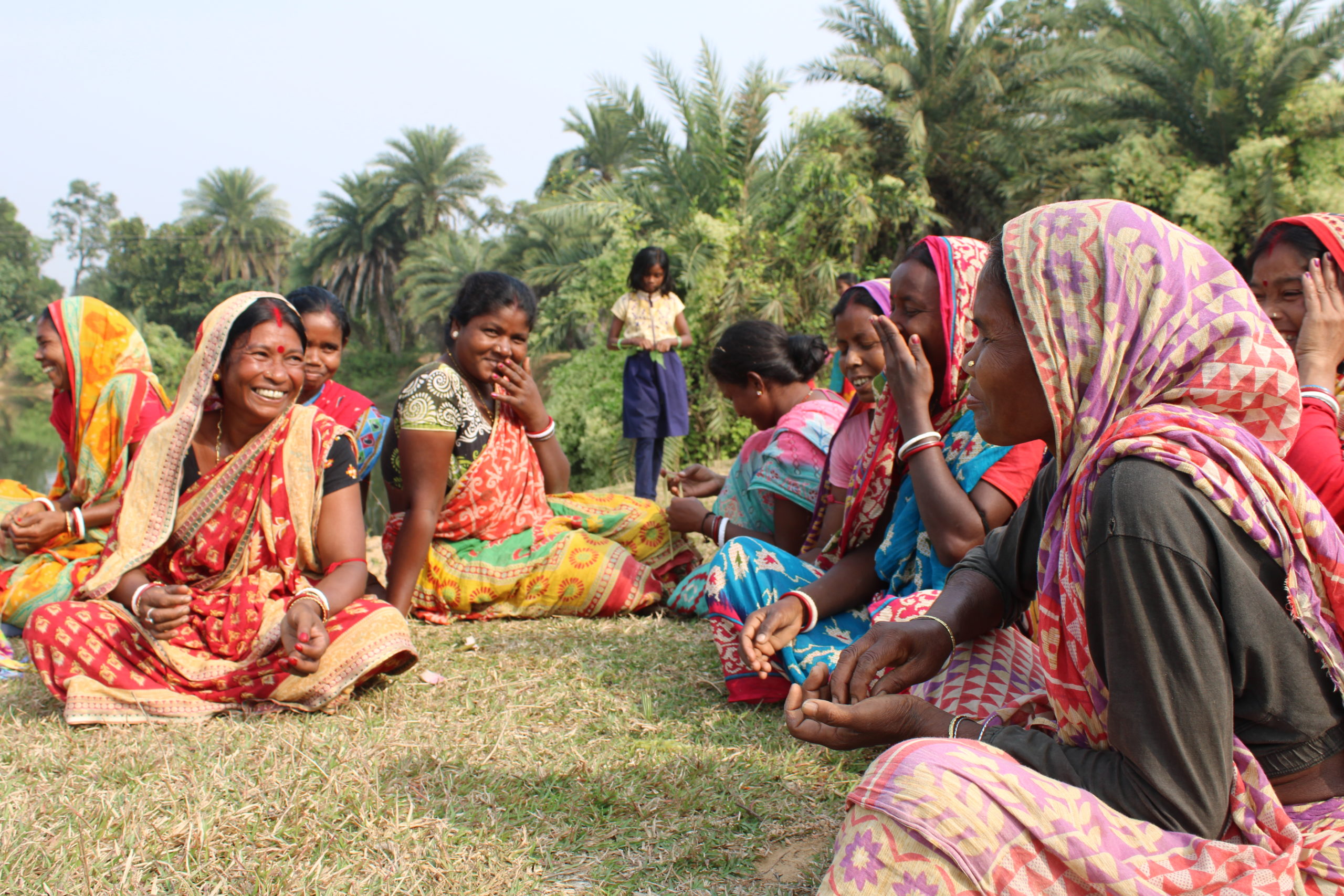
Interactive SHG Map of India: 7.5 million Women Self Help Groups are spread across 27 States and 6 UTs in India
Under the National Rural Livelihood Mission (NRLM), India has 7.5 million Women Self Help Groups (SHGs) spread across 27 states and 6 Union Territories. Each of these small, self-governed, and peer-co..