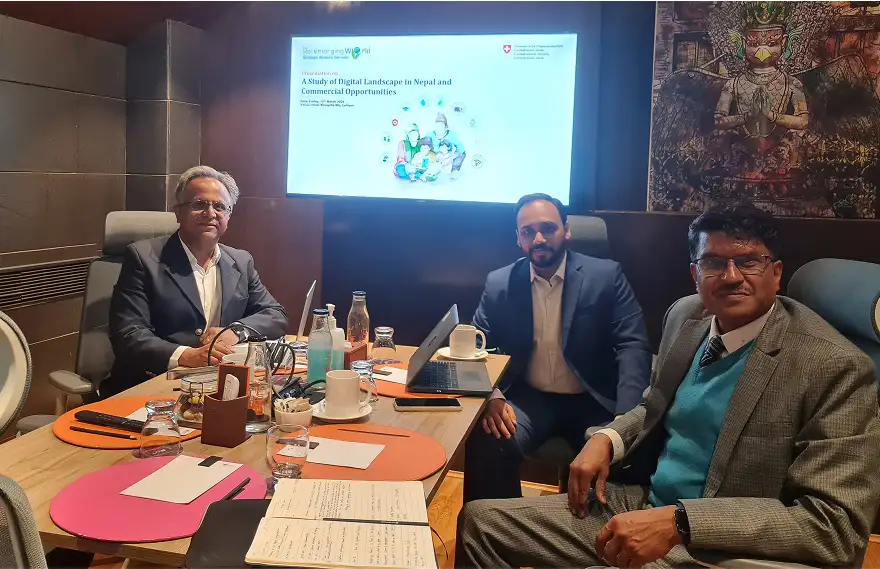

Recent Developments,
Key Innovations, and
Insightful Reports
Your One Stop Platform for Regular Sector Updates
Sector news
View By Category
Categories
- See all
- Agriculture
- Clean Cookstoves
- Clean Energy
- Climate Action
- Digital Technology
- Education
- Financial Services
- General
- Healthcare
- Hygiene
- Impact Investment
- Inclusive Value Chains
- Livelihoods
- Livestock
- Lower Income Consumers
- Marketing, Distribution and Sales for BoP
- Nutrition
- Sanitation
- Water
- Women Empowerment


March 4, 2013
Water, sanitation and hygiene
This post by the Centre of Globalization and Sustanaible Development stresses the importance of access to sanitation, which is quite rightly estimated as the most off-track MDG (Millennium Development Goal) target of all. It discusses methods and effective models in Africa. Read more here.
March 4, 2013
The water creating billboard in Peru
In collaboration with the mayo draftDCB, the UTEC (University of Engineering and Technology), a new billboard in Peru has been set up which can produce pure water from atmospheric humidity. This provides resident with as much as 96 litres of drinking water. Read more here.
March 4, 2013
Sanitation: A Global Estimate of Sewerage Connections without Treatment and the Resulting Impact on MDG Progress
According to a research by ACS Journal Environmental Science & Technology, estimates of people without access to sanitation have been found to be double of previously estimated. Read more here and here. Read the report here.
March 4, 2013
Water, sanitation and hygiene: The missing link with agriculture
This working paper by the Centre for Development Research at the University of Bonn, looks at the link between water, sanitation and hygiene, and irrigation practices for agriculture, which affects drinking water quality and quantity, as well as the water cycle on the whole. Read the report here.
March 4, 2013
AfDB to spend US$57.66 million for food security programme in horn of Africa
The African Development Bank recently signed an agreement to loan an amount of US$57.66 million for DRSLP (Drought Resilience and Sustainable Livelihoods Programme) in HoA, or the Horn of Africa. Read more here.
March 4, 2013
The challenge of feeding the world, taking into account the urbanization phenomenon
By 2050, this world will have 9 billion people to feed. By 2100, the urban population of Africa will have grown by 2.5 billion, and that of Asia by 2 billion. The solution isn’t as simple as investing in smallholder farmers. Urban food insecurity is going to […]
March 4, 2013
Malawi to launch nutrition, HIV and AIDS project
Significant advances have been made maternal health and child survival, but not nearly enough in the fields of stunting due to malnutrition and HIV/AIDS. Malawi is addressing this problem by unrolling its nationwide ‘Nutrition, HIV and AIDS’ project. Read more here.
March 4, 2013
UN kicks off ‘Year of Quinoa’ with focus on world nutrition
The UN declared Year of Quinoa is meant to be used in multiple ways – most important aspect of this year is going to be nutrition. Quinoa has high nutritional value and UN intends to spread its use and value to smallholders across the world. Read more […]
March 4, 2013
A new business model for farmers in the nutrient economy
Management of nutrients is exclusively the area of the farmers of the world. However, several malpractices, some in practice over several decades have had long lasting negative impacts on the society – stunting, obesity and more. This post argues for the case of farmers, as ‘nutrient […]
Get The Latest From The Social Sector In Your Inbox

Subscribe to our newsletter
View Our Publications
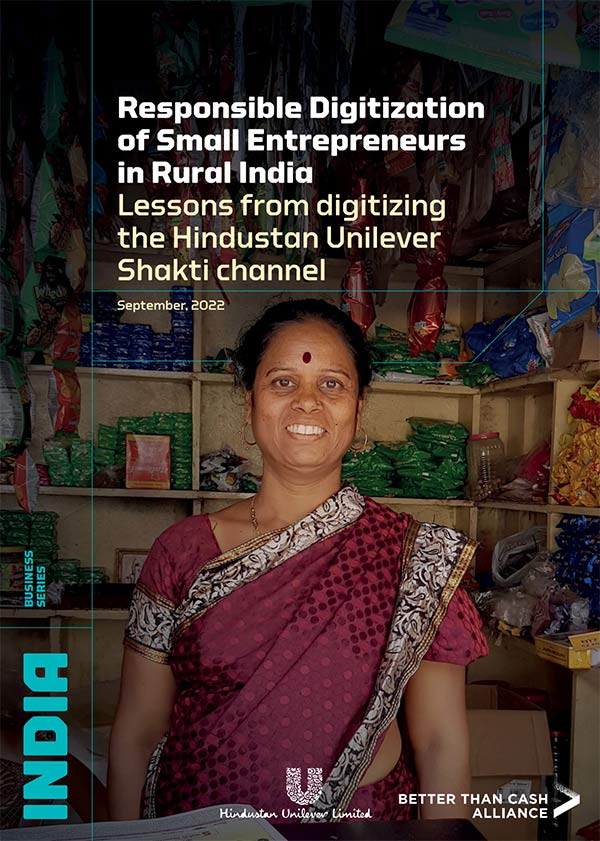
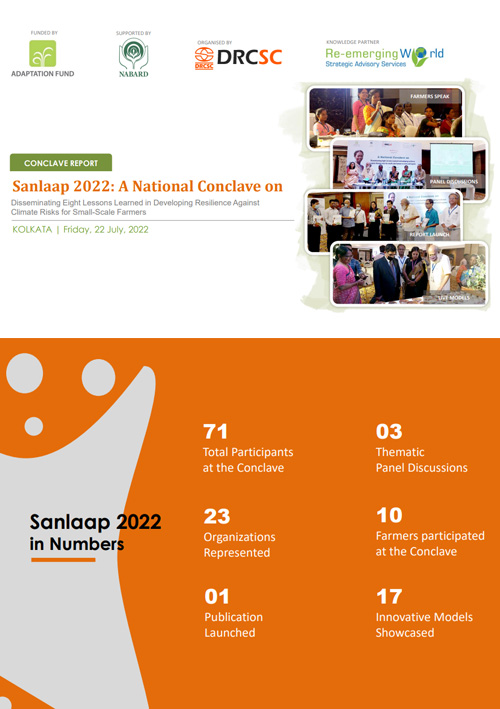
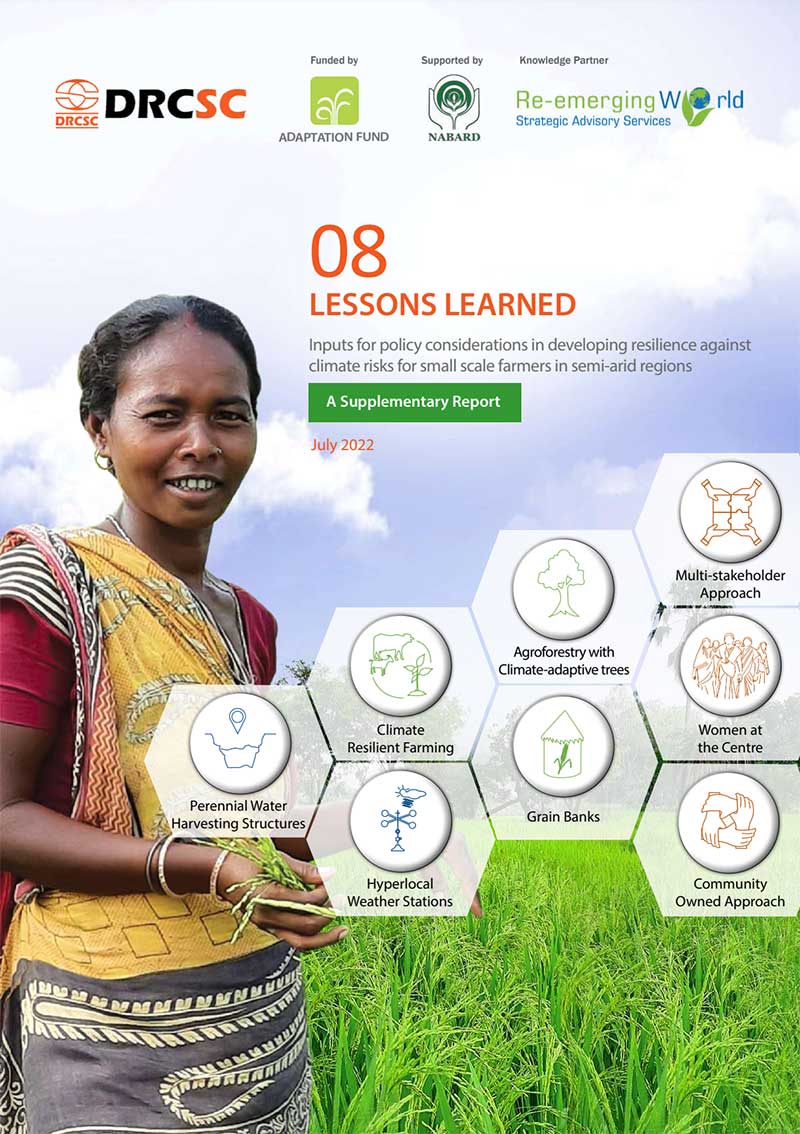
Eight Lessons Learned: Inputs for policy considerations in developing resilience against climate risks for small scale farmers in semi-arid regions, full report
Download Full Report
View Blog Posts
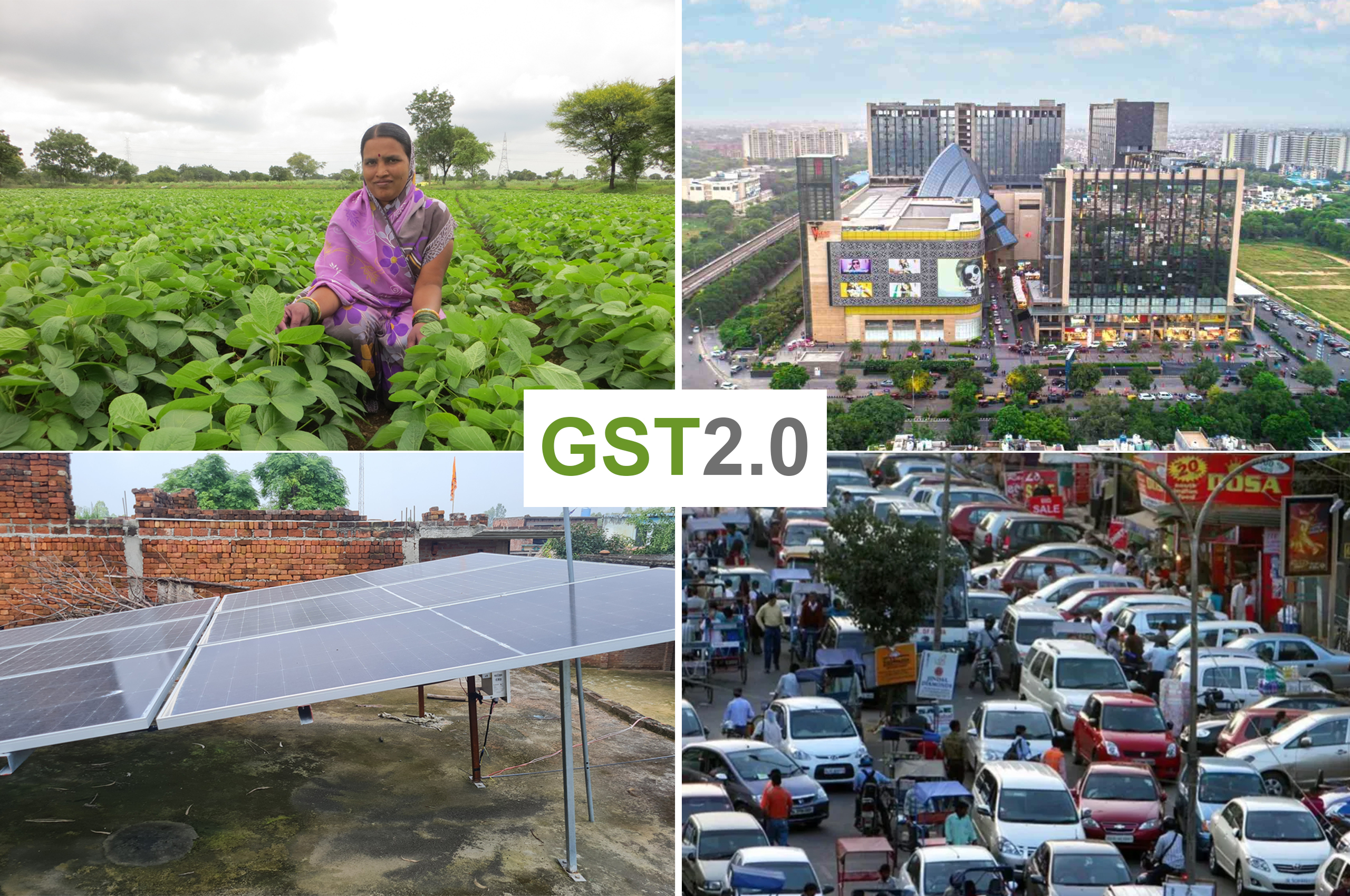
GST 2.0 and Tax Cuts: Can They Make Growth Fairer and Greener?
India's latest GST reform, being termed as GST 2.0, is more than just slashing rates. By simplifying the tax structure, cutting levies on essentials, and supporting renewable infrastructure, it's open..
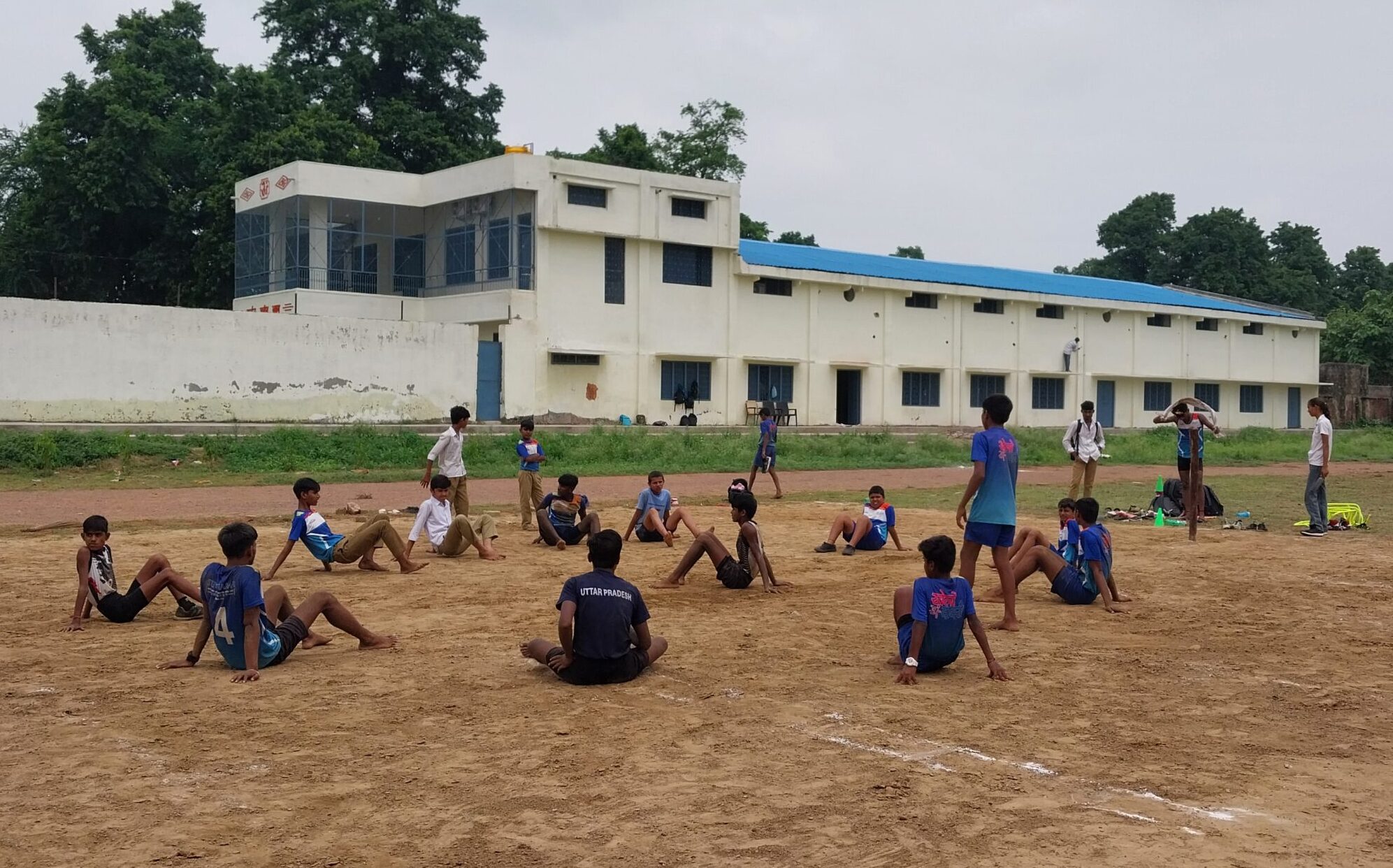
Reimagining Sports in CSR: From Tokenism to a Vehicle for Multiplying Impact
In 2023–24, Indian companies spent about ₹1,396 crore of their CSR budgets on sports — just 4% of the total ₹34,909 crore Indian corporates spent on CSR that year. Most of the rest went to edu..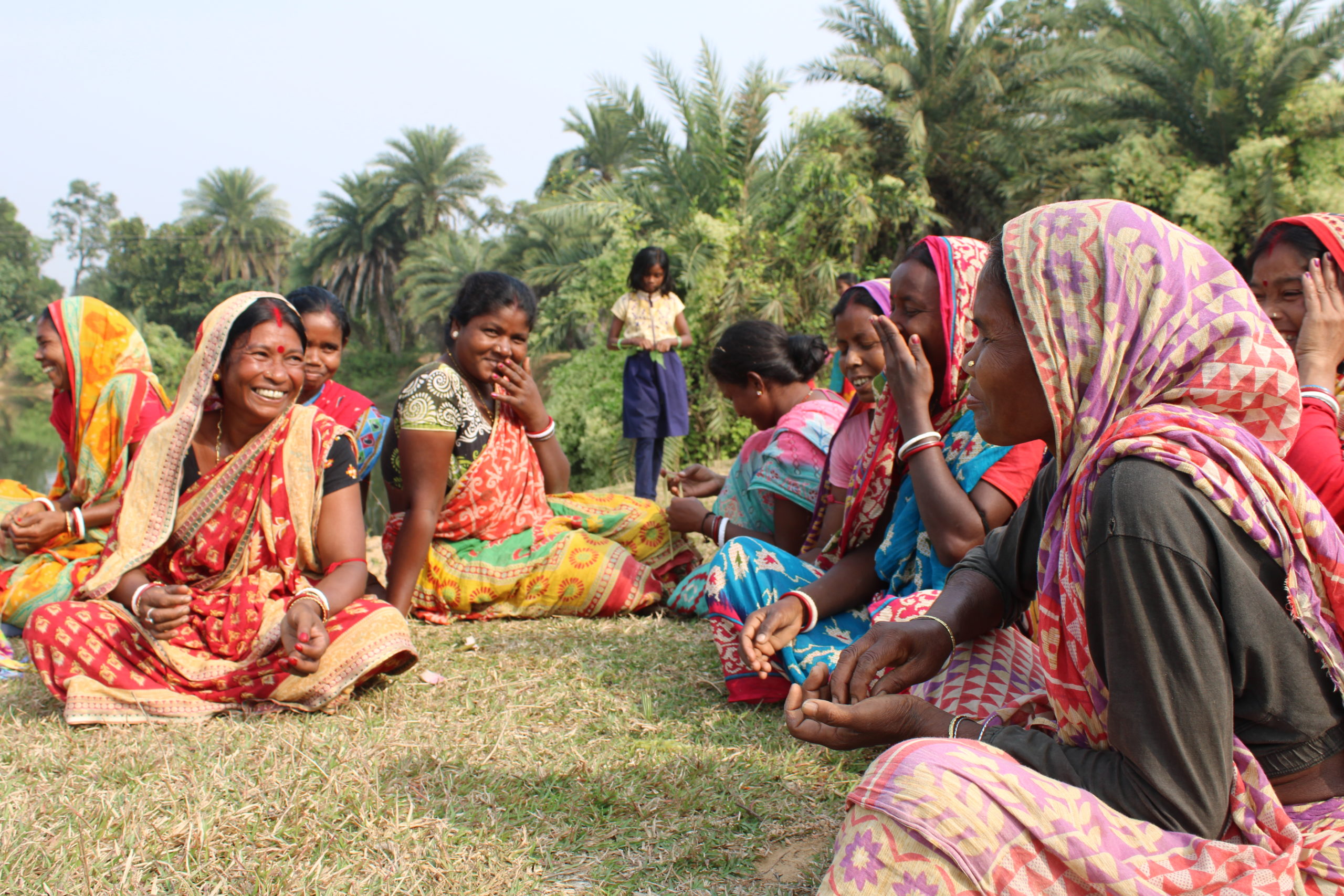
Interactive SHG Map of India: 7.5 million Women Self Help Groups are spread across 27 States and 6 UTs in India
Under the National Rural Livelihood Mission (NRLM), India has 7.5 million Women Self Help Groups (SHGs) spread across 27 states and 6 Union Territories. Each of these small, self-governed, and peer-co..