
Recent Developments,
Key Innovations, and
Insightful Reports
Your One Stop Platform for Regular Sector Updates
Sector news
View By Category
Categories
- See all
- Agriculture
- Clean Cookstoves
- Clean Energy
- Climate Action
- Digital Technology
- Education
- Financial Services
- General
- Healthcare
- Hygiene
- Impact Investment
- Inclusive Value Chains
- Livelihoods
- Livestock
- Lower Income Consumers
- Marketing, Distribution and Sales for BoP
- Nutrition
- Sanitation
- Water
- Women Empowerment


March 21, 2013
Ethiopia: Government, private sector to partner in housing scheme
The Government of Ethiopia, through the Ministry of Urban Development & Construction (MoUDC) has partnered with real estate developers in the country for a PPP project, wherein the government will subsidise prices of land, while developers will being in technology and investment. This effort is towards preparing an integrated urban […]
March 21, 2013
Philippines: Cheaper medicine law in full swing
The Philippines Government has assured the country of cheaper and more accessible medicines through their newly approved Cheaper Medicines Act. This act will be enforced in all state run hospitals and agencies. Under this law, doctors will be required to only prescribe generic, low cost medicines. Read more here.
March 21, 2013
The Flying Syringe and 16 year old CEO
Provita Pharmaceuticals, which emerged as a result of a school business project, comprises of business minded students fielding plans for students interested in biotechnology. The company’s CEO is Joshua Meier, a 16 year old teenager, who has already submitted grant ideas to the Bill and Melinda Gates Foundation. He is […]
March 21, 2013
Africa: Malarial diagnosis and treatments should be decentralized
Research in malaria has yielded a number of interventions. However, the diseases still claims over half a million lives each year – most of them African children who cannot afford prevention methods. New improvements in diagnosis ensure that diagnosis can be done anywhere – urging the healthcare community to take […]
March 21, 2013
South Africa: Doctors struggle to fight ‘totally drug resistant’ tuberculosis
New strains of ‘totally drug resistant’ tuberculosis have been detected in South Africa. None of the available 10 types of drugs work on this type of tuberculosis. The drugs that do work, can take a long time to take effect, sometimes as long as 3 years, as in the case […]
March 21, 2013
6 innovations that will change healthcare
Even as most developed nations, including the US, are struggling with healthcare delivery given cost constraints, a number of health innovations worldwide should pave the way for easier access to healthcare globally. Read more about these innovations here.
March 21, 2013
Rwanda’s historic health recovery and what the US must learn from it
Rwanda has shown exceptional healthcare improvements – within the last decade, maternal mortality reduced by 60 per cent, deaths from HIV, tuberculosis malaria dropped by 80 per cent. All of this at the cost of US$55 per person per year. It is the only country in Africa on track to […]
March 21, 2013
Big data, better global health
The world is only just waking up to the need for more concrete data to estimate global diseases. Bill Gates, Director General of the World Health Organization and more stakeholders met to discuss global diseases estimate, post the Lancet Global Disease Burden study, which was ambitious, but may not have […]
March 21, 2013
The alarm over fake drugs
Fake drugs seem to have cast a widespread global net, with a number of both developed and developing countries falling prey. It seems the US is now also struggling with the problem of fake medicines – read more here. East Africa is also flooded with fake drugs – read more […]
Get The Latest From The Social Sector In Your Inbox

Subscribe to our newsletter
View Our Publications
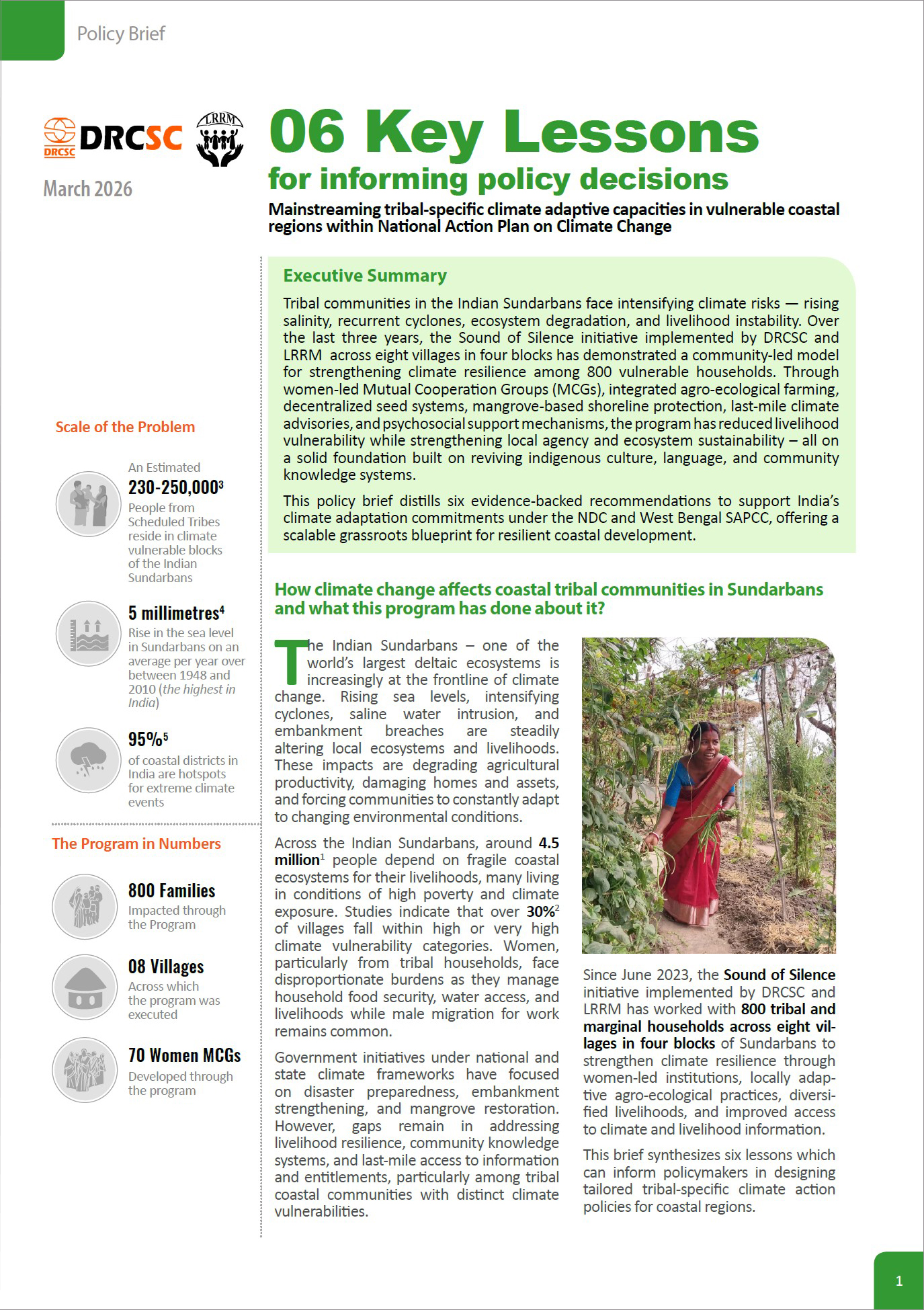
06 Key Lessons for informing policy decisions: Mainstreaming tribal-specific climate adaptive capacities in vulnerable coastal regions within National Action Plan on Climate Change
Download Full Report
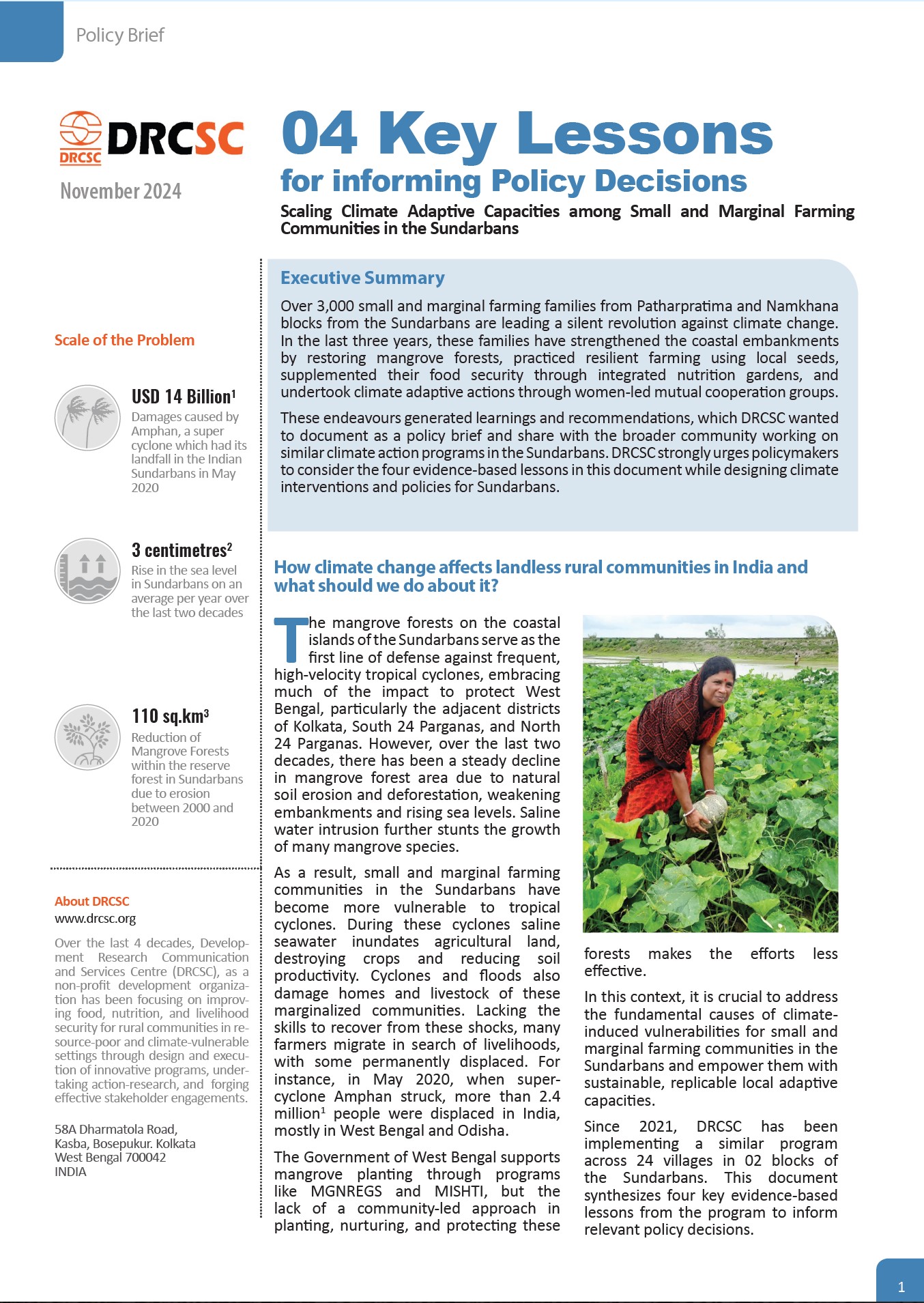
Four Key Lessons for Policy Consideration: Scaling Climate Adaptive Capacities among Small and Marginal Farming Communities in the Sundarbans
Download Full Report
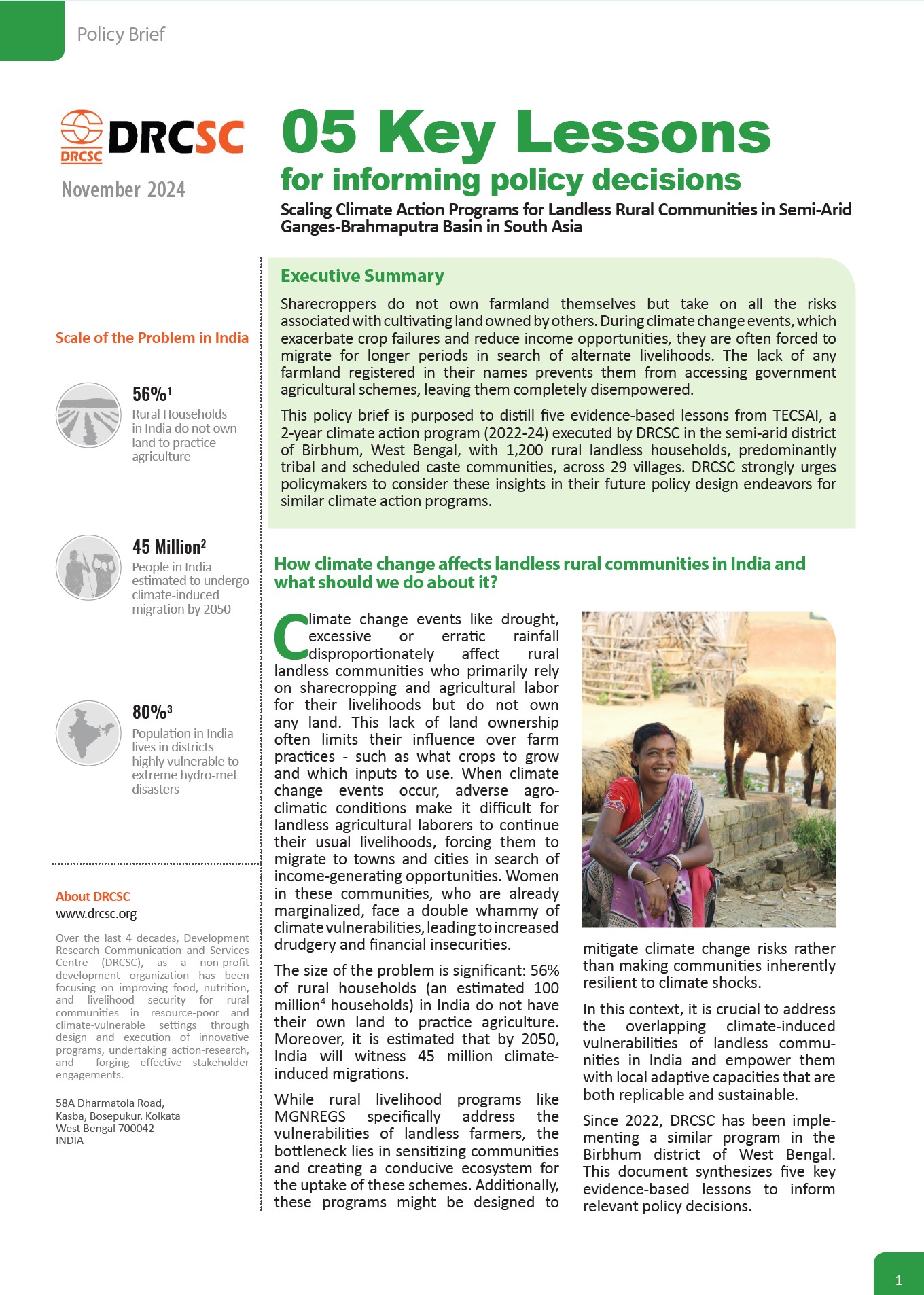
Five Key Lessons for Policy Consideration: Scaling Climate Action Programs for Landless Rural Communities in Semi-Arid Ganges-Brahmaputra Basin in South Asia
Download Full Report
View Blog Posts
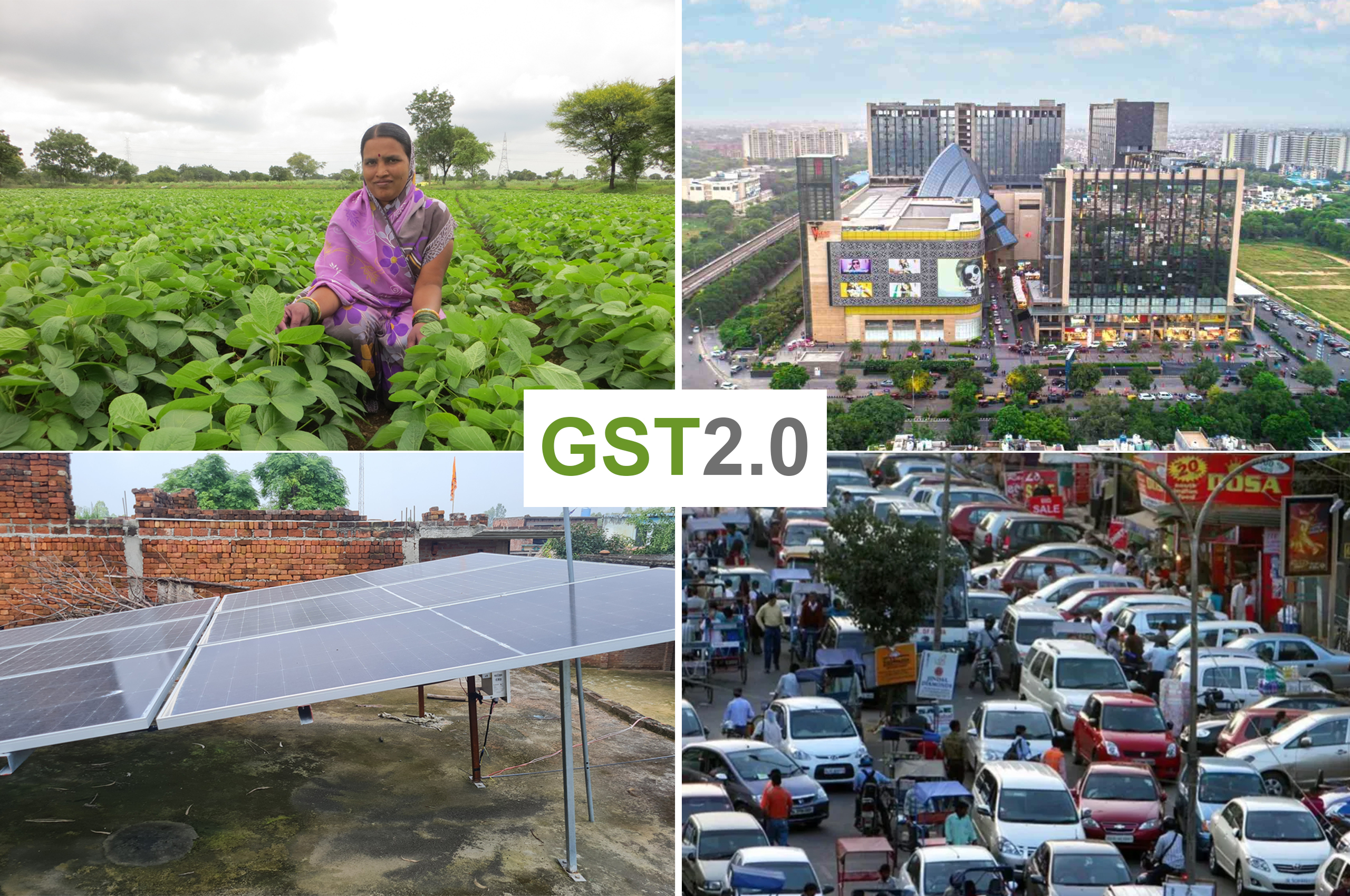
GST 2.0 and Tax Cuts: Can They Make Growth Fairer and Greener?
India's latest GST reform, being termed as GST 2.0, is more than just slashing rates. By simplifying the tax structure, cutting levies on essentials, and supporting renewable infrastructure, it's open..
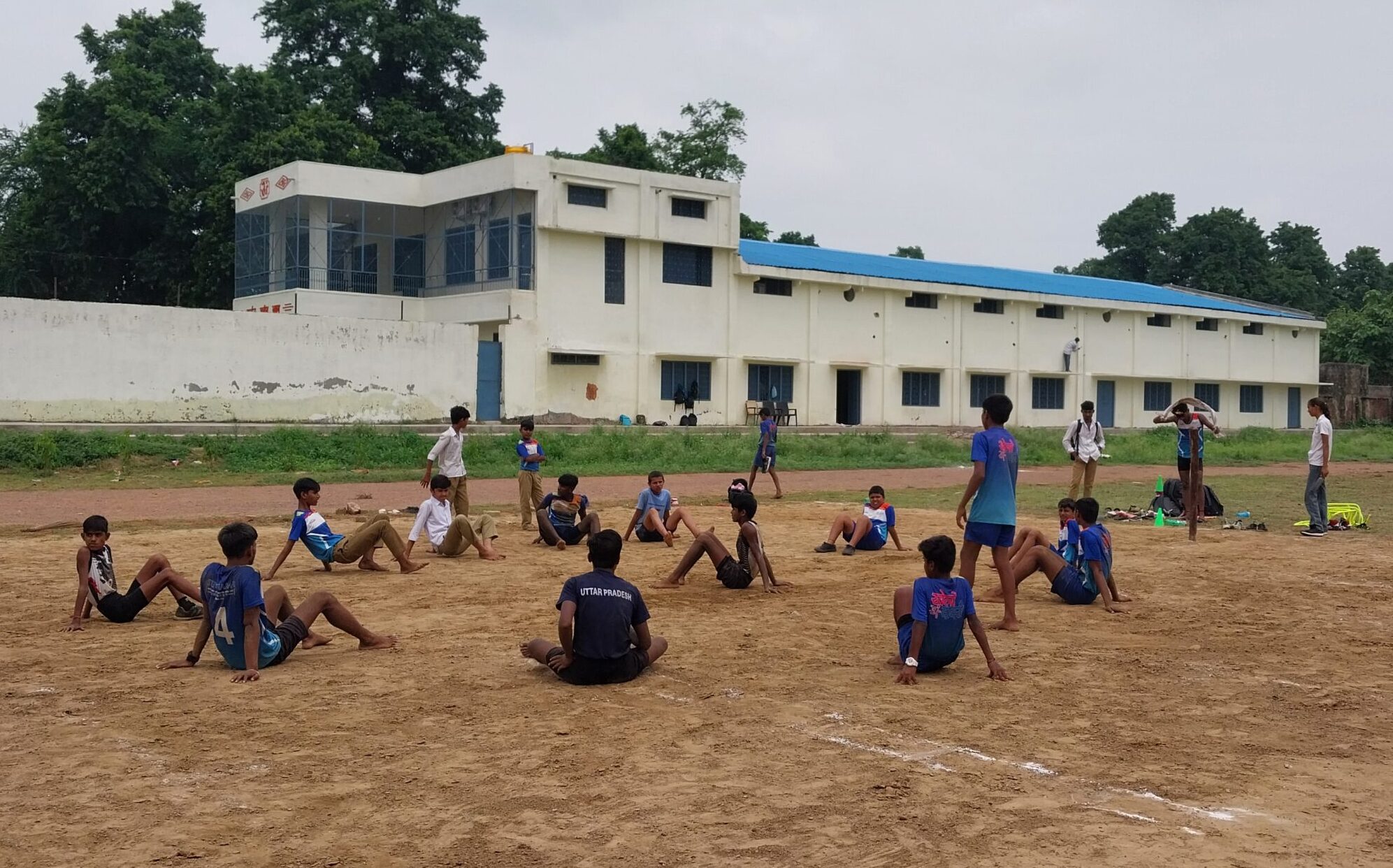
Reimagining Sports in CSR: From Tokenism to a Vehicle for Multiplying Impact
In 2023–24, Indian companies spent about ₹1,396 crore of their CSR budgets on sports — just 4% of the total ₹34,909 crore Indian corporates spent on CSR that year. Most of the rest went to edu..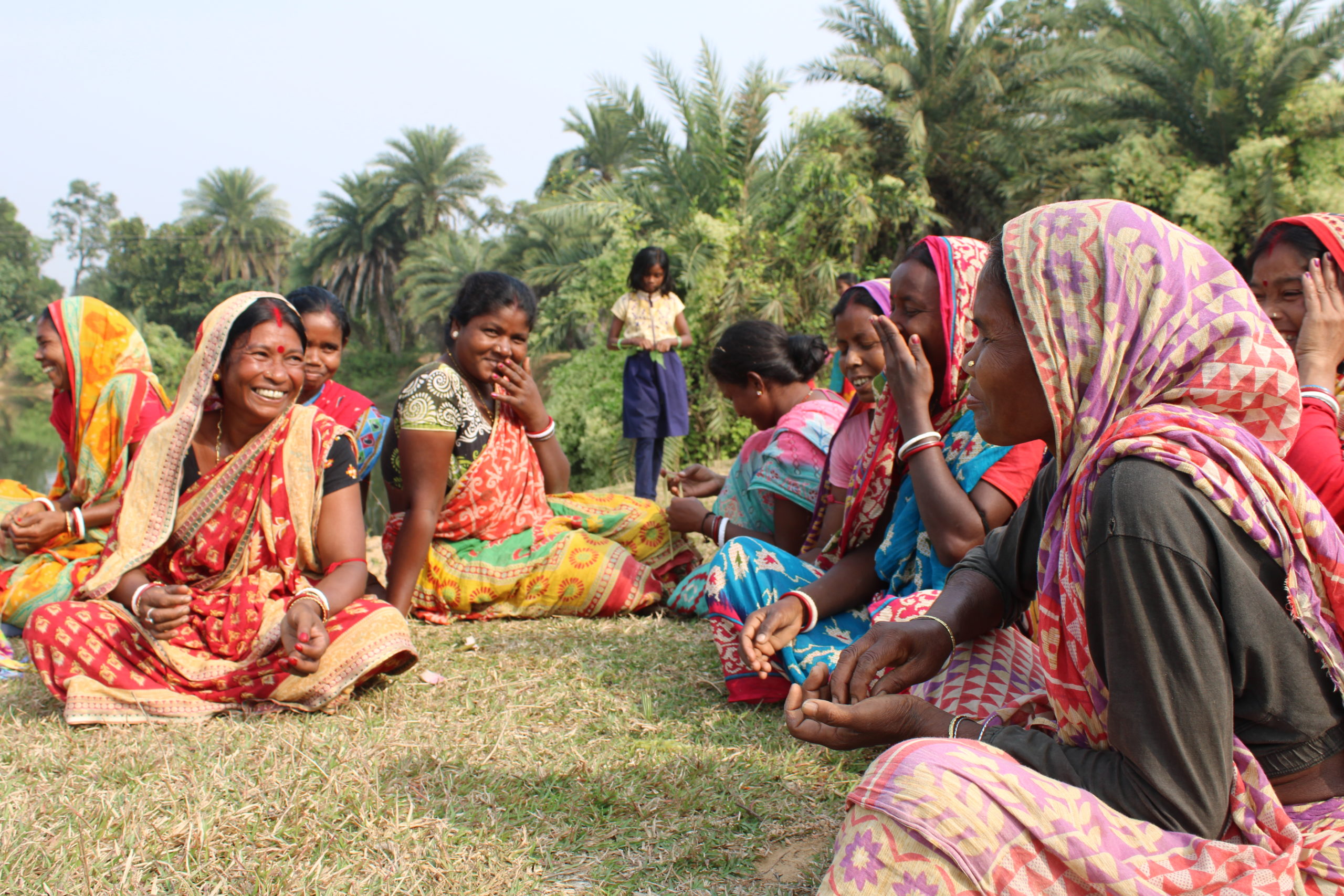
Interactive SHG Map of India: 7.5 million Women Self Help Groups are spread across 27 States and 6 UTs in India
Under the National Rural Livelihood Mission (NRLM), India has 7.5 million Women Self Help Groups (SHGs) spread across 27 states and 6 Union Territories. Each of these small, self-governed, and peer-co..