
Recent Developments,
Key Innovations, and
Insightful Reports
Your One Stop Platform for Regular Sector Updates
Sector news
View By Category
Categories
- See all
- Agriculture
- Clean Cookstoves
- Clean Energy
- Climate Action
- Digital Technology
- Education
- Financial Services
- General
- Healthcare
- Hygiene
- Impact Investment
- Inclusive Value Chains
- Livelihoods
- Livestock
- Lower Income Consumers
- Marketing, Distribution and Sales for BoP
- Nutrition
- Sanitation
- Water
- Women Empowerment


February 1, 2013
Why a private healthcare enterprise fund is needed
The developing world carries most of the disease burden of the world, and the case is no different in SSA, or the sub-Saharan Africa. About half of the poorest in the lowest income quintiles in Ethiopia and Kenya receive healthcare from for-profit healthcare enterprises. Hence, it is important to ensure […]
February 1, 2013
The evolving role of private healthcare in global health
This post argues for the case of private healthcare, forming a part of the private and corporate sector, to bring about tangible change to the globe’s poor and unhealthy. The private sector can lend its knowledge, resources and expertise. Read more here.
February 1, 2013
India: Healthcare delivery for the urban poor – how rural poor aren’t the only ones deprived
In an insightful post, the problems of the urban poor, living in urban informal settlements in Indian cities, have been highlighted. India’s slums lack basic amenities of water, sanitation and hygiene, making residents more prone to illnesses than their better off counterparts. Even though this problem has been recognized a […]
February 1, 2013
India: What two years without Polio mean
Polio has in the past been a major problem, crippling the future of many of the underserved and poor children in the country. However, except for one case in West Bengal, no other cases of Polio have been reported. This post traces the developing country’s path to complete immunization, and […]
February 1, 2013
Looking ahead at global health in 2013
This post enlists the opinions of experts, regarding trends, patterns and events global healthcare in 2013 is likely to witness. Read more here.
February 1, 2013
The supply and distribution of essential medicines in Malawi
This brief summary of healthcare and medical aid in Malawi recognizes the key bottlenecks in medicine access in the country. It explores the procurement, supply and distribution of essential medicines in Malawi, through a political economy analysis. Read the report here.
February 1, 2013
HP’s out of the box education initiative in South Africa
HP is all set to roll out the concept of ‘classroom in a box’, a low cost solution for educational IT labs that are preinstalled on school equipment, for schools in South Africa. The blueprint for this innovative teaching space was conceptualized and developed by the Indian arm of HP. […]
February 1, 2013
Cell phones for Nigerian farmers
This post argues for the case of underserved and smallholder farmers owning cell phones. While most farmers may be uneducated, they are not unknown to use of cell phones, according to evidence. Using cell phones for multiple functions benefit the farmers in a number of ways. Read more here.
February 1, 2013
2.8 million people in the world now using mHealth systems
According to data from Berg Insights, there are as many as 2.8 million people across the world that use some or the other form of mobile health monitoring service or technology. Read more here.
Get The Latest From The Social Sector In Your Inbox

Subscribe to our newsletter
View Our Publications
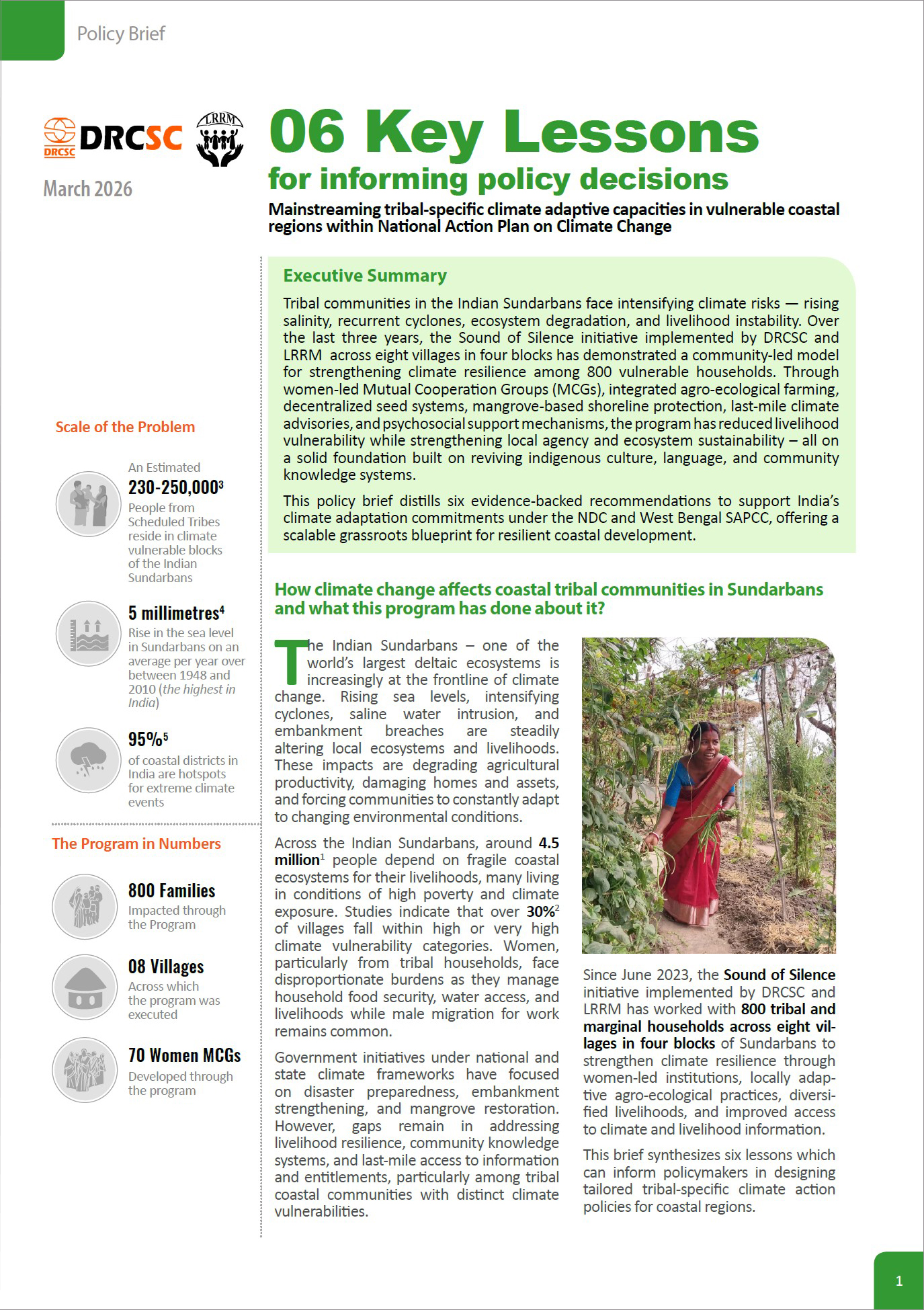
06 Key Lessons for informing policy decisions: Mainstreaming tribal-specific climate adaptive capacities in vulnerable coastal regions within National Action Plan on Climate Change
Download Full Report
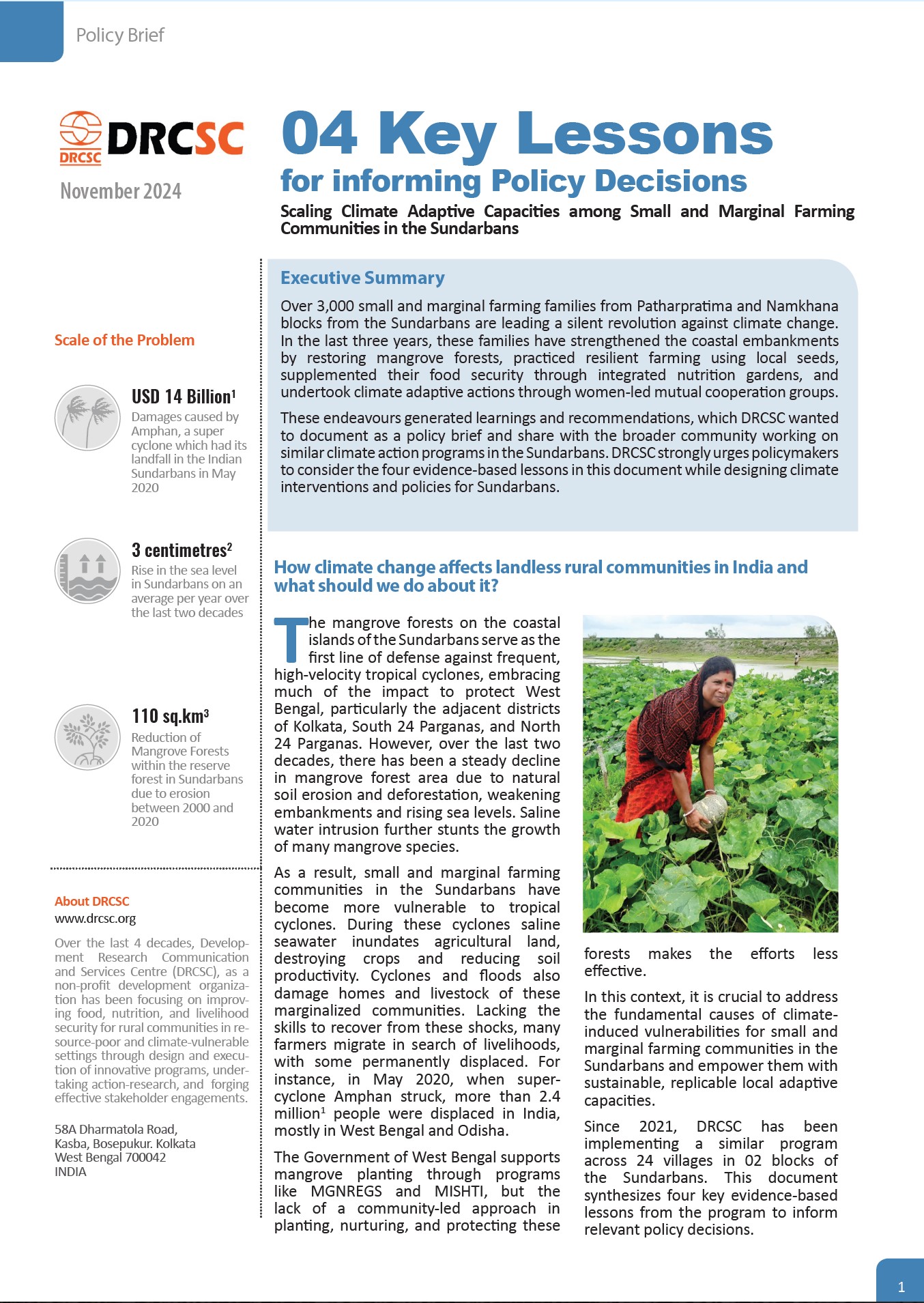
Four Key Lessons for Policy Consideration: Scaling Climate Adaptive Capacities among Small and Marginal Farming Communities in the Sundarbans
Download Full Report
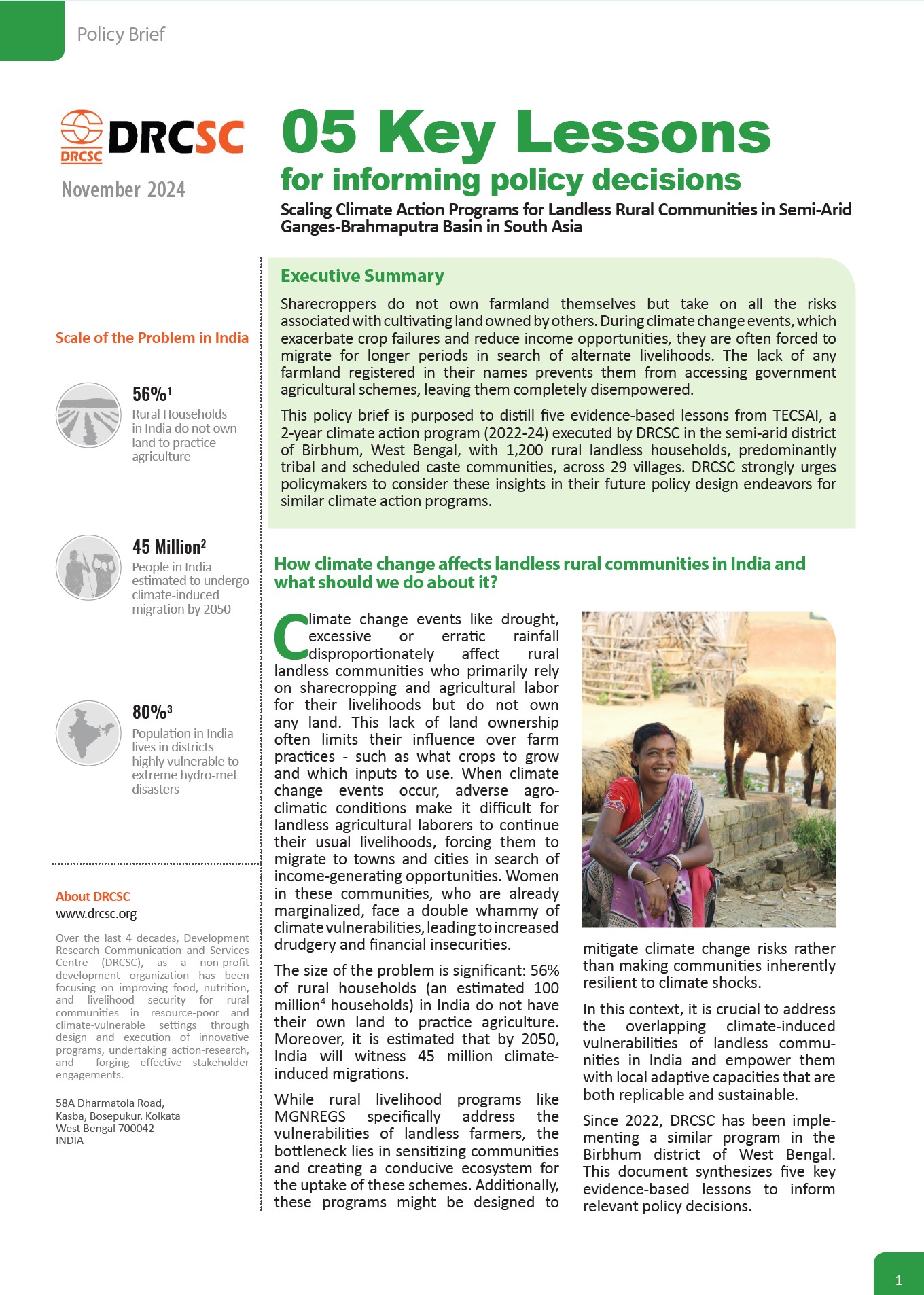
Five Key Lessons for Policy Consideration: Scaling Climate Action Programs for Landless Rural Communities in Semi-Arid Ganges-Brahmaputra Basin in South Asia
Download Full Report
View Blog Posts
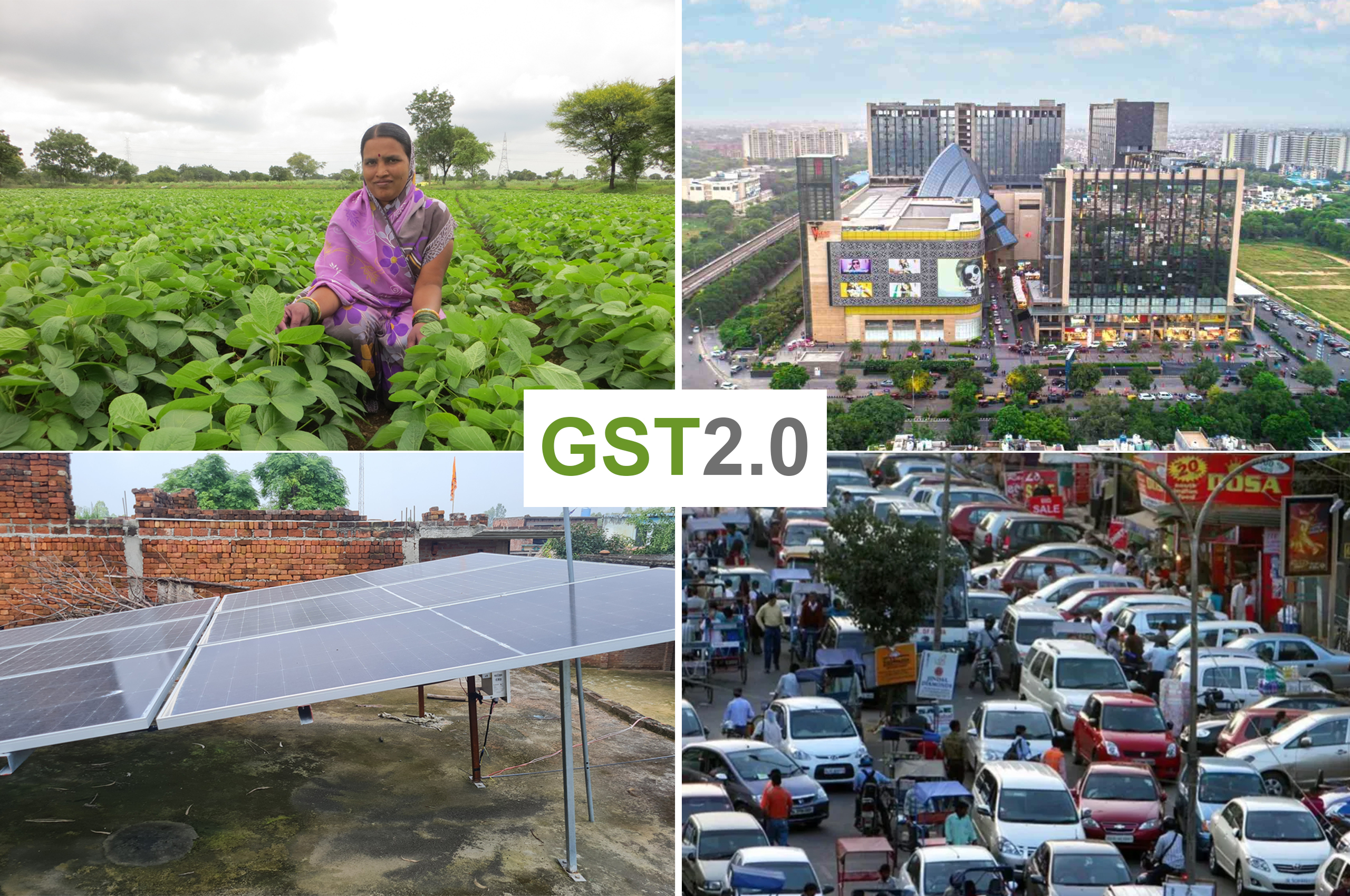
GST 2.0 and Tax Cuts: Can They Make Growth Fairer and Greener?
India's latest GST reform, being termed as GST 2.0, is more than just slashing rates. By simplifying the tax structure, cutting levies on essentials, and supporting renewable infrastructure, it's open..
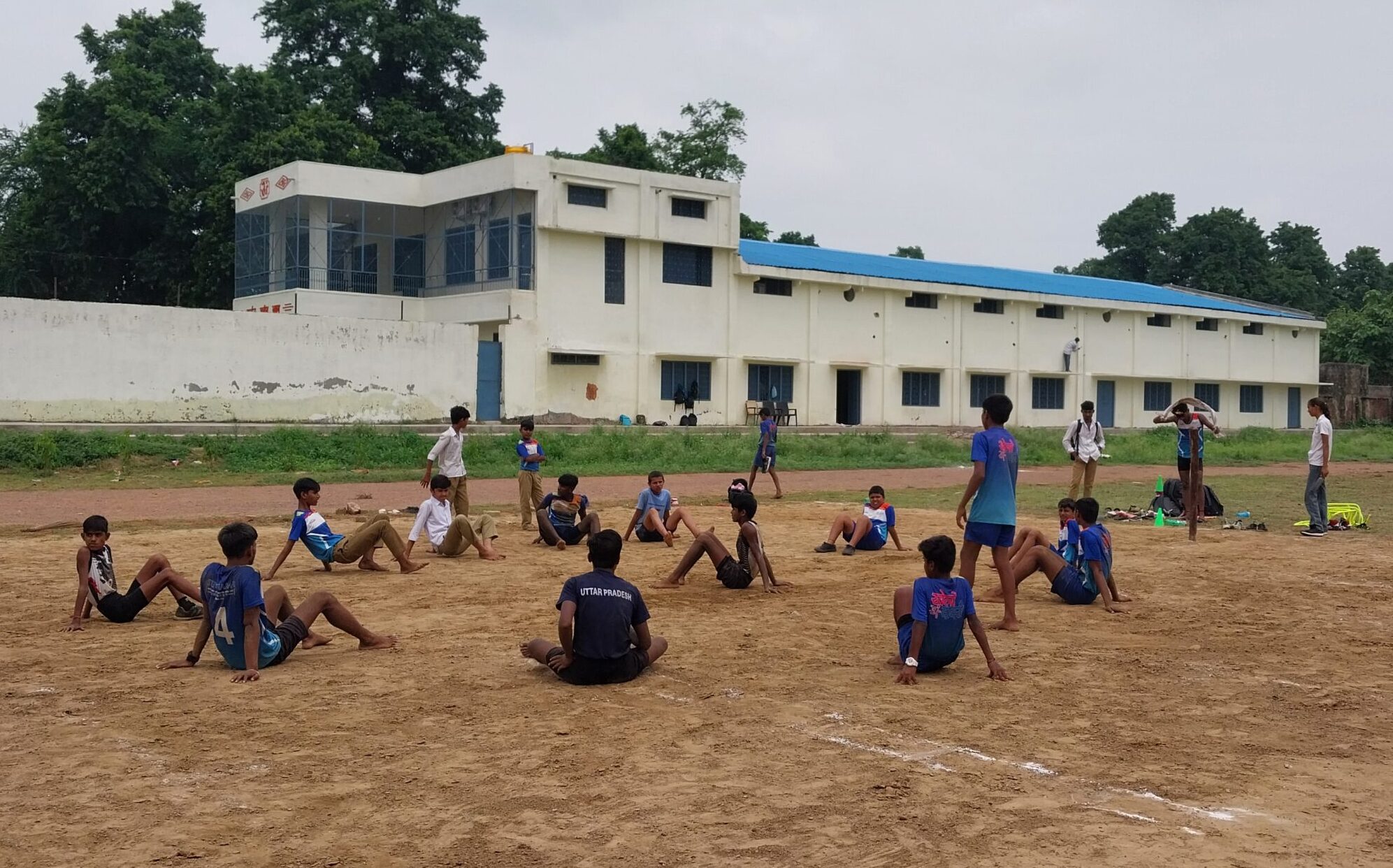
Reimagining Sports in CSR: From Tokenism to a Vehicle for Multiplying Impact
In 2023–24, Indian companies spent about ₹1,396 crore of their CSR budgets on sports — just 4% of the total ₹34,909 crore Indian corporates spent on CSR that year. Most of the rest went to edu..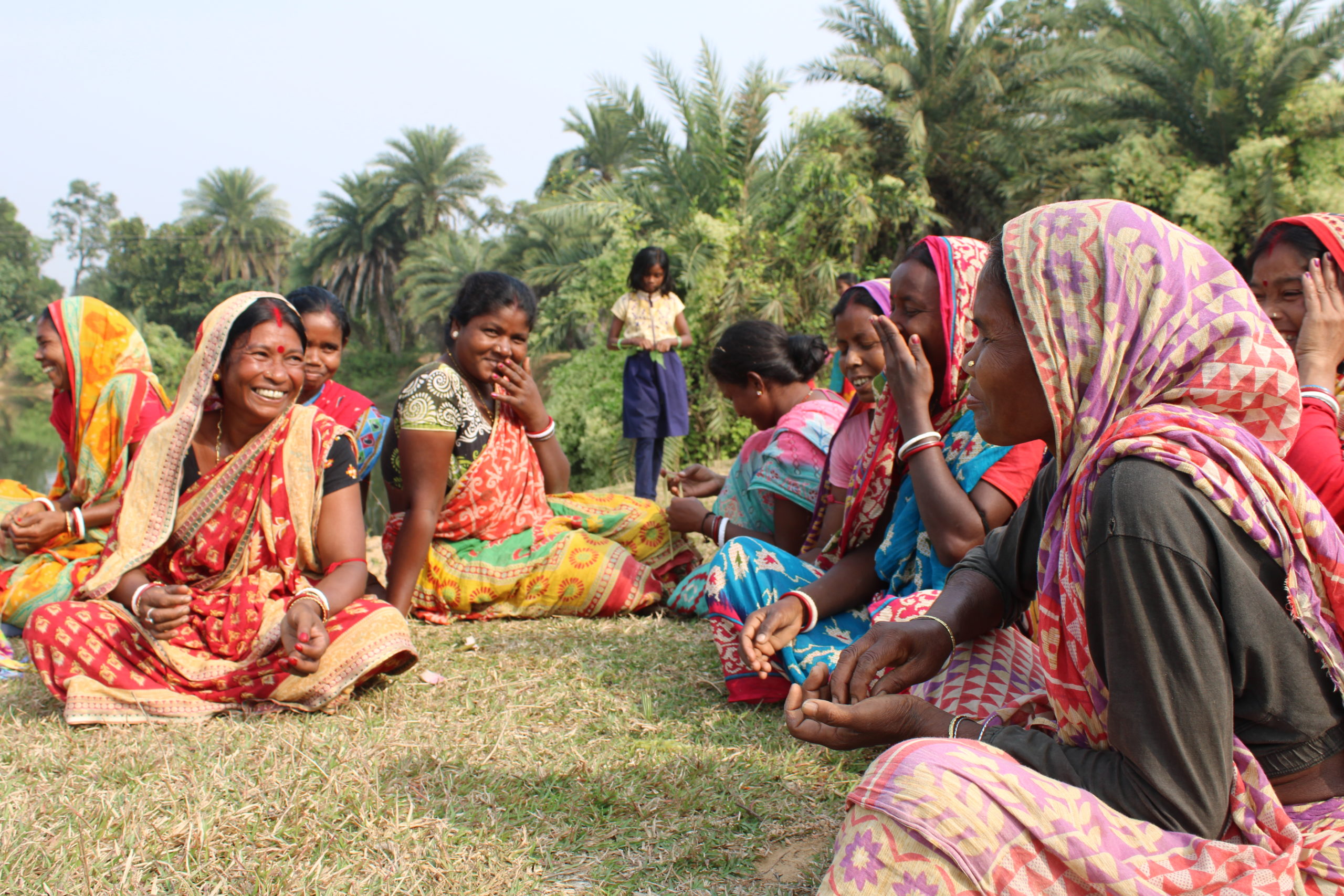
Interactive SHG Map of India: 7.5 million Women Self Help Groups are spread across 27 States and 6 UTs in India
Under the National Rural Livelihood Mission (NRLM), India has 7.5 million Women Self Help Groups (SHGs) spread across 27 states and 6 Union Territories. Each of these small, self-governed, and peer-co..