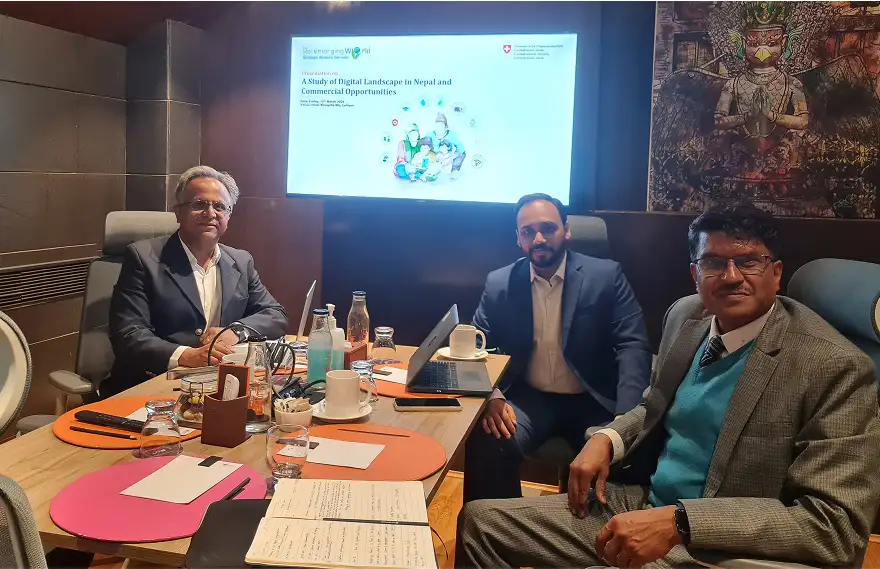

Recent Developments,
Key Innovations, and
Insightful Reports
Your One Stop Platform for Regular Sector Updates
Sector news
View By Category
Categories
- See all
- Agriculture
- Clean Cookstoves
- Clean Energy
- Climate Action
- Digital Technology
- Education
- Financial Services
- General
- Healthcare
- Hygiene
- Impact Investment
- Inclusive Value Chains
- Livelihoods
- Livestock
- Lower Income Consumers
- Marketing, Distribution and Sales for BoP
- Nutrition
- Sanitation
- Water
- Women Empowerment


January 7, 2013
A comparative risk assessment of burden of disease and injury attributable to 67 risk factors and risk factor clusters in 21 regions, 1990–2010: a systematic analysis for the Global Burden of Disease Study 2010
This report analyses the consequences of indoor air pollution as a health risk factor for the world between the years 1990 and 2010. Read it here.
January 7, 2013
UK DFID and China to help improve farming in China
Britain’s Department for International Development and China have collaborated for a four year long programme aiming to improve agricultural productivity in Africa. Read more here.
January 7, 2013
PepsiCo to ramp up potato procurement from India
PepsiCo is looking to double its potato procurement capacity from India from 240,000 tonnes in 2012 financial year to double of the same. This would mean an increased demand from the agricultural sector of the country, made majorly of smallholder farmers. Read more here.
January 7, 2013
Why educating farmers about climate change is important
The rural poor in Zimbabwe continue to get confused everytime the rains are not on time, which is a commonplace phenomenon the past few years. This confusion, and subsequent reliance on irrelevant and unhelpful alternatives is based on a lack of understanding and coping mechanisms of climate change. Read more […]
January 7, 2013
Small-scale farmers need new development interventions
According to a report by London based IIED (International Institute for Environment and Development), based on the livelihood improvement strategies for the small scale farmers of Africa, Asia, and Latin America, new strategies must be thought of and new business interventions be made. Read more here.
January 7, 2013
The ‘bitter’ lives of Indian cotton farmers
This post talks about the plight of Indian cotton farmers who have allegedly been made slaves to buy Genetically Modified cotton seeds from ‘condescending’ Monsanto employees in India. Traditional cotton farmers relied the previous year’s seeds for the year’s crop. However, GM crops are designed for a single year’s use, […]
December 29, 2012
Driven by competition, Panasonic is the latest to join the BOP bandwagon with solar lanterns
The corporate world’s shift in focus to emerging markets is by now, an oft repeated story. Of greater interest however, is the shift within this shift – that of increasing testing of BOP (base of the pyramid) waters by the private sector, particularly large conglomerates. Almost everyone by now realises […]
December 29, 2012
Zimbabwe: Government bemoans high interest rates for microfinance loans in the country
According to the Acting Secretary for Small and Medium Enterprises and Co-operative Development, at a time when the pressures of inflation have been brought back under control, it is unreasonable for microfinance institutions to charge high interest rates from borrowers. Read more here.
December 29, 2012
Pakistan to develop its microinsurance sector
SEPC, or the Securities and Exchange Commission of Pakistan recently announced the constitution of a working group which will actively place recommendations for the regulatory framework for microinsurance in the country, which is benefitting many of the poor in Pakistan. Read more here.
Get The Latest From The Social Sector In Your Inbox

Subscribe to our newsletter
View Our Publications
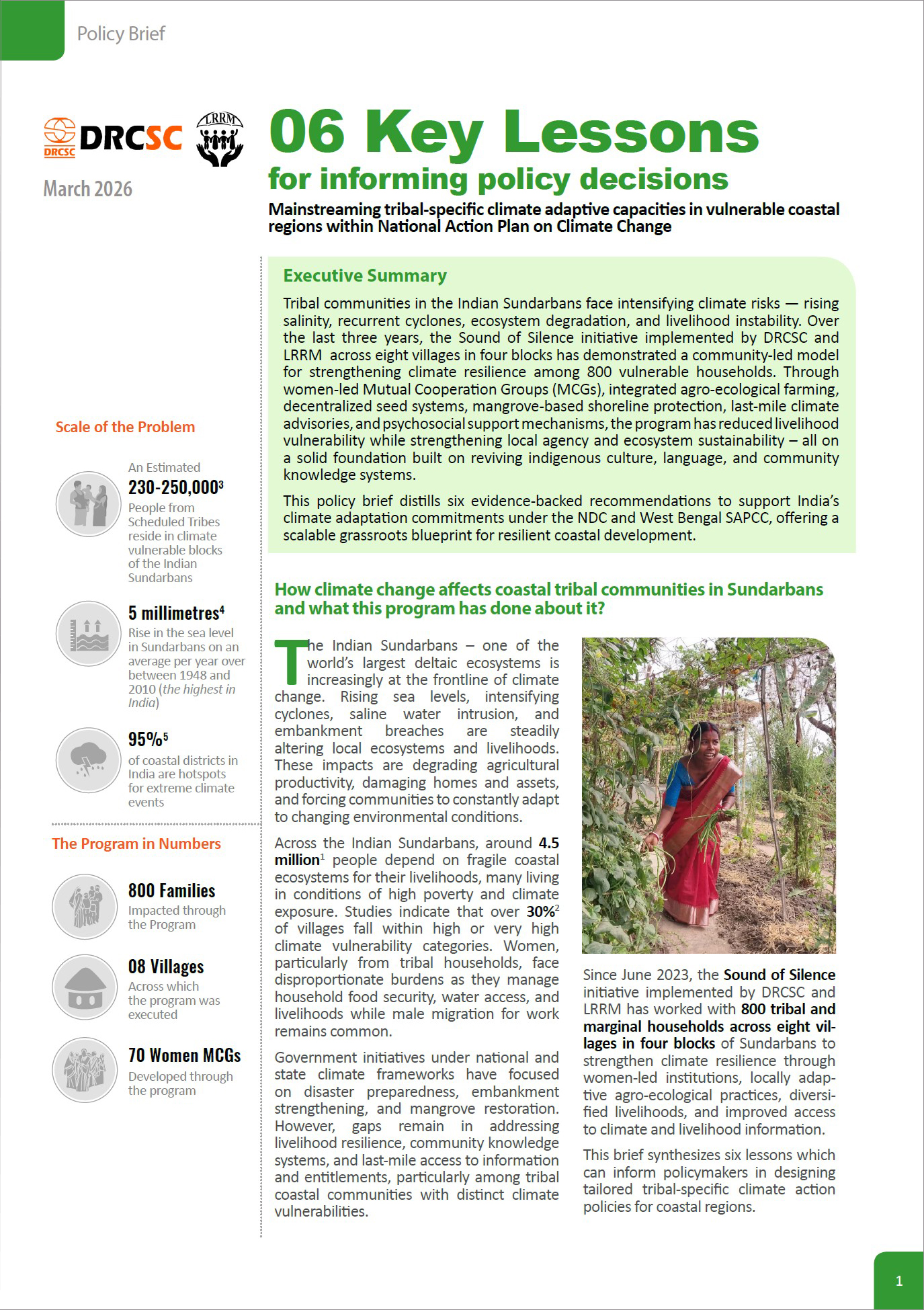
06 Key Lessons for informing policy decisions: Mainstreaming tribal-specific climate adaptive capacities in vulnerable coastal regions within National Action Plan on Climate Change
Download Full Report
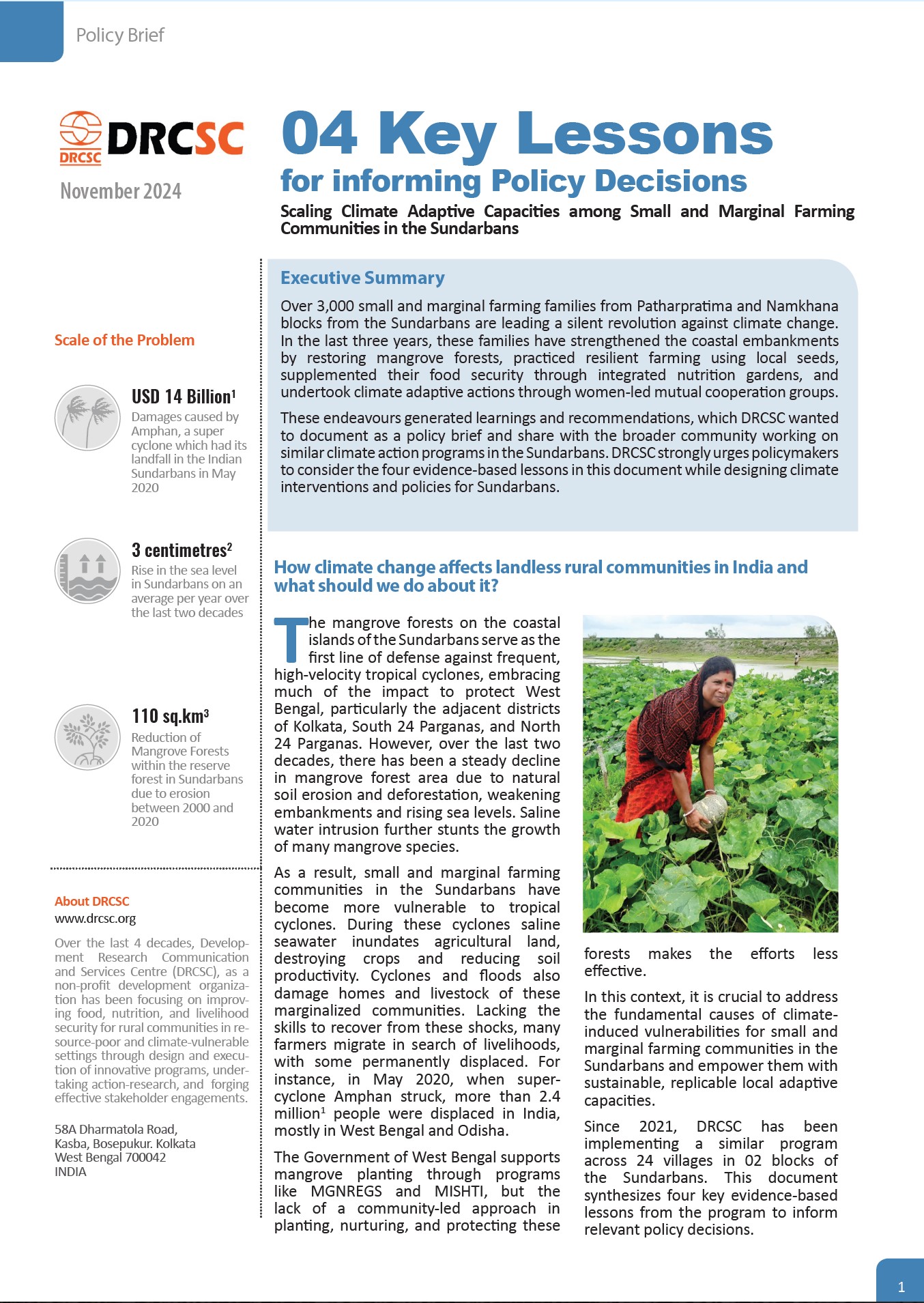
Four Key Lessons for Policy Consideration: Scaling Climate Adaptive Capacities among Small and Marginal Farming Communities in the Sundarbans
Download Full Report
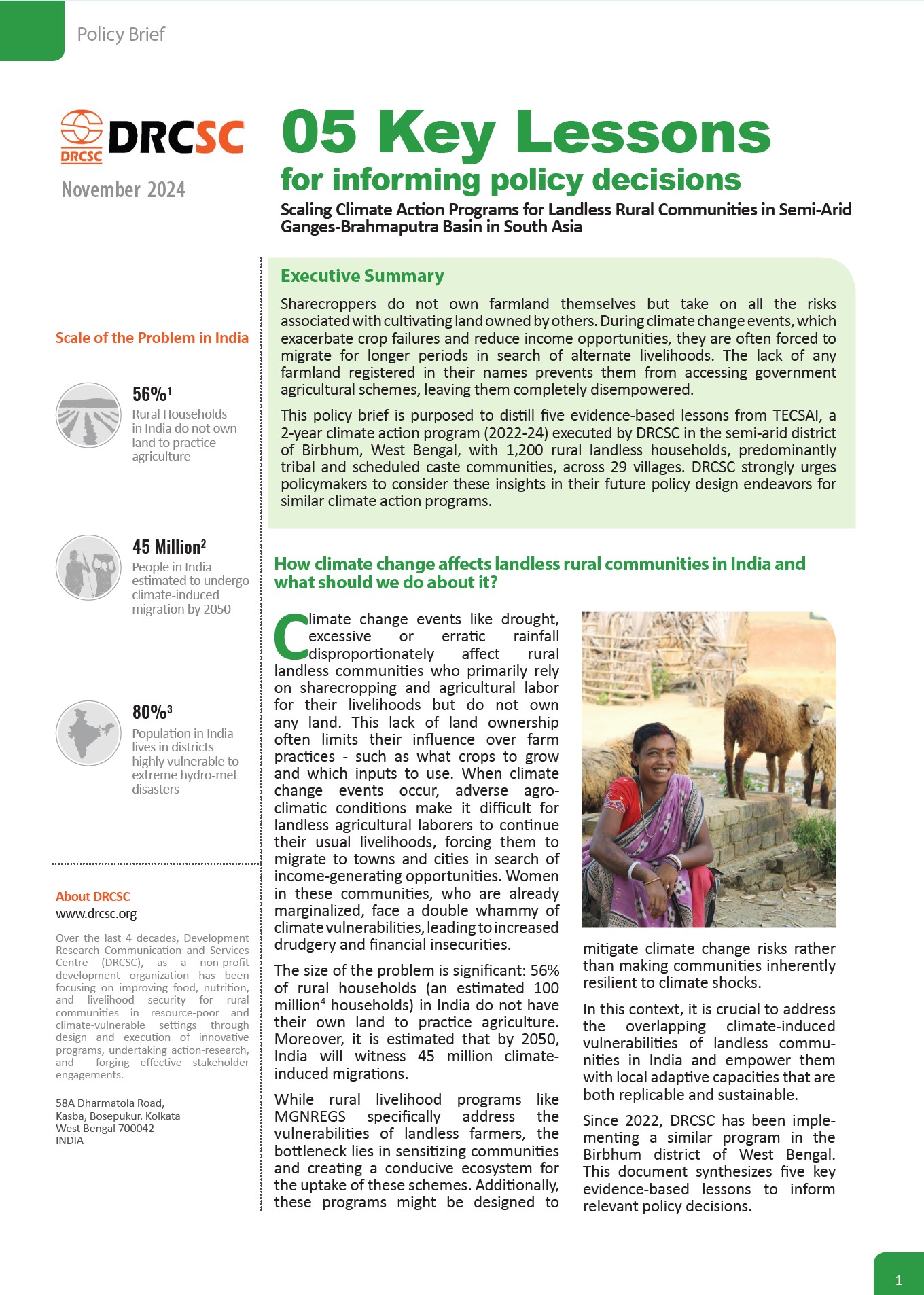
Five Key Lessons for Policy Consideration: Scaling Climate Action Programs for Landless Rural Communities in Semi-Arid Ganges-Brahmaputra Basin in South Asia
Download Full Report
View Blog Posts
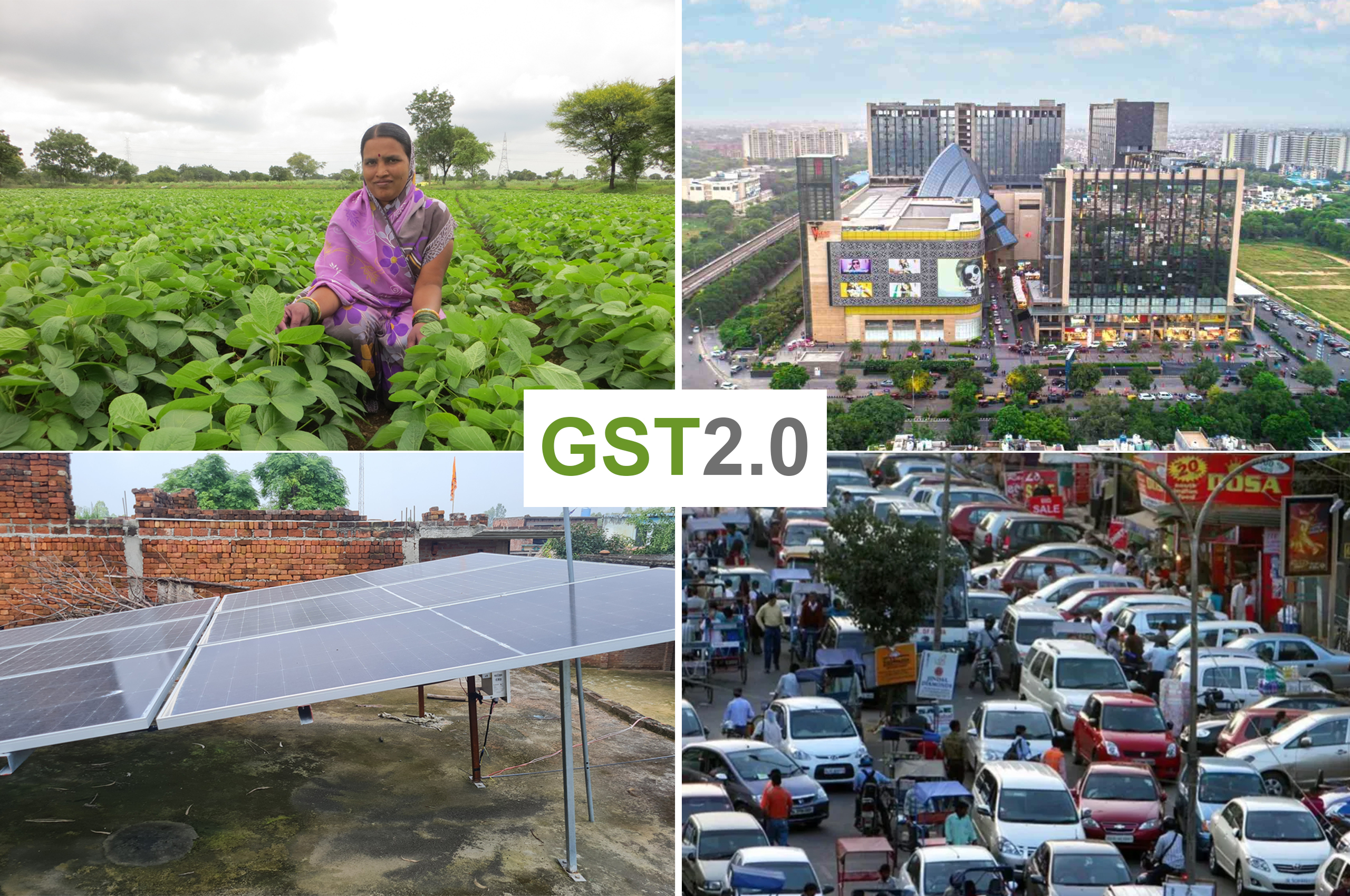
GST 2.0 and Tax Cuts: Can They Make Growth Fairer and Greener?
India's latest GST reform, being termed as GST 2.0, is more than just slashing rates. By simplifying the tax structure, cutting levies on essentials, and supporting renewable infrastructure, it's open..
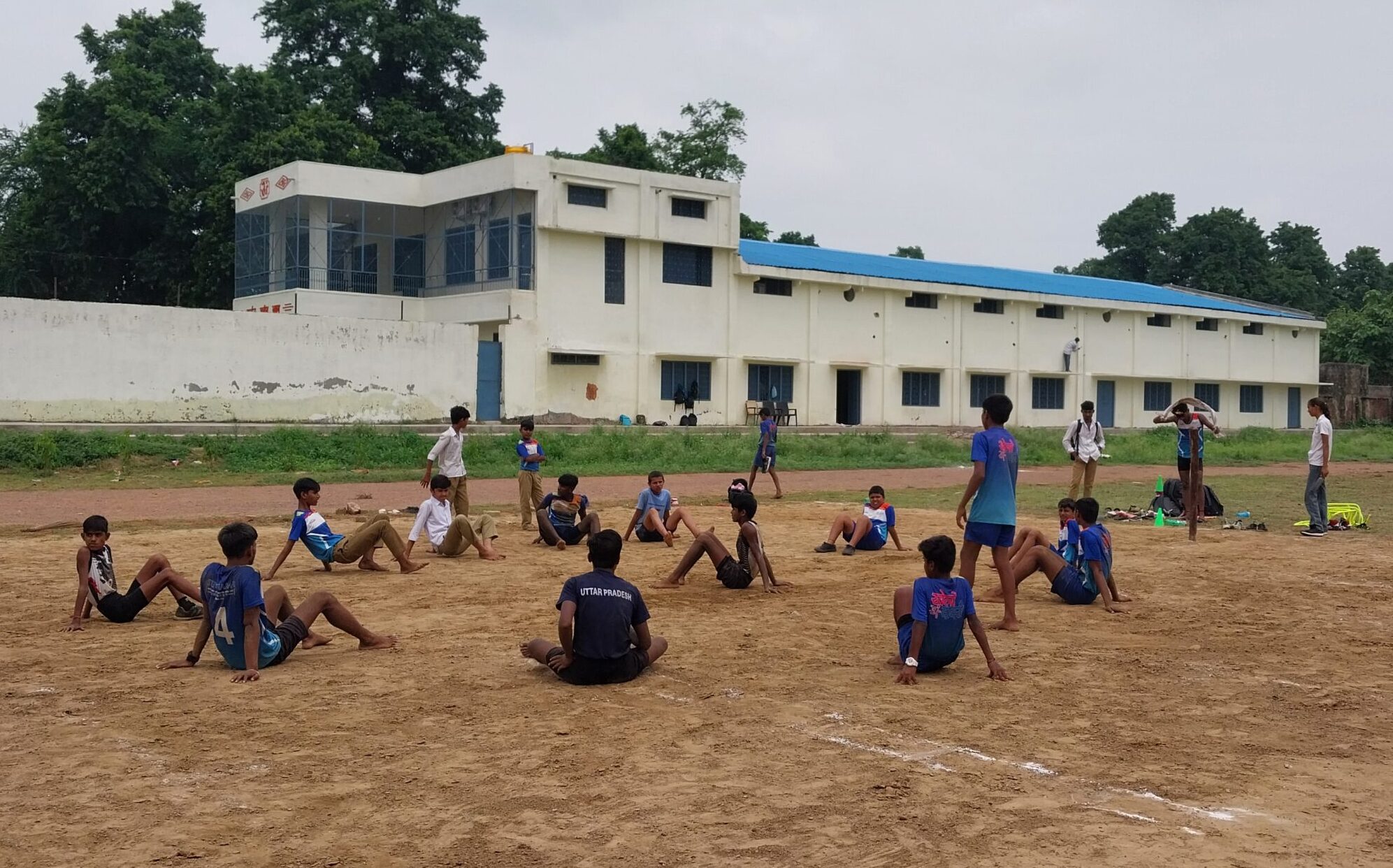
Reimagining Sports in CSR: From Tokenism to a Vehicle for Multiplying Impact
In 2023–24, Indian companies spent about ₹1,396 crore of their CSR budgets on sports — just 4% of the total ₹34,909 crore Indian corporates spent on CSR that year. Most of the rest went to edu..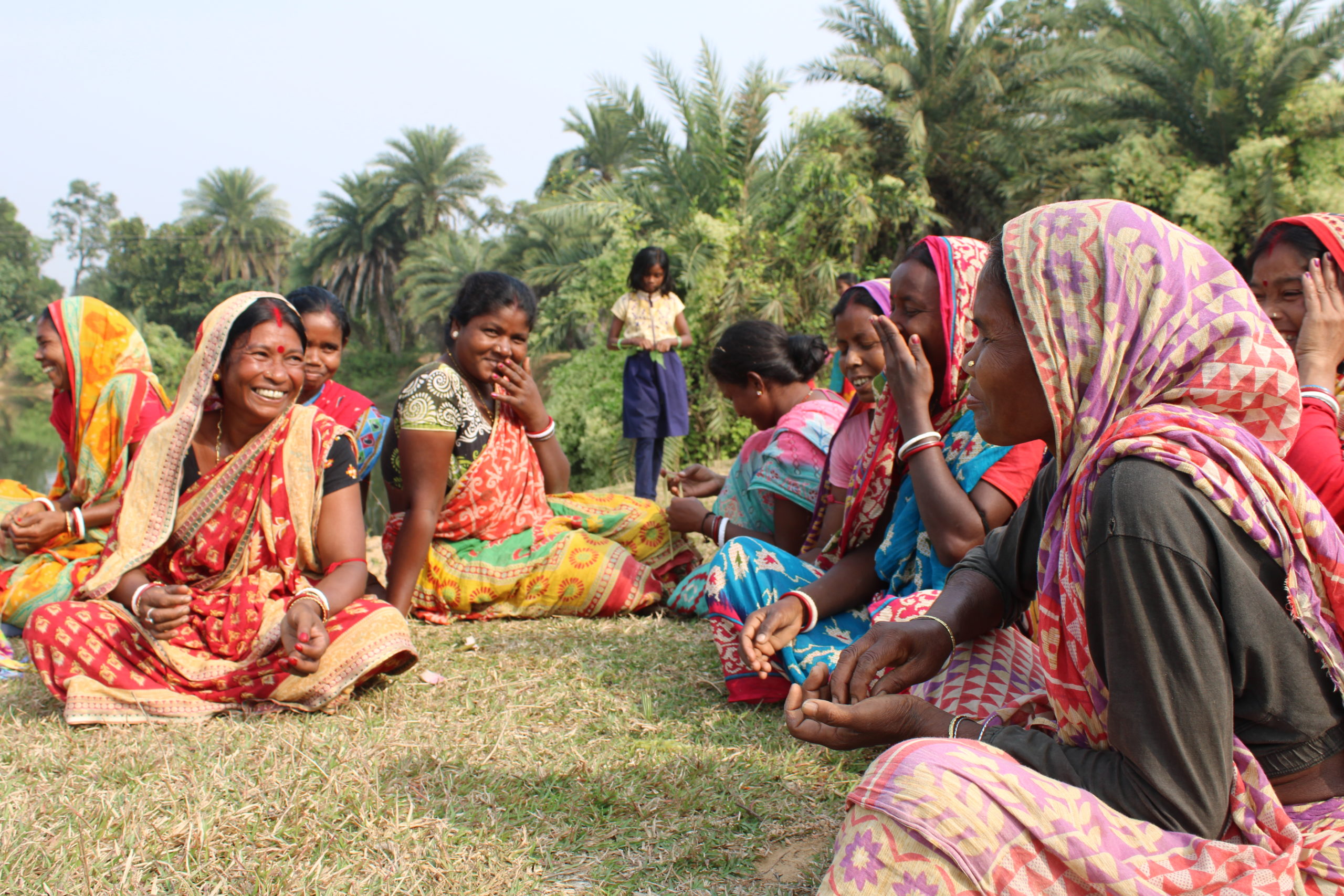
Interactive SHG Map of India: 7.5 million Women Self Help Groups are spread across 27 States and 6 UTs in India
Under the National Rural Livelihood Mission (NRLM), India has 7.5 million Women Self Help Groups (SHGs) spread across 27 states and 6 Union Territories. Each of these small, self-governed, and peer-co..