Recent Developments,
Key Innovations, and
Insightful Reports
Your One Stop Platform for Regular Sector Updates
Sector news
View By Category
Categories
- See all
- Agriculture
- Clean Cookstoves
- Clean Energy
- Climate Action
- Digital Technology
- Education
- Financial Services
- General
- Healthcare
- Hygiene
- Impact Investment
- Inclusive Value Chains
- Livelihoods
- Livestock
- Lower Income Consumers
- Marketing, Distribution and Sales for BoP
- Nutrition
- Sanitation
- Water
- Women Empowerment


October 1, 2012
P&G reaches a milestone with its Save One Life Every Hour
Save One Life Every Hour was an initiative launched by P&G to provide clean drinking water to poor and disadvantaged communities throughout the developing world, through their P&G Purifier of Water Technology. They announced the achievement of milestone in this effort as it recently completed delivering 5 billion litres of […]
October 1, 2012
Non-profits, entrepreneurs pair up for clean toilet microloans in Kenya
In Nairobi, as much as 90 per cent of the waste is dumped into rivers, creating a public health risk of massive proportions. Kenyan slums have no way of disposing off their filth as they only have two options – the infamous ‘flying toilet’, or spending on toilets which were […]
October 1, 2012
Pakistan: Poor sanitation costs the country PKR 243 billion annually
Pakistan, like many other developing countries loses a sizeable amount of its funds to healthcare and environmental costs of bad sanitation. It is estimated that the nation loses as much as PKR 243 billion on the same. Read more here. Apparently, more than half the country lacks basic sanitation, and […]
October 1, 2012
The next UN goals must tackle open defecation, says expert
A number of experts have tentatively grafted a document on what the next set of UN goals should be, come 2015. A report by the WHO details that as many as 15 per cent of the global population openly defecates in open fields, forests, bushes and water bodies, putting the […]
October 1, 2012
Former UNICEF official discusses water issues
Clarissa Brocklehurst, former chief of water, sanitation and hygiene for UNICEF recently delivered a lecture in UNC (University of North Carolina) wherein she touched upon most of the existent conditions prevalent in water and sanitation access in the developing world today. Read more here.
October 1, 2012
Levels & Trends in Child Mortality: Report 2012
This UN report consists of estimates developed by the UN Inter-agency Group for Child Mortality Estimation, and includes statistics related the decrease in child mortality due to preventable diseases globally. While notable differences have been shown statistically, there is still not much of an effort if achievement of MDGs (Millennium […]
October 1, 2012
Global Access to Clean Drinking Water and Sanitation: U.S. and International Programs
This report by the Congressional Research Service lists down the international programmes, projects and aids active in the world in the access to water and sanitation sector. Recently released, this report enlists the access rates to water and sanitation, amounts of international spending directed towards scaling it, and the US’s […]
October 1, 2012
GIZ helps to establish social investment awareness in India
While globally, there is a potential of as much as US$4 billion being pumped into impact and social investment scenario, the scene has also been active in India, with investors having invested US$600 million in the sector already. GIZ (Gesellschaft fur Internationale Zusammenarbeits) will now be setting up a new […]
October 1, 2012
OECD and G8 look to make social investments
Impact investment is filling out the gap left by the limitations of NGOs and public bodies by financing projects single-handedly as well as through PPPs (Public-Private Partnerships). Given this background the OECD (Organisation for Economic Co-operation and Development) and G8 countries are aggressively restructuring their aid patterns. Read more here.
Get The Latest From The Social Sector In Your Inbox

Subscribe to our newsletter
View Our Publications
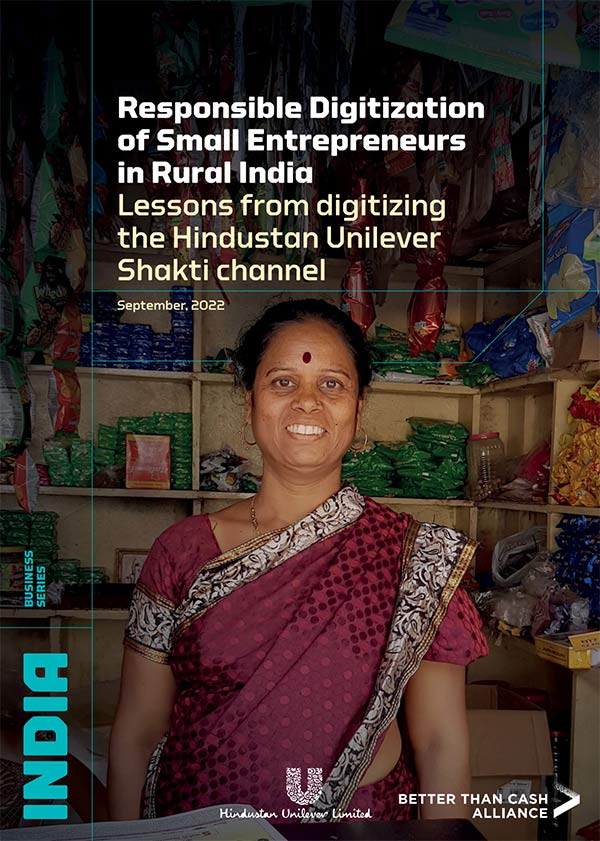
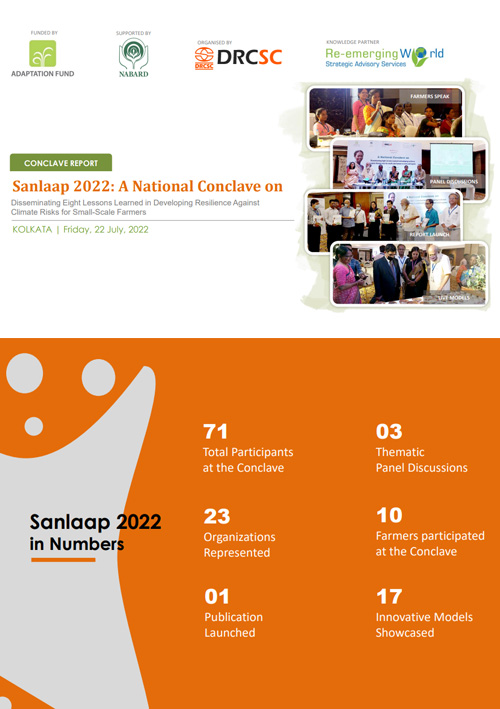
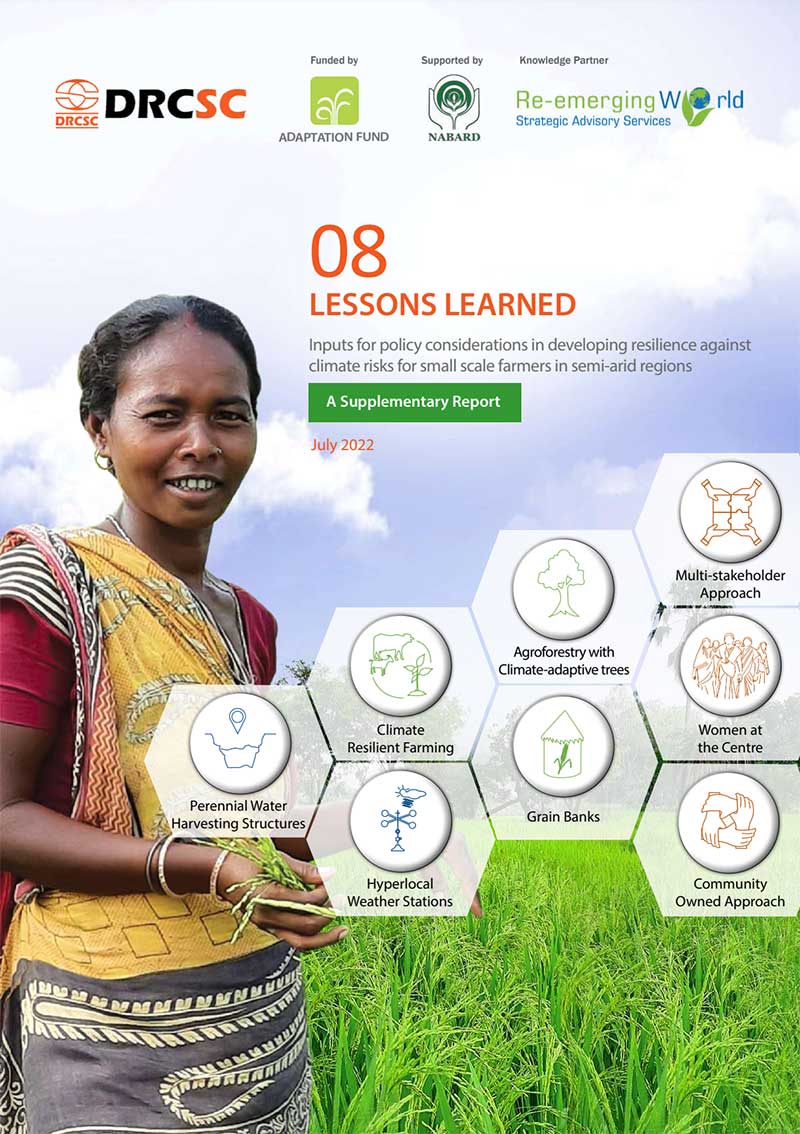
Eight Lessons Learned: Inputs for policy considerations in developing resilience against climate risks for small scale farmers in semi-arid regions, full report
Download Full Report
View Blog Posts
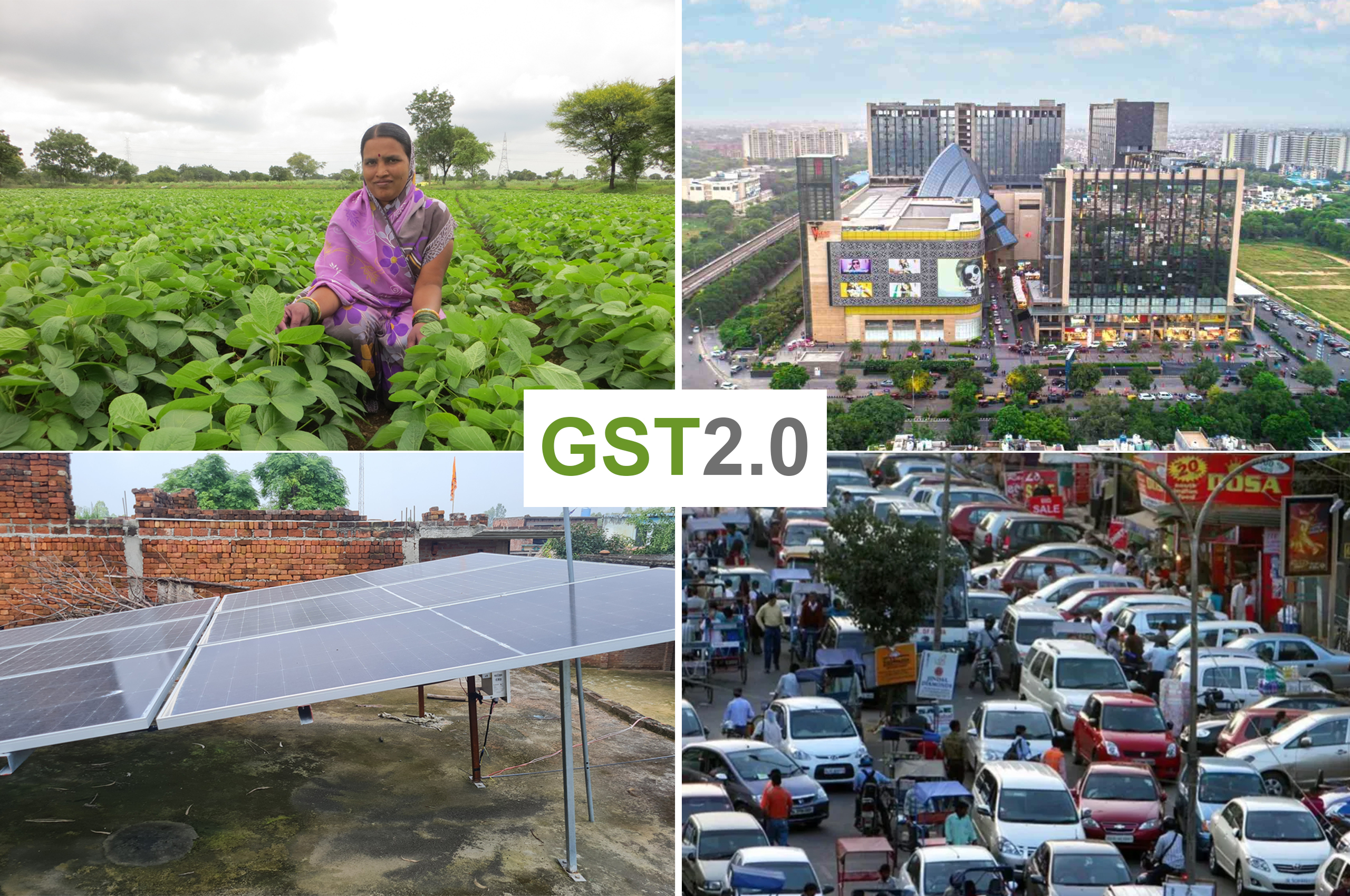
GST 2.0 and Tax Cuts: Can They Make Growth Fairer and Greener?
India's latest GST reform, being termed as GST 2.0, is more than just slashing rates. By simplifying the tax structure, cutting levies on essentials, and supporting renewable infrastructure, it's open..
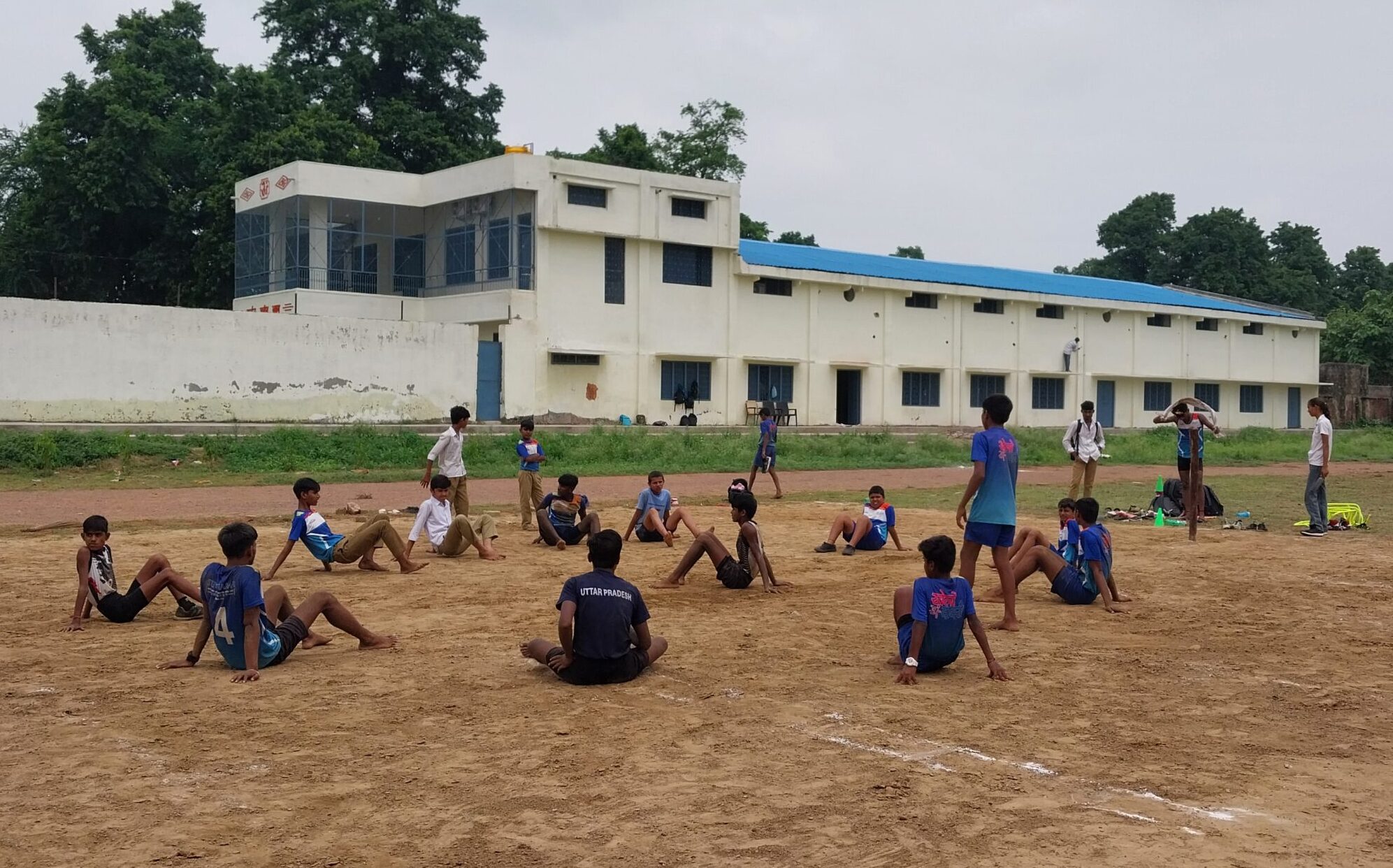
Reimagining Sports in CSR: From Tokenism to a Vehicle for Multiplying Impact
In 2023–24, Indian companies spent about ₹1,396 crore of their CSR budgets on sports — just 4% of the total ₹34,909 crore Indian corporates spent on CSR that year. Most of the rest went to edu..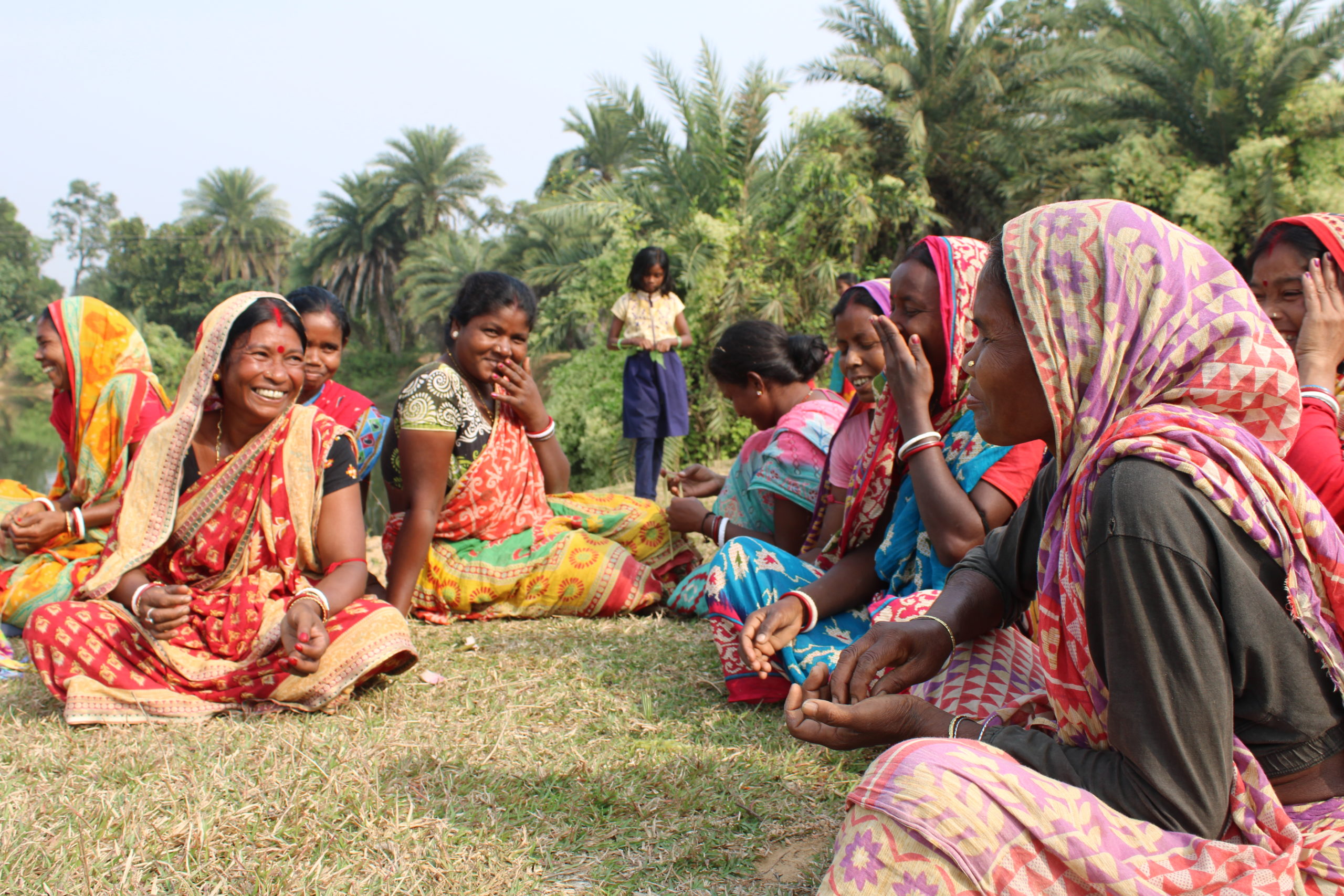
Interactive SHG Map of India: 7.5 million Women Self Help Groups are spread across 27 States and 6 UTs in India
Under the National Rural Livelihood Mission (NRLM), India has 7.5 million Women Self Help Groups (SHGs) spread across 27 states and 6 Union Territories. Each of these small, self-governed, and peer-co..