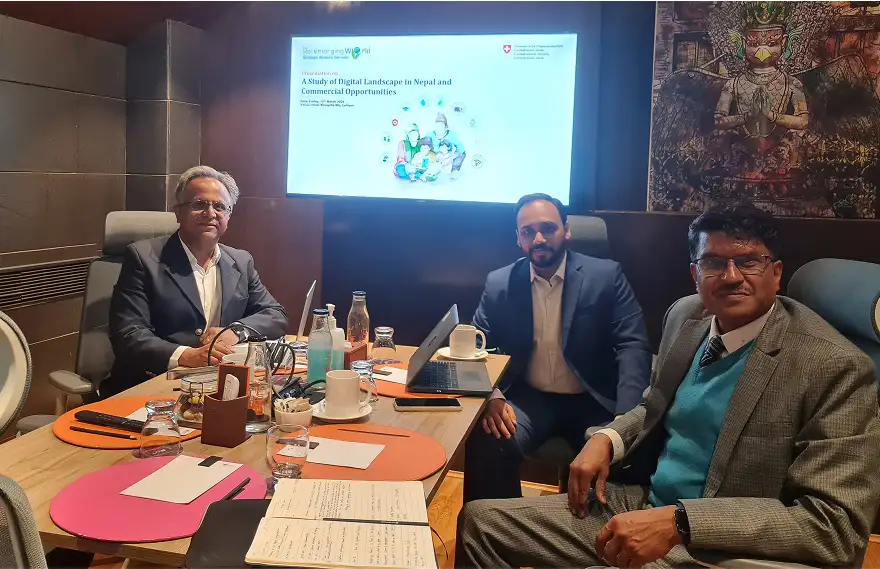

Recent Developments,
Key Innovations, and
Insightful Reports
Your One Stop Platform for Regular Sector Updates
Sector news
View By Category
Categories
- See all
- Agriculture
- Clean Cookstoves
- Clean Energy
- Climate Action
- Digital Technology
- Education
- Financial Services
- General
- Healthcare
- Hygiene
- Impact Investment
- Inclusive Value Chains
- Livelihoods
- Livestock
- Lower Income Consumers
- Marketing, Distribution and Sales for BoP
- Nutrition
- Sanitation
- Water
- Women Empowerment


October 6, 2012
India and US to collaborate for renewable energy
As both US and India think along the lines of large scale cooperation, they are setting up a group to discuss the various financing options that will favour renewable energy options. Read more here.
October 6, 2012
Remote Indonesian islands to get solar power
The company Perusahaan Listrik Negara (PLN) will soon be constructing as many as 100 solar power plants across the Indonesian archipelago, especially on those islands which are remote and lack other forms of traditional electricity access. Read more here.
October 6, 2012
Kyocera supplies 30 MW of modules for solar power plant in Northern Japan
Kyocera Solar Corporation will soon be supplying solar panels to set up a solar plant in Hokkaido, Japan. There will be as many as 135000 solar panels in the plant. Read more here.
October 6, 2012
India: The Aditya Birla group to invest INR 60 billion in solar power
The Aditya Birla group, and India-originated conglomerate has recently made the decision of investing as much as INR 60 billion as the government provides encouragement for such solar ventures, and as demand for solar power increases. Read more here.
October 6, 2012
Spinning solar cells can increase efficiency by almost 20 per cent
A new research has found that to increase the efficiency of solar panels, planting them on rotating panels could give a 20 per cent increase in output. Read more here.
October 6, 2012
Black silicon boosts efficiency of traditional solar panels
Researchers at the Fraunhofer Institute for Telecommunications have discovered the use of black silicon in increasing the efficiency of traditional solar panels. Read more here.
October 6, 2012
Rooftop panel adoption encouraged in Philippines
Technology developers of both Philippine and German origins are actively encouraging the adoption of rooftop solar installation with the aim of helping the country’s long term energy sustainability goal. Read more here.
October 6, 2012
India solar, windmill research project shows promising results
An engineering team from the US based engineering institutions Virginia Tech is looking to solve the problem of unavailability of electricity in the rural areas of India. The team is incorporating elements like windmills and solar panels towards this end. Read more here.
October 6, 2012
New study shows that India’s needs can be met completely by solar and renewable sources
A new study by the researchers at the IISc (Indian Institute of Science) on the Indian power sector shows that India’s electricity needs can be completely met by solar and renewable energy sources. Read more here.
Get The Latest From The Social Sector In Your Inbox

Subscribe to our newsletter
View Our Publications
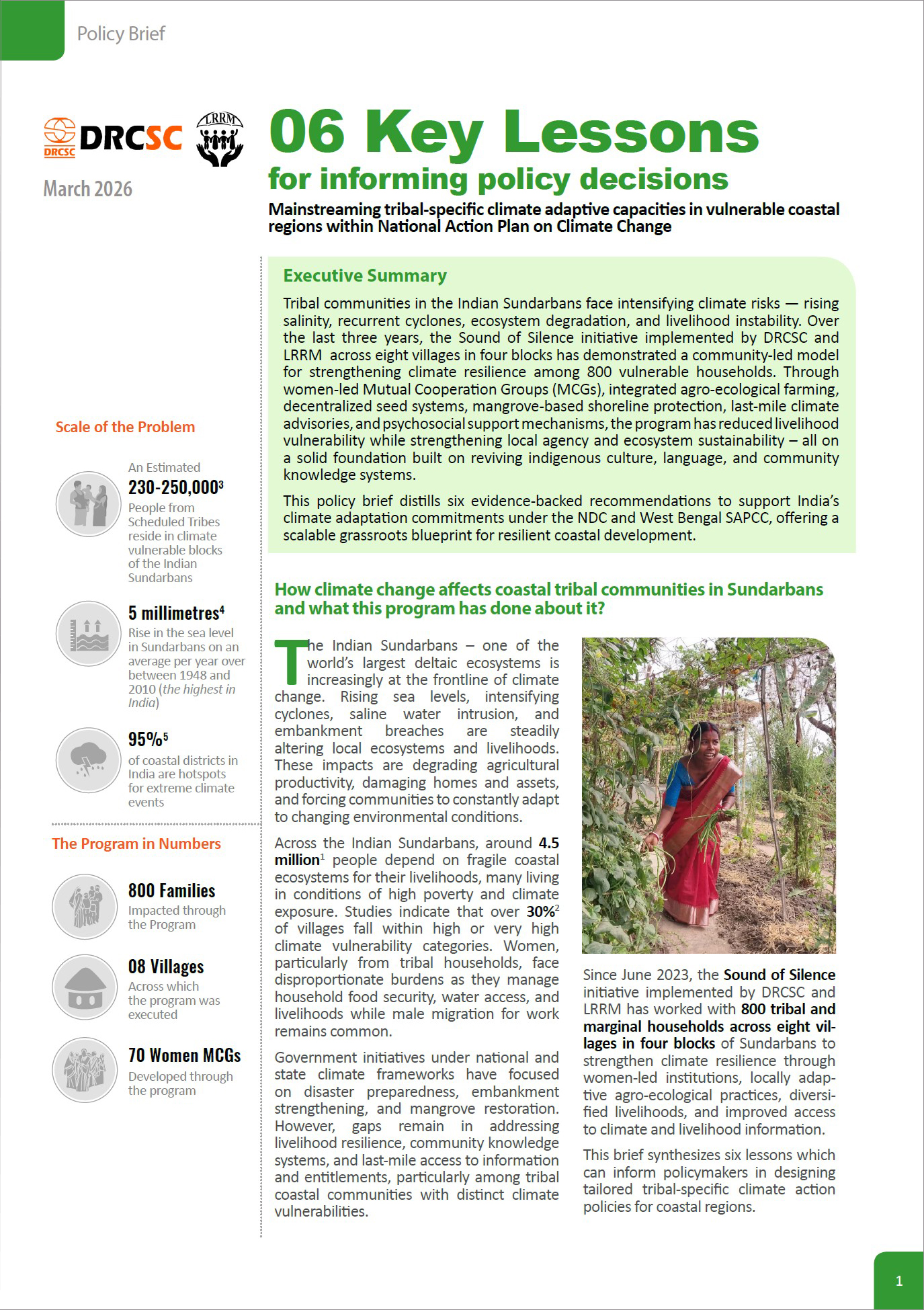
06 Key Lessons for informing policy decisions: Mainstreaming tribal-specific climate adaptive capacities in vulnerable coastal regions within National Action Plan on Climate Change
Download Full Report
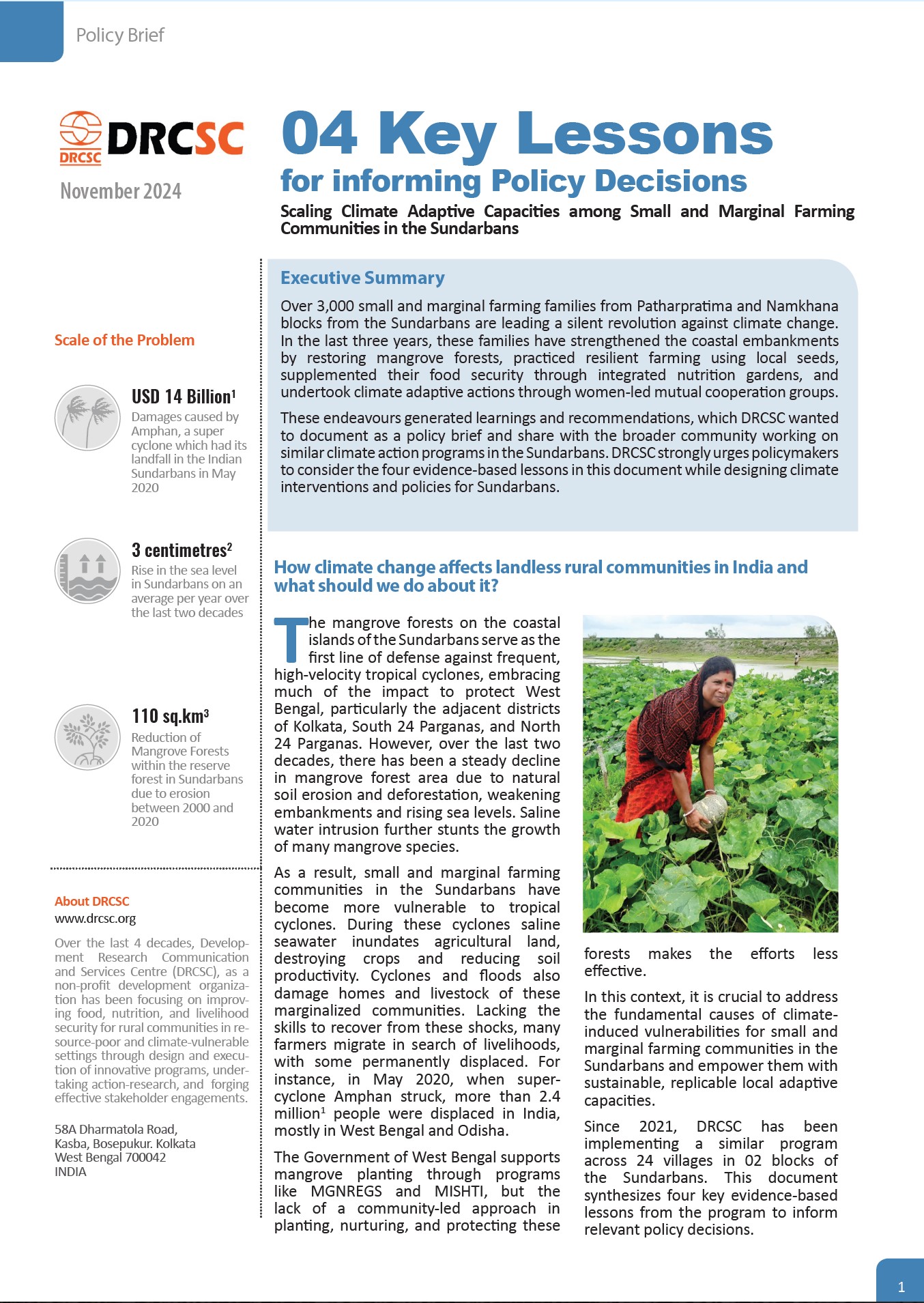
Four Key Lessons for Policy Consideration: Scaling Climate Adaptive Capacities among Small and Marginal Farming Communities in the Sundarbans
Download Full Report
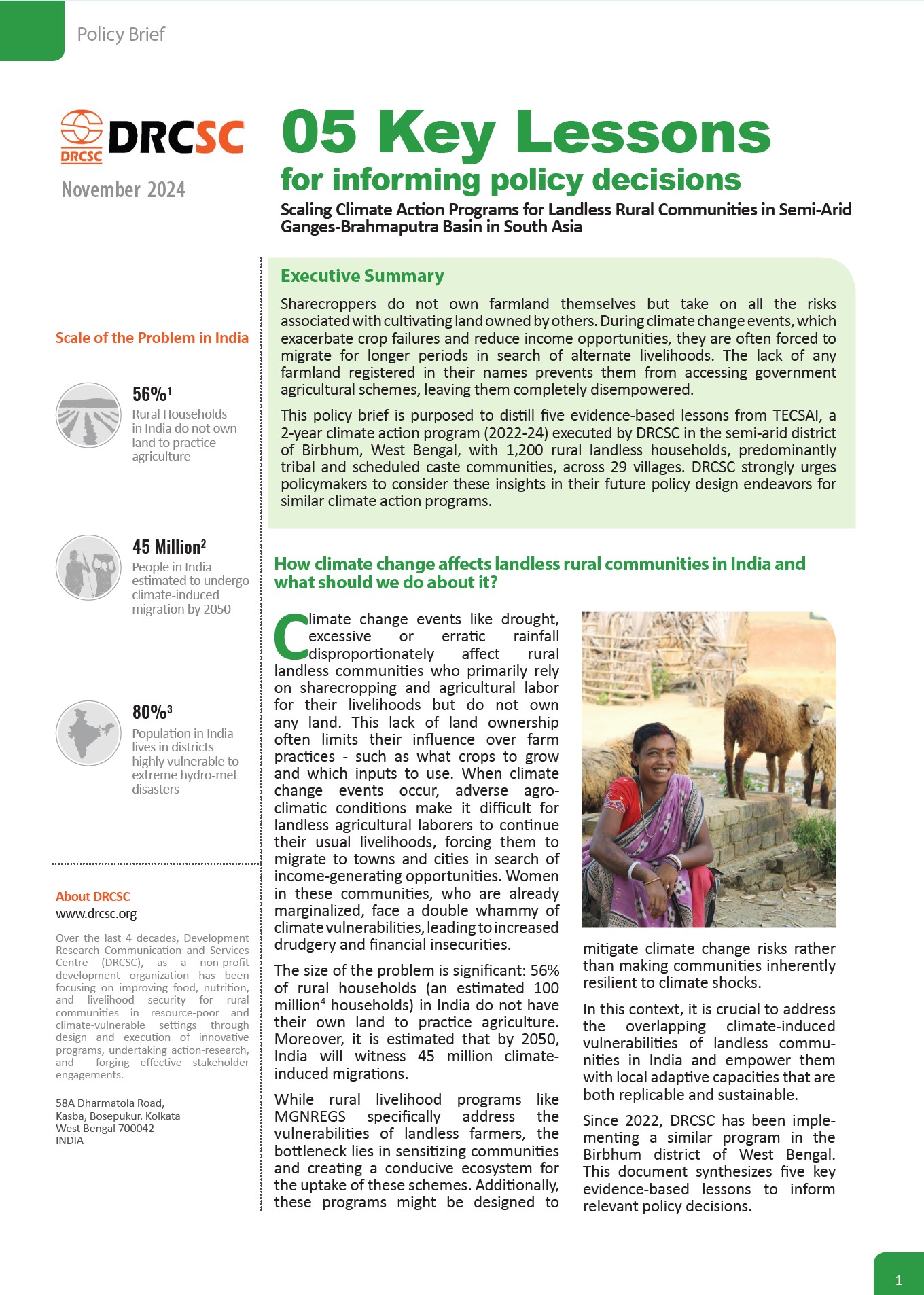
Five Key Lessons for Policy Consideration: Scaling Climate Action Programs for Landless Rural Communities in Semi-Arid Ganges-Brahmaputra Basin in South Asia
Download Full Report
View Blog Posts
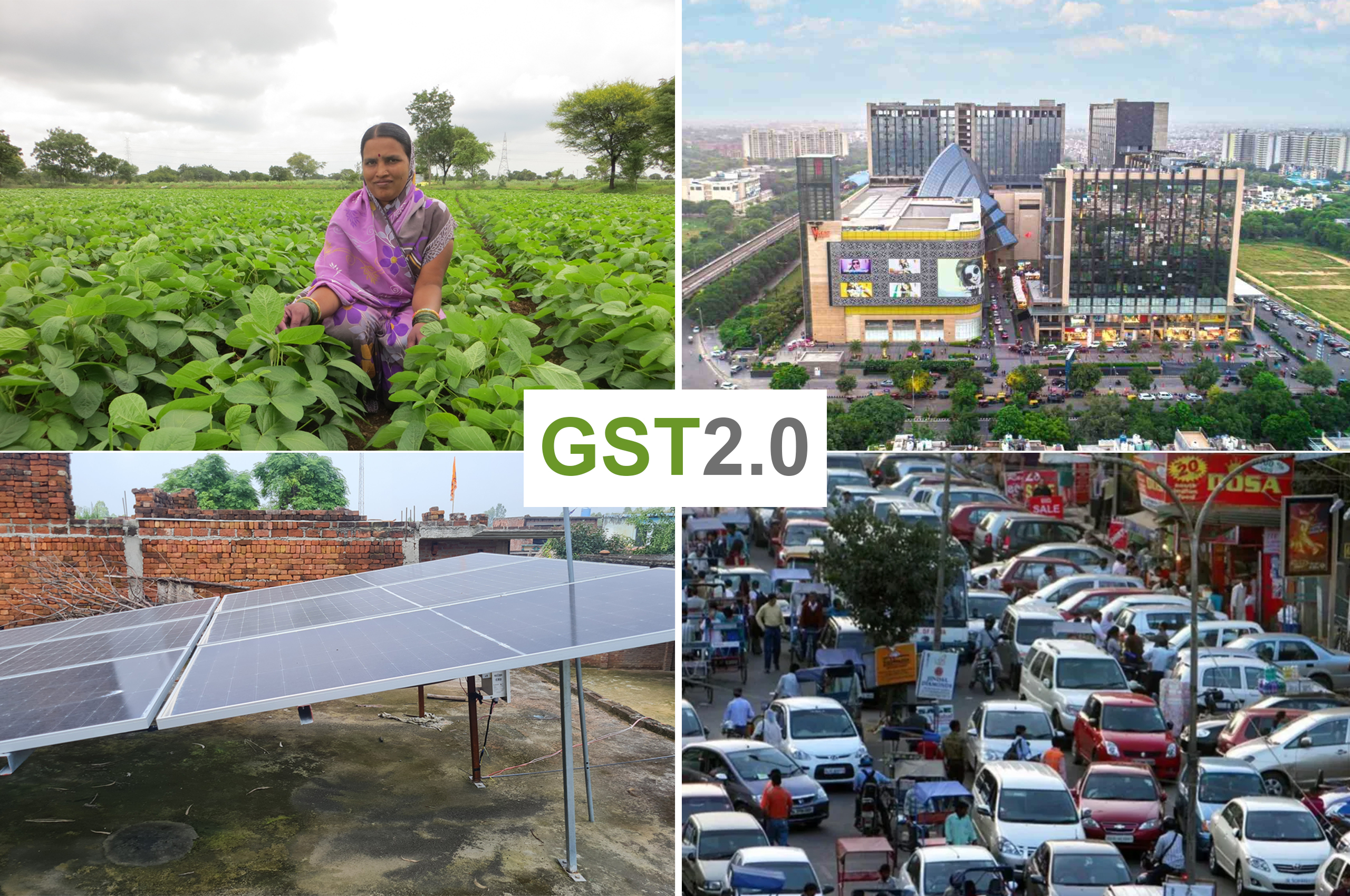
GST 2.0 and Tax Cuts: Can They Make Growth Fairer and Greener?
India's latest GST reform, being termed as GST 2.0, is more than just slashing rates. By simplifying the tax structure, cutting levies on essentials, and supporting renewable infrastructure, it's open..
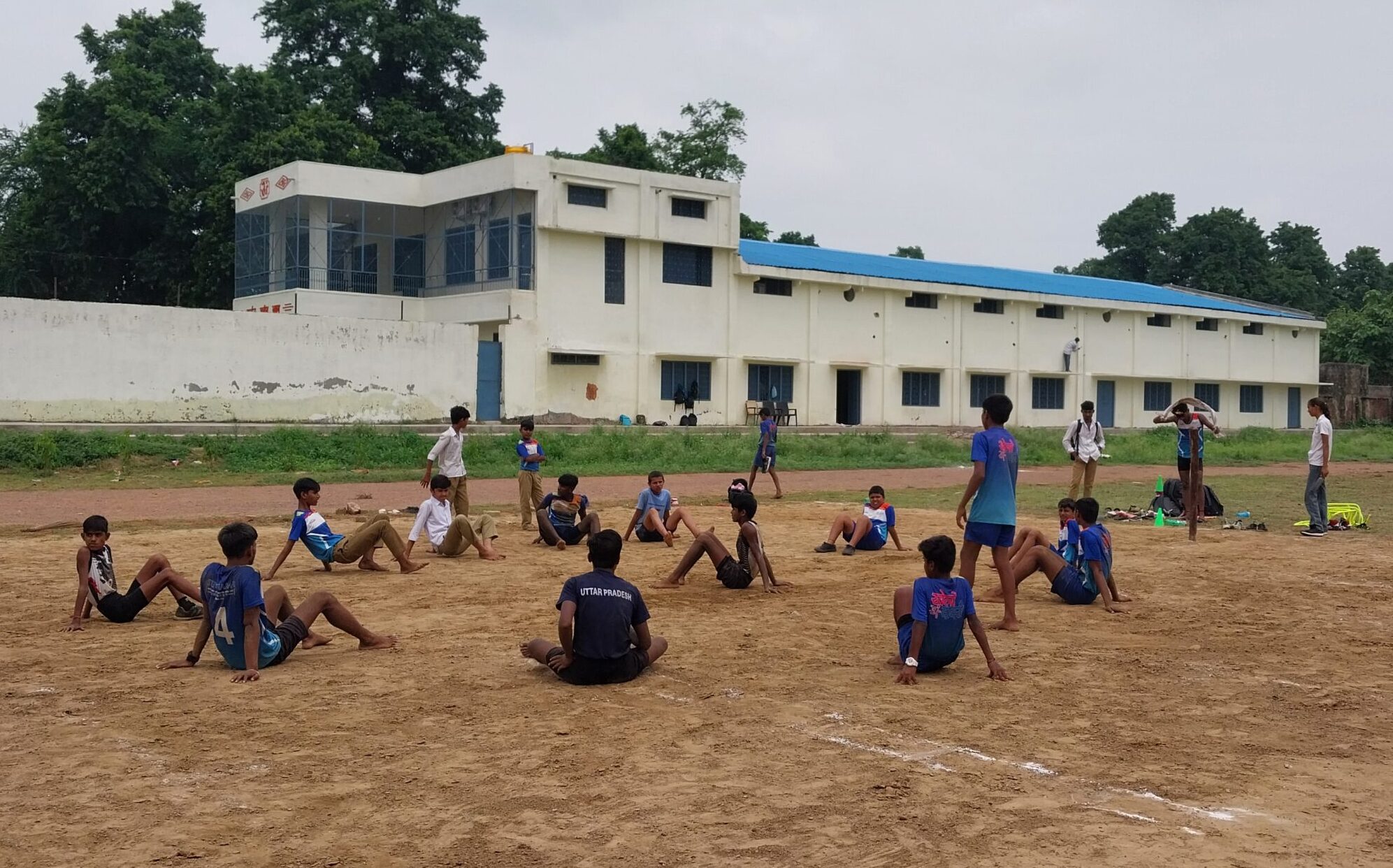
Reimagining Sports in CSR: From Tokenism to a Vehicle for Multiplying Impact
In 2023–24, Indian companies spent about ₹1,396 crore of their CSR budgets on sports — just 4% of the total ₹34,909 crore Indian corporates spent on CSR that year. Most of the rest went to edu..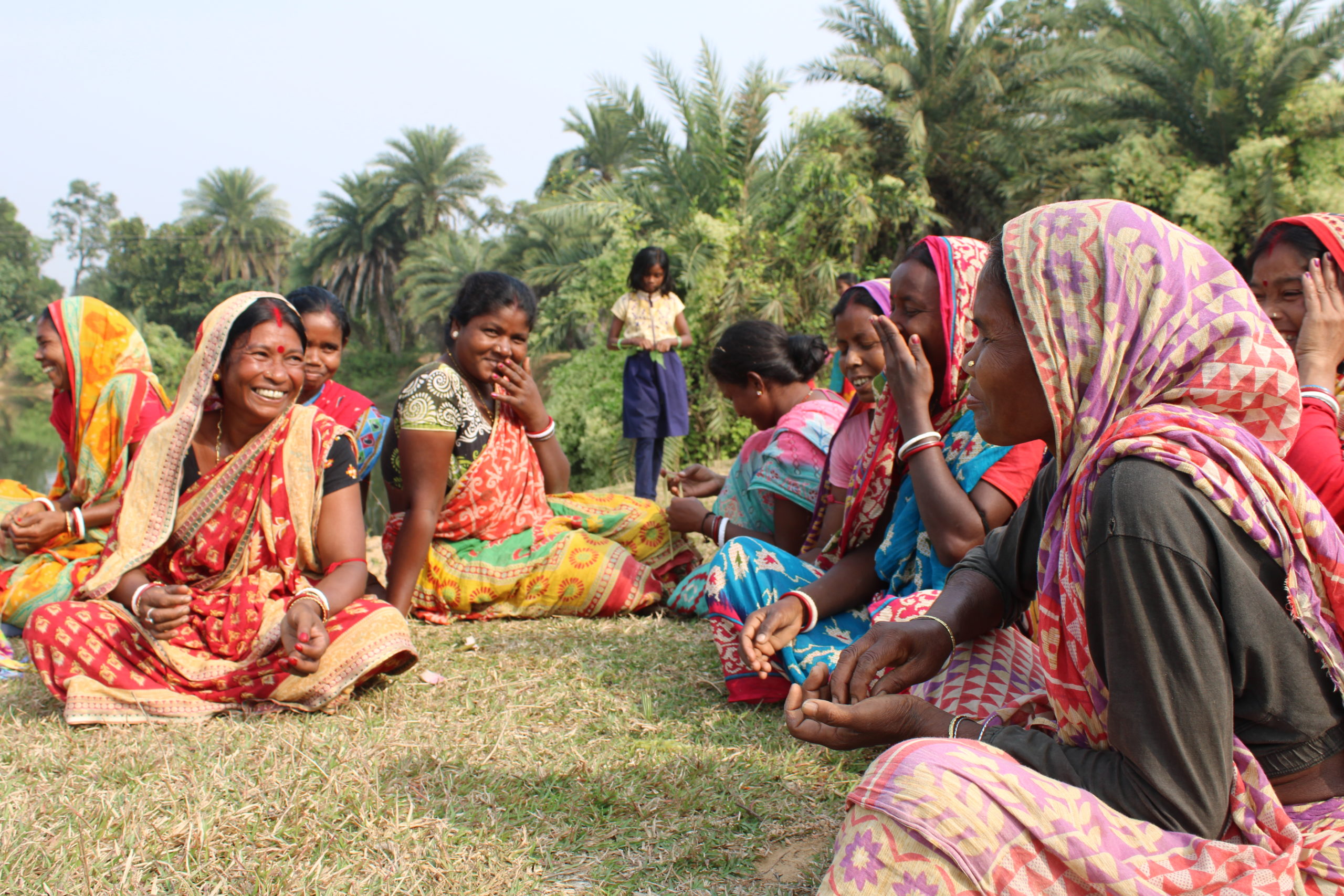
Interactive SHG Map of India: 7.5 million Women Self Help Groups are spread across 27 States and 6 UTs in India
Under the National Rural Livelihood Mission (NRLM), India has 7.5 million Women Self Help Groups (SHGs) spread across 27 states and 6 Union Territories. Each of these small, self-governed, and peer-co..