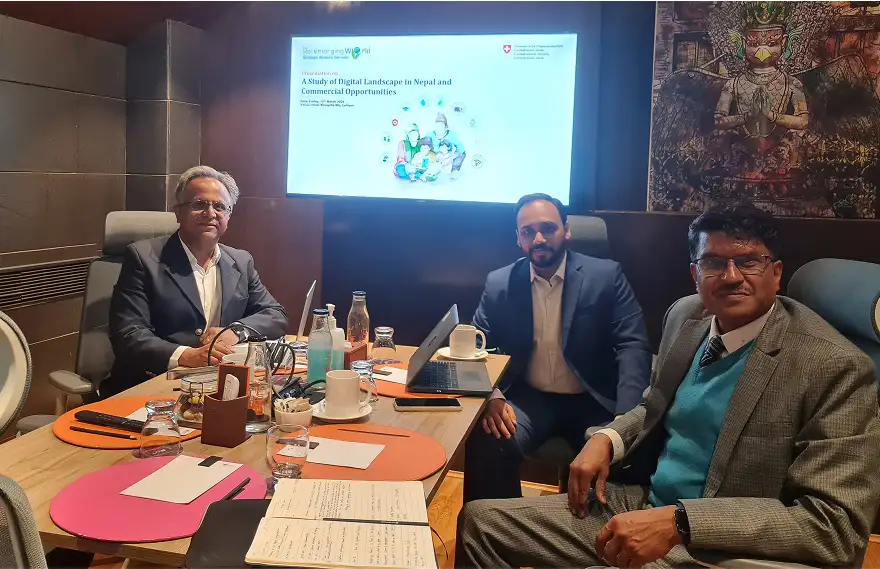

Recent Developments,
Key Innovations, and
Insightful Reports
Your One Stop Platform for Regular Sector Updates
Sector news
View By Category
Categories
- See all
- Agriculture
- Clean Cookstoves
- Clean Energy
- Climate Action
- Digital Technology
- Education
- Financial Services
- General
- Healthcare
- Hygiene
- Impact Investment
- Inclusive Value Chains
- Livelihoods
- Livestock
- Lower Income Consumers
- Marketing, Distribution and Sales for BoP
- Nutrition
- Sanitation
- Water
- Women Empowerment


October 1, 2012
Microfinance: A response to the Europe Debt Crisis?
In response to the debt crisis in Europe, financial institutions have given out large funds into bailout packages. But that does not necessarily ensure the grassroots revival of the economy and hence, they have also begun to infuse smaller amounts into private entities through their ambitious microfinance initiative. Read more […]
October 1, 2012
India: Microfinance and predatory lending – the same story?
This post examines the history of microfinance as it has been, in India. It examines the bills that regulated the sector post the Andhra Pradesh crisis of 2010, and compares the activities of some microfinance institutions with those of typical moneylenders, a refuge from which microfinance was originally designed to […]
October 1, 2012
India: How microfinance institutions spurred growth of social enterprises
Microfinance companies are perhaps the most well-known and common examples of social enterprises. However, in India, while in its heyday, microfinance may have spawned a number of social enterprises, funding for the same in sectors like education, healthcare is limited. Investors want to invest a set amount which is almost […]
October 1, 2012
Microfinance in evolution: An industry between crisis and advancement
This report by the Deutsche Bank goes over the history of microfinance while laying pointers along the way, indicating what went wrong and, how the sector should now collectively act to sustain microfinance’s original developmental impact. Read the report here.
October 1, 2012
‘Sweeping’ changes expected in North Korean agricultural sector
Kim Jong Un, the dictator-leader of North Korea has recently enacted some reforms in the agricultural sector of the country. Farmers will now be able to keep the surplus of their food to sell or exchange in barter, instead of selling it to the state. Read more here.
October 1, 2012
Nigeria: US to invest in the country’s agricultural sector
The US will be investing an amount totaling US$ 6 million in the agricultural sector of Nigeria. One of the outcomes of this investment would be two plants to be established for sugar cane production. Read more here.
October 1, 2012
FAO helps poor farming households in Zimbabwe
FAO, in conjunction with DFID and AusAID has committed itself to helping the poor farming households in Zimbabwe. A total of US$11.5 million will be spent on a relief programme to provide farm input for the the poor farming households. Read more here.
October 1, 2012
Haiti, fish farming and the Clinton Foundation’s help
This post talks about Dr Valentine Abe’s recognition of the potential for fish farming and fishing agriculture in Haiti, where lakes are severely overfished. A successful first hatchery made it clear that this could provide a means to sustainable livelihood to many Haitians and this is when he received help […]
October 1, 2012
India: Canara Bank makes Indian agriculture viable
Encouraging the idea that agriculture in India is not as low-productive as it has been for hundreds of years, Canara Bank, a commercial bank in India is launching a dedicated line of financial products and services to business projects which integrate farming into a viable and profitable business project, involving […]
Get The Latest From The Social Sector In Your Inbox

Subscribe to our newsletter
View Our Publications
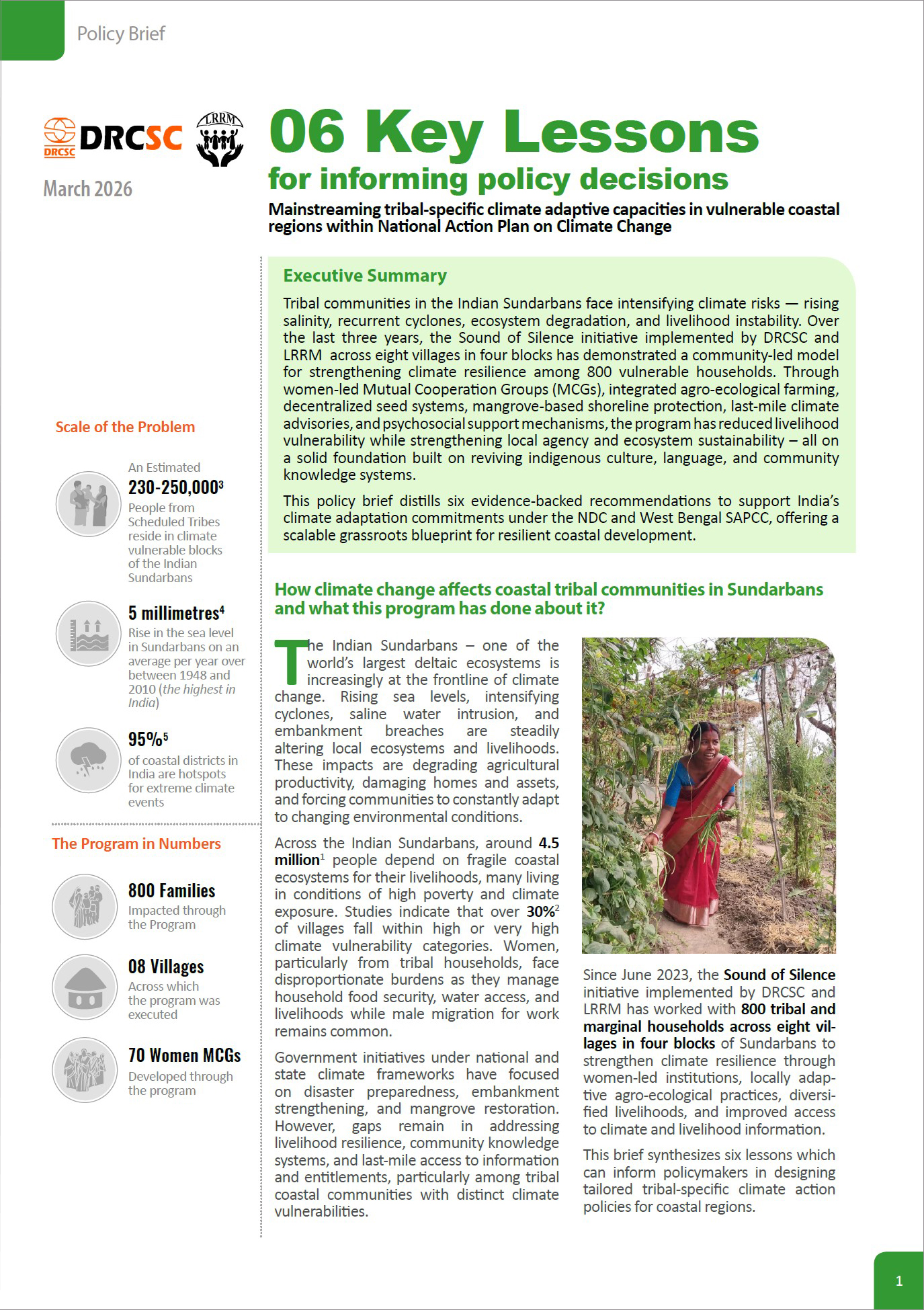
06 Key Lessons for informing policy decisions: Mainstreaming tribal-specific climate adaptive capacities in vulnerable coastal regions within National Action Plan on Climate Change
Download Full Report
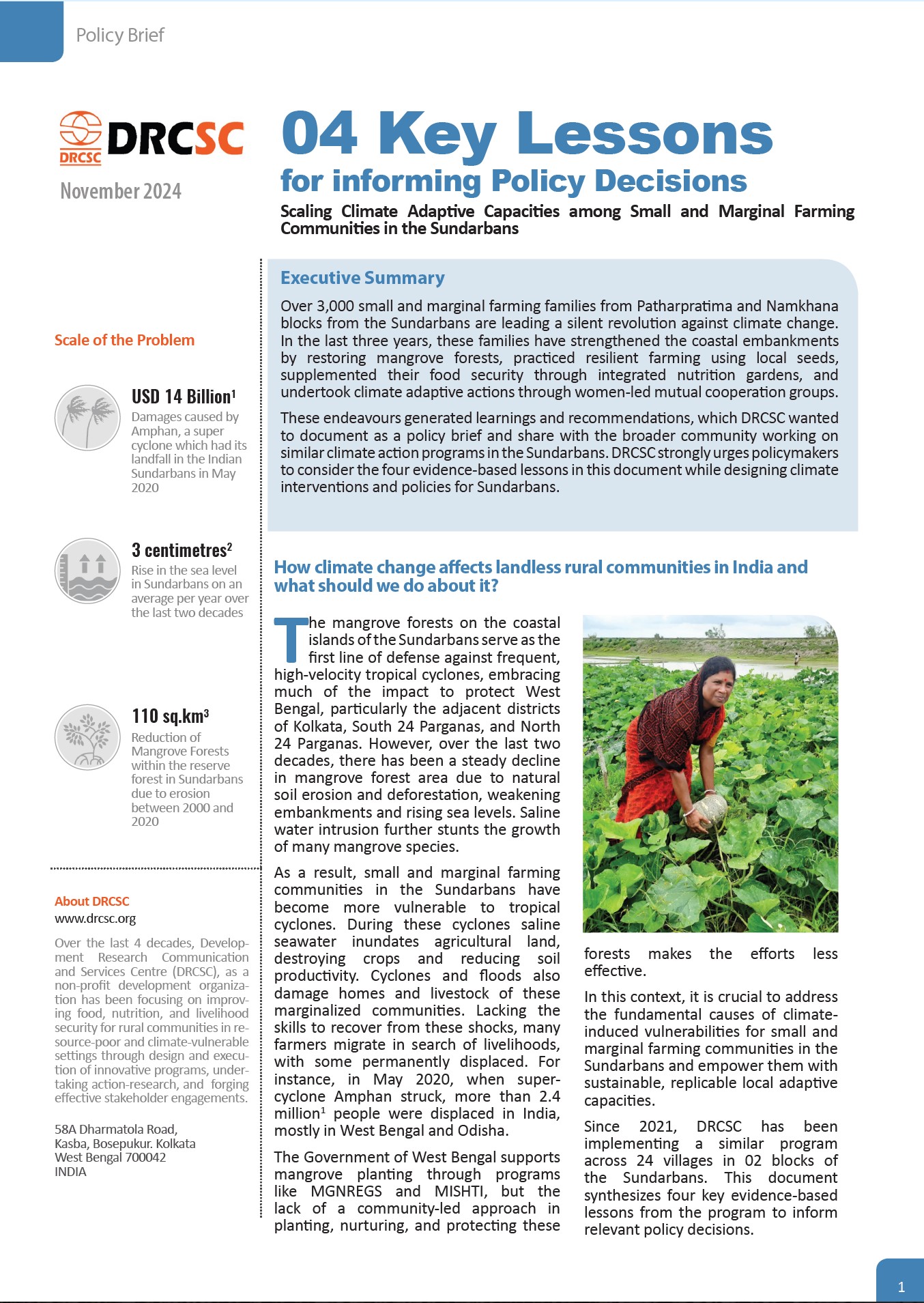
Four Key Lessons for Policy Consideration: Scaling Climate Adaptive Capacities among Small and Marginal Farming Communities in the Sundarbans
Download Full Report
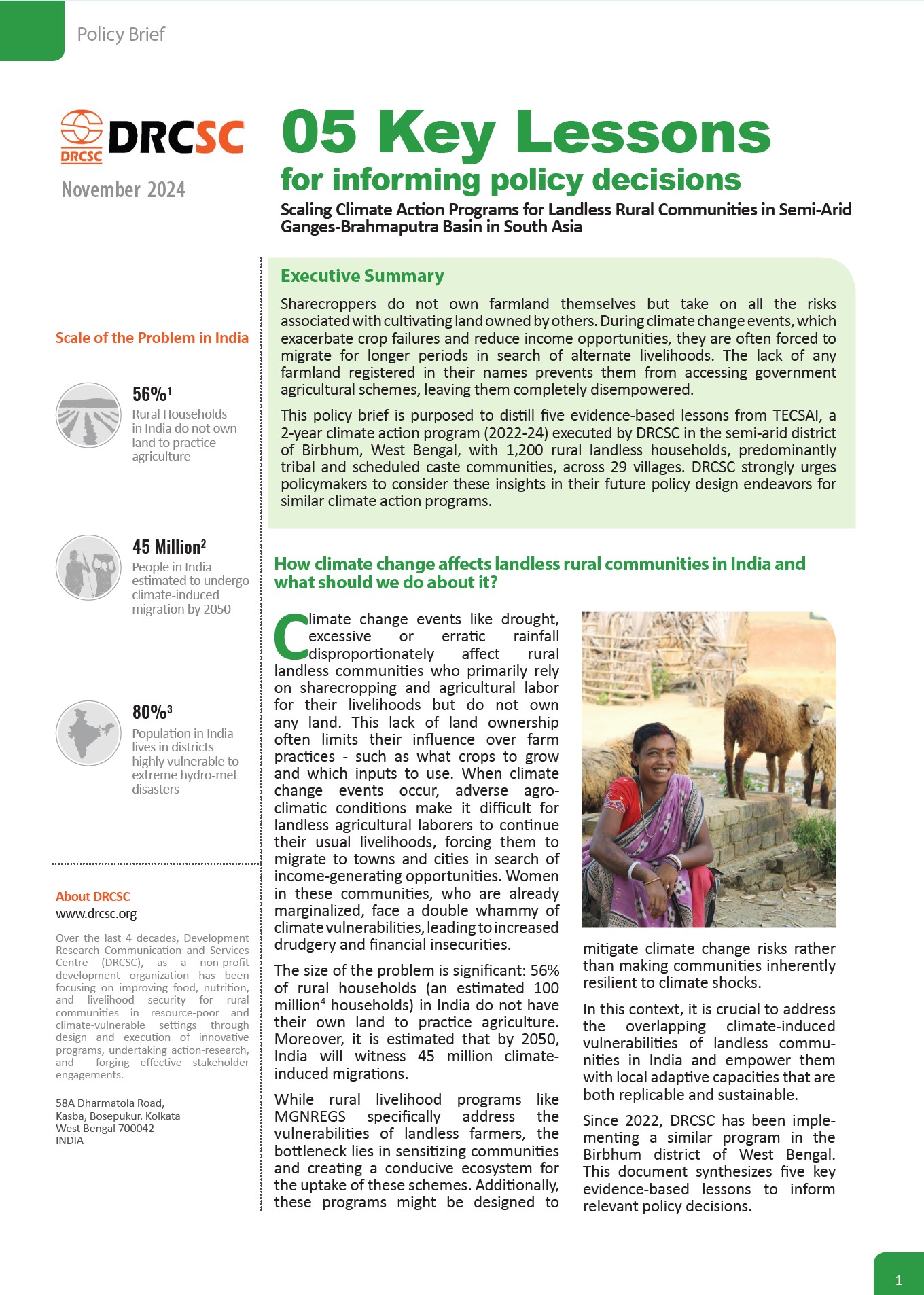
Five Key Lessons for Policy Consideration: Scaling Climate Action Programs for Landless Rural Communities in Semi-Arid Ganges-Brahmaputra Basin in South Asia
Download Full Report
View Blog Posts
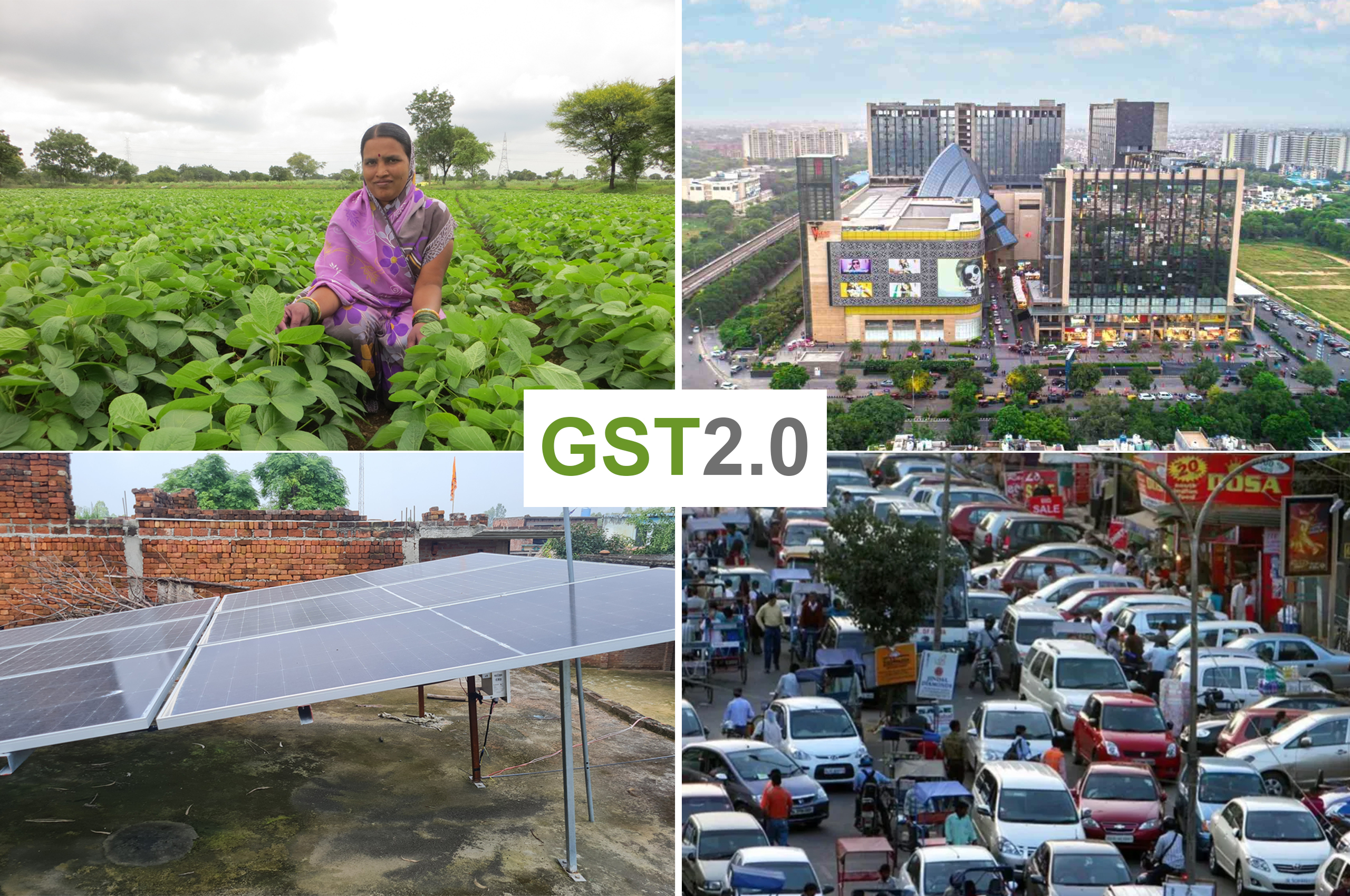
GST 2.0 and Tax Cuts: Can They Make Growth Fairer and Greener?
India's latest GST reform, being termed as GST 2.0, is more than just slashing rates. By simplifying the tax structure, cutting levies on essentials, and supporting renewable infrastructure, it's open..
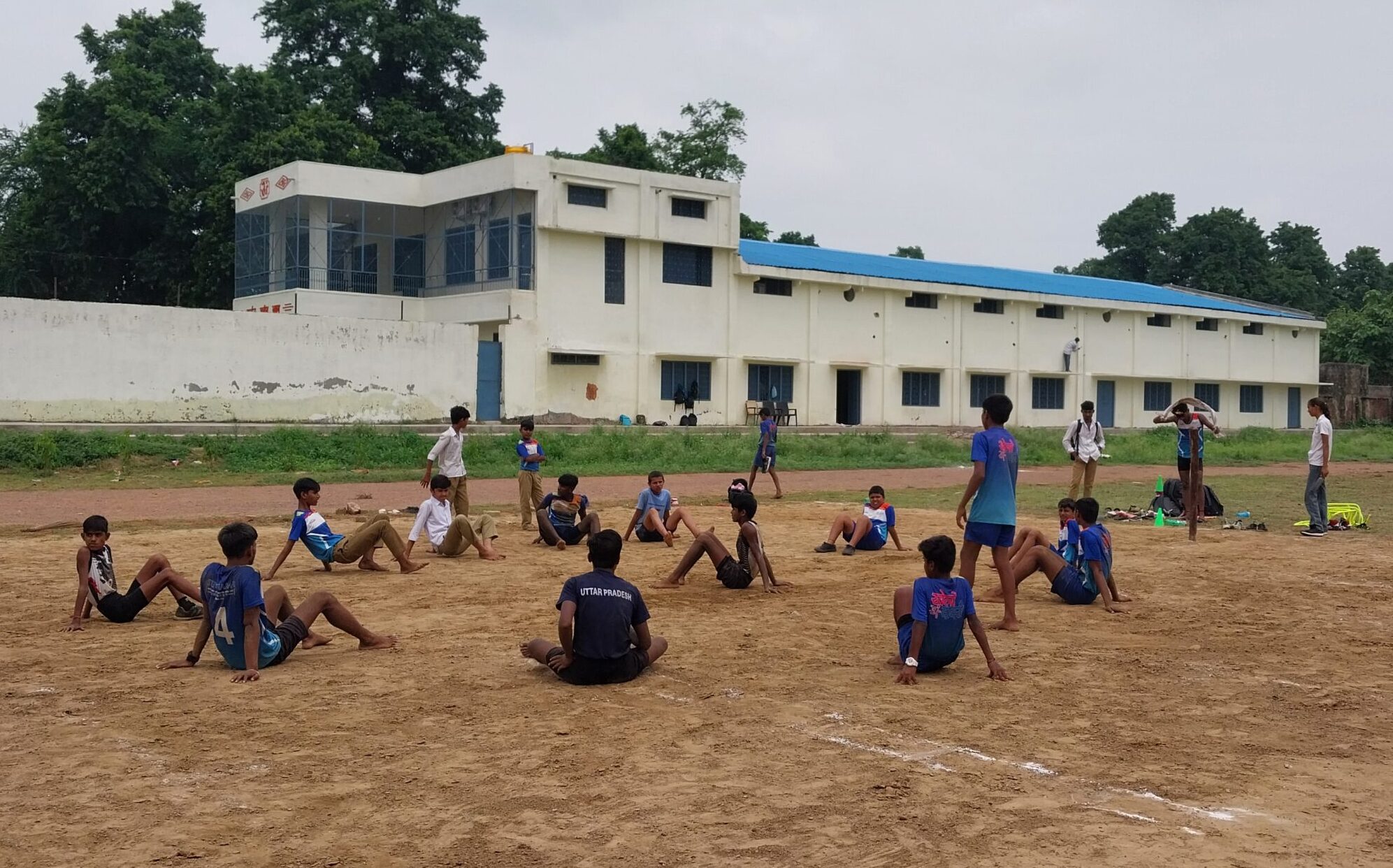
Reimagining Sports in CSR: From Tokenism to a Vehicle for Multiplying Impact
In 2023–24, Indian companies spent about ₹1,396 crore of their CSR budgets on sports — just 4% of the total ₹34,909 crore Indian corporates spent on CSR that year. Most of the rest went to edu..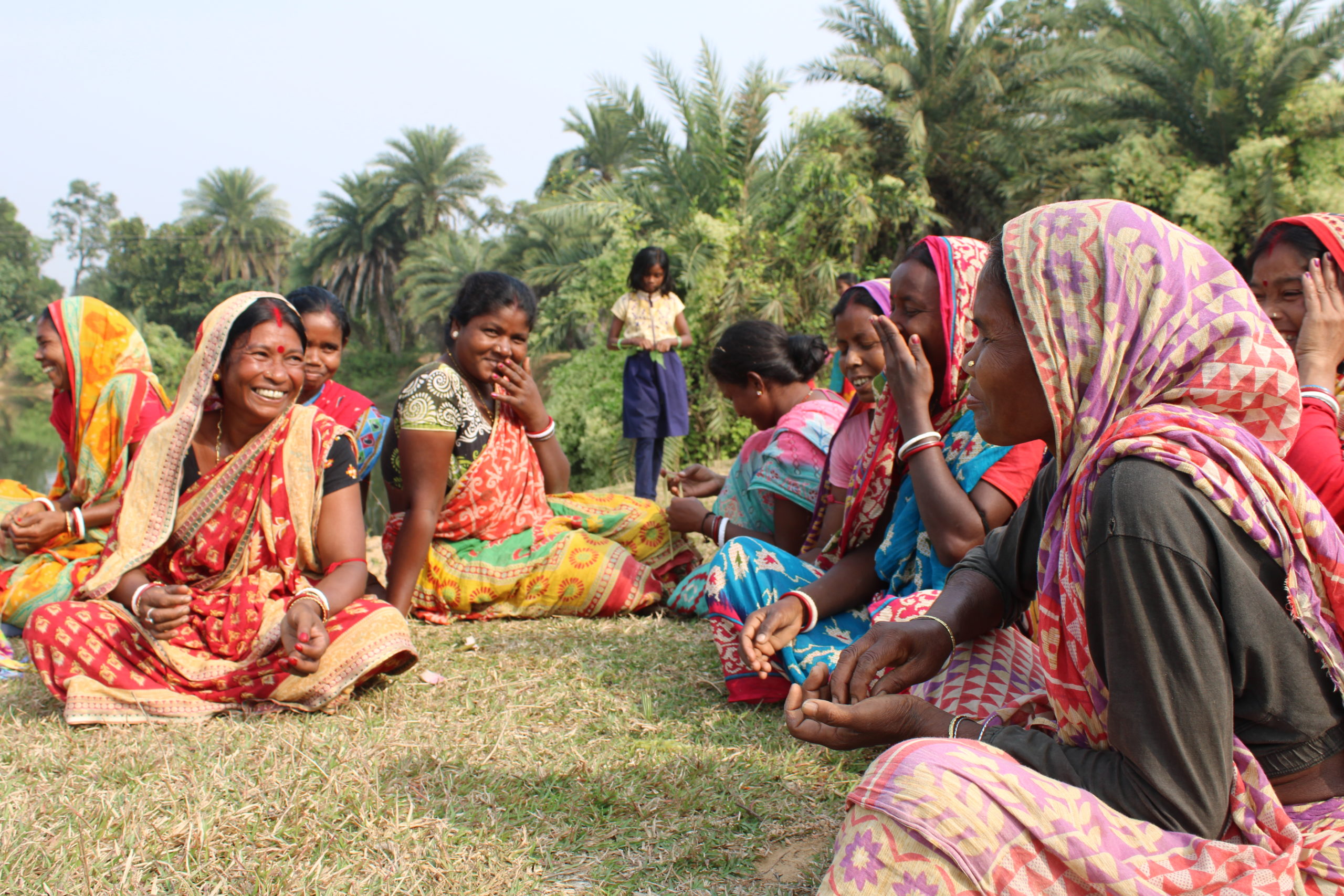
Interactive SHG Map of India: 7.5 million Women Self Help Groups are spread across 27 States and 6 UTs in India
Under the National Rural Livelihood Mission (NRLM), India has 7.5 million Women Self Help Groups (SHGs) spread across 27 states and 6 Union Territories. Each of these small, self-governed, and peer-co..