
Recent Developments,
Key Innovations, and
Insightful Reports
Your One Stop Platform for Regular Sector Updates
Sector news
View By Category
Categories
- See all
- Agriculture
- Clean Cookstoves
- Clean Energy
- Climate Action
- Digital Technology
- Education
- Financial Services
- General
- Healthcare
- Hygiene
- Impact Investment
- Inclusive Value Chains
- Livelihoods
- Livestock
- Lower Income Consumers
- Marketing, Distribution and Sales for BoP
- Nutrition
- Sanitation
- Water
- Women Empowerment


October 1, 2012
Developing countries strive to provide universal healthcare
A new study enlists the results of the progress made by 9 developing countries in creating healthcare systems which are universal in reach with respect to their citizens. It is a part of a study by The Lancet and reports that more than 75 per cent of the people in […]
October 1, 2012
The link between motorcycles and healthcare in Africa
On a trip to Somalia, a previous motorcycle racer, Andrea Coleman and her motorcycling enthusiast husband Barry Coleman were shocked to see new looking trucks and bokes abandoned on the road side, and found that this was done because not enough people there knew how to fix problems with the […]
October 1, 2012
India: President urges action for improving healthcare efficiency
The Indian President, while lauding the work of the Central Government NRHM scheme (National Rural Healthcare Mission), in terms of its reach and ability to provide medical care to the rural poor, pointed out that the next step would be to achieve efficiency. He pointed out that in the past […]
October 1, 2012
OPIC approves US$135 million for two investment funds in India
OPIC or the Overseas Privates Investment Corporation has now finalised an investment worth a total of US$135 million in small and medium sized enterprises and industrial logistics parks in India, which have the potential of driving economic growth for the developing country but so far lacked the capital to do […]
October 1, 2012
Oikocredit: Impact investment’s best kept secret
This post gives an overview of the activities of Oikocredit, which primarily socially invests in microfinance in the developing world. The way it raises its money is through donations and that has limited its options. However, its progressive procedure of lending money rather than giving it away has encouraged entrepreneurship […]
October 1, 2012
Linking social enterprises to businesses that can help them scale
It has very frequently been seen that when impact investment firms are ready to invest, there is a lack of social enterprises worthy of large investments. This is why a long term advisor to General Electric’s ecomagination initiative is founding a new investment firm that will link enterprises with promising […]
October 1, 2012
Bamboo Finance uses IRIS standards
In a transparent practical demonstration of how the IRIS (Impact Reporting & Investment Standards) metrics and reporting methodologies have helped the international impact investing firm Bamboo Finance, this post looks at the different utilities of IRIS metrics in financial performance, operational and product impact. Read more here.
October 1, 2012
GIIN launches public IRIS user registry
The Global Impact Investment Network recently launched an online registry wherein users of the IRIS (Impact Reporting and Investment Standards) would be urged to list for the view of the public the IRIS metrics they use to measure their social, environmental and financial performance relating to their impact investments. This […]
October 1, 2012
Engineers without Borders recognizes the problems of impact investing in Africa
About US$100 billion has been disseminated by way of impact investment in Africa. Given the fact that the idea of impact investment has ‘exploded’ as put here, it is important to recognize the problems that have cropped up as well. Impact investment demands returns and it is precisely there that […]
Get The Latest From The Social Sector In Your Inbox

Subscribe to our newsletter
View Our Publications
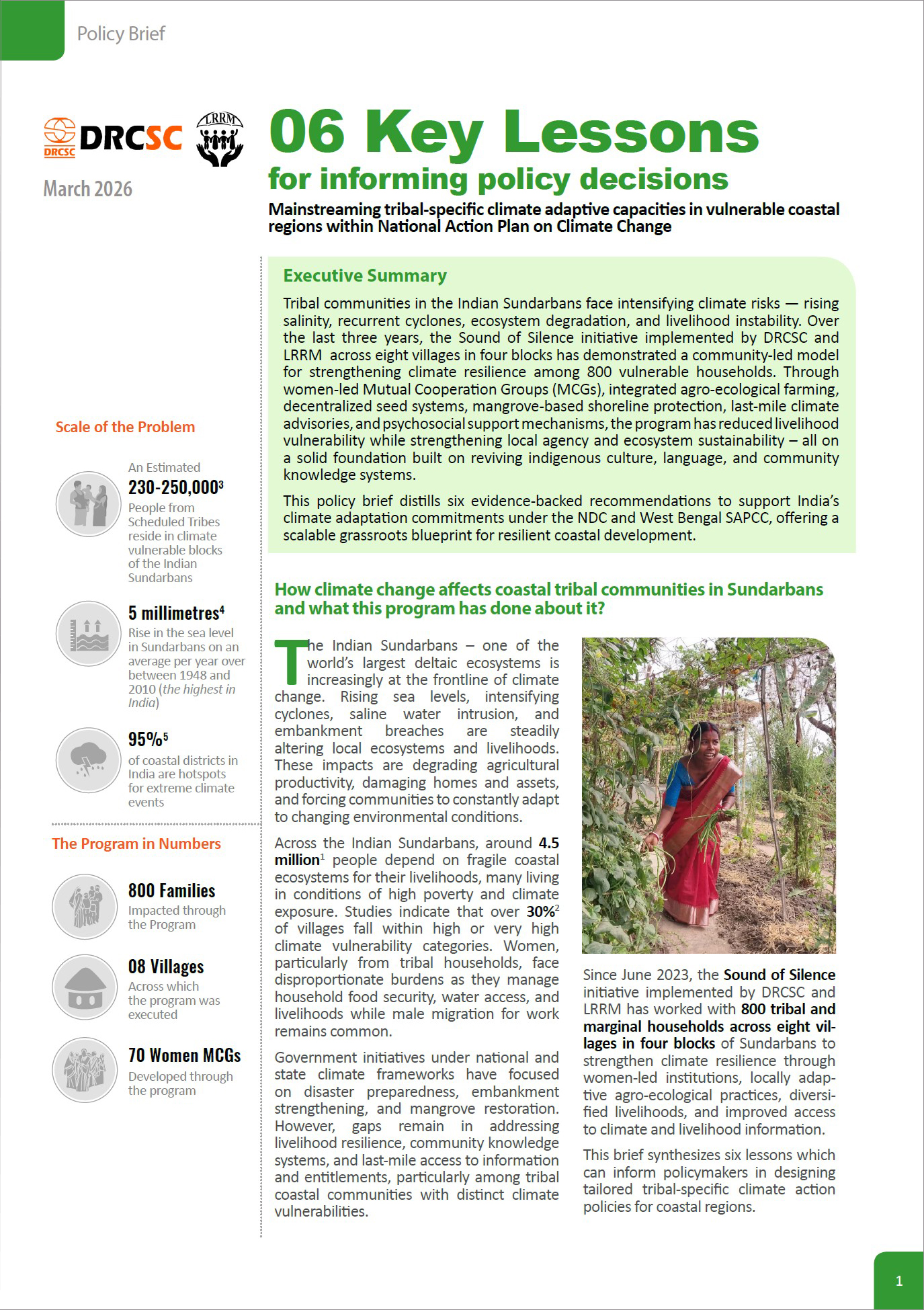
06 Key Lessons for informing policy decisions: Mainstreaming tribal-specific climate adaptive capacities in vulnerable coastal regions within National Action Plan on Climate Change
Download Full Report
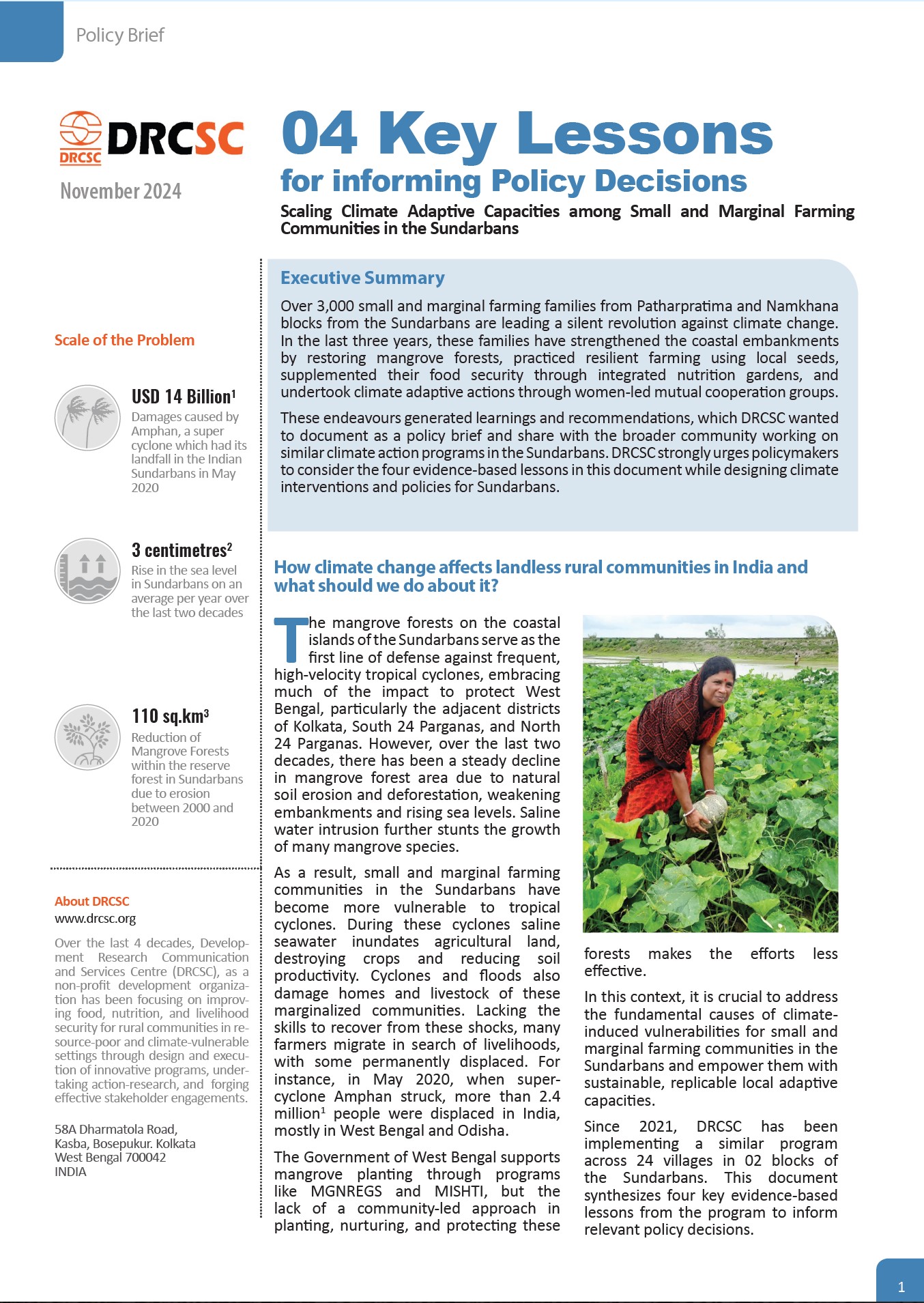
Four Key Lessons for Policy Consideration: Scaling Climate Adaptive Capacities among Small and Marginal Farming Communities in the Sundarbans
Download Full Report
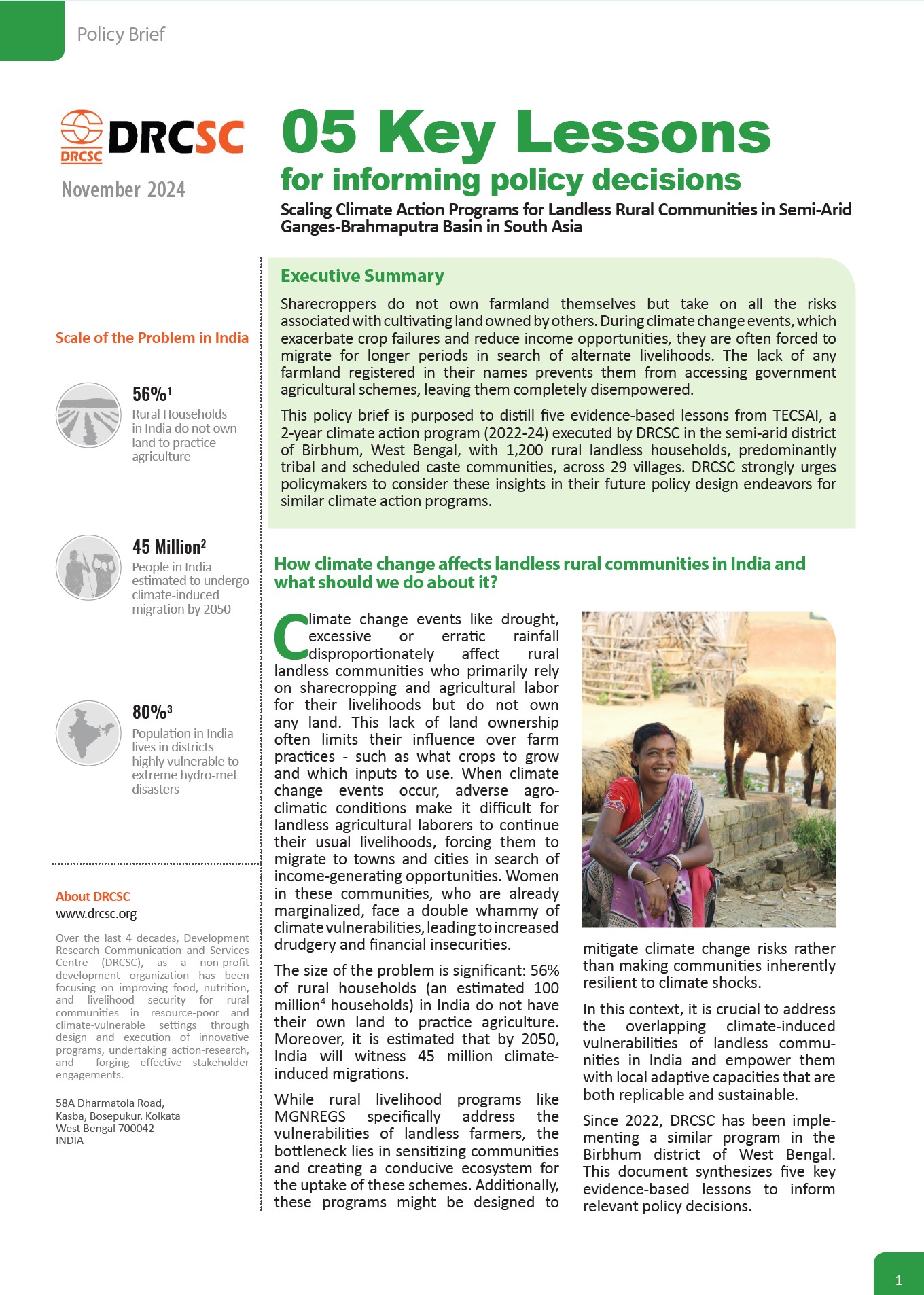
Five Key Lessons for Policy Consideration: Scaling Climate Action Programs for Landless Rural Communities in Semi-Arid Ganges-Brahmaputra Basin in South Asia
Download Full Report
View Blog Posts
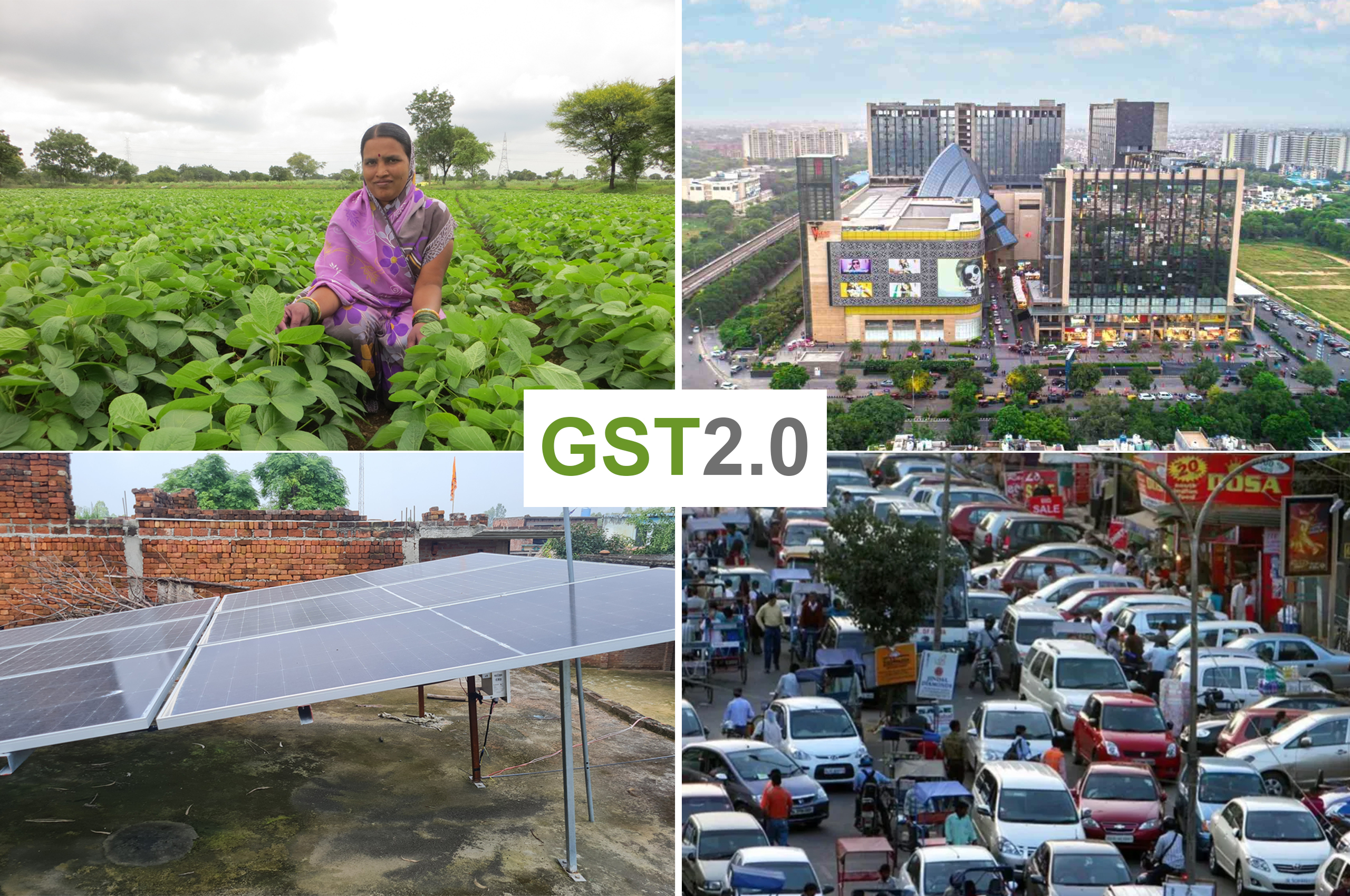
GST 2.0 and Tax Cuts: Can They Make Growth Fairer and Greener?
India's latest GST reform, being termed as GST 2.0, is more than just slashing rates. By simplifying the tax structure, cutting levies on essentials, and supporting renewable infrastructure, it's open..
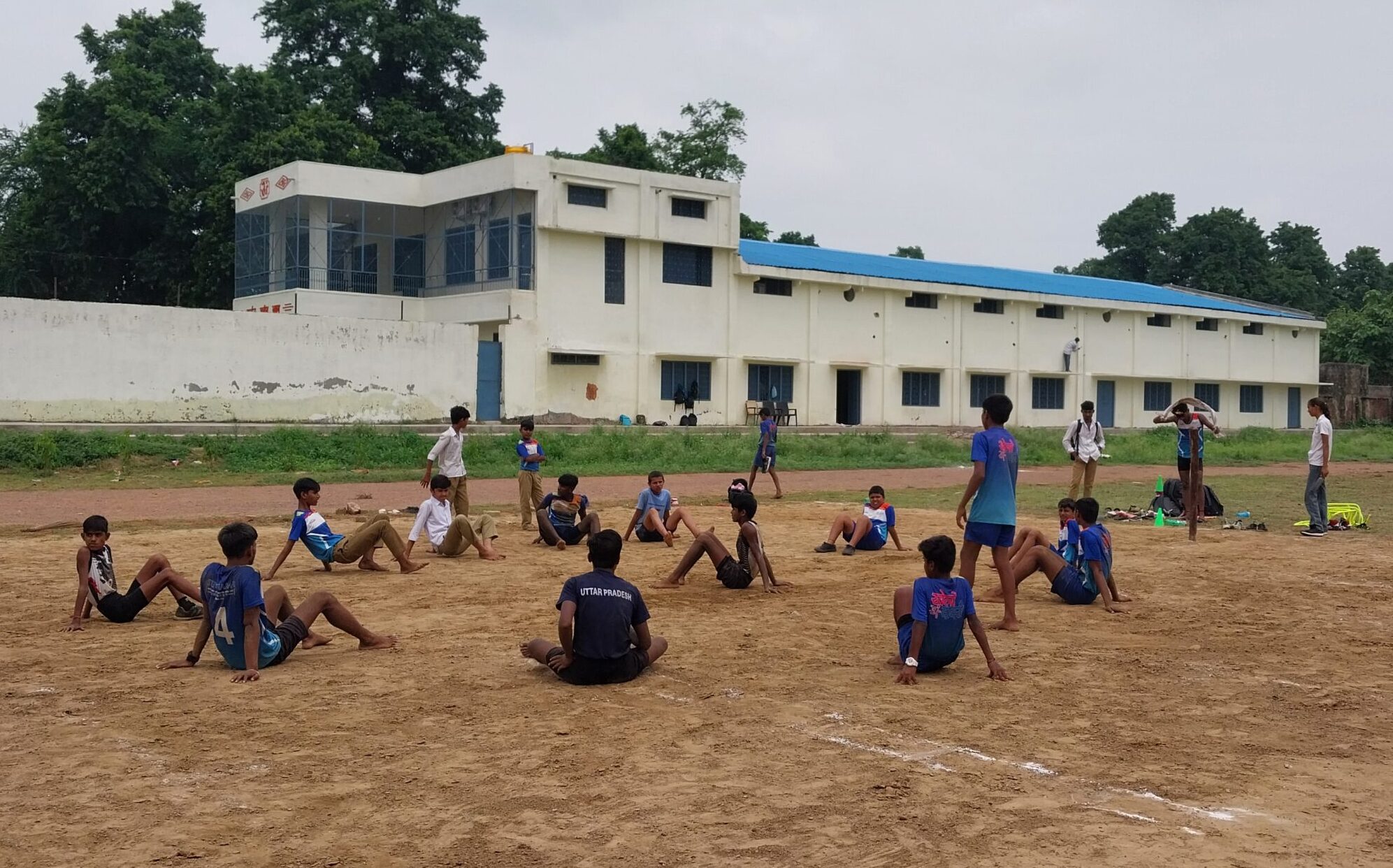
Reimagining Sports in CSR: From Tokenism to a Vehicle for Multiplying Impact
In 2023–24, Indian companies spent about ₹1,396 crore of their CSR budgets on sports — just 4% of the total ₹34,909 crore Indian corporates spent on CSR that year. Most of the rest went to edu..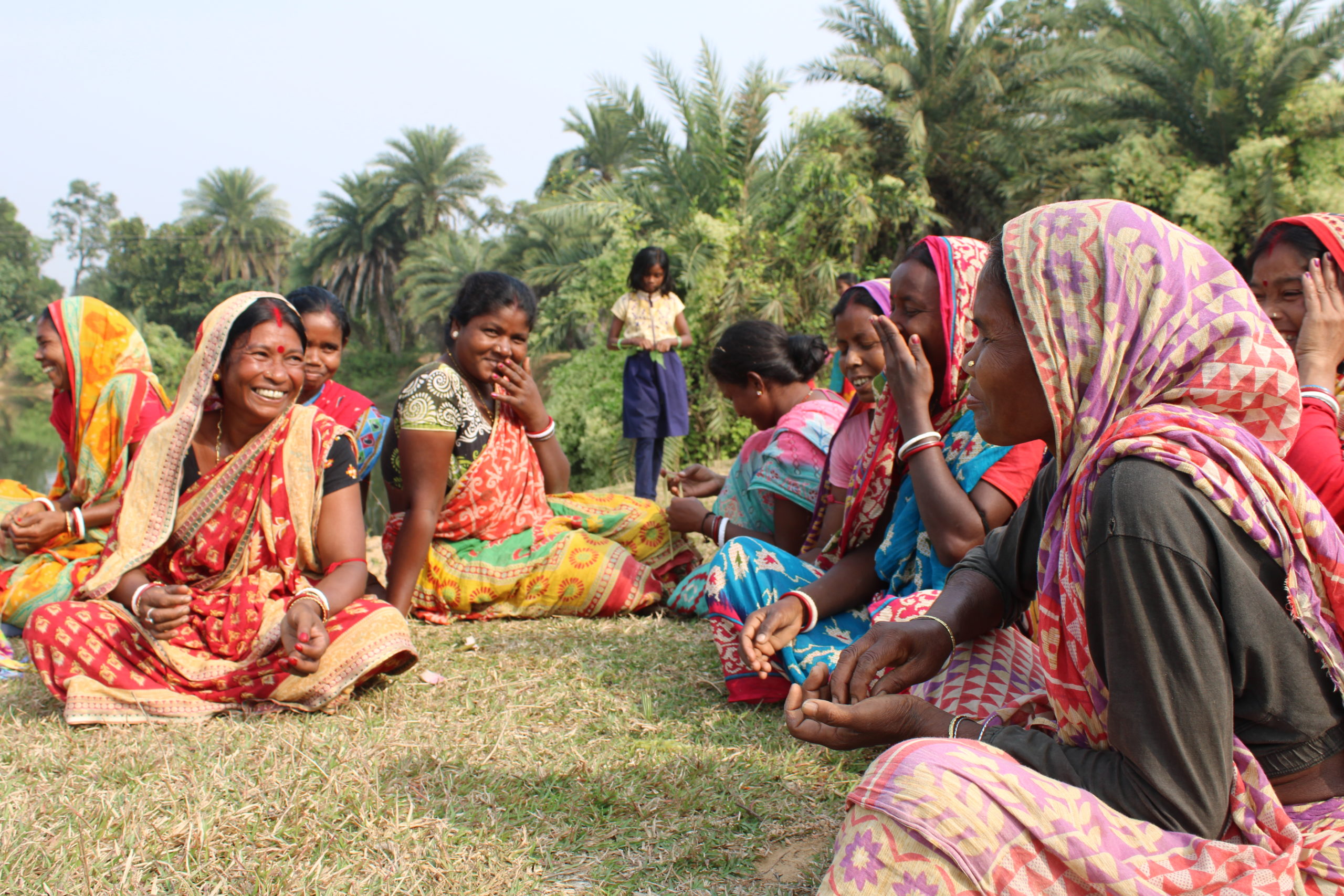
Interactive SHG Map of India: 7.5 million Women Self Help Groups are spread across 27 States and 6 UTs in India
Under the National Rural Livelihood Mission (NRLM), India has 7.5 million Women Self Help Groups (SHGs) spread across 27 states and 6 Union Territories. Each of these small, self-governed, and peer-co..