
Recent Developments,
Key Innovations, and
Insightful Reports
Your One Stop Platform for Regular Sector Updates
Sector news
View By Category
Categories
- See all
- Agriculture
- Clean Cookstoves
- Clean Energy
- Climate Action
- Digital Technology
- Education
- Financial Services
- General
- Healthcare
- Hygiene
- Impact Investment
- Inclusive Value Chains
- Livelihoods
- Livestock
- Lower Income Consumers
- Marketing, Distribution and Sales for BoP
- Nutrition
- Sanitation
- Water
- Women Empowerment


September 21, 2012
East African farmers may be adapting to climate friendly practices, but food insecurity persists
A study by CGIAR on the climate adaptability of East African farmers (mentioned in the previous issue – read here) showed that farmers in East Africa were indeed positive towards the uptake of climate friendly practices. The report also says that this adoption of climate friendly practices and technologies was […]
September 21, 2012
Future of agriculture in Bangladesh
In the past years, as much as a third of Bangladeshi lands which were previously dedicated to agriculture have been diverted to use for human settlements, unplanned urbanization and more. Combined with that the increase in the country’s population makes it imperative for the government to mobilise efforts to scale […]
September 21, 2012
Urban farming in Africa, and why government support is necessary
A recent UN FAO (Food and Agriculture Organization) report shows that horticulture in urban areas is the source of income for millions of Africans in 31 African countries. The fact that this has happened without recognitions means that farmers may not have chosen best practices, many a times using heavy […]
September 21, 2012
India: INR 112 million sanctioned for houses for BPL families in Mizoram
The poor and below poverty line (BPL) families in the east-Indian state of Mizoram will now receive help with formal housing from the government, courtesy of a fund of INR 112 million approved by the government of the state. Read more here.
September 21, 2012
Iran: 11,000 housing units to be finished by September 2013
According to the Minister of Urban Development of Iran, as many as 11,000 housing units in the Kohgiluyeh-Boyer Ahmad Province of Iran will near completion come September the following year. These low-cost housing for the poor initiative is called the Mehr Housing Scheme. Read more here.
September 21, 2012
Sri Lanka: Government to build houses for Colombo’s shanty dwellers
The government of Sri Lanka will be constructing over 1300 housing units for the poor that dwell in the slums and shanty towns in the city of Colombo. The project will be implemented through the State Engineering Corporation. Read more here.
September 21, 2012
Jamaica: Food For The Poor receives support from the government
The government of Jamaica is helping the International charity Food For The Poor with its housing initiatives in the country, effectively increasing the number of housing units built every month. Read more here.
September 21, 2012
I-ADB to help 12,000 low income families in Nicaragua with housing
The Inter-American Development Bank (I-ADB) will be helping with the housing conditions of some 12,000 poor Nicaraguan families through a fund of US$5 million. These funds would be channelled through Nicaragua’s Foundation of Prodel (Promotion of Local Development). Read more here.
September 21, 2012
India: Kolkata based NGO to campaign for the homeless
An NGO (Non-Governmental Organisation) named ‘A Just City for All’ is all set to start a campaign wherein they will be collaborating with like-minded bodies and individuals to provide aid like food and shelter to the poor people on the streets of Kolkata living without proper identification. Read more here.
Get The Latest From The Social Sector In Your Inbox

Subscribe to our newsletter
View Our Publications
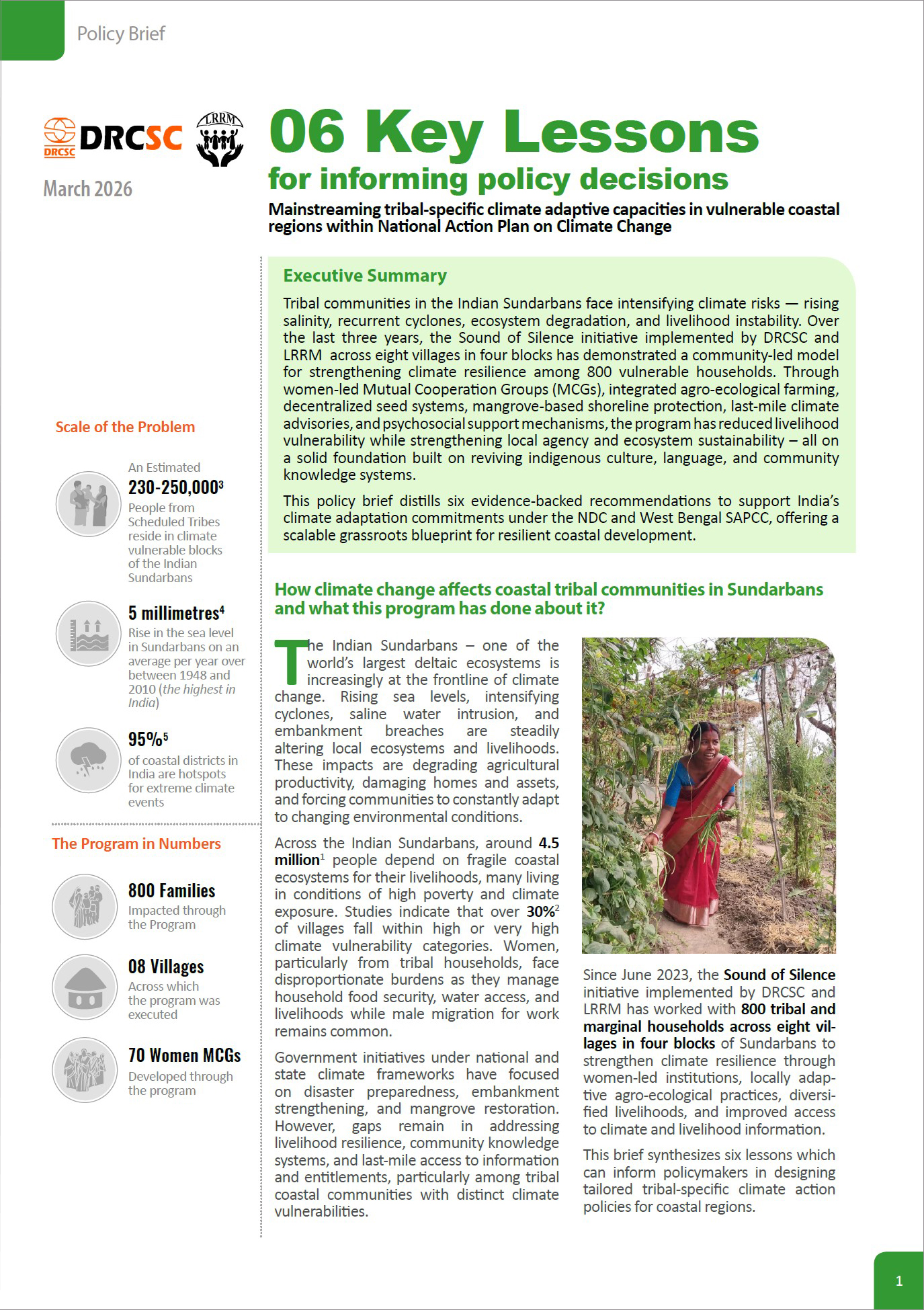
06 Key Lessons for informing policy decisions: Mainstreaming tribal-specific climate adaptive capacities in vulnerable coastal regions within National Action Plan on Climate Change
Download Full Report
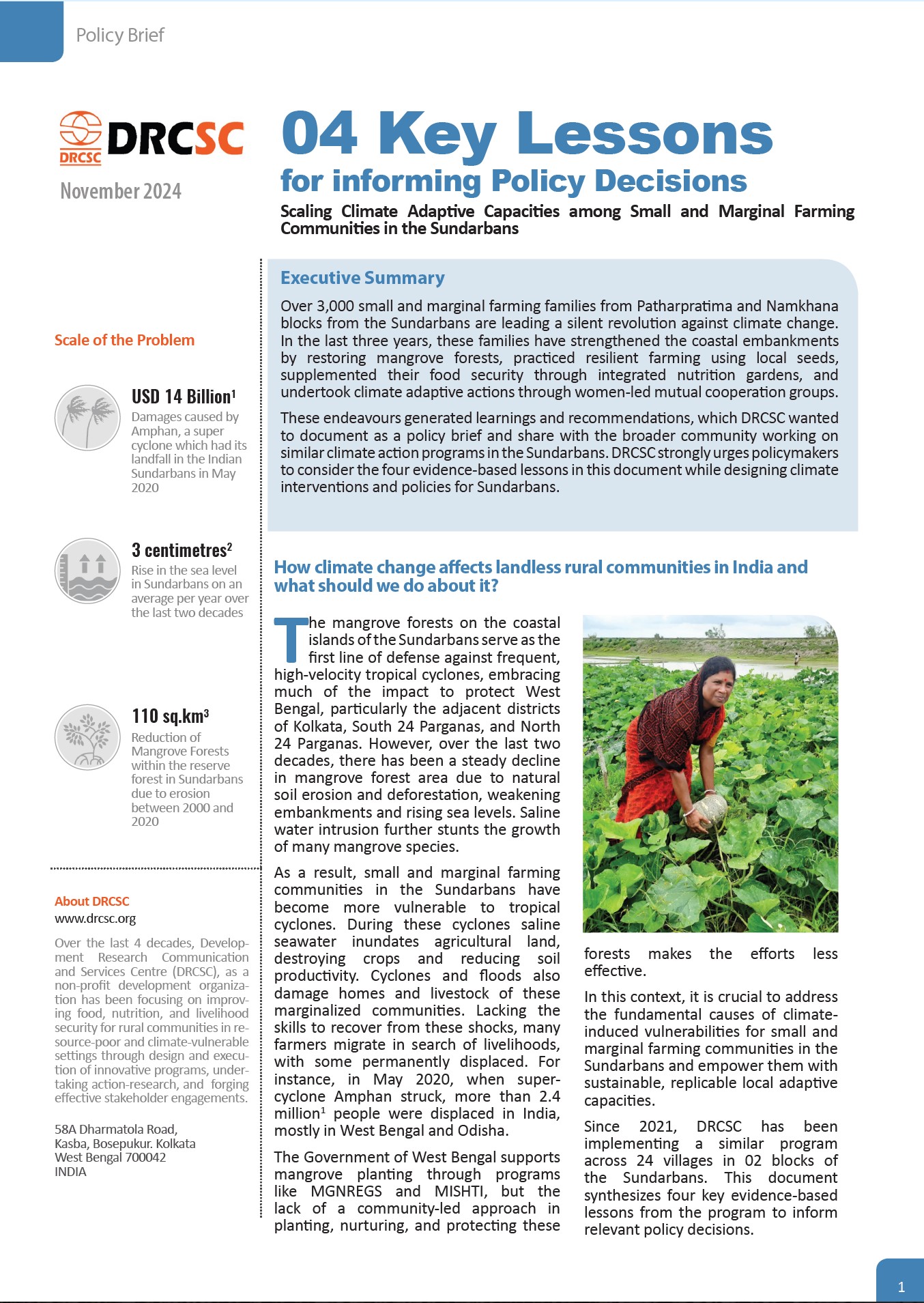
Four Key Lessons for Policy Consideration: Scaling Climate Adaptive Capacities among Small and Marginal Farming Communities in the Sundarbans
Download Full Report
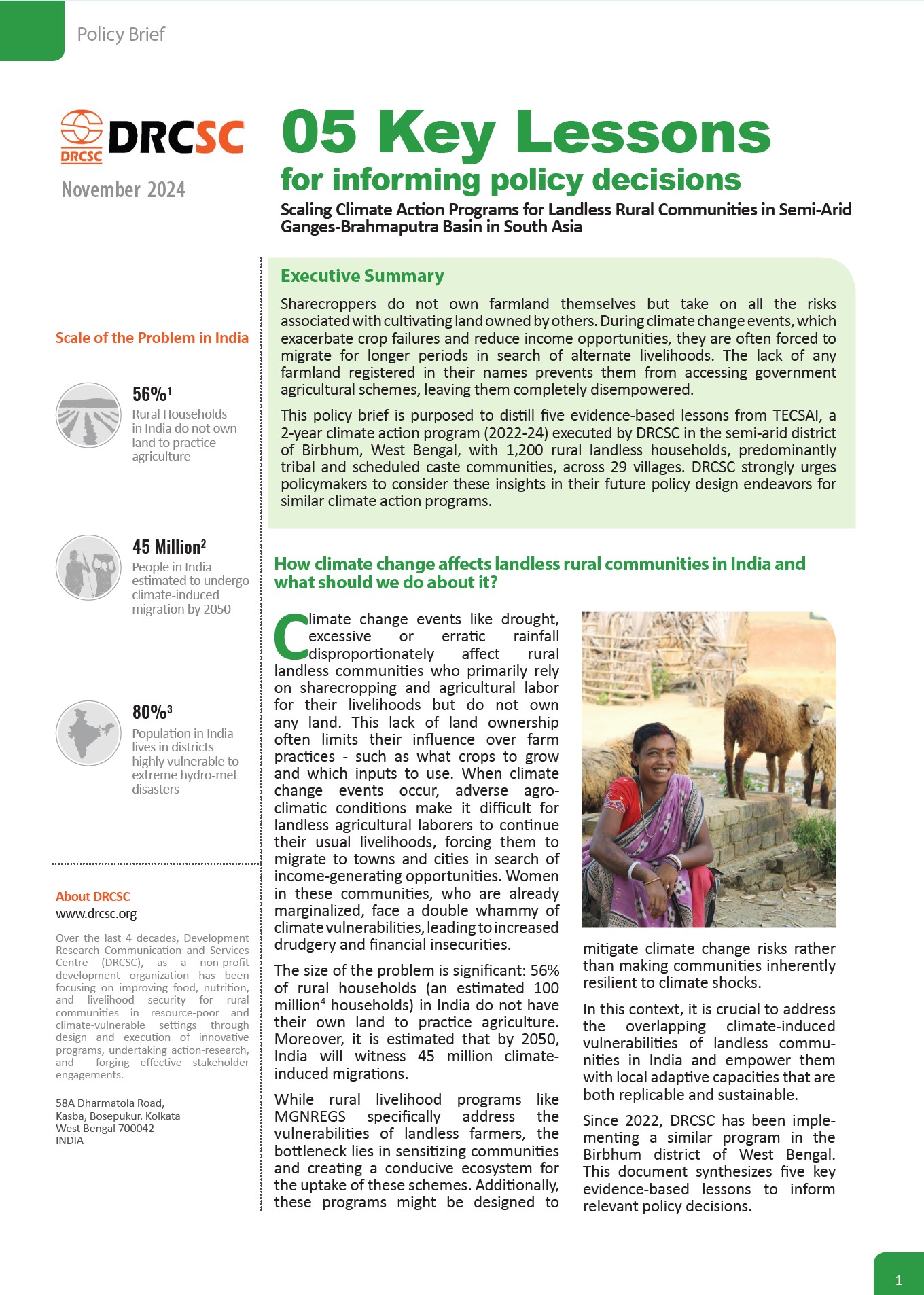
Five Key Lessons for Policy Consideration: Scaling Climate Action Programs for Landless Rural Communities in Semi-Arid Ganges-Brahmaputra Basin in South Asia
Download Full Report
View Blog Posts
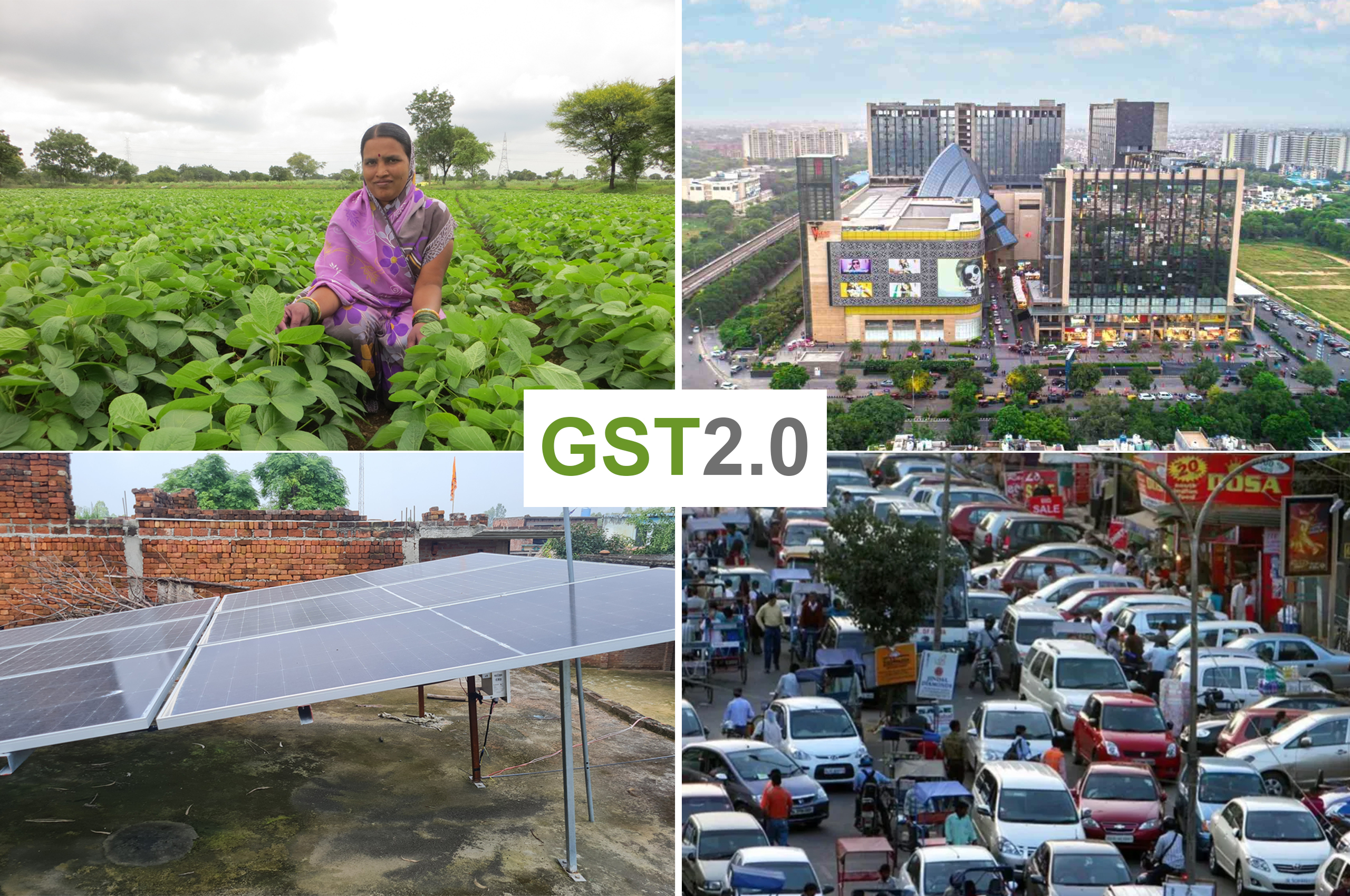
GST 2.0 and Tax Cuts: Can They Make Growth Fairer and Greener?
India's latest GST reform, being termed as GST 2.0, is more than just slashing rates. By simplifying the tax structure, cutting levies on essentials, and supporting renewable infrastructure, it's open..
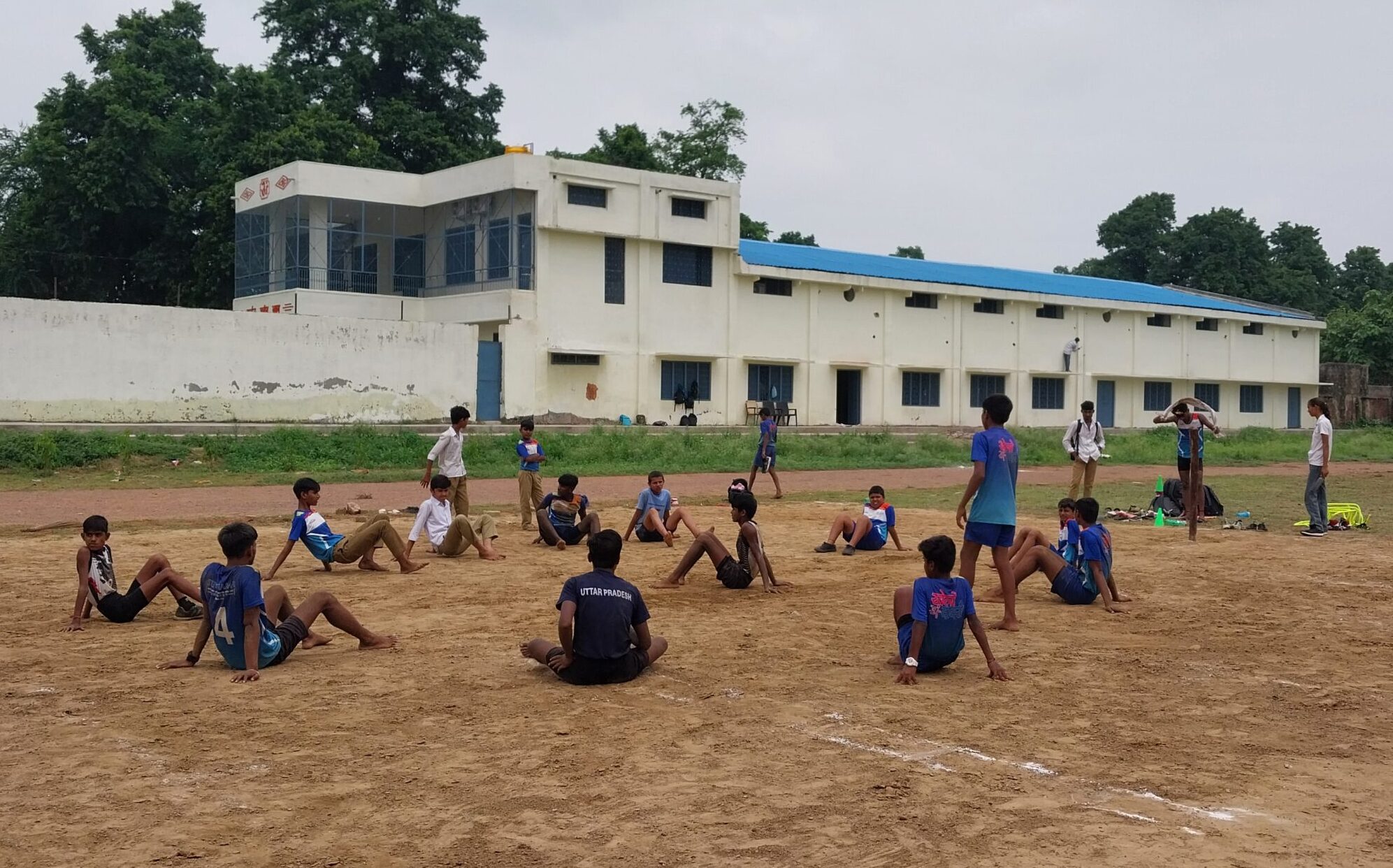
Reimagining Sports in CSR: From Tokenism to a Vehicle for Multiplying Impact
In 2023–24, Indian companies spent about ₹1,396 crore of their CSR budgets on sports — just 4% of the total ₹34,909 crore Indian corporates spent on CSR that year. Most of the rest went to edu..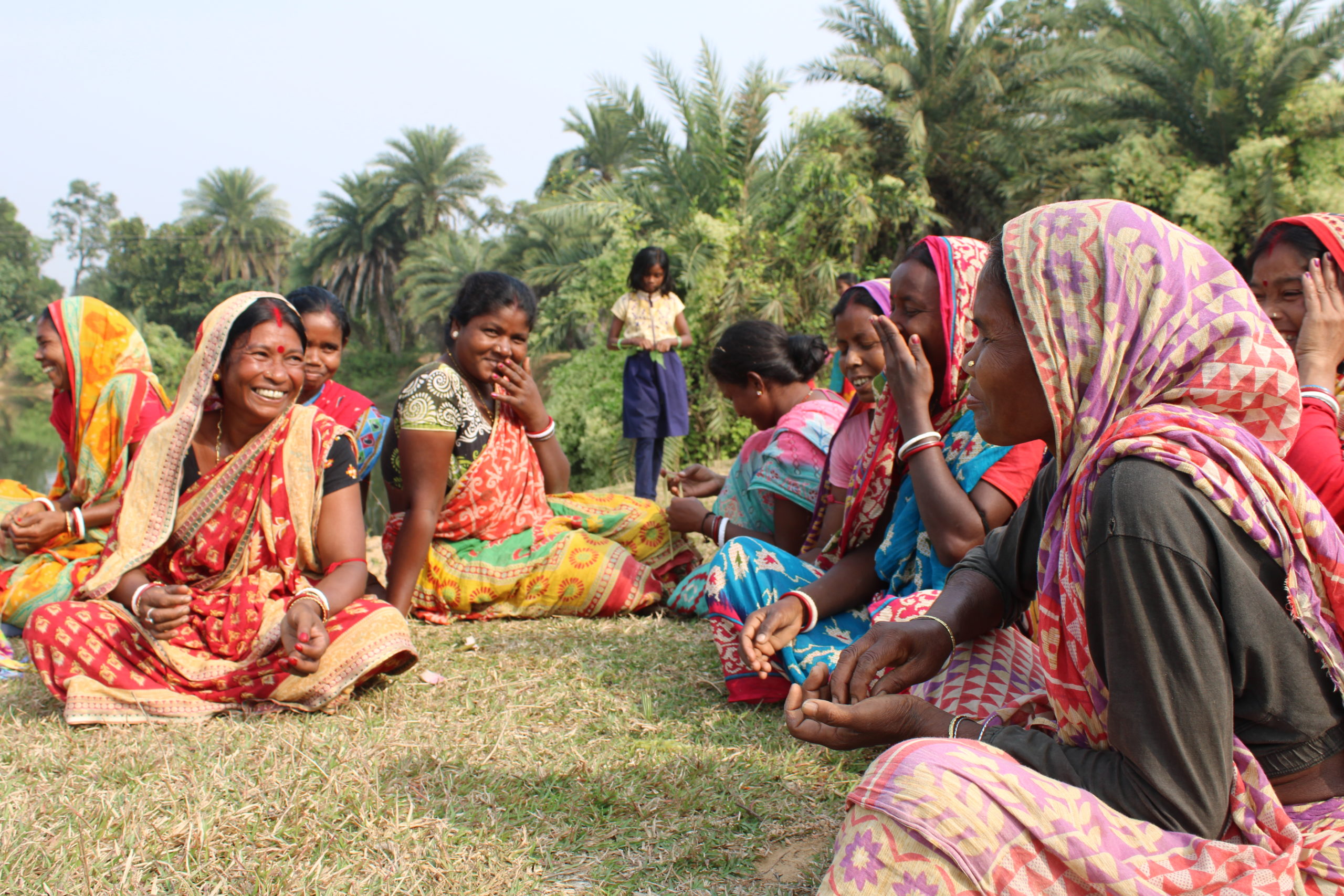
Interactive SHG Map of India: 7.5 million Women Self Help Groups are spread across 27 States and 6 UTs in India
Under the National Rural Livelihood Mission (NRLM), India has 7.5 million Women Self Help Groups (SHGs) spread across 27 states and 6 Union Territories. Each of these small, self-governed, and peer-co..