
Recent Developments,
Key Innovations, and
Insightful Reports
Your One Stop Platform for Regular Sector Updates
Sector news
View By Category
Categories
- See all
- Agriculture
- Clean Cookstoves
- Clean Energy
- Climate Action
- Digital Technology
- Education
- Financial Services
- General
- Healthcare
- Hygiene
- Impact Investment
- Inclusive Value Chains
- Livelihoods
- Livestock
- Lower Income Consumers
- Marketing, Distribution and Sales for BoP
- Nutrition
- Sanitation
- Water
- Women Empowerment


September 21, 2012
Citi Foundation grants US$180,000 to Parinaam Foundation to financially educate Ujjivan’s clients
Parinaam Foundation, an Indian non-profit has recently received a grant worth INR 10 million or approximately US$180,000 which will go towards delivering financial literacy to microfinance clients of Ujjivan, an Indian MFI. The name of this financial literacy programme is Parinaam’s Diksha Financial Literacy Program, and will benefit about 31,000 […]
September 21, 2012
Haiti insurance firms receives US$2 million to scale services to the poor
Alternative Insurance Company, a company that serves the poor in the Caribbean country of Haiti through its insurance products recently received US$1 million in equity from the Clinton Bush Haiti Fund. This was preceded by a US$2 million loan from the I-ADB (Inter-American Development Bank) to the company. Read more […]
September 21, 2012
ADB pledges US$40 million to Vietnam’s microfinance sector
The ADB (Asian Development Bank) has provided a fund of US$40 million to Vietnam to better and scale the services of its microfinance sector through an initiative called the MDP, or the Microfinance Development Programme. Read more here.
September 21, 2012
India: Sonata NBFC MFI raises equity worth INR 350 million
Sonata Finance Private Limited, an Allahabad based NBFC (Non-Banking Financial Company) MFI has recently closed its Series D equity raising process, wherein it was able to raise as much as INR 350 million. Sonata operates in some of the poorest regions in India, in the four states of Uttar Pradesh, […]
September 21, 2012
Microensure mobilises in Africa through a third-party
yuMobile, a Kenyan mobile network operator has joined hands with Microensure to provide mobile based microinsurance to the underserved people in Kenya. The resultant product will be called yuCover, and rewards customers with renewable monthly life and disability cover based on the amounts of airtime recharged by them. Read more […]
September 21, 2012
Intellecash microfinance network acquires Arohan Financial Services
Kolkata, West Bengal based MFI Arohan Financial Services has been acquired by Intellecash Microfinance Network Limited, an arm of the Intellecap Group of companies. Read more here.
September 21, 2012
Factoring in climate change
While people in the developed economies are exposed to the extremities of climate change once in a while, the people in developing countries are geographically so placed that climate change is harming their livelihoods on a regular and sustained basis. MFIs are now thinking about factoring in risk from climate […]
September 21, 2012
The financial difficulties of urban migrants
Most urban migrants who come to live in the cities do not have a secure housing arrangement, nor access to formal banking services. They resort to burying money in the ground, or saving with their local shopkeepers, and many don’t see their savings again due to this. Even when sending […]
September 21, 2012
Satellite data makes drought insurance affordable and useful for Africa farmers
A high-tech remote sensing company in Netherlands started the pilot satellite based microinsurance for the benefits of farmers in Africa. The name of the programme was FESA Micro-insurance, and the name of the company EARS Earth Environment Monitoring. Now, the trend has evolved into a growing industry wherein satellite data […]
Get The Latest From The Social Sector In Your Inbox

Subscribe to our newsletter
View Our Publications
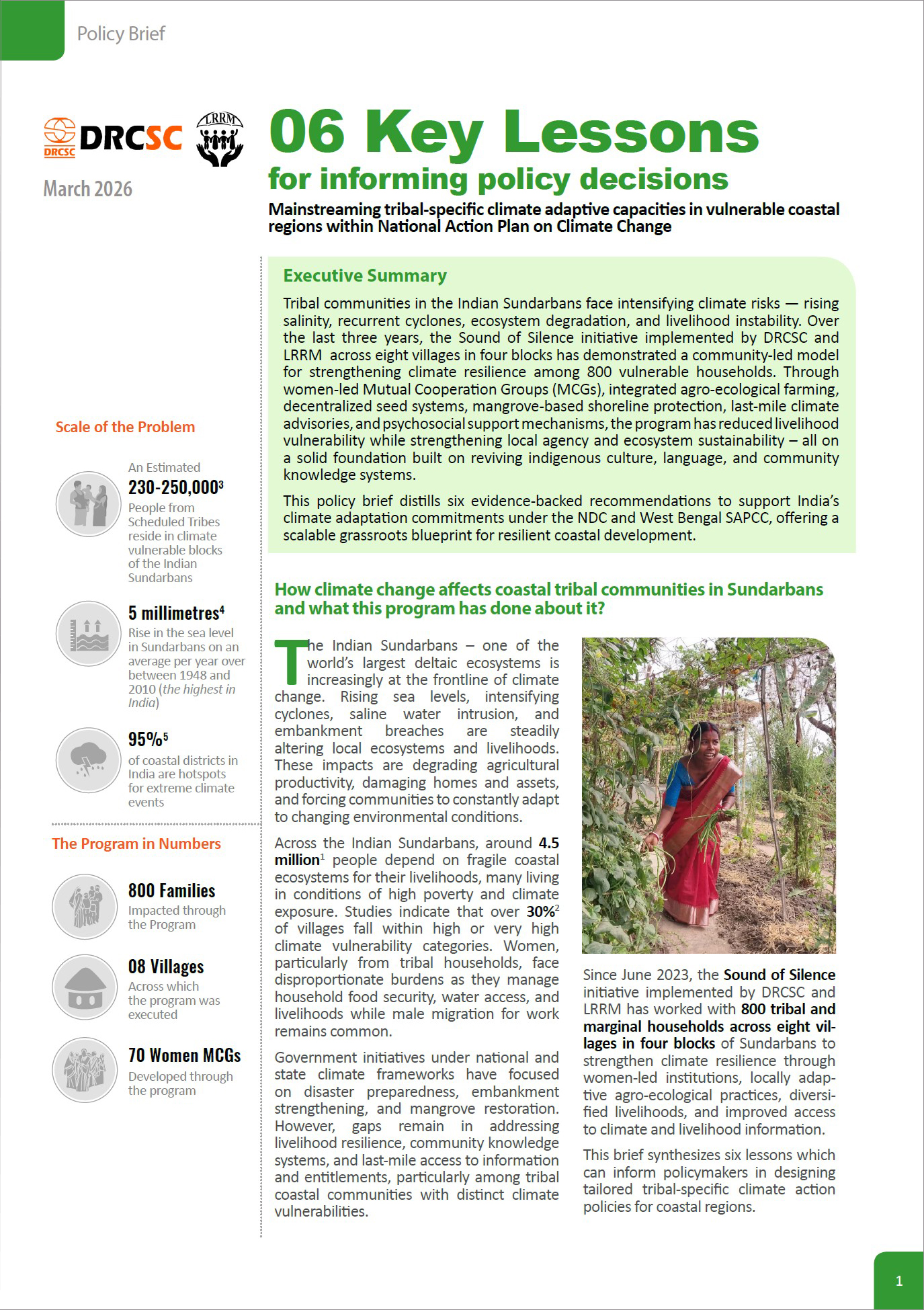
06 Key Lessons for informing policy decisions: Mainstreaming tribal-specific climate adaptive capacities in vulnerable coastal regions within National Action Plan on Climate Change
Download Full Report
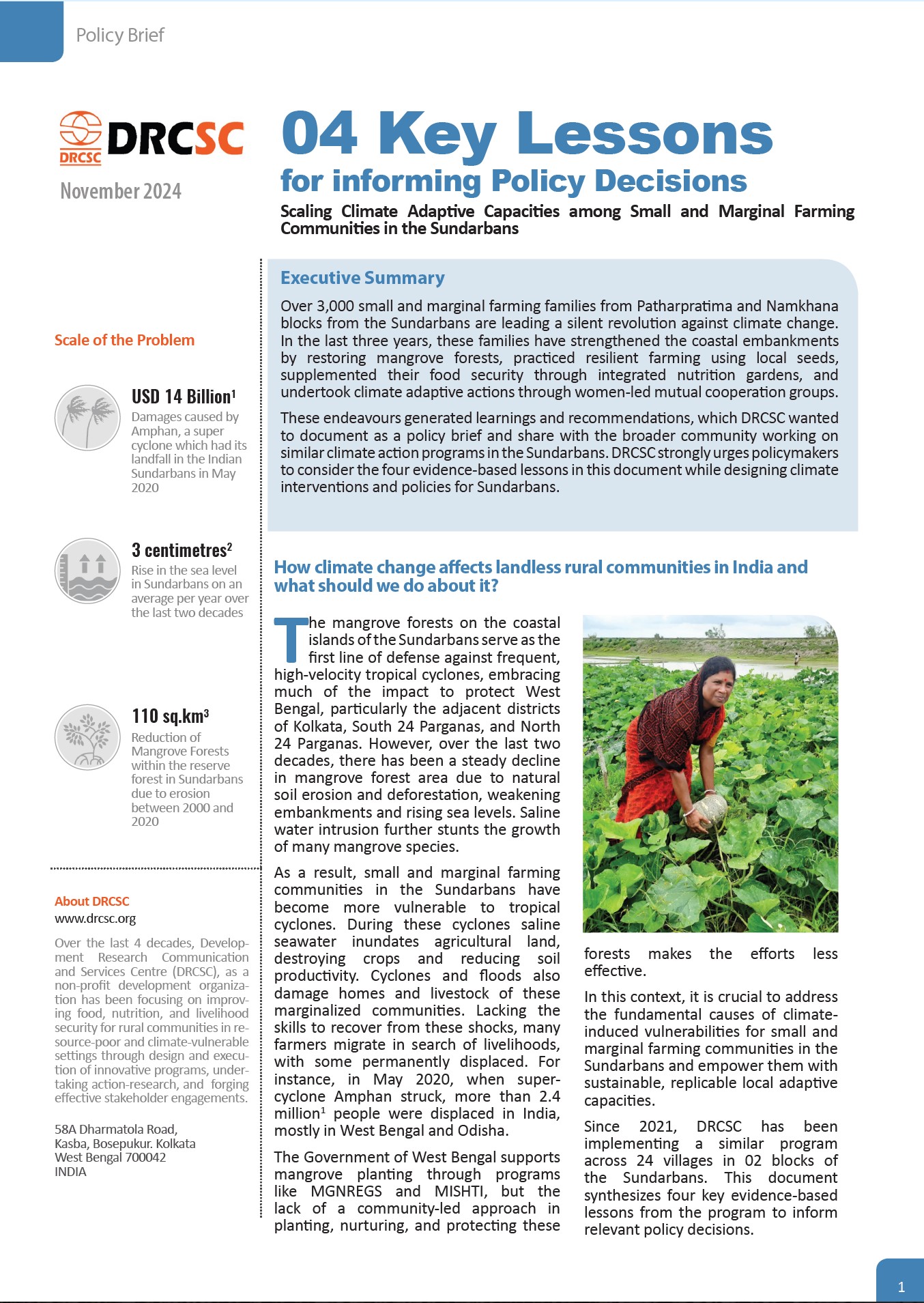
Four Key Lessons for Policy Consideration: Scaling Climate Adaptive Capacities among Small and Marginal Farming Communities in the Sundarbans
Download Full Report
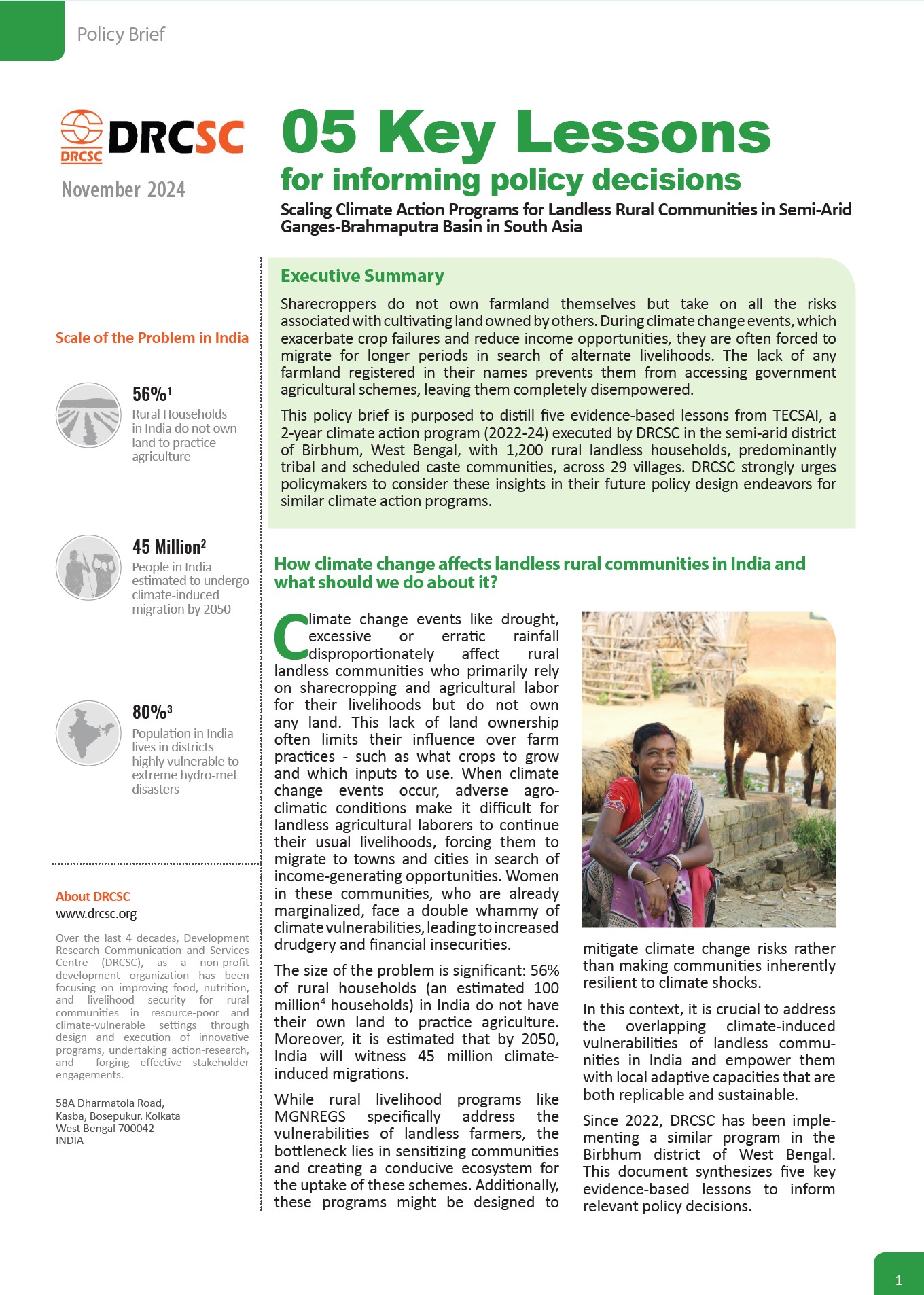
Five Key Lessons for Policy Consideration: Scaling Climate Action Programs for Landless Rural Communities in Semi-Arid Ganges-Brahmaputra Basin in South Asia
Download Full Report
View Blog Posts
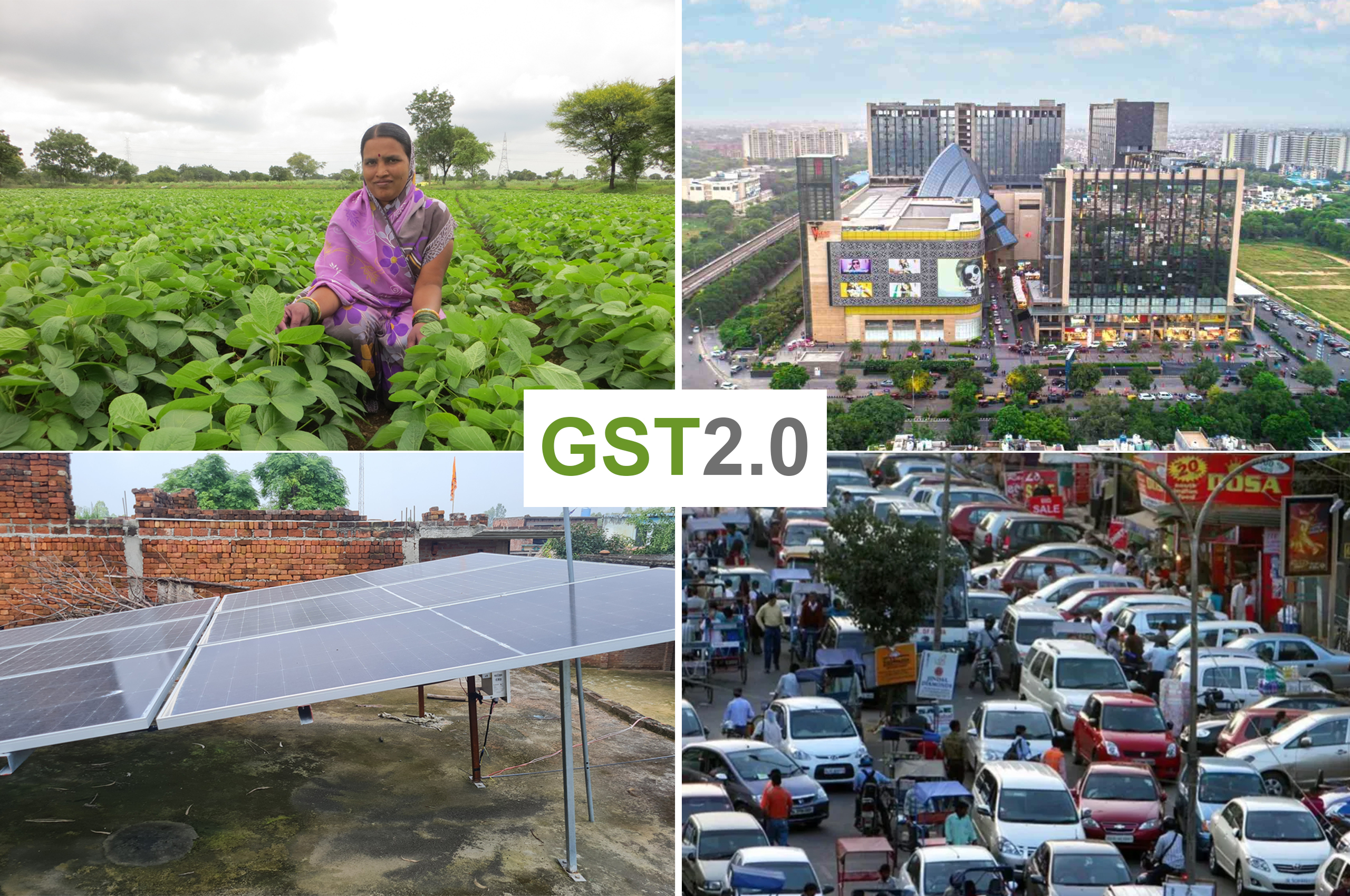
GST 2.0 and Tax Cuts: Can They Make Growth Fairer and Greener?
India's latest GST reform, being termed as GST 2.0, is more than just slashing rates. By simplifying the tax structure, cutting levies on essentials, and supporting renewable infrastructure, it's open..
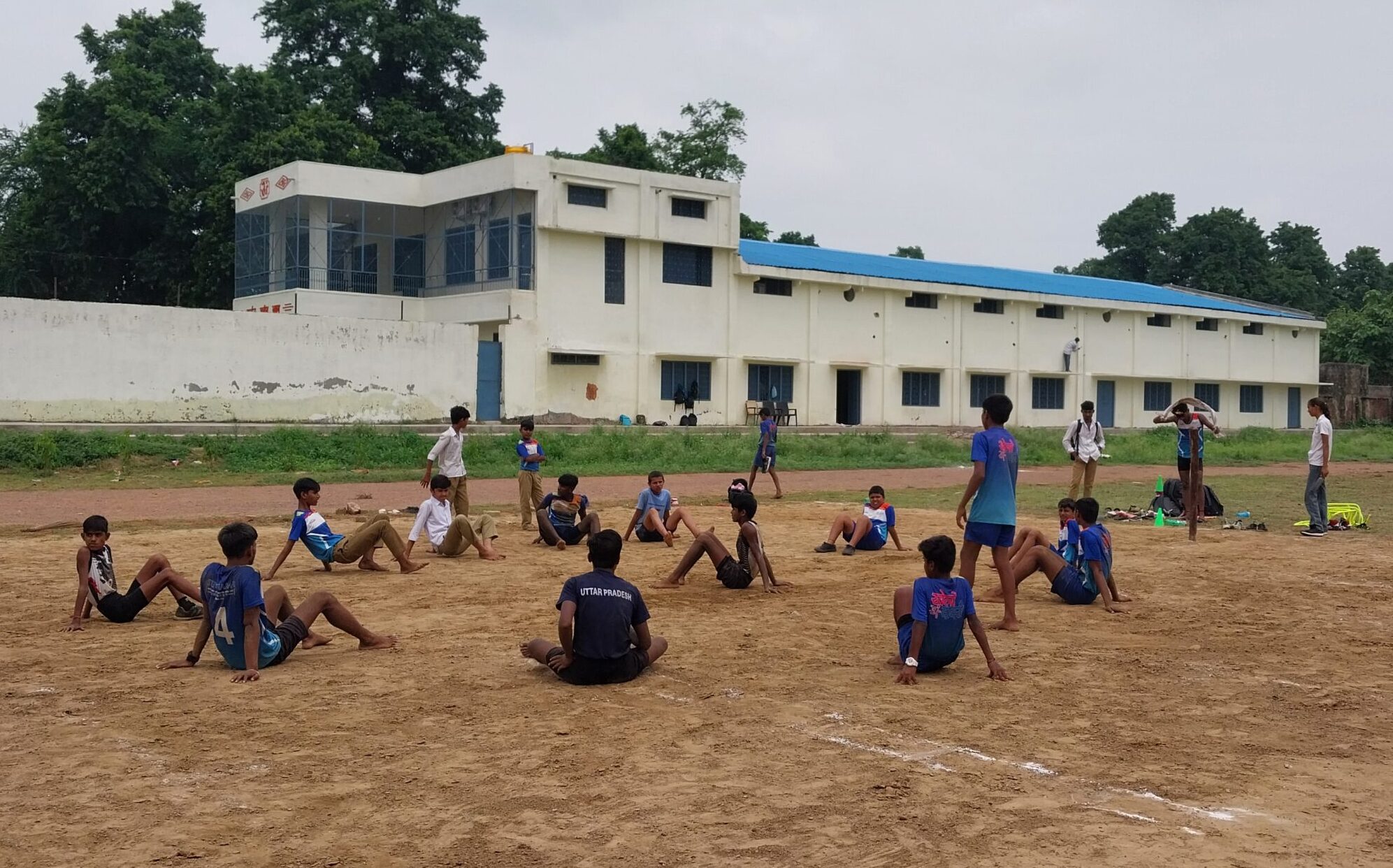
Reimagining Sports in CSR: From Tokenism to a Vehicle for Multiplying Impact
In 2023–24, Indian companies spent about ₹1,396 crore of their CSR budgets on sports — just 4% of the total ₹34,909 crore Indian corporates spent on CSR that year. Most of the rest went to edu..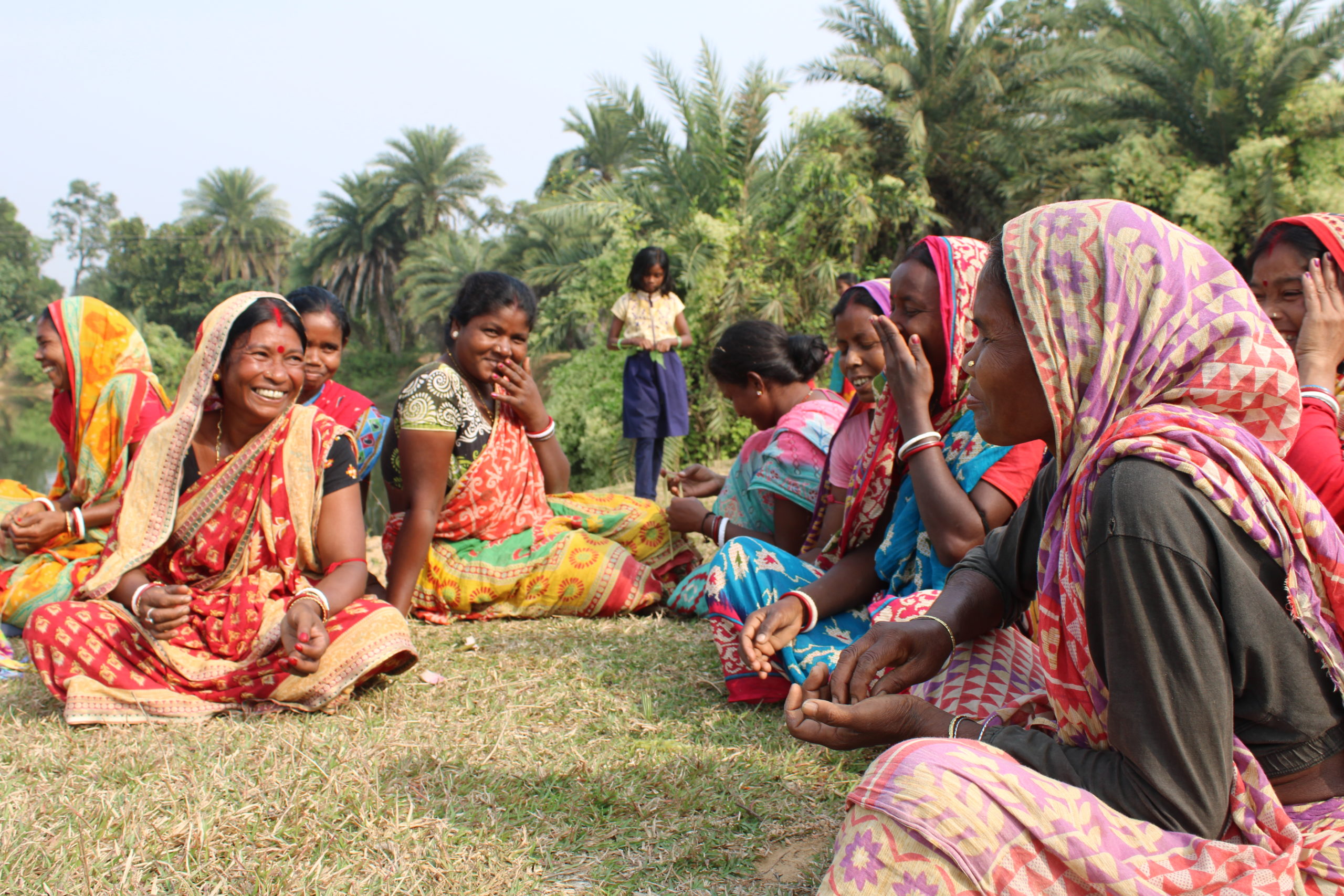
Interactive SHG Map of India: 7.5 million Women Self Help Groups are spread across 27 States and 6 UTs in India
Under the National Rural Livelihood Mission (NRLM), India has 7.5 million Women Self Help Groups (SHGs) spread across 27 states and 6 Union Territories. Each of these small, self-governed, and peer-co..