
Recent Developments,
Key Innovations, and
Insightful Reports
Your One Stop Platform for Regular Sector Updates
Sector news
View By Category
Categories
- See all
- Agriculture
- Clean Cookstoves
- Clean Energy
- Climate Action
- Digital Technology
- Education
- Financial Services
- General
- Healthcare
- Hygiene
- Impact Investment
- Inclusive Value Chains
- Livelihoods
- Livestock
- Lower Income Consumers
- Marketing, Distribution and Sales for BoP
- Nutrition
- Sanitation
- Water
- Women Empowerment


September 21, 2012
Pakistan: Unilever to set up countrywide drinking water plants
Unilever CEO Paul Polman called on the Prime Minister of Pakistan to inform him of the company’s decision to set up water filtration plants across the country as a part of its social responsibility initiative. This project would be a ‘no profit, no loss’ and would also be supported by […]
September 21, 2012
Artists of the world initiative
A new concept which involves the auction of art work online is set to raise money for water and sanitation projects in the developing world, in a concept much like to the Rotary Club of Denver initiatives which were active till the year 2000. Read more here.
September 21, 2012
Low cost biosensor for water contamination detection in developing countries
Lack of access to adequately clean water is the second most common cause of death of children under the age of five in developing countries. A team of nine students participating in the 2012 iGEM (International Genetically Engineered Machine) competition has resulted in a DNA-based, user-friendly biosensor that can detect […]
September 21, 2012
Women in sub-Saharan Africa spend 40 billion hours collecting water
In sub-Saharan Africa, 71 per cent of the burden of collecting water for the household falls on women and girls, according to UN’s 2012 report on Millennium Development Goals (MDGs). As such, women in Africa waste as many as 200 million hours collecting water per day, and about 40 billion […]
September 21, 2012
India: Bihar’s 7.57 million houses lack access to toilets
According to the latest data from the PHED (Public Health Engineering Department), there are over 7.57 million households in the Indian state of Bihar which still lack access to adequate sanitation as their houses lack toilets. This is in large due to government failure to meet its targets. Read more […]
September 21, 2012
The way to end Africa’s water crisis
Climate change is to hit Africa the hardest, according to a scientific report, and despite the recent discoveries of reserves of water under Africa’s biggest deserts, approximately 40 per cent of Africans – mostly the rural poor will still not be getting clean water to drink (lack of which kills […]
September 21, 2012
Indonesia needs US$5.9 billion to improve sanitation and access to clean water conditions in the country
According to the Indonesian Health Minister Nafsiah Mboi, Indonesia would collectively need as much as US$5.9 billion to make sufficient infrastructure in the country to achieve water and sanitation access goals. Read more here.
September 21, 2012
Solar oven makes clean drinking water
For those places in the developing world where the poor have access to unclean salty water, it is now possible to get clean and safe water through the design of Gabrielle Diamanti’s solar cooker which uses solar energy to convert salty water to clean drinking water. Read more here.
September 21, 2012
Indonesia: Changing attitudes is the main problem
This post focuses on the difficulty in changing the attitudes of people regarding sanitation and good hygiene practices, which, according to Almud Weitz, WSP’s principal regional team leader, was the key challenge. According to her, Indonesia’s practice of increasing budgetary allocation for provision of more toilets is ineffective and expensive, […]
Get The Latest From The Social Sector In Your Inbox

Subscribe to our newsletter
View Our Publications
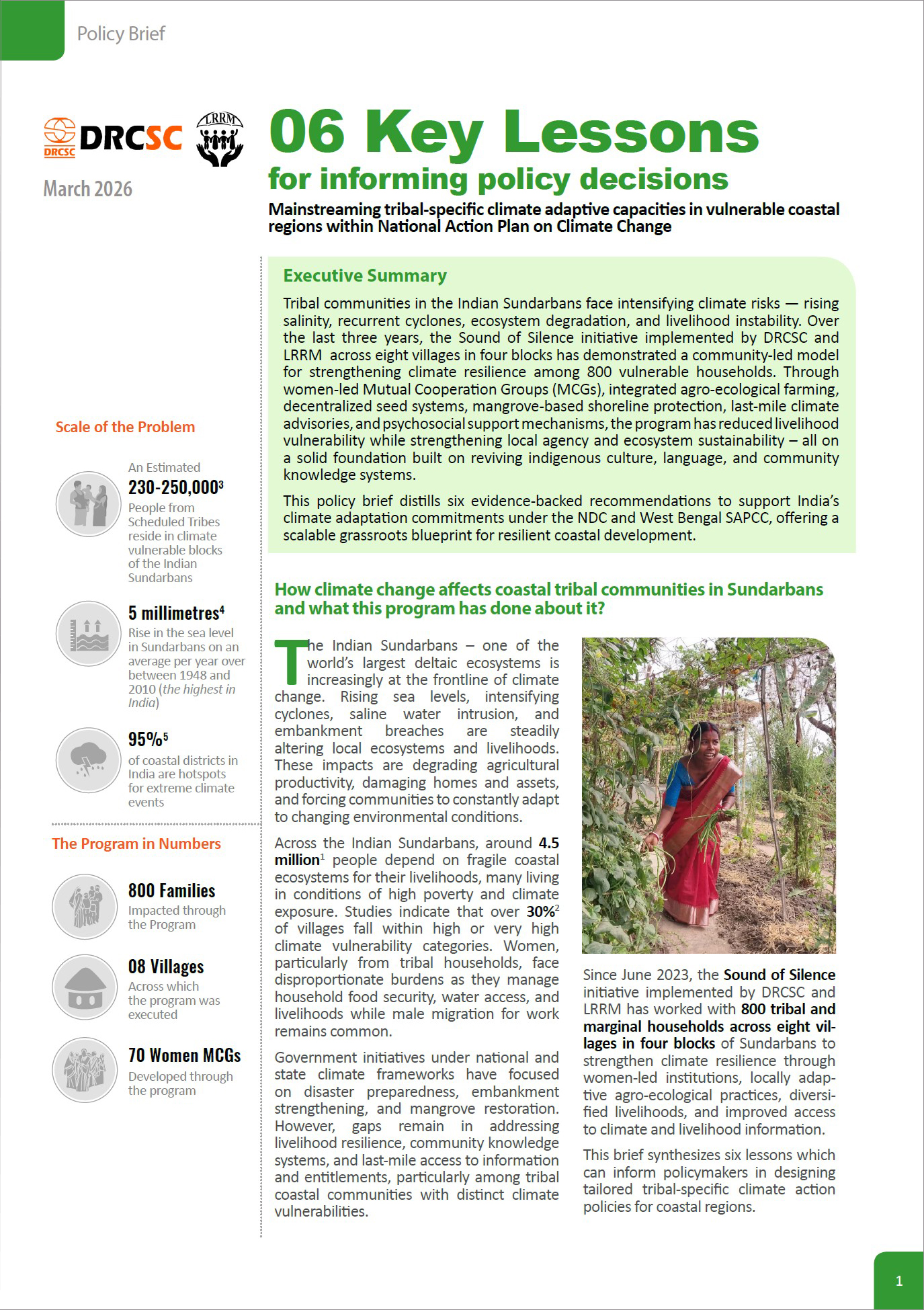
06 Key Lessons for informing policy decisions: Mainstreaming tribal-specific climate adaptive capacities in vulnerable coastal regions within National Action Plan on Climate Change
Download Full Report
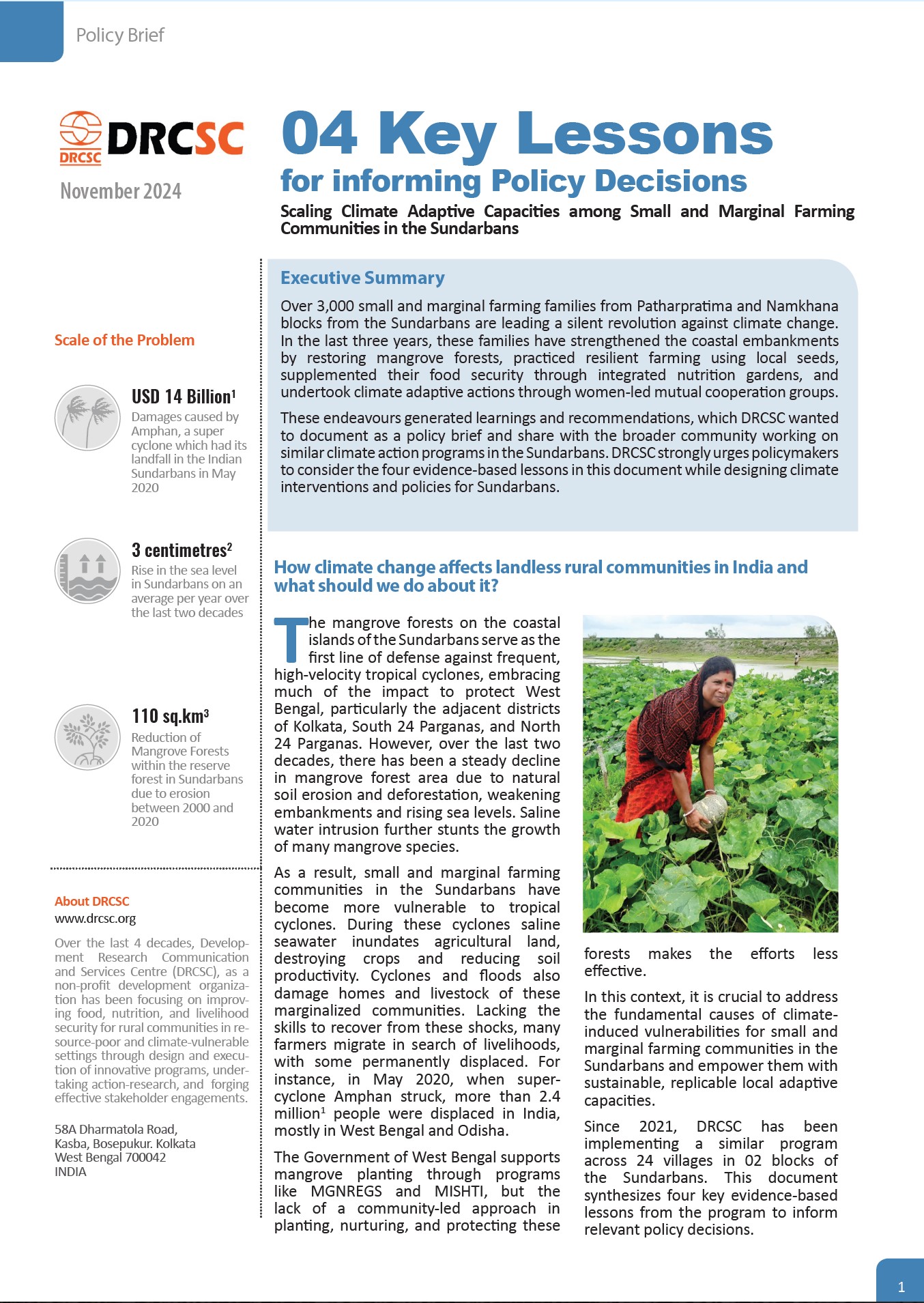
Four Key Lessons for Policy Consideration: Scaling Climate Adaptive Capacities among Small and Marginal Farming Communities in the Sundarbans
Download Full Report
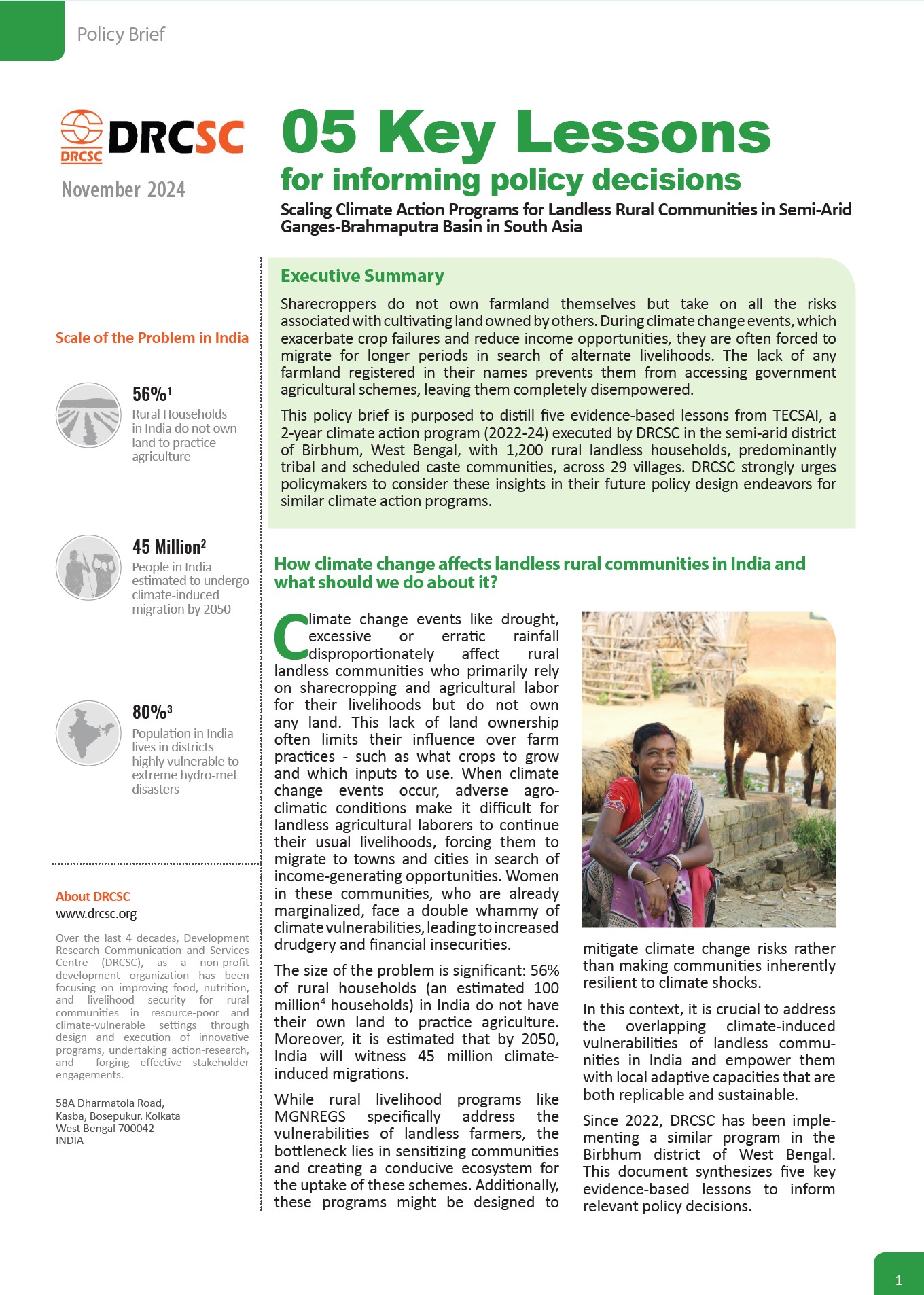
Five Key Lessons for Policy Consideration: Scaling Climate Action Programs for Landless Rural Communities in Semi-Arid Ganges-Brahmaputra Basin in South Asia
Download Full Report
View Blog Posts
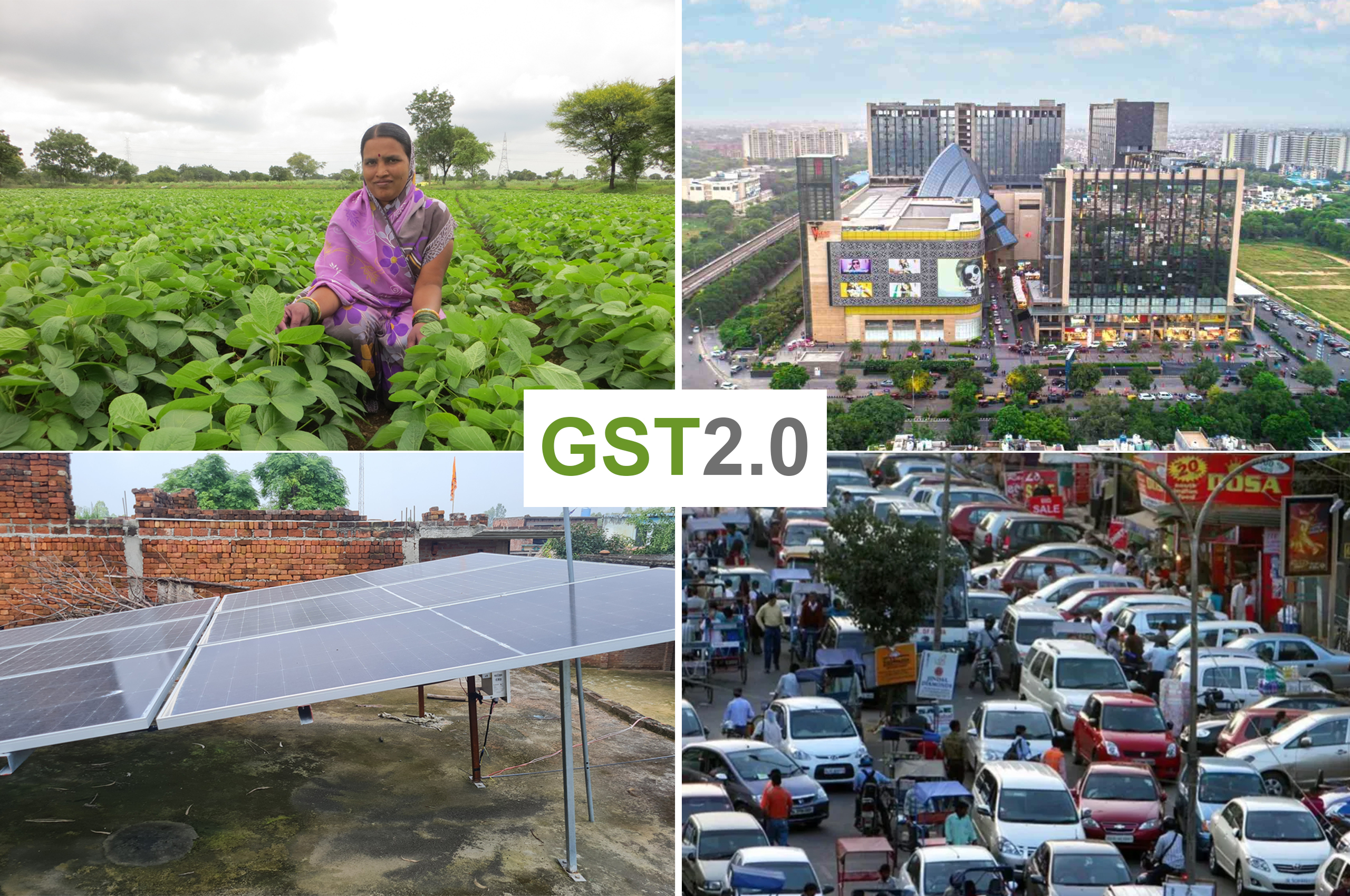
GST 2.0 and Tax Cuts: Can They Make Growth Fairer and Greener?
India's latest GST reform, being termed as GST 2.0, is more than just slashing rates. By simplifying the tax structure, cutting levies on essentials, and supporting renewable infrastructure, it's open..
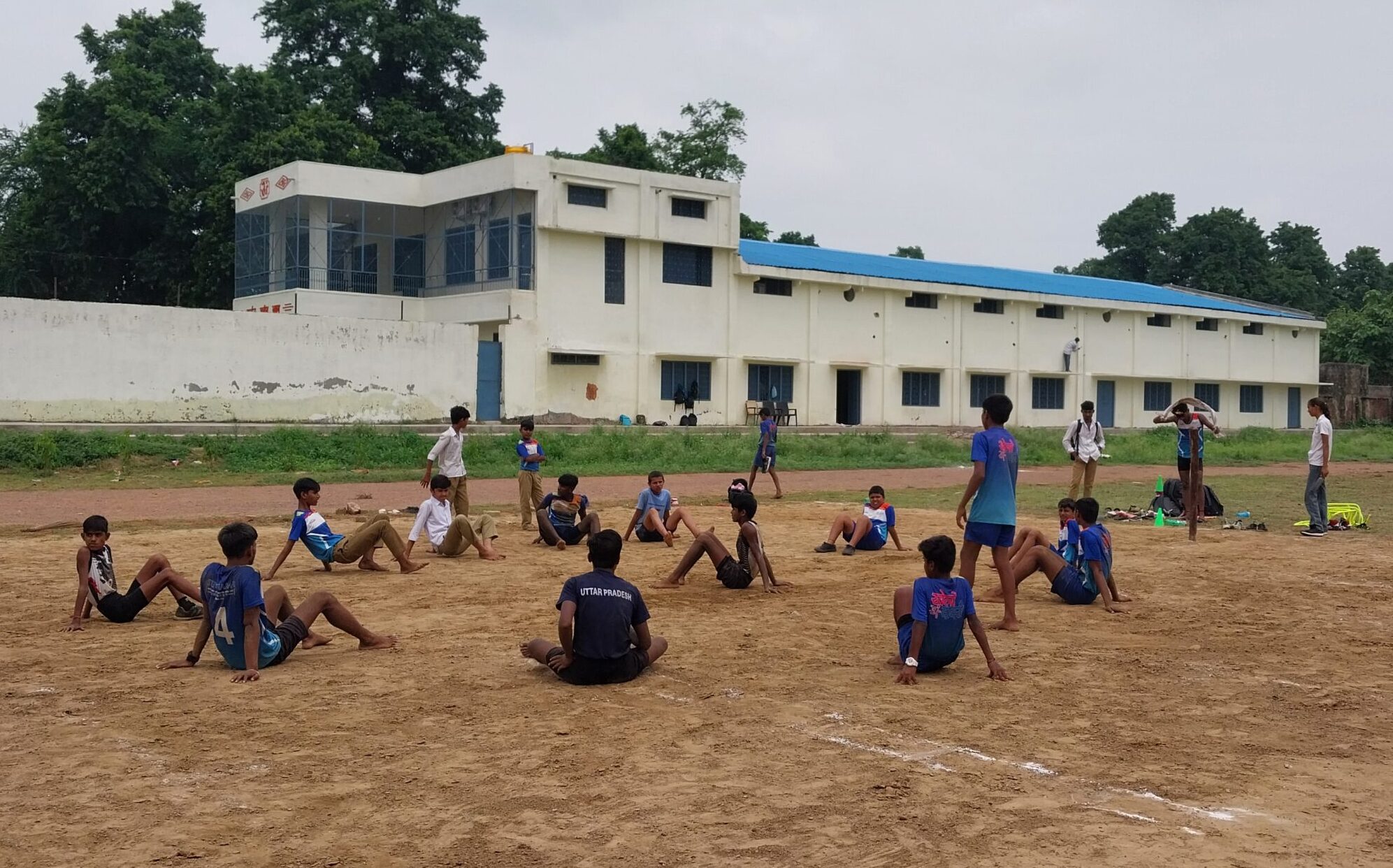
Reimagining Sports in CSR: From Tokenism to a Vehicle for Multiplying Impact
In 2023–24, Indian companies spent about ₹1,396 crore of their CSR budgets on sports — just 4% of the total ₹34,909 crore Indian corporates spent on CSR that year. Most of the rest went to edu..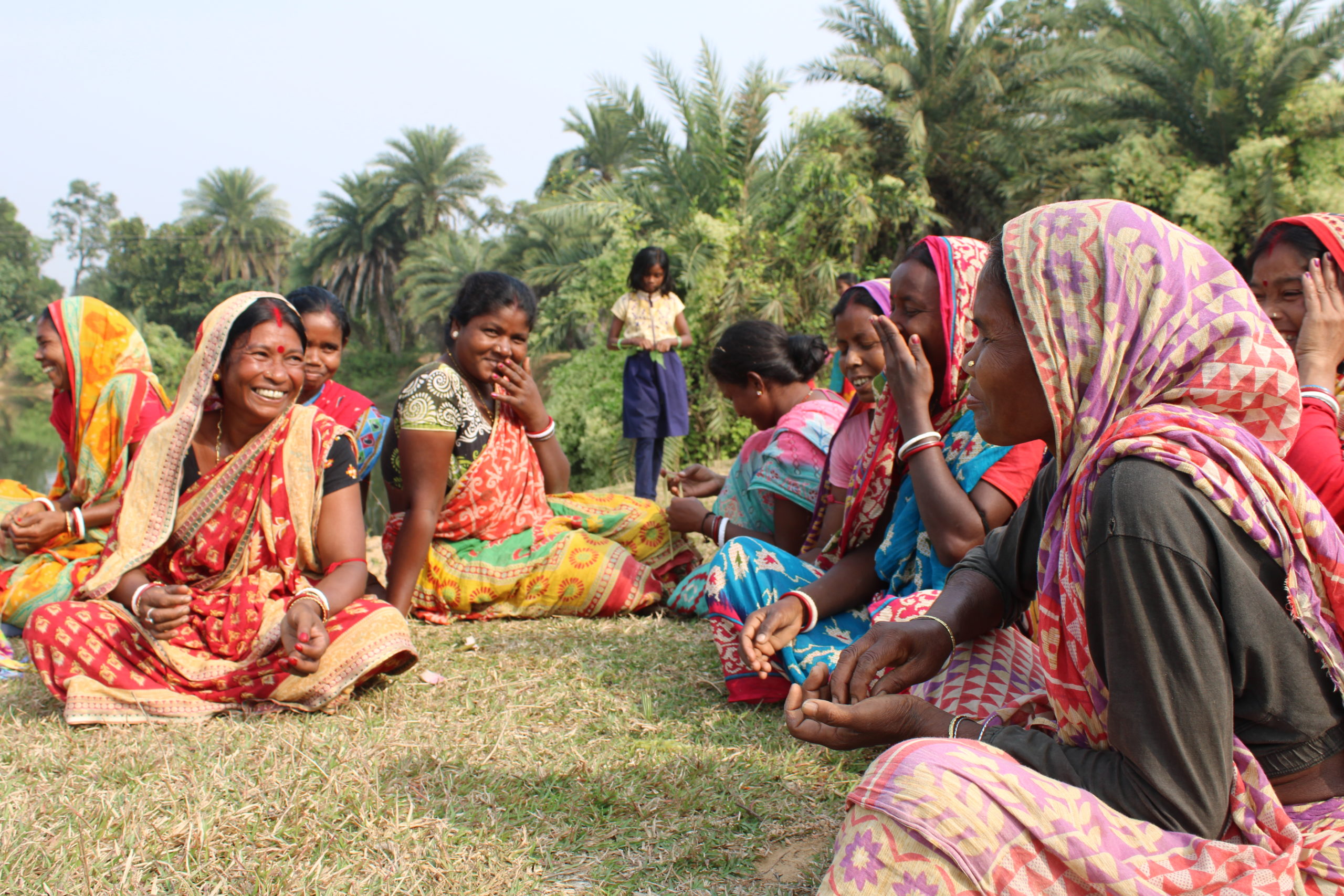
Interactive SHG Map of India: 7.5 million Women Self Help Groups are spread across 27 States and 6 UTs in India
Under the National Rural Livelihood Mission (NRLM), India has 7.5 million Women Self Help Groups (SHGs) spread across 27 states and 6 Union Territories. Each of these small, self-governed, and peer-co..