
Recent Developments,
Key Innovations, and
Insightful Reports
Your One Stop Platform for Regular Sector Updates
Sector news
View By Category
Categories
- See all
- Agriculture
- Clean Cookstoves
- Clean Energy
- Climate Action
- Digital Technology
- Education
- Financial Services
- General
- Healthcare
- Hygiene
- Impact Investment
- Inclusive Value Chains
- Livelihoods
- Livestock
- Lower Income Consumers
- Marketing, Distribution and Sales for BoP
- Nutrition
- Sanitation
- Water
- Women Empowerment


September 10, 2012
The Japan PV market: New era of solar or a boom-bust cycle?
In the early 2000s, Japan was at the forefront of all solar markets in the world, due to a Monitoring Program for Residential PV Systems which was essentially a residential rebate programme. But this subsidy was removed, and Japan lost its solar lustre, until 2008, that is. Read more here.
September 10, 2012
Lighting Nigeria adopts solar lanterns
Lighting Nigeria, after considerable deliberations over which solar lanterns would be best suited for communities decided on Dlight S1 solar lanterns. These would be distributed to local communities soon. Read more here.
September 10, 2012
Lack of dialogue between science and aid organizations
Aid organizations have primarily been able to provide life-saving and life-improving equipment like solar lantern, water-purifiers and more, because technologies have made the availability of the same easier in developing countries. However, in Africa, and in Southern Africa particularly, a gap between scientific and research organizations and aid organizations is […]
September 10, 2012
What works for selling solar products in rural India
This post describes the efforts made by the Essmart Global, a firm specializing in last mile retail for life-improving technologies for the world’s low-income people, in selling solar products in villages previously having no experience or knowledge about solar products. What emerges is that the trust of the local shop […]
September 10, 2012
India: How there is more solar potential left to explore
When the recent black main grid thermal power black outs crippled the life of the main-grid connected privileged Indian, the poorer people who relied on local mini grids, solar home systems and solar lanterns barely noticed a difference. While mini-grids are no silver bullets for development in rural lives unless […]
September 10, 2012
How solar lighting can replace kerosene lamps world over
While the most important development instrument in the recent past has been the mobile phone, solar lights are fast bridging the development gap in the poorer countries. As solar energy gets more and more efficient as well as cheaper, market mechanisms in the developing countries are helping to scale these […]
September 10, 2012
Promoting diffusion of solar lanterns through microfinance and carbon finance
This paper, available on purchase, explores a case study of the energy needs related credit lending programme called FINCA-Uganda. The two questions it attempts to answer are – whether FINCA’s strategy of providing loans is effective, and second, whether this opportunity can be tapped for earning of carbon-credits. Read more […]
September 10, 2012
BrazAfric helps Kenyan access cleaner cookstoves and lighting
BrazAfric, a for-profit social enterprise will soon be using Kiva’s help to extend access to cleaner cookstoves and clean lighting to poor Kenyans in rural areas. Read more here.
September 10, 2012
Paraffin use in low-income South African community
This study on low income communities in South Africa shows the trends of paraffin use as fuel. The survey identifies the energy mix for paraffin users. Paraffin is a polluting substance which also endangers the lives of users through fires, injuries and ingestion. Read more here.
Get The Latest From The Social Sector In Your Inbox

Subscribe to our newsletter
View Our Publications
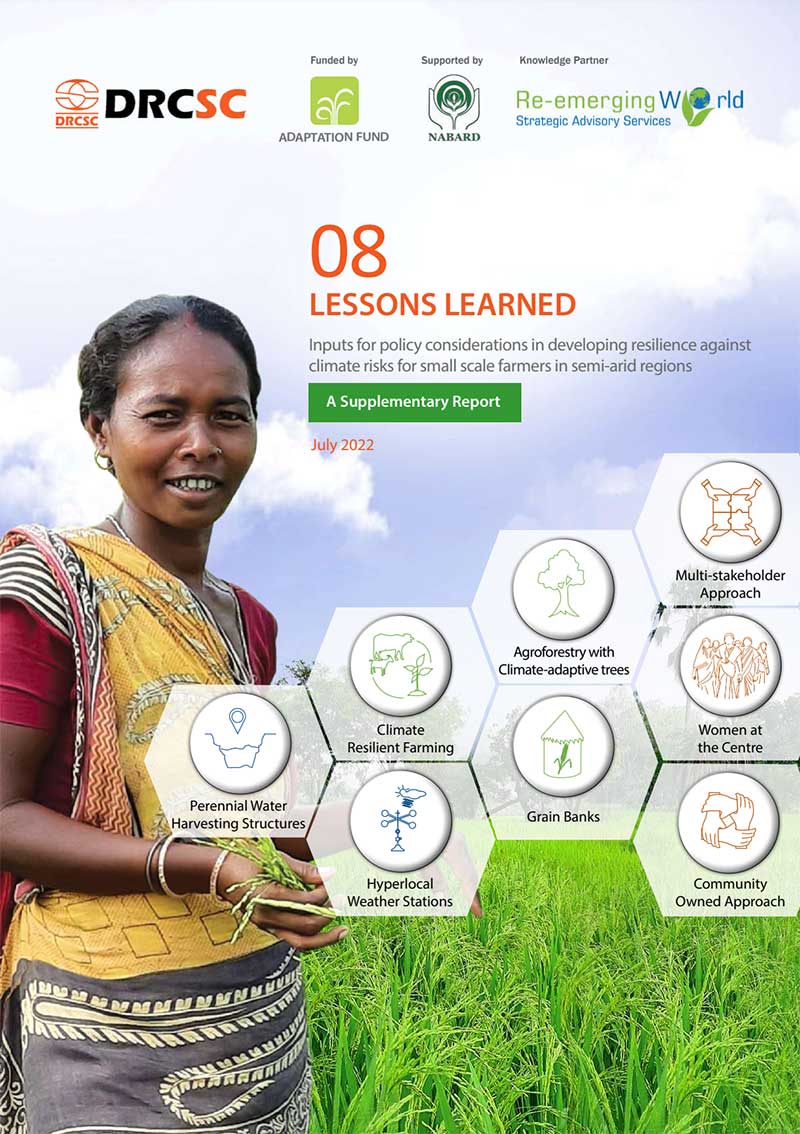
Eight Lessons Learned: Inputs for policy considerations in developing resilience against climate risks for small scale farmers in semi-arid regions, full report
Download Full Report
View Blog Posts
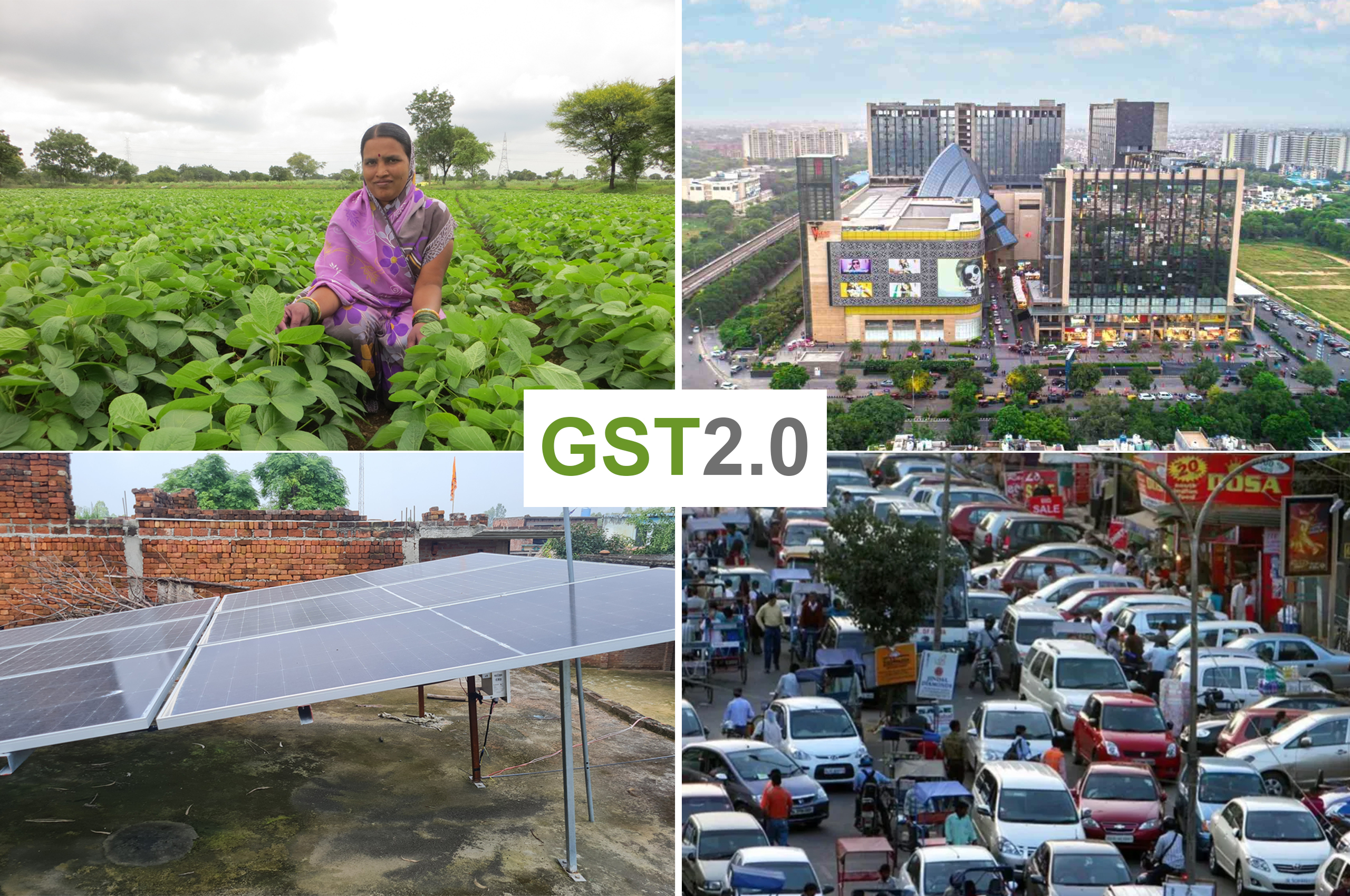
GST 2.0 and Tax Cuts: Can They Make Growth Fairer and Greener?
India's latest GST reform, being termed as GST 2.0, is more than just slashing rates. By simplifying the tax structure, cutting levies on essentials, and supporting renewable infrastructure, it's open..
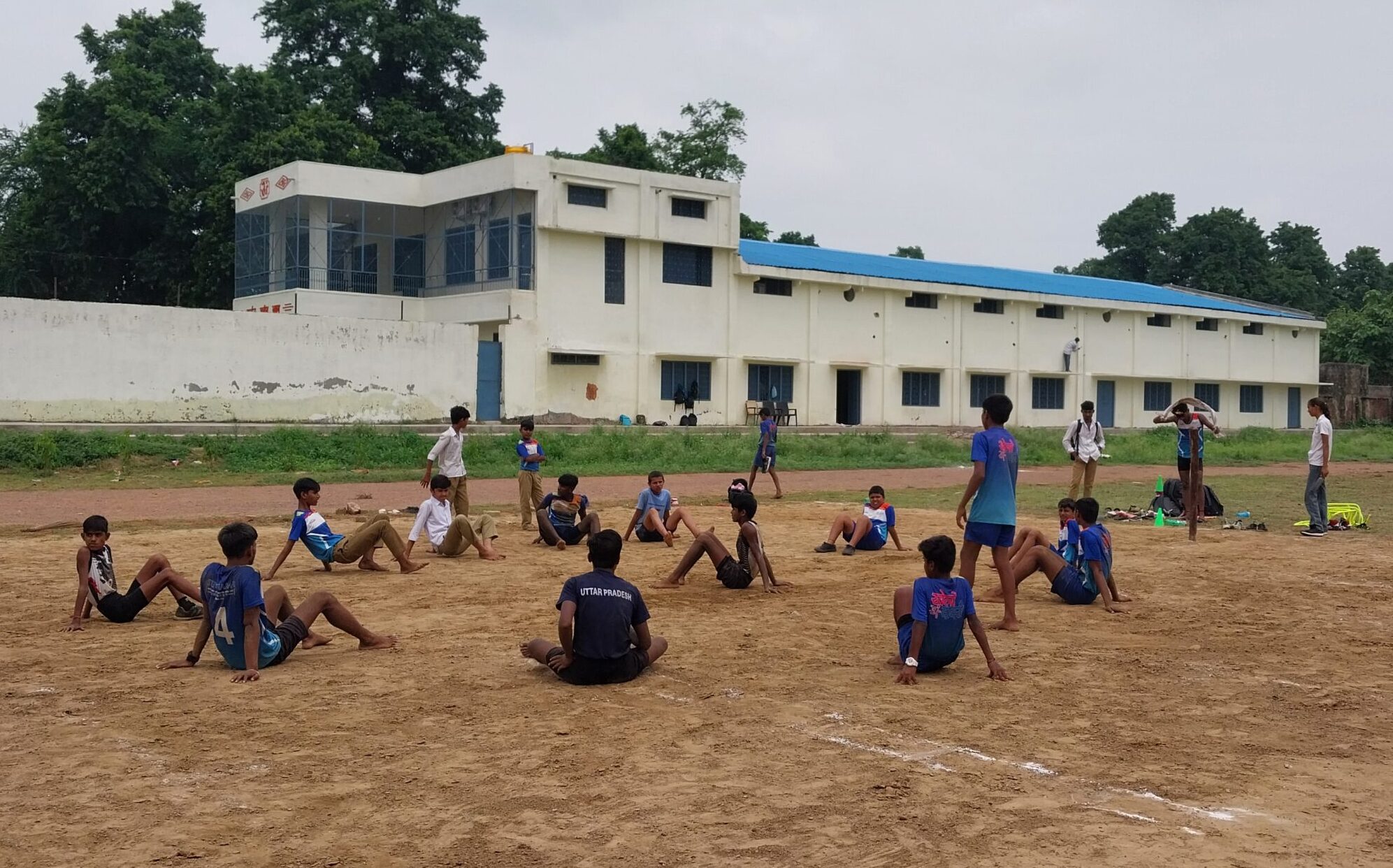
Reimagining Sports in CSR: From Tokenism to a Vehicle for Multiplying Impact
In 2023–24, Indian companies spent about ₹1,396 crore of their CSR budgets on sports — just 4% of the total ₹34,909 crore Indian corporates spent on CSR that year. Most of the rest went to edu..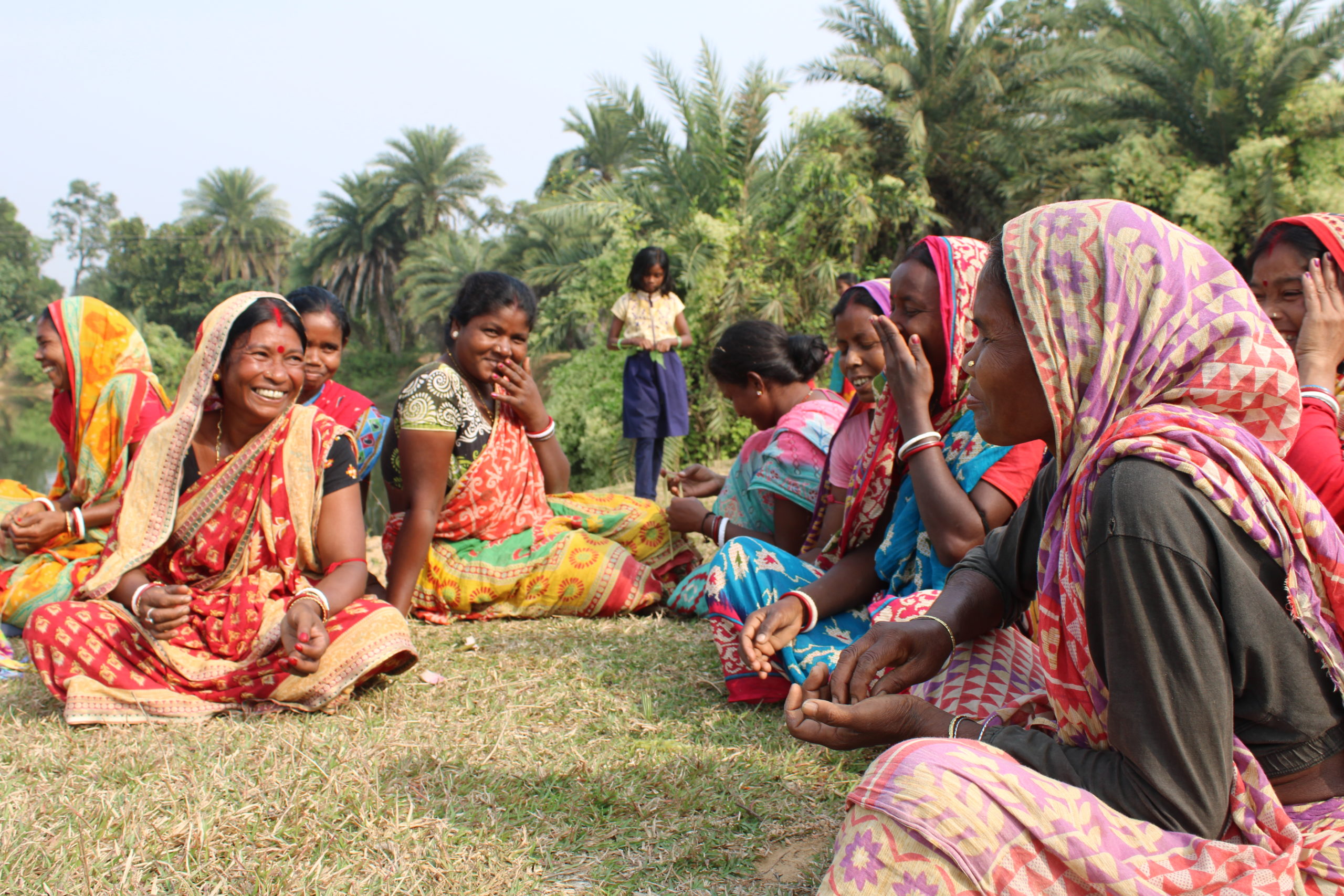
Interactive SHG Map of India: 7.5 million Women Self Help Groups are spread across 27 States and 6 UTs in India
Under the National Rural Livelihood Mission (NRLM), India has 7.5 million Women Self Help Groups (SHGs) spread across 27 states and 6 Union Territories. Each of these small, self-governed, and peer-co..