
Recent Developments,
Key Innovations, and
Insightful Reports
Your One Stop Platform for Regular Sector Updates
Sector news
View By Category
Categories
- See all
- Agriculture
- Clean Cookstoves
- Clean Energy
- Climate Action
- Digital Technology
- Education
- Financial Services
- General
- Healthcare
- Hygiene
- Impact Investment
- Inclusive Value Chains
- Livelihoods
- Livestock
- Lower Income Consumers
- Marketing, Distribution and Sales for BoP
- Nutrition
- Sanitation
- Water
- Women Empowerment


August 30, 2012
Zidisha microfinance – changing the way financial inclusion works
This post illustrates how the rationale for group borrowing, using exorbitant interest rates is outdated. According to a Centre for Financial Inclusion report, in a survey in Ghana, 18 per cent of borrowers reduced their food intake and 5 per cent pulled their kids out of school to be able […]
August 30, 2012
India: Rural indebtedness driven by multiple borrowing
According to a study conducted by NCAER Centre for Macro Consumer Research, ‘credit restraints’ lead to multiple borrowing from both formal and informal sectors, and this ends up becoming the primary driver for rural indebtedness. About 11 per cent of the borrowers had multiple loans, of which 21 per cent […]
August 30, 2012
Microfinance helps fight poverty in Northern Kordofan
In a report issued by the Northern Kordofan State, microfinance has spread to almost all localities of the state, and official figures indicate that it has benefited the lives of as many as 87,444 farmers, 62,679 men and 41,787 women involved in other vocations. Read more here.
August 30, 2012
Bangladesh: Panel for Grameen to be appointed soon
As of August 22, the government of Bangladesh announced that it would take approximately a week to appoint the new Managing Director. The government promised that the entire process would be transparent. Read more here.
August 30, 2012
Uzbekistan: Microcredit assets reach approx. US$13 million
According to the ‘Law of the Republic of Uzbekistan’, as of July 2012, 31 microcredit institutions were operating in the country. The total volume of assets of these institutions combined was UZS 25.671 billion or US$13.171 million. Read more here.
August 30, 2012
India: Post equity infusion, SKS seems to have walked past its worst
With about 85 per cent of its loans in Andhra Pradesh being written off, and with a fresh infusion of equity investment, the worst seems to be over for India’s only listed microfinance institution – SKS microfinance. Read more here. In fact, Citi Bank group has also raised its target […]
August 30, 2012
India: 600 MFIs functional in Bihar, 17 blacklisted
If financial inclusion is to be measured by access to finance, then Bihar, one of India’s more economically backward states is well on its way to economic recovery. There are some 600 existent MFIs functional in the state. Read more here. Again, about 17 banks in Bihar have been blacklisted […]
August 30, 2012
China: Microfinance helps 190,000 youth start-ups
More than 190,000 youth in China have benefited from a certain microfinance scheme meant to help microenterprises start-ups, according to CCYL (Central Committee of China Communist Youth League). This scheme sponsored by CCYL and other financial institutions provides microloans to people under the age of 40. Read more here.
August 30, 2012
Nigeria: Insistence on adoption of IFRS
The ICAN (Institute of Chartered Accountants of Nigeria) has emphasized the need for microfinance institutions to adopt IFRS (International Financial Reporting Standards). While this may prove to be challenging by way of implementation, the ICAN suggests that this would help promote accountability and transparency in reporting. Read more here.
Get The Latest From The Social Sector In Your Inbox

Subscribe to our newsletter
View Our Publications
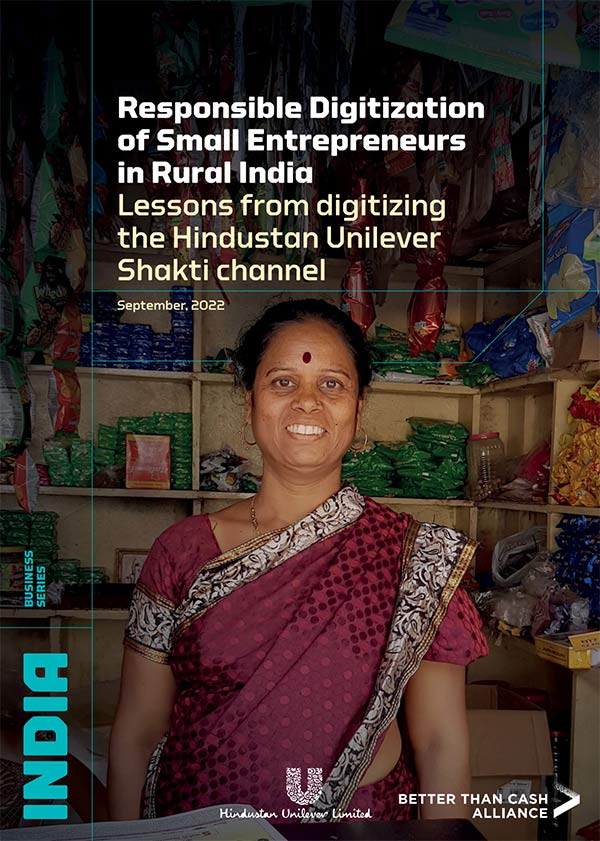
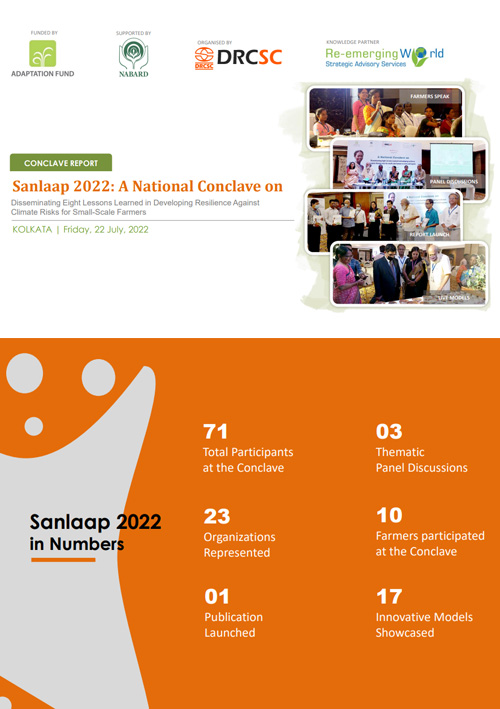
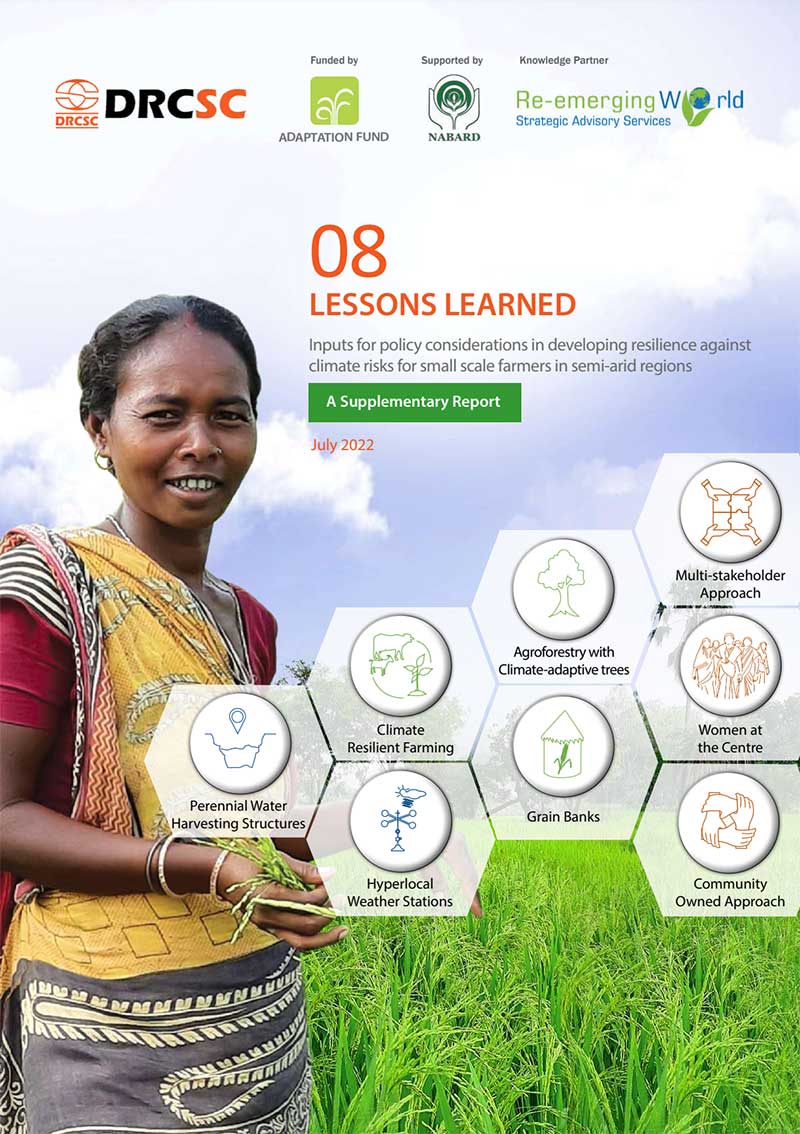
Eight Lessons Learned: Inputs for policy considerations in developing resilience against climate risks for small scale farmers in semi-arid regions, full report
Download Full Report
View Blog Posts
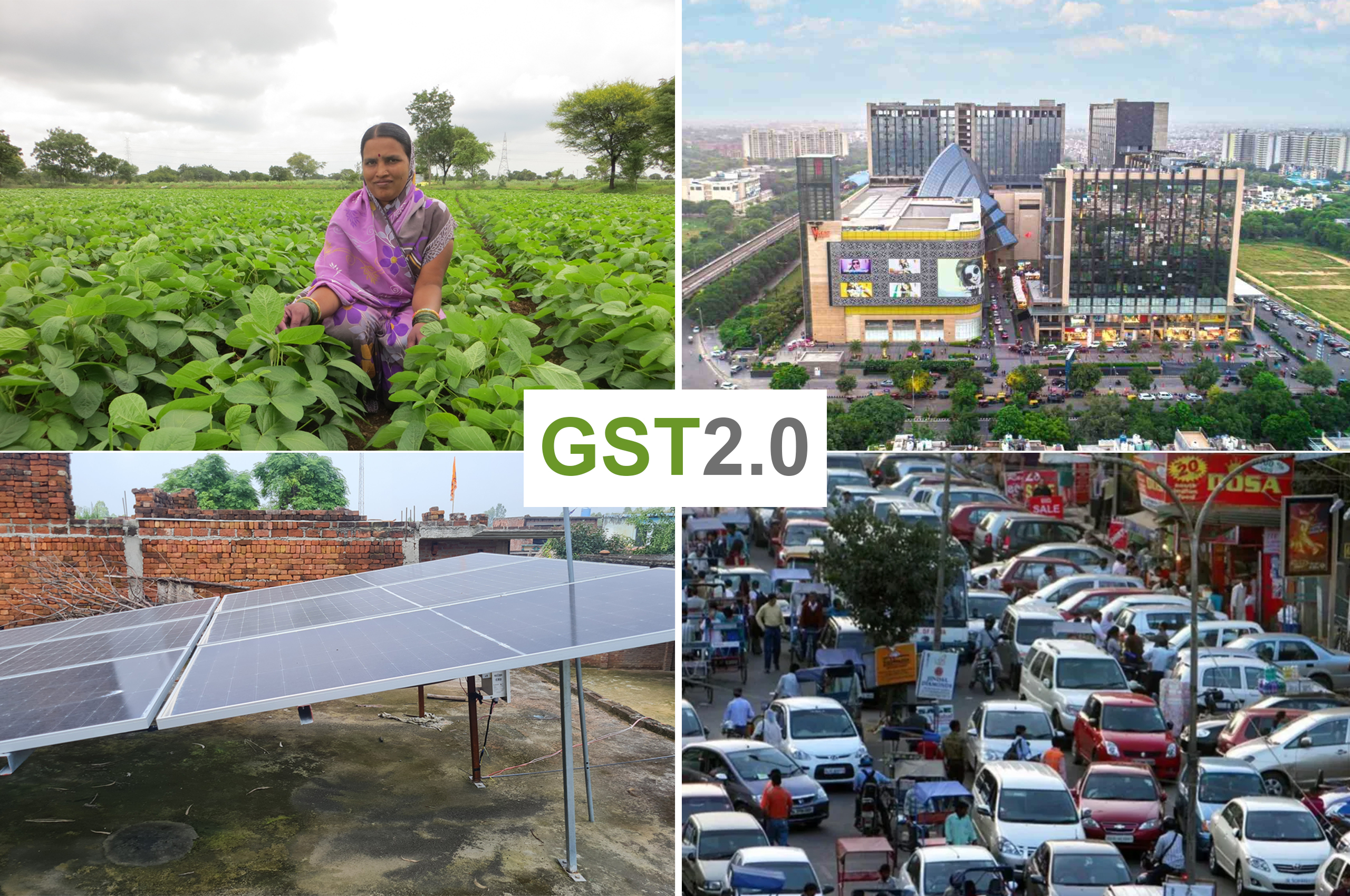
GST 2.0 and Tax Cuts: Can They Make Growth Fairer and Greener?
India's latest GST reform, being termed as GST 2.0, is more than just slashing rates. By simplifying the tax structure, cutting levies on essentials, and supporting renewable infrastructure, it's open..
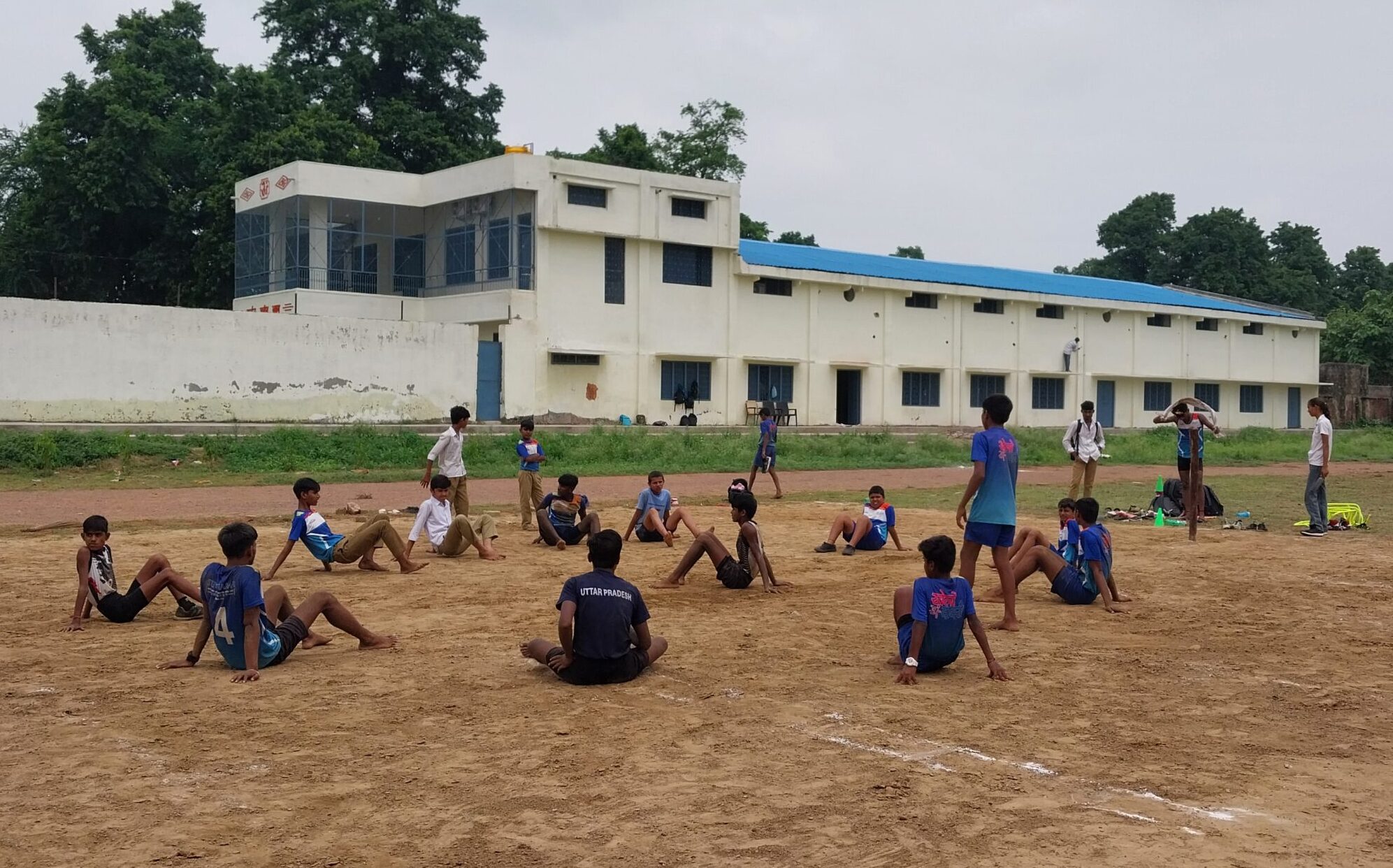
Reimagining Sports in CSR: From Tokenism to a Vehicle for Multiplying Impact
In 2023–24, Indian companies spent about ₹1,396 crore of their CSR budgets on sports — just 4% of the total ₹34,909 crore Indian corporates spent on CSR that year. Most of the rest went to edu..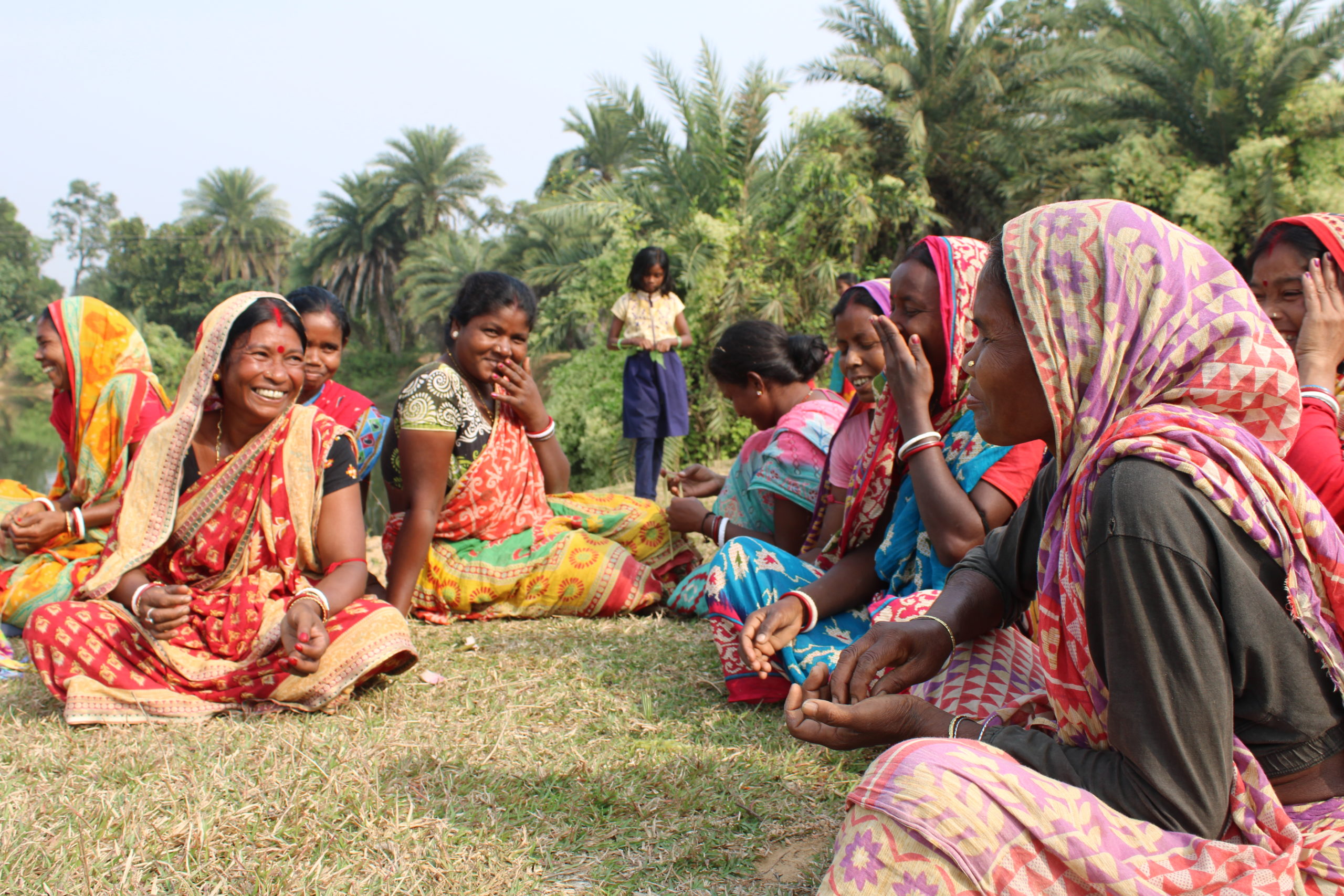
Interactive SHG Map of India: 7.5 million Women Self Help Groups are spread across 27 States and 6 UTs in India
Under the National Rural Livelihood Mission (NRLM), India has 7.5 million Women Self Help Groups (SHGs) spread across 27 states and 6 Union Territories. Each of these small, self-governed, and peer-co..