
Recent Developments,
Key Innovations, and
Insightful Reports
Your One Stop Platform for Regular Sector Updates
Sector news
View By Category
Categories
- See all
- Agriculture
- Clean Cookstoves
- Clean Energy
- Climate Action
- Digital Technology
- Education
- Financial Services
- General
- Healthcare
- Hygiene
- Impact Investment
- Inclusive Value Chains
- Livelihoods
- Livestock
- Lower Income Consumers
- Marketing, Distribution and Sales for BoP
- Nutrition
- Sanitation
- Water
- Women Empowerment


August 24, 2012
Toilets may get better and cheaper, but would people use them?
Clean cookstoves could potentially reduce the almost 2 million people who die of indoor air pollution due to polluting cookstoves, yet their low adoption rates are something that the Gates Foundation, on an offensive to land the cheap and developing-country-usable toilets, could learn from. New developmental changes like these usually […]
August 24, 2012
How £11 billion pledged for water sanitation aid was never given out
World aid donors had pledged a sum total of about £34 billion of water and sanitation aid between 2002, and 2010, while actually delivering only about £23 billion of the promised amount. This leaves £11 billion unaccounted for, which could have effectively served the sanitation needs and water requirements of […]
August 24, 2012
Student at Khairpur uses tea to get clean water
Shadab Rasool, a tenth grade student from Pak-Turk International School in Khairpur has won laurels for his project that uses tea waste to remove harmful pollutants from industrial waste. Read more here.
August 24, 2012
Slums in the world, and how sanitation is an inherent problem
In Mumbai, nearly 8 million people live in slums – that is more than 60 per cent of Mumbai’s population living on 8 per cent of the city’s land. Sanitation conditions are obviously exacerbated by this heavy load of population, and an already non-existent infrastructure for even the most basic […]
August 24, 2012
Cholera outbreak engulfs coastal slums of West Africa
An exceptionally rainy season this year flooded the shantytowns in Freetown and Conakry in Sierra Leone and neighbouring Guinea, spreading cholera all around – a disease transmitted through contact with faeces. The slums, without adequate sanitation conditions have been the unfortunate breeding grounds for this disease. In Sierra Leone, cholera […]
August 24, 2012
Progress on Drinking Water and Sanitation 2012 Update
Since 1990, about 2 billion people have gained access to improved drinking water sources. However, much more remains to be done, especially in the field of sanitation. This report outlines the challenges that remain in achieving the water and sanitation MDGs (Millennium Development Goals). Read the report here.
August 24, 2012
Sustainable Water Services and the Poor in Small Towns
The poor in small towns in Africa, this brief by SNV finds, can and do benefit from commercialised water services. In Kenya, SNV’s programme helped a company reduce unaccounted for water while increasing profits. Read the brief here.
August 24, 2012
Library to boost slum children’s education through computers
KNLS (Kenya National Library Services) in partnership with eLimu, an education foundation is launching the pilot of a new programme that aims to boost the education of slum children from Kibera through computer learning. Children from selected primary schools will visit the library on rotational basis where they will be […]
August 24, 2012
India: Fortis Malar to offer telemedicine in Africa and Iraq
Chennai based hospital, the Fortis Malar Hospital is all set to offer telemedicine services to countries in Africa, and Iraq. Though the countries have basic forms of primary and secondary care, facilities of tertiary care are lacking. Read more here.
Get The Latest From The Social Sector In Your Inbox

Subscribe to our newsletter
View Our Publications
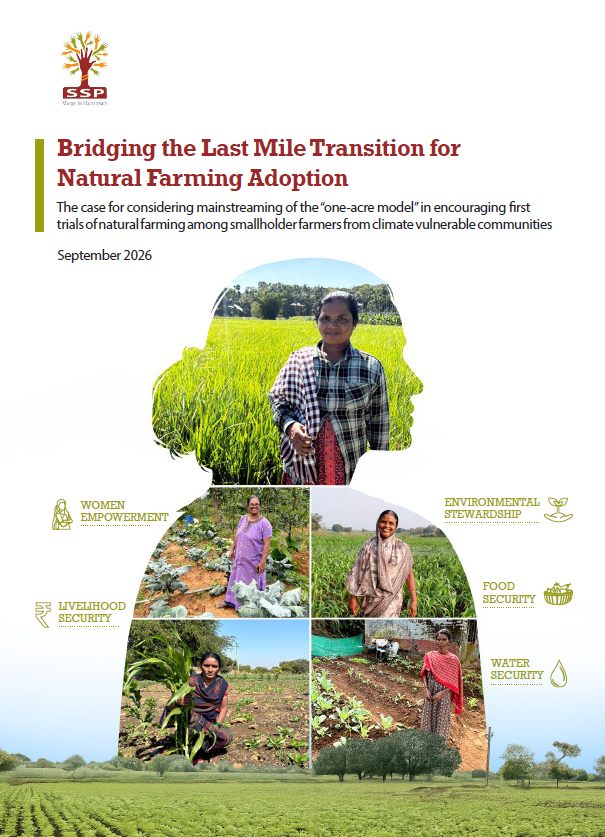
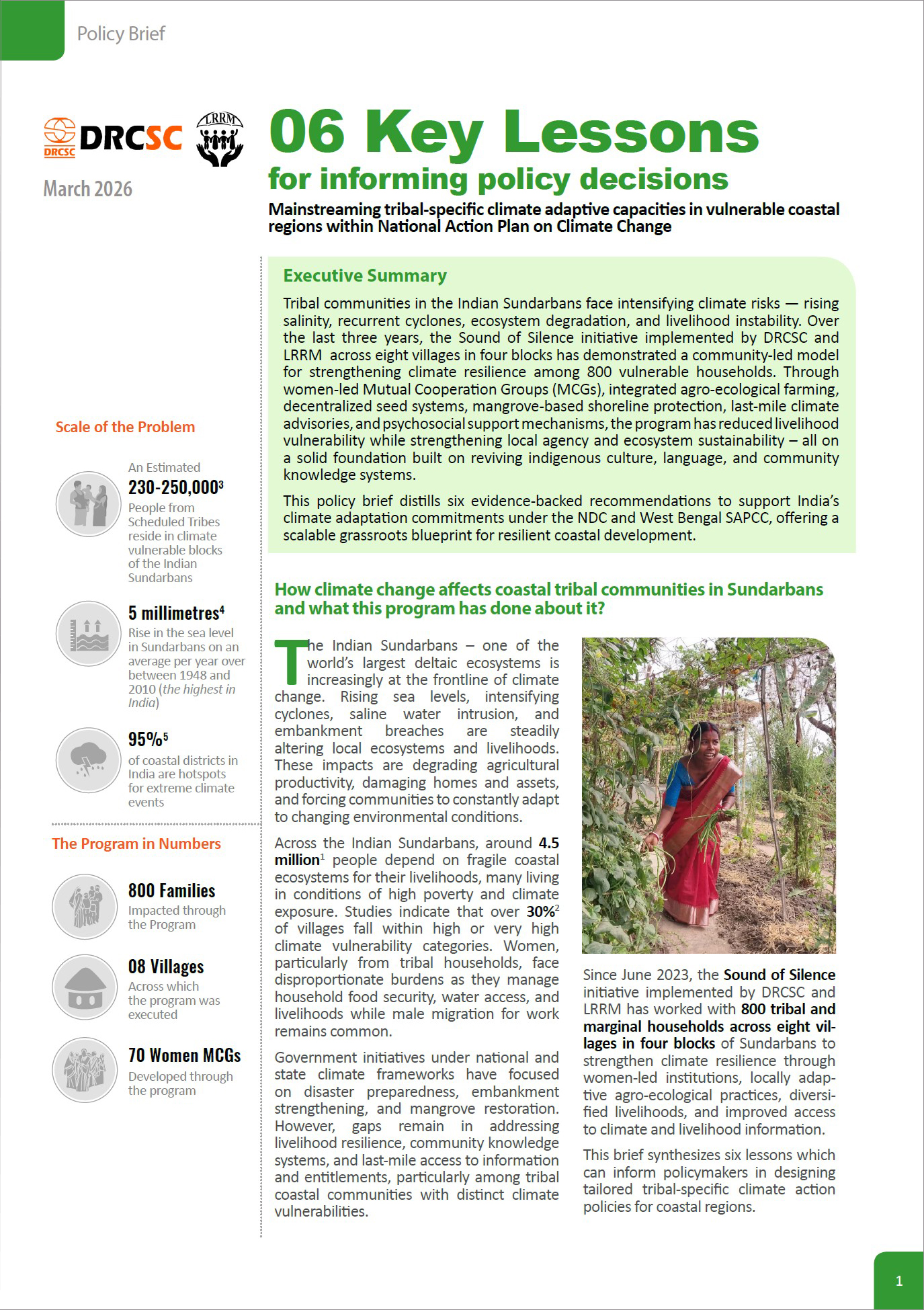
06 Key Lessons for informing policy decisions: Mainstreaming tribal-specific climate adaptive capacities in vulnerable coastal regions within National Action Plan on Climate Change
Download Full Report
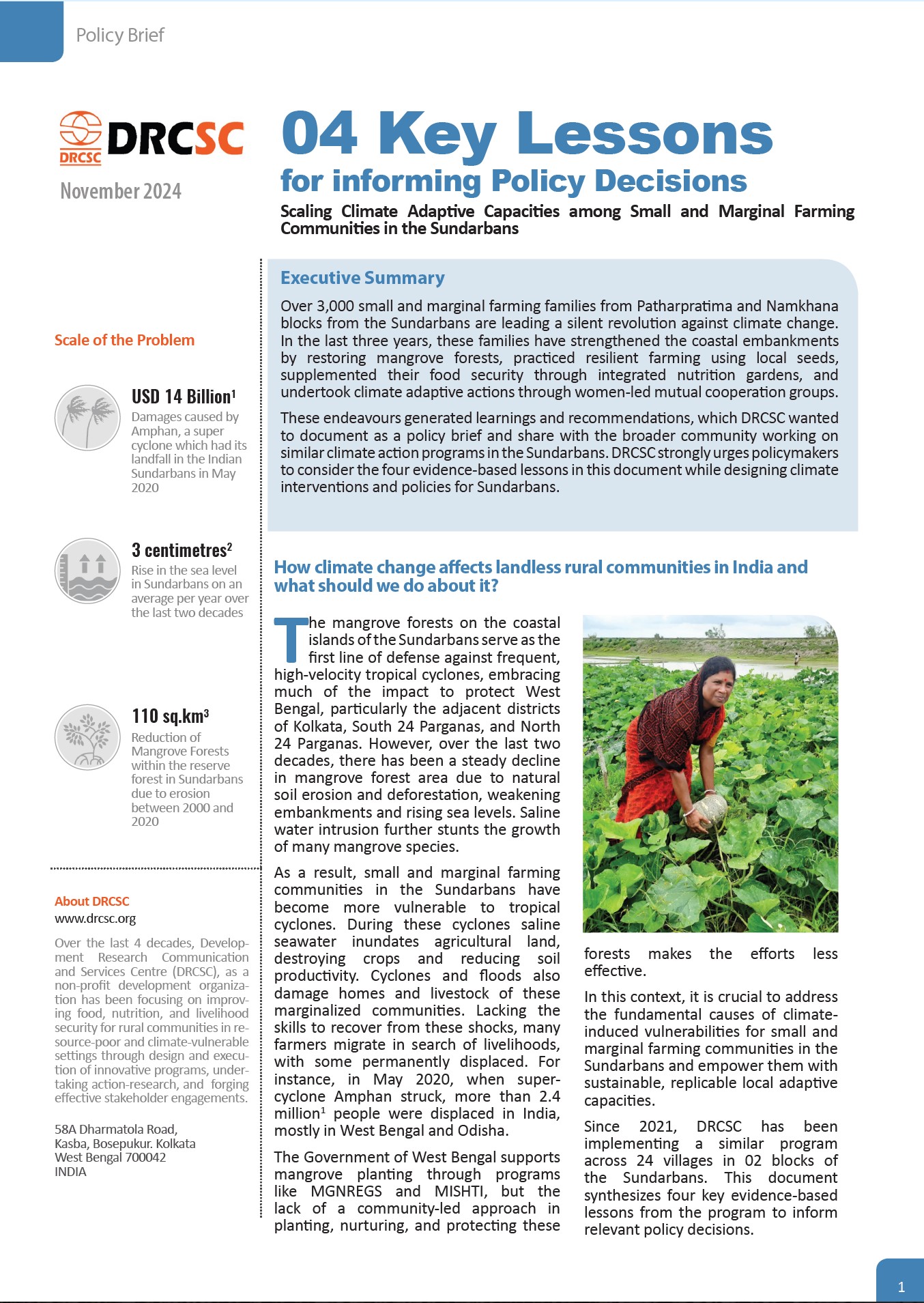
Four Key Lessons for Policy Consideration: Scaling Climate Adaptive Capacities among Small and Marginal Farming Communities in the Sundarbans
Download Full Report
View Blog Posts
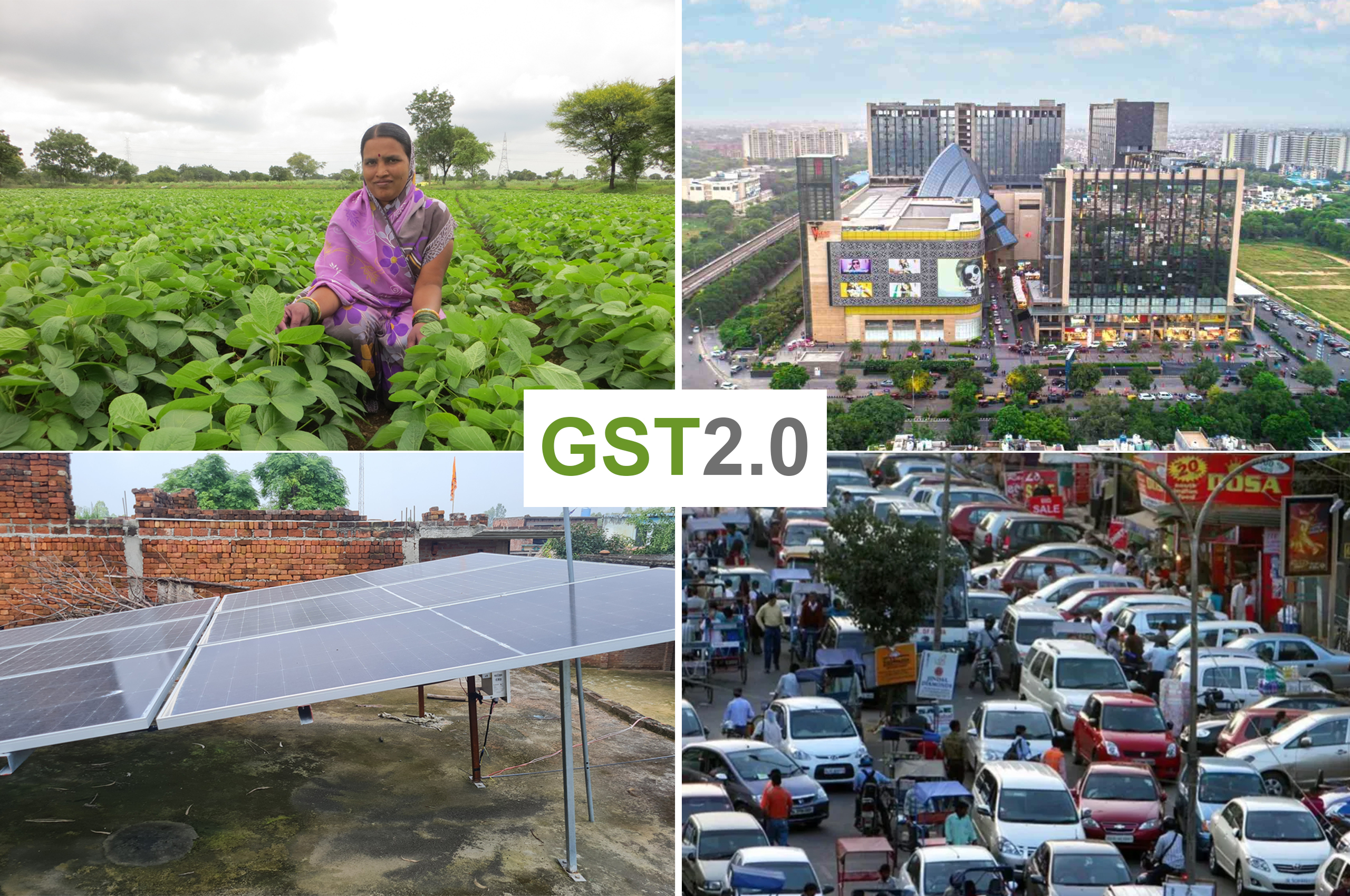
GST 2.0 and Tax Cuts: Can They Make Growth Fairer and Greener?
India's latest GST reform, being termed as GST 2.0, is more than just slashing rates. By simplifying the tax structure, cutting levies on essentials, and supporting renewable infrastructure, it's open..
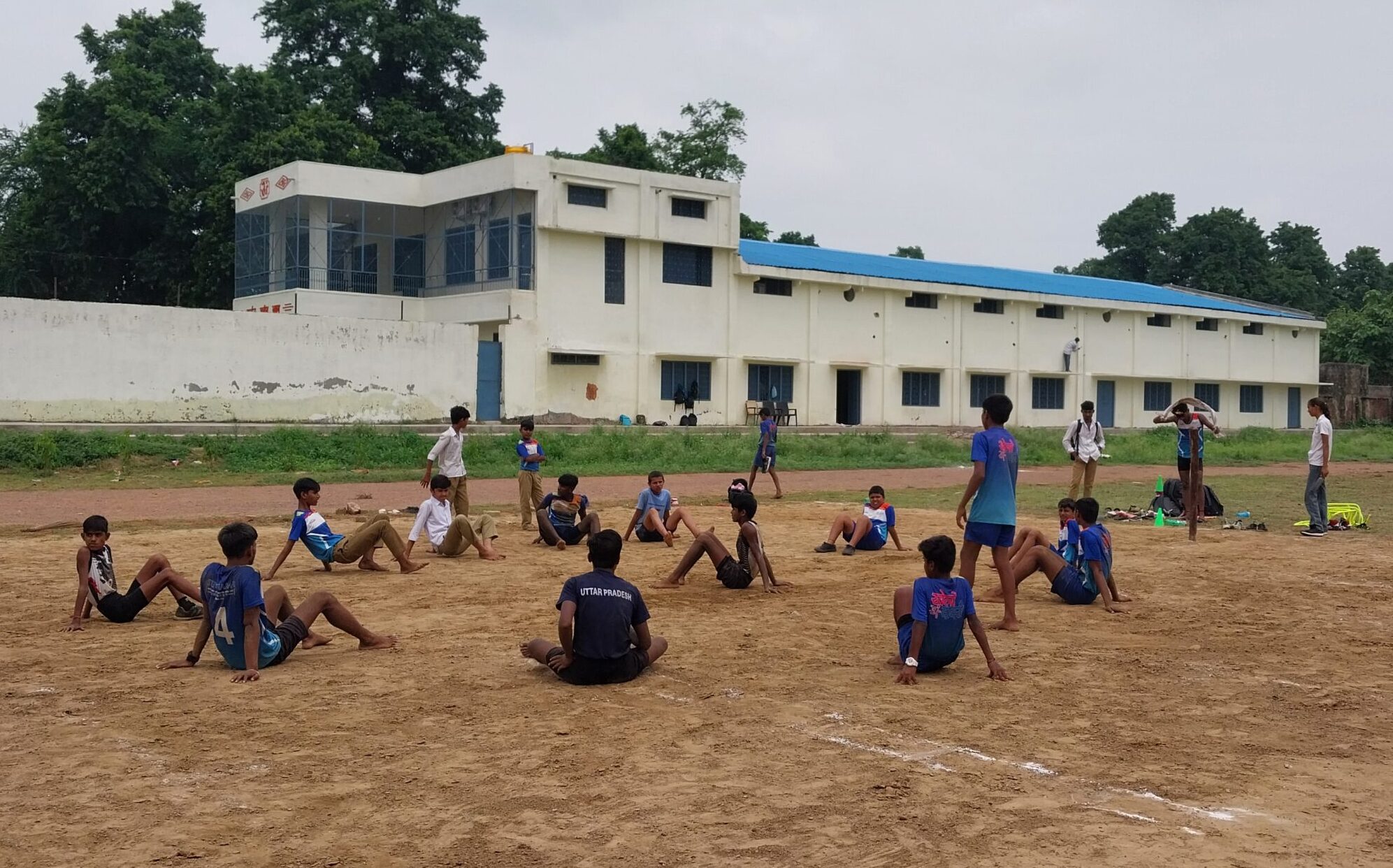
Reimagining Sports in CSR: From Tokenism to a Vehicle for Multiplying Impact
In 2023–24, Indian companies spent about ₹1,396 crore of their CSR budgets on sports — just 4% of the total ₹34,909 crore Indian corporates spent on CSR that year. Most of the rest went to edu..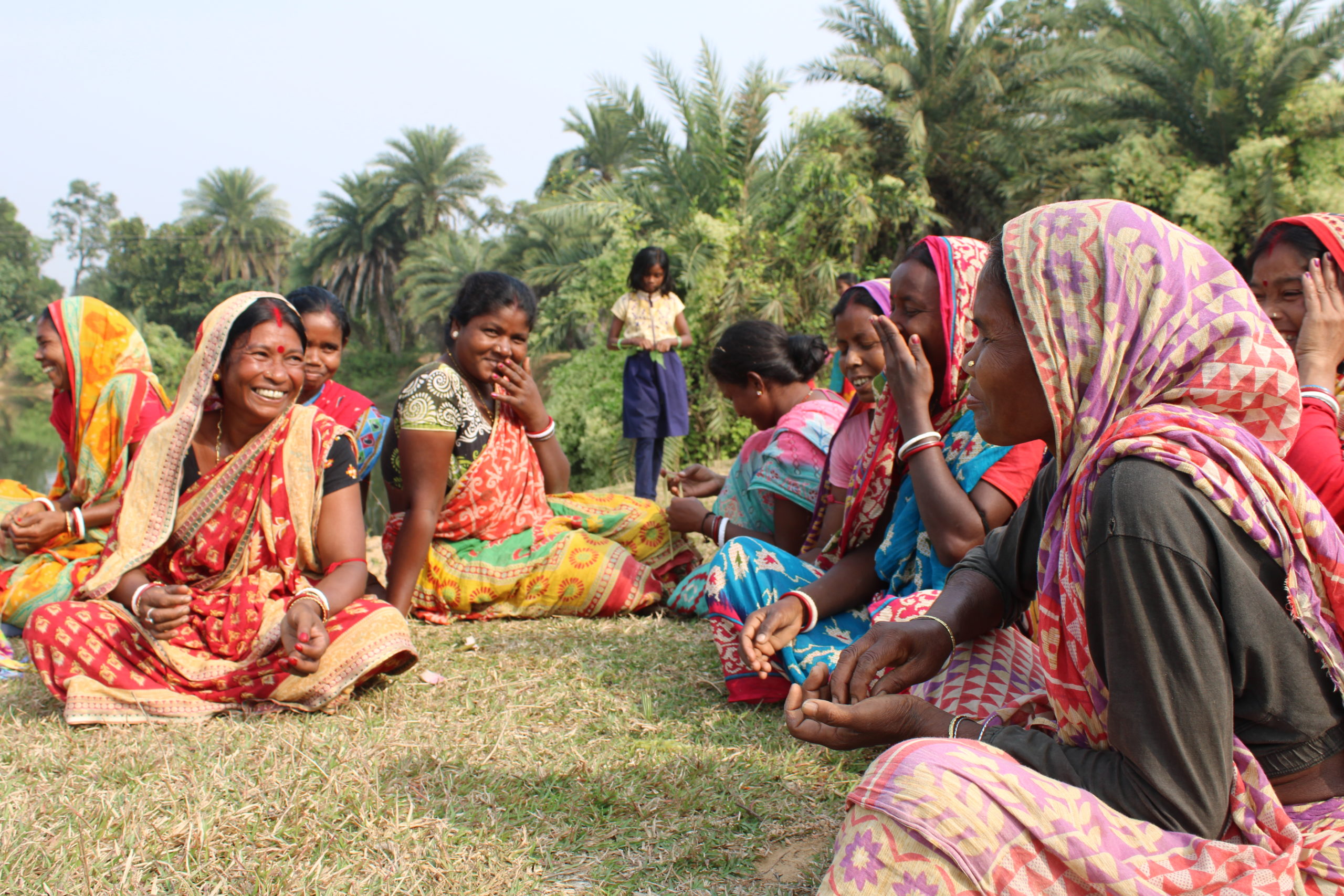
Interactive SHG Map of India: 7.5 million Women Self Help Groups are spread across 27 States and 6 UTs in India
Under the National Rural Livelihood Mission (NRLM), India has 7.5 million Women Self Help Groups (SHGs) spread across 27 states and 6 Union Territories. Each of these small, self-governed, and peer-co..