
Recent Developments,
Key Innovations, and
Insightful Reports
Your One Stop Platform for Regular Sector Updates
Sector news
View By Category
Categories
- See all
- Agriculture
- Clean Cookstoves
- Clean Energy
- Climate Action
- Digital Technology
- Education
- Financial Services
- General
- Healthcare
- Hygiene
- Impact Investment
- Inclusive Value Chains
- Livelihoods
- Livestock
- Lower Income Consumers
- Marketing, Distribution and Sales for BoP
- Nutrition
- Sanitation
- Water
- Women Empowerment


August 17, 2012
Following the BRAC’s Graduation Model
This post provides the takes of Lynn Brown from WFP, Rahatullah Baig from PPAF (Pakistan Poverty Alleviation Fund) and Yves Moury of Fundacion Capital on the success off BRAC’s Graduation Model, of pulling the poor out of extreme poverty, and their thoughts on what the next scaling-up steps should be. […]
August 17, 2012
MCA helps Morocco expand its microfinance sector
The MCA programme, under America’s Millennium Challenge Corporation programme plans to help Morocco fight poverty through its network of microfinance, by providing about 50 vehicles that will make travelling to rural areas easy and hence expand coverage. The aid of more vehicles is planned ahead. Read more here.
August 17, 2012
Philippines: Selling insurance by text messaging
Smart Communications Inc. in Philippines has launched a project which allows users to subscribe to microinsurance using their mobile phones. The name of this micro-insurance project is “HapiPinoy Text Insure” (HTI), and users can subscribe to microinsurances through texting. Read more here.
August 17, 2012
Can MFIs serve small enterprises?
With the attention of most policymakers and investors on the role of small enterprises as the way out of poverty by job creation for the poor, CGAP has surveyed more than 300 MFIs in 69 countries to learn that most MFIs already had some or the other involvement with small […]
August 17, 2012
Microfinance offers lifeline to Myanmar rural poor
MFIs in Myanmar are helping to elevate the economic conditions of farmers in rural Myanmar. Lower interest rates ensure that people do not have to turn to informal money lenders who charge higher interest rates. Read more here.
August 17, 2012
Nigerian MFI disburses N 20.5 billion in six months
Nigerian MFI LAPO Microfinance Bank Limited has disbursed loans worth N20.5 billion (approximately US$129 million) to its customers within a span of 6 months. Read more here.
August 17, 2012
Nigeria: Poor identification and credit ratings a challenge for microfinance banks
The absence of a nationwide national identification programme in Nigeria has put microfinance institutions in a fix – the Central Bank of Nigeria makes it compulsory for account applicants at MFIs to provide valid identification, while petty traders and small business owners lack precisely that. Read more here.
August 17, 2012
Microfinance and the dilemma of IPOs
This post provides an interesting take on the fact that some of the microfinance institutions (SKS MFI in India, and Banco Compartamos in Mexico) have taken part in the mainstream capital markets and how social goals and enterprising models must be balanced. Read more here.
August 17, 2012
What the microfinance heretic says about US lenders
This post gives the author’s (one of the founders of the SEEP Network) perception of Hugh Sinclair’s book on microfinance. She points out that the narrative is largely damning, and goes onto relay what the key takeaways the book holds for American lenders. Read more here.
Get The Latest From The Social Sector In Your Inbox

Subscribe to our newsletter
View Our Publications
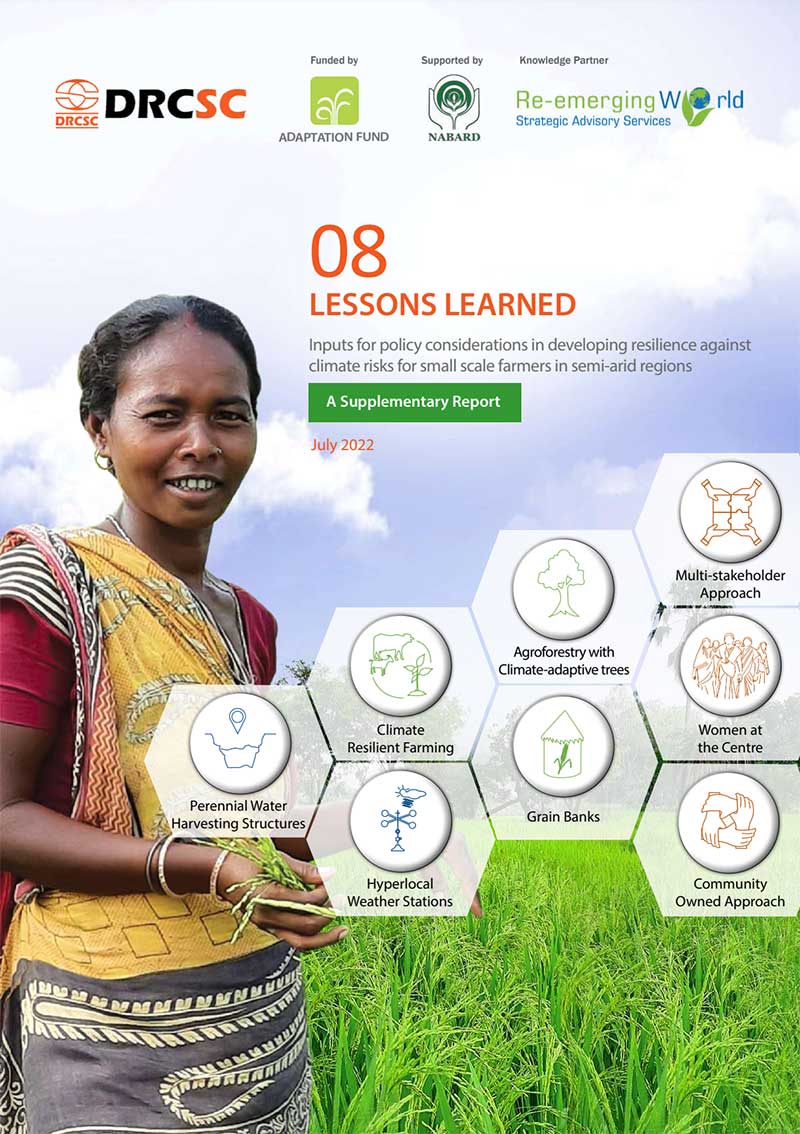
Eight Lessons Learned: Inputs for policy considerations in developing resilience against climate risks for small scale farmers in semi-arid regions, full report
Download Full Report
View Blog Posts
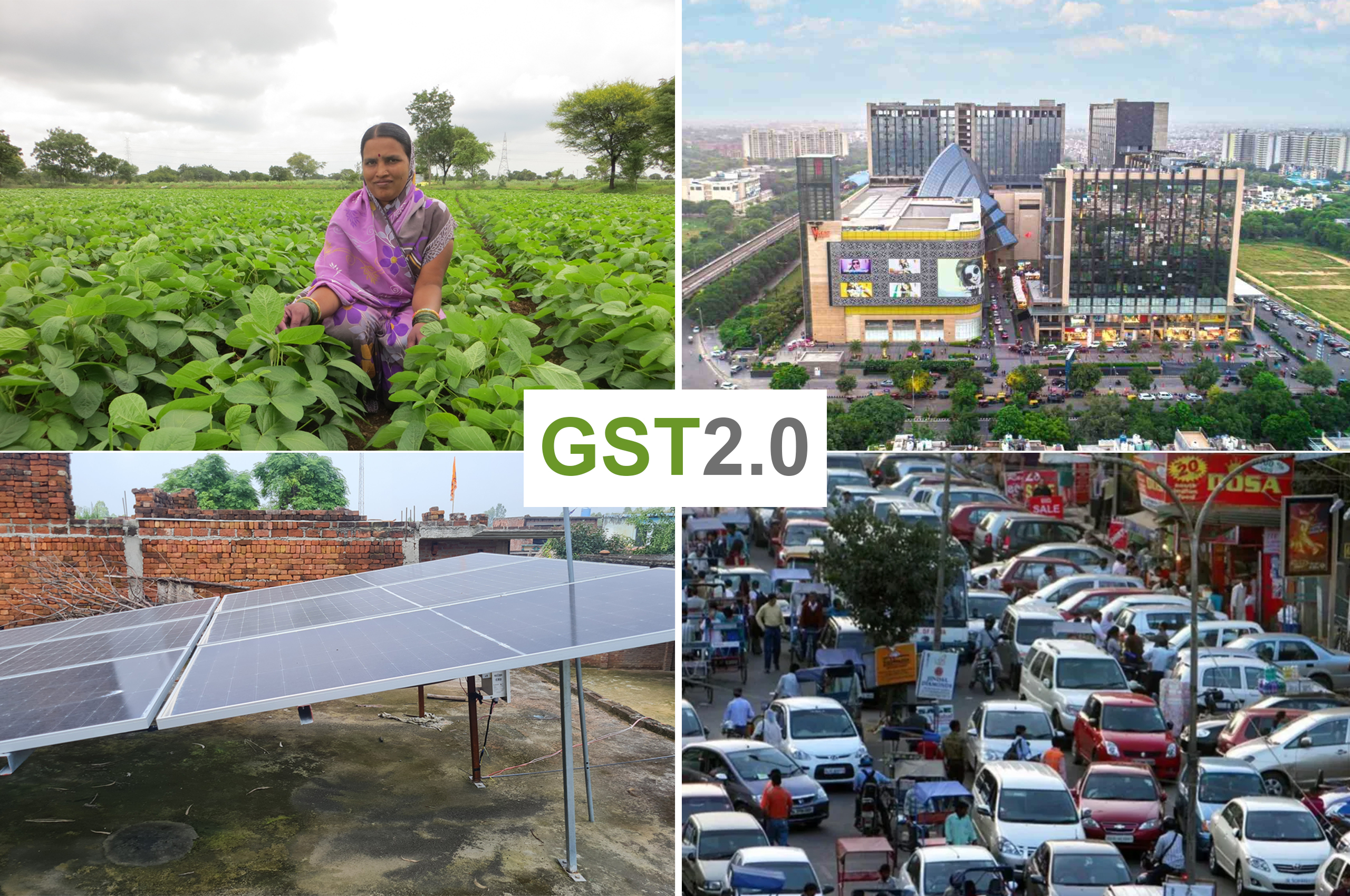
GST 2.0 and Tax Cuts: Can They Make Growth Fairer and Greener?
India's latest GST reform, being termed as GST 2.0, is more than just slashing rates. By simplifying the tax structure, cutting levies on essentials, and supporting renewable infrastructure, it's open..
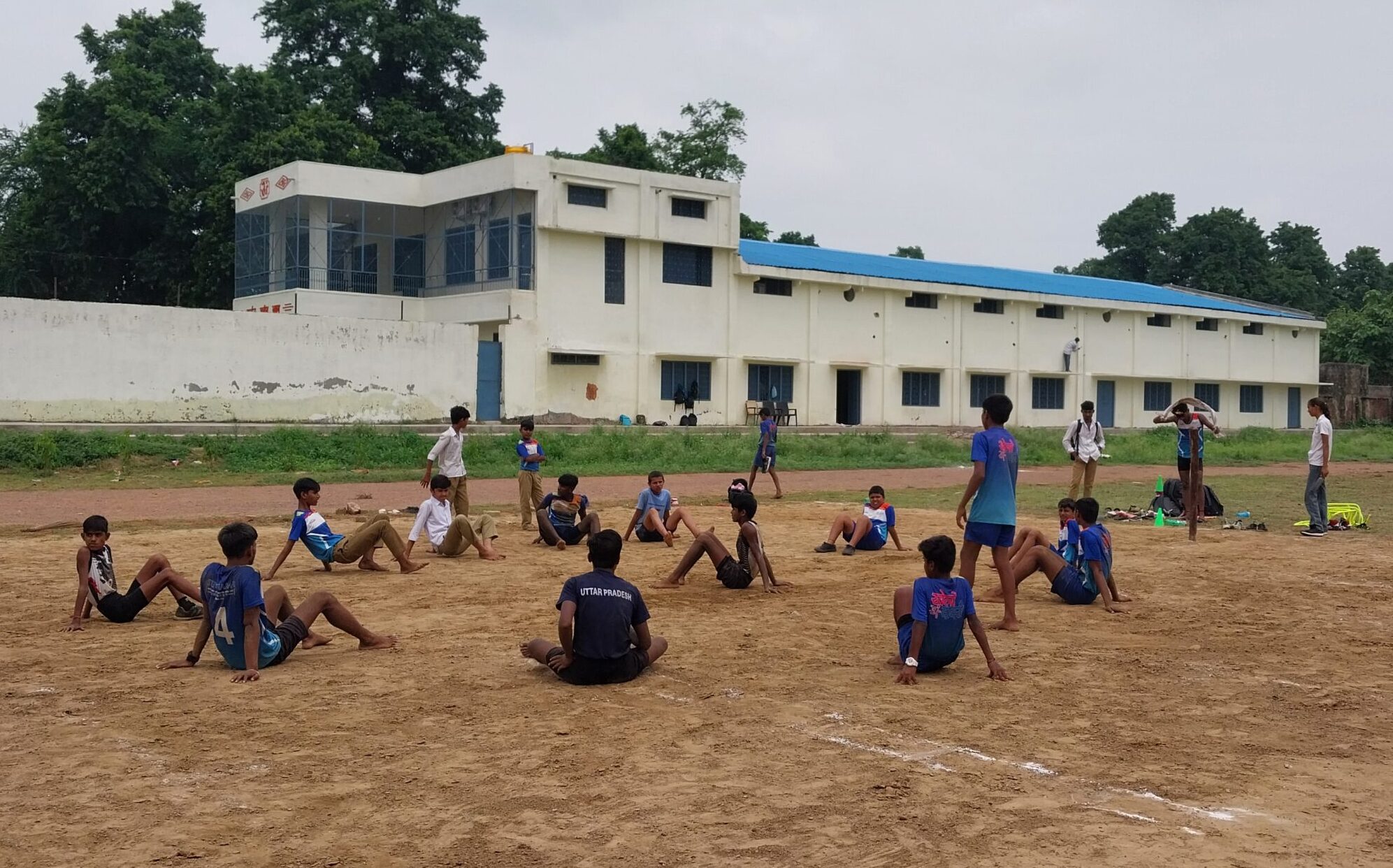
Reimagining Sports in CSR: From Tokenism to a Vehicle for Multiplying Impact
In 2023–24, Indian companies spent about ₹1,396 crore of their CSR budgets on sports — just 4% of the total ₹34,909 crore Indian corporates spent on CSR that year. Most of the rest went to edu..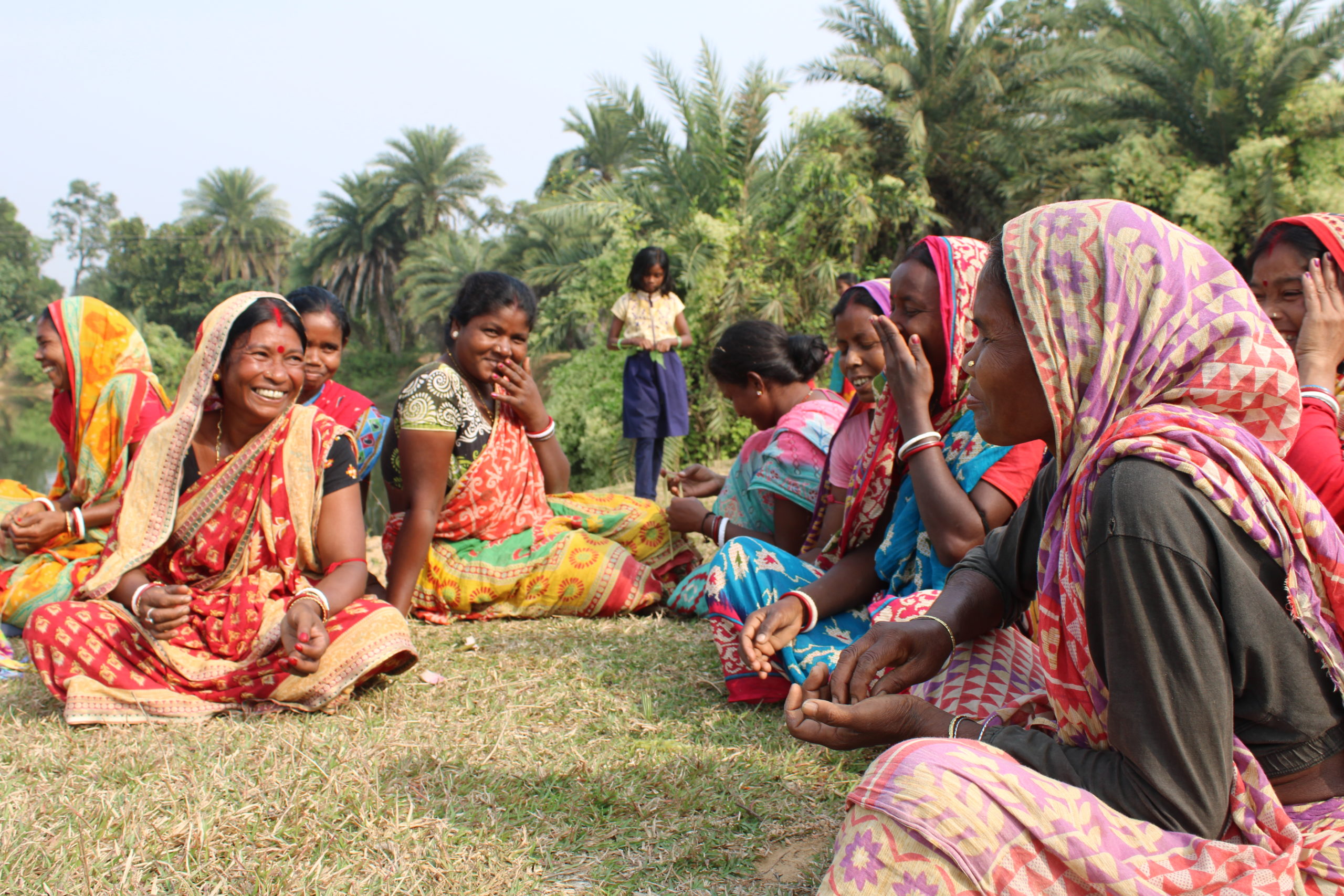
Interactive SHG Map of India: 7.5 million Women Self Help Groups are spread across 27 States and 6 UTs in India
Under the National Rural Livelihood Mission (NRLM), India has 7.5 million Women Self Help Groups (SHGs) spread across 27 states and 6 Union Territories. Each of these small, self-governed, and peer-co..