
Recent Developments,
Key Innovations, and
Insightful Reports
Your One Stop Platform for Regular Sector Updates
Sector news
View By Category
Categories
- See all
- Agriculture
- Clean Cookstoves
- Clean Energy
- Climate Action
- Digital Technology
- Education
- Financial Services
- General
- Healthcare
- Hygiene
- Impact Investment
- Inclusive Value Chains
- Livelihoods
- Livestock
- Lower Income Consumers
- Marketing, Distribution and Sales for BoP
- Nutrition
- Sanitation
- Water
- Women Empowerment


August 24, 2012
India: IRDA to review micro insurance regulations
IRDA (Insurance Regulatory and Development Authority) of India will be reviewing the IRDA (Micro Insurance) Regulations 2005 after comprehensively having examined the business model implemented in the microinsurance sector. Read more here.
August 24, 2012
How US$7.6 million can help increase MFI transparency
If the US$7.6 million, four year fund extended by the MasterCard Foundation and the SEEP Network is leveraged the right way, financial transparency and consumer protection principles of MFIs in Nigeria as well as in other sub-Saharan countries will increase. Read more here.
August 24, 2012
ADB helping the MFI sector in India
The MFI sector in India still lies severely constricted of funds as most banks stopped lending to MFIs following the crisis in 2010. ADB (Asian Development Bank) has come to the rescue of the microfinance sector through IFMR Capital, an India based NBFC firm. ADB has also allocated US$90 million […]
August 24, 2012
Nigeria: CrystaLife to focus on micro and retail insurance
In Nigeria, insurance penetration is as low as 1 per cent. Now, CrytaLife Assurance Plc will be investing in this nascent sector by focusing on investment in microinsurance and retail insurance segment of the market. Read more here.
August 24, 2012
Zambia: Affordable micro-insurance product unveiled
Insurance firms in Zambia have apparently been taking heed of calls from the Pension and Insurance Authority (PIA) by launching micro-insurance products for people in the low income bracket. The newest to be launched is MFLIP (Mutende Life Insurance Plan). In a country where 95 per cent of the population […]
August 24, 2012
India: Ujjivan microfinance set for investor restructuring
Bangalore based Ujjivan MFI, one of the few MFIs to survive the crash of MFIs in India will now be undergoing a major restructuring with its investors as Bellwether has sold its seven per cent stake to Lok Capital, and MSDF (Michael & Susan Dell Foundation) is also going to […]
August 24, 2012
One dollar at a time in Bolivia
Bolivian poor have also participated in the multitude of underserved across the developing world through the movement of microfinance. This post talks about the role of Pro Mujer, a development organization that helps with microfinance loans, in helping the Bolivian economy. Read more here.
August 24, 2012
Nigeria: Accion microfinance bank start an innovative promo
To encourage savings with its clients, the AMFB (Accion Microfinance Bank Limited) has launched a campaign which assures gifts given a minimum amount of savings, this imbibing a culture of savings within its clients base. Read more here.
August 24, 2012
Kiva launches its coverage in India
Kiva, an online service through which the better off lenders (willing to lend a minimum of US$25) in the world can lend to the poor and underserved in the developing nations in the world has now expanded its reach to include borrowers in India. Read more here.
Get The Latest From The Social Sector In Your Inbox

Subscribe to our newsletter
View Our Publications
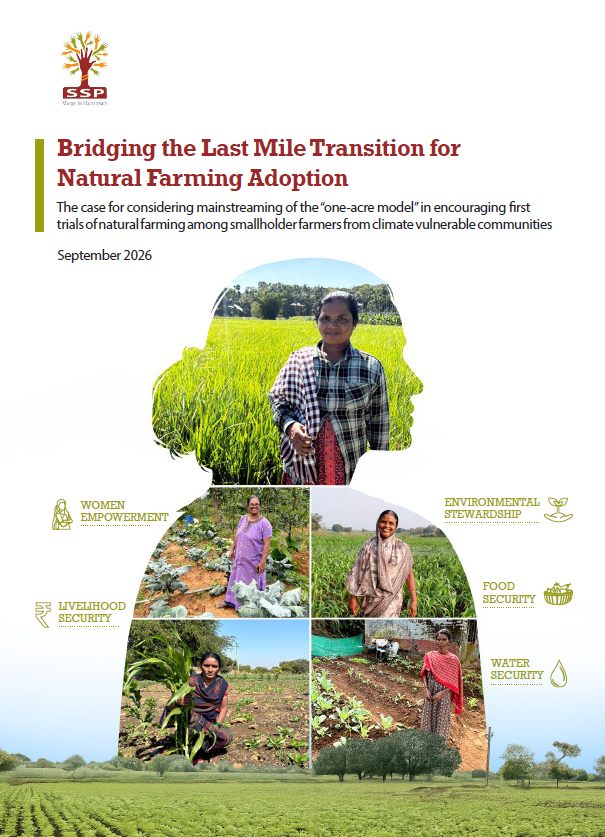
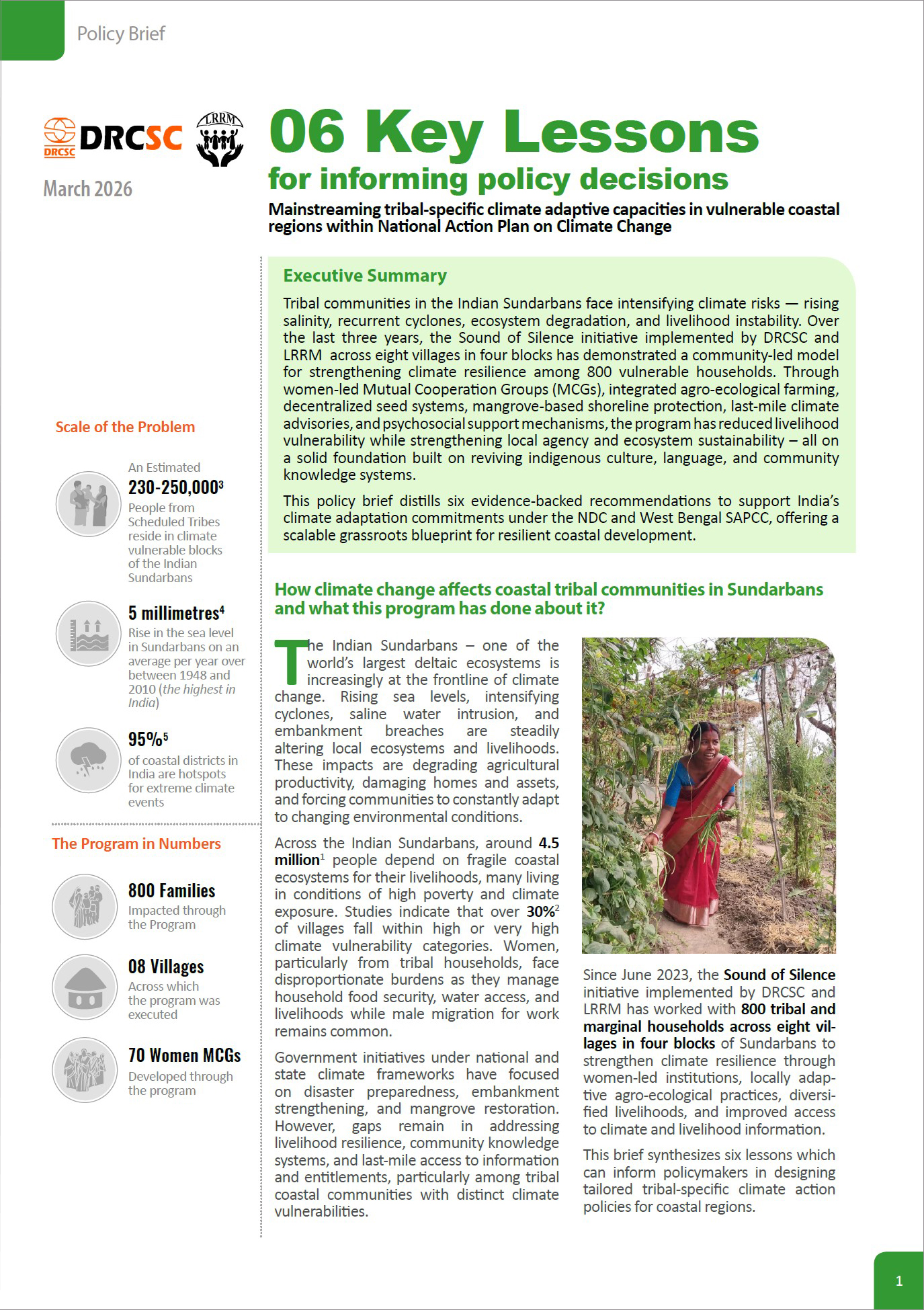
06 Key Lessons for informing policy decisions: Mainstreaming tribal-specific climate adaptive capacities in vulnerable coastal regions within National Action Plan on Climate Change
Download Full Report
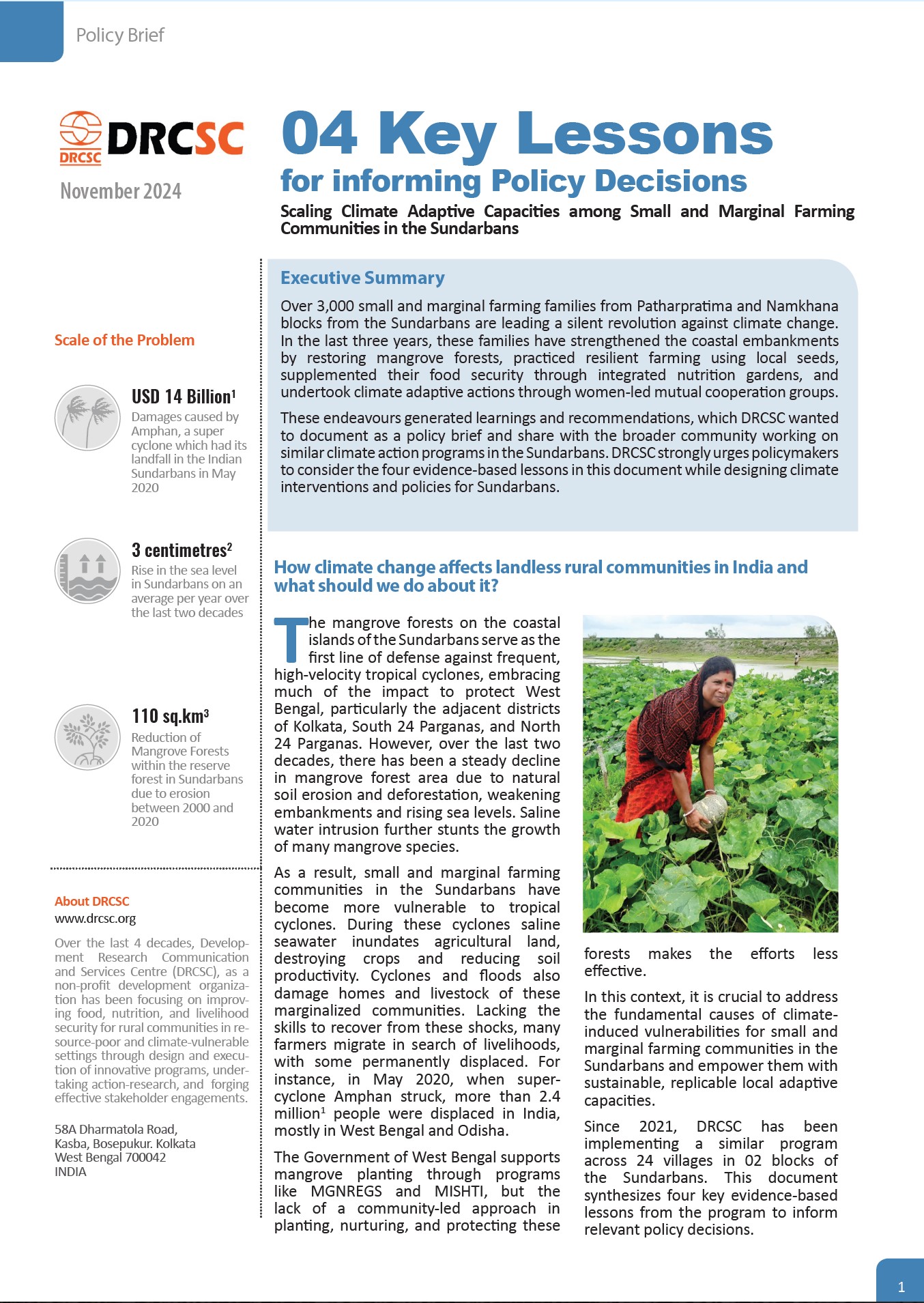
Four Key Lessons for Policy Consideration: Scaling Climate Adaptive Capacities among Small and Marginal Farming Communities in the Sundarbans
Download Full Report
View Blog Posts
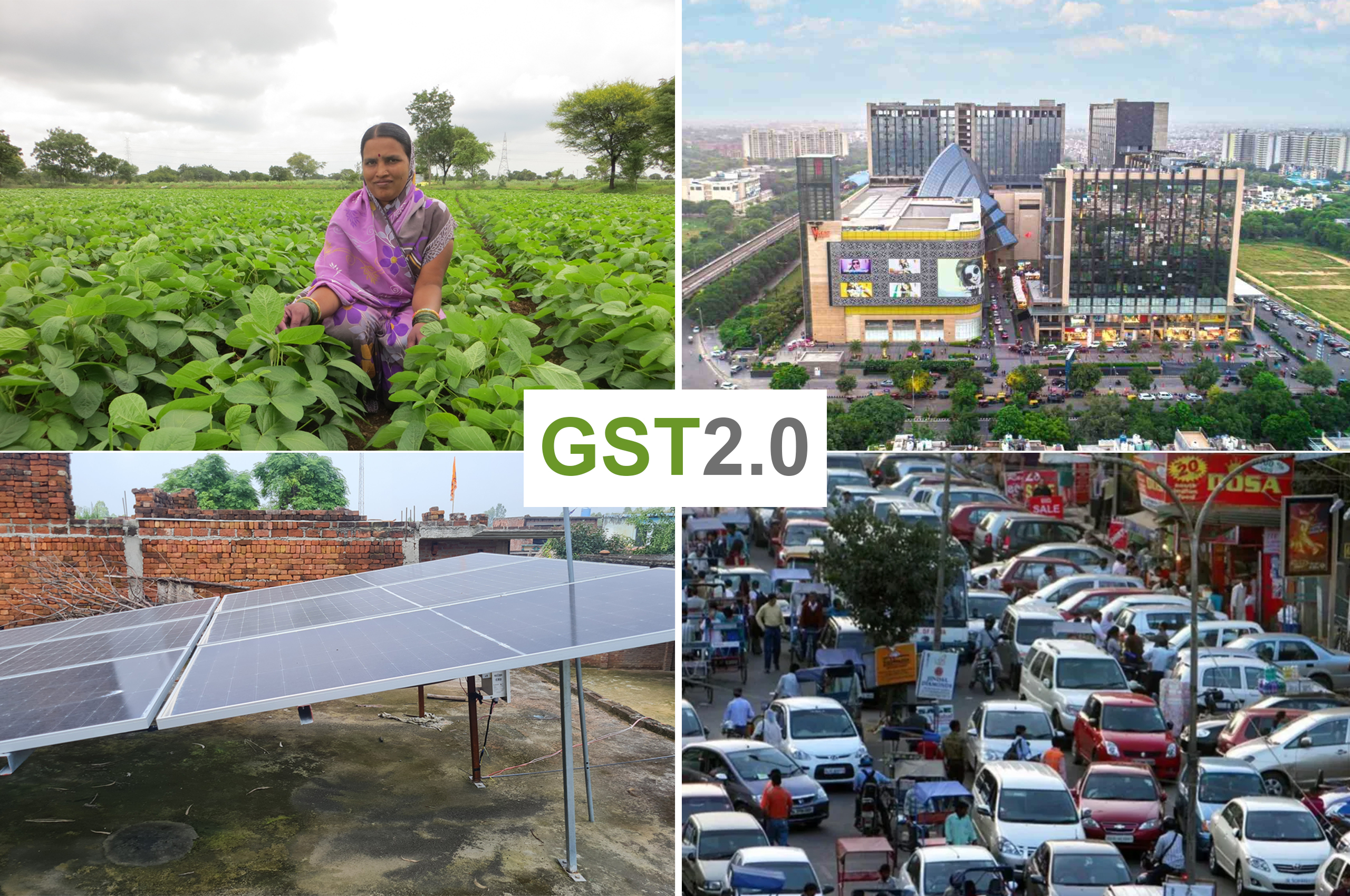
GST 2.0 and Tax Cuts: Can They Make Growth Fairer and Greener?
India's latest GST reform, being termed as GST 2.0, is more than just slashing rates. By simplifying the tax structure, cutting levies on essentials, and supporting renewable infrastructure, it's open..
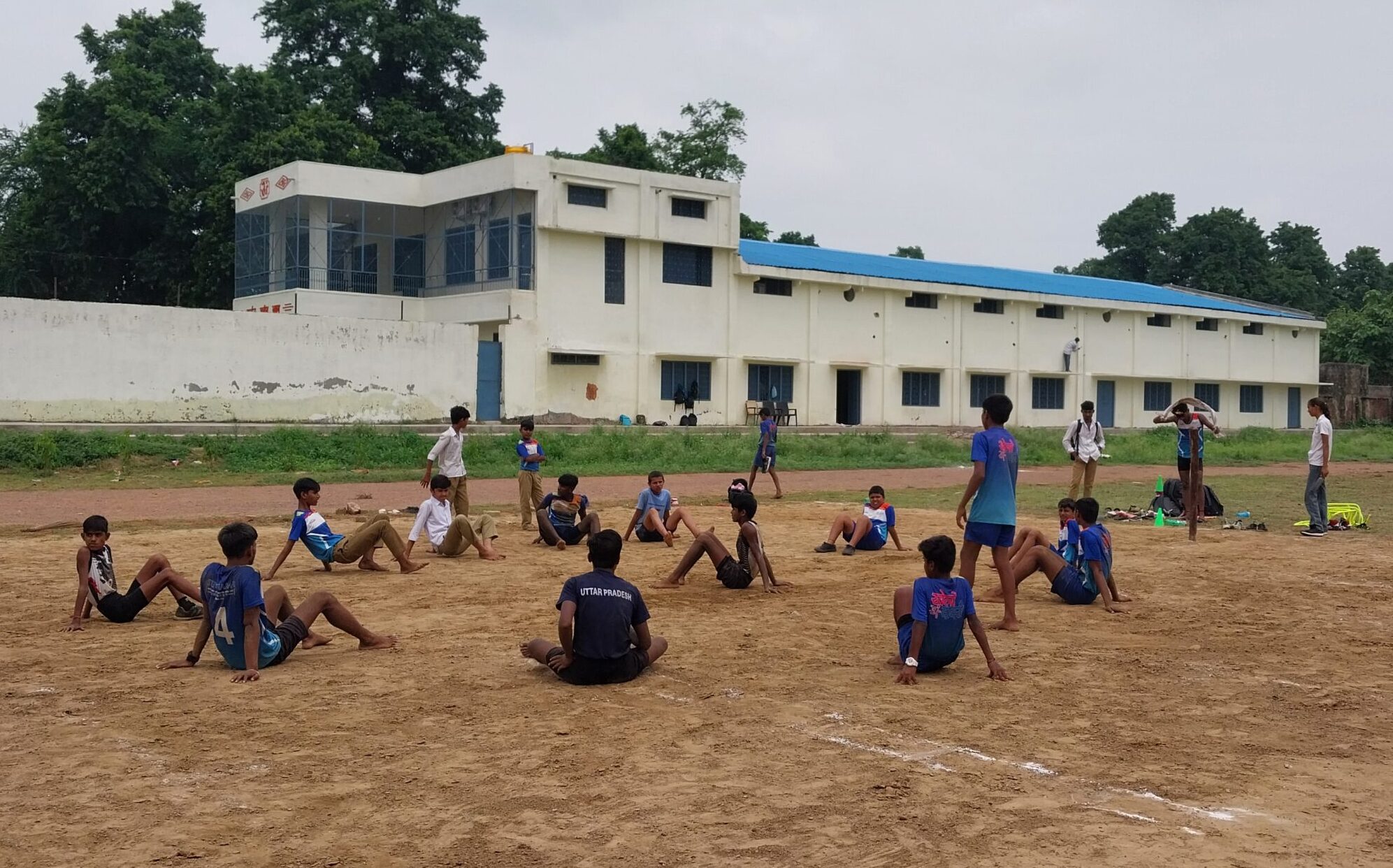
Reimagining Sports in CSR: From Tokenism to a Vehicle for Multiplying Impact
In 2023–24, Indian companies spent about ₹1,396 crore of their CSR budgets on sports — just 4% of the total ₹34,909 crore Indian corporates spent on CSR that year. Most of the rest went to edu..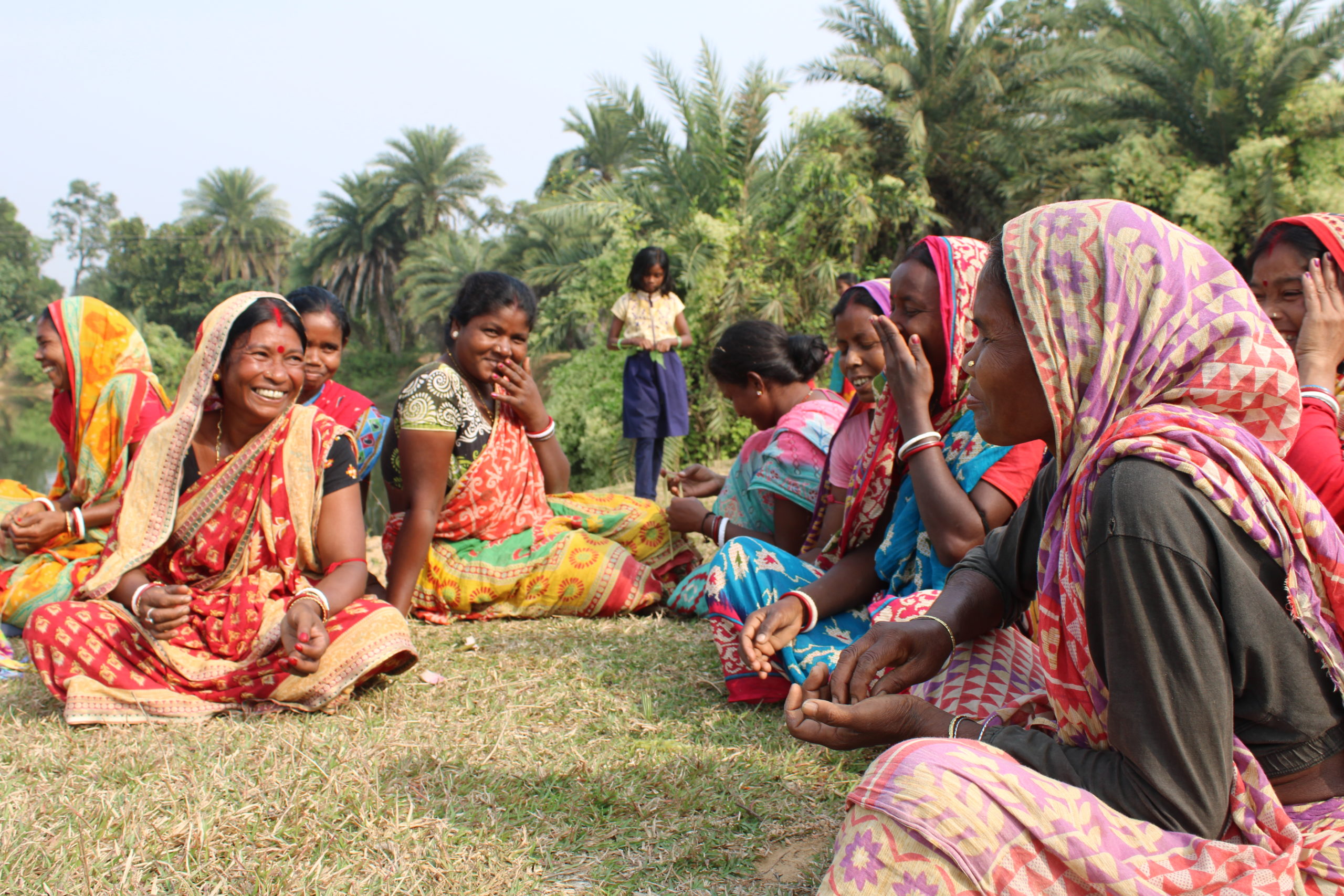
Interactive SHG Map of India: 7.5 million Women Self Help Groups are spread across 27 States and 6 UTs in India
Under the National Rural Livelihood Mission (NRLM), India has 7.5 million Women Self Help Groups (SHGs) spread across 27 states and 6 Union Territories. Each of these small, self-governed, and peer-co..