
Recent Developments,
Key Innovations, and
Insightful Reports
Your One Stop Platform for Regular Sector Updates
Sector news
View By Category
Categories
- See all
- Agriculture
- Clean Cookstoves
- Clean Energy
- Climate Action
- Digital Technology
- Education
- Financial Services
- General
- Healthcare
- Hygiene
- Impact Investment
- Inclusive Value Chains
- Livelihoods
- Livestock
- Lower Income Consumers
- Marketing, Distribution and Sales for BoP
- Nutrition
- Sanitation
- Water
- Women Empowerment


August 24, 2012
Haiti’s housing crisis
Years after the earthquake that shook the life of many in Haiti, housing is still in a state of crisis. But the severity of this crisis is highlighted through a New York Times article which talks about random mismanagement of funds, lack of hygiene and a growing sense of hopelessness. […]
August 24, 2012
India: Sikkim to go fully organic by 2015
The Indian stare of Sikkim will soon set an example for the rest of the country by going completely organic by 2015. This is due to the leadership of a progressive Chief Minister who was the first adopt organic farming in India. Read more here.
August 24, 2012
India: WB government to introduce farmer markets model in Kolkata
Mamata Banerjee, Chief Minister of West Bengal India is planning on launching a one stop shop for agri-retailers, wholesalers, farmers and customers through a progressive PPP route. Read more here.
August 24, 2012
Taiwan aids Haiti’s agriculture
Taiwan has been helping its diplomatic partner country Haiti build a robust rice industry while also helping the farmers in the country with technical assistance. Read more about the rice initiatives here.
August 24, 2012
India: Finance Minister wants restructuring of farmer loans
In India, where agriculture largely consists of poor, smallholder farmers, the Finance Minister has called for public sector banks to restructure agri-loans to farmers into long term credit to make economic conditions easier for farmers already suffering due to the worst monsoons and low rainfalls since 2009. Read more here.
August 24, 2012
UN calls on nations to declare global drought
Drought like conditions in Africa, India and the US have perpetuated in a global drought, according to top officials in the UN weather agency. Read more here.
August 24, 2012
Brazilian farms interested in Tanzania’s agricultural sector
As many as seven firms involved in the agricultural sector in Brazil have shown interest in Tanzania’s agricultural sector. Tanzania’s agriculture will also benefit from the G8 initiative called ‘Grow Africa’. Read more here.
August 24, 2012
Kenyan start-up offers farm in a backpack
‘Backpack Farm’, a start-up in East Africa aims to help farmers grow more crops and hence earn more money. It gives out poor smallholder farmers a backpack full of seeds, irrigation, and ‘green chemicals’ and tools, along with a drip irrigation kit and a water tank. Read more here.
August 24, 2012
Why has ‘no-till agriculture’ not become popular in developing countries?
No-till agriculture refers to a progressive method of farming wherein ploughing is limited or eliminated so as to be more eco-friendly, and natural resource conserving. However, this would potentially limit the amount of farming by products which are invaluable for farmers as fodder for their livestock and for alternative usage. […]
Get The Latest From The Social Sector In Your Inbox

Subscribe to our newsletter
View Our Publications
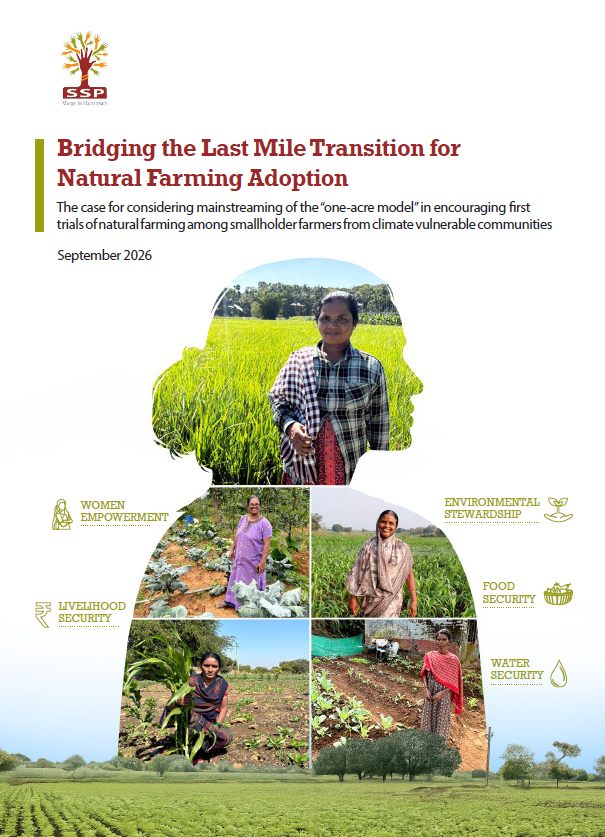
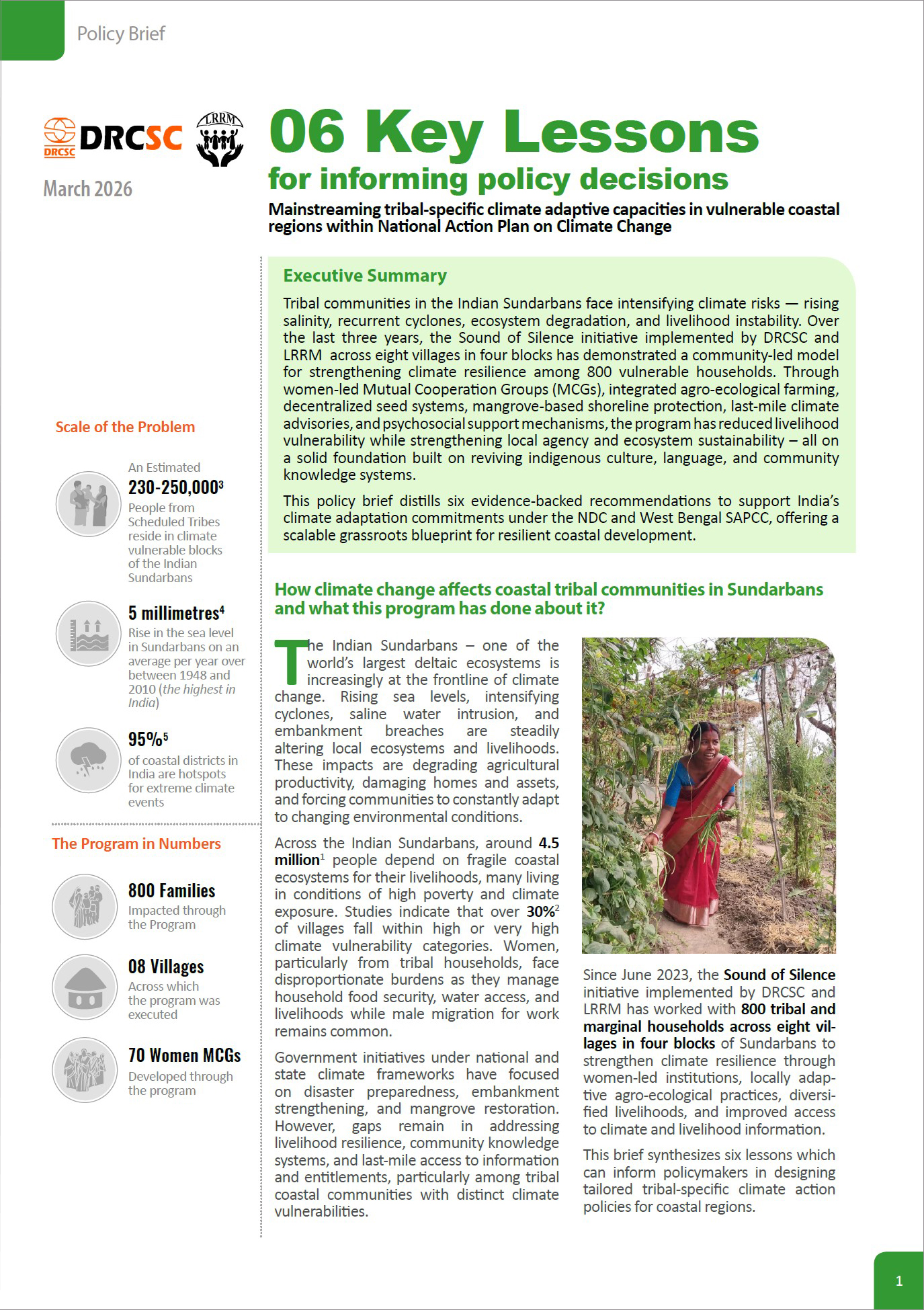
06 Key Lessons for informing policy decisions: Mainstreaming tribal-specific climate adaptive capacities in vulnerable coastal regions within National Action Plan on Climate Change
Download Full Report
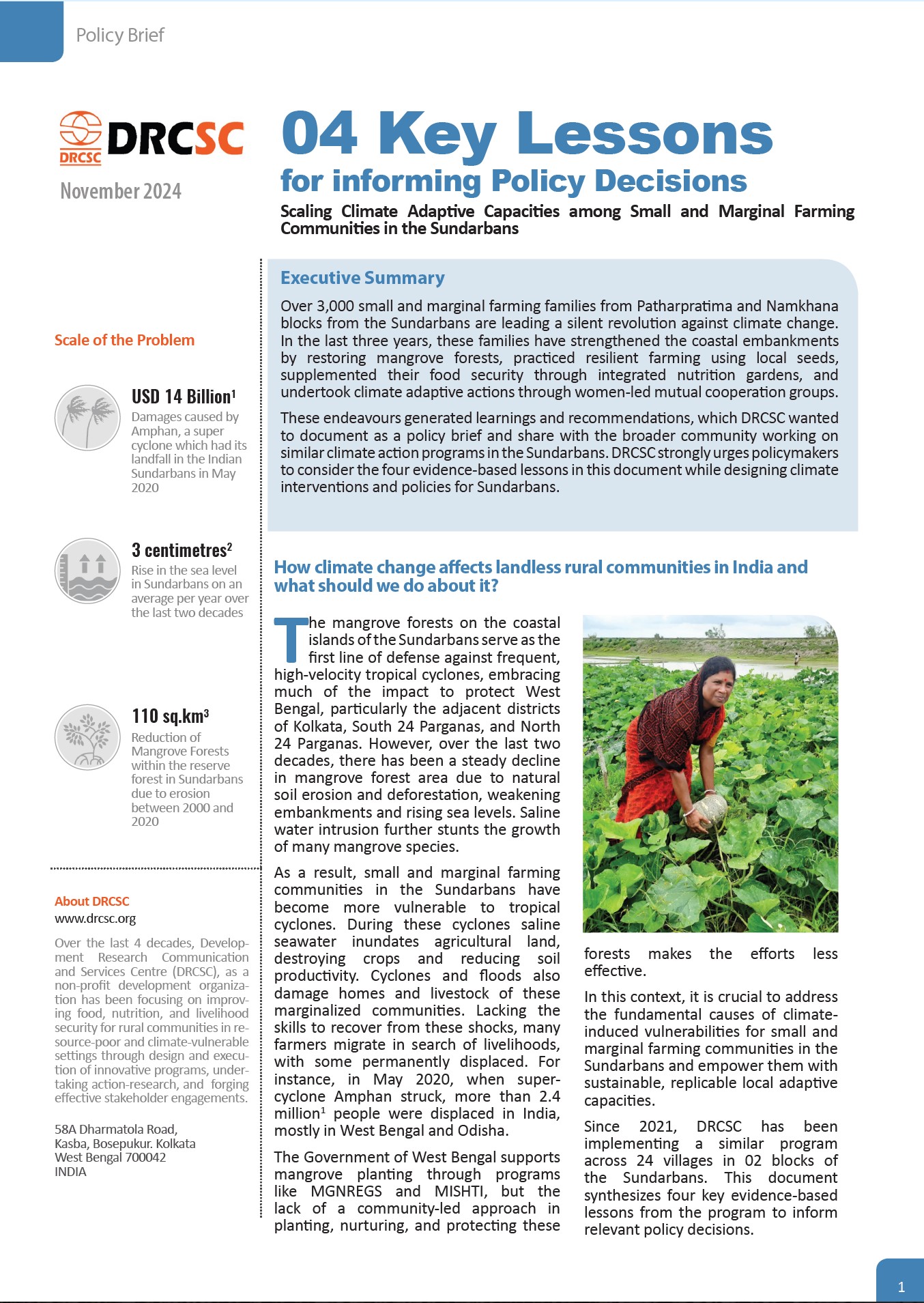
Four Key Lessons for Policy Consideration: Scaling Climate Adaptive Capacities among Small and Marginal Farming Communities in the Sundarbans
Download Full Report
View Blog Posts
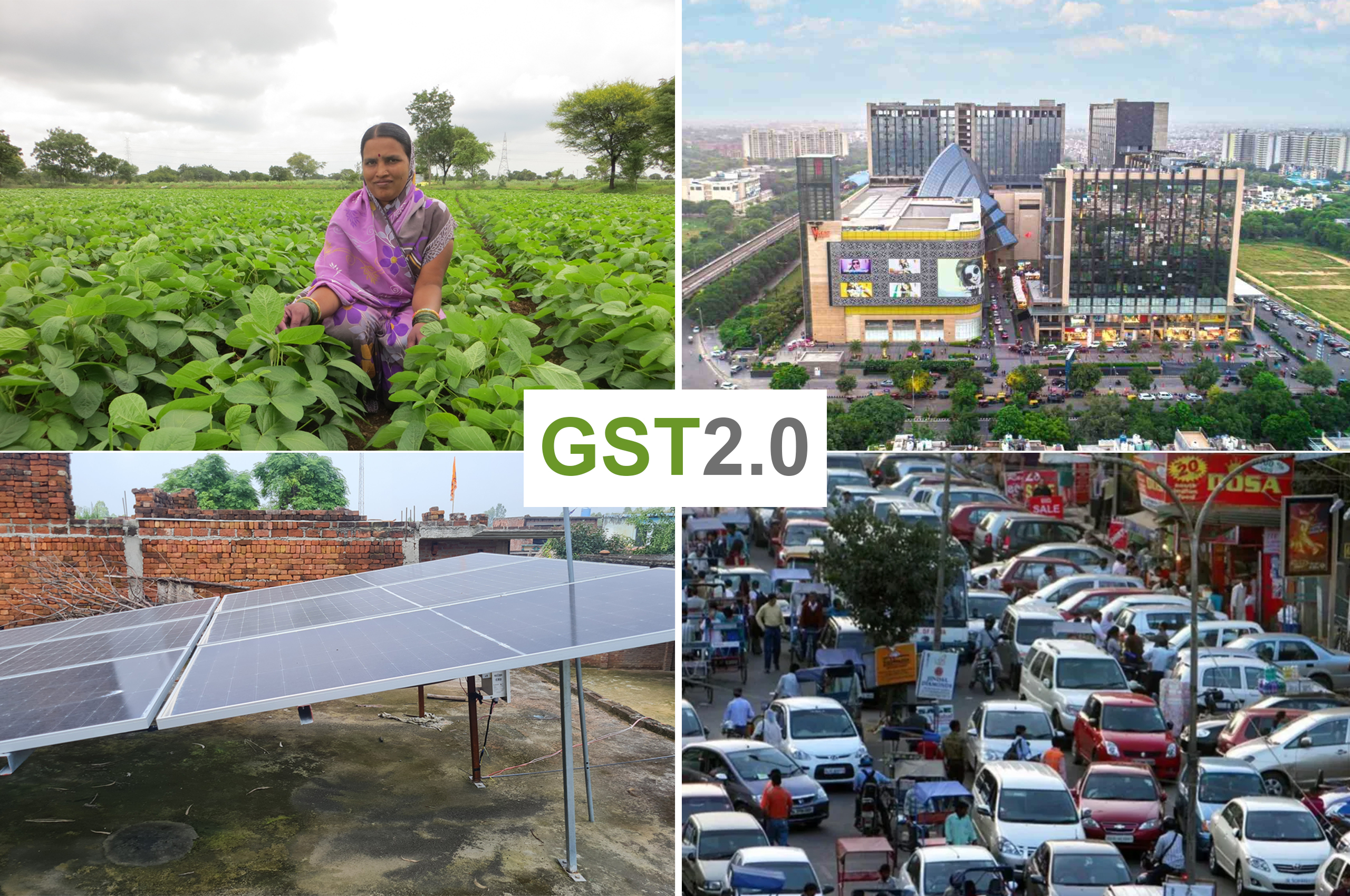
GST 2.0 and Tax Cuts: Can They Make Growth Fairer and Greener?
India's latest GST reform, being termed as GST 2.0, is more than just slashing rates. By simplifying the tax structure, cutting levies on essentials, and supporting renewable infrastructure, it's open..
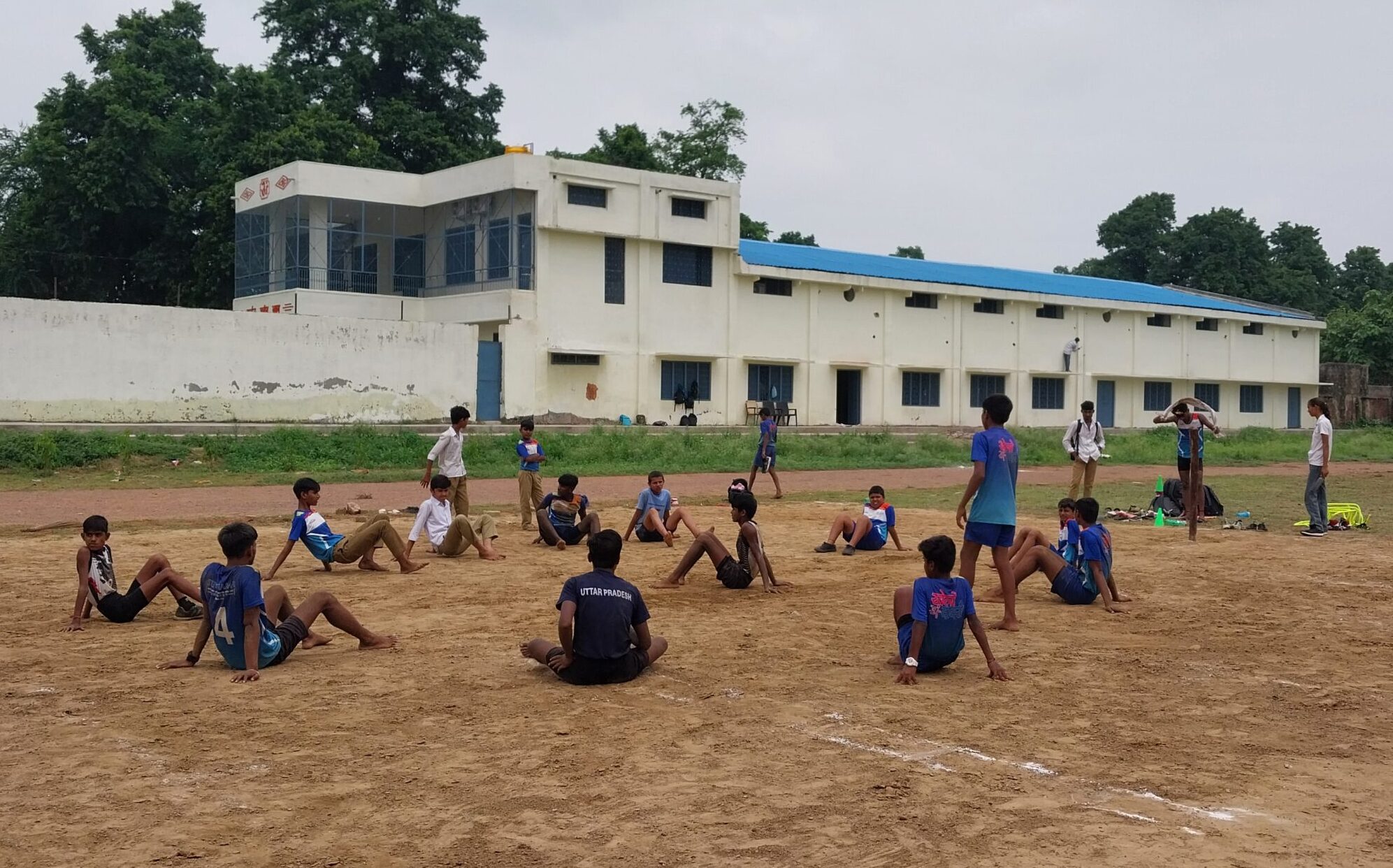
Reimagining Sports in CSR: From Tokenism to a Vehicle for Multiplying Impact
In 2023–24, Indian companies spent about ₹1,396 crore of their CSR budgets on sports — just 4% of the total ₹34,909 crore Indian corporates spent on CSR that year. Most of the rest went to edu..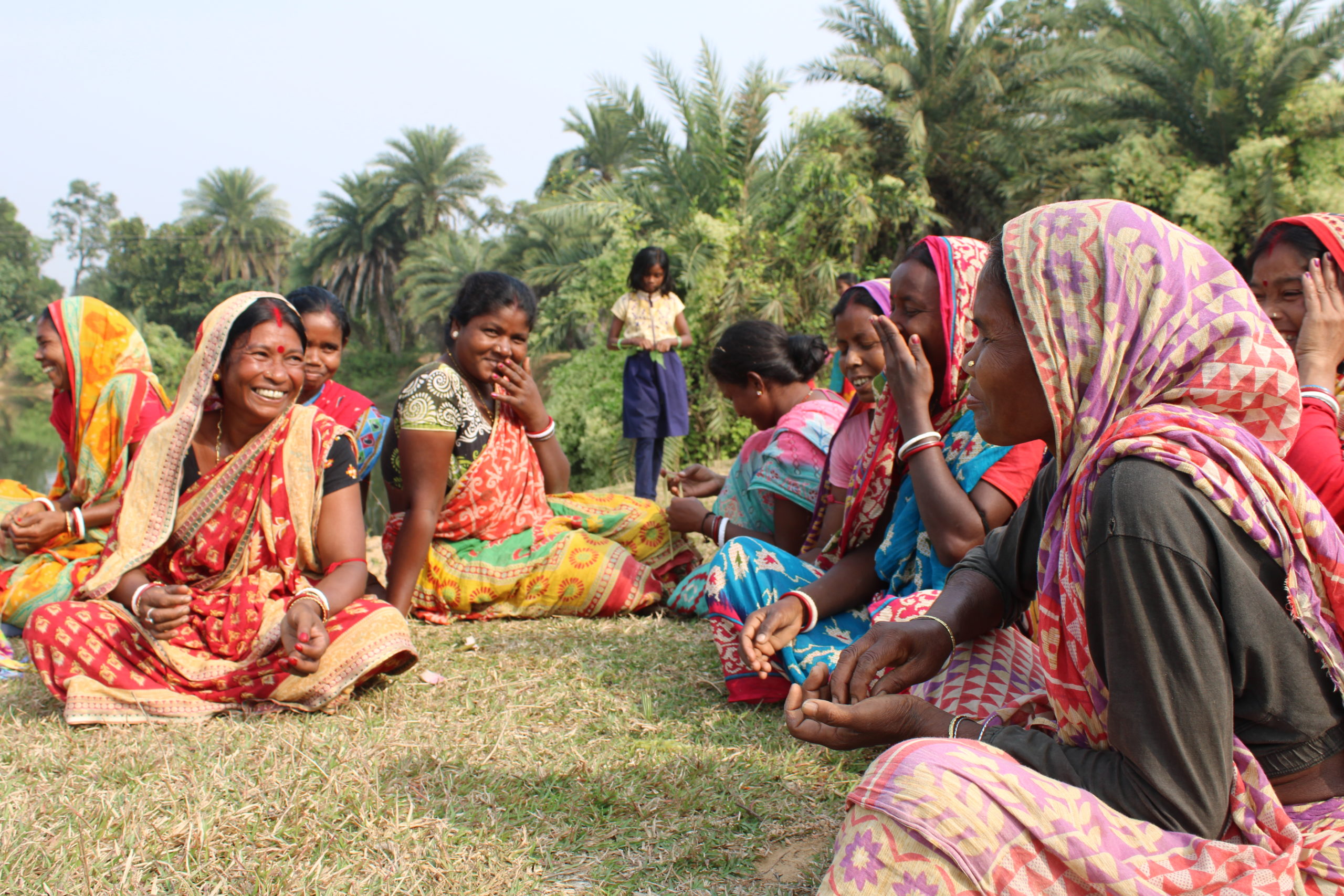
Interactive SHG Map of India: 7.5 million Women Self Help Groups are spread across 27 States and 6 UTs in India
Under the National Rural Livelihood Mission (NRLM), India has 7.5 million Women Self Help Groups (SHGs) spread across 27 states and 6 Union Territories. Each of these small, self-governed, and peer-co..