
Recent Developments,
Key Innovations, and
Insightful Reports
Your One Stop Platform for Regular Sector Updates
Sector news
View By Category
Categories
- See all
- Agriculture
- Clean Cookstoves
- Clean Energy
- Climate Action
- Digital Technology
- Education
- Financial Services
- General
- Healthcare
- Hygiene
- Impact Investment
- Inclusive Value Chains
- Livelihoods
- Livestock
- Lower Income Consumers
- Marketing, Distribution and Sales for BoP
- Nutrition
- Sanitation
- Water
- Women Empowerment


August 11, 2012
New Zealand: US$170 million being blown over ETS
New Zealand is burning a lot of cash in order to stay within the specified carbon limits, as is apparent from the fact that 70 per cent of carbon credits under the ETS (Emissions Trading Scheme) in 2011 by NZ were bought overseas. Read more here.
August 11, 2012
India: Solar power ‘future of energy’
Recently, at an IIT (Indian Istitute of Technology) event in Jodhpur, the former chairman of the Atomic Energy Commission of India, and also former director of the Bhabha Atomic Research Centre Mr Anil Kadodkar declared solar energy as the energy of the future. Read more here.
August 11, 2012
The attack on clean energy
A new report reviews how advancements in RE sector has made it the target of attacks by stakeholders in the oil, coal and gas industries. Read more here and here, and read the report here.
August 11, 2012
Kenya: Innovation of the week – Aqua shops
In Western Kenya, where nearly 60 per cent of households depend on fish as a source of income, dwindling fish supplies are hurting the economy and those who rely on fish as a source of food. A combination of overfishing, and pollution have led to a decline in fish stocks, causing prices […]
August 11, 2012
India: INR 2 billion organic farming scheme launched in Karnataka
As part of encouraging organic farming, Karnataka Chief Minister Jagadish Shettar recently launched “Amrut Bhoomi”, an INR 2 billion organic farming scheme. Under this scheme, farmers will be sent to Cuba and Israel to study the organic farming model in these countries. Read more here.
August 11, 2012
India: Study identifies reasons for low agricultural production in Andhra Pradesh
The Department of Agriculture is analysing the constraints leading to productivity gap in different major crops in the district. The constraints identified are – poor soil health, lack of efficient irrigation facility and water reach to tail-end areas, and low degree of farm mechanisation and inadequate extension. Read more here.
August 11, 2012
Cassava cushions Tanzanian farmers from climate impacts
Changing weather patterns have forced farmers in Muheza district in Tanzania to move away from growing traditional crops and switch to cassava which has been playing an increasingly important role in lifting communities out of poverty. With help from agricultural experts, farmers are learning to cultivate drought-resistant varieties of cassava […]
August 11, 2012
Nepal: Tailoring technology for female farmers
Most of Nepal’s agriculture is undertaken by women, but research tailored to their needs is lacking. New technologies that can reduce the drudgery specifically for the women, is the need of the hour. Read more here.
August 11, 2012
Developing world needs farming innovation to ease poverty
According to Gates’ official Rob Horsch, those who care about the poor must also care about agriculture and how to expand the use of innovative farming technology in the developing world. Rob Horsch, deputy director of research and development in the agricultural development program at the Foundation, said improved agriculture […]
Get The Latest From The Social Sector In Your Inbox

Subscribe to our newsletter
View Our Publications
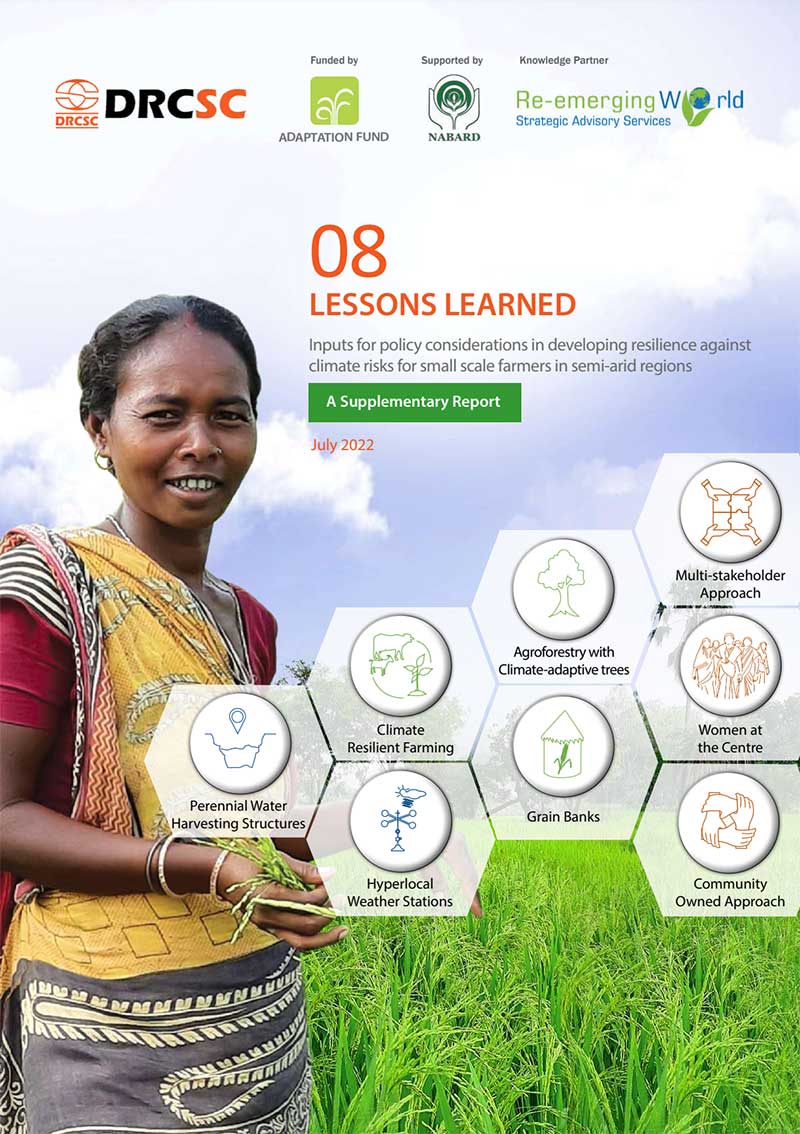
Eight Lessons Learned: Inputs for policy considerations in developing resilience against climate risks for small scale farmers in semi-arid regions, full report
Download Full Report
View Blog Posts
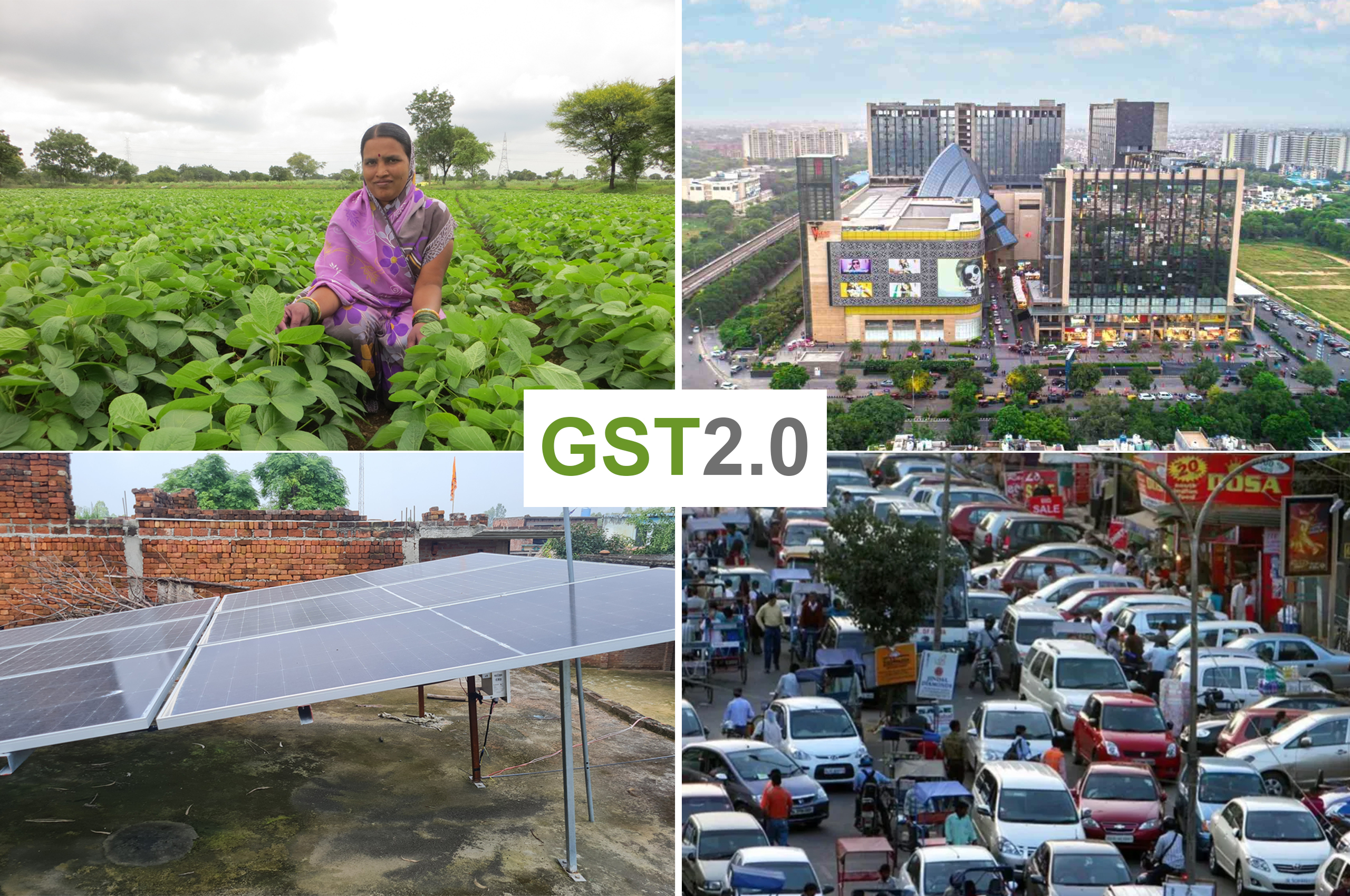
GST 2.0 and Tax Cuts: Can They Make Growth Fairer and Greener?
India's latest GST reform, being termed as GST 2.0, is more than just slashing rates. By simplifying the tax structure, cutting levies on essentials, and supporting renewable infrastructure, it's open..
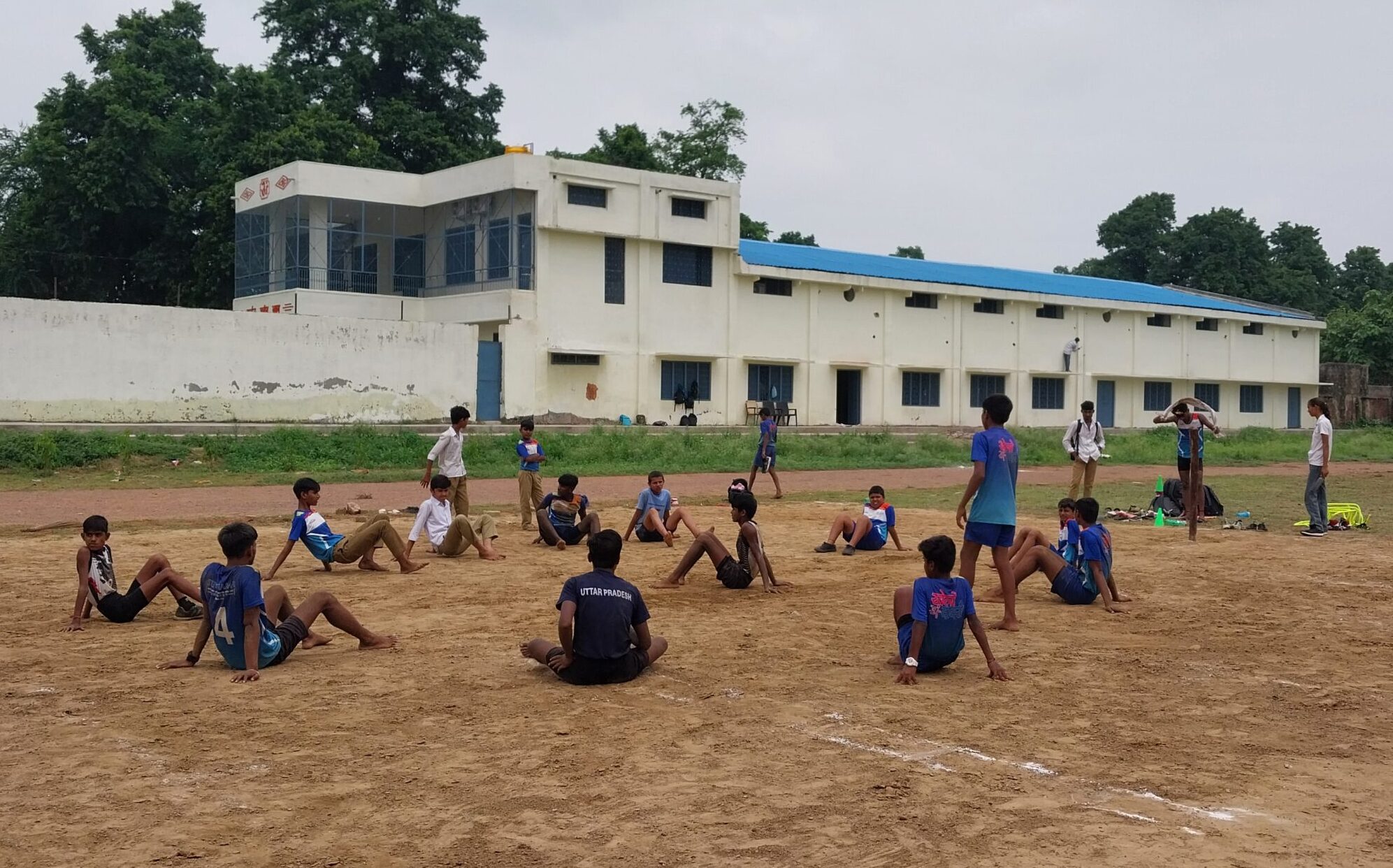
Reimagining Sports in CSR: From Tokenism to a Vehicle for Multiplying Impact
In 2023–24, Indian companies spent about ₹1,396 crore of their CSR budgets on sports — just 4% of the total ₹34,909 crore Indian corporates spent on CSR that year. Most of the rest went to edu..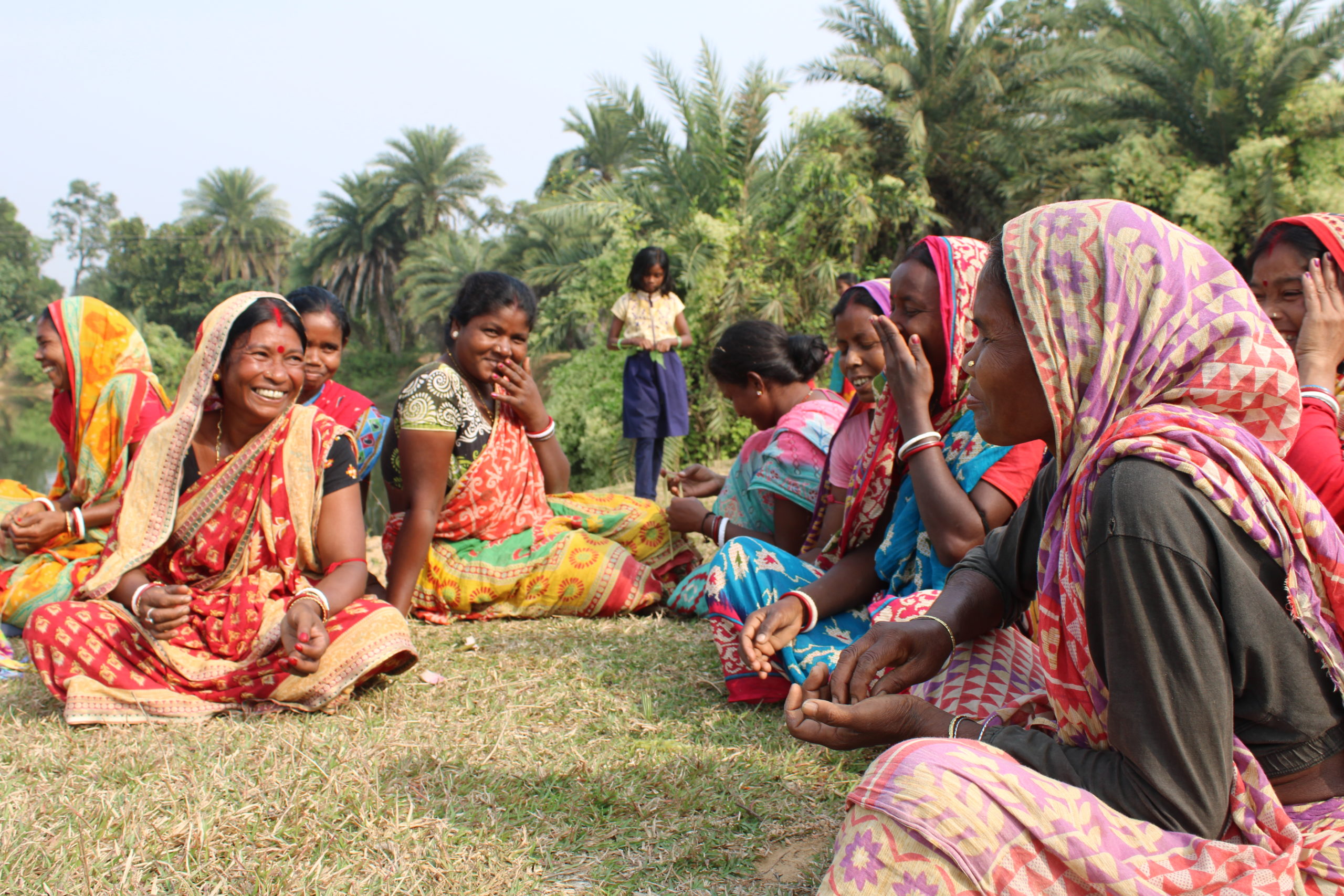
Interactive SHG Map of India: 7.5 million Women Self Help Groups are spread across 27 States and 6 UTs in India
Under the National Rural Livelihood Mission (NRLM), India has 7.5 million Women Self Help Groups (SHGs) spread across 27 states and 6 Union Territories. Each of these small, self-governed, and peer-co..