
Recent Developments,
Key Innovations, and
Insightful Reports
Your One Stop Platform for Regular Sector Updates
Sector news
View By Category
Categories
- See all
- Agriculture
- Clean Cookstoves
- Clean Energy
- Climate Action
- Digital Technology
- Education
- Financial Services
- General
- Healthcare
- Hygiene
- Impact Investment
- Inclusive Value Chains
- Livelihoods
- Livestock
- Lower Income Consumers
- Marketing, Distribution and Sales for BoP
- Nutrition
- Sanitation
- Water
- Women Empowerment


August 8, 2012
Microfinance offers lifeline to the poor
While a number of companies are queuing up in search of business opportunities post the instating of a reformist government in Myanmar, Myanmar is still desperately short of banks and other financial service providers. Microfinance initiatives, which provide small, low-cost loans to the poor are seen by experts as a […]
August 8, 2012
The Indian microfinance, reconsidered
This post lists eight facts and predictions from the ground that are little known about the Indian microfinance sector, by Alex Counts, CEO and President of Grameen Foundation. Read more here.
August 8, 2012
Credit methodology: Anazna, a new model in microfinance
A new project launched by Accion seeks to decrease operating costs and increase disbursement speed by better analysing client risk. Avanza, a new service developed by Accion, seeks to increase the efficiency of MFIs by managing microfinance portfolios on behalf of banks and microfinance institutions. Read more here.
August 8, 2012
Philippines: Life insurance premiums hit P50 billion in 6 months
Philippines’ life insurance industry has reported total premium income of P50 billion in the first six months of 2012. Read more here.
August 8, 2012
SmartAid for Microfinance Index 2013: Submission Guide
This Submission Guide leads funders participating in the SmartAid for Microfinance Index (SmartAid) through the submission process. It explains the rationale behind the indicators and describes what the SmartAid Review Board looks for when assigning scores. Read more here.
August 8, 2012
ADB, Macquarie, GSIS to invest in US$625 million Philippine fund
The Asian Development Bank, Philippine state pension fund Government Service Insurance System, Dutch pension asset manager Algemene Pensioen Groep NV and Macquarie Group Ltd. (MQG) will invest in a US$625 million-fund focused on infrastructure projects in the Southeast Asian nation. The private equity fund will focus on energy, power, water, environment, communication andpublic-private […]
August 8, 2012
Advisors learning the ropes of impact investing
Money managers and thought leaders recently convened at a full-day impact investing workshop, the third annual Innovative Alternative Strategies conference in Denver. Read about the important discussions here.
August 8, 2012
Morgan Stanley and other banks get serious about impact investing
A 2010 study by the Washington-based Social Investment Forum Foundation found that in the U.S., one of every eight dollars under professional management, or $3.07 trillion, was subject to “environmental or social criteria, policies or screens.” However, until very recently, most products of impact investment type were only offred out of […]
August 8, 2012
Social impact investing catches on in the US
Delinquents in the USA have been included in a rehabilitation programme funded by the Calvert Foundation through Central City Concern. The US$2.5 million in loans are packaged into bonds–really structured notes–that the foundation sells to individuals looking to invest in charitable causes. Read more here.
Get The Latest From The Social Sector In Your Inbox

Subscribe to our newsletter
View Our Publications
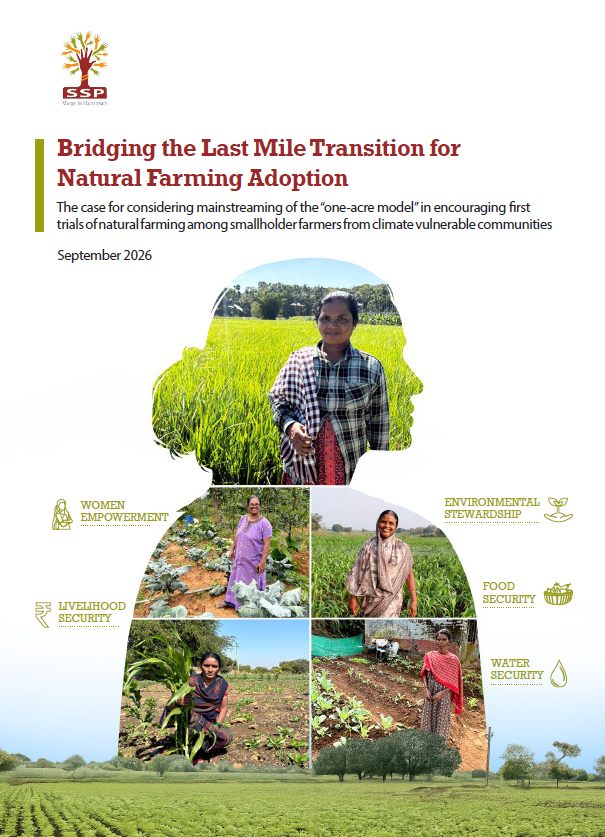
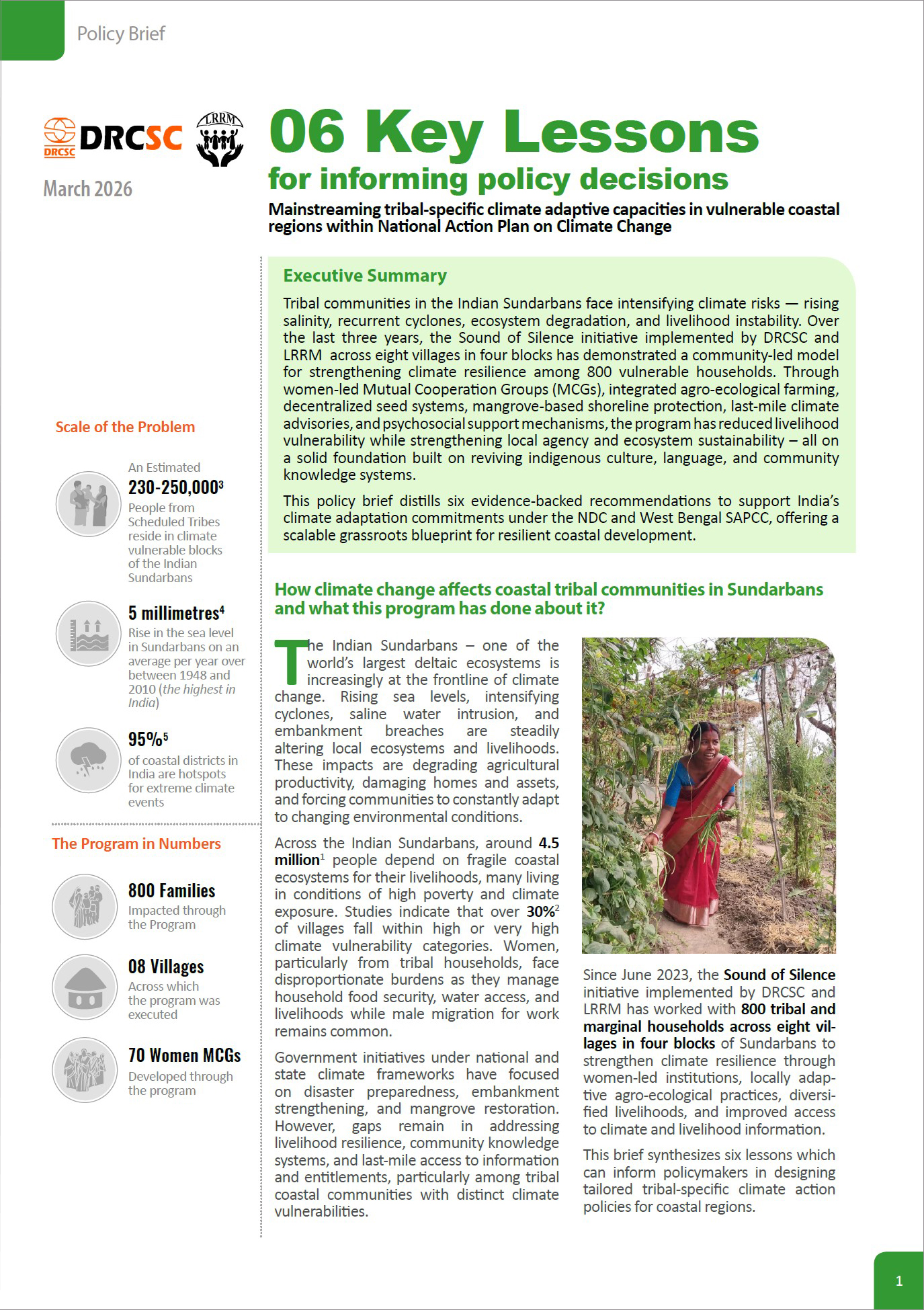
06 Key Lessons for informing policy decisions: Mainstreaming tribal-specific climate adaptive capacities in vulnerable coastal regions within National Action Plan on Climate Change
Download Full Report
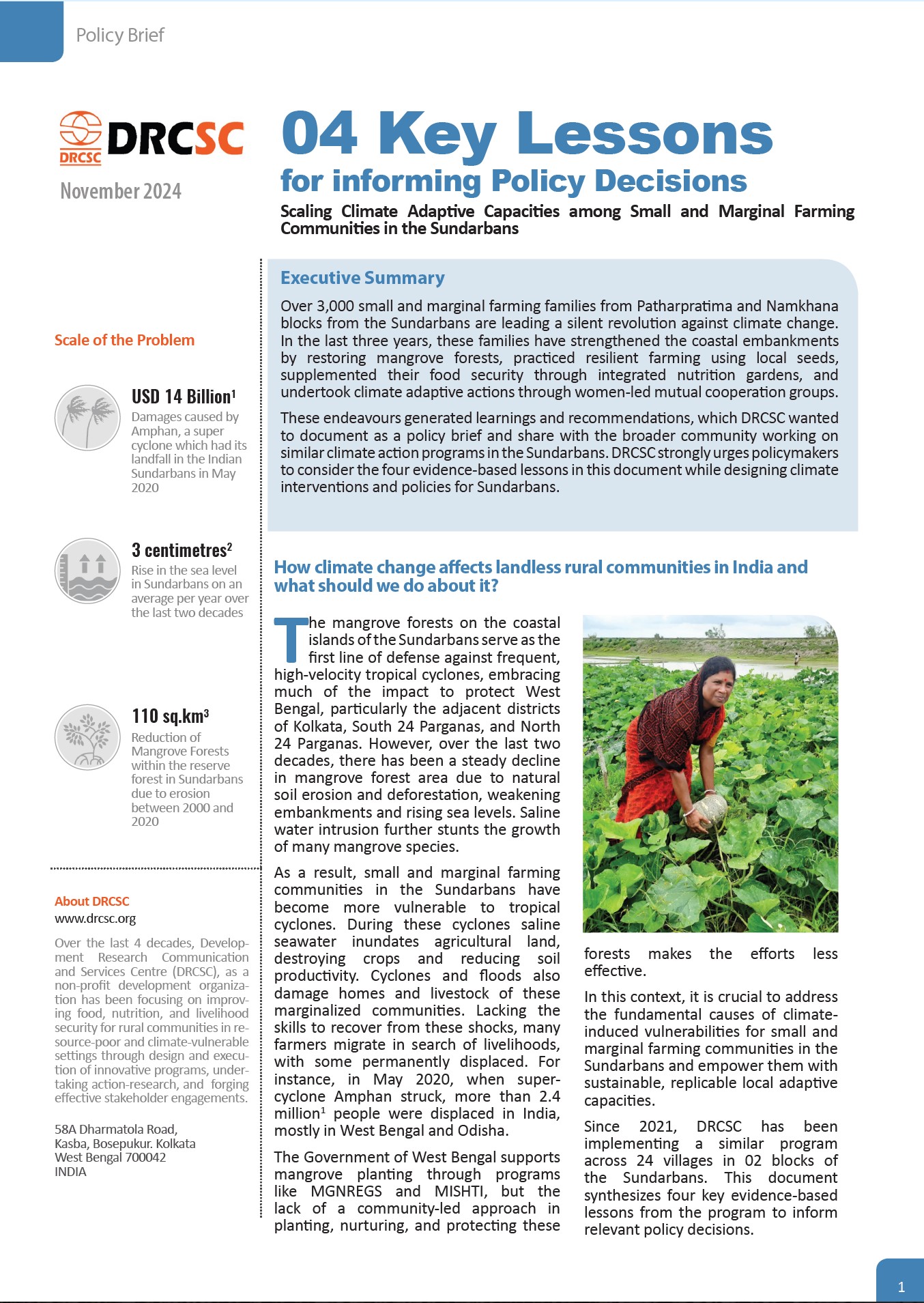
Four Key Lessons for Policy Consideration: Scaling Climate Adaptive Capacities among Small and Marginal Farming Communities in the Sundarbans
Download Full Report
View Blog Posts
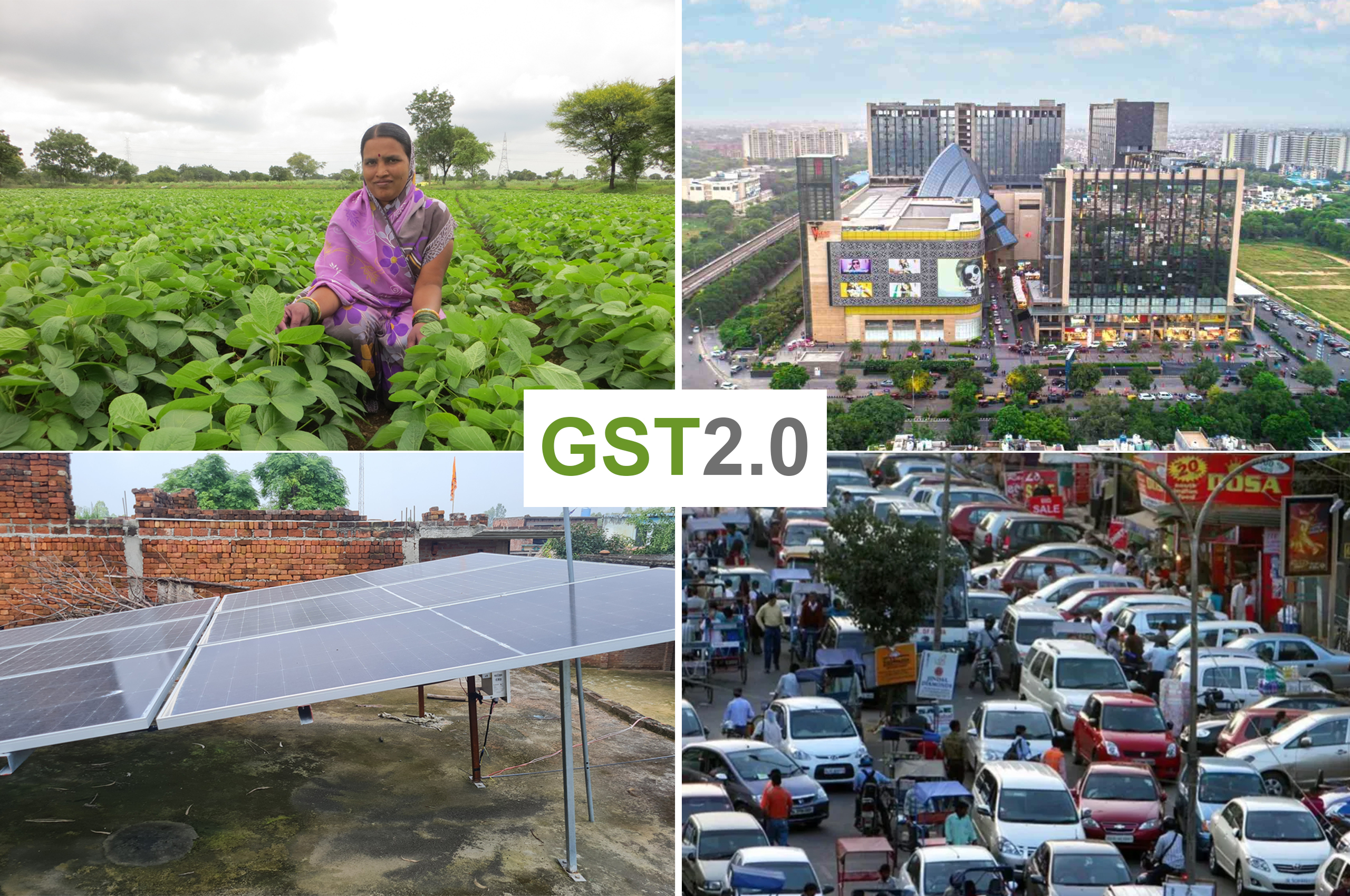
GST 2.0 and Tax Cuts: Can They Make Growth Fairer and Greener?
India's latest GST reform, being termed as GST 2.0, is more than just slashing rates. By simplifying the tax structure, cutting levies on essentials, and supporting renewable infrastructure, it's open..
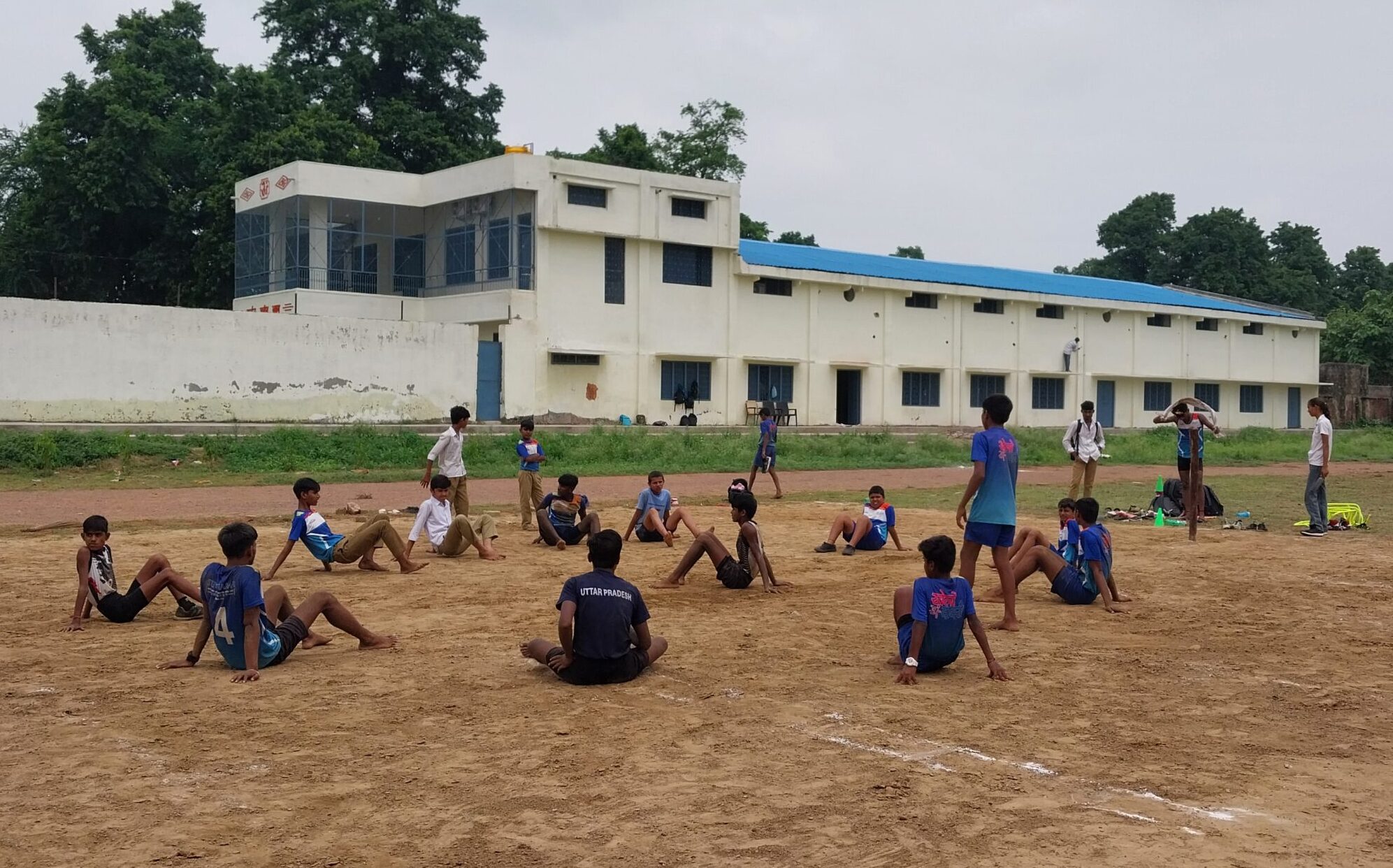
Reimagining Sports in CSR: From Tokenism to a Vehicle for Multiplying Impact
In 2023–24, Indian companies spent about ₹1,396 crore of their CSR budgets on sports — just 4% of the total ₹34,909 crore Indian corporates spent on CSR that year. Most of the rest went to edu..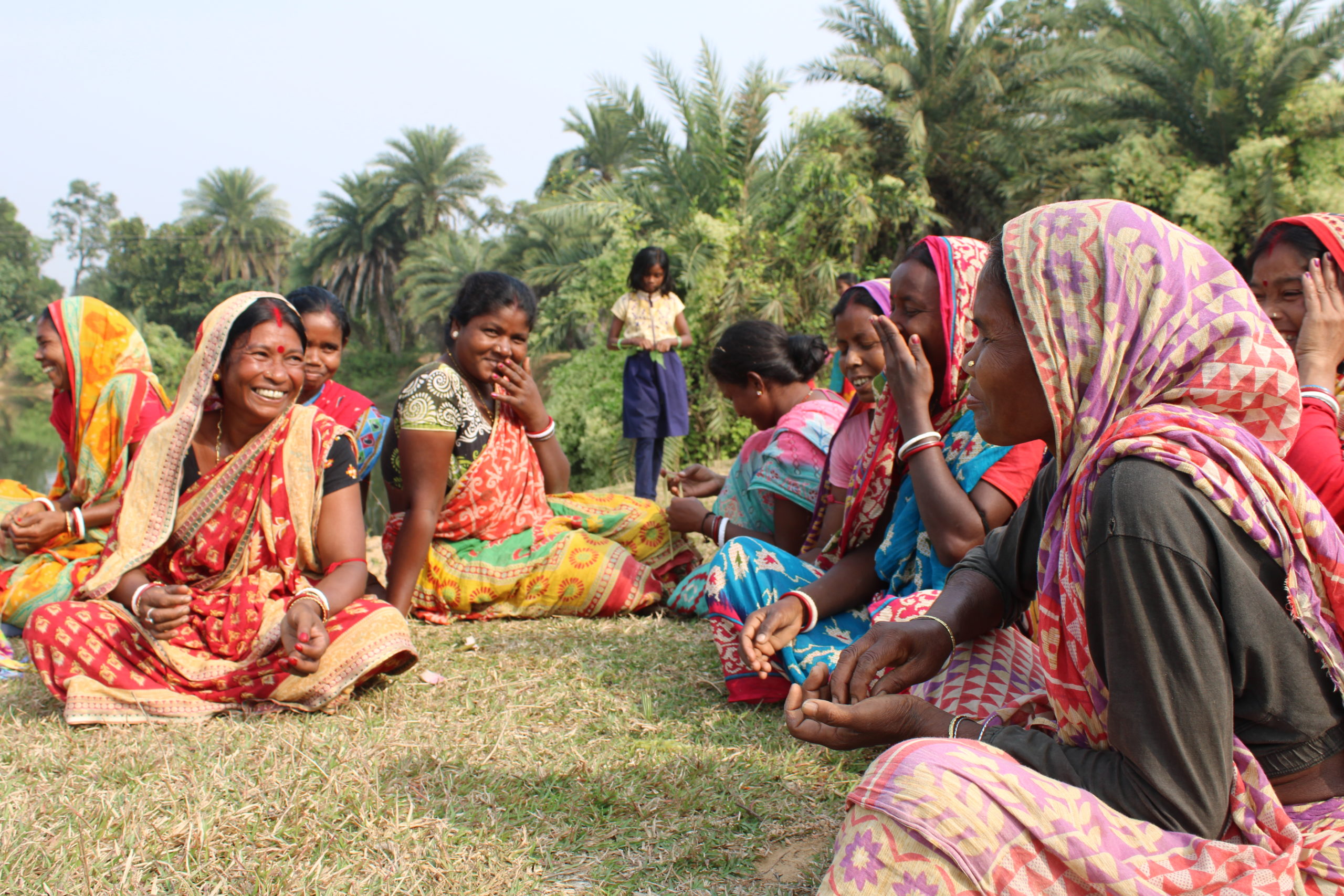
Interactive SHG Map of India: 7.5 million Women Self Help Groups are spread across 27 States and 6 UTs in India
Under the National Rural Livelihood Mission (NRLM), India has 7.5 million Women Self Help Groups (SHGs) spread across 27 states and 6 Union Territories. Each of these small, self-governed, and peer-co..