
Recent Developments,
Key Innovations, and
Insightful Reports
Your One Stop Platform for Regular Sector Updates
Sector news
View By Category
Categories
- See all
- Agriculture
- Clean Cookstoves
- Clean Energy
- Climate Action
- Digital Technology
- Education
- Financial Services
- General
- Healthcare
- Hygiene
- Impact Investment
- Inclusive Value Chains
- Livelihoods
- Livestock
- Lower Income Consumers
- Marketing, Distribution and Sales for BoP
- Nutrition
- Sanitation
- Water
- Women Empowerment


August 6, 2012
Democracy in development – Update on mobile technology in development
These are two-part blogs which talk about how mobile phones are enabling people in the developing world to access banking services and obtain life insurance, and how they also help NGOs extend resources and aid to those in need. Read them here and here.
August 6, 2012
India: Mobile banking transactions rise five-fold
According to the Central Bank of India, the RBI, banking through mobiles increased five-fold to ` 11.406 billion between January and May compared with the same period a year ago. Read more here.
August 6, 2012
Uganda: 43 per cent of people use mobile money transfers
According to a research by the US-based research group Gallup Inc., called “Payments and Money Transfer Behavior of Sub-Saharan Africans”, Uganda is second to Kenya in the number of people that use mobile money transactions compared to other money transfer modes in sub-Saharan Africa. Read more here.
August 6, 2012
Mobile payments on rise in Mekong region
Viet Nam was the ninth biggest beneficiary of remittances last year with $9 billion. At the two-day Greater Mekong Mobile Payments and Banking Summit, Than Trong Phuc, managing director of DFJ VinaCapital predicted that non-cash commerce will have great opportunity in the future, and aims to reduce cash payments to […]
August 6, 2012
Using Credit to Grow Savings: Results from a Mobile Pilot in Kenya
This report reviews Jipange KuSave (JKS), an innovative savings product delivered through the mobile channel in Kenya. It evaluates the hypothesis that financial services could be sold with little or no human contact. It also analyzes whether the project represented a good use of donor funding. Read it here.
August 6, 2012
Driving Change Through Technology: The Postbank Example
This case study describes how Postbank, Kenya, adopted new technology to move from using an antiquated passbook system to using cards and point of sale devices. It also highlights the internal cultural change that Postbank went through in the process. Postbank had to professionalize within while also facing increasing competition […]
August 6, 2012
Brazil signs rural internet agreement with Huawei
Brazil’s Communications Minister Paulo Bernardo, and Huawei do Brasil president Veni Shone, have signed a statement of commitment to develop new technology for the use of the 450 MHz frequency range. This will provide easier internet access to people in rural areas and small towns. Read more here.
August 6, 2012
Kenya: ICT Board loans Sh27 million for Pasha Centres
The Kenya ICT Board has loaned out Sh27.95 million to 26 entrepreneurs from different constituencies in Kenya in an effort to roll out electronic facilities named Pasha Centres which are hubs that provide a host of services to the public via internet-connected computers or other ICT-enabled applications at the grassroots […]
August 6, 2012
Vodacom Tanzania to focus on rural expansion
In Tanzania, while the mobile penetration is well over 80 per cent in urban areas, it is still about 25 per cent in rural areas. The new managing director of Vodacom in Tanzania plans to change this by expanding services to the rural areas. Read more here.
Get The Latest From The Social Sector In Your Inbox

Subscribe to our newsletter
View Our Publications
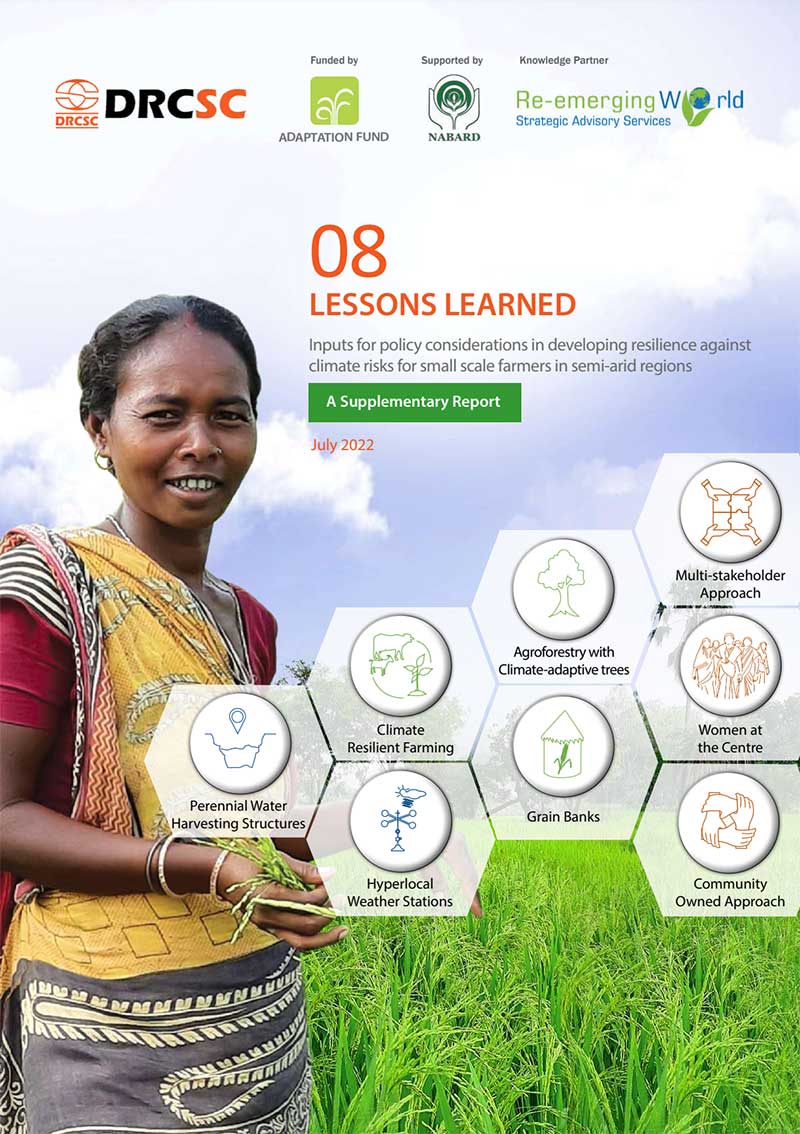
Eight Lessons Learned: Inputs for policy considerations in developing resilience against climate risks for small scale farmers in semi-arid regions, full report
Download Full Report
View Blog Posts
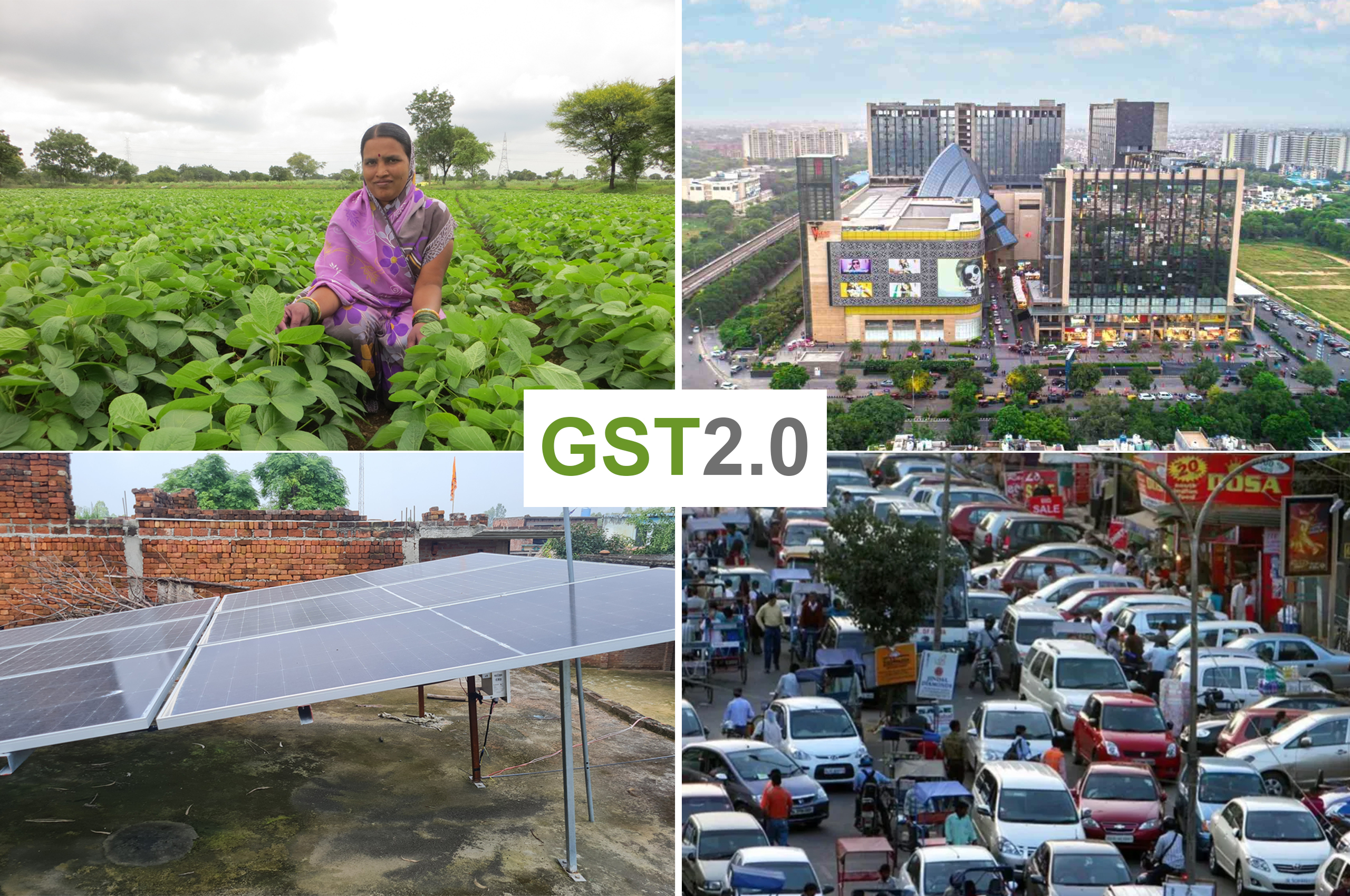
GST 2.0 and Tax Cuts: Can They Make Growth Fairer and Greener?
India's latest GST reform, being termed as GST 2.0, is more than just slashing rates. By simplifying the tax structure, cutting levies on essentials, and supporting renewable infrastructure, it's open..
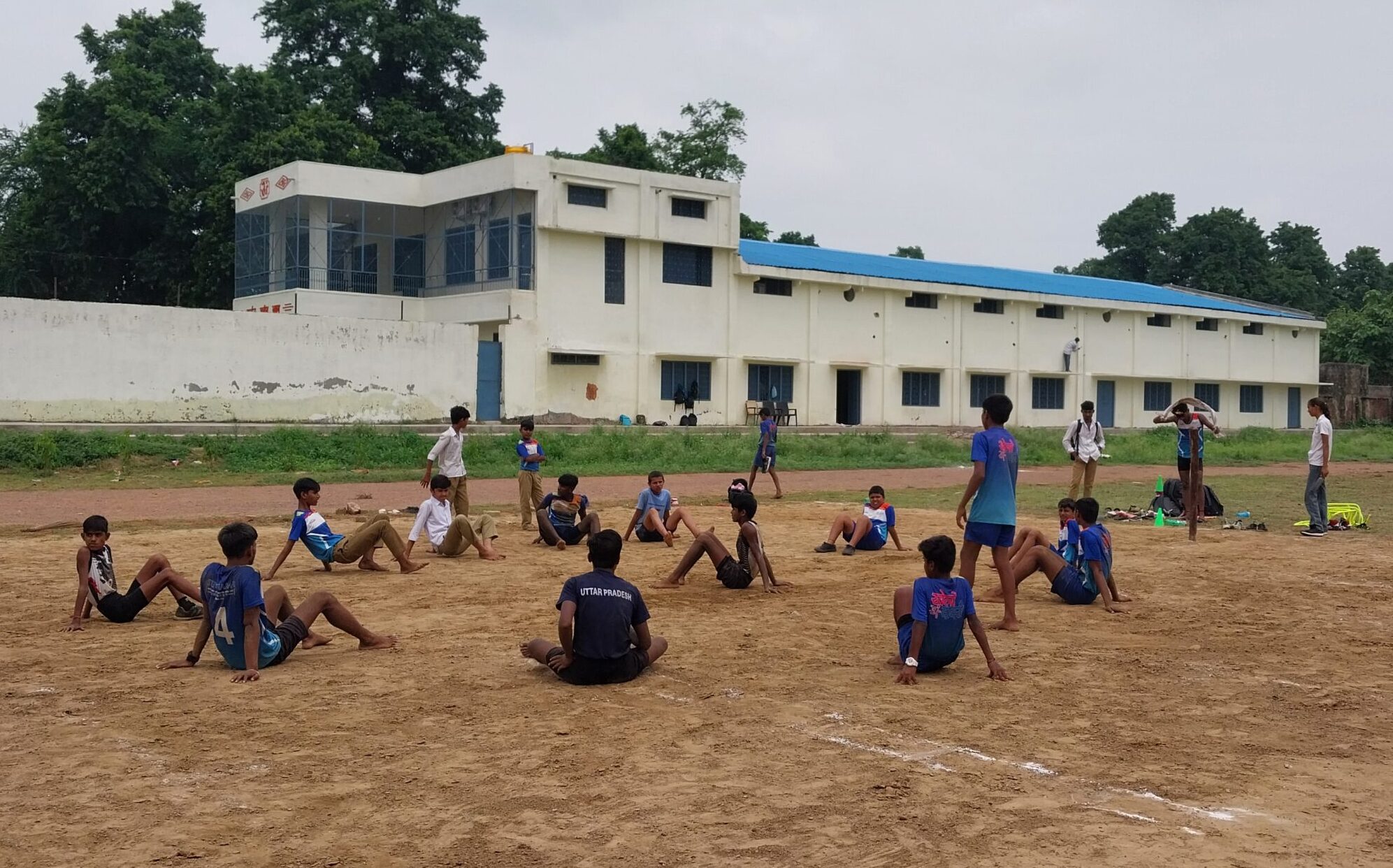
Reimagining Sports in CSR: From Tokenism to a Vehicle for Multiplying Impact
In 2023–24, Indian companies spent about ₹1,396 crore of their CSR budgets on sports — just 4% of the total ₹34,909 crore Indian corporates spent on CSR that year. Most of the rest went to edu..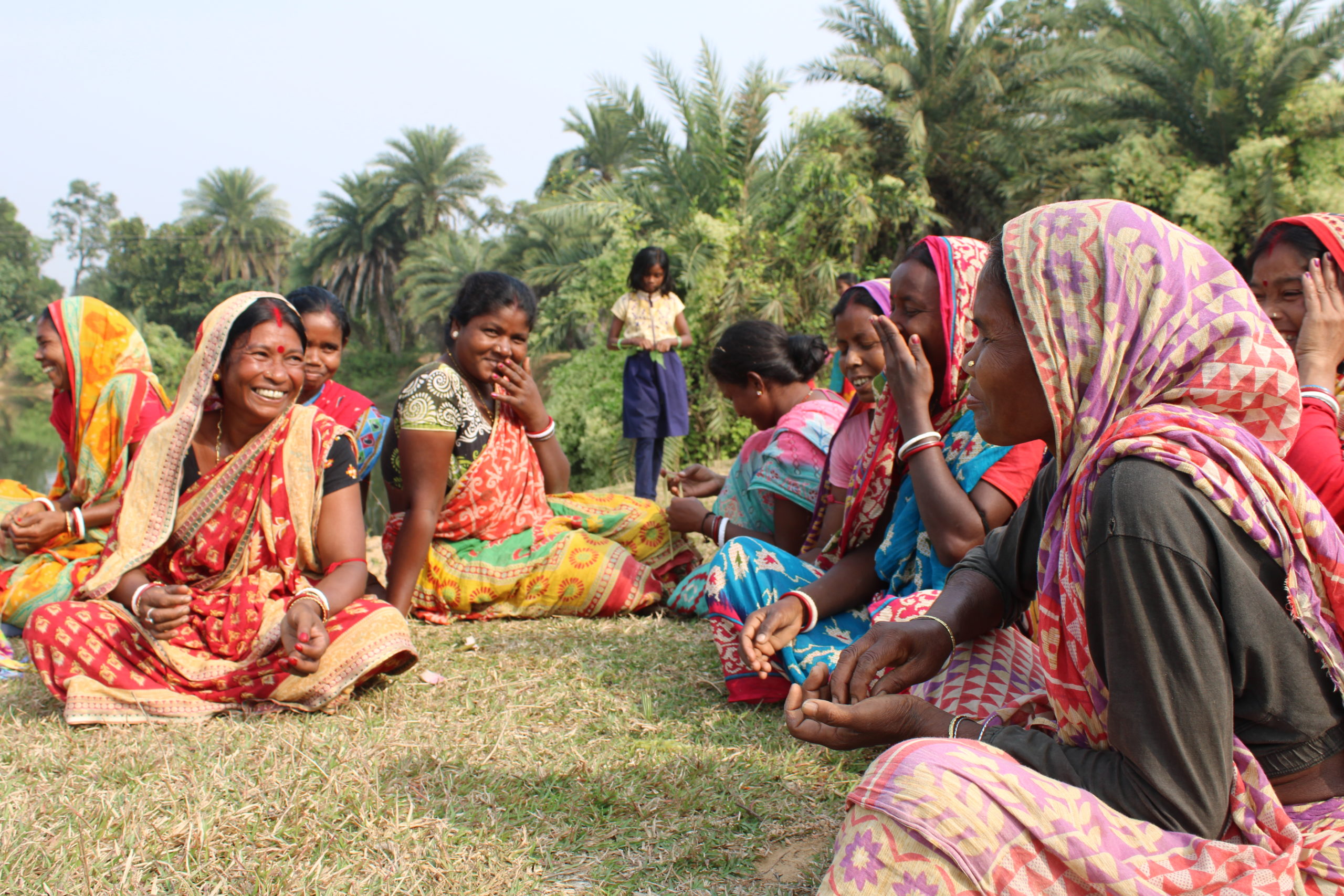
Interactive SHG Map of India: 7.5 million Women Self Help Groups are spread across 27 States and 6 UTs in India
Under the National Rural Livelihood Mission (NRLM), India has 7.5 million Women Self Help Groups (SHGs) spread across 27 states and 6 Union Territories. Each of these small, self-governed, and peer-co..