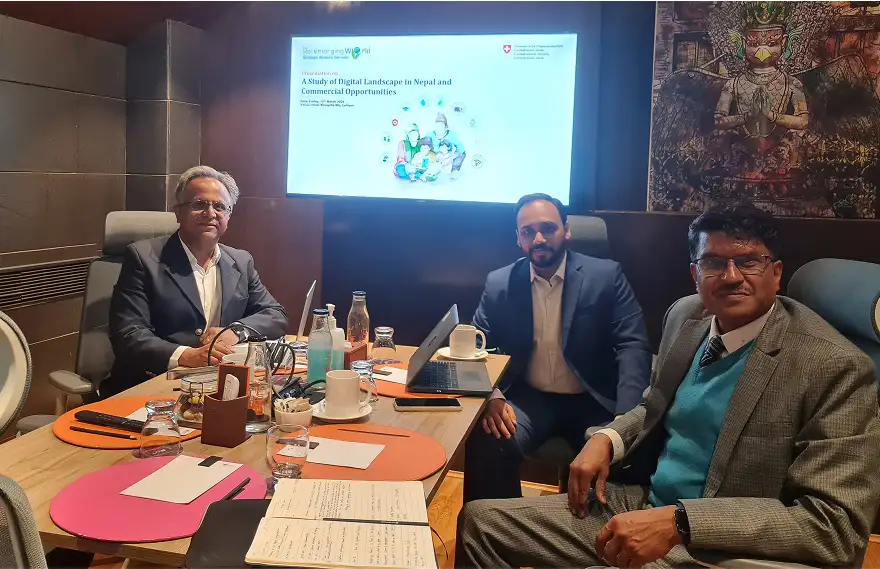

Recent Developments,
Key Innovations, and
Insightful Reports
Your One Stop Platform for Regular Sector Updates
Sector news
View By Category
Categories
- See all
- Agriculture
- Clean Cookstoves
- Clean Energy
- Climate Action
- Digital Technology
- Education
- Financial Services
- General
- Healthcare
- Hygiene
- Impact Investment
- Inclusive Value Chains
- Livelihoods
- Livestock
- Lower Income Consumers
- Marketing, Distribution and Sales for BoP
- Nutrition
- Sanitation
- Water
- Women Empowerment


August 2, 2012
Orange Money and MFS Africa launch international money transfer to Madagascar
Orange Madagascar and MFS Africa recently announced the launch of the online money transfer service Orange Money Transfer International, whereby Orange customers in Madagascar can receive international remittances directly to their Orange Money accounts. Read more here.
August 2, 2012
Can mobile payments reduce corruption and help workers in the developing world?
The significance of mobile money lies in the fact that it cuts out spurious actions by intermediaries and middlemen who end up deducting large parts of incomes from the end receivers. However, several cases from Afghanistan show that it is indeed not a water-tight condition. Read more here.
August 2, 2012
RBI: Mobile banking has failed to take off in India
RBI – Reserve Bank of India (the Central Bank of India), mobile banking has failed take-off in India and hence has called upon banks and mobile companies to work together for the benefit of their customers. Read more here.
August 2, 2012
Mobile banking trends in South Africa
According to the Mobility 2012 study, released by research firm World Wide Worx shows that while most cellphone banking is still conducted via text messages, more than a third of customers of these services are now also using phone browsers for their banking. Read more about the findings here.
August 2, 2012
Insights from a Nairobi slum
Ethan Zuckerman, the director of MIT’s Centre for Civic Media travelled to Baba Dogo slum in Nairobi with a preconceived set of notions about the electricity needs of the people there. The realities surprised him – electricity was already available, and people chose to charge their cell phones for a […]
August 2, 2012
Bottom of the Pyramid’ concept in India
This post talks about the scenario of product markets in India. The markets are in innovative and by themselves, in keeping with C. K. Prahalad’s Base of the Pyramid concept. For example, cell phone SIM cards are as cheap as US$ .20, including talktime and income calls. Read more here.
August 2, 2012
Mobile technology boosts water security for the poor
This post gives an outline of the ways in which mobile phone technology, available to 6 billion people (going by the number of mobile subscriptions), out of which 5 billion are from developing countries, can be used to ensure access to clean water and sanitation. Activities like supply mapping, smart-card […]
August 2, 2012
India net basics
According to the Asia Pacific Digital Marketing Yearbook, more than a quarter of active Internet users in India are in rural areas, less than a fifth of internet users are women, and job search is more popular than social networking. Read more here.
August 2, 2012
Asia Pacific Digital Marketing Yearbook 2012
This report gives an overview of internet penetration and effectiveness of internet marketing for marketers in the Asia Pacific region. Read it here.
Get The Latest From The Social Sector In Your Inbox

Subscribe to our newsletter
View Our Publications
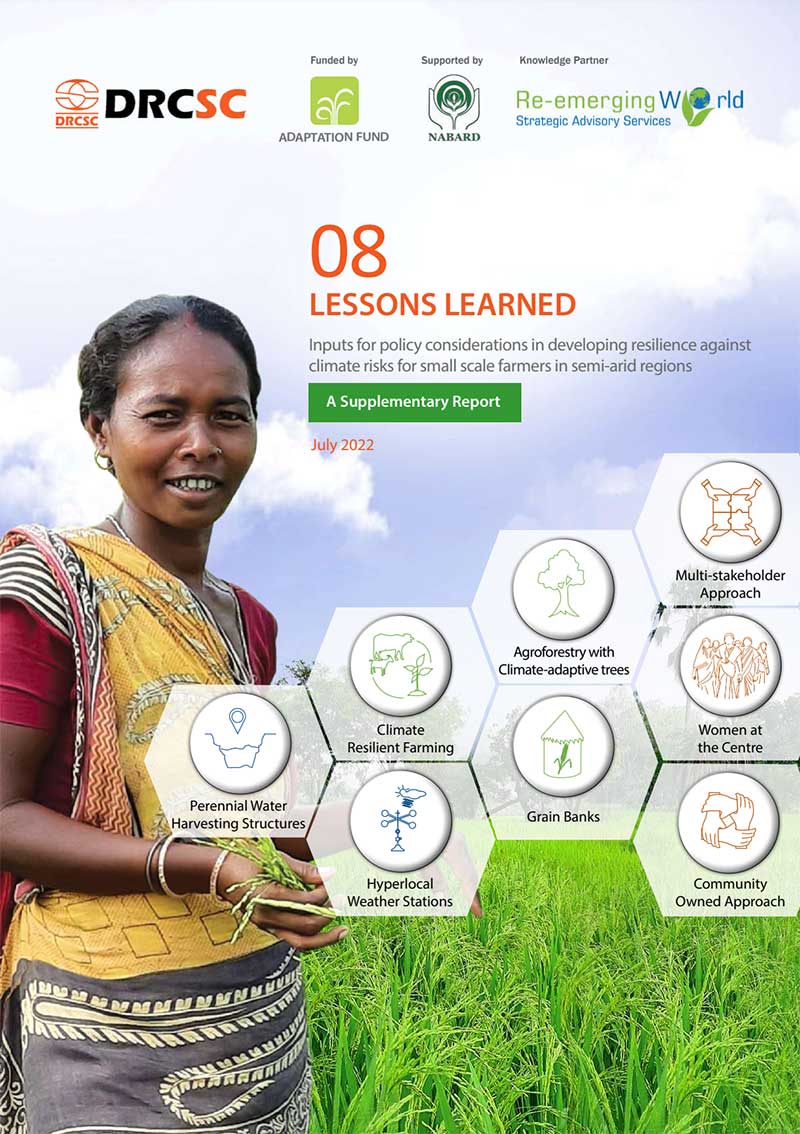
Eight Lessons Learned: Inputs for policy considerations in developing resilience against climate risks for small scale farmers in semi-arid regions, full report
Download Full Report
View Blog Posts
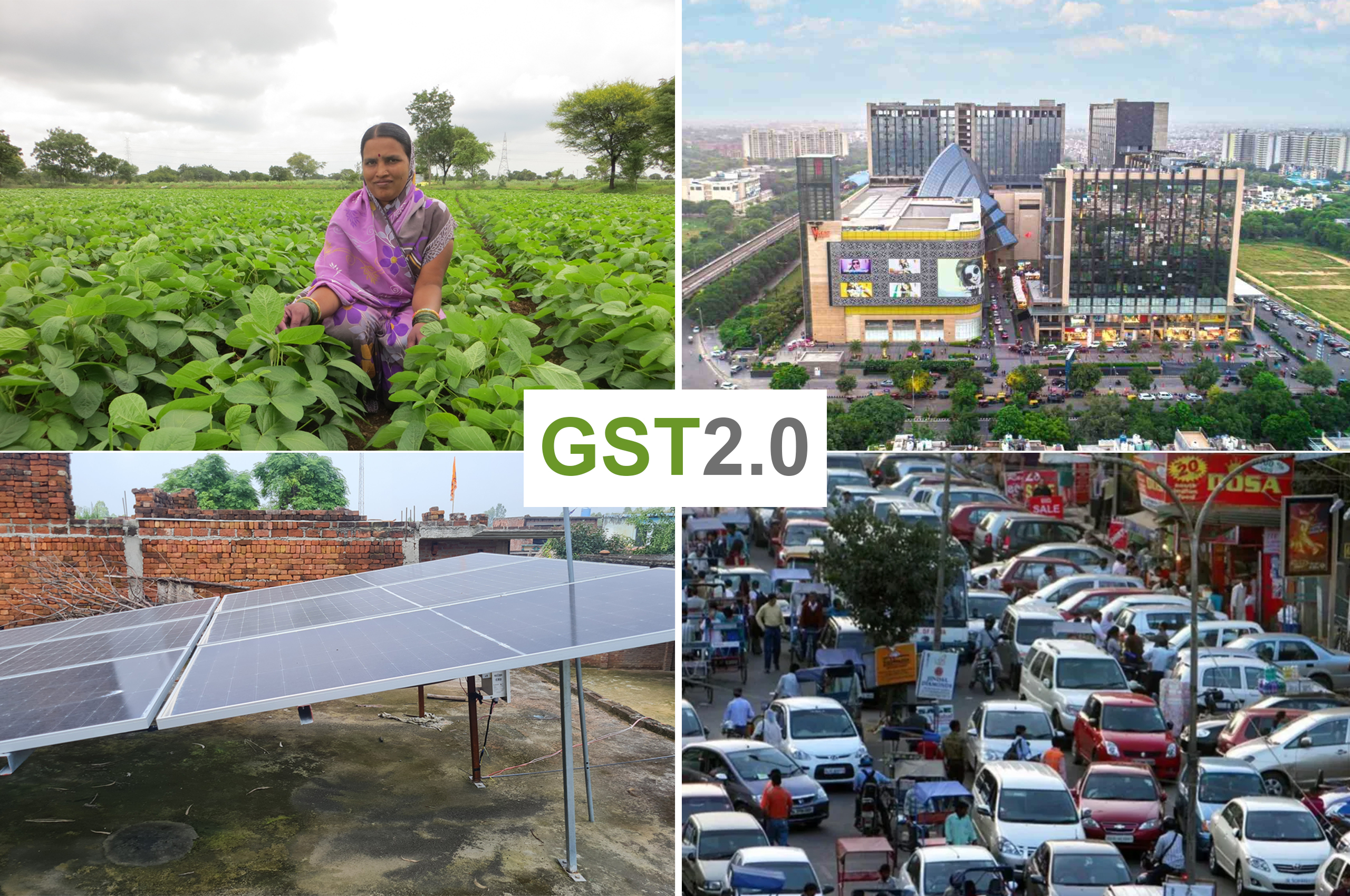
GST 2.0 and Tax Cuts: Can They Make Growth Fairer and Greener?
India's latest GST reform, being termed as GST 2.0, is more than just slashing rates. By simplifying the tax structure, cutting levies on essentials, and supporting renewable infrastructure, it's open..
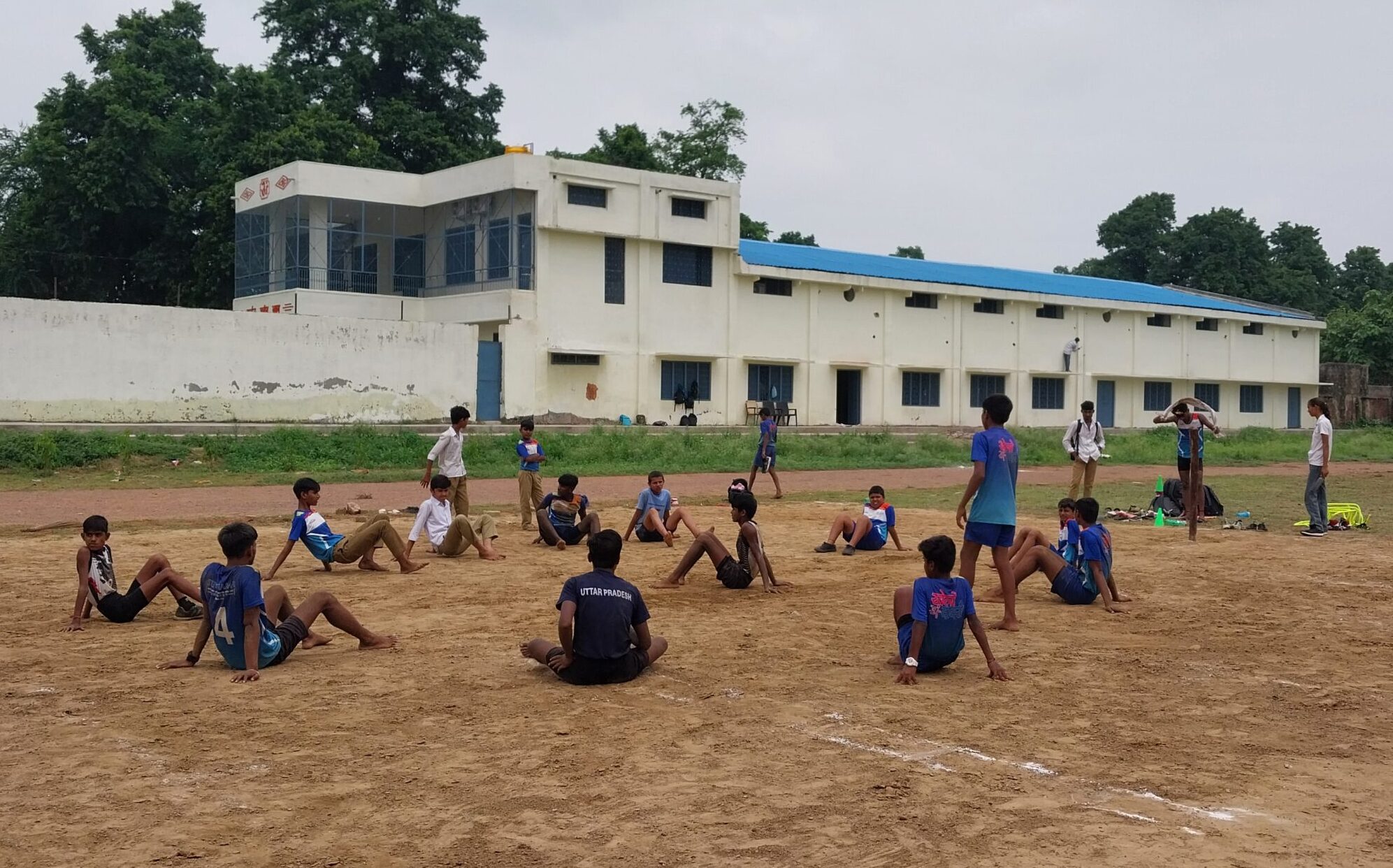
Reimagining Sports in CSR: From Tokenism to a Vehicle for Multiplying Impact
In 2023–24, Indian companies spent about ₹1,396 crore of their CSR budgets on sports — just 4% of the total ₹34,909 crore Indian corporates spent on CSR that year. Most of the rest went to edu..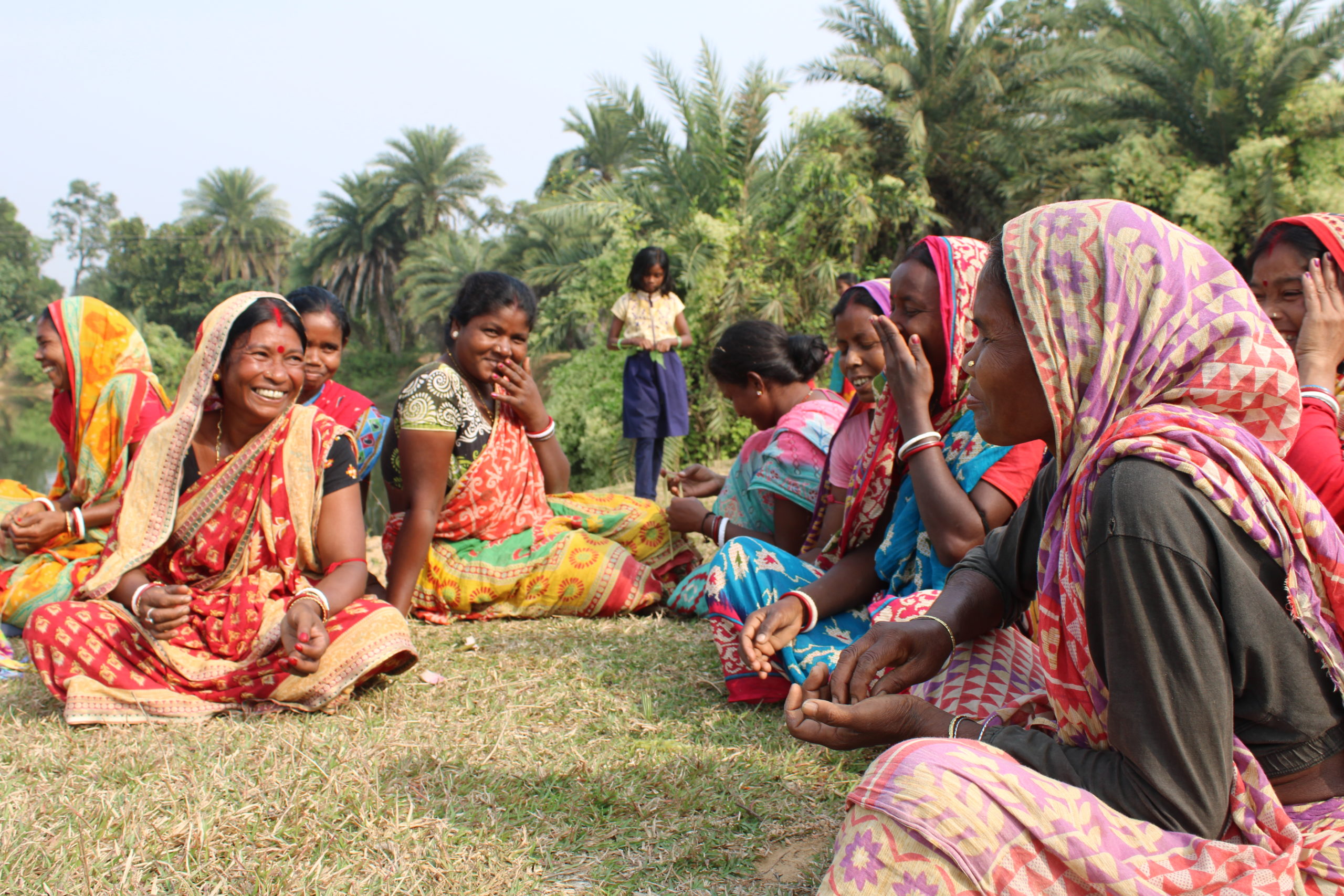
Interactive SHG Map of India: 7.5 million Women Self Help Groups are spread across 27 States and 6 UTs in India
Under the National Rural Livelihood Mission (NRLM), India has 7.5 million Women Self Help Groups (SHGs) spread across 27 states and 6 Union Territories. Each of these small, self-governed, and peer-co..