
Recent Developments,
Key Innovations, and
Insightful Reports
Your One Stop Platform for Regular Sector Updates
Sector news
View By Category
Categories
- See all
- Agriculture
- Clean Cookstoves
- Clean Energy
- Climate Action
- Digital Technology
- Education
- Financial Services
- General
- Healthcare
- Hygiene
- Impact Investment
- Inclusive Value Chains
- Livelihoods
- Livestock
- Lower Income Consumers
- Marketing, Distribution and Sales for BoP
- Nutrition
- Sanitation
- Water
- Women Empowerment


August 2, 2012
India’s mid-summer nightmare
Monsoons are the life-blood of Asia’s third-largest economy, considering the number of small scale farmers practising agriculture here, and the proportion they form of the total population. This year, a 21 per cent deficiency in the rains has caused alarm. The monsoon, which acts as a strong check on inflation, […]
August 2, 2012
Flood tolerant paddy farming popular in Bangladesh
The cultivation of flood-tolerant variety paddies has already become popular among the farmers after repeated successes they achieved in recent years ushering in a new era in the country’s agriculture sector and food security. Over 1.4 million farmers would be practising this over 162,000 hectares of land. Read more here.
August 2, 2012
Tanzania: Experts tout for PPPs in agriculture
According to the principal economist in the Ministry of Agriculture Food Security and Cooperatives at the Comprehensive Africa Agriculture Development Programme (CAADP), insufficient involvement of the private sector in agricultural development is a reason for slow pace in transformation of the sector into commercial farming as the mainstay of economic […]
August 2, 2012
Africa: Bamboo farming takes pressure off Kenya’s forests
Internally Displaced People (IDPs) in Africa find it a challenge to obtain food as a result of losing their lands (in Kenyan forests), and had to rely on relief food for a long time. Now the stress that was caused on Kenyan forests is being reduced as they take up […]
August 2, 2012
Vietnam: Investment in agricultural sector still low
According to experts, only 55-60 per cent of the agricultural sector has met its investment needs, and if a new policy for the industry is not drawn up by the Government, the sector could be taken over by foreign companies. Although agricultural exports have recorded steady growth over the years, […]
August 2, 2012
Bangladesh pins its hope on Blue-Green Revolution
Bangladesh hopes to achieve self-sufficiency in food production by 2050, with an ambitious scheme called the Blue-Green Revolution. It will achieve the goal of sustaining its rising population by adoption rice-fish farming. Read more here.
August 2, 2012
World Bank prepared to respond to food price volatility
Drought-like conditions are widepread in the world at present, significantly bringing down the total food produced this season, even in the US, as well as in India and Africa. In view of consequence rising food prices, the World Bank and its partners are monitoring the situation closely in order to […]
August 2, 2012
Taking the heat out of farming
How can smallholder farmers participate and benefit from the growing carbon market? A new report by the World Agrofrestry Center (ICRAF) shows through a SMART-CDM approach a project called Taking the Heat Out of Farming whereby through cooperation with livelihood programmes, smallholder farmers work together to implement 40 possible activities […]
August 2, 2012
The Maya Initiative
The Maya Declaration is the first global and measurable set of commitments, spearheaded by developing and emerging country governments, to unlock the economic and social potential of the 2.5 billion poorest people through greater financial inclusion. Read more here.
Get The Latest From The Social Sector In Your Inbox

Subscribe to our newsletter
View Our Publications
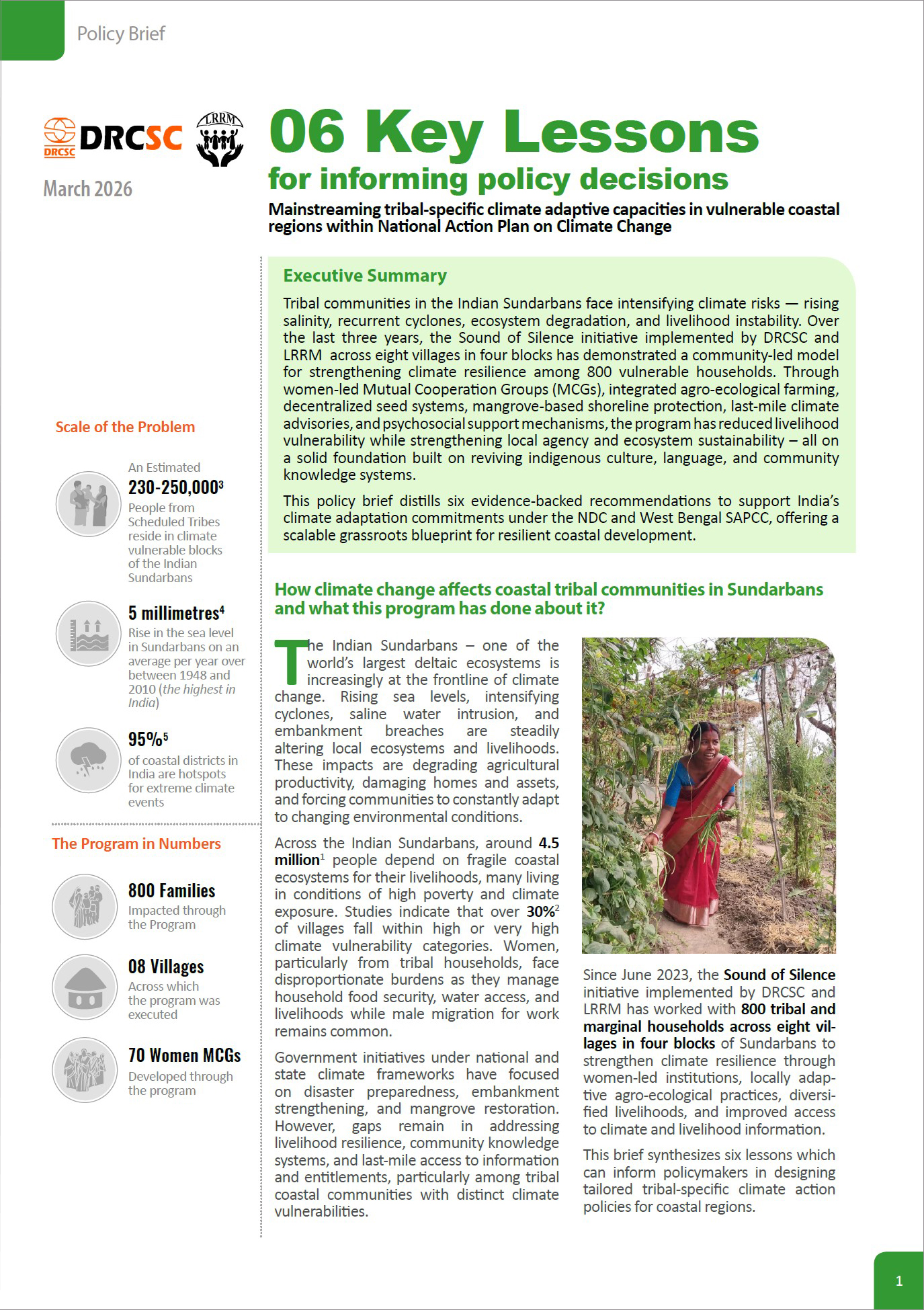
06 Key Lessons for informing policy decisions: Mainstreaming tribal-specific climate adaptive capacities in vulnerable coastal regions within National Action Plan on Climate Change
Download Full Report
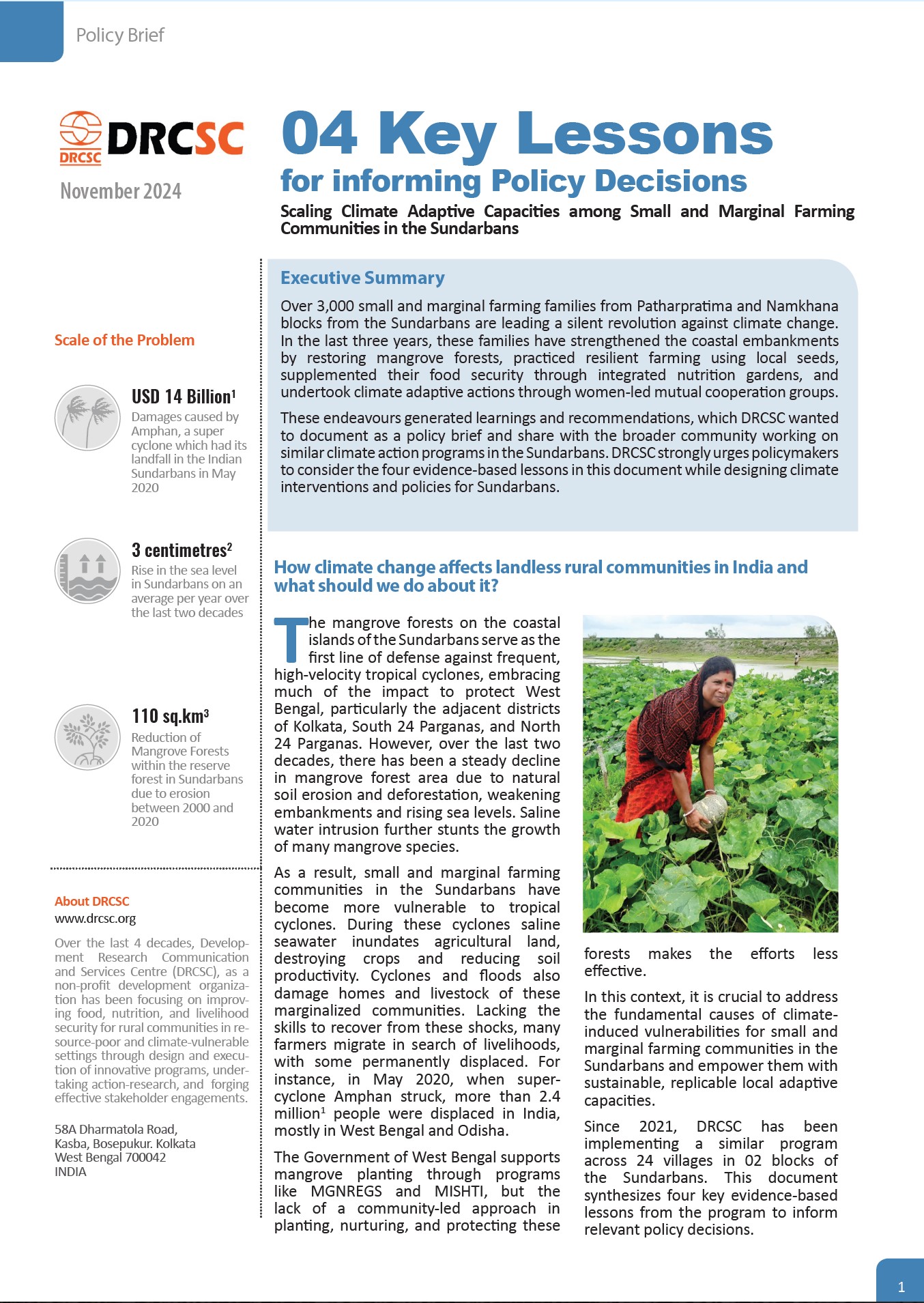
Four Key Lessons for Policy Consideration: Scaling Climate Adaptive Capacities among Small and Marginal Farming Communities in the Sundarbans
Download Full Report
View Blog Posts
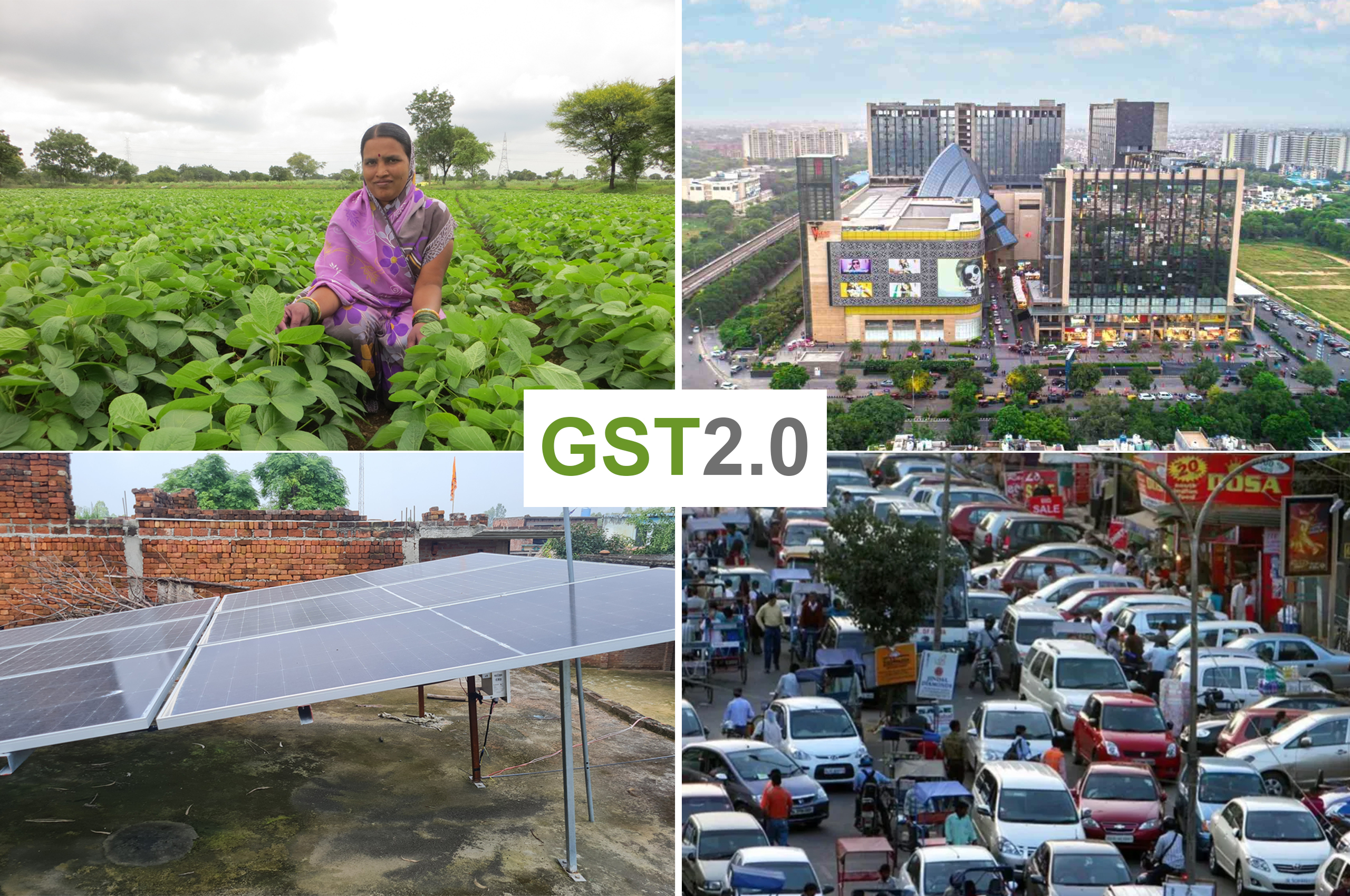
GST 2.0 and Tax Cuts: Can They Make Growth Fairer and Greener?
India's latest GST reform, being termed as GST 2.0, is more than just slashing rates. By simplifying the tax structure, cutting levies on essentials, and supporting renewable infrastructure, it's open..
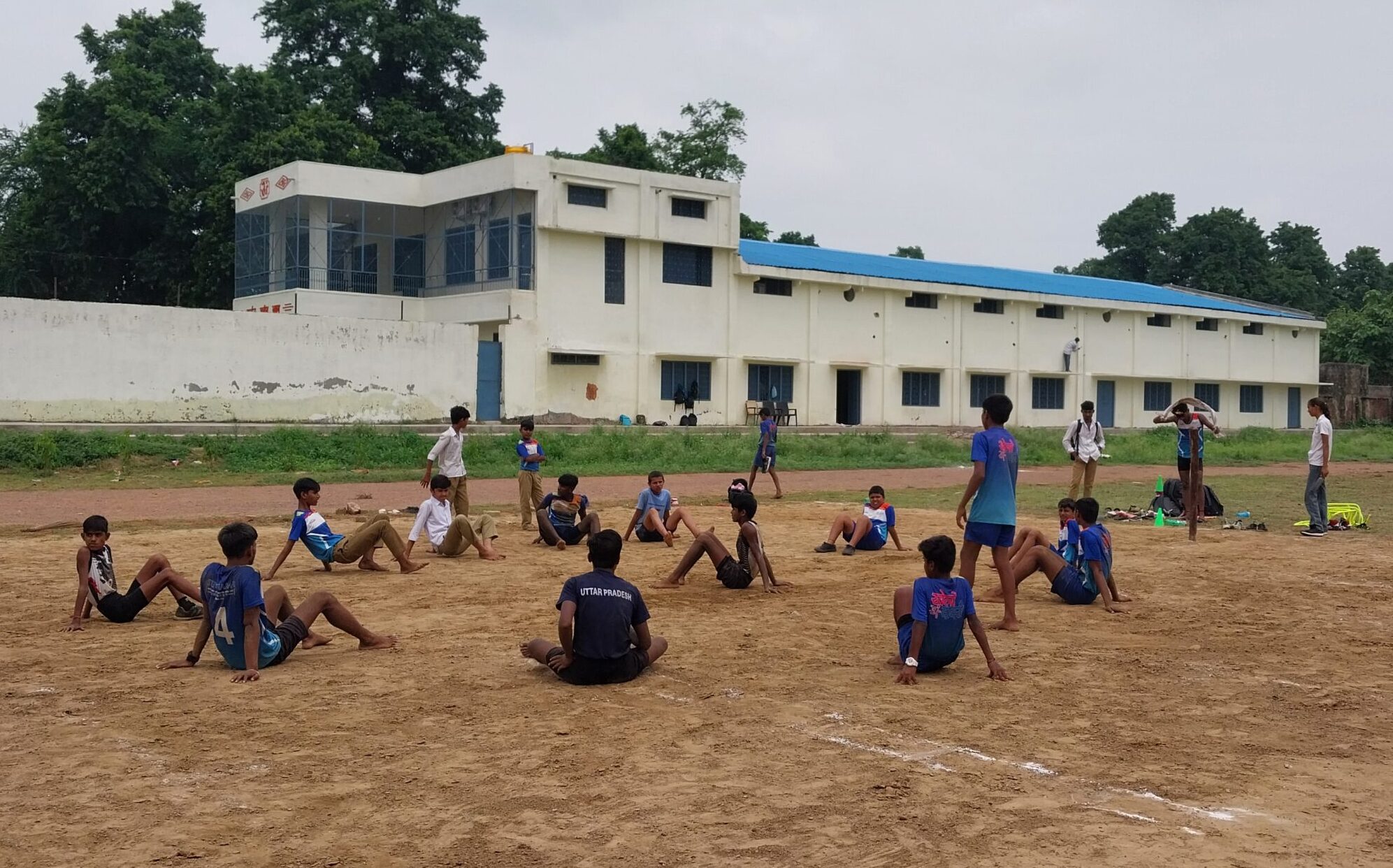
Reimagining Sports in CSR: From Tokenism to a Vehicle for Multiplying Impact
In 2023–24, Indian companies spent about ₹1,396 crore of their CSR budgets on sports — just 4% of the total ₹34,909 crore Indian corporates spent on CSR that year. Most of the rest went to edu..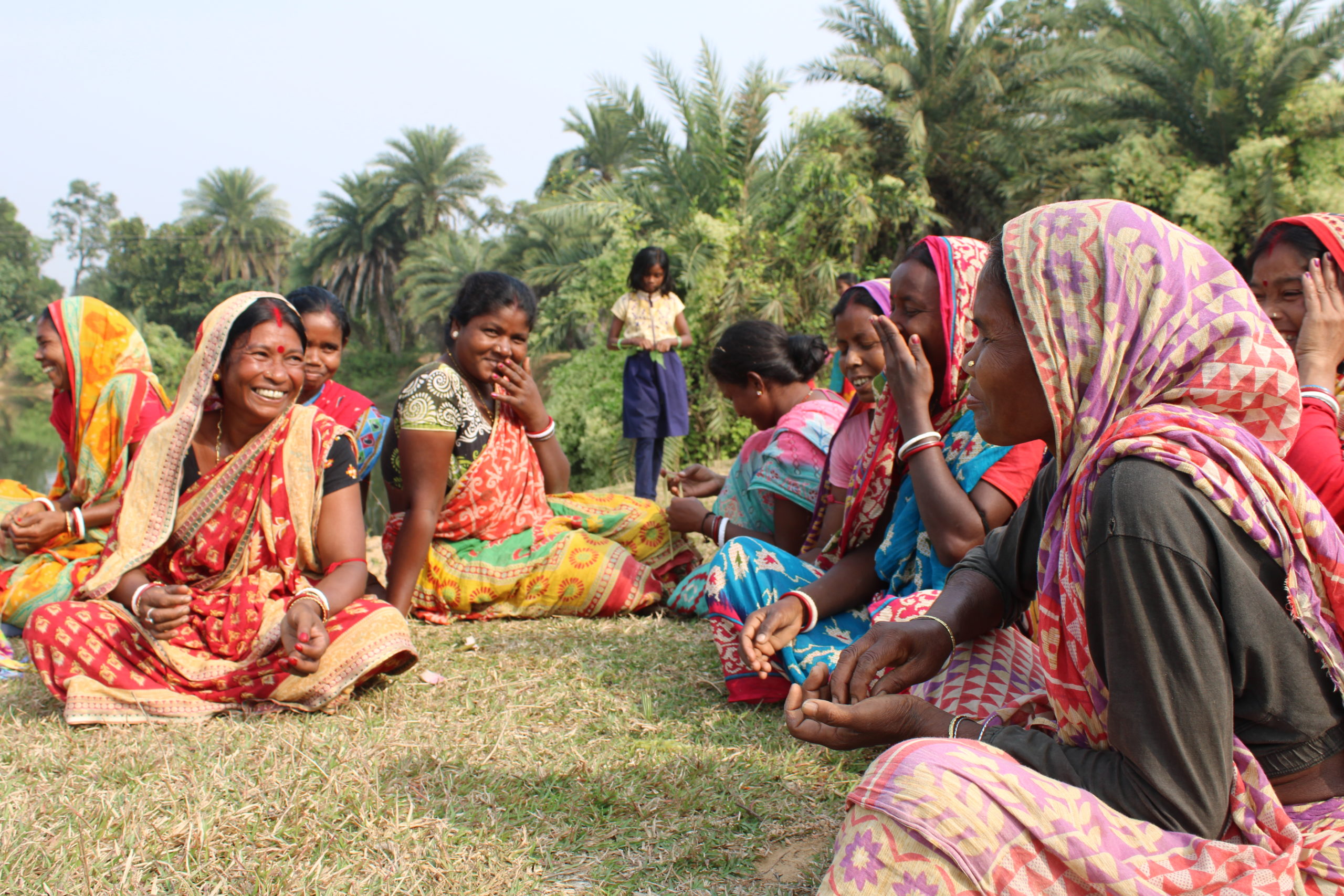
Interactive SHG Map of India: 7.5 million Women Self Help Groups are spread across 27 States and 6 UTs in India
Under the National Rural Livelihood Mission (NRLM), India has 7.5 million Women Self Help Groups (SHGs) spread across 27 states and 6 Union Territories. Each of these small, self-governed, and peer-co..