
Recent Developments,
Key Innovations, and
Insightful Reports
Your One Stop Platform for Regular Sector Updates
Sector news
View By Category
Categories
- See all
- Agriculture
- Clean Cookstoves
- Clean Energy
- Climate Action
- Digital Technology
- Education
- Financial Services
- General
- Healthcare
- Hygiene
- Impact Investment
- Inclusive Value Chains
- Livelihoods
- Livestock
- Lower Income Consumers
- Marketing, Distribution and Sales for BoP
- Nutrition
- Sanitation
- Water
- Women Empowerment


July 24, 2012
Why clean cookstoves are a good investment
The developed world consumes much more energy than the developing world – the average annual per capita CO2 emissions of a Ugandan is 0.1 metric tonnes – 0.6 per cent of that of a US citizen’s 18 metric tonnes. However, that does not mean that attempting to reduce the emissions there […]
July 24, 2012
Vietnam: Vocational Training needs a push
Students in Vietnam prefer to repeat their exams in case they fail, and have not even considered taking a vocational training course that might teach them valuable skills. Out of 50 odd students, only 2 said that they might consider it as an option. This is hurting vocational training schools […]
July 24, 2012
India: School on wheels launched in Delhi for slum children
The international non-governmental organisation Save the Children recently launched a mobile learning centre for slum children called the ‘school-on-wheels’ in Delhi. According to the NGO, the mobile centre aims to reach a total of 2,000 street and slum children, aged between three and 14 years, in a span of two […]
July 24, 2012
UK-funded private schools to open across Africa and Asia
Global media and education services company Pearson is to invest £10 million in the creation of a network of private schools across Africa and Asia. The Pearson group, which owns Financial Times and Penguin Books, aim to make education affordable to poor children through this move. Read more here.
July 24, 2012
Criticisms of the Pearsons approach to capitalise on education in developing countries
There has been a bevy of negative reaction to the much publicized move by the British education services company Pearson to open schools across Africa and Asia. The original piece in Guardian contained excerpts that raised questions about the motive behind charging the poor countries money for education which can […]
July 24, 2012
Pakistan: Low cost private schools conducive to education
In Pakistan, over the last decade, low cost private schools have dominated the education sector, and has ended up supporting about 35 per cent of the enrolled student population in Punjab, and 31 per cent in all of Pakistan. Read more here.
July 24, 2012
UNICEF UK, with Domestos, for South Sudan’s sanitation
This post talks about the initiatives for South Sudan, and especially its children in the sector of sanitation. UNICEF UK has partnered with Domestos, owned by Unilever, which donates a part of its profits to UNICEF’s vital sanitation work in South Sudan, where less than 13 per cent of the […]
July 24, 2012
Plan International’s sanitation work in Zambia
Since 2008, Plan International Zambia has been implementing Community Led Total Sanitation in Mansa, which promotes usage of basic sanitation practices including traditional pit latrines. CLTS’s ‘wash-to-waste-facility’ is implementing innovative methods to ensure basic sanitation. Read more here.
July 24, 2012
‘Who Gives a Crap?’
Simon Griffiths is the co-founder of an Australian/American company that markets eco-friendly toilet paper, 50 per cent of the profits from which would go to constructing toilet facilities in developing countries. This company, called ‘Who Gives a Crap’ needed US$100,000 to help jumpstart the company’s first production run, and for […]
Get The Latest From The Social Sector In Your Inbox

Subscribe to our newsletter
View Our Publications
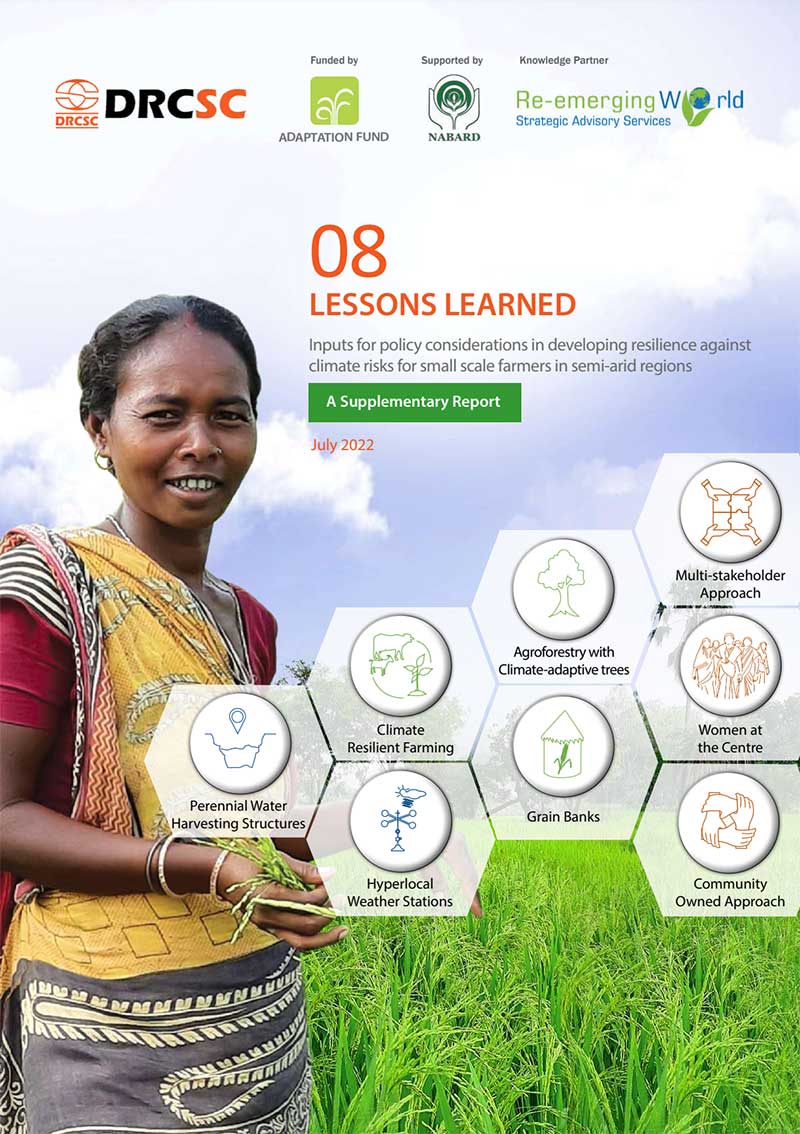
Eight Lessons Learned: Inputs for policy considerations in developing resilience against climate risks for small scale farmers in semi-arid regions, full report
Download Full Report
View Blog Posts
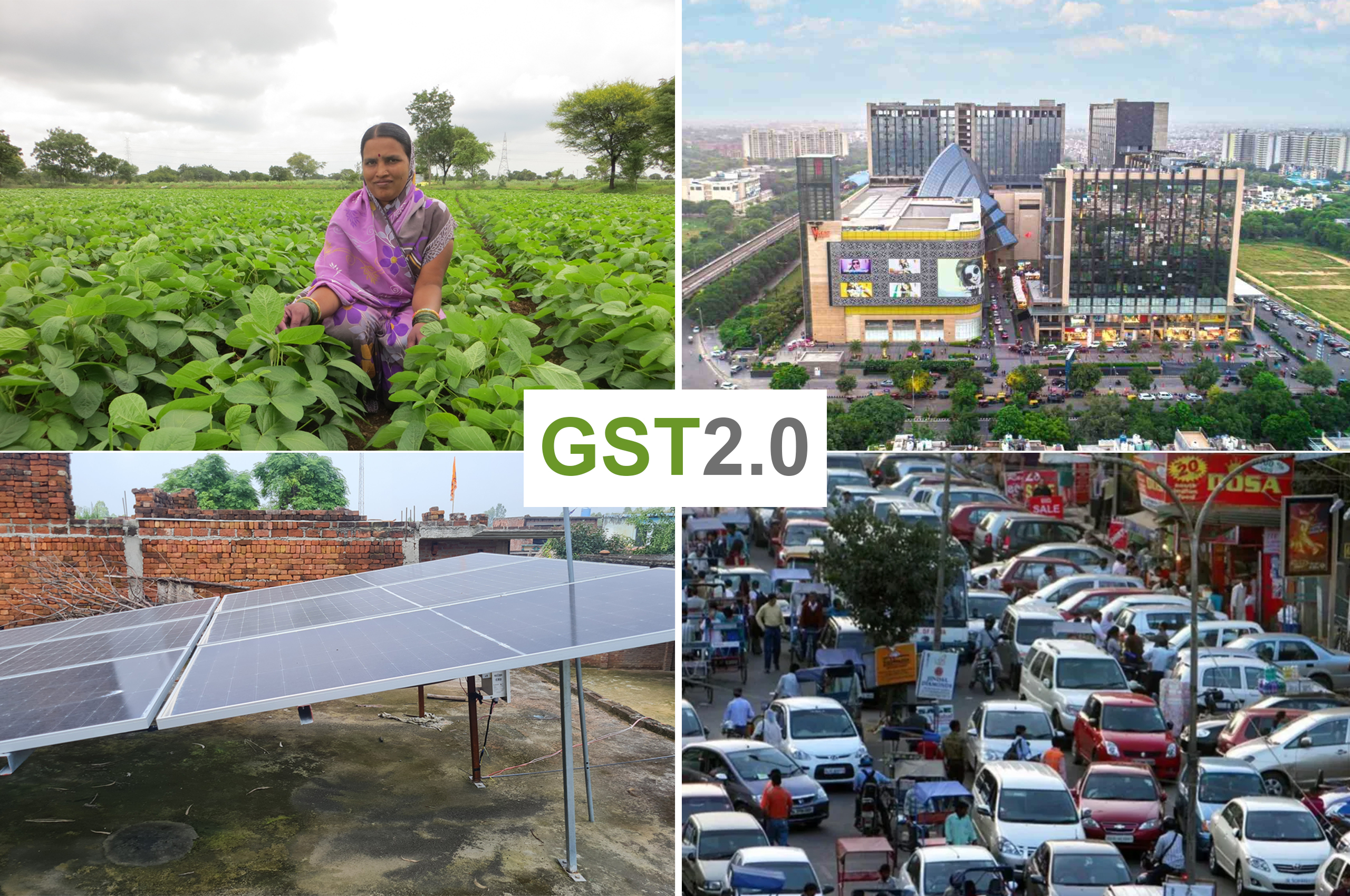
GST 2.0 and Tax Cuts: Can They Make Growth Fairer and Greener?
India's latest GST reform, being termed as GST 2.0, is more than just slashing rates. By simplifying the tax structure, cutting levies on essentials, and supporting renewable infrastructure, it's open..
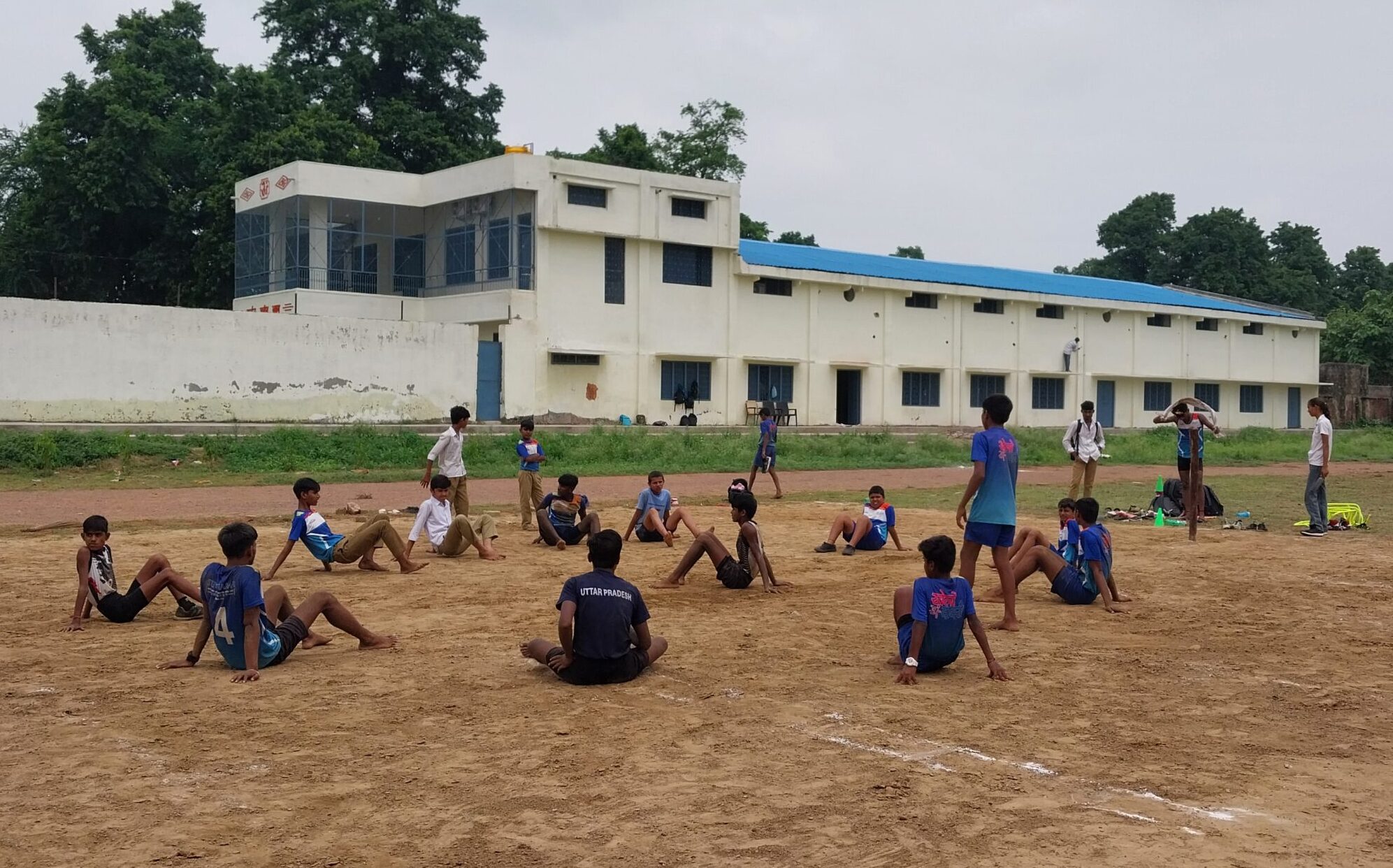
Reimagining Sports in CSR: From Tokenism to a Vehicle for Multiplying Impact
In 2023–24, Indian companies spent about ₹1,396 crore of their CSR budgets on sports — just 4% of the total ₹34,909 crore Indian corporates spent on CSR that year. Most of the rest went to edu..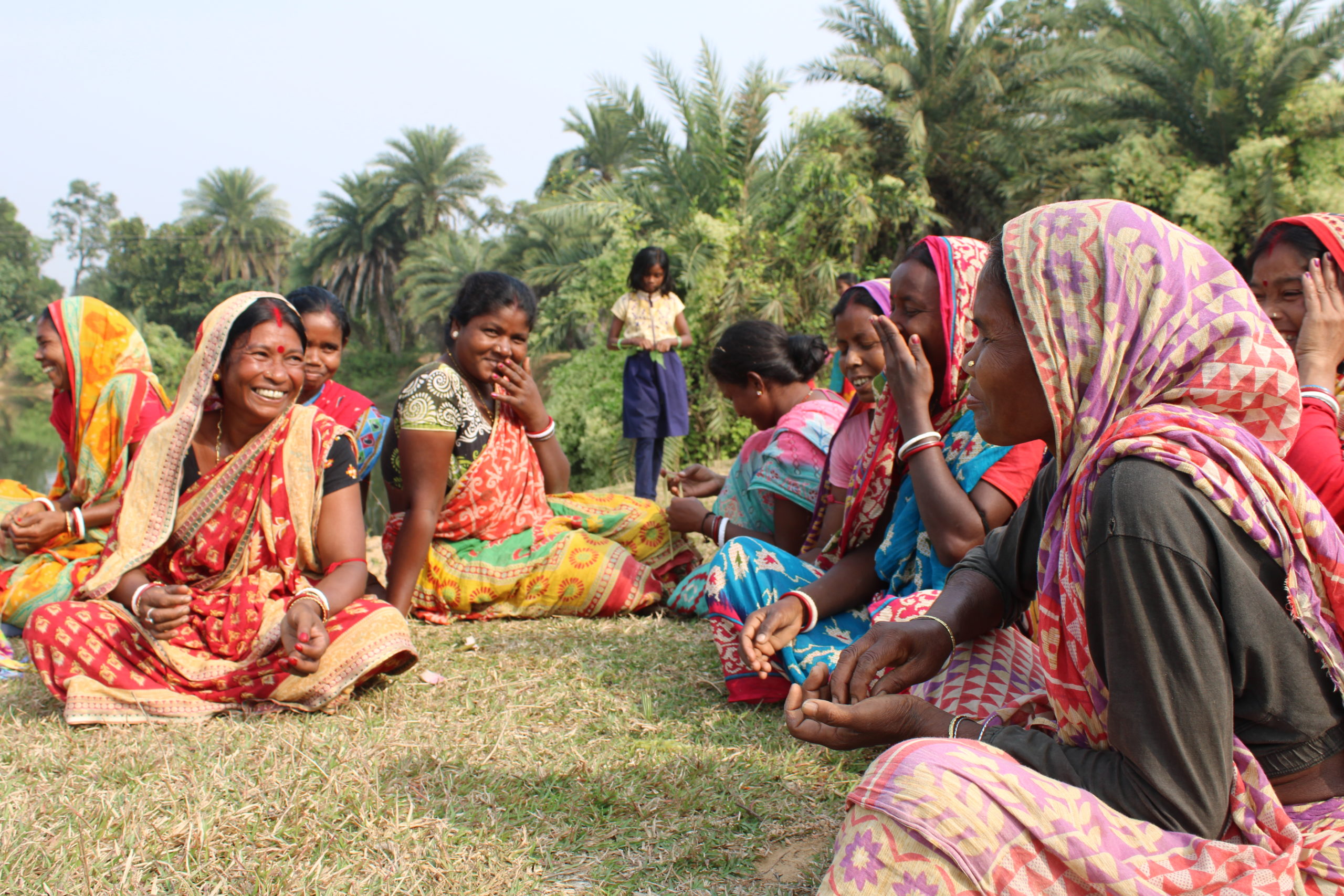
Interactive SHG Map of India: 7.5 million Women Self Help Groups are spread across 27 States and 6 UTs in India
Under the National Rural Livelihood Mission (NRLM), India has 7.5 million Women Self Help Groups (SHGs) spread across 27 states and 6 Union Territories. Each of these small, self-governed, and peer-co..