
Recent Developments,
Key Innovations, and
Insightful Reports
Your One Stop Platform for Regular Sector Updates
Sector news
View By Category
Categories
- See all
- Agriculture
- Clean Cookstoves
- Clean Energy
- Climate Action
- Digital Technology
- Education
- Financial Services
- General
- Healthcare
- Hygiene
- Impact Investment
- Inclusive Value Chains
- Livelihoods
- Livestock
- Lower Income Consumers
- Marketing, Distribution and Sales for BoP
- Nutrition
- Sanitation
- Water
- Women Empowerment


July 24, 2012
Scaling up in Agriculture, Rural Development, and Nutrition
There is apparently a clear and growing body of evidence by IFAD, World Bank and IFPRI that states that there is a clear correlation between the developing countries with the largest reduction in poverty rates and incidence of undernourishment and those with the most rapid agricultural growth. Read the related […]
July 23, 2012
State of the World’s Mothers 2012: Report by Save the Children
Some content will goes here. [wpdm_file id=3]
June 26, 2012
The critical window of hope
Malnutrition kills over 2.6 million children and renders millions more with lifelong physical and mental impairment each year, mostly in the developing countries. Globally, 171 million children (27% of all children) are stunted, largely due to poor nutrition in the first 1000 days of their lives according to the recent […]
April 24, 2012
“Social Cash Transfers and Financial Inclusion: Evidence from Four Countries”
Across several emerging economies in the world, governments have tried to boost two key trends – one is to increase financial inclusion, and another is to increase the number of government to person (G2P) transactions through non-banking methods – or to be more specific, through the use of electronic means. […]
April 20, 2012
Sunny days forecasted for solar PV
The current oversupply situation triggered particularly by the entry of large-scale and low cost Chinese solar manufacturers coupled with the continuation of solar subsidy cuts by governments due to economic slowdown, have fuelled a recent spate of industry premonitions about solar doomsday. But a McKinsey study titled “Solar Power: Darkest […]
April 19, 2012
Overview of World Bank’s Agricultural Innovation Systems Investment Sourcebook
Why is it imperative to give more thought to the concept of agriculture? Because agriculture is directly associated with the physical and economic development of every human being. According to estimates, the global population is going to surpass the nine billion benchmark by 2050. The food production in today’s world […]
April 18, 2012
Gates Foundation Strategy Overview for Financial Services for the Poor
Of the 2.6 billion people worldwide living on less than US$ 2 dollars a day, about 90% are not financially included. In other words, they lack access to any kind of formal financial form of services. Quite simply, this means that they use cash and other physical assets (like livestock, […]
April 17, 2012
India’s power distribution sector – problems and potential solutions
At the recent discussion forum organised by the Bengal Chamber of Commerce and Industry (BCCI) titled “West Bengal – Towards Sustainable Growth: Perspectives on Energy Policy and Environmental Realities – A Balanced Approach”, one of the important issues deliberated was the current state of India’s power distribution sector, problems it […]
April 13, 2012
“Microfinance and Energy Poverty”: Finding the link
The project Energy Links (three-year pilot by the Centre for Financial Inclusion at ACCION International, financed by USAID) began in Africa in 2007 and primarily focused on investigating whether a broker among microfinance providers, clean energy providers and distributors, and people needing financial services could accelerate the access of rural […]
Get The Latest From The Social Sector In Your Inbox

Subscribe to our newsletter
View Our Publications
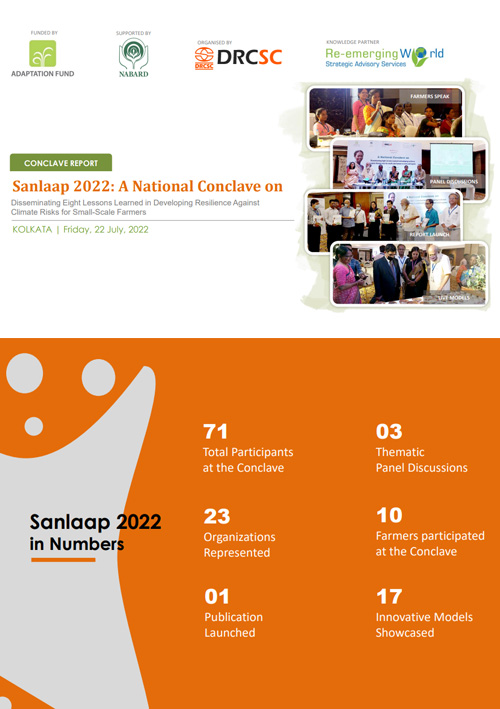
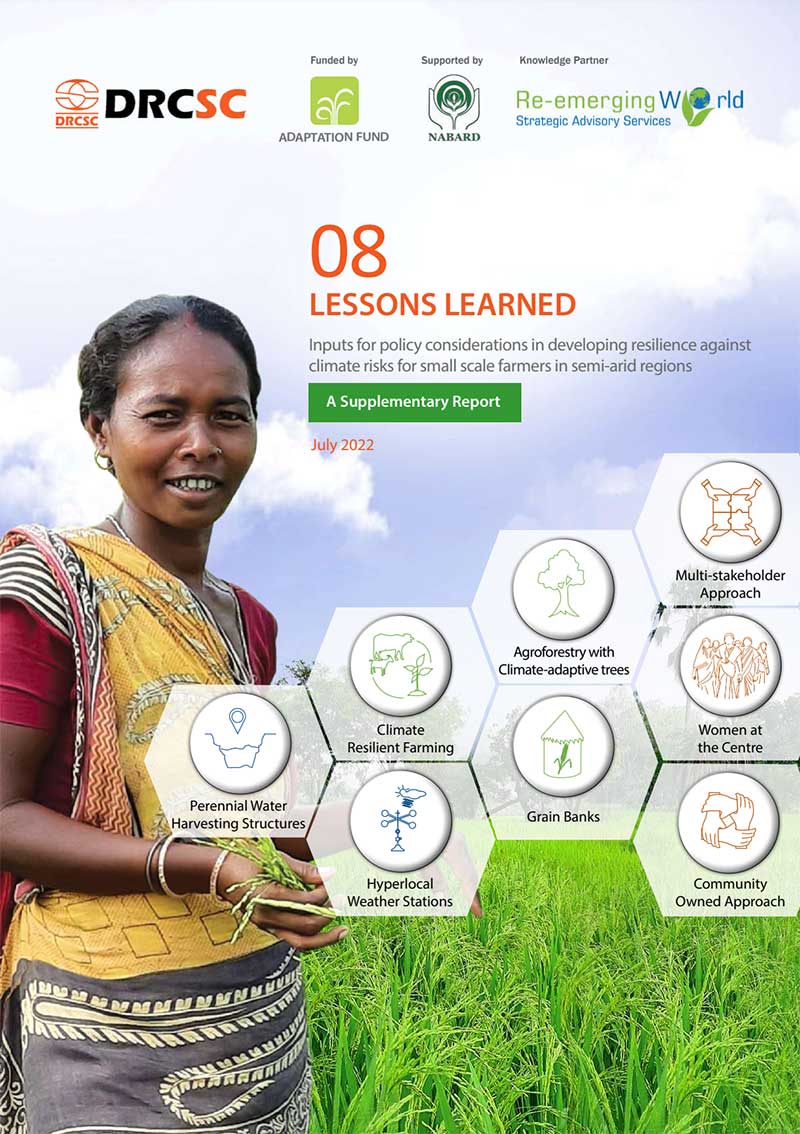
Eight Lessons Learned: Inputs for policy considerations in developing resilience against climate risks for small scale farmers in semi-arid regions, full report
Download Full Report
View Blog Posts
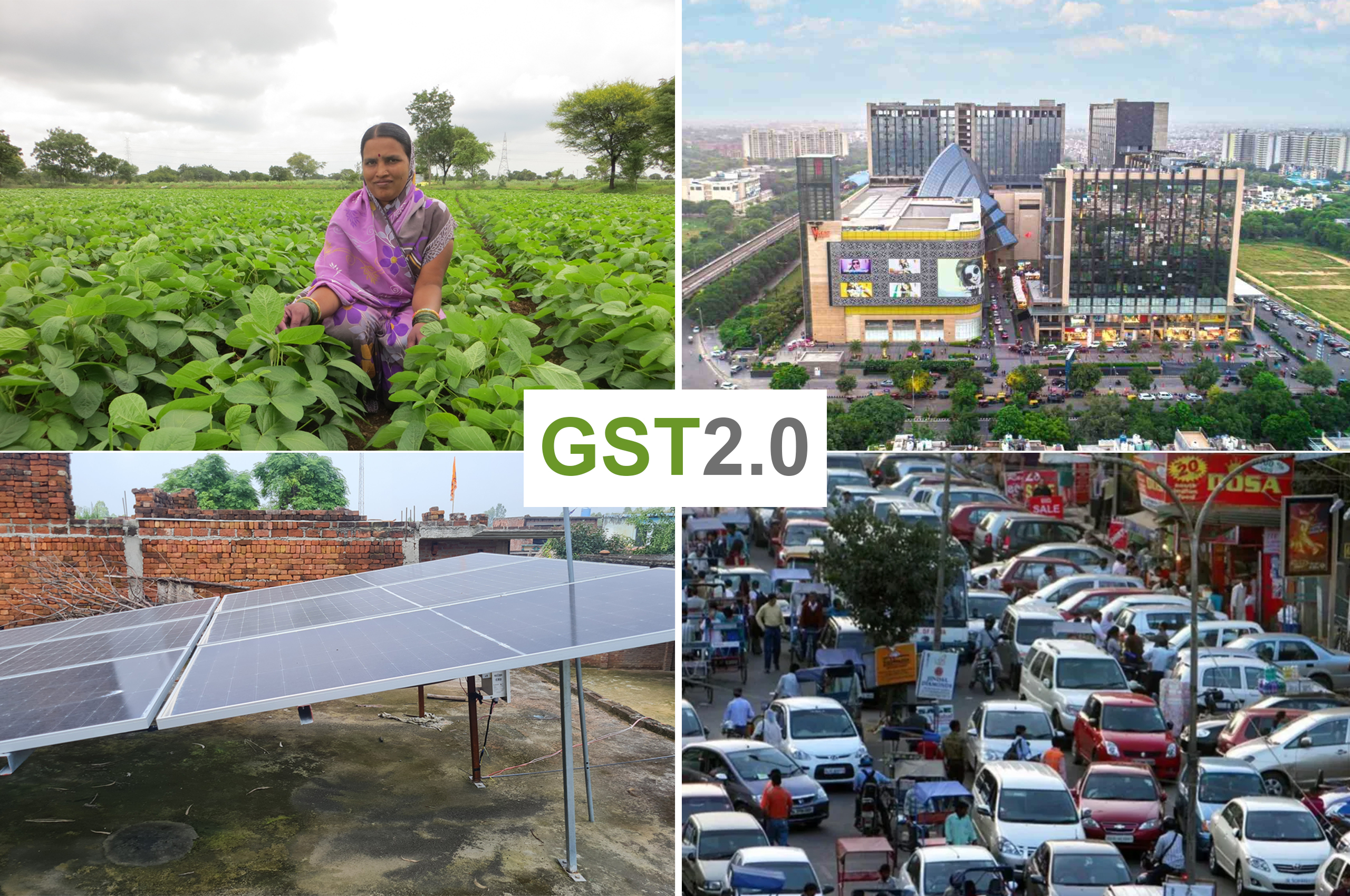
GST 2.0 and Tax Cuts: Can They Make Growth Fairer and Greener?
India's latest GST reform, being termed as GST 2.0, is more than just slashing rates. By simplifying the tax structure, cutting levies on essentials, and supporting renewable infrastructure, it's open..
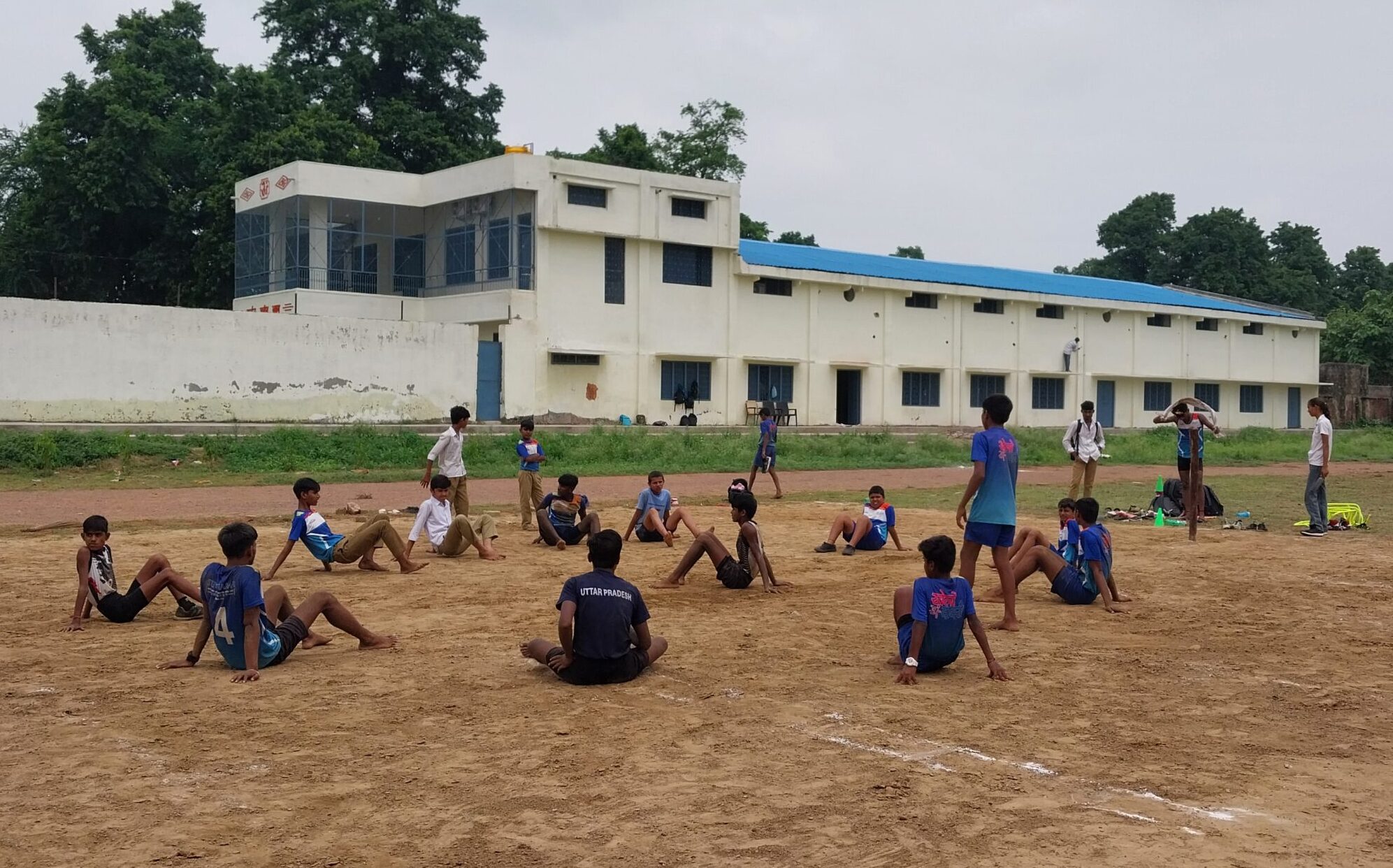
Reimagining Sports in CSR: From Tokenism to a Vehicle for Multiplying Impact
In 2023–24, Indian companies spent about ₹1,396 crore of their CSR budgets on sports — just 4% of the total ₹34,909 crore Indian corporates spent on CSR that year. Most of the rest went to edu..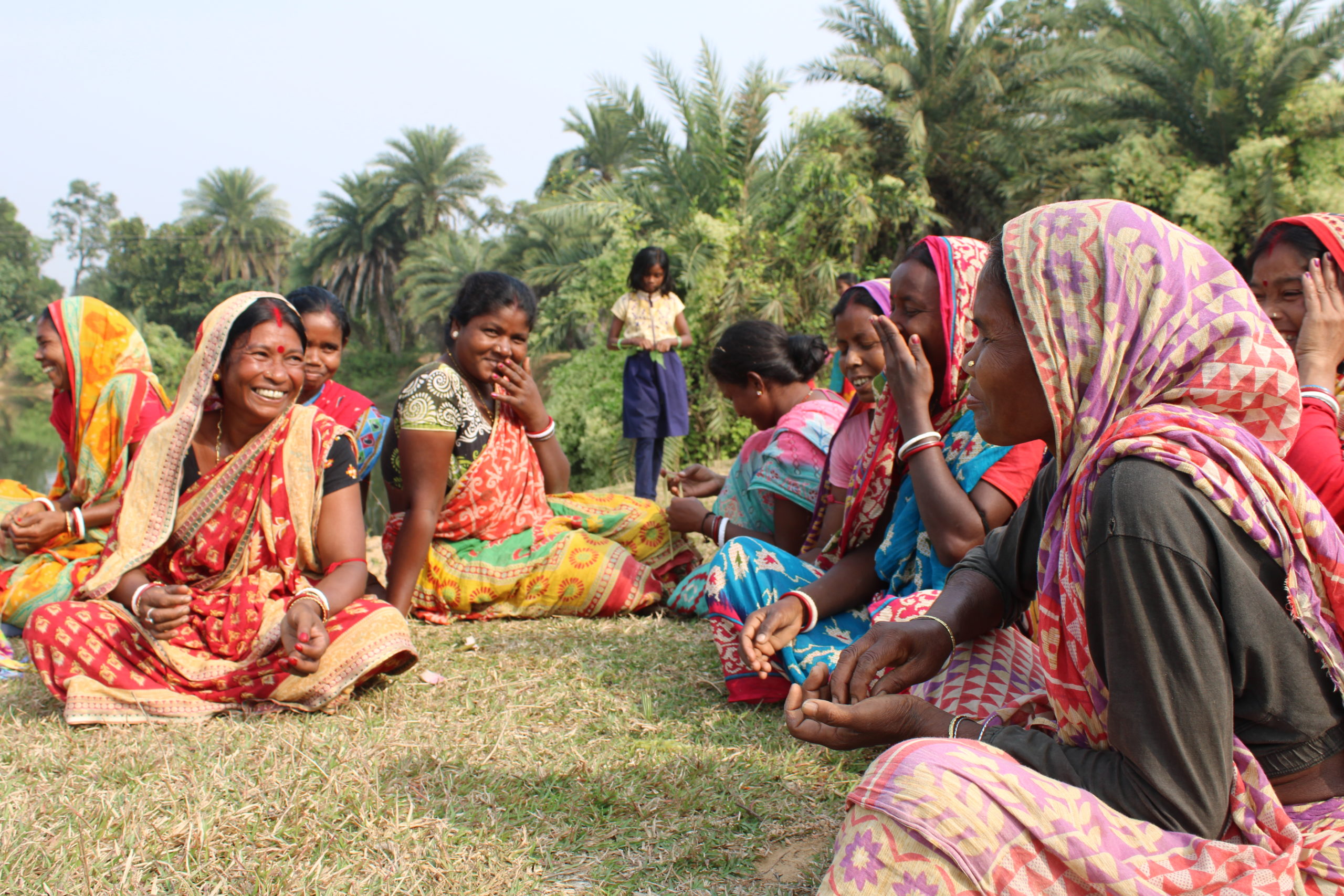
Interactive SHG Map of India: 7.5 million Women Self Help Groups are spread across 27 States and 6 UTs in India
Under the National Rural Livelihood Mission (NRLM), India has 7.5 million Women Self Help Groups (SHGs) spread across 27 states and 6 Union Territories. Each of these small, self-governed, and peer-co..