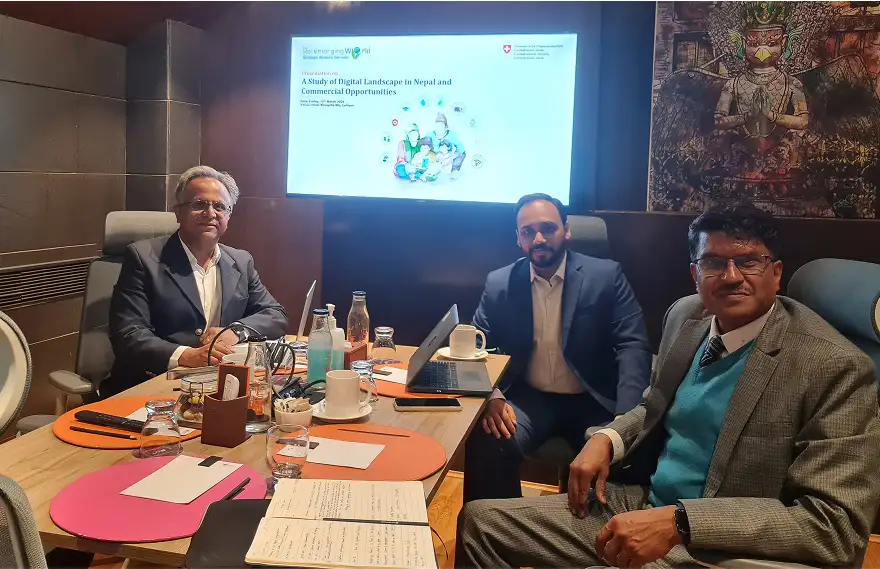

Recent Developments,
Key Innovations, and
Insightful Reports
Your One Stop Platform for Regular Sector Updates
Sector news
View By Category
Categories
- See all
- Agriculture
- Clean Cookstoves
- Clean Energy
- Climate Action
- Digital Technology
- Education
- Financial Services
- General
- Healthcare
- Hygiene
- Impact Investment
- Inclusive Value Chains
- Livelihoods
- Livestock
- Lower Income Consumers
- Marketing, Distribution and Sales for BoP
- Nutrition
- Sanitation
- Water
- Women Empowerment


May 18, 2015
6 winning attributes of grassroots women entrepreneurs
Globally, there is a growing consensus that women at the grassroots have a critical role to play in bringing about positive bottom-up social and environmental changes. Stakeholders across the spectrum ranging from policymakers to private sector companies trying to address rural needs, are exploring avenues of empowering grassroots women to […]
May 18, 2015
Towards market based social innovations: Can Business Approach and Social Impact creation mutually co-exist in the context of Bangladesh’s Civil Society Organizations (CSOs)?
From relief and rehabilitation, livelihood support, micro-credit loan programs to advocacy of legal and political issues, Civil Society Organizations (CSOs) in Bangladesh have found a niche for themselves in bridging the gap between society and state. Traditionally, a key dilemma faced by the entire CSO community is in their pursuit […]
May 11, 2015
wPOWER: Connecting the Dots, A Resource Guide
”My message to the wPOWER women entrepreneurs is…You are leading the clean energy revolution. Please don’t stop it.” expressed Colin Dreizen, Director, Clean Energy & Environment Office, USAID India at the recently concluded wPOWER Global Partnership Forum 2015. The Global Partnership forum saw the official launch of the Resource Guide titled […]
April 21, 2015
wPOWER Global Partnership Forum 2015 centre stages the role of women entrepreneurs in promoting ‘last mile’ clean energy solutions
The U.S. Agency for International Development (USAID)-financed and Swayam Shikshan Prayog(SSP)-implemented Partnership on Women’s Entrepreneurship in Renewables(wPOWER) has successfully trained over 1000 rural women in entrepreneurship, marketing, sales and servicing of the clean energy products. The women entrepreneurs have reached over 200,000 households in the underserved districts of Maharashtra and […]
March 20, 2015
Let there be light: How to sustainably provide lighting to the really poor in rural India
It is no secret that aggregate wealth in India rises each year – and so does inequality. The simplest way to start explaining this is the rural-urban wealth disparity. As a Guardian article explains: “Twenty-first-century India often resembles the Dickensian tale of two cities. For some, it is the best […]
March 8, 2015
Integrated farming models: the key to ‘evergreen’ revolution for small and marginal farmers
Indian agriculture is characterized by the over-whelming presence of marginal (having less than 1 hectare of operational land holding) and small (having greater than 1 and less than 5 hectare of operational land holding) farmers. Unfortunately, these two categories also feature as the most vulnerable groups at the bottom of […]
March 6, 2015
Recent Reports Related to the Base of the Pyramid / BoP
As we move ahead, there is an increasing consciousness about the need for social enterprise, across essential product and service sectors. Social enterprising, and in many cases, micro-enterprising, supported particularly by investment instead of aid, so as to improve access to products and services, and to eliminate the poverty penalty […]
March 3, 2015
Beauty and Personal Care suffer ‘turbulence’ in emerging markets; Base of the Pyramid targeted products offer new market class and revival in urban India
For a while, until 2013, things seemed to be looking up for personal care companies, domestic and multinational, in emerging economies. Expansion of product categories with higher prices (masstige, a product class for middle income consumers looking to get benefits of high priced premium product at mass market prices), a […]
March 2, 2015
Towards winning the global war on hunger
The Millennium Development Goal (MDG) to eradicate extreme poverty and hunger set the target of halving the proportion of undernourished people in developing countries by 2015. Over the past two and a half decades, significant battles have been won on this front but the war still rages on. The fourth […]
Get The Latest From The Social Sector In Your Inbox

Subscribe to our newsletter
View Our Publications
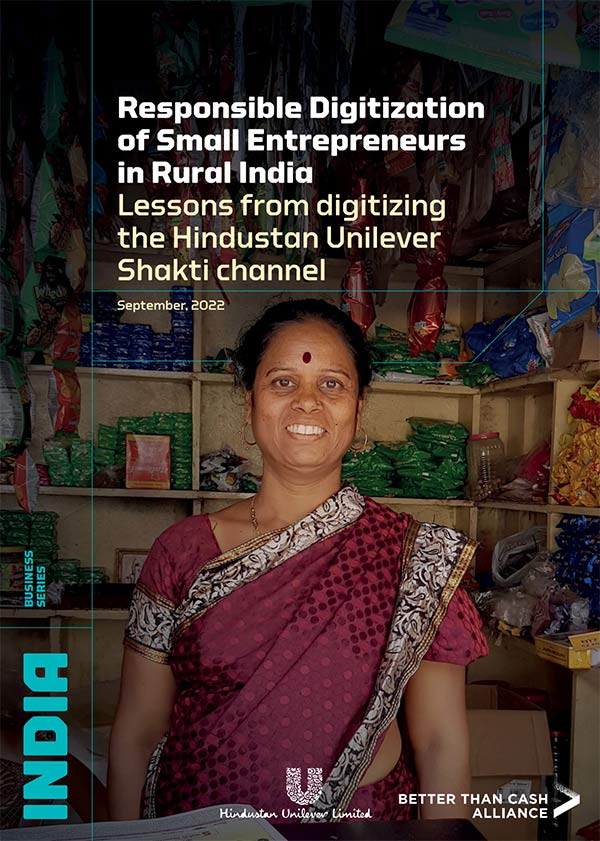
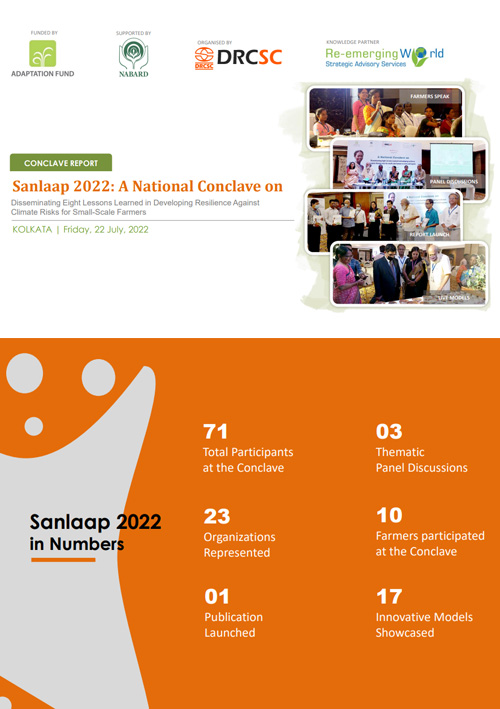
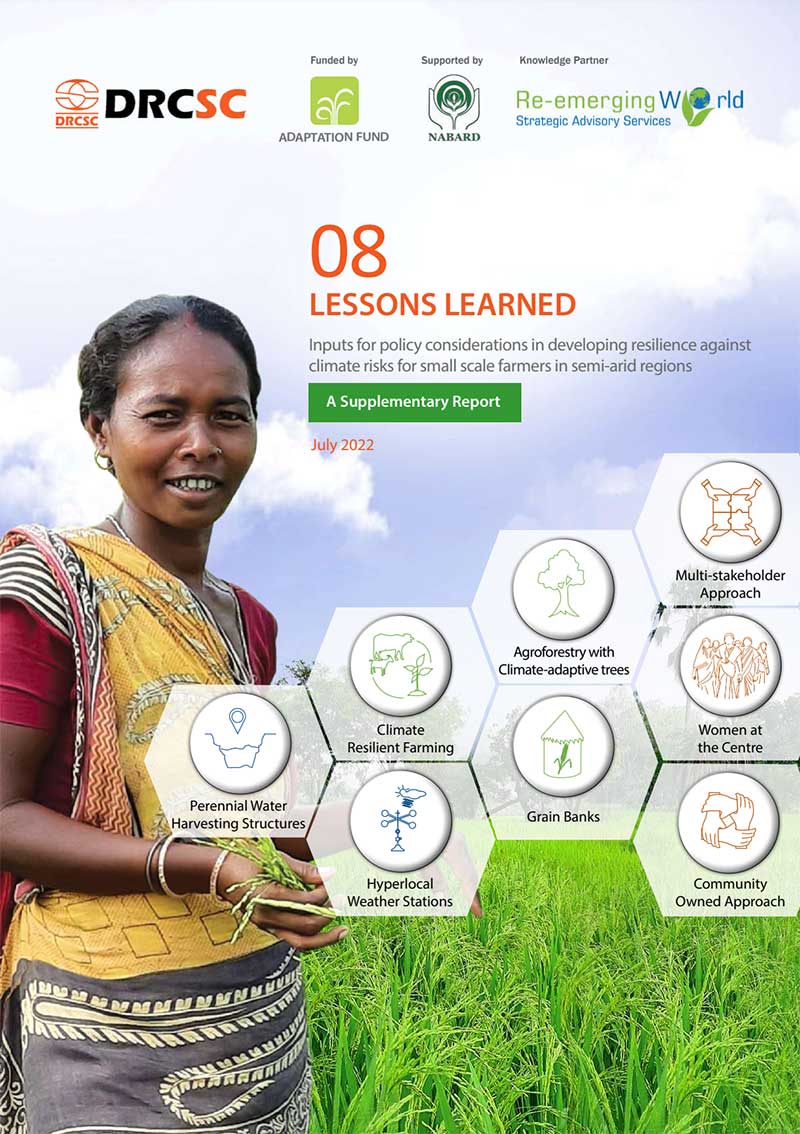
Eight Lessons Learned: Inputs for policy considerations in developing resilience against climate risks for small scale farmers in semi-arid regions, full report
Download Full Report
View Blog Posts
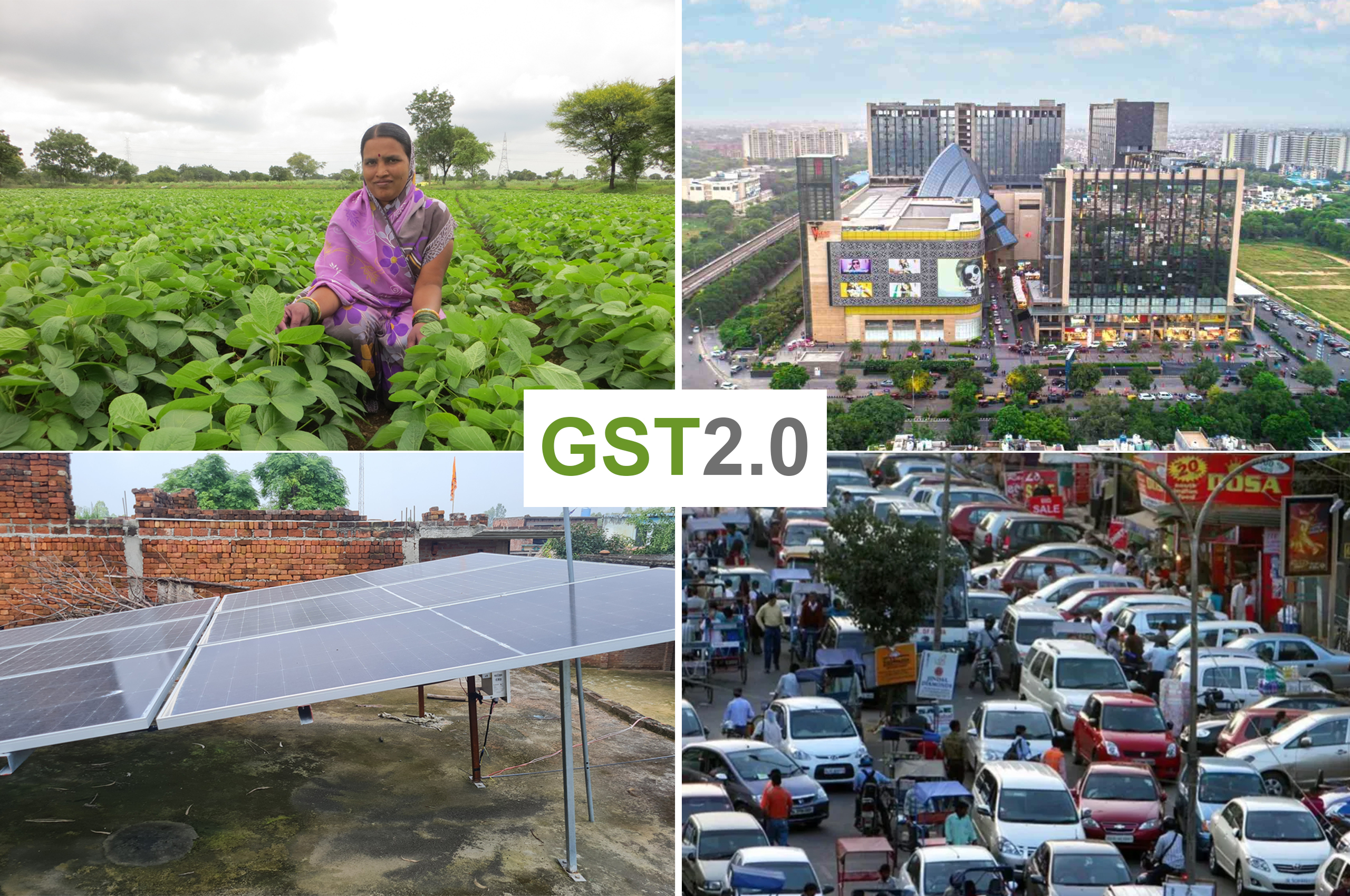
GST 2.0 and Tax Cuts: Can They Make Growth Fairer and Greener?
India's latest GST reform, being termed as GST 2.0, is more than just slashing rates. By simplifying the tax structure, cutting levies on essentials, and supporting renewable infrastructure, it's open..
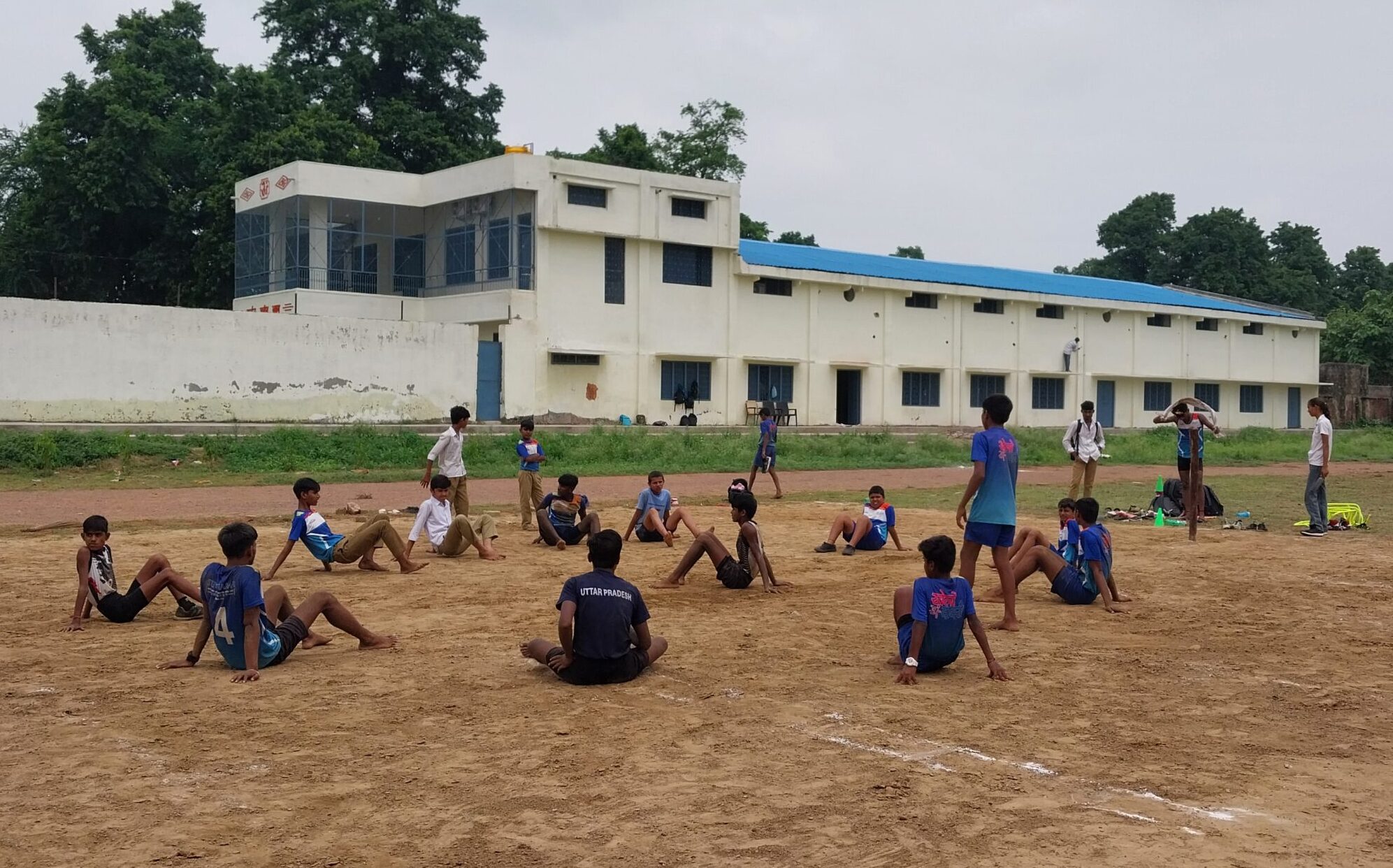
Reimagining Sports in CSR: From Tokenism to a Vehicle for Multiplying Impact
In 2023–24, Indian companies spent about ₹1,396 crore of their CSR budgets on sports — just 4% of the total ₹34,909 crore Indian corporates spent on CSR that year. Most of the rest went to edu..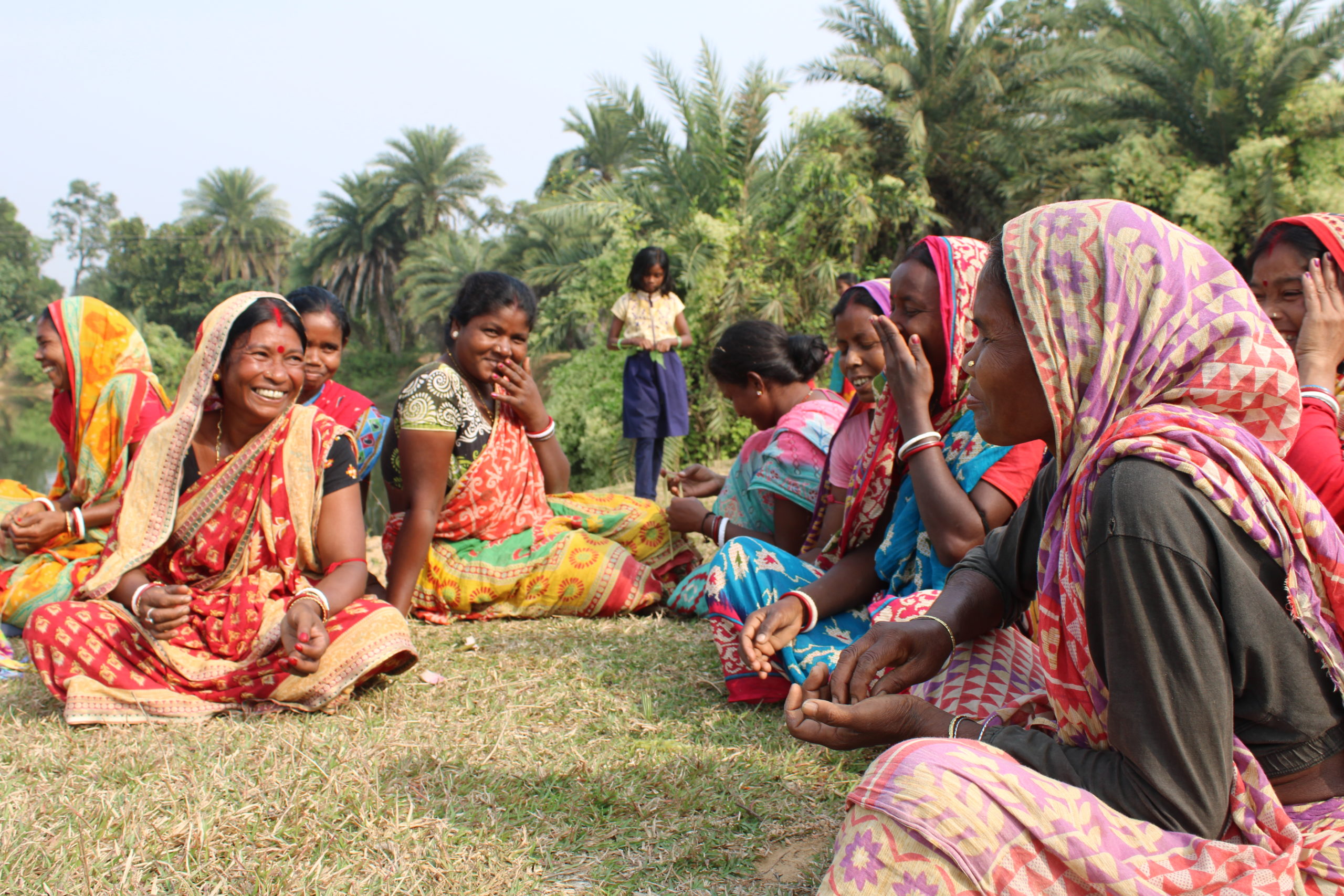
Interactive SHG Map of India: 7.5 million Women Self Help Groups are spread across 27 States and 6 UTs in India
Under the National Rural Livelihood Mission (NRLM), India has 7.5 million Women Self Help Groups (SHGs) spread across 27 states and 6 Union Territories. Each of these small, self-governed, and peer-co..