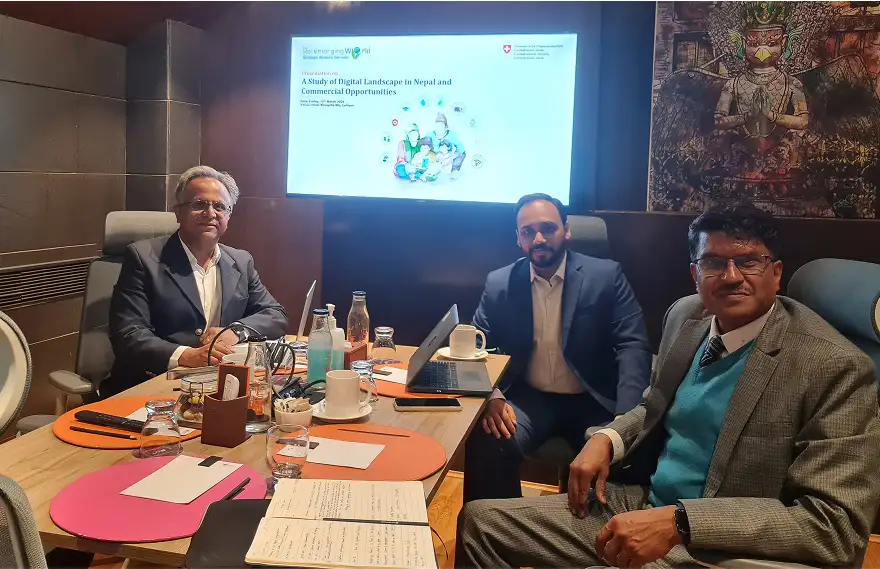

Recent Developments,
Key Innovations, and
Insightful Reports
Your One Stop Platform for Regular Sector Updates
Sector news
View By Category
Categories
- See all
- Agriculture
- Clean Cookstoves
- Clean Energy
- Climate Action
- Digital Technology
- Education
- Financial Services
- General
- Healthcare
- Hygiene
- Impact Investment
- Inclusive Value Chains
- Livelihoods
- Livestock
- Lower Income Consumers
- Marketing, Distribution and Sales for BoP
- Nutrition
- Sanitation
- Water
- Women Empowerment


December 26, 2013
From the Margins to the Mainstream – Assessment of the Impact Investment Sector and Opportunities to Engage Mainstream Investors
This is a report published by the World Economic Forum, highlighting the potential of impact investment to get market returns while adhering to its social and environmental agendas. This report engaged 150 mainstream investors, policy makers and business experts to arrive at the conclusions in the report, which declares that […]
December 26, 2013
Impact Investing 2.0: The Way Forward – Insight from 12 Outstanding Funds
This report by Insight (at Pacific Community Ventures), Duke’s CASE, and Impact Assets, studies funds that have proven to be successful impact investors. Interesting reads will include the Impact Investment Ecosystem, and other typical features of a successful impact investment, highlighted in the report. Read about the criteria defining success, […]
December 26, 2013
Tanzania reaches out to people without bank accounts
Tanzania’s Financial Inclusion Framework aims to capture 50% of the unbanked population by 2016, through financial services catered specially for the poor, the SMEs and MSMEs, and micro-enterprises. Read more here.
December 26, 2013
Papua New Guinea launches national financial inclusion strategy
PNG is launching Financial Literacy Strategy 2014-2015, with the support of United Nations Development Fund, UNDP, AusAid and others. Read more here.
December 26, 2013
Mexico: Bank of Mexico takes steps to enable mobile money transfers
The Bank of Mexico is taking a number of measures to promote the adoption of mobile money for the purposes of money transfers within the country. Banks are now required to link existing accounts with the provided mobile devices of customers. Read more here.
December 26, 2013
“Partnership for Financial Inclusion” partners IFC, MasterCard Foundation inject funds in Tanzania and DRC
IFC and the MasterCard Foundation recently donated a sum of US$2.7 million towards microfinance projects including projects with AccessBank Tanzania (ABT), and FINCA DRC. Using this sum, mobile money and other financial services for the poor will be extended in Tanzania and DRC. Read more here.
December 26, 2013
UN Agencies use financial inclusion to fight poverty in developing world rural areas
Financial inclusion supplementing farming and agricultural activities for poor farmers, as well as others who want to be self-sufficient with their respective microenterprises, are being supported by a number of organizations, including WFP, UN and others. It is believed that if financial inclusion was to be extended to the rural […]
December 26, 2013
India: Kotak Mahindra launched financial inclusion programme
Kotak Mahindra is launching a new financial inclusion program which will help registered members of milk unions in West Bengal receive payments for their dairy directly in their microfinance accounts. Read more here.
December 26, 2013
Bangladesh: Top MFIs increase their sectors of loan coverage
In Bangladesh, the top microfinance institutions are including new sectors for which loans will now be available to customers. These sectors include education, health, agriculture, disaster management and other loans to the ‘ultra-poor’. This trend has been revealed in the recently published Microcredit Regulatory Authority annual report. Read more here.
Get The Latest From The Social Sector In Your Inbox

Subscribe to our newsletter
View Our Publications
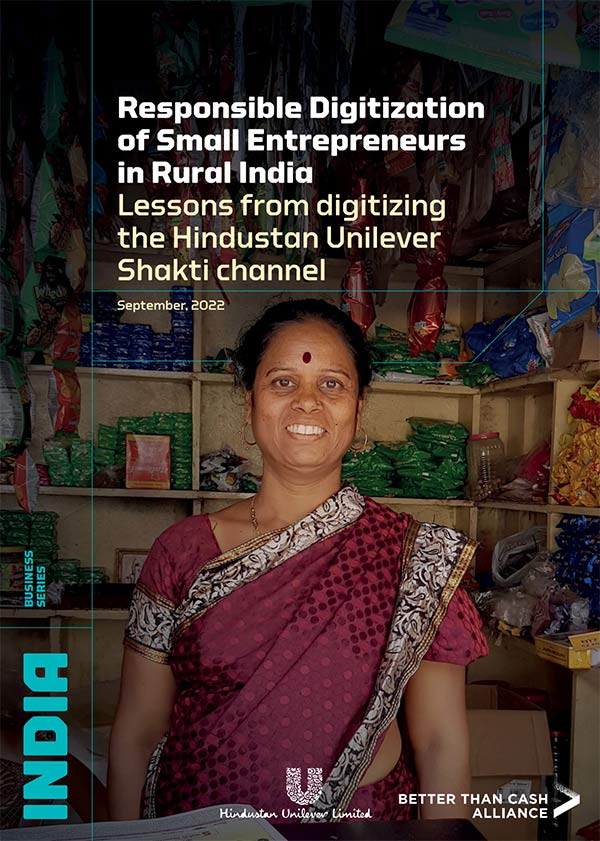
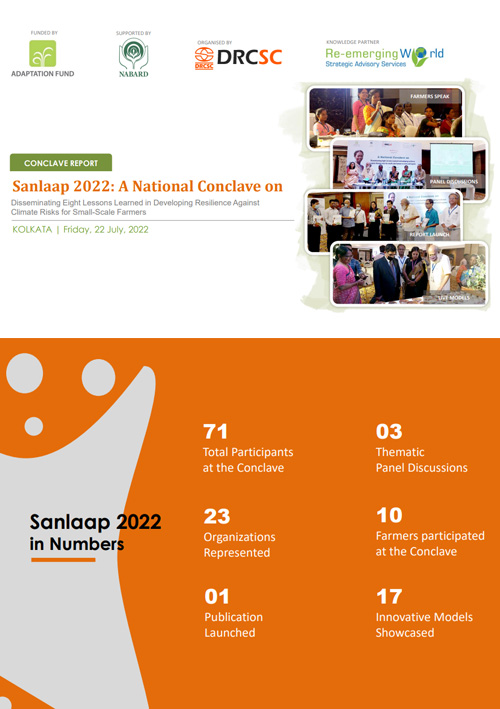
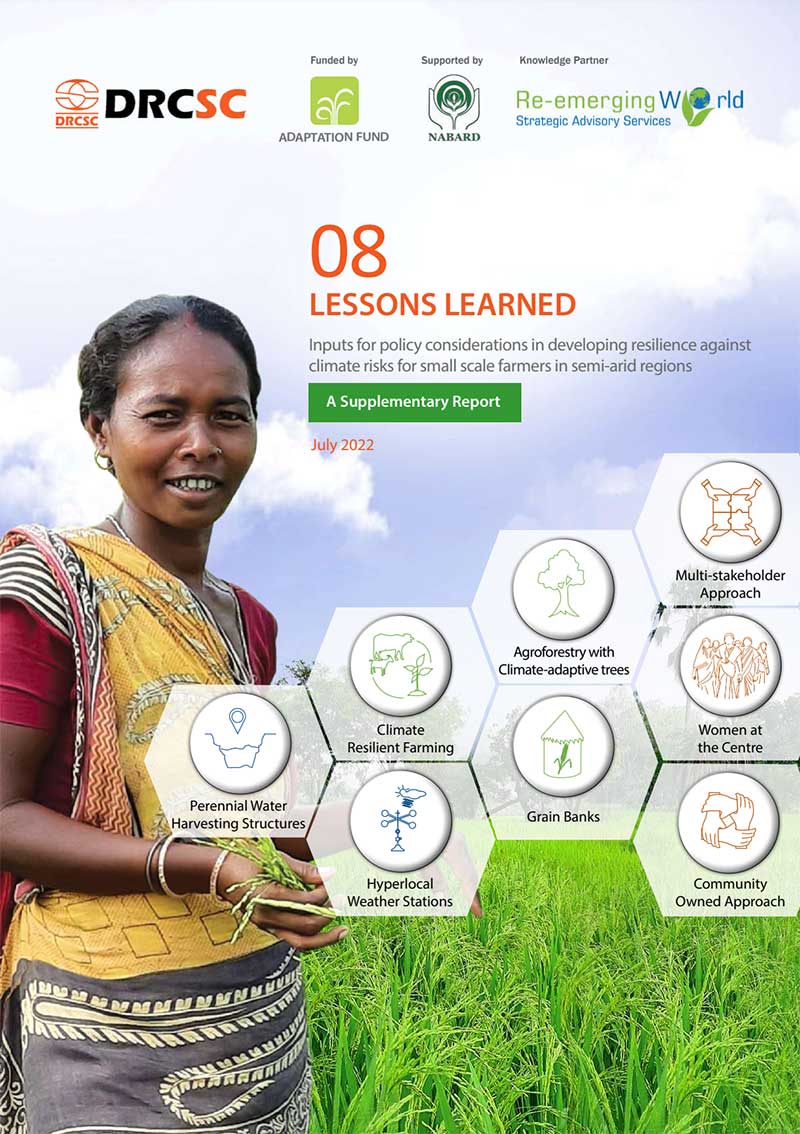
Eight Lessons Learned: Inputs for policy considerations in developing resilience against climate risks for small scale farmers in semi-arid regions, full report
Download Full Report
View Blog Posts
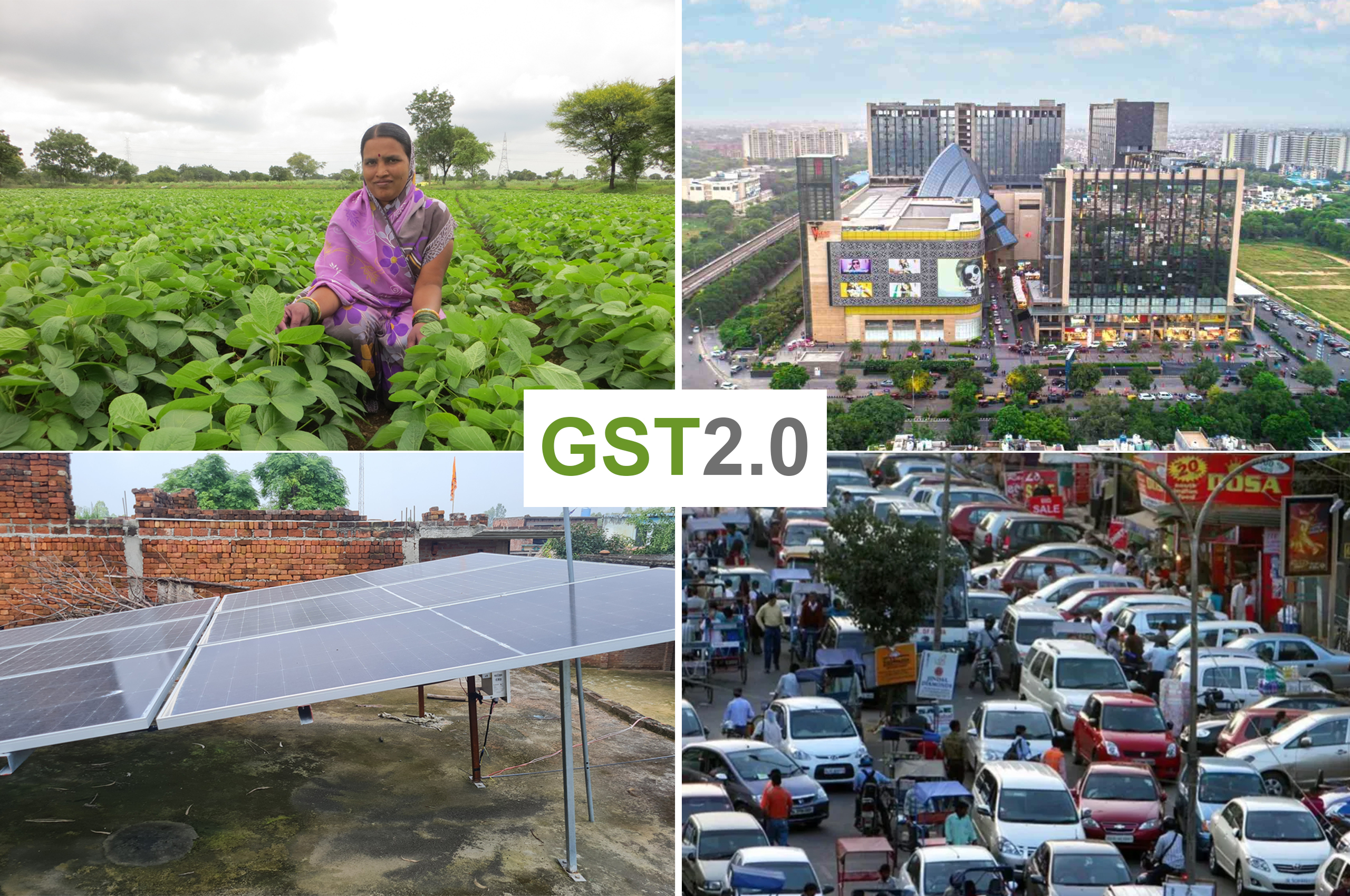
GST 2.0 and Tax Cuts: Can They Make Growth Fairer and Greener?
India's latest GST reform, being termed as GST 2.0, is more than just slashing rates. By simplifying the tax structure, cutting levies on essentials, and supporting renewable infrastructure, it's open..
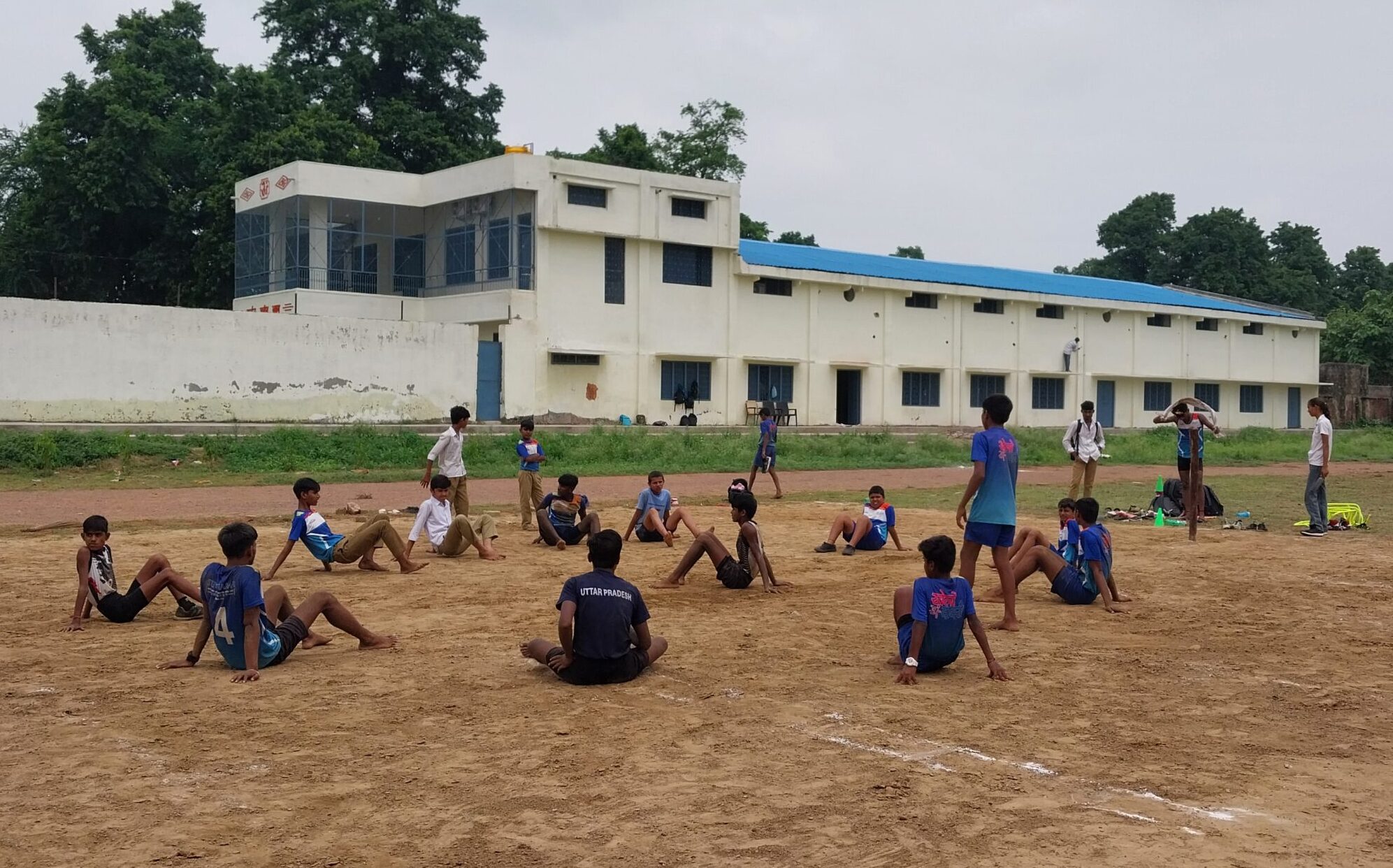
Reimagining Sports in CSR: From Tokenism to a Vehicle for Multiplying Impact
In 2023–24, Indian companies spent about ₹1,396 crore of their CSR budgets on sports — just 4% of the total ₹34,909 crore Indian corporates spent on CSR that year. Most of the rest went to edu..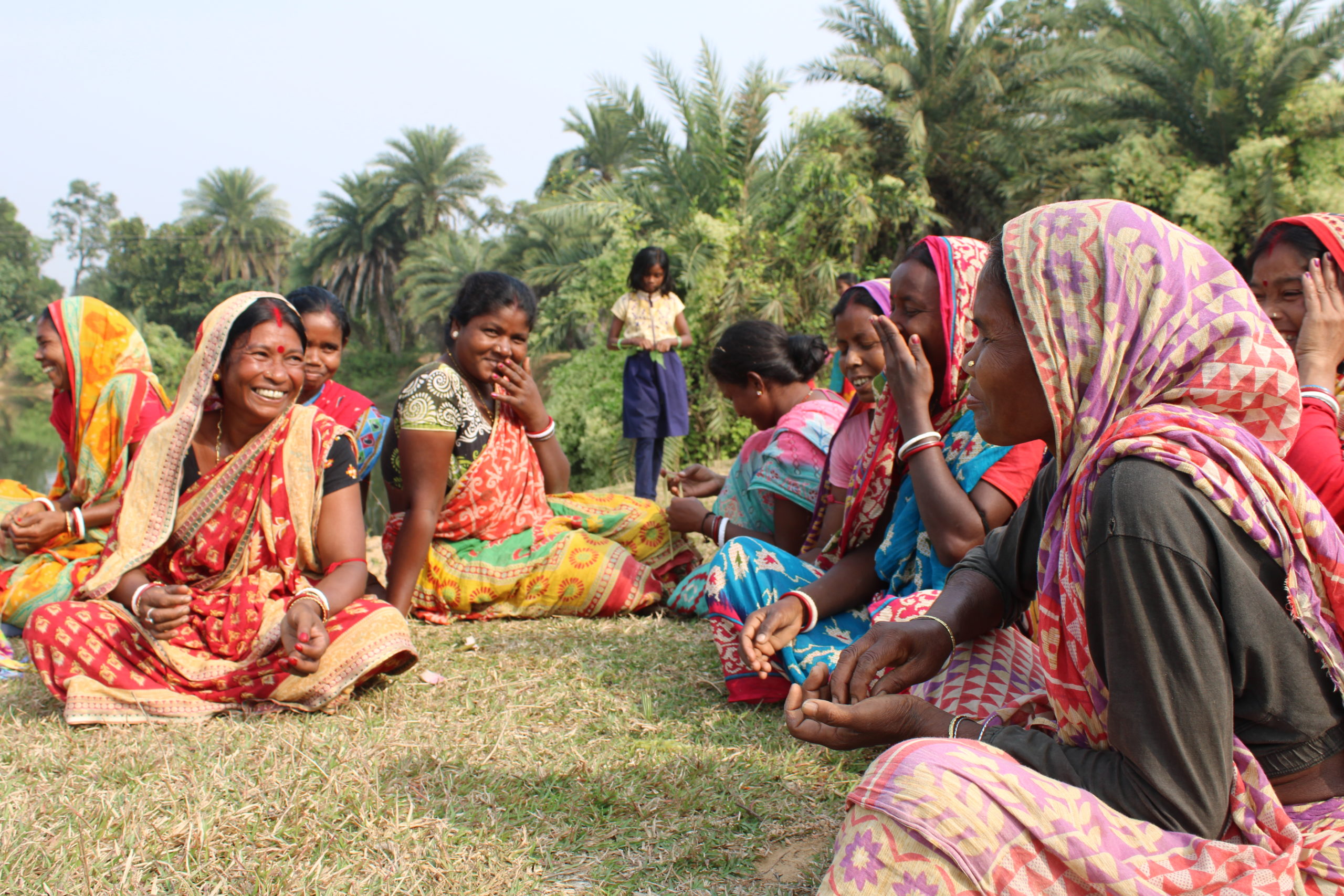
Interactive SHG Map of India: 7.5 million Women Self Help Groups are spread across 27 States and 6 UTs in India
Under the National Rural Livelihood Mission (NRLM), India has 7.5 million Women Self Help Groups (SHGs) spread across 27 states and 6 Union Territories. Each of these small, self-governed, and peer-co..