
Recent Developments,
Key Innovations, and
Insightful Reports
Your One Stop Platform for Regular Sector Updates
Sector news
View By Category
Categories
- See all
- Agriculture
- Clean Cookstoves
- Clean Energy
- Climate Action
- Digital Technology
- Education
- Financial Services
- General
- Healthcare
- Hygiene
- Impact Investment
- Inclusive Value Chains
- Livelihoods
- Livestock
- Lower Income Consumers
- Marketing, Distribution and Sales for BoP
- Nutrition
- Sanitation
- Water
- Women Empowerment


December 26, 2013
Unconditional cash transfers: Testing new theories
Should donor money be spent on infrastructure for the low income, or should the money just be handed out to the poor? This is a question that the international community is currently trying to answer. Loans given to people lesser known for responsibility – criminals, drug addicts showed that it […]
December 26, 2013
Will Kenya export its mobile banking revolution to India?
Mobile banking may have been a hit in Kenya (one in every three Kenyans have an M-Pesa account) but its success in other emerging markets is questionable, due to a slew of challenges in the localized markets, of regulatory, technical and economic nature. However, the need for mobile financial transactions […]
December 26, 2013
Japan joins the global force for Universal Healthcare Mission
Universal healthcare has been on Japan’s agenda for a while, but the country has only recently formally backed the World Bank in its agenda of universal healthcare access. Read more here.
December 26, 2013
UNITAID approves US$140 million in funding for HIV/AIDS treatment in Africa
UNITAID recently approved a grant of over US$140 million which will enable treatment of over 100,000 HIV/AIDS afflicted children in Malawi, Mozambique and Uganda. Read more here.
December 26, 2013
World Bank launches new program for improved health care in developing countries
World Bank is now devising new ways to fund healthcare to reduce maternal and infant deaths by ‘results based financing’. New ways are being innovated so that incentives are given to trained midwives for every healthy child they deliver, and mothers are paid to have their children delivered in hospitals, […]
December 26, 2013
Gates Foundation to double donation towards AIDS
Bill Gates is committed to almost doubling the Gates Foundation donation for AIDS, TB (read about the relation between TB and AIDS here) and malaria to US$500 million. A Global Fund of US$1.6 billion can be generated with matching grants from other donor organizations, according to Gates. Read more here.
December 26, 2013
Innovative healthcare apps developed for Social Innovation Camp for Health in the Philippines
This post enlists some of the successful technological innovations for Social Innovation Camp for Health in the Philippines. The winner was PinoyRx, an e-prescription application. Read about the others here.
December 26, 2013
Smartphone enabled device to perform vaccine checks
A device that can perform vaccine checks has been developed by Cambridge Consultants and Diagnostics For All, a social enterprise and healthcare technology company. Read more here.
December 26, 2013
Why every rural healthcare worker should be given a bike
This post is about the innovative healthcare organization, “Riders for Health”, in Africa, covering 7 countries, serving 14 million people. The program is so designed that the government ministries pay for the cost of operations. The mobility offered by bikes ensures timely vaccinations and other basic but important services in […]
Get The Latest From The Social Sector In Your Inbox

Subscribe to our newsletter
View Our Publications
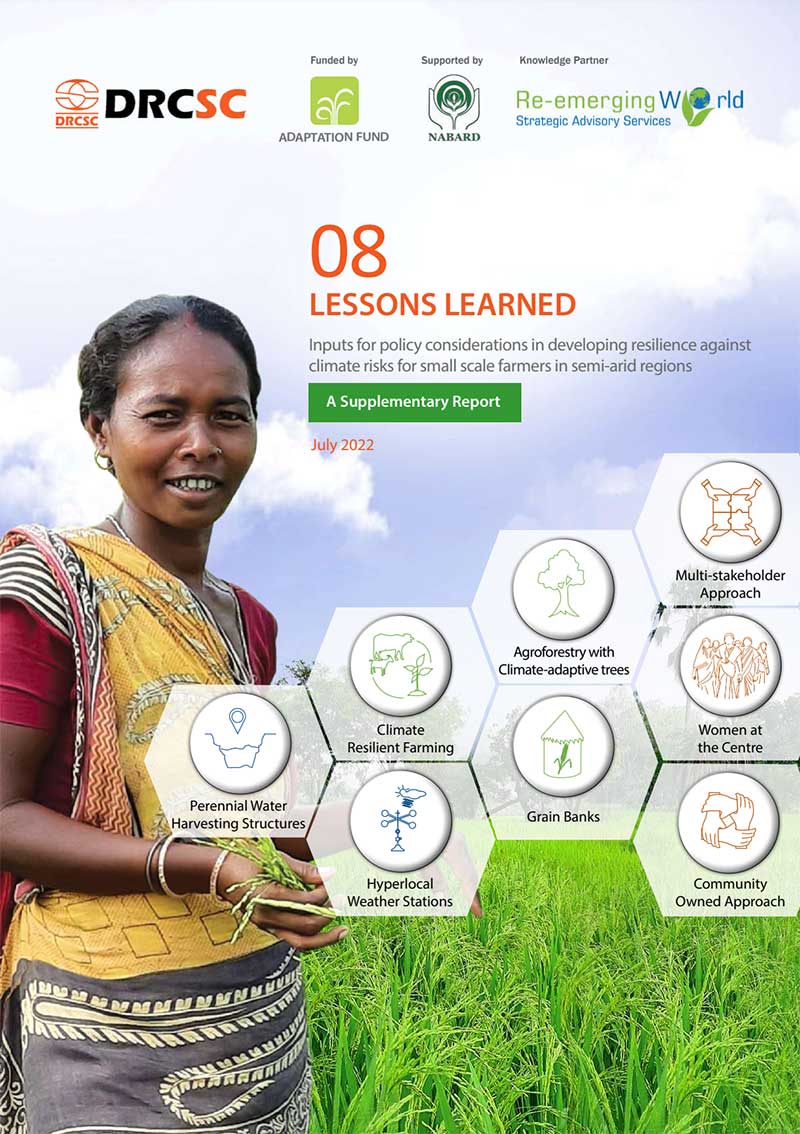
Eight Lessons Learned: Inputs for policy considerations in developing resilience against climate risks for small scale farmers in semi-arid regions, full report
Download Full Report
View Blog Posts
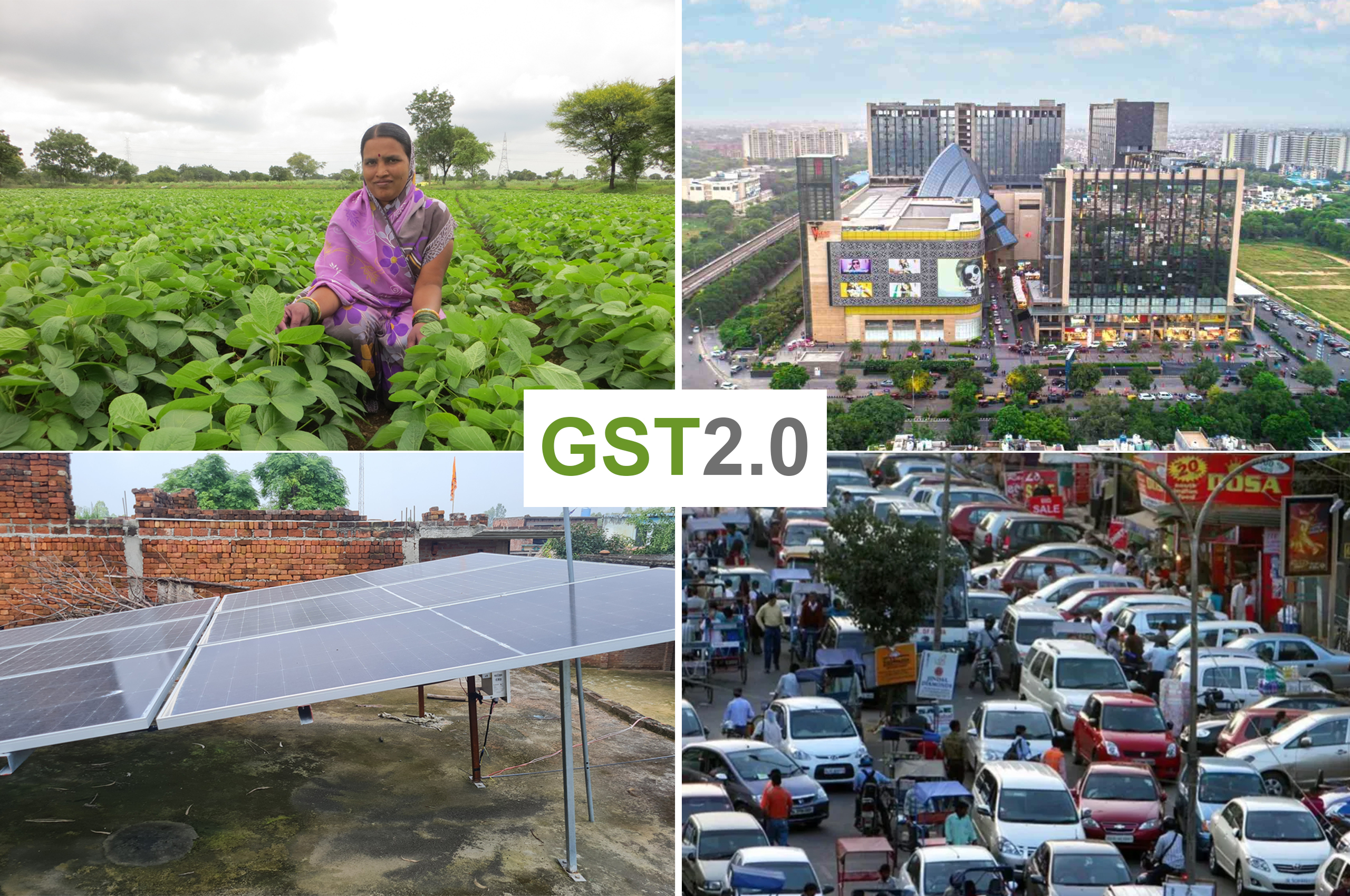
GST 2.0 and Tax Cuts: Can They Make Growth Fairer and Greener?
India's latest GST reform, being termed as GST 2.0, is more than just slashing rates. By simplifying the tax structure, cutting levies on essentials, and supporting renewable infrastructure, it's open..
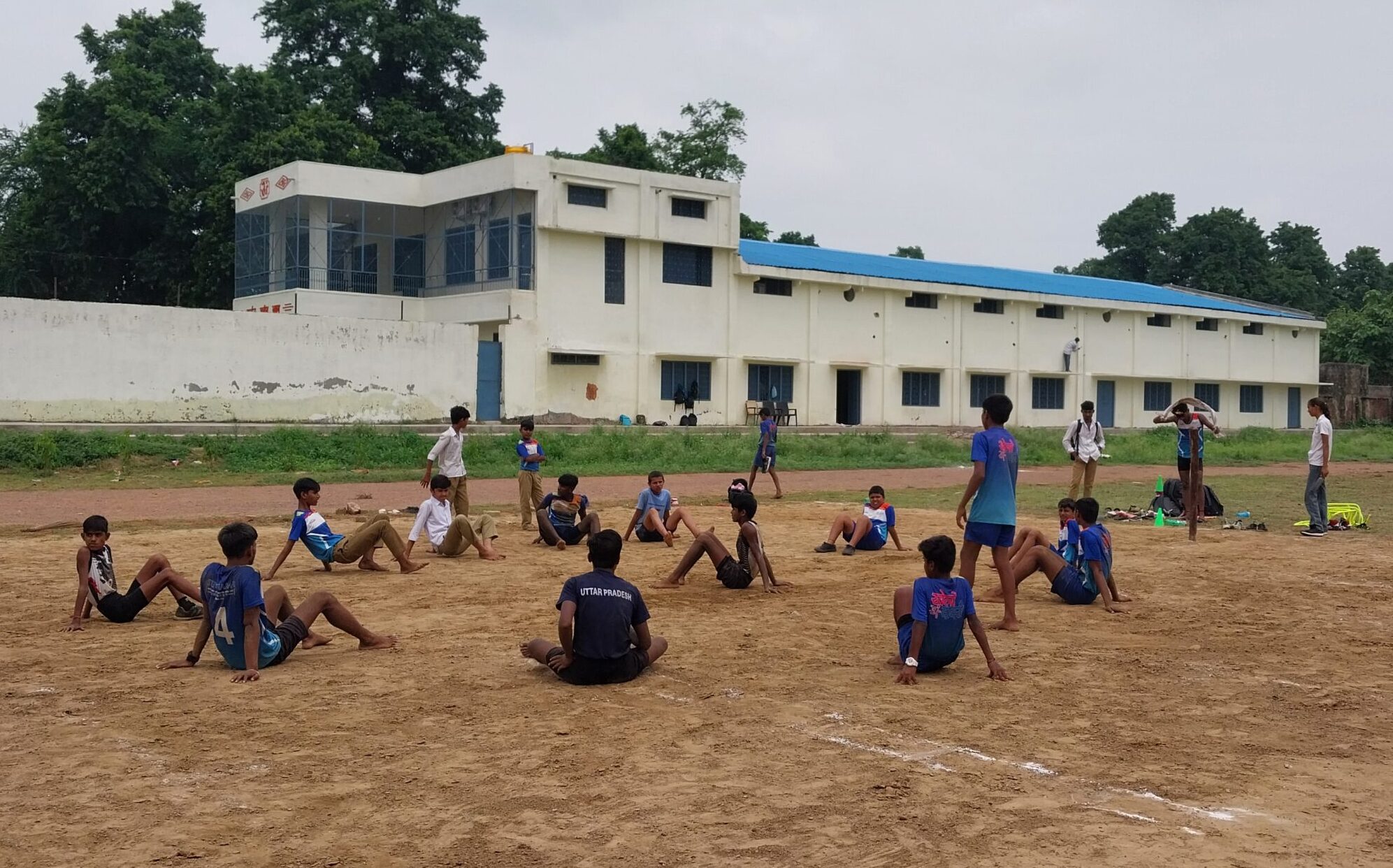
Reimagining Sports in CSR: From Tokenism to a Vehicle for Multiplying Impact
In 2023–24, Indian companies spent about ₹1,396 crore of their CSR budgets on sports — just 4% of the total ₹34,909 crore Indian corporates spent on CSR that year. Most of the rest went to edu..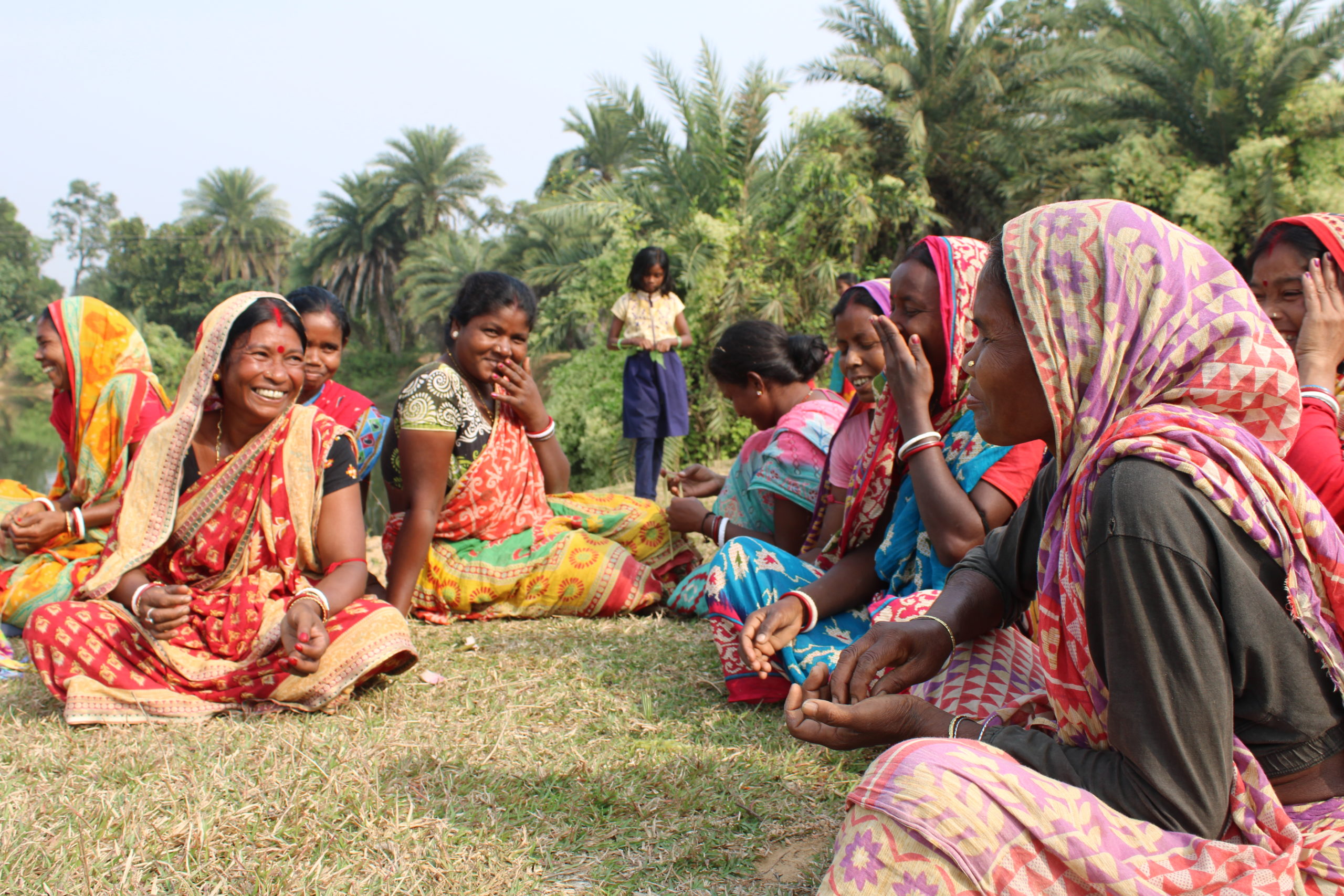
Interactive SHG Map of India: 7.5 million Women Self Help Groups are spread across 27 States and 6 UTs in India
Under the National Rural Livelihood Mission (NRLM), India has 7.5 million Women Self Help Groups (SHGs) spread across 27 states and 6 Union Territories. Each of these small, self-governed, and peer-co..