
Recent Developments,
Key Innovations, and
Insightful Reports
Your One Stop Platform for Regular Sector Updates
Sector news
View By Category
Categories
- See all
- Agriculture
- Clean Cookstoves
- Clean Energy
- Climate Action
- Digital Technology
- Education
- Financial Services
- General
- Healthcare
- Hygiene
- Impact Investment
- Inclusive Value Chains
- Livelihoods
- Livestock
- Lower Income Consumers
- Marketing, Distribution and Sales for BoP
- Nutrition
- Sanitation
- Water
- Women Empowerment


December 26, 2013
World Bank: Increasing finance in Afghanistan
World Bank has pledged an amount of U$50 million to improve the financial inclusion conditions in Afghanistan. The grant will be provided through the International Development Association (IDA) and will be used to help 3,500 households graduate out of extreme poverty by 2018. Read more here.
December 26, 2013
Banks in Nepal to build an interoperable mobile money offerings
Nepal’s banking economy is highly fragmented, with no single bank enjoying a double digit market share. Given Nepal’s geography, mobile money is an ideal solution to the country’s challenged financial coverage. Read more here.
December 26, 2013
The new trend in microfinance companies in India
Microfinance institutions in the country are increasingly tapping an alternate source of funds – non-convertible debentures. SKS plans to raise US$ 32 million, and Kolkata based US$48 million in this way. This increase in borrowings has been inspired by RBI’s (Central Bank of India) increased controls over the working of […]
December 26, 2013
India: IndiaFirst to make a microfinance debut
IndiaFirst Life Insurance, one of India’s commercial insurance companies is planning an all-India roll out of microinsurance products across several categories. This is a pilot implementation phase which will start this fiscal. Read more here.
December 26, 2013
MasterCard centre aims to break financial inclusion barriers
MasterCard recently launched its new research centre: The MasterCard Centre. The aims of this body will be to promote financial inclusion for the more than 2.5 billion global customers worldwide without financial coverage. The organization will work with governments, academic institutions to create a knowledge base. Read more here.
December 26, 2013
Should non-banking financial institutions be a part of the global financial inclusion agenda
Research shows that NBFIs are instrumental in expanding access to financial services access, and reducing poverty. How can these institutions be changed in terms of policy and product to ensure that they provide complete financial access 2.5 billion people? Read more here.
December 26, 2013
Increasing financial inclusion in rural India: The role of banking correspondents
Means of saving in urban India is usually through bank deposits. In the parallel economy of rural India, people invest in cattle. This trend is being changed by banking correspondents, agents who supply products by several banks in rural areas, in the absence of banks’ physical presence. However, despite their […]
December 26, 2013
The risks of scaling financial inclusion
According to the World Bank, the world has a lot to learn from the failures of microcredit in India. While low fee accounts clearly benefit the poor, others like microcredit, microinsurance and debt relief may not prove to be as effective. Tools like fingerprinting and iris scans which make customers […]
December 26, 2013
Developing countries promoting financial inclusion must reshape their central banking
Central bankers of the developing world have a responsibility their peers in the developed world do not – that of scaling financial inclusion. Realizing this, the central bankers have charted a road map that promotes financial inclusion along with looking after monetary health of respective countries. Read more here.
Get The Latest From The Social Sector In Your Inbox

Subscribe to our newsletter
View Our Publications
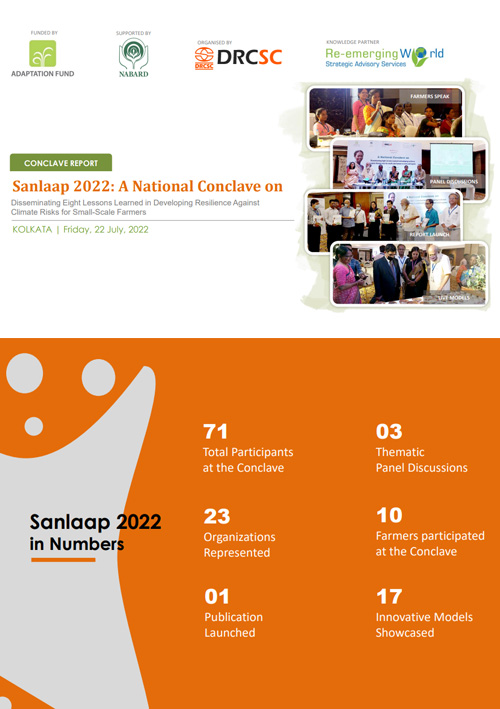
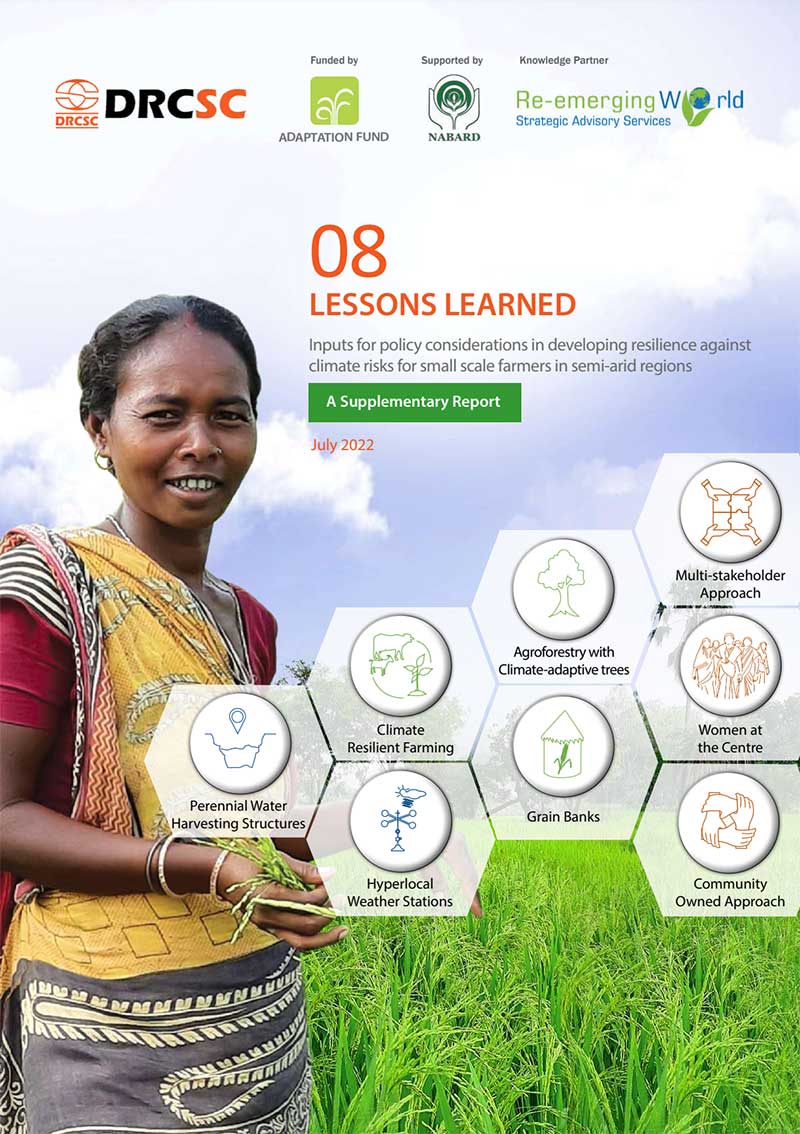
Eight Lessons Learned: Inputs for policy considerations in developing resilience against climate risks for small scale farmers in semi-arid regions, full report
Download Full Report
View Blog Posts
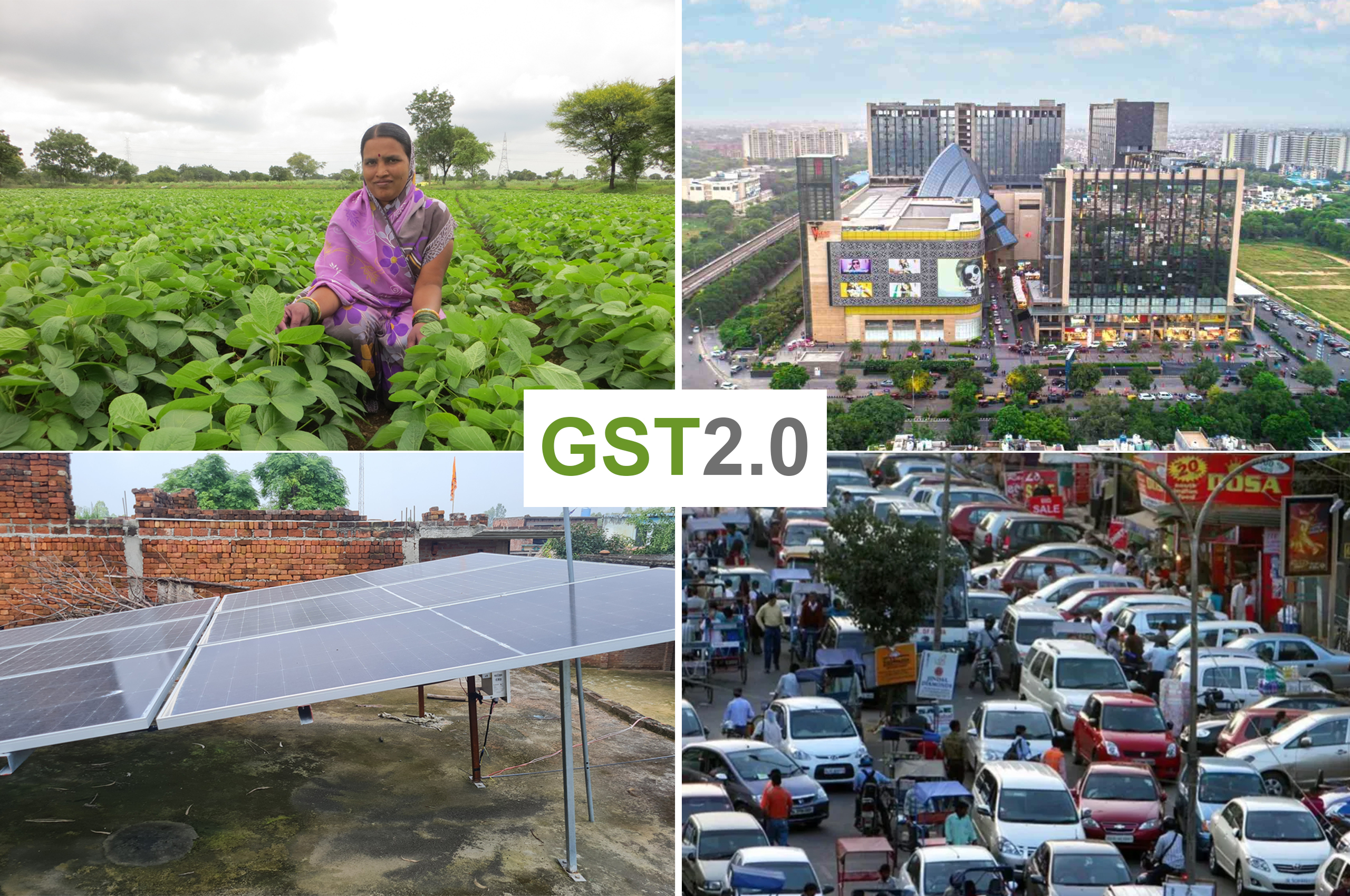
GST 2.0 and Tax Cuts: Can They Make Growth Fairer and Greener?
India's latest GST reform, being termed as GST 2.0, is more than just slashing rates. By simplifying the tax structure, cutting levies on essentials, and supporting renewable infrastructure, it's open..
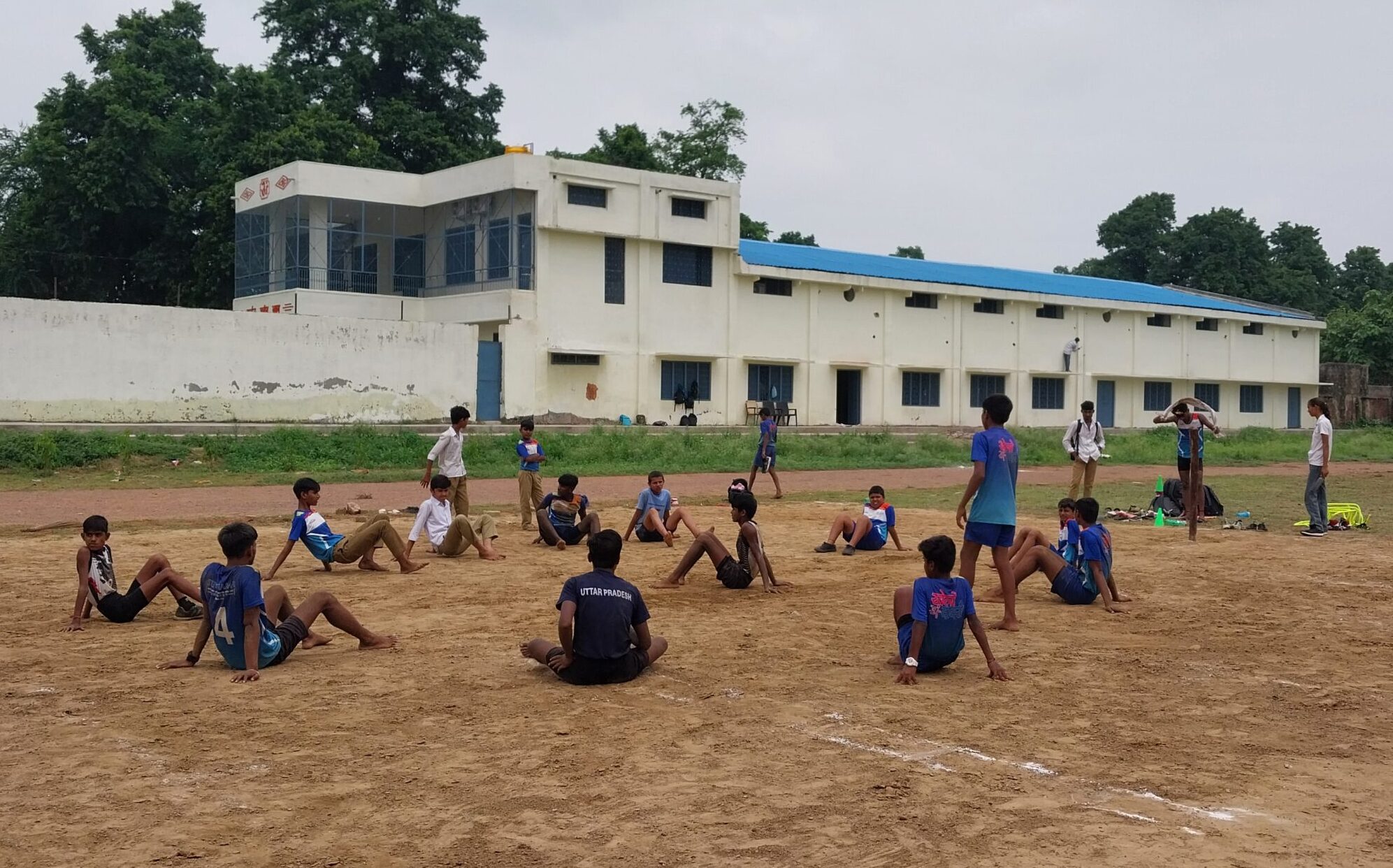
Reimagining Sports in CSR: From Tokenism to a Vehicle for Multiplying Impact
In 2023–24, Indian companies spent about ₹1,396 crore of their CSR budgets on sports — just 4% of the total ₹34,909 crore Indian corporates spent on CSR that year. Most of the rest went to edu..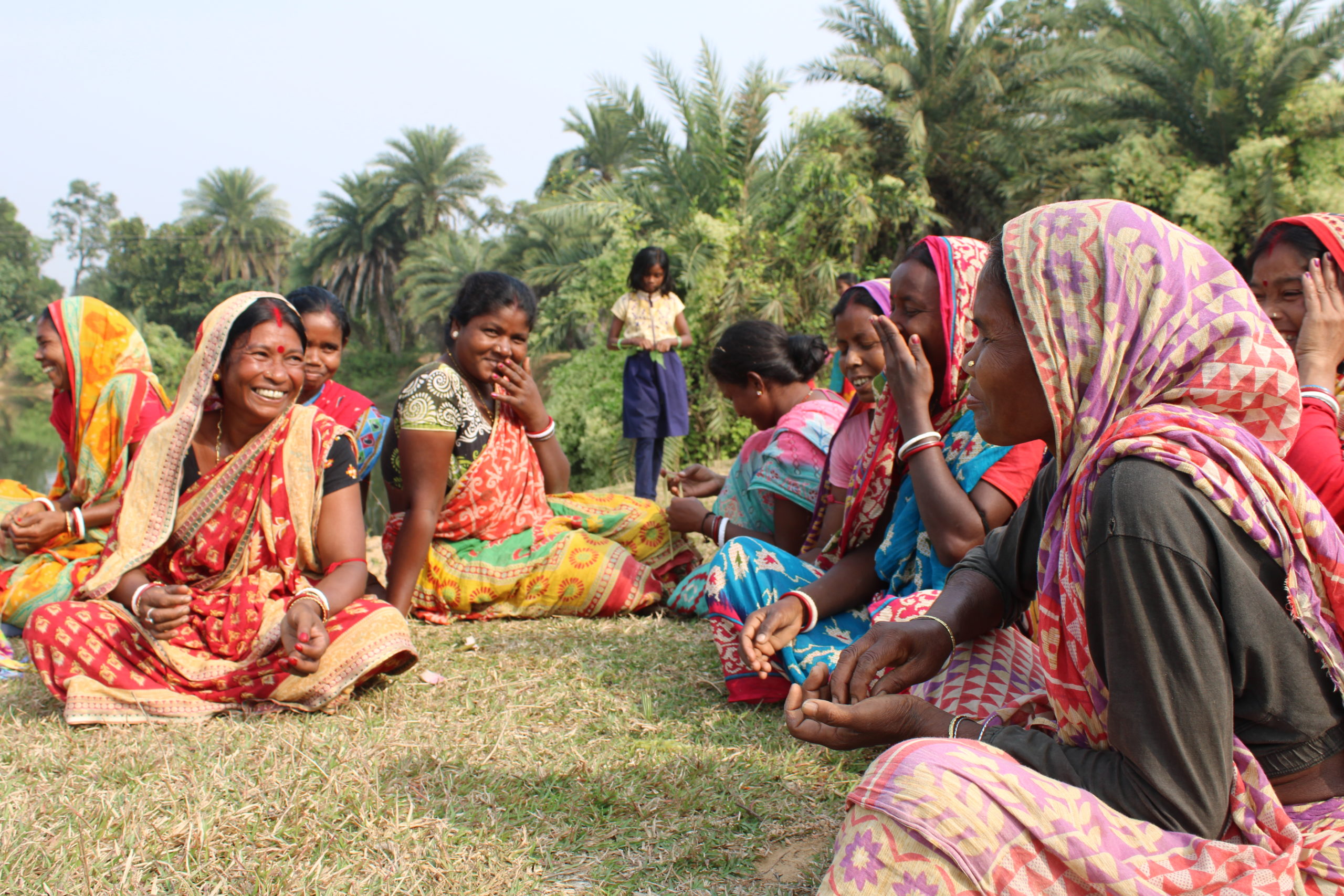
Interactive SHG Map of India: 7.5 million Women Self Help Groups are spread across 27 States and 6 UTs in India
Under the National Rural Livelihood Mission (NRLM), India has 7.5 million Women Self Help Groups (SHGs) spread across 27 states and 6 Union Territories. Each of these small, self-governed, and peer-co..