
Recent Developments,
Key Innovations, and
Insightful Reports
Your One Stop Platform for Regular Sector Updates
Sector news
View By Category
Categories
- See all
- Agriculture
- Clean Cookstoves
- Clean Energy
- Climate Action
- Digital Technology
- Education
- Financial Services
- General
- Healthcare
- Hygiene
- Impact Investment
- Inclusive Value Chains
- Livelihoods
- Livestock
- Lower Income Consumers
- Marketing, Distribution and Sales for BoP
- Nutrition
- Sanitation
- Water
- Women Empowerment

May 17, 2021
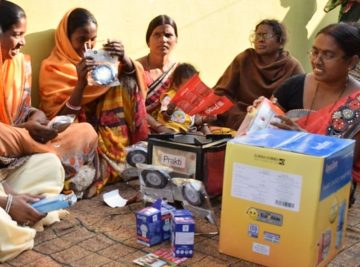
Creating Sustainable Last-Mile Distribution for Beneficial Products: Two Network Archetypes
Last-mile distributors play a critical role in making beneficial goods accessible to underserved populations in hard-to-reach areas.


May 17, 2021
Women changemakers improve access to water and sanitation services
Women’s participation in household investment decisions improve access to water and sanitation services
April 14, 2021
10 Key Lessons for Solar Enterprises: Insights From SELCO’s 26 Years Doing Business in India
Key lessons learned for solar enterprises by Impact Investors Richenda Van Leeuwen and Christine Eibs Singer.
April 14, 2021
Reaching Financial Equality for Women
10 Action points by BTCA to end financial inequality for women.

March 28, 2017
Corporates
You are committed to innovate and scale in emerging markets to reach Base of Pyramid (BOP) population. You want to unlock the next growth opportunities and reposition your organization for market leadership. You want to develop and strengthen your inclusive sourcing value chain. You want to reimagine the way you are delivering Corporate Social Responsibility.
February 9, 2011
Entrepreneurship key for furthering India’s economic resurgence
New Reports Market Trends and Developments Initiatives by Research Bodies and Forums Private Sector Initiatives […]
March 28, 2017
Institutions
You are willing to invest and risk in developing models and ecosystems for vulnerable population where others cannot and would not. You work in partnership with organizations and eager to measure the social impact of your investment. You want to assess your models for scaling up.
March 29, 2017
Social Enterprises
You are passionate about solving social and environment challenges through entrepreneurship. You are eager to launch your own venture or pivot your existing business model to a more sustainable one and working on making your enterprise investment ready.
November 6, 2015
The Insights Imperative: Why Big Data stands only to liberate but not replace Fundamental Research thinking and practice
There is a growing tidal wave of conversation about big data. Anyone who uses data (and also possibly the ones who want to use it) have at least heard about the ‘big-data’ terminology. The data with three V’s, or four V’s or possibly infinity V’s. In the research, analytics and […]
Get The Latest From The Social Sector In Your Inbox

Subscribe to our newsletter
View Our Publications
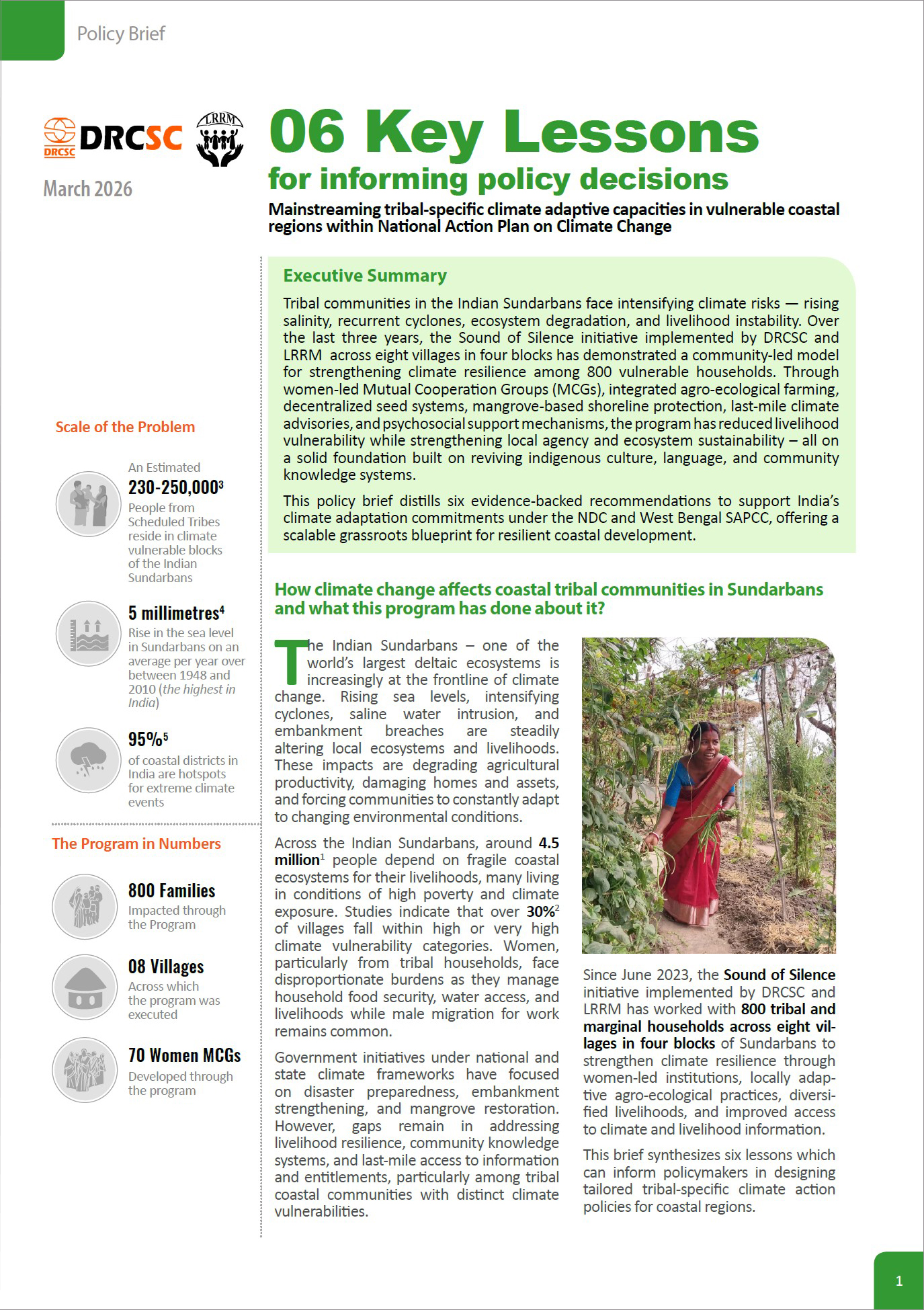
06 Key Lessons for informing policy decisions: Mainstreaming tribal-specific climate adaptive capacities in vulnerable coastal regions within National Action Plan on Climate Change
Download Full Report
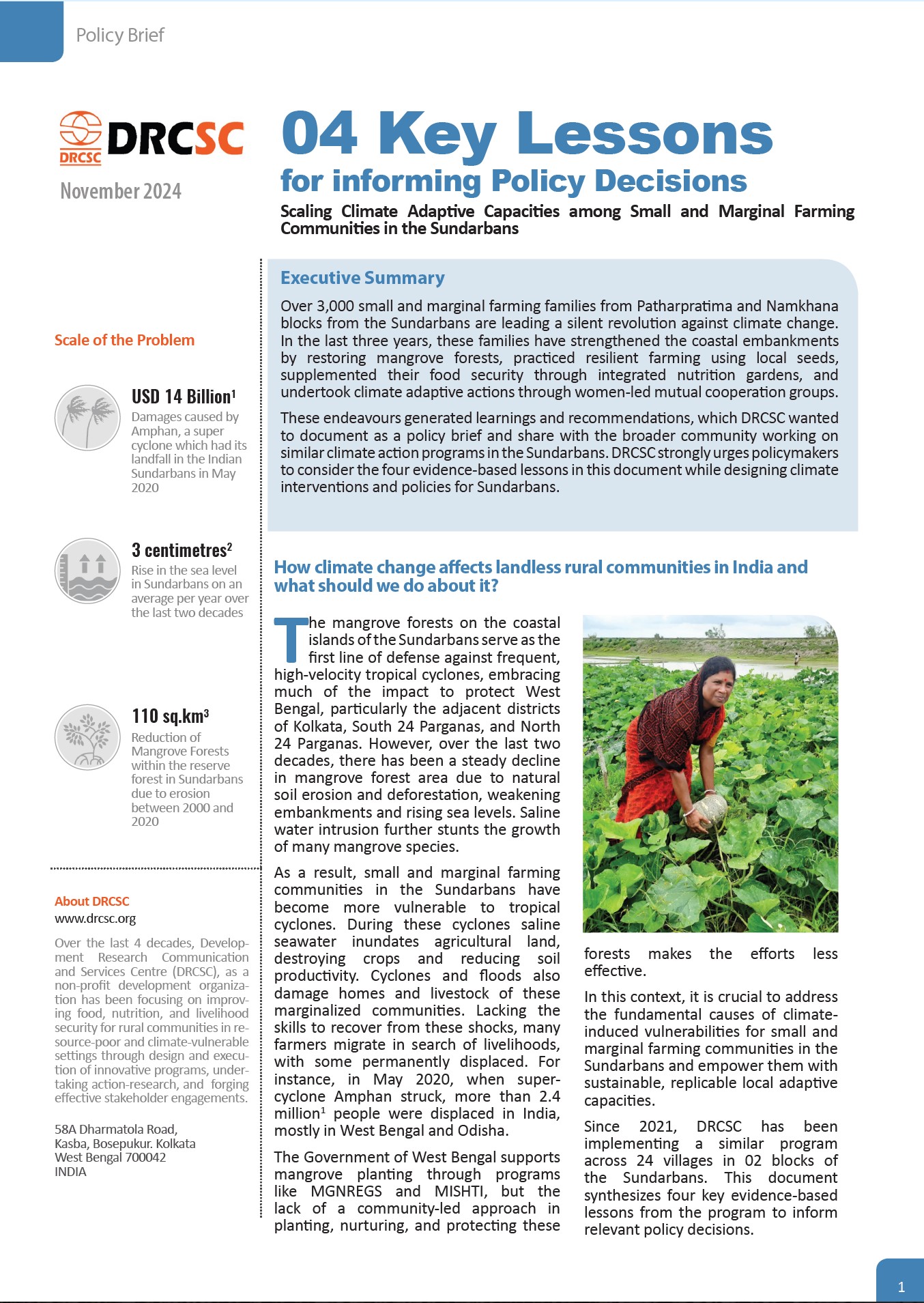
Four Key Lessons for Policy Consideration: Scaling Climate Adaptive Capacities among Small and Marginal Farming Communities in the Sundarbans
Download Full Report
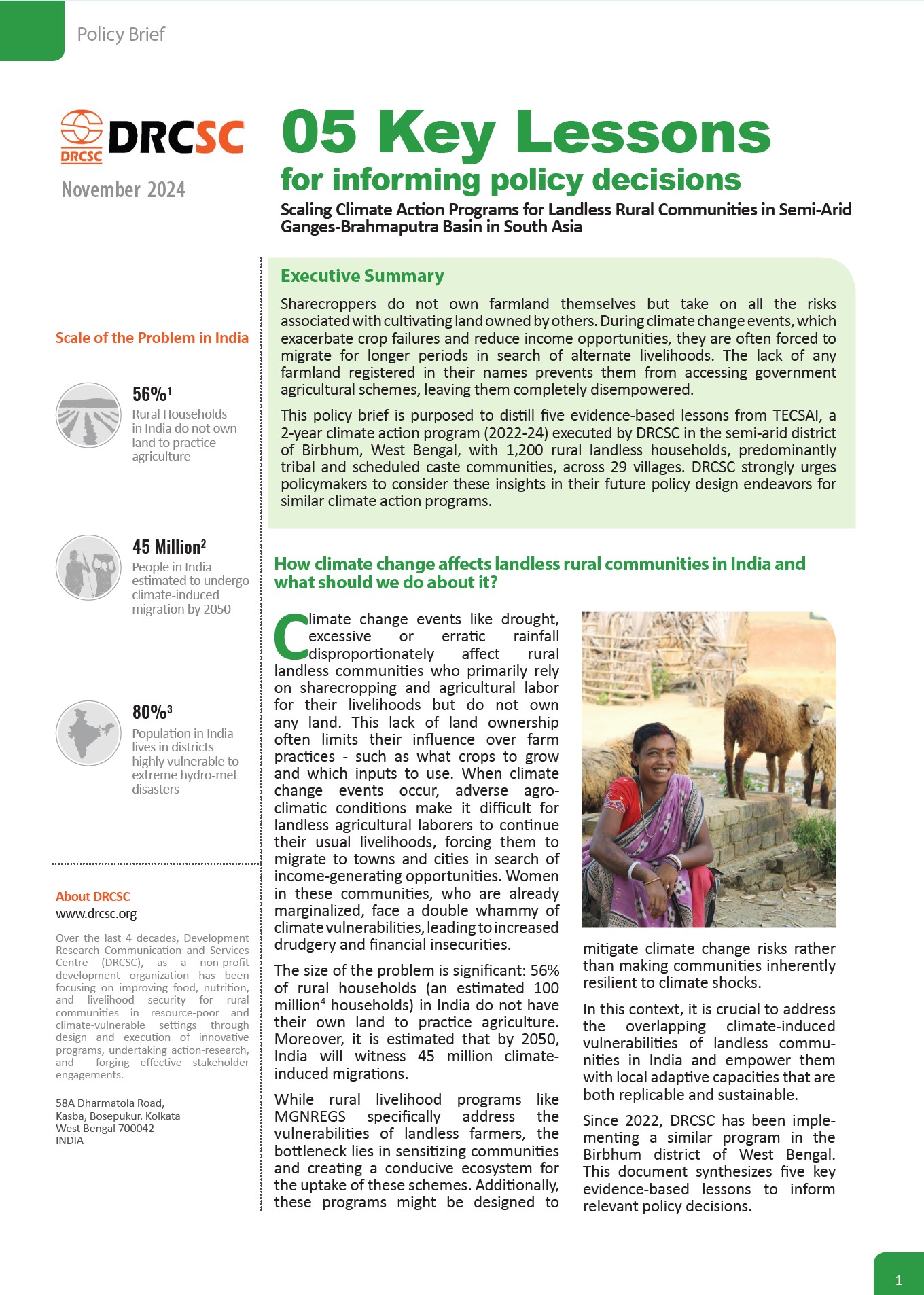
Five Key Lessons for Policy Consideration: Scaling Climate Action Programs for Landless Rural Communities in Semi-Arid Ganges-Brahmaputra Basin in South Asia
Download Full Report
View Blog Posts
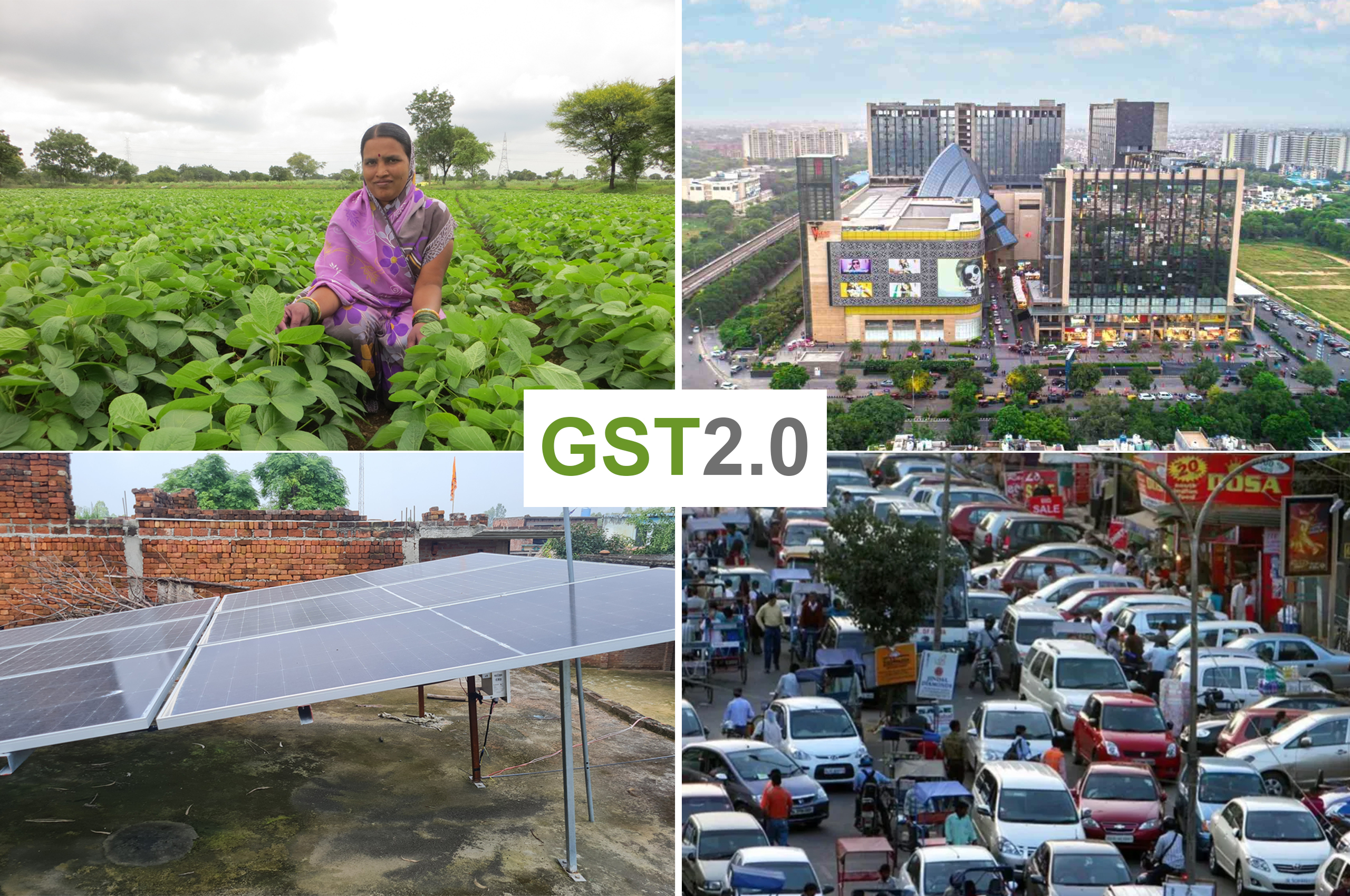
GST 2.0 and Tax Cuts: Can They Make Growth Fairer and Greener?
India's latest GST reform, being termed as GST 2.0, is more than just slashing rates. By simplifying the tax structure, cutting levies on essentials, and supporting renewable infrastructure, it's open..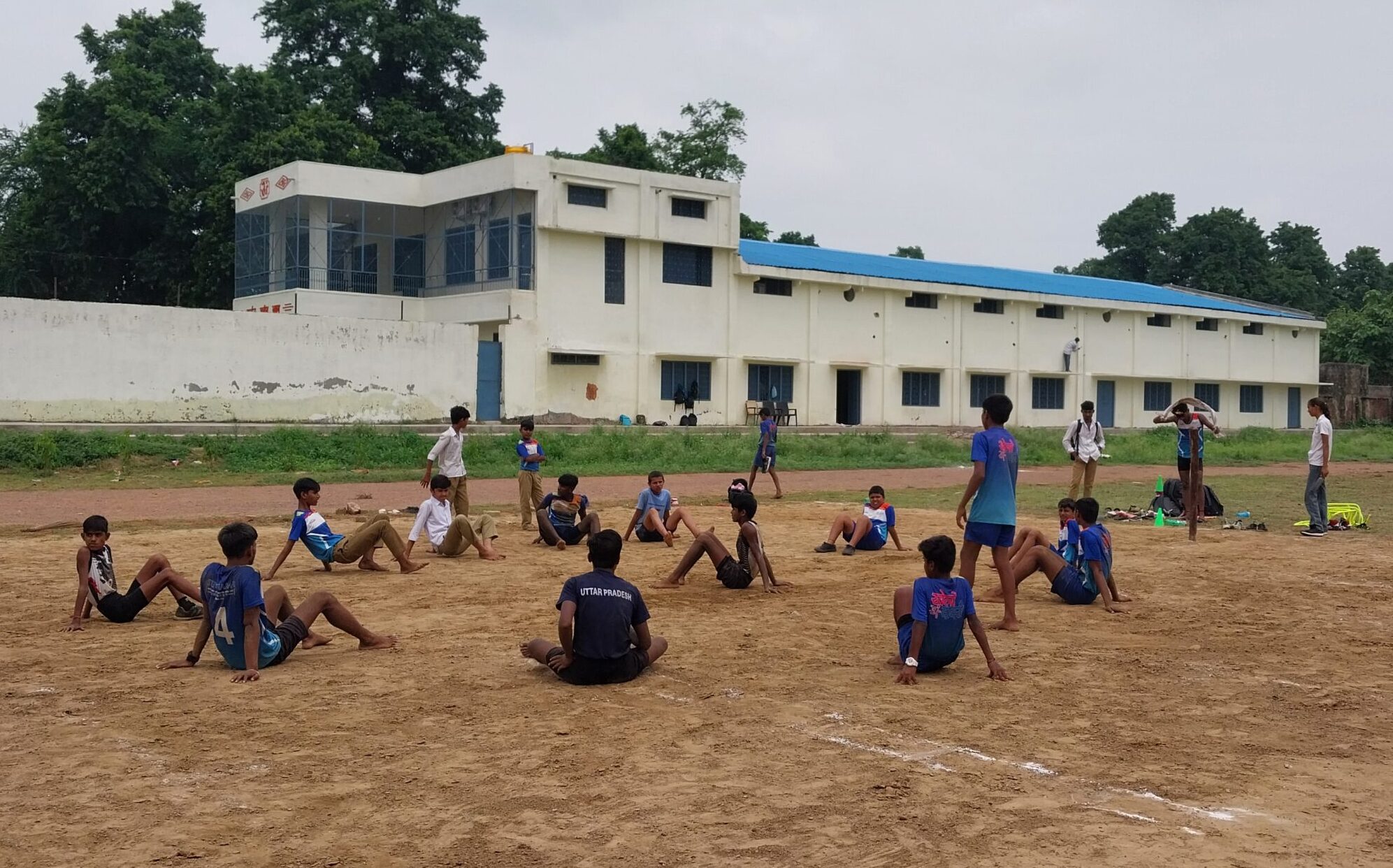
Reimagining Sports in CSR: From Tokenism to a Vehicle for Multiplying Impact
In 2023–24, Indian companies spent about ₹1,396 crore of their CSR budgets on sports — just 4% of the total ₹34,909 crore Indian corporates spent on CSR that year. Most of the rest went to edu..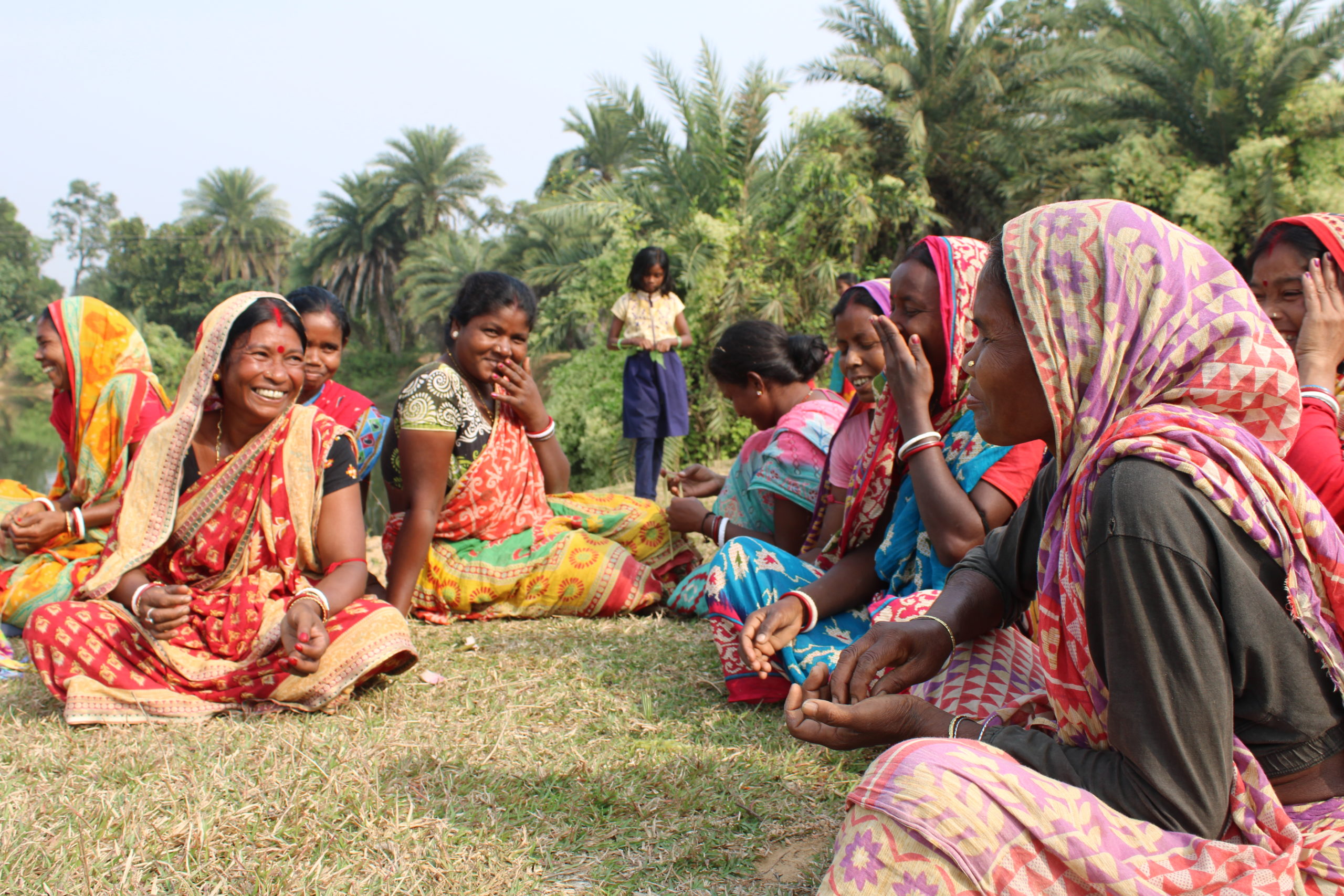
Interactive SHG Map of India: 7.5 million Women Self Help Groups are spread across 27 States and 6 UTs in India
Under the National Rural Livelihood Mission (NRLM), India has 7.5 million Women Self Help Groups (SHGs) spread across 27 states and 6 Union Territories. Each of these small, self-governed, and peer-co..