
Recent Developments,
Key Innovations, and
Insightful Reports
Your One Stop Platform for Regular Sector Updates
Sector news
View By Category
Categories
- See all
- Agriculture
- Clean Cookstoves
- Clean Energy
- Climate Action
- Digital Technology
- Education
- Financial Services
- General
- Healthcare
- Hygiene
- Impact Investment
- Inclusive Value Chains
- Livelihoods
- Livestock
- Lower Income Consumers
- Marketing, Distribution and Sales for BoP
- Nutrition
- Sanitation
- Water
- Women Empowerment


September 23, 2013
US: Lower-net-worth individuals more interested in impact investment
A recent research by Spectrem Group found that nearly half of all investors have become more involved in socially responsible investing, and most of this “benevolence” comes from individuals with annual income less than US$100,000. Only 31% of millionaires (net worth between US$1-5 million) and 40% of mass affluent investors […]
September 23, 2013
How impact investment, has indeed made impact
This post is a summary of conclusions from the Duke’s Centre for the Advancement of Social Entrepreneurship where 13 impact investing funds and foundations were recently studied with the objective of proving that impact investing, has indeed made an impact. From these studies, 3 unique insights were gathered about what […]
September 23, 2013
Impact investment not able to find its financial-social balance?
This post is in response to a recent article in SSIR (Stanford Social Innovation Review) that writes about the difficulty of achieving real impact while being mindful of the financial aspect of impact investments. This SSIR post got heartfelt responses from more than 18 of the world’s leaders in the […]
September 23, 2013
US: How Kickstarter helps social enterprise
According to this post by Spencer Toyoma, the co-creator of a graphic novel that focuses on the issues of human trafficking in the third world countries, Kickstarter is a platform that should essentially be explored by all social enterprises which have product based offerings. Kickstarter forces enterprises to think lean, […]
September 23, 2013
Top tips on how to take your social enterprise to the global level
Divine Chocolate Limited is an internationally known social enterprise managed by Sophi Tranchell, who here, makes a list of to-do’s to take one’s social enterprise to the global level or “world domination”, as this post puts it. Read more here.
September 23, 2013
UK: Helping social enterprises raise equity investments
Social enterprises, very often in their early stages of operations, do not possess ownership of buildings in the UK. According to data from City of London, loans against buildings make up majority (90%) of the social investment market. In contrast, equity investment makes up less than 3% of the same. […]
September 23, 2013
Challenges of impact investment in China: Sustainability and inclusiveness
There are obvious differences between charity and impact investment – that of expecting a financial return in the latter case. China, in this regard, is still finding ways to improve the infrastructure of impact investment within the country, and this post highlights some of the biggest problems in the impact […]
September 23, 2013
Reflection on EU’s contribution towards access to drinking water in developing countries
Between the years 2004 and 2012, the European Union has helped about 70 million people in developing countries gain access to drinking water. Moreover the organization has spent about €2 billion towards the cause in 62 developing countries between 2008 and 2013. Read more here.
September 23, 2013
Reinvent the toilet challenge extended to China
The Bill and Melinda Gates Foundation’s global toilet challenge now includes China in its run for the global competition that looks for cost effective ways to end open defecation. Under this country specific initiative, a grant of US$ 5 million will be made available to the winning team of Chinese […]
Get The Latest From The Social Sector In Your Inbox

Subscribe to our newsletter
View Our Publications
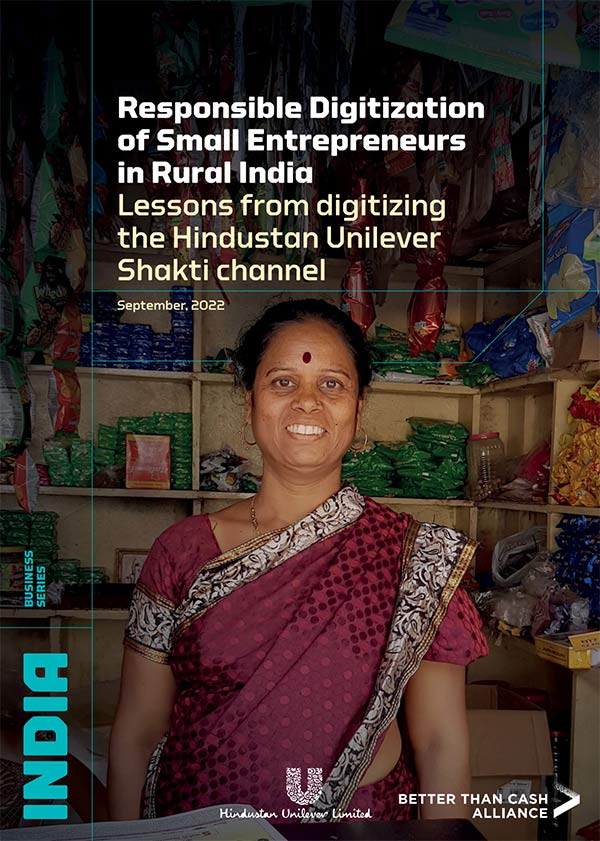
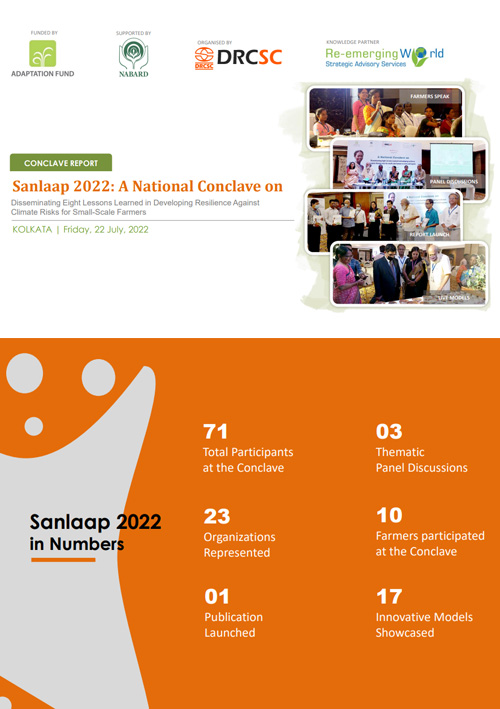
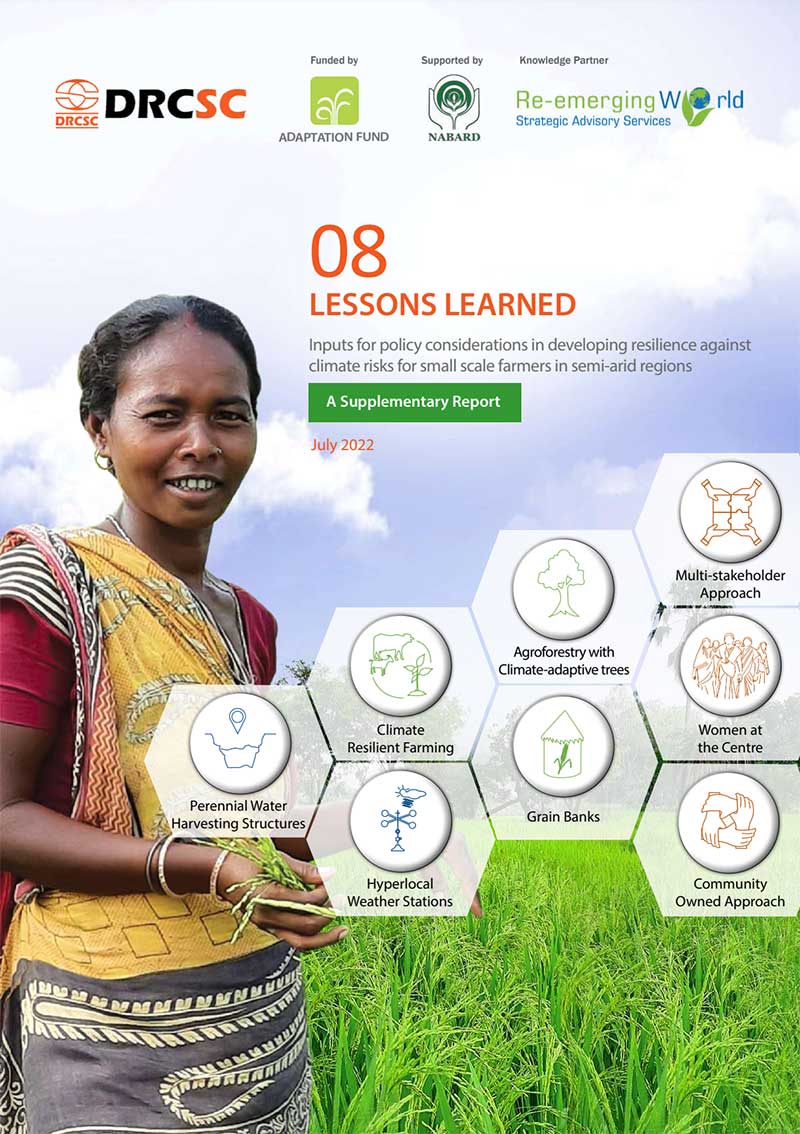
Eight Lessons Learned: Inputs for policy considerations in developing resilience against climate risks for small scale farmers in semi-arid regions, full report
Download Full Report
View Blog Posts
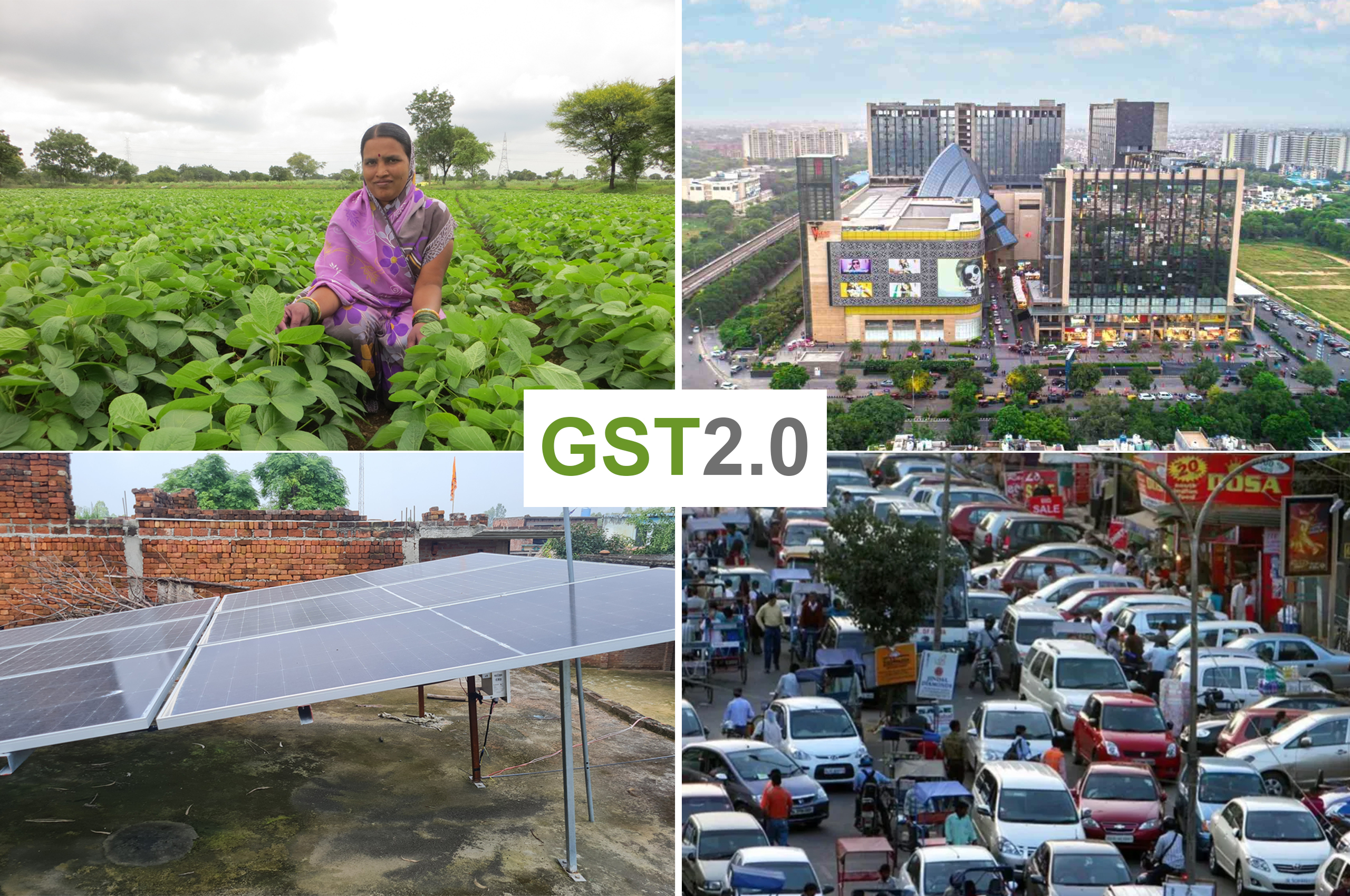
GST 2.0 and Tax Cuts: Can They Make Growth Fairer and Greener?
India's latest GST reform, being termed as GST 2.0, is more than just slashing rates. By simplifying the tax structure, cutting levies on essentials, and supporting renewable infrastructure, it's open..
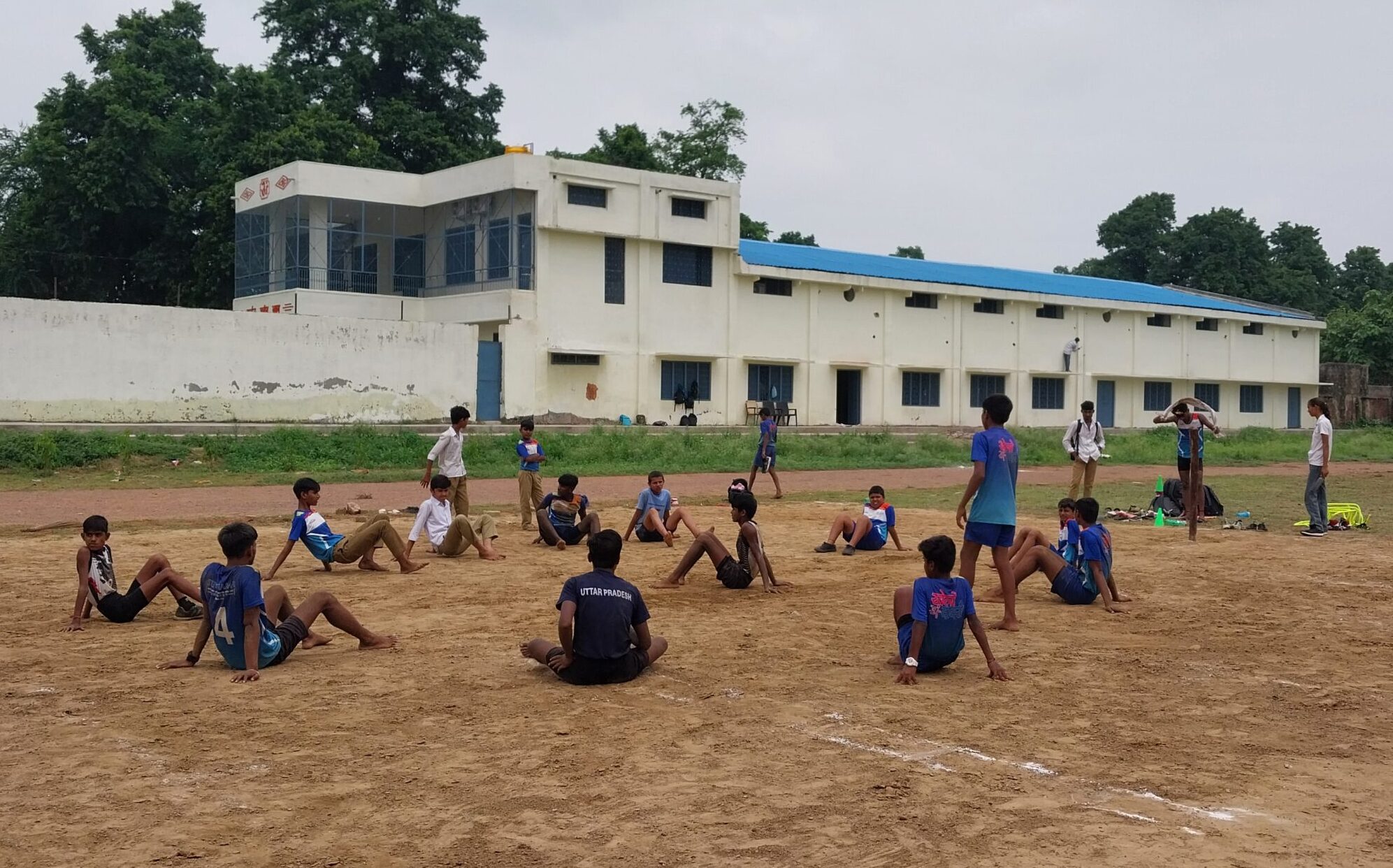
Reimagining Sports in CSR: From Tokenism to a Vehicle for Multiplying Impact
In 2023–24, Indian companies spent about ₹1,396 crore of their CSR budgets on sports — just 4% of the total ₹34,909 crore Indian corporates spent on CSR that year. Most of the rest went to edu..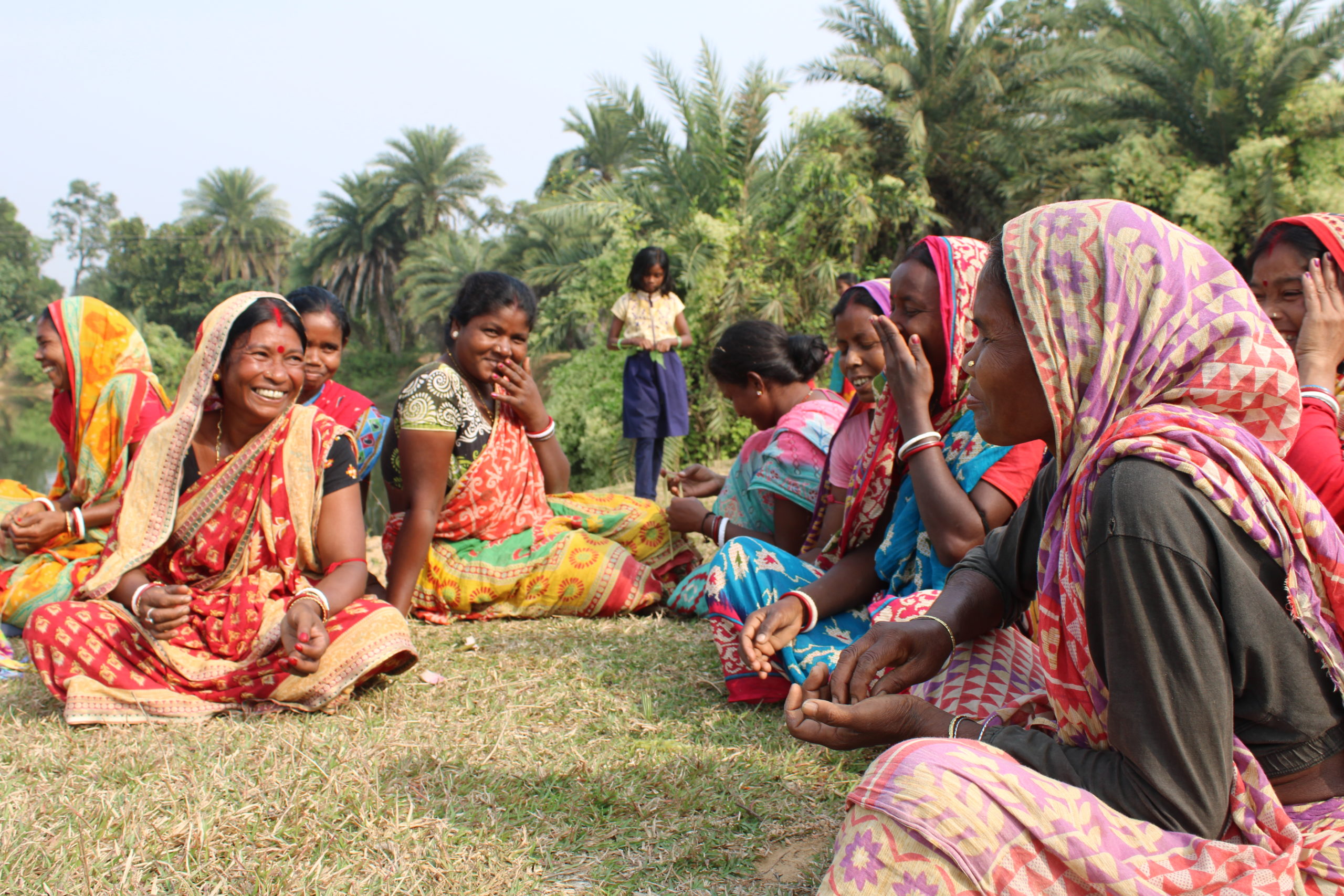
Interactive SHG Map of India: 7.5 million Women Self Help Groups are spread across 27 States and 6 UTs in India
Under the National Rural Livelihood Mission (NRLM), India has 7.5 million Women Self Help Groups (SHGs) spread across 27 states and 6 Union Territories. Each of these small, self-governed, and peer-co..