
Recent Developments,
Key Innovations, and
Insightful Reports
Your One Stop Platform for Regular Sector Updates
Sector news
View By Category
Categories
- See all
- Agriculture
- Clean Cookstoves
- Clean Energy
- Climate Action
- Digital Technology
- Education
- Financial Services
- General
- Healthcare
- Hygiene
- Impact Investment
- Inclusive Value Chains
- Livelihoods
- Livestock
- Lower Income Consumers
- Marketing, Distribution and Sales for BoP
- Nutrition
- Sanitation
- Water
- Women Empowerment


September 23, 2013
How open defecation and sanitation is the next big focus of the world
Jan Eliasson, UN deputy secretary general used “open defecation” five times during his speech at the opening ceremony of the World Water Week in Stockholm this month. Focused on his agenda of breaking taboos, he insisted that this is the next big problem the world should be preparing to fight. […]
September 23, 2013
Proctor & Gamble provided the world poor with 6 billion quarts of clean drinking water
Children’s Safe Drinking Water (CSDW) is the nonprofit arm of global pharmaceutical company Proctor & Gamble. So far the organization has provided the world’s poor with 6 billion quarts of clean drinking water, and thereby saved 32,000 lives. This was done through a satchet that can convert a bucketful of […]
September 23, 2013
EMD Millipore donated US$30,000 to “Charity: Water”
EMD Millipore, of the Merck KGaA of Darmstadt, Germany donated an amount of US$30,000 towards the cause of water at the occasion of the World Water Week in Stockholm this month. This amount went to the nonprofit called Charity: Water. Read more here.
September 23, 2013
Nestle commits to clean water and sanitation pledge
Nestle is the latest company to sign the “Water, Sanitation and Hygiene Implementation at the workplace” (WASH) created by the World Business Council for Sustainable Development (WBCSD). Under this pledge, Nestle will “commit business to the supply of clean water and high levels of sanitation” in all their operations. Read […]
September 23, 2013
Scientists create a quick test kit for phenolic compounds in drinking water
Finland’s VTT Technical Research Centre has devised a new way to test water for phenolic impurities, by way of a simple and cost effective test kit. Phenolic compounds in drinking water are usually derived from industrial wastewaters, drug residues and pipes. Read more here.
September 23, 2013
Plasma-treated carbon nanotube filters could be the developing world’s answer to unsafe water
A set of scientists from the Singapore University of Technology and Design claim that it is possible to use plasma-treated carbon-nanotubes as water filters. This device is cost effective, and efficiently takes care of impurities in briny water and not just the salts in it. The device has the advantage […]
September 23, 2013
Purifying water while wheeling it back home
A group of scientists from Arizona State University in Tempe have addressed the old challenge of no access to safe drinking water in the developing world in a new way – by creating a water barrel that rolls, thereby cutting down time taken to haul water back to respective houses […]
September 23, 2013
A cost effective way to deal with arsenic poisoning
Arsenic poisoning is a global phenomenon, affecting 137 people everyday across the world. It is a prevalent issue in developed countries like the US, as well as in developing countries. The former has the means to deal with the problem, while the poor in the latter often do not. Now, […]
September 23, 2013
India: How water management is key to the country’s progress
According to this post, economic growth to the tune of 8%-9% is only possible in the country if the water requirements of the expanding population is met. Moreover, the demand of the growing population is going to increase by 50% by 2031. Read more here.
Get The Latest From The Social Sector In Your Inbox

Subscribe to our newsletter
View Our Publications
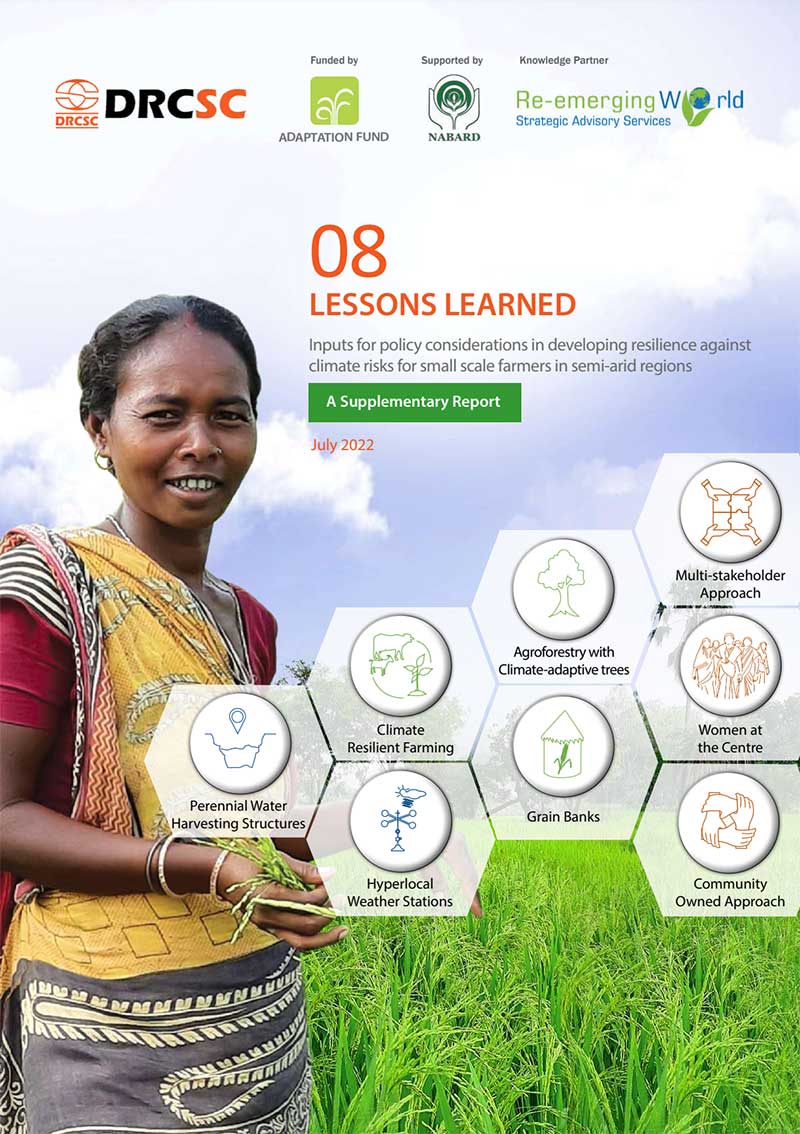
Eight Lessons Learned: Inputs for policy considerations in developing resilience against climate risks for small scale farmers in semi-arid regions, full report
Download Full Report
View Blog Posts
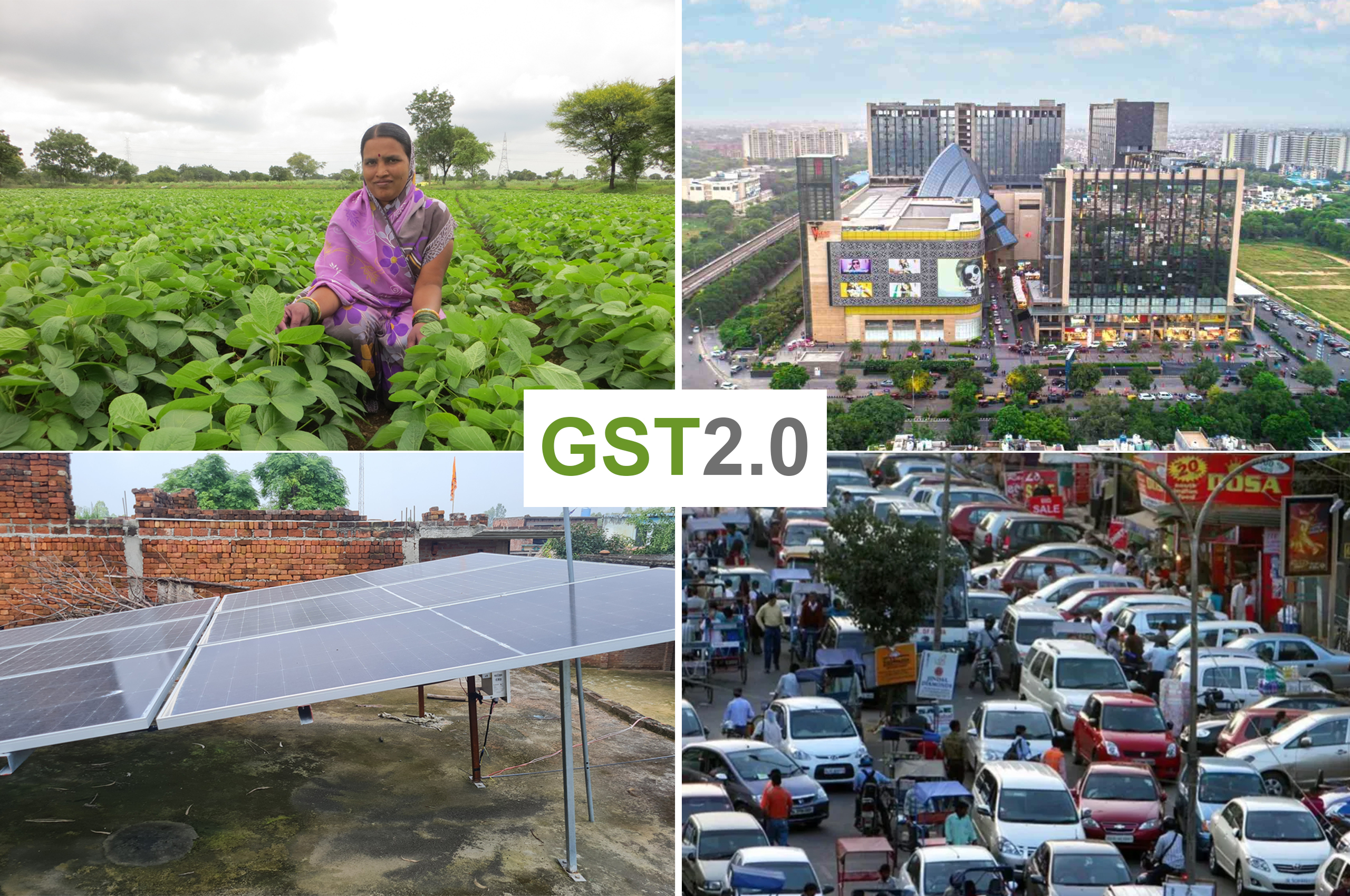
GST 2.0 and Tax Cuts: Can They Make Growth Fairer and Greener?
India's latest GST reform, being termed as GST 2.0, is more than just slashing rates. By simplifying the tax structure, cutting levies on essentials, and supporting renewable infrastructure, it's open..
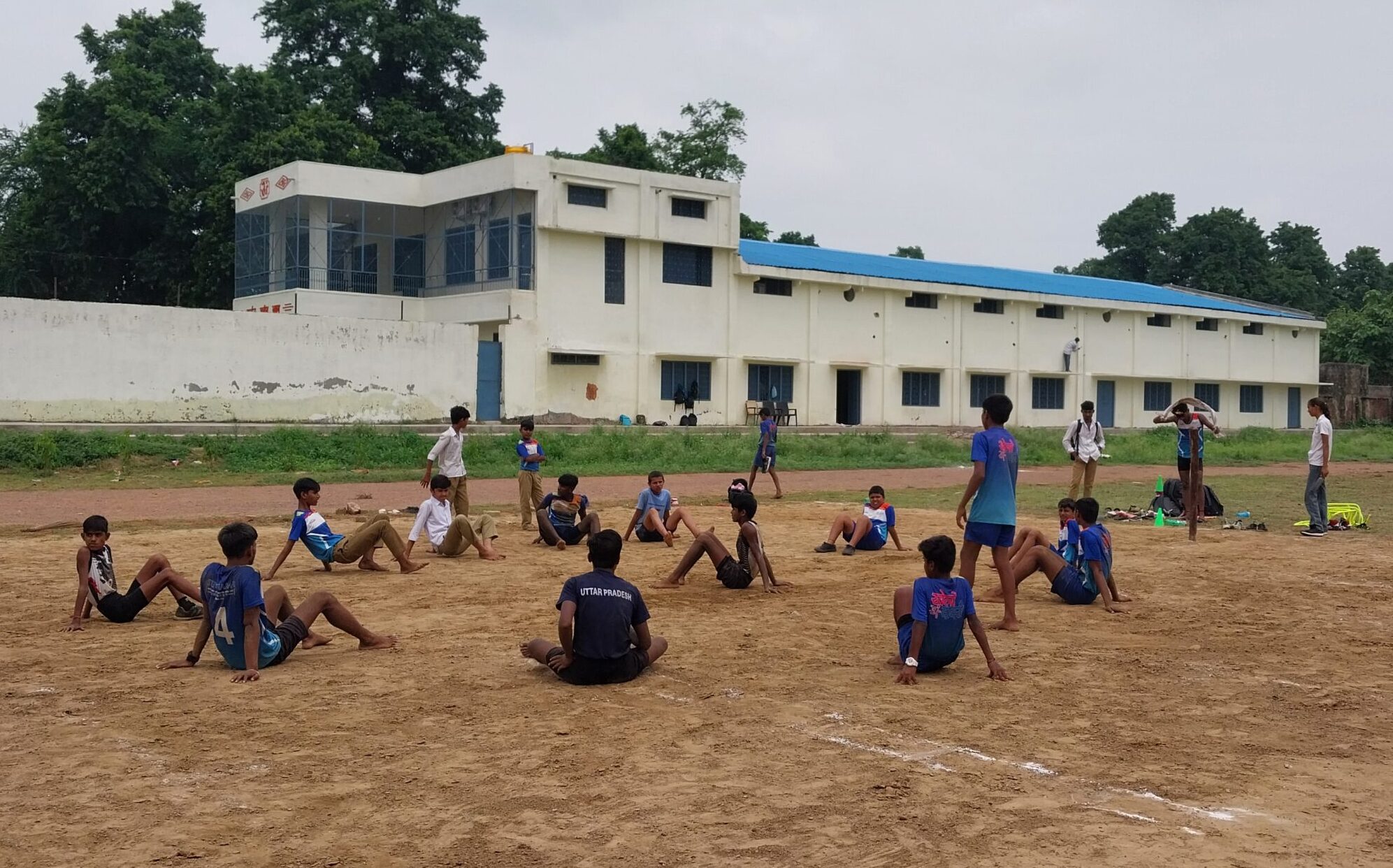
Reimagining Sports in CSR: From Tokenism to a Vehicle for Multiplying Impact
In 2023–24, Indian companies spent about ₹1,396 crore of their CSR budgets on sports — just 4% of the total ₹34,909 crore Indian corporates spent on CSR that year. Most of the rest went to edu..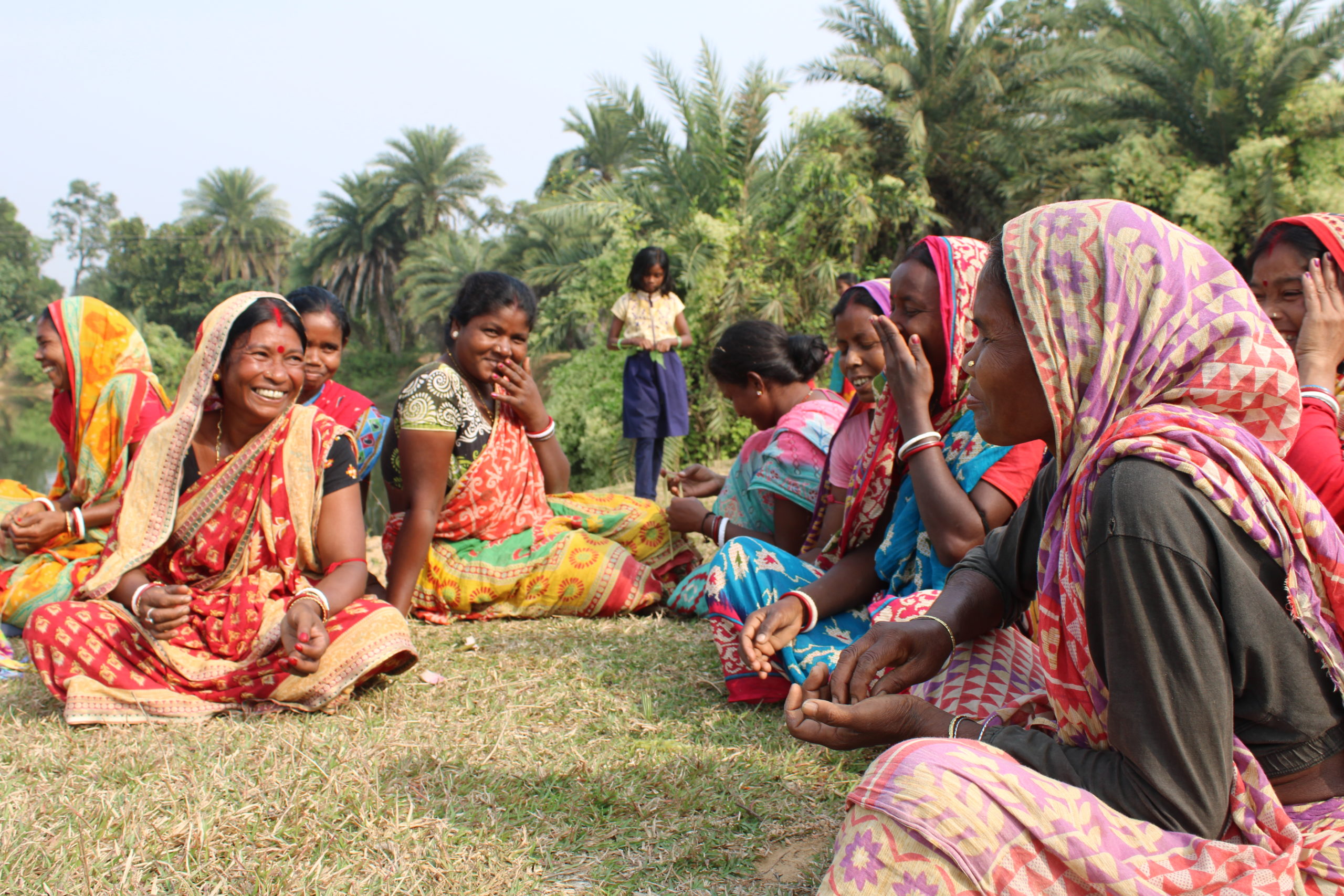
Interactive SHG Map of India: 7.5 million Women Self Help Groups are spread across 27 States and 6 UTs in India
Under the National Rural Livelihood Mission (NRLM), India has 7.5 million Women Self Help Groups (SHGs) spread across 27 states and 6 Union Territories. Each of these small, self-governed, and peer-co..