
Recent Developments,
Key Innovations, and
Insightful Reports
Your One Stop Platform for Regular Sector Updates
Sector news
View By Category
Categories
- See all
- Agriculture
- Clean Cookstoves
- Clean Energy
- Climate Action
- Digital Technology
- Education
- Financial Services
- General
- Healthcare
- Hygiene
- Impact Investment
- Inclusive Value Chains
- Livelihoods
- Livestock
- Lower Income Consumers
- Marketing, Distribution and Sales for BoP
- Nutrition
- Sanitation
- Water
- Women Empowerment


September 23, 2013
UK: Helping social enterprises raise equity investments
Social enterprises, very often in their early stages of operations, do not possess ownership of buildings in the UK. According to data from City of London, loans against buildings make up majority (90%) of the social investment market. In contrast, equity investment makes up less than 3% of the same. […]
September 23, 2013
Challenges of impact investment in China: Sustainability and inclusiveness
There are obvious differences between charity and impact investment – that of expecting a financial return in the latter case. China, in this regard, is still finding ways to improve the infrastructure of impact investment within the country, and this post highlights some of the biggest problems in the impact […]
September 23, 2013
Reflection on EU’s contribution towards access to drinking water in developing countries
Between the years 2004 and 2012, the European Union has helped about 70 million people in developing countries gain access to drinking water. Moreover the organization has spent about €2 billion towards the cause in 62 developing countries between 2008 and 2013. Read more here.
September 23, 2013
Reinvent the toilet challenge extended to China
The Bill and Melinda Gates Foundation’s global toilet challenge now includes China in its run for the global competition that looks for cost effective ways to end open defecation. Under this country specific initiative, a grant of US$ 5 million will be made available to the winning team of Chinese […]
September 23, 2013
How open defecation and sanitation is the next big focus of the world
Jan Eliasson, UN deputy secretary general used “open defecation” five times during his speech at the opening ceremony of the World Water Week in Stockholm this month. Focused on his agenda of breaking taboos, he insisted that this is the next big problem the world should be preparing to fight. […]
September 23, 2013
Proctor & Gamble provided the world poor with 6 billion quarts of clean drinking water
Children’s Safe Drinking Water (CSDW) is the nonprofit arm of global pharmaceutical company Proctor & Gamble. So far the organization has provided the world’s poor with 6 billion quarts of clean drinking water, and thereby saved 32,000 lives. This was done through a satchet that can convert a bucketful of […]
September 23, 2013
EMD Millipore donated US$30,000 to “Charity: Water”
EMD Millipore, of the Merck KGaA of Darmstadt, Germany donated an amount of US$30,000 towards the cause of water at the occasion of the World Water Week in Stockholm this month. This amount went to the nonprofit called Charity: Water. Read more here.
September 23, 2013
Nestle commits to clean water and sanitation pledge
Nestle is the latest company to sign the “Water, Sanitation and Hygiene Implementation at the workplace” (WASH) created by the World Business Council for Sustainable Development (WBCSD). Under this pledge, Nestle will “commit business to the supply of clean water and high levels of sanitation” in all their operations. Read […]
September 23, 2013
Scientists create a quick test kit for phenolic compounds in drinking water
Finland’s VTT Technical Research Centre has devised a new way to test water for phenolic impurities, by way of a simple and cost effective test kit. Phenolic compounds in drinking water are usually derived from industrial wastewaters, drug residues and pipes. Read more here.
Get The Latest From The Social Sector In Your Inbox

Subscribe to our newsletter
View Our Publications
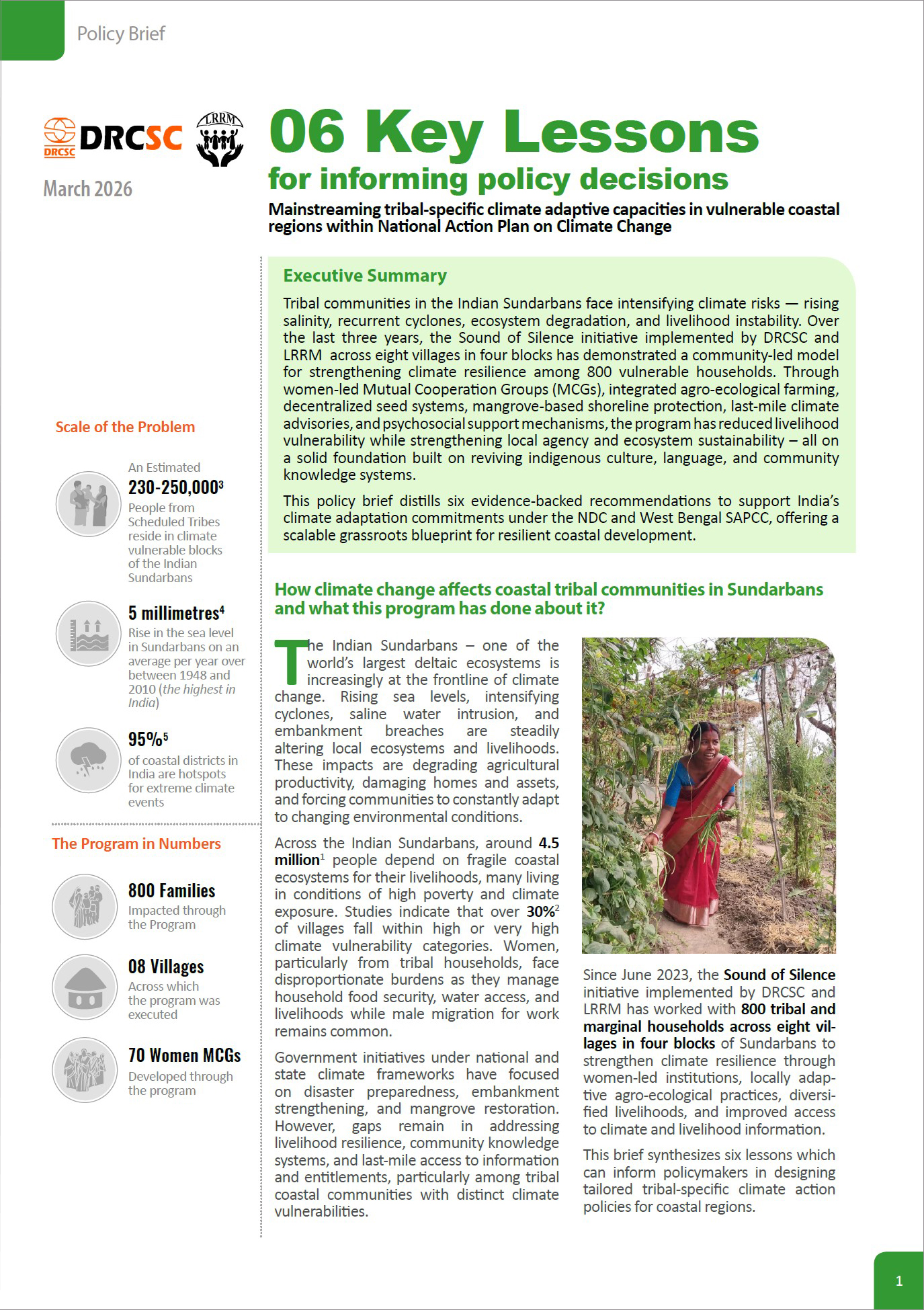
06 Key Lessons for informing policy decisions: Mainstreaming tribal-specific climate adaptive capacities in vulnerable coastal regions within National Action Plan on Climate Change
Download Full Report
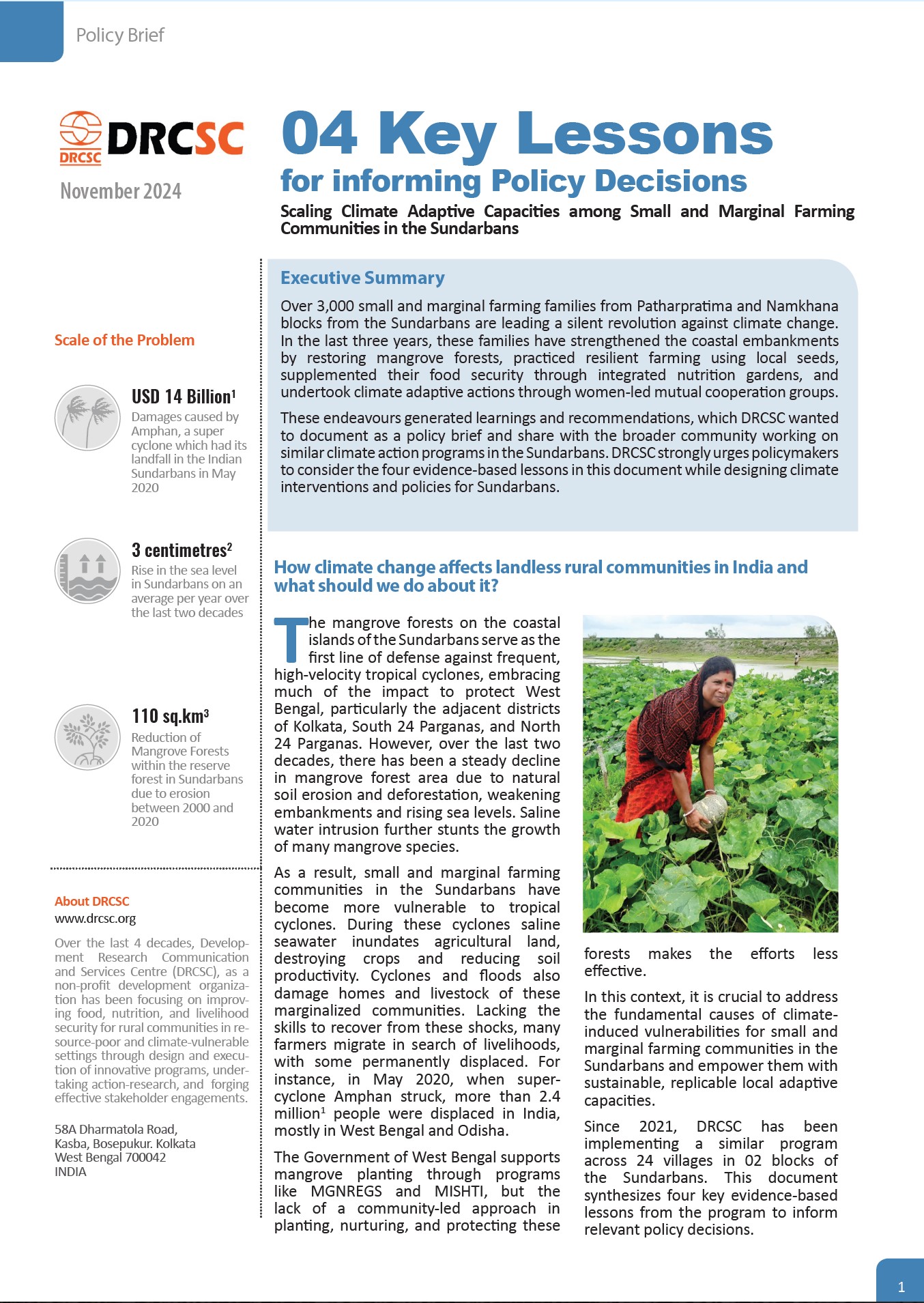
Four Key Lessons for Policy Consideration: Scaling Climate Adaptive Capacities among Small and Marginal Farming Communities in the Sundarbans
Download Full Report
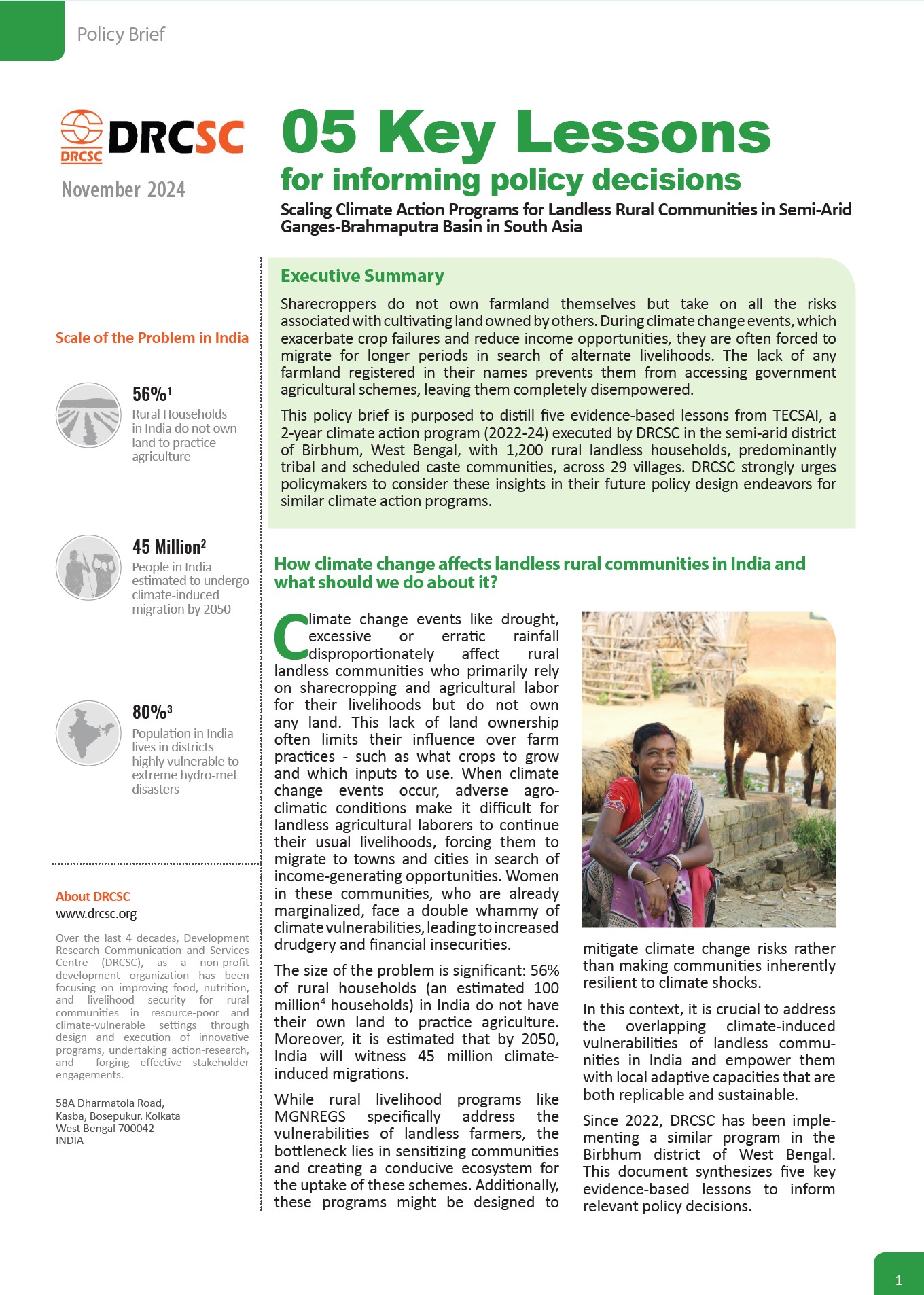
Five Key Lessons for Policy Consideration: Scaling Climate Action Programs for Landless Rural Communities in Semi-Arid Ganges-Brahmaputra Basin in South Asia
Download Full Report
View Blog Posts
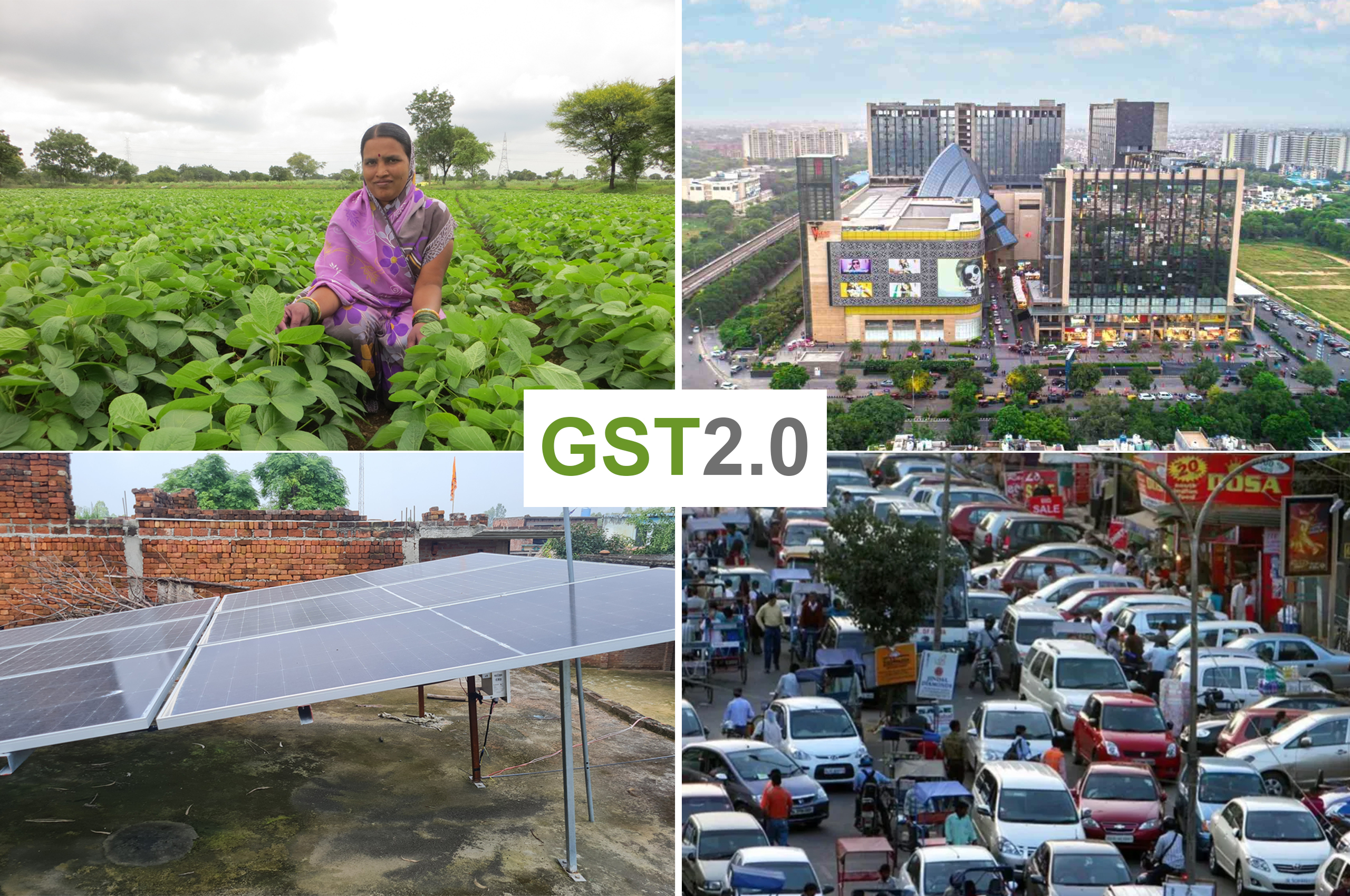
GST 2.0 and Tax Cuts: Can They Make Growth Fairer and Greener?
India's latest GST reform, being termed as GST 2.0, is more than just slashing rates. By simplifying the tax structure, cutting levies on essentials, and supporting renewable infrastructure, it's open..
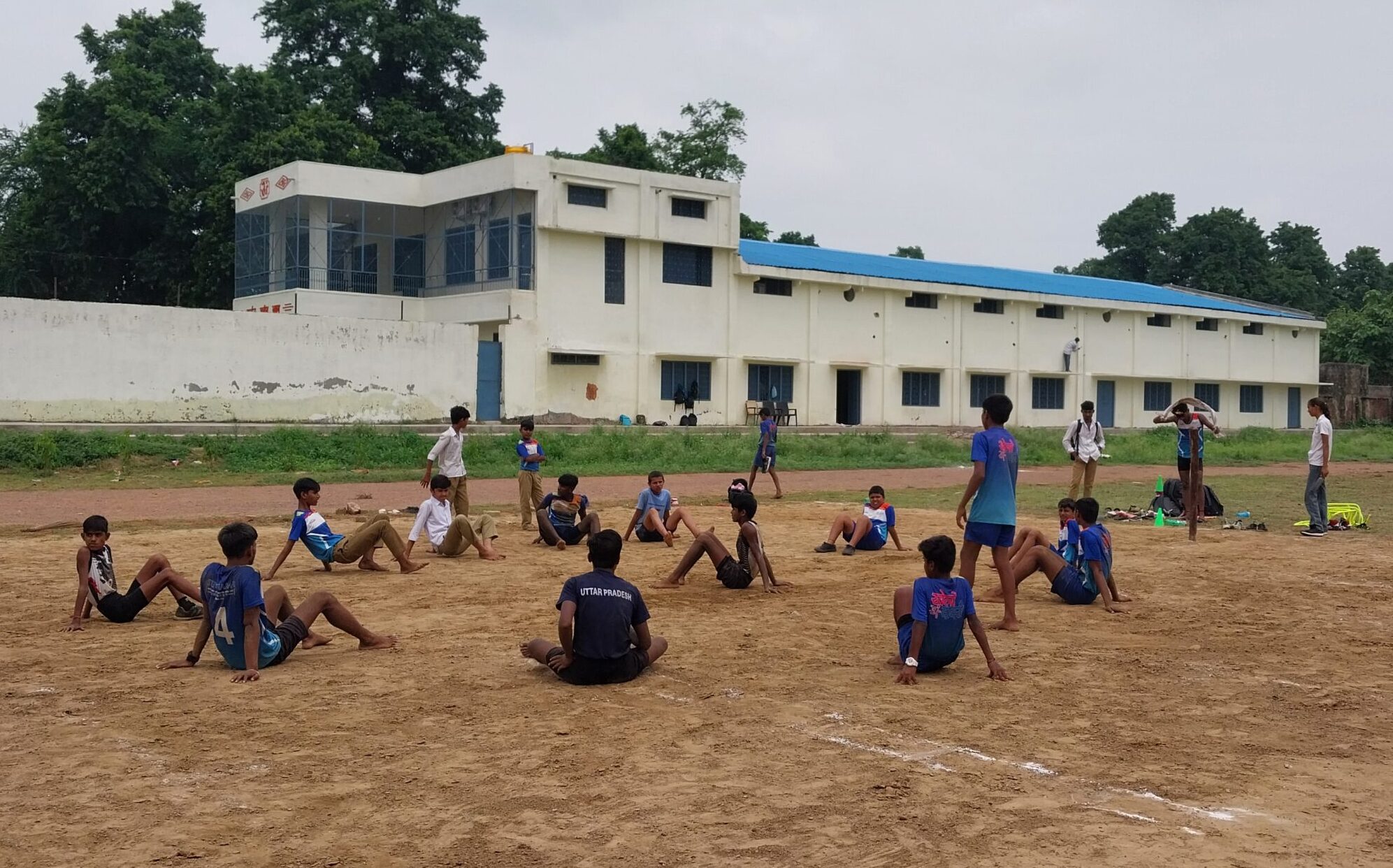
Reimagining Sports in CSR: From Tokenism to a Vehicle for Multiplying Impact
In 2023–24, Indian companies spent about ₹1,396 crore of their CSR budgets on sports — just 4% of the total ₹34,909 crore Indian corporates spent on CSR that year. Most of the rest went to edu..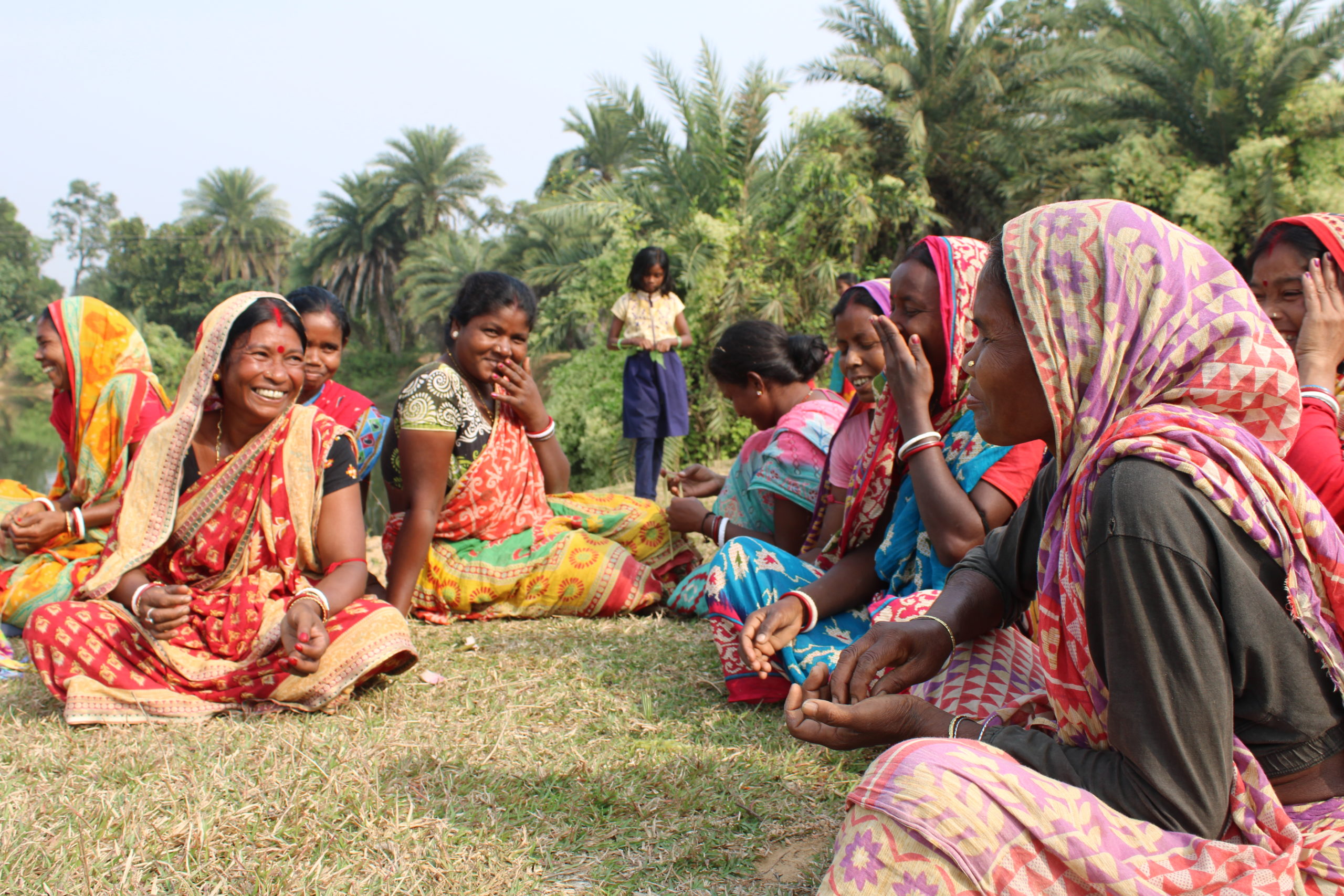
Interactive SHG Map of India: 7.5 million Women Self Help Groups are spread across 27 States and 6 UTs in India
Under the National Rural Livelihood Mission (NRLM), India has 7.5 million Women Self Help Groups (SHGs) spread across 27 states and 6 Union Territories. Each of these small, self-governed, and peer-co..