Piloting a Gynaecologist-led Go-to-Market Model for AI-based Breast Health Screening in India
 India

Client Ambition
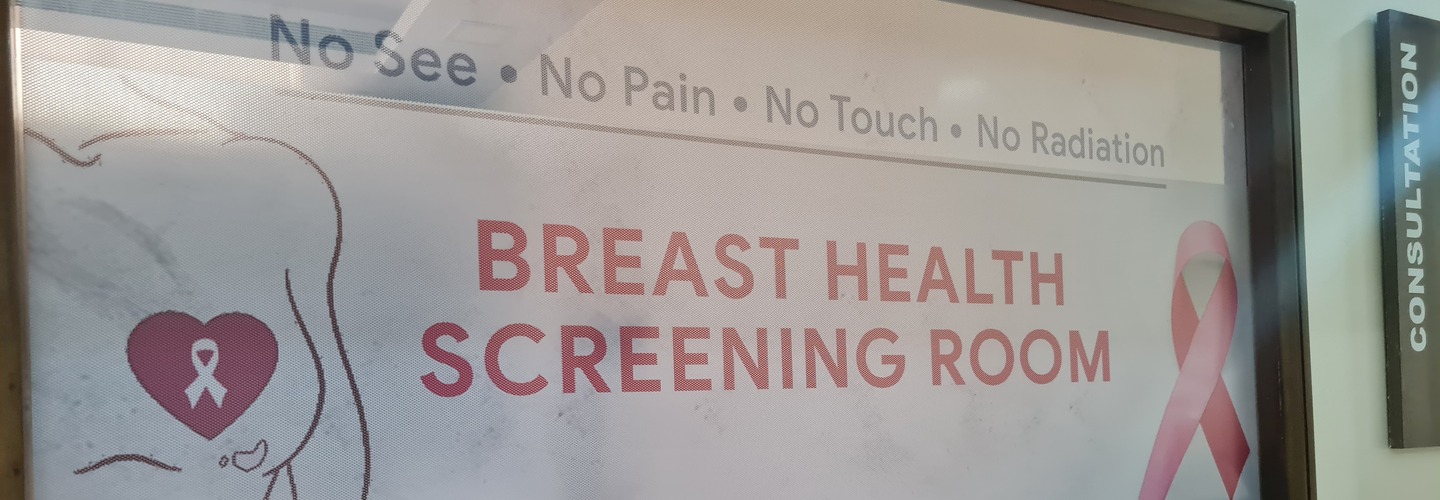
Our client, an AI health-tech firm, offers a radiation-free, non-invasive thermal imaging solution for early detection of breast health anomalies. The client (and its investor, British International Investment) aimed to test whether gynaecologists, as women’s first point of contact for healthcare, could become a scalable channel for driving preventive breast screening uptake in India.
Our Solution
We partnered with our client through a multi-phase research and pilot engagement to design, test, and refine a gynaecologist-led go-to-market model.
We began with a business diagnostic, analysing screening volumes across customer segments and conducting case studies with high and low volume users to understand value perception and barriers to uptake. Building on these insights, we defined selection criteria for gynaecologists and clinics, and developed the pilot design and pitch materials for onboarding.
As the pilot rolled out across eight sites in Karnataka, Tamil Nadu, Uttar Pradesh, and Madhya Pradesh, we developed a standard operating procedure and clinic-wise checklists for onboarding, launch, and post-launch handholding. We also facilitated a leadership decision matrix and a customer journey workshop, which mapped clinic and patient journeys across six stages and shaped the next round of pilot enhancements, including direct-to-patient digital campaigns.
Finally, we synthesised learnings from early adopters, patients, and campaign tests into a scale-up strategy, including early adopter personas, onboarding journeys, and recommendations for the next phase.
Results
The engagement gave the client an evidence-based view of where a gynaecologist-led model works and where it breaks down. Over a period of eight months, the pilot sites conducted over 600 screenings, more than half of them paid by patients, which established a commercial price point. The study found that traction was strongest among a small group of “evangelist” gynaecologists who actively created demand through camps and awareness sessions, while mainstream gynaecologists recommended screening mainly to symptomatic patients. It also surfaced deep-rooted patient barriers, including low awareness, fear of diagnosis, and no perceived need in the absence of symptoms. Our engagement also refined marketing campaigns and generated learnings around what worked and what did not. Overall, the engagement shifted the client’s strategy from replicating rare evangelists to embedding screening into existing care pathways, such as pregnancy care and preventive health packages, supported by ecosystem-level awareness partnerships.
View Other Projects
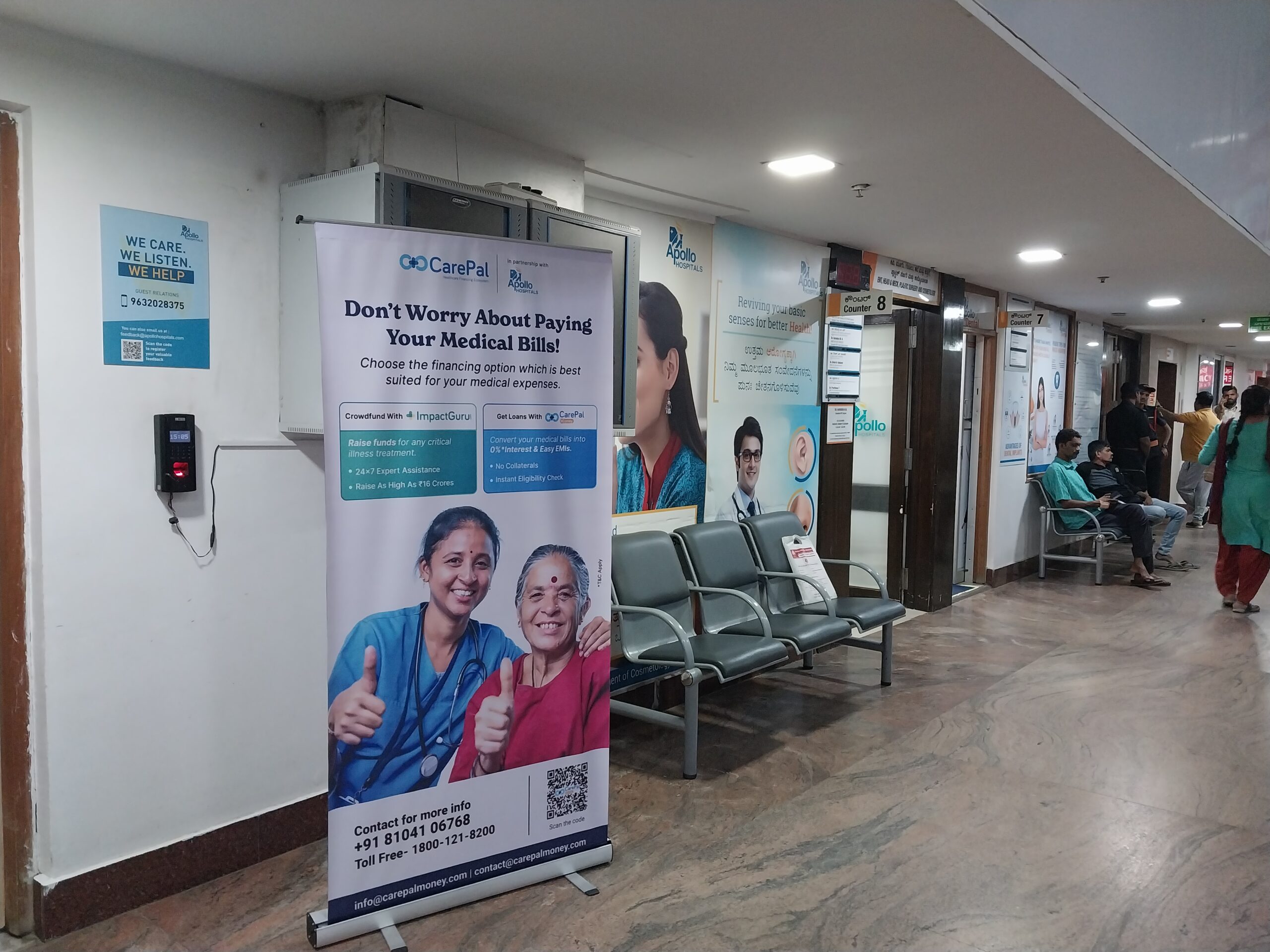
Designing and Piloting a Patient Financing Model for Tier 2 Hospitals in India
Supported a health-fintech firm in designing and piloting a patient financing model for Tier 2 hospitals, generating insights on hospital partnerships, commercial models, stakeholder engagement, and sales capability for scale.
India

Validating a Point-of-Care Diagnostics Model through Landscape Study and Value Proposition Testing
Conducted landscape research and pilot validation of point-of-care diagnostic services in Uttar Pradesh, generating insights on healthcare gaps, user adoption, and strategic recommendations for scaling innovative diagnostic solutions
India