Reimagining Sports in CSR: From Tokenism to a Vehicle for Multiplying Impact


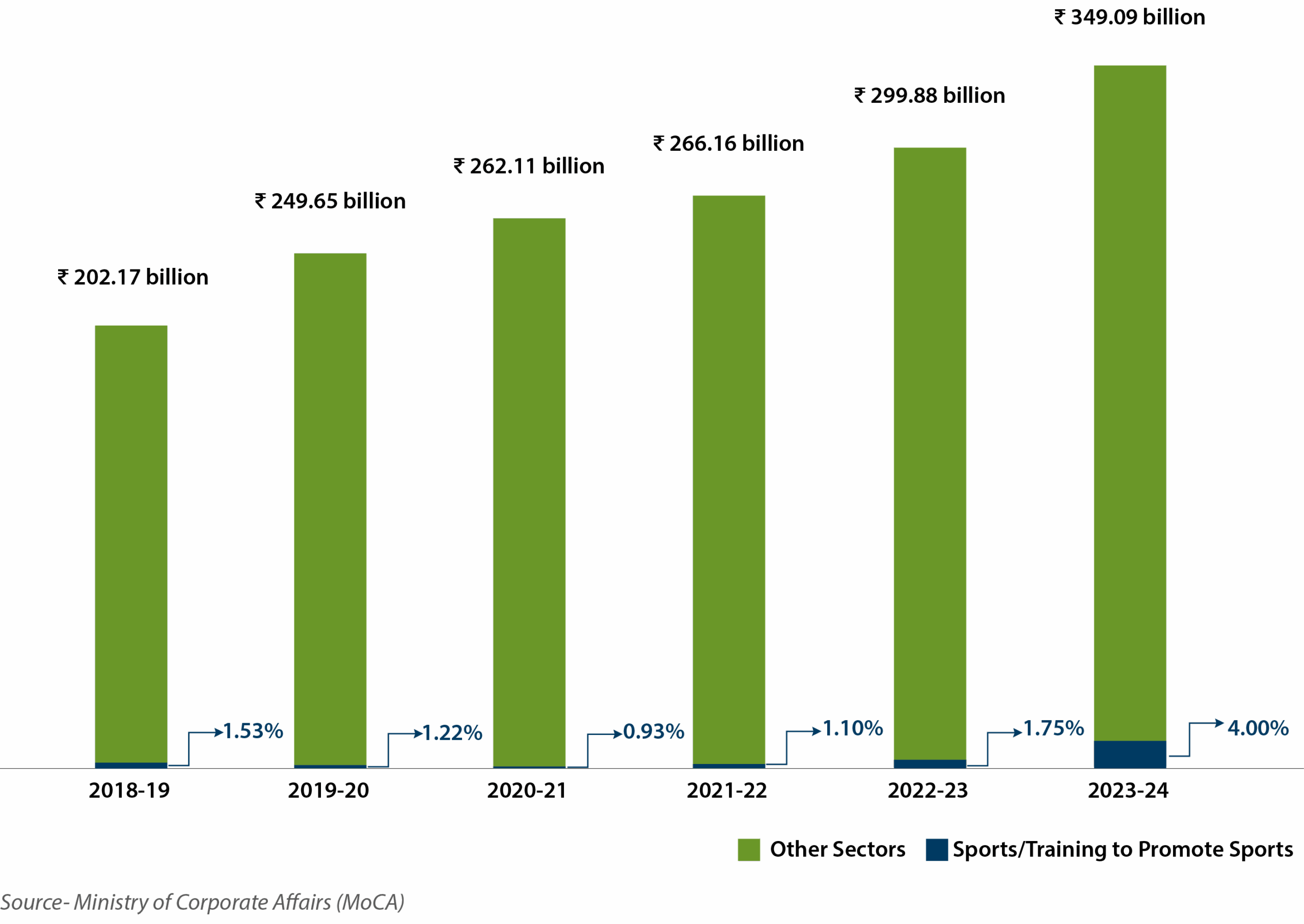
In 2023–24, Indian companies spent about ₹1,396 crore of their CSR budgets on sports — just 4% of the total ₹34,909 crore Indian corporates spent on CSR that year. Most of the rest went to education and healthcare. Despite being recognized under the Companies Act as a legitimate CSR activity, sports remain a low priority for most companies [1].
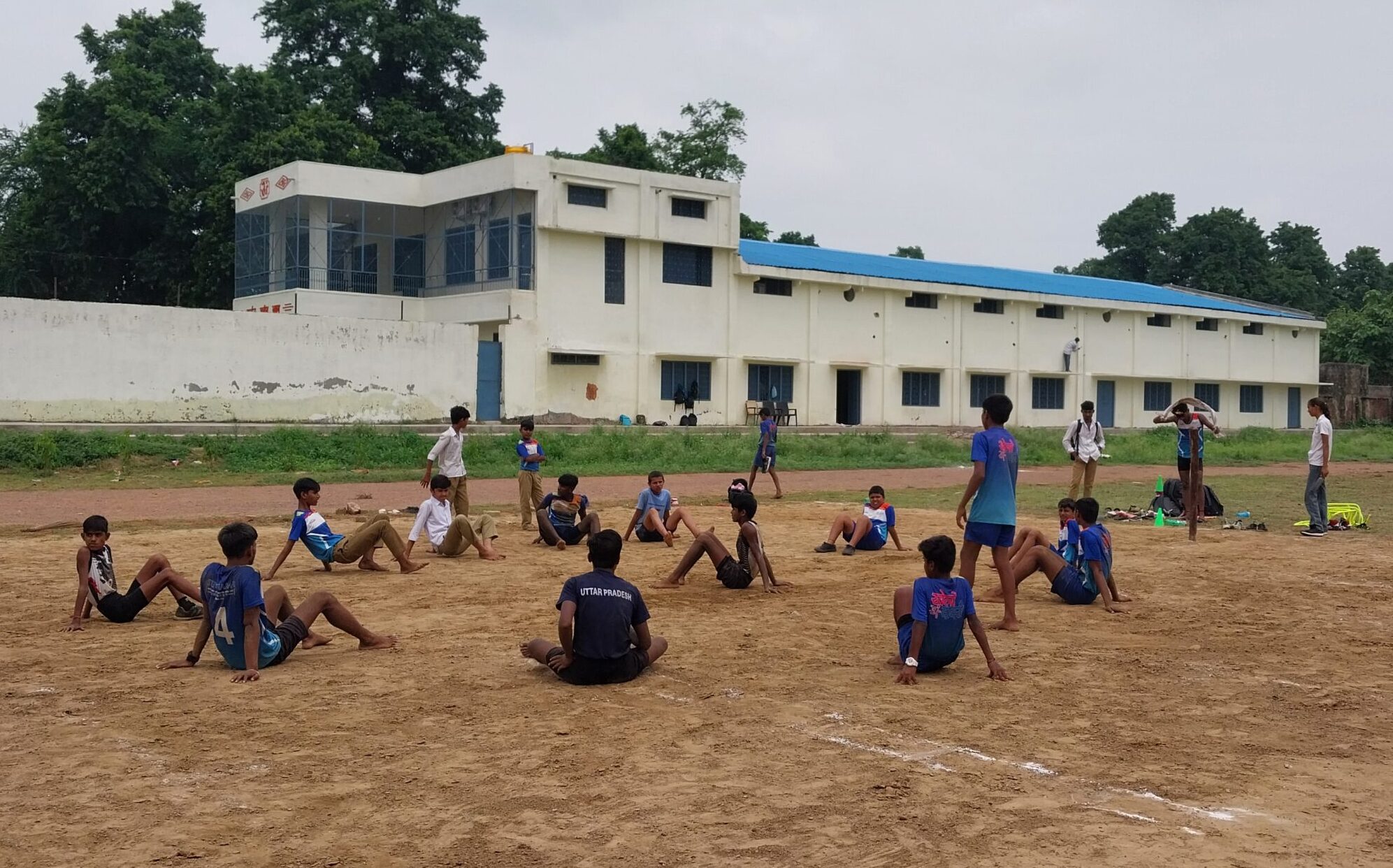
This is surprising, because sports, at the grassroots, is a powerful driver of social change and inclusion [2]. Regular participation improves physical health, nurtures critical life skills like communication, leadership and problem-solving. For some, it even paves a pathway for a future sports-focussed career. The WHO recommends at least 60 minutes of daily physical activity for children. Yet millions in India suffer because of dearth of opportunities to play structured sports [3].
While CSR investments in sports are steadily catching up since 2023, most funds flow into infrastructure, elite athletes and sponsorships. Few companies have attempted to instil sports as a way of life in the grassroot levels.
CSR investment in sports has been abysmally low throughout the last decade
% allocation of CSR funds in sports from 2018-19 to 2023-24
Why are CSRs shying away from such high-impact space?
- Annual investment cycles restrict outcome orientation: CSR budgets typically run in annual cycles, and companies look for outcomes they can report within the year. Backing elite athletes, sponsoring teams, or building visible infrastructure produces quick, tangible results. In contrast, grassroots sports require patient, long-term investment — building facilities, training coaches, identifying young talent, and sustaining programs. The real impact often shows up years later, making it harder to fit into yearly CSR scorecards.
- The still narrow outlook toward sports hinders impact innovation: Sports is still seen by many companies as “extra-curricular” rather than a developmental activity. The 2016 amendment to the Companies Act reinforced this by listing CSR in sports largely as infrastructure creation, facility upgrades, or sports science support. While important, these narrow categories overlook sports’ broader role in health, confidence, gender equity, and social inclusion.
These barriers are real, but not insurmountable. When aligned with government programs such as Khelo India and Fit India, CSR can play a powerful complementary role, especially in areas where state outreach is weak or uptake remains low.
Consider these examples. HCL Foundation’s Sports for Change works with underserved communities in Noida and Lucknow, reaching 15,000 students across 20 schools through sports education, infrastructure, and performance pathways [4]. Hyundai’s Samarth programme uses structured sports interventions to empower specially-abled children, showing how inclusion can be built on the field [5]. Roots Foundation’s Rural Youth Programme provides rural girls with exposure, training, and mentorship, linking sports to gender equity, health, and community participation [6].
These stories show that even modest, sustained CSR inputs at the grassroots ripple out into broader gains: healthier children, more confident youth, stronger communities, and occasionally, the emergence of unexpected talent from remote corners of India.
With CSR allocations growing year after year, the moment is right for companies to reposition sports as a multiplier of impact. Four opportunities stand out:
- Link sports with the SDGs: Sports is a proven enabler of health (Goal 3), education (Goal 4), gender equality (Goal 5), reduced inequalities (Goal 10), and inclusive communities (Goal 16). CSR programmes can integrate health check-ups into school sports, build life skills through play, and ensure girls have equal opportunities on the field.
- Play early, build pathways: By investing in school and community-level programmes, CSR can nurture participation from an early age. Linking these initiatives to district-level or state-level platforms (like Khelo India centres) helps build a wide talent pipeline that combines developmental outcomes and with sporting excellence.
- Structured public–private partnerships (PPPs): By partnering with government schemes and leveraging underused infrastructure, CSR can stretch its impact while improving execution speed. Public–private coordination also gives companies legitimacy and scale.
- Patient investment mindset: Grassroots sports need coaches, safe spaces, and equipment — all of which require steady funding over many years. CSR must move away from short-term “projects” to long-term “impact investments” that allow change to take root.
Sports can no longer be treated as an afterthought in CSR portfolios. Companies have both an opportunity and a responsibility to see it as a strategic investment — one that delivers long-term returns in health, education, social cohesion, and even talent development for the nation. If CSR frameworks move beyond short-term outputs and embrace patient, collaborative investment, India can build a true sporting culture from the ground up.
Featured Blog Posts

Get The Latest From The Social Sector In Your Inbox!

Subscribe to our newsletter