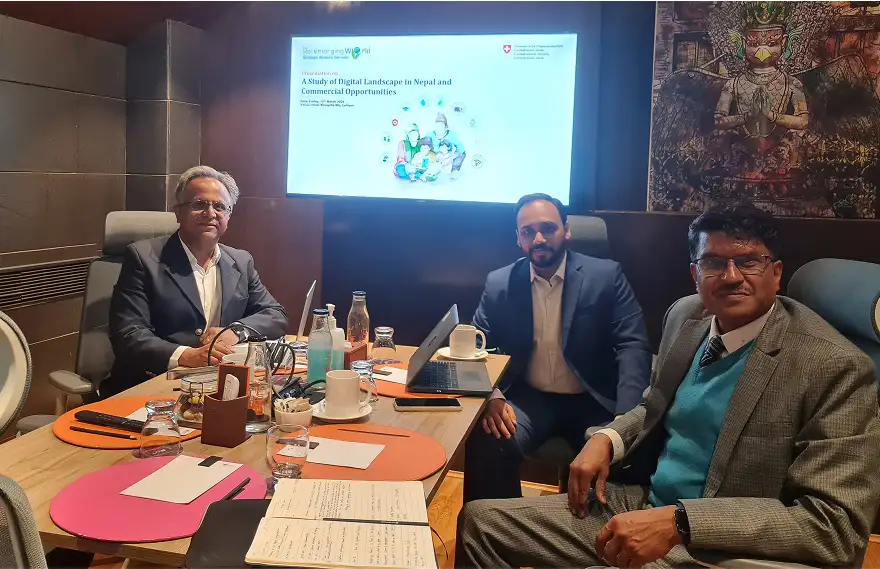
Designing a Go-to-Market Strategy for AI-based Agri-Tech Solution in India
 India
India

Client Ambition
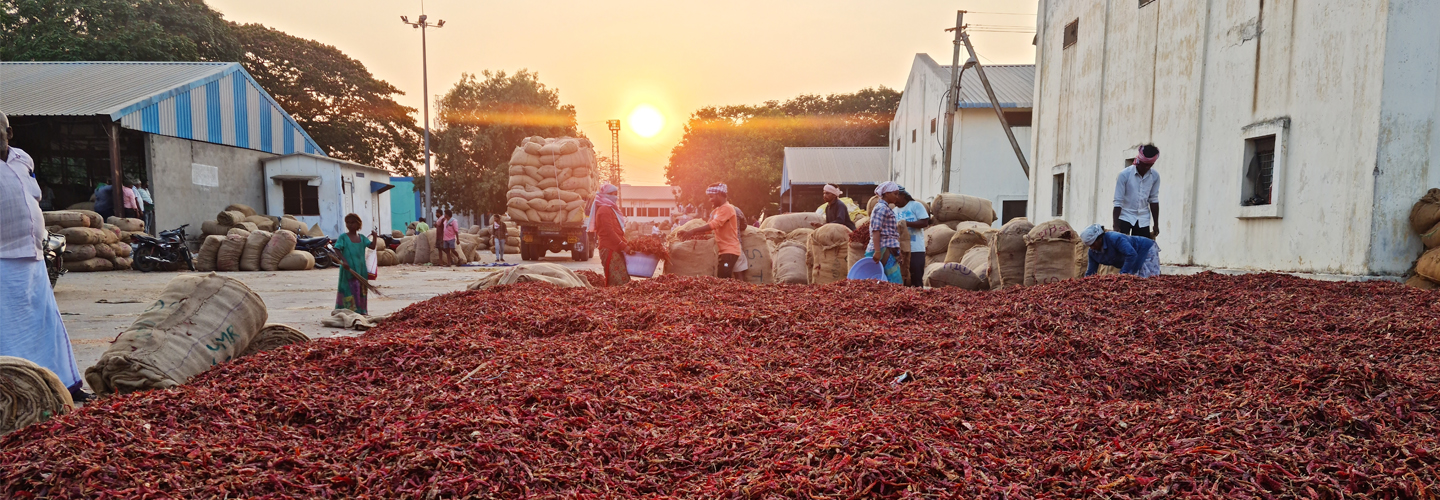
Our client, an AI-based agri-tech firm, aimed to introduce its precision spraying technology in the Indian market for the first time. As they transitioned from lab to field, they sought to design a compelling value proposition, build a viable last-mile delivery model, and develop a scalable go-to-market strategy anchored in strong unit economics and farmer adoption.
Our Solution
We partnered with the client across the full agricultural cycle to design, test, and refine their business model and go-to-market approach through an iterative, insight-led process.
We began with an early-stage field immersion to understand on-ground realities and assess the viability of the Village Level Entrepreneur (VLE)-led service delivery model, focusing on key drivers such as pricing, productivity, and operational constraints. As the pilot progressed, we conducted multiple field assessments across regions to evaluate marketing effectiveness, farmer awareness, and adoption barriers.
These included analysing the performance of launch campaigns, refining communication strategies, and improving farmer engagement models.
Through mid-season evaluations, we assessed pilot performance, value proposition realization, and operational challenges—leading to refinements in demo formats, pricing strategies, and acreage targets.
We also supported strategic decision-making through workshops and synthesis of learnings on VLE selection, unit economics, and scaling conditions. The engagement culminated in an end-of-season assessment to validate value proposition across farmer segments, evaluate VLE performance and business viability, and generate strategic recommendations for scaling the model.
Results
The engagement enabled the client to successfully transition from a technology-led innovation to a market-ready business model grounded in field realities. It validated a strong but context-dependent value proposition—particularly for specific crops and farmer segments—while identifying critical barriers to adoption such as low awareness, behavioural inertia, and inconsistent service availability. The study refined the VLE-led delivery model by identifying high-performing entrepreneur profiles, optimal pricing structures, and the importance of existing farmer networks in driving scale. It also strengthened the client’s go-to-market strategy by improving marketing approaches, demonstration formats, and lead generation mechanisms. Overall, the engagement provided a clear, evidence-based roadmap for scaling operations, improving unit economics, and building a sustainable agri-tech business in India.
View Other Projects
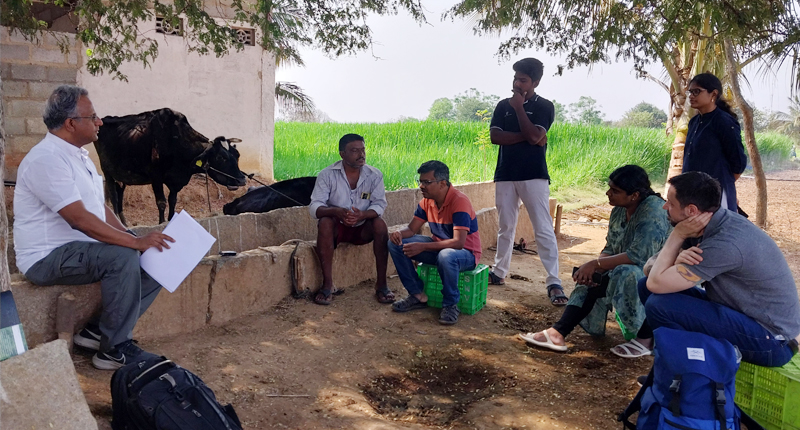
Designing, pilot-testing and gradual scaling of agri and dairy input business through activation of milk collection agent network
Supported in designing and piloting a go-to-market strategy through small dairy led distribution and complementary channels – generating insights on farmer adoption, channel performance, and market expansion opportunities
India
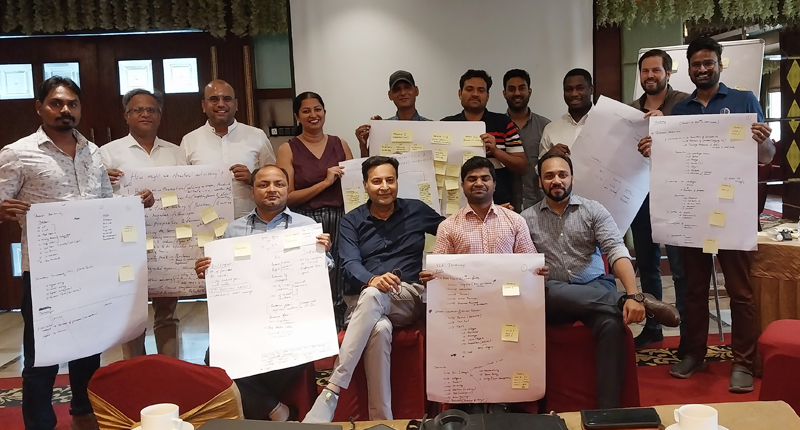
Designing and Validating an Agri-input Business Model for Rural Markets
Conducted field research and value proposition testing to help design an agri-input business model, generating insights on farmer needs, product-market fit, and strategies for pilot launch in Uttar Pradesh.
India
Designing and Supporting a Digital Upskilling Pilot Program for Women Agri-entrepreneurs
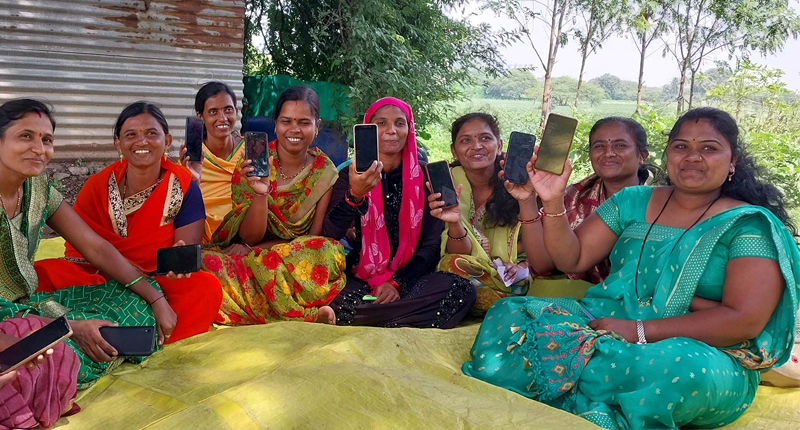
Supported the design and pilot of a 6-month digital upskilling program with 200 rural women agri-entrepreneurs, equipping them with digital skills and tools to enhance business performance and prepare for scale-up