
Recent Developments,
Key Innovations, and
Insightful Reports
Your One Stop Platform for Regular Sector Updates
Sector news
View By Category
Categories
- See all
- Agriculture
- Clean Cookstoves
- Clean Energy
- Climate Action
- Digital Technology
- Education
- Financial Services
- General
- Healthcare
- Hygiene
- Impact Investment
- Inclusive Value Chains
- Livelihoods
- Livestock
- Lower Income Consumers
- Marketing, Distribution and Sales for BoP
- Nutrition
- Sanitation
- Water
- Women Empowerment


March 21, 2013
Bangladesh: Developing infrastructure for solar power
The Infrastructure Development Company Limited (IDCOL), a public-private entity recently received US$500,000 to start up a photovoltaic testing laboratory (PTL). This will improve on the quality of locally produced solar panels. Read more here.
March 21, 2013
India: Small enterprises in Andhra Pradesh go solar
In the state of Andhra Pradesh, with reliable electricity a problem, enterprises are turning to the use of solar panels to generate enough electricity to run their machines like the sewing machines and more. Read more here.
March 21, 2013
Crowdfunding to light up Africa
About 30 of the largest crowdfunding websites collectively raised as much as US$1.5 billion last year. Now, a US based crowdfunding start-up called SunFunder is using this method to raise money to spread use of clean, renewable energy in rural areas of Africa and Asia. Read more here.
March 21, 2013
Providing access to electricity for the un-served: A free market solution
This paper argues for the case of free markets to enable access to electricity to the unserved and underserved areas of the developing world. Read it here.
March 21, 2013
India: New study shows household pollution fatal for infants
According to a five year study conducted in the state of Tamil Nadu by ICMR (Indian Council of Medical Research), indoor air pollution is fatal for infants. As many as 1200 pregnant women were observed. Read more here.
March 21, 2013
India: IAP kills a million people each year
While it has been so far established that as many as a million people in India are mortal victims of indoor air pollution each year, the Planning Commission of India is undertaking further epidemiological studies to confirm this figure so as to arrive at concrete evidence to set up norms […]
March 21, 2013
Experimental evidence on non-traditional stoves in Bangladesh
This paper explores the influence of social networks and opinion leaders in the uptake of non-traditional, more efficient cookstoves in rural Bangladesh. Read it here.
March 21, 2013
Using Global Burden of Disease results for progress on Air Quality Management
This brief is a presentation by Dr Kalpana Balakrishnan of Centre for Advanced Research on Environmental Health, Government of India, and talks about the future steps to be taken in view of air quality management, including indoor air quality management in the country. Read the presentation here.
March 21, 2013
Implementation strategies for renewable energy services in low-income, rural areas in 2013
This issue brief by the World Resources Institute is the first in a series of three planned studies that will expand on the business strategies employed by social enterprises and organizations to distribute renewable energy technologies to low income, rural communities. Read the report here.
Get The Latest From The Social Sector In Your Inbox

Subscribe to our newsletter
View Our Publications
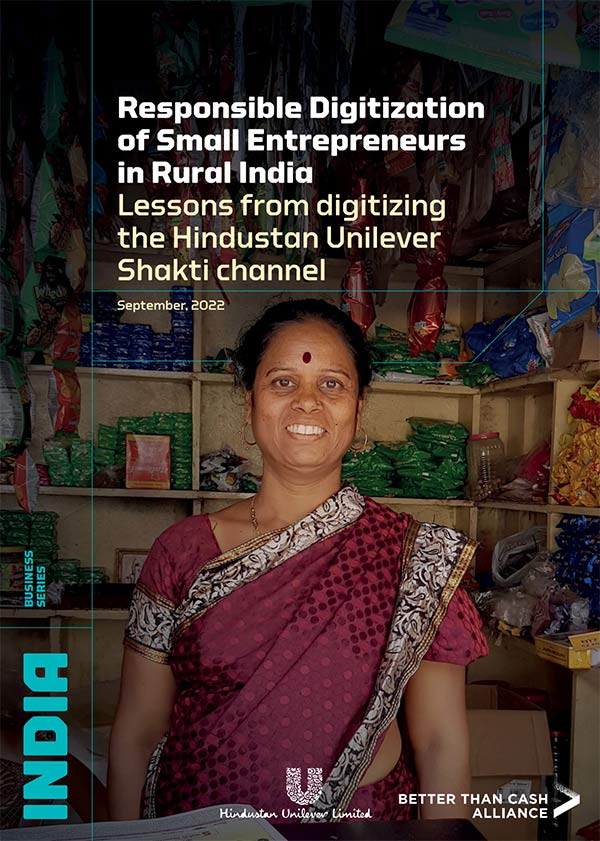
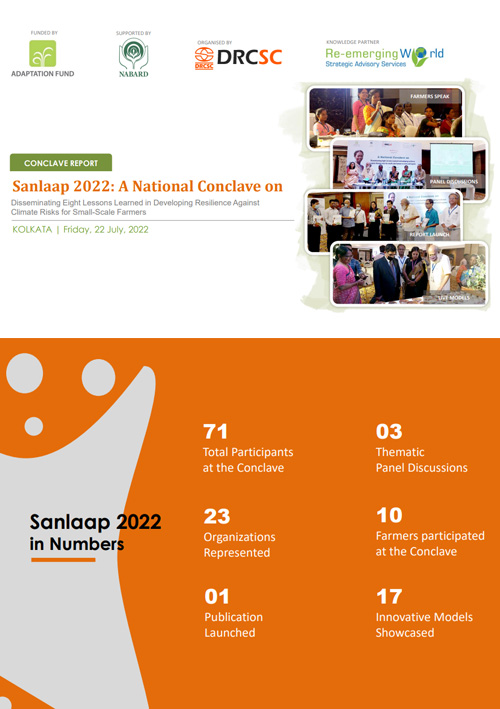
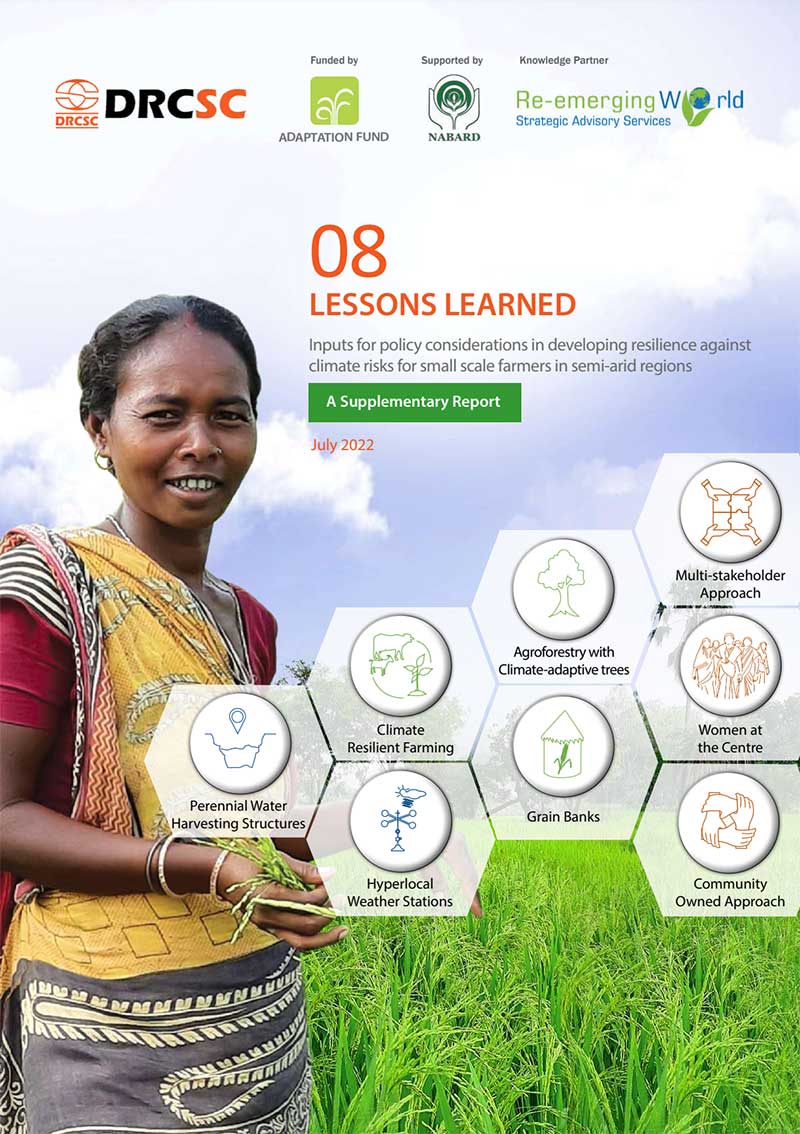
Eight Lessons Learned: Inputs for policy considerations in developing resilience against climate risks for small scale farmers in semi-arid regions, full report
Download Full Report
View Blog Posts
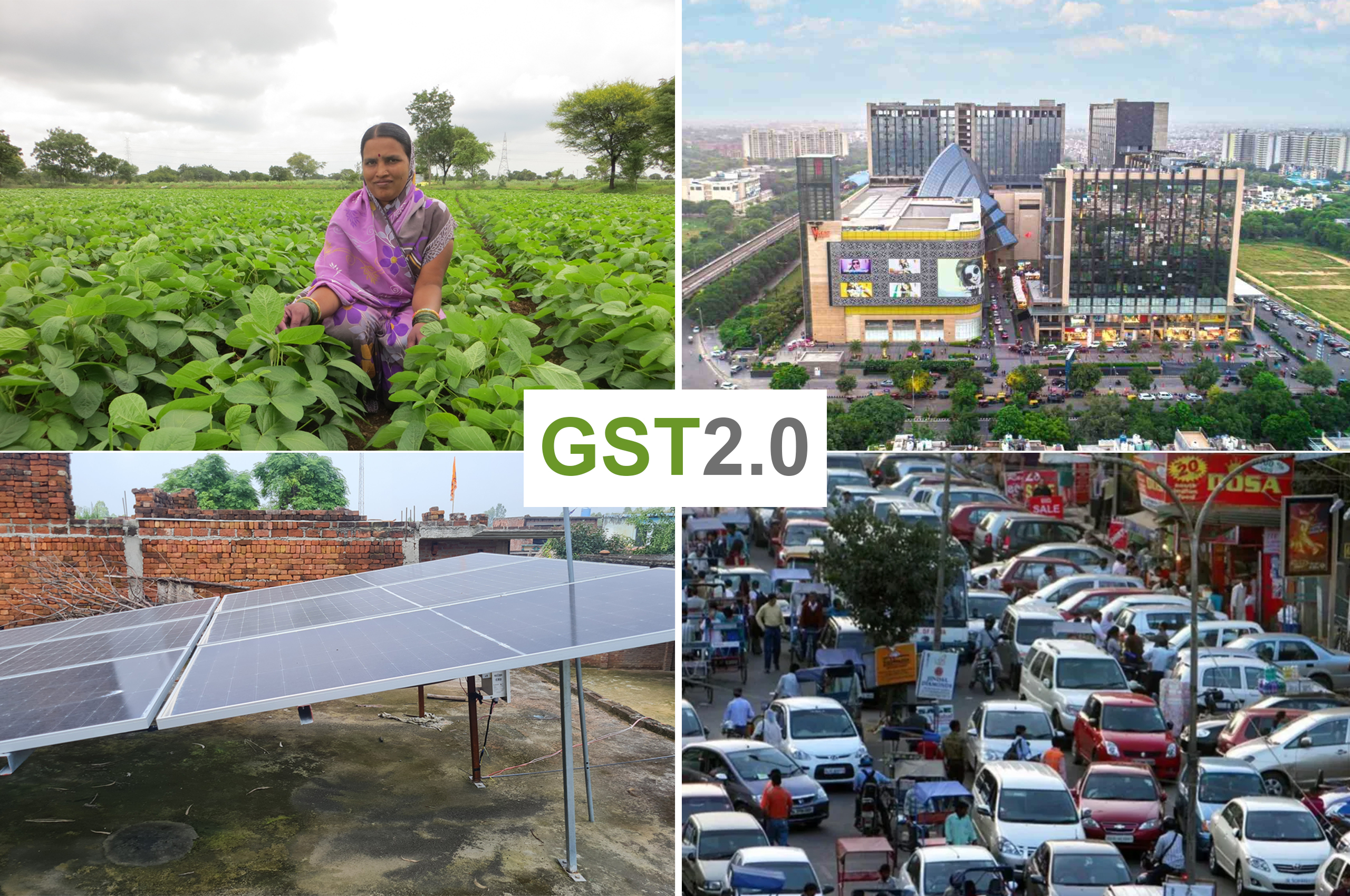
GST 2.0 and Tax Cuts: Can They Make Growth Fairer and Greener?
India's latest GST reform, being termed as GST 2.0, is more than just slashing rates. By simplifying the tax structure, cutting levies on essentials, and supporting renewable infrastructure, it's open..
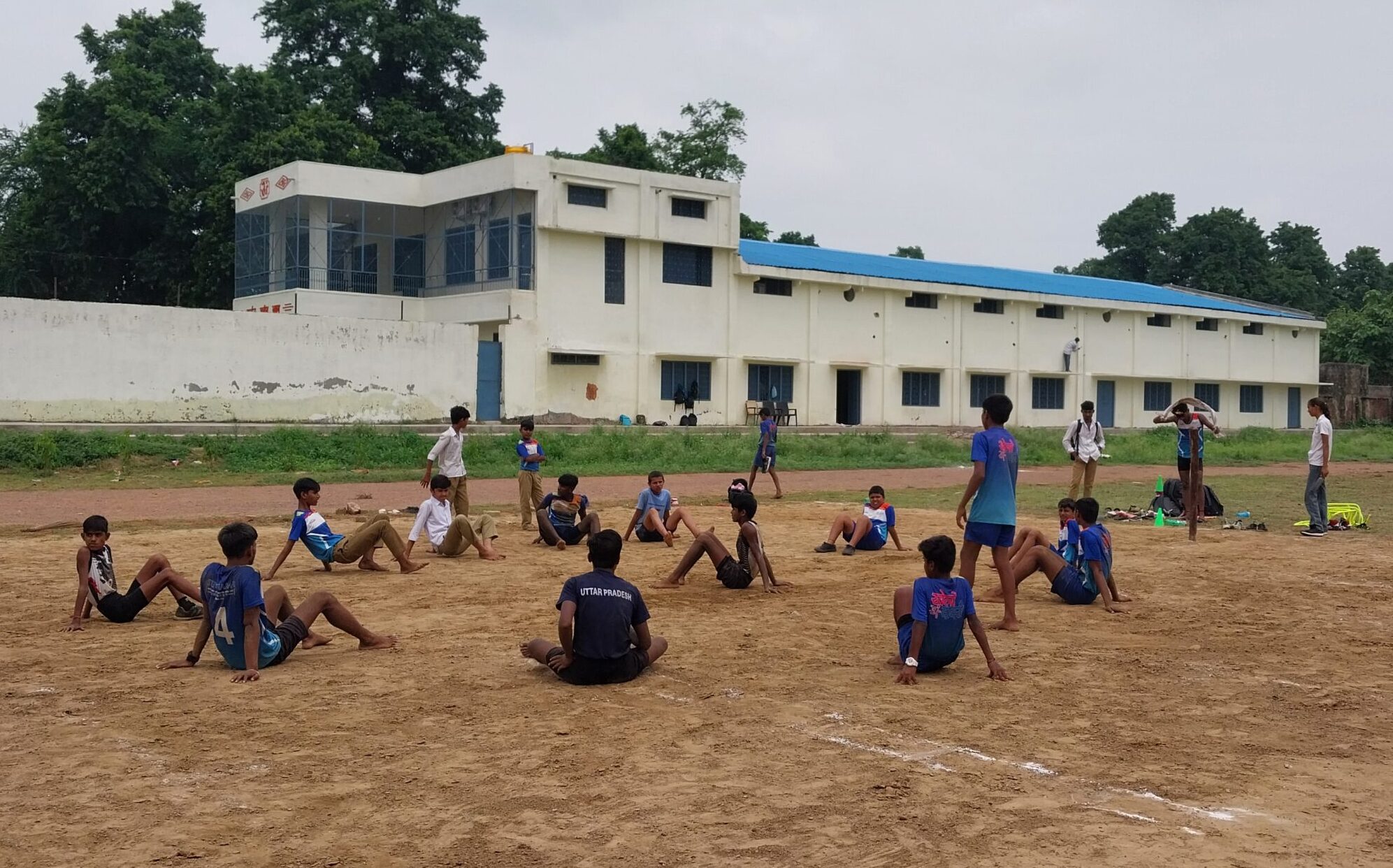
Reimagining Sports in CSR: From Tokenism to a Vehicle for Multiplying Impact
In 2023–24, Indian companies spent about ₹1,396 crore of their CSR budgets on sports — just 4% of the total ₹34,909 crore Indian corporates spent on CSR that year. Most of the rest went to edu..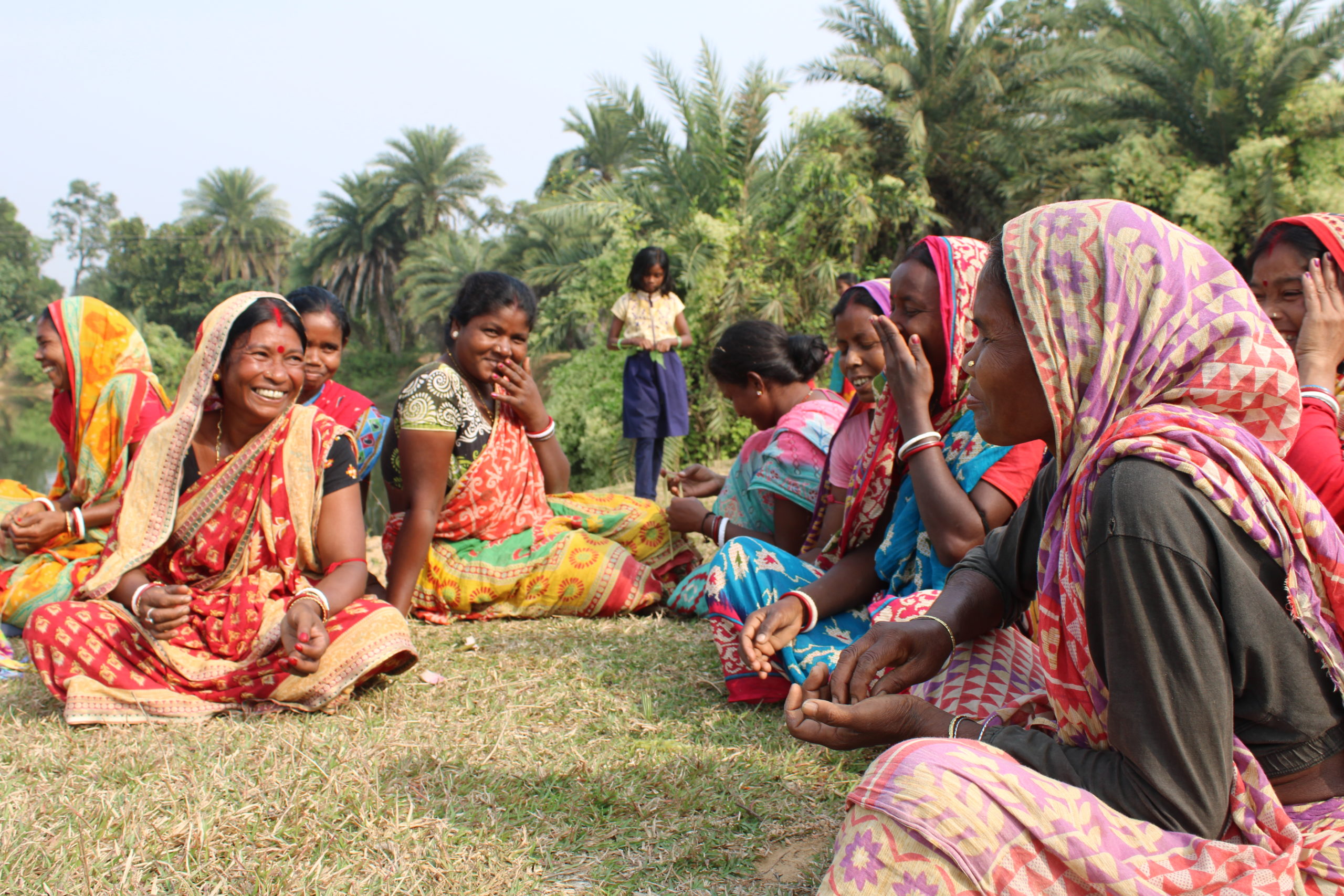
Interactive SHG Map of India: 7.5 million Women Self Help Groups are spread across 27 States and 6 UTs in India
Under the National Rural Livelihood Mission (NRLM), India has 7.5 million Women Self Help Groups (SHGs) spread across 27 states and 6 Union Territories. Each of these small, self-governed, and peer-co..