
Recent Developments,
Key Innovations, and
Insightful Reports
Your One Stop Platform for Regular Sector Updates
Sector news
View By Category
Categories
- See all
- Agriculture
- Clean Cookstoves
- Clean Energy
- Climate Action
- Digital Technology
- Education
- Financial Services
- General
- Healthcare
- Hygiene
- Impact Investment
- Inclusive Value Chains
- Livelihoods
- Livestock
- Lower Income Consumers
- Marketing, Distribution and Sales for BoP
- Nutrition
- Sanitation
- Water
- Women Empowerment


February 19, 2013
Cameron to push G8 on finance bonds for new ‘social investment’
UK is a leader in the field of impact investment, and has successfully pioneered the use of a number of social impact bonds (SIBs) within the country. Using the advantage of its presidency this year at the G8, UK is now planning to develop new impact investment agreements, wherein member […]
February 19, 2013
AXA IM explores applying ESG factors to sovereign debt investing
AXA IM or the AXA Investment Managers have developed a new framework through which it is possible to analyse a country’s sovereign debt using ESG (environmental, social and governance) based criteria. Read more here.
February 19, 2013
James Sorenson makes US$13 million gift to University of Utah
Jim Sorenson, millionaire tech entrepreneur recently endowed a sum of US$ 13 million to the David Eccles School of Business at the University of Utah for the creation of an impact investment wing, due to be titled “James Lee Sorenson Centre for Global Impact Investing”. Read more here.
February 19, 2013
A guide to becoming a ‘Good Investor’
Investing for Good, in collaboration with New Philanthropy Capital and SROI Network has published a new guide which seeks to convince traditional investors of the benefits of making impact investments. Titled ‘The Good Investor’, this best practice guide details a 5 step investment procedure. Read more here and here.
February 19, 2013
A quick, animated history of social investment
This post provides the history of social investment through an animated video. This video seeks to show that the concept of social investment is not as new as the development of its terminology and recognition of it has been. Read more here.
February 19, 2013
Social investment: Interview with GIIN’s CEO, Luther Ragin Jr
This post includes a video as well as a transcript of an interview with Luther Ragin Jr, CEO of the Global Impact Investment Network (GIIN). Read it here.
February 19, 2013
Building a social investment market by design
This post looks at the social enterprise market in UK. The UK has evidently become a world leader in social or impact investment. But with a supply of as much as £600 million in capital from disused bank accounts and bailed-out banks, through organizations like the Big Society Capital, an […]
February 19, 2013
Asia Sustainable Investment Review 2012
The Asia region seems to be gaining on sustainable investment practices, no longer behind the industrialized world, as is apparent from data in the Asia Sustainable Review 2012. While ESG investment in Asia, due to lack of reliable measures is still a new concept, it has still become a ‘significant’ […]
February 19, 2013
UNDP chief calls for a permanent focus on NCDs
Helen Clark, UN Development Programme’s administrator conveyed a message to the global development community that the only way to ensure that non communicable diseases are on the agenda of all organizations. Despite the increase of global funding of about 3 per cent, NCDs remain a problem due to the increase […]
Get The Latest From The Social Sector In Your Inbox

Subscribe to our newsletter
View Our Publications
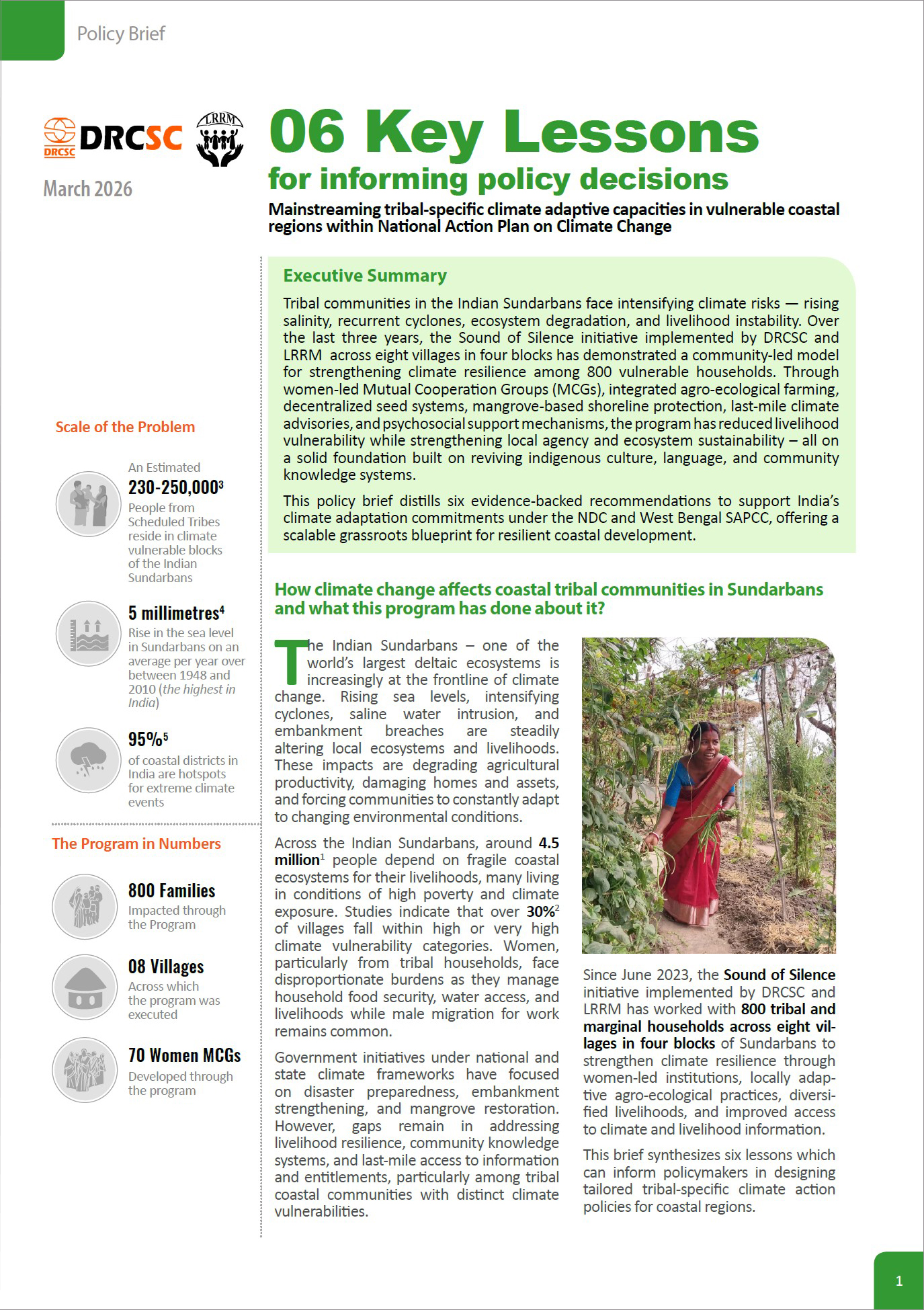
06 Key Lessons for informing policy decisions: Mainstreaming tribal-specific climate adaptive capacities in vulnerable coastal regions within National Action Plan on Climate Change
Download Full Report
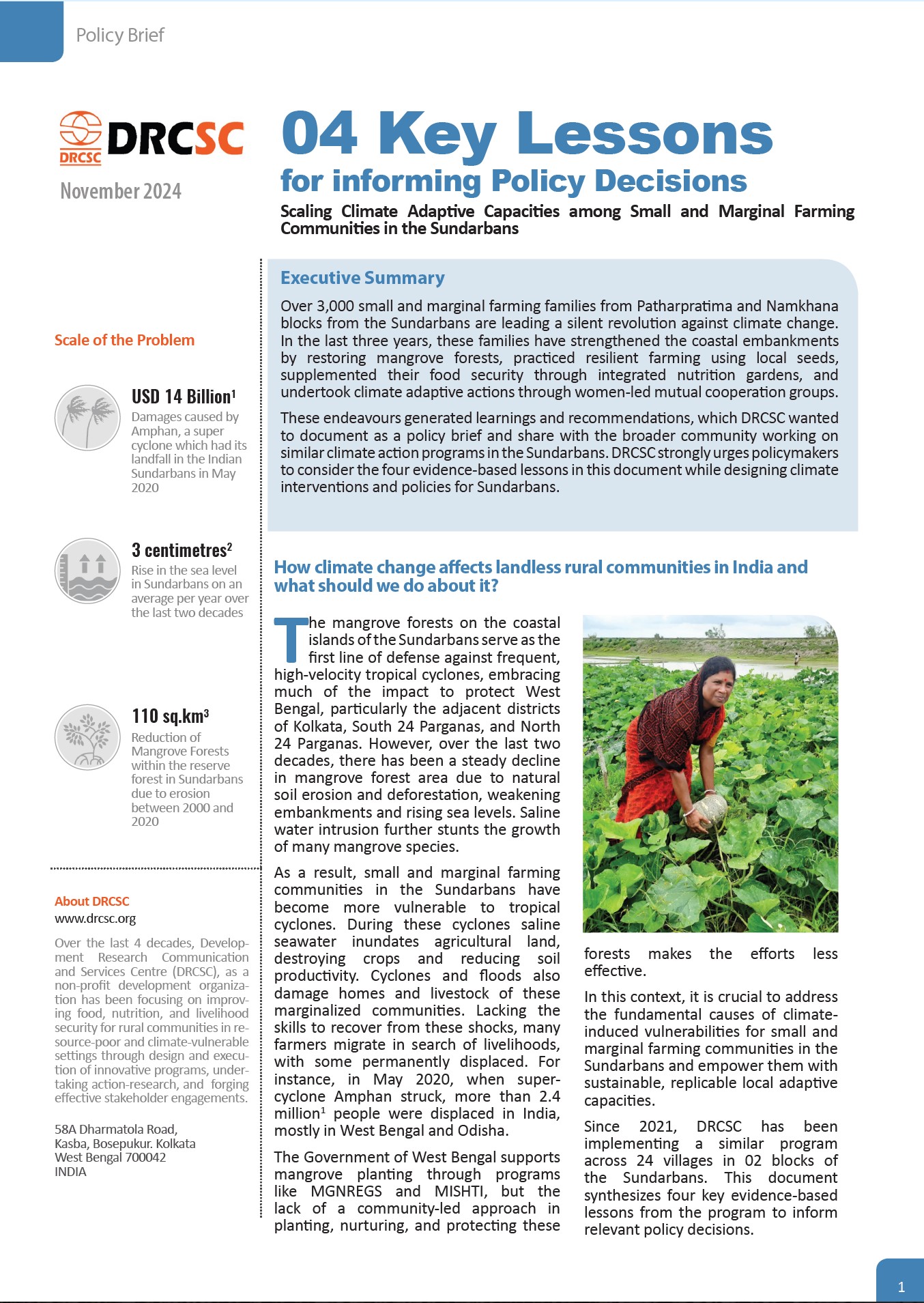
Four Key Lessons for Policy Consideration: Scaling Climate Adaptive Capacities among Small and Marginal Farming Communities in the Sundarbans
Download Full Report
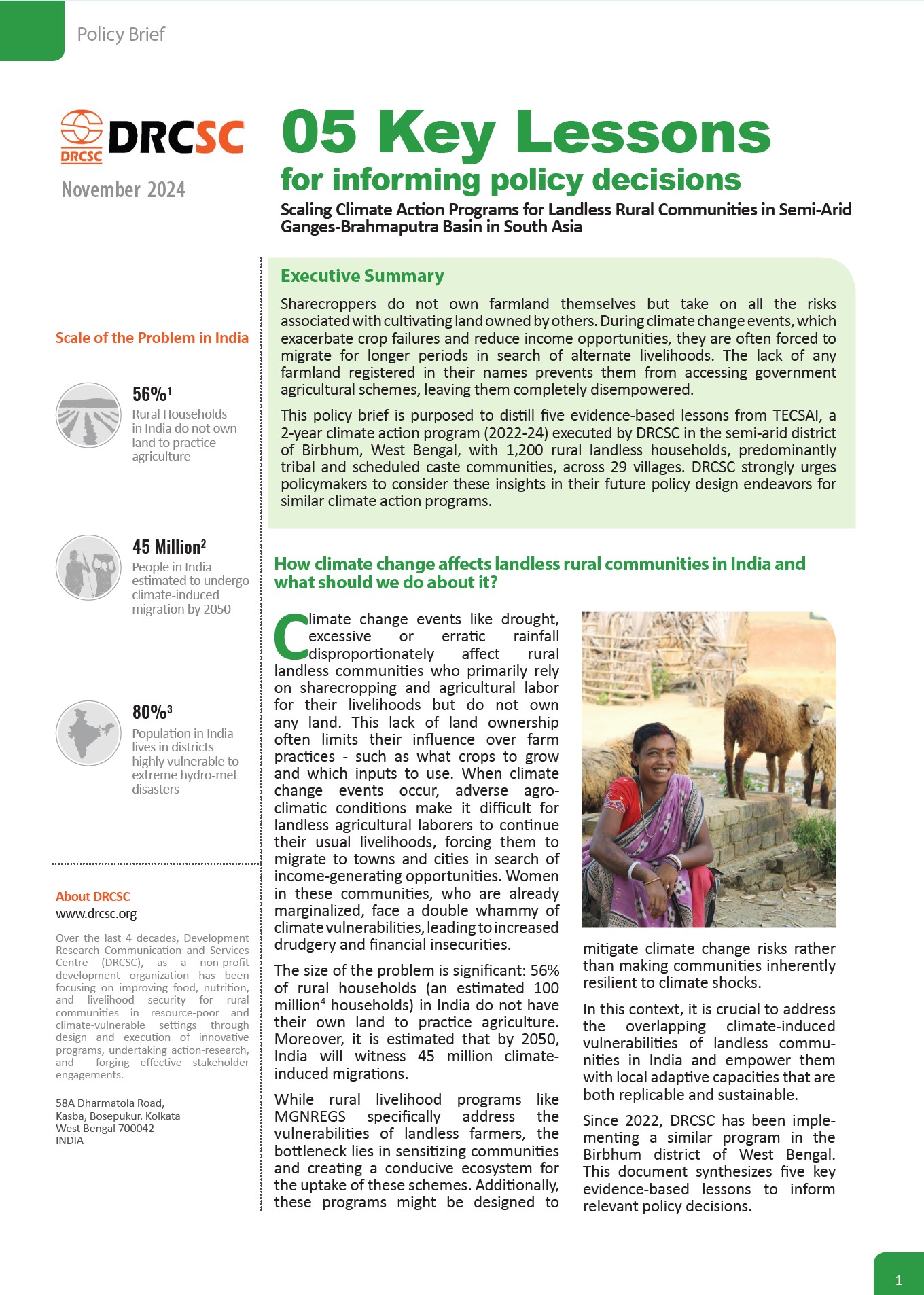
Five Key Lessons for Policy Consideration: Scaling Climate Action Programs for Landless Rural Communities in Semi-Arid Ganges-Brahmaputra Basin in South Asia
Download Full Report
View Blog Posts
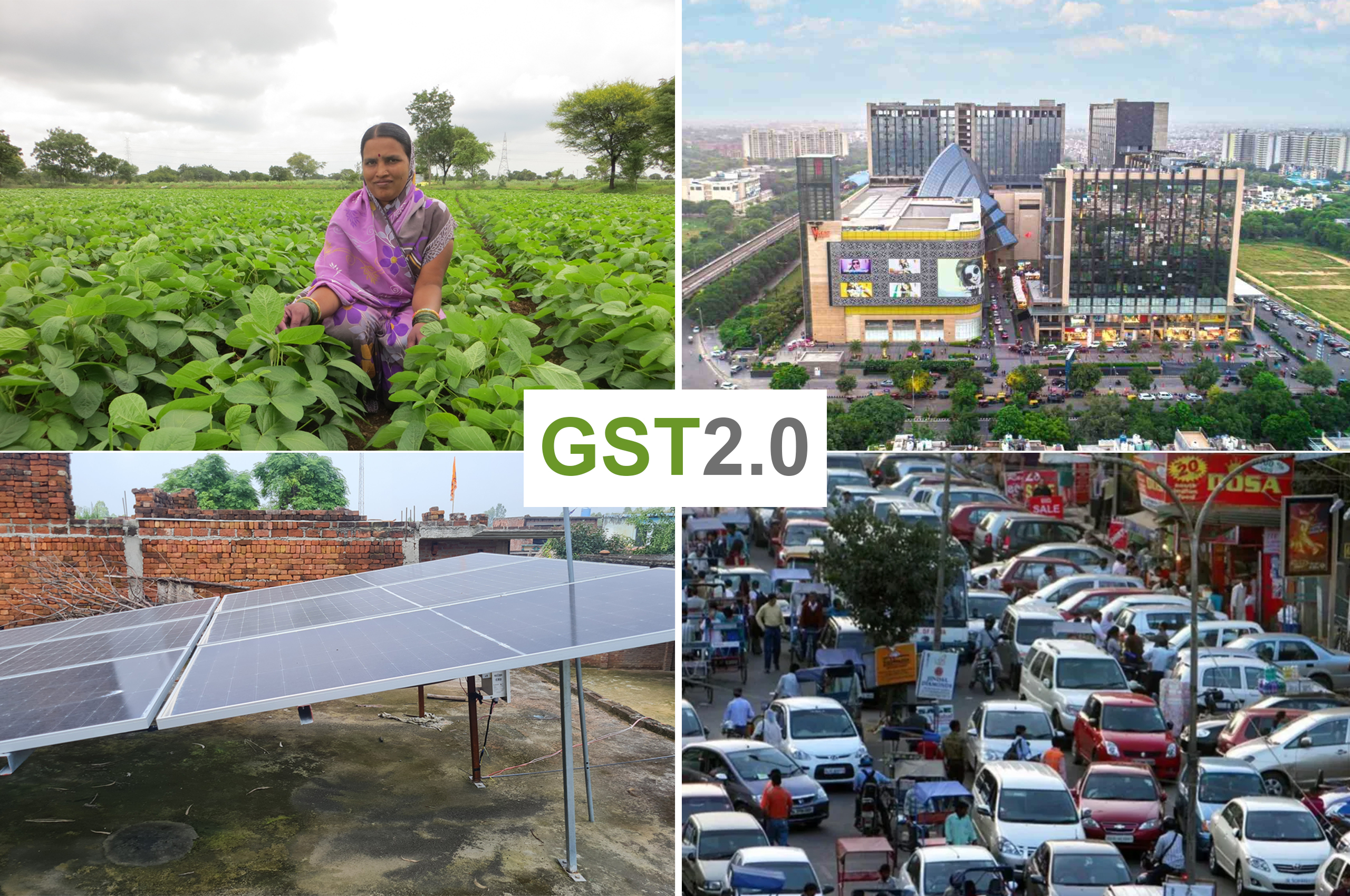
GST 2.0 and Tax Cuts: Can They Make Growth Fairer and Greener?
India's latest GST reform, being termed as GST 2.0, is more than just slashing rates. By simplifying the tax structure, cutting levies on essentials, and supporting renewable infrastructure, it's open..
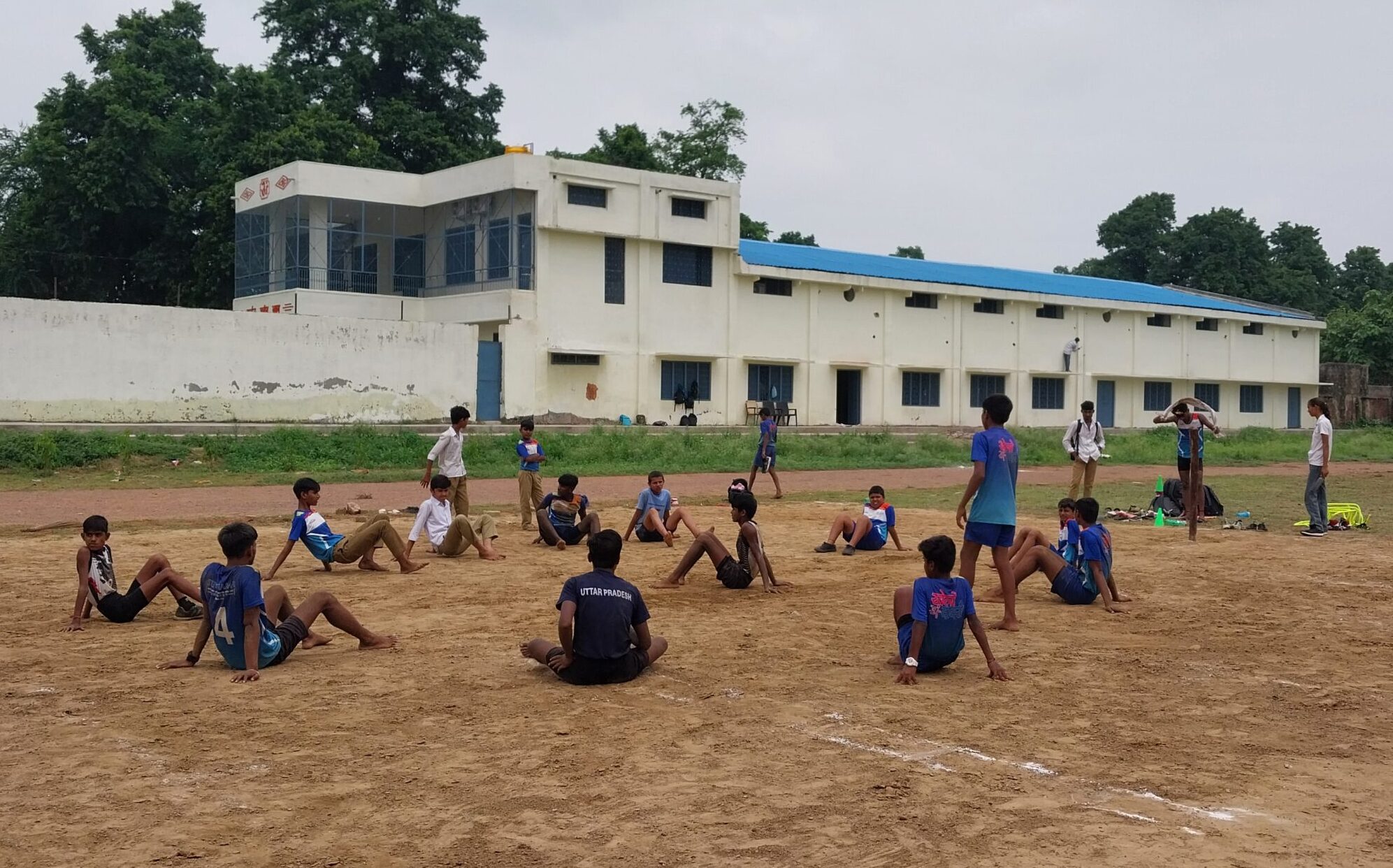
Reimagining Sports in CSR: From Tokenism to a Vehicle for Multiplying Impact
In 2023–24, Indian companies spent about ₹1,396 crore of their CSR budgets on sports — just 4% of the total ₹34,909 crore Indian corporates spent on CSR that year. Most of the rest went to edu..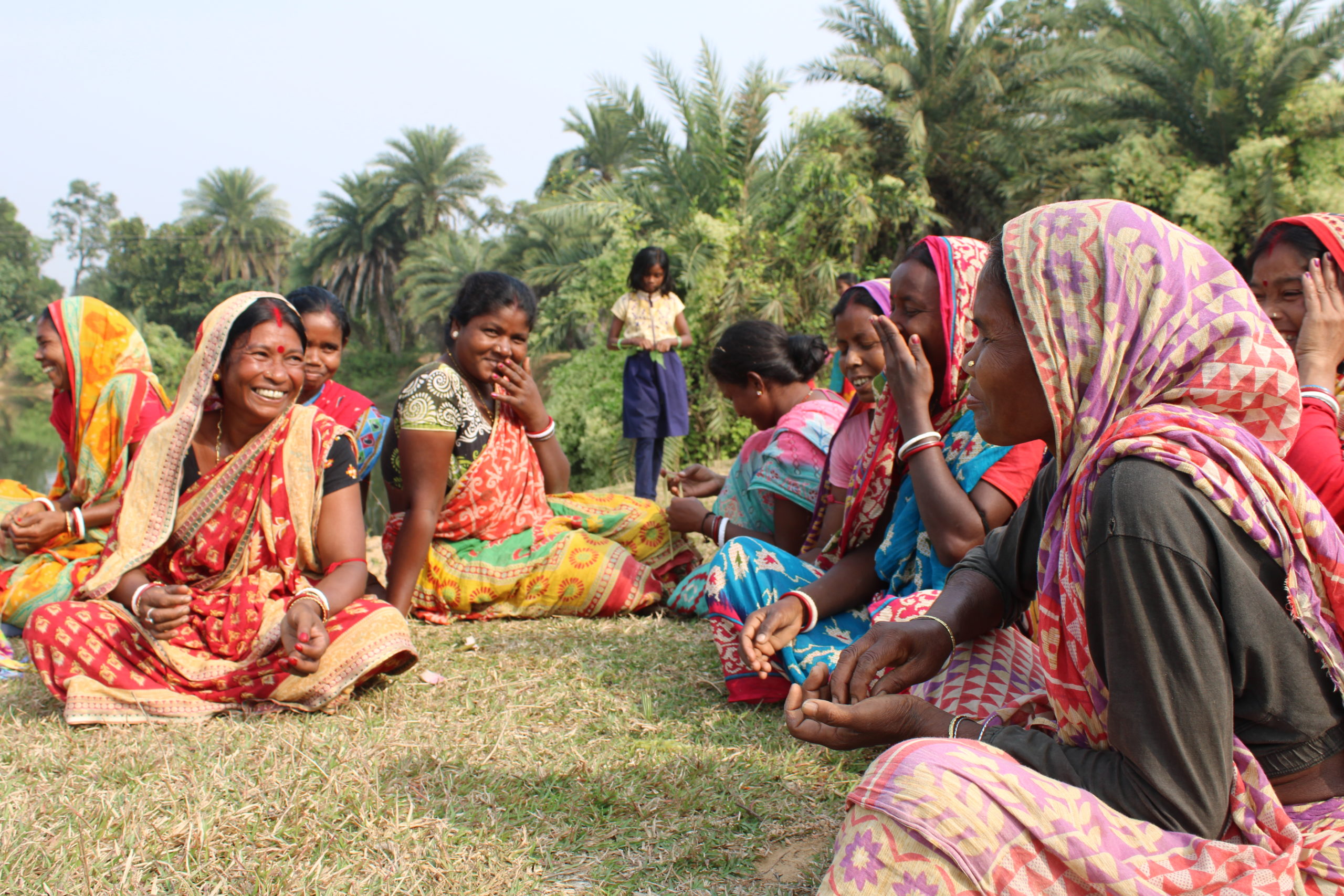
Interactive SHG Map of India: 7.5 million Women Self Help Groups are spread across 27 States and 6 UTs in India
Under the National Rural Livelihood Mission (NRLM), India has 7.5 million Women Self Help Groups (SHGs) spread across 27 states and 6 Union Territories. Each of these small, self-governed, and peer-co..