
Recent Developments,
Key Innovations, and
Insightful Reports
Your One Stop Platform for Regular Sector Updates
Sector news
View By Category
Categories
- See all
- Agriculture
- Clean Cookstoves
- Clean Energy
- Climate Action
- Digital Technology
- Education
- Financial Services
- General
- Healthcare
- Hygiene
- Impact Investment
- Inclusive Value Chains
- Livelihoods
- Livestock
- Lower Income Consumers
- Marketing, Distribution and Sales for BoP
- Nutrition
- Sanitation
- Water
- Women Empowerment


February 19, 2013
Countering the Problem of Falsified and Substandard Drugs
According to a report by the Institute of Medicine, the problem of counterfeit and ineffective drugs is spread across 120 countries, including the US. The use of these drugs, according to the report, have done incalculable damage in the fight against efforts to control TB, malaria, AIDS, and other diseases. […]
February 19, 2013
India: Food Security Bill could be passed soon
The Congress led UPA government in India is all set to introduce and pass its food security bill soon in the parliament’s Budget Session. This bill received a number of oppositions from the specific state governments, and experts have pointed out a number of shortcomings in […]
February 19, 2013
Canada to help Gujarat set up food security system
The Canadian government has expressed interest in helping Gujarat with its food security related issues. The head of government of Canada’s Manitoba province, Greg Selinger has suggested the setting up of a Food Development Centre by the Manitoba government. Read more here.
February 19, 2013
Uganda: Government looking to borrow US$70.7 million for food security
The Ugandan government is looking to borrow a sum of US$70.7 million or over UGX 187 billion to invest in three projects – food security, Millennium Villages Project and the Masaka Bukakata road project. Of this amount, US$34.05 million will be raised from the Islamic Development […]
February 19, 2013
Indonesia: Sustainable food security houses in Kulon Progo
A small region in Indonesia is demonstrating to the world how to manage food security while maintaining levels of nutrition. In Kulon Progo regency in Yogyakarta, a local food security programme called Rumah Pangan Lestari (Sustainable Food Security Houses) is under implementation, in the Sidoharjo village. […]
February 19, 2013
Food and nutrition security to be top developmental goals post 2015
A one day consultation on hunger, food security and nutrition among global stakeholders like UN FAO, IFAD, and a number of the world’s governments resulted in the conclusion that food security, with a special stress on nutrition be made the cornerstone of developmental goals post 2015. […]
February 19, 2013
World’s experts in food security meet at the University of Saskatchewan to discuss nutrition food for the world
From February 07 to 08, representatives from research, industry and international aid organizations will meet in Saskatchewan to discuss the challenge of producing enough nutritious food to meet the needs of a rising world population. Read more here.
February 14, 2013
CSR initiatives: ingredients for success
Organisations must earn profits to stay in business. However, given the worldwide thrust on sustainable development gaining momentum each day, the volume of such profits is no more the sole benchmark for judging an organisation’s performance. Instead, companies are increasingly coming under scrutiny by media, civic society and other stakeholders […]
February 6, 2013
Brazil: Sanepar plans to double water, sanitation investments in southern Brazil
Southern Brazil’s Paraná state water utility Sanepar is planning to invest an amount of US$787 million over the next two years for southern Brazil’s basic sanitation works. Read more here.
Get The Latest From The Social Sector In Your Inbox

Subscribe to our newsletter
View Our Publications
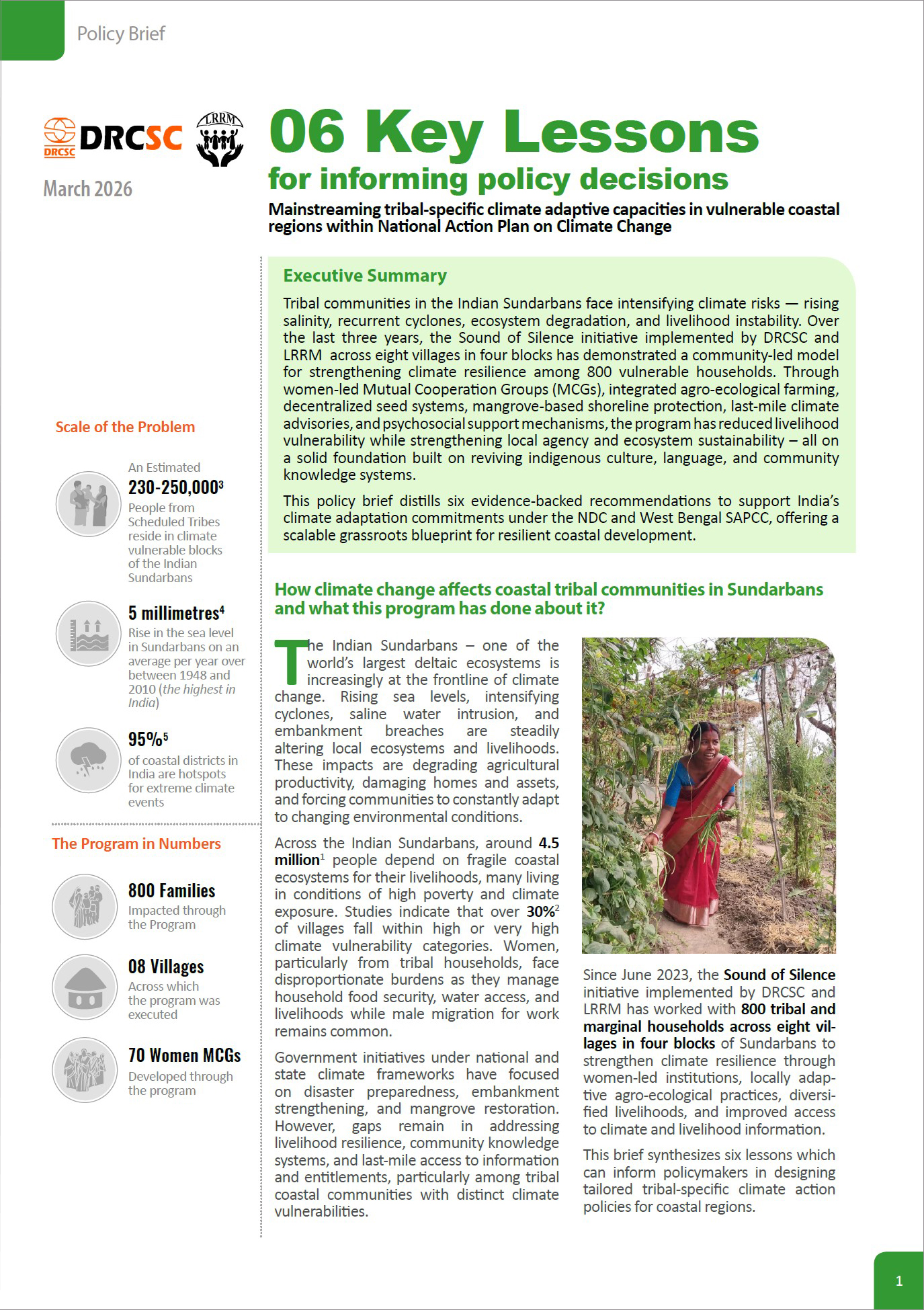
06 Key Lessons for informing policy decisions: Mainstreaming tribal-specific climate adaptive capacities in vulnerable coastal regions within National Action Plan on Climate Change
Download Full Report
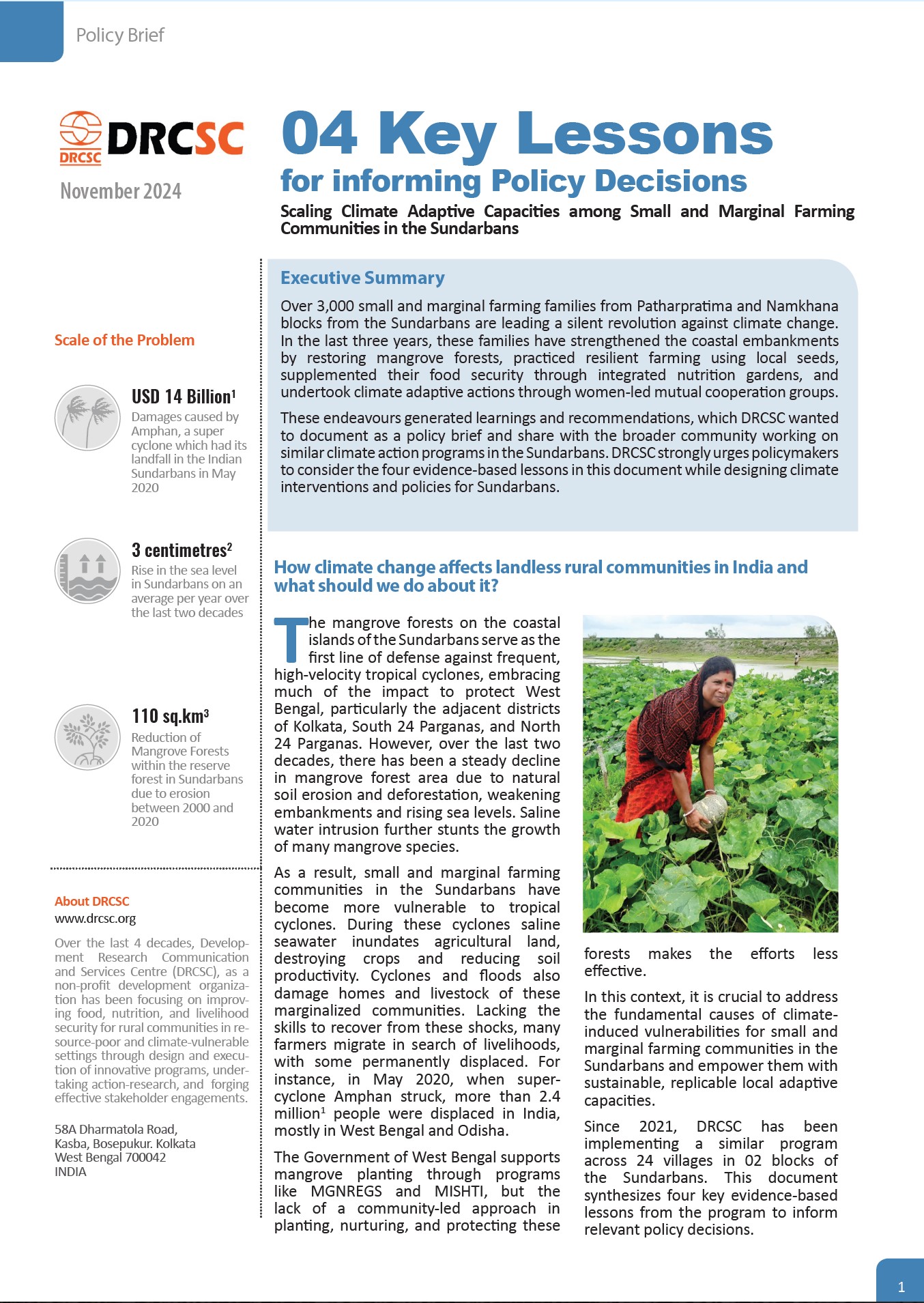
Four Key Lessons for Policy Consideration: Scaling Climate Adaptive Capacities among Small and Marginal Farming Communities in the Sundarbans
Download Full Report
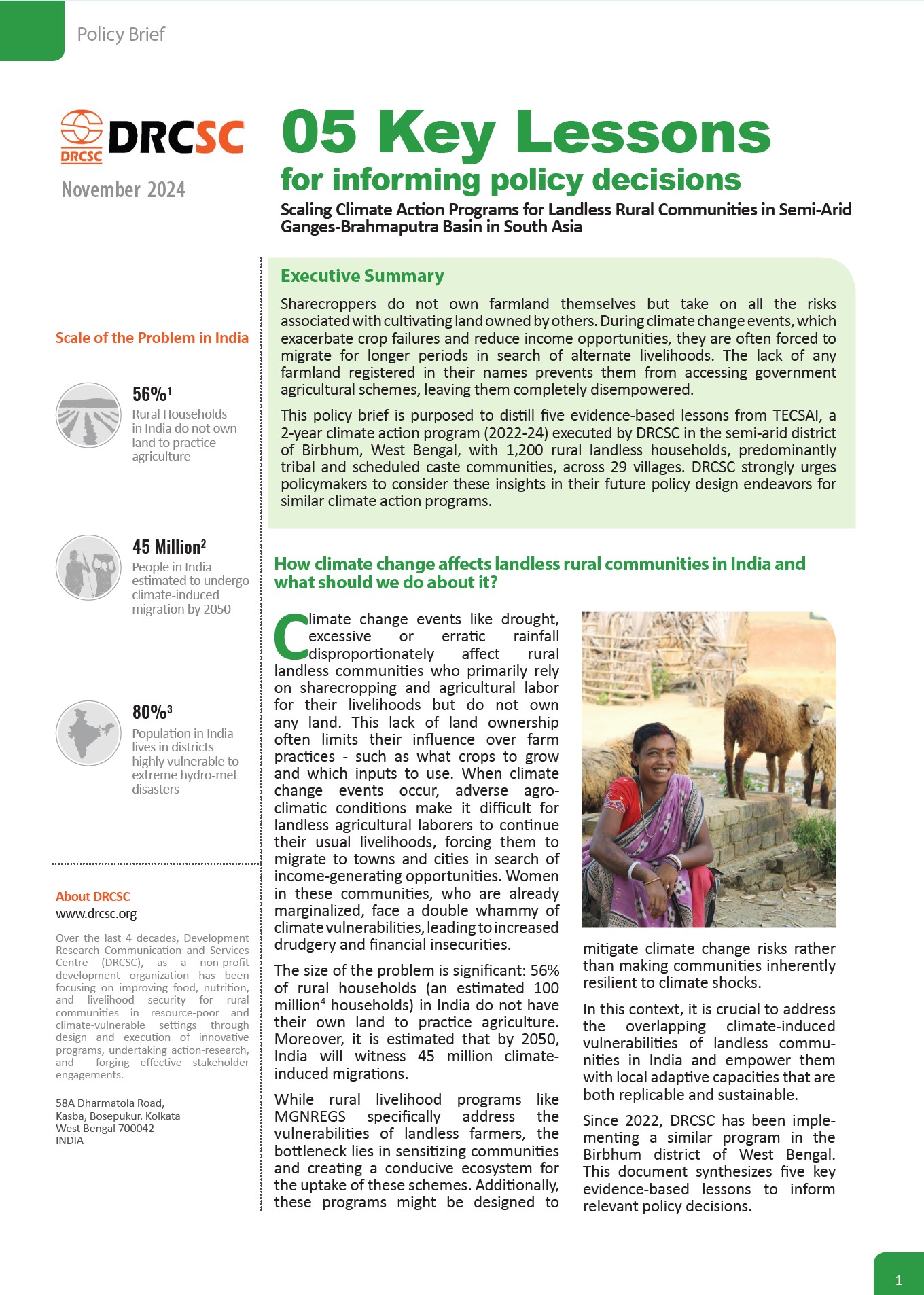
Five Key Lessons for Policy Consideration: Scaling Climate Action Programs for Landless Rural Communities in Semi-Arid Ganges-Brahmaputra Basin in South Asia
Download Full Report
View Blog Posts
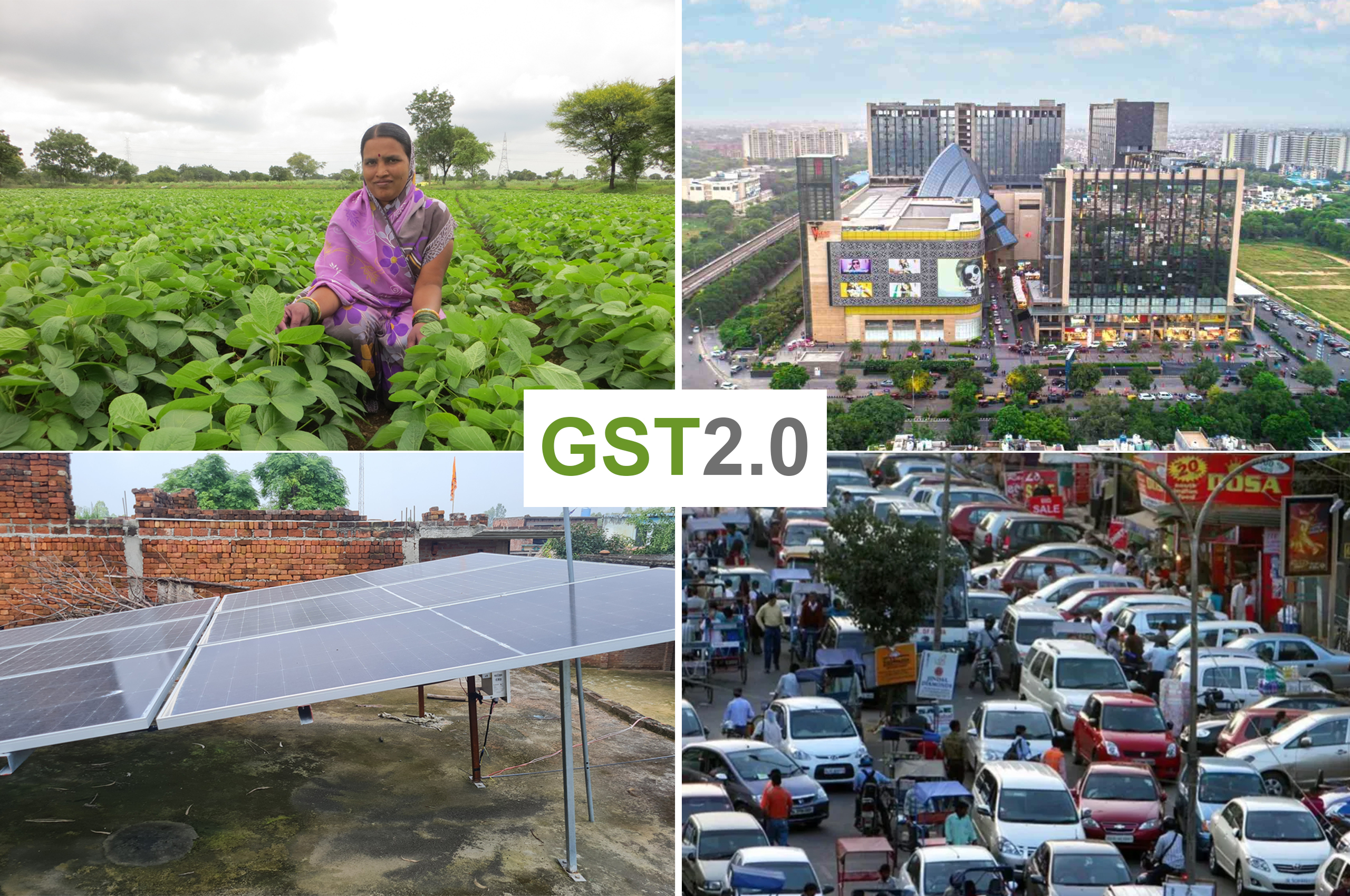
GST 2.0 and Tax Cuts: Can They Make Growth Fairer and Greener?
India's latest GST reform, being termed as GST 2.0, is more than just slashing rates. By simplifying the tax structure, cutting levies on essentials, and supporting renewable infrastructure, it's open..
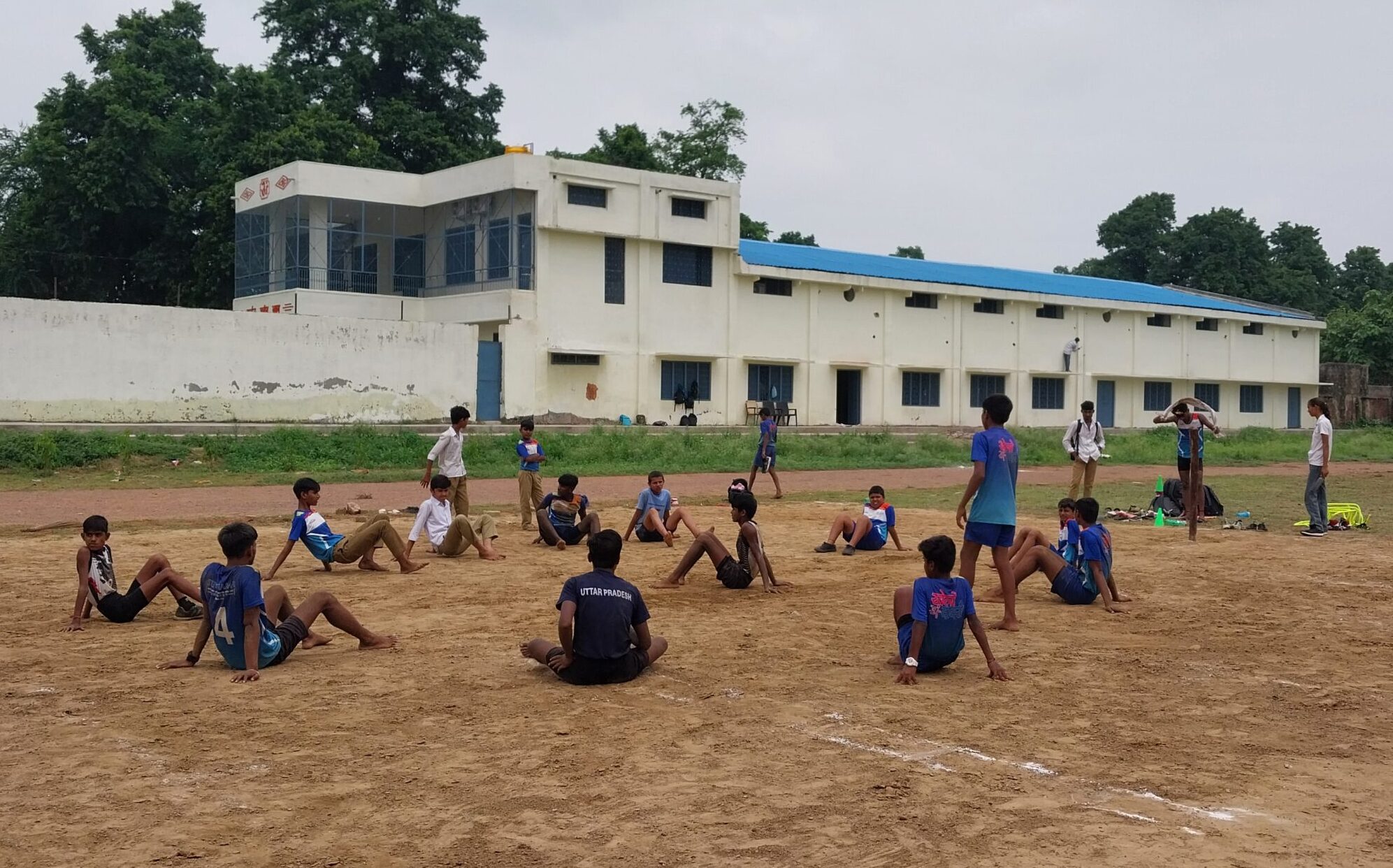
Reimagining Sports in CSR: From Tokenism to a Vehicle for Multiplying Impact
In 2023–24, Indian companies spent about ₹1,396 crore of their CSR budgets on sports — just 4% of the total ₹34,909 crore Indian corporates spent on CSR that year. Most of the rest went to edu..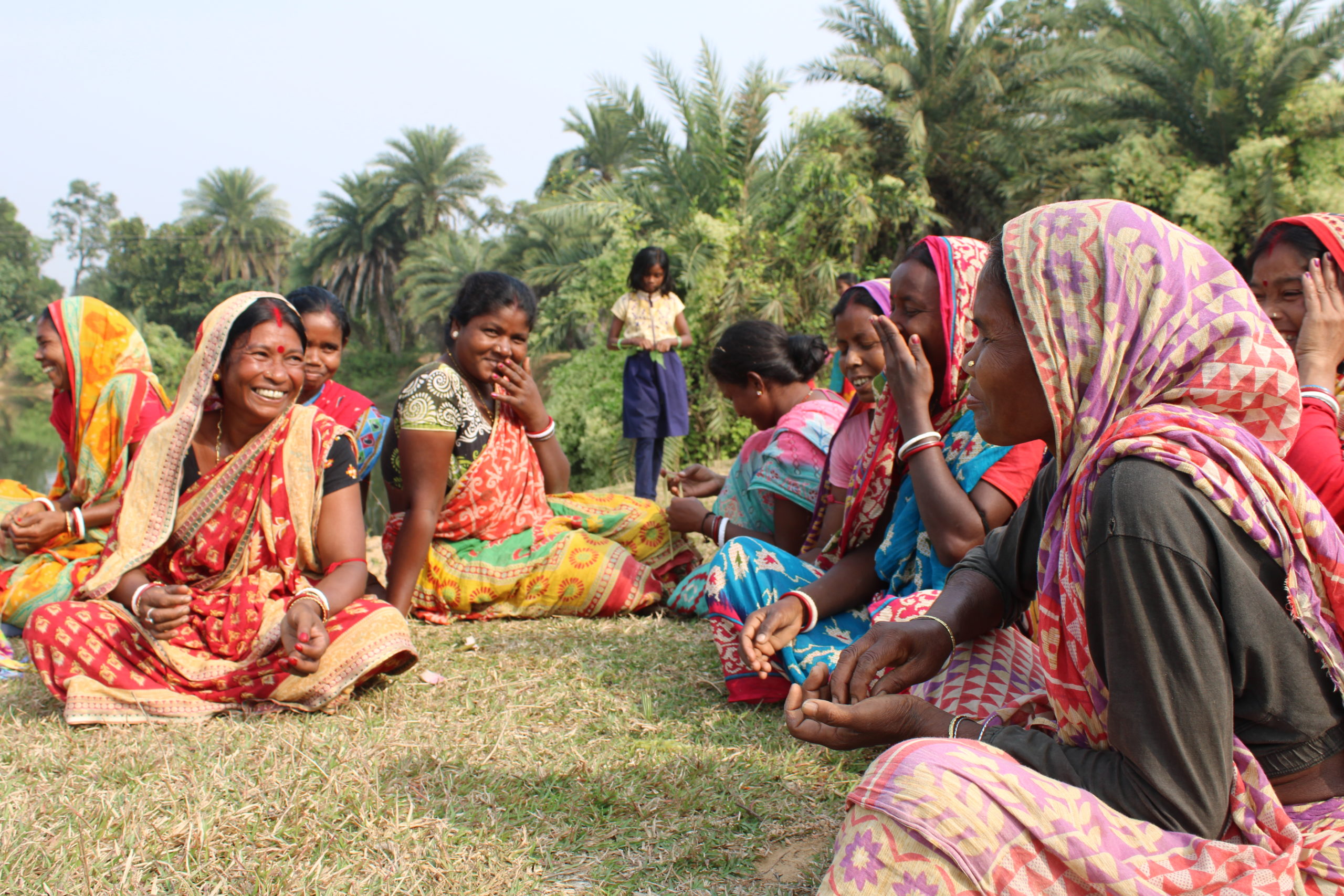
Interactive SHG Map of India: 7.5 million Women Self Help Groups are spread across 27 States and 6 UTs in India
Under the National Rural Livelihood Mission (NRLM), India has 7.5 million Women Self Help Groups (SHGs) spread across 27 states and 6 Union Territories. Each of these small, self-governed, and peer-co..