
Recent Developments,
Key Innovations, and
Insightful Reports
Your One Stop Platform for Regular Sector Updates
Sector news
View By Category
Categories
- See all
- Agriculture
- Clean Cookstoves
- Clean Energy
- Climate Action
- Digital Technology
- Education
- Financial Services
- General
- Healthcare
- Hygiene
- Impact Investment
- Inclusive Value Chains
- Livelihoods
- Livestock
- Lower Income Consumers
- Marketing, Distribution and Sales for BoP
- Nutrition
- Sanitation
- Water
- Women Empowerment


February 1, 2013
Ghana: The need for more innovation water and sanitation management system
According to the Senior Social Development Specialist of World Bank in Ghana, institutional methods of addressing the challenges in water and sanitation access and management are inadequate and must be looked at more rigorously to obtain innovative approaches that factor in gender and household based elements. Read more here.
February 1, 2013
Ghana: Poor sanitation practices mainly due to attitudinal problems
According to the Chief Director of the Ministry of Local Government and Rural Development, poor sanitation practices among the poor and underserved in the rural areas can mostly be contributed to the wrong attitudes assumed by people. Read more here.
February 1, 2013
Pakistan: More than 35 per cent of Pakistanis do not have access to clean drinking water
According to Pakistan’s National Science and Technology Innovation Policy 2012, more than 35 per cent of Pakistanis have no access to potable water. Moreover, water, sanitation and hygiene related diseases cause Pakistan a total of PKR 112 billion (US$1.15 billion) each year. Read more here.
February 1, 2013
State of Watershed Payments 2012
This report by Forest Trends’ Ecosystem Marketplace, is a second of its kind effort to map out trends in watershed management. Watershed management is a way to preserve freshwater by incentivizing communities to preserve and protect their forests, wetlands and streams. The report finds that despite poor performance in keeping […]
February 1, 2013
GLAAS 2012: UN Water Global Analysis and Assessment of Sanitation and Drinking-Water
This report, by UN and the WHO highlights the advancements made in access to water. It describes the challenges in extending clean water to those who do not have it yet, and the problems of sustaining services that have already been provided. According to this report, the sustainable delivery of […]
February 1, 2013
Oxfam – Let the Africans grow their own food
According to a new report, one out of every four Africans in sub-Saharan Africa, is undernourished – up by 38 per cent from 2 decades ago. This is because of not enough impetus on letting the local smallholder farmers produce their own food. Read more here.
February 1, 2013
Inclusive innovation to help fight hunger
This post looks at alternate ways to alleviate the food crisis situations in the poorest of countries in a manageable, and nutritious way. One way is to provide to the farmers of the poorest countries like those in Africa modified and better yielding crops and technologies, […]
February 1, 2013
Global Food: Waste Not, Want Not
This report by the Institution of Mechanical Engineers, speaks of about 30-50 per cent of the world’s food, or about between 1.2 and 2 billion metric tonnes being waste before it can be consumed. The report has divided the globe in three broad economic regions, identifying […]
February 1, 2013
Can big businesses sell nutritious food to poor people?
This post talks about how Danone has made a successful business out of selling nutritious food to urban people in Bangladesh, side-tracked from the original purpose of selling nutritious food to the rural poor. They find that the challenge is to get the people who really […]
Get The Latest From The Social Sector In Your Inbox

Subscribe to our newsletter
View Our Publications
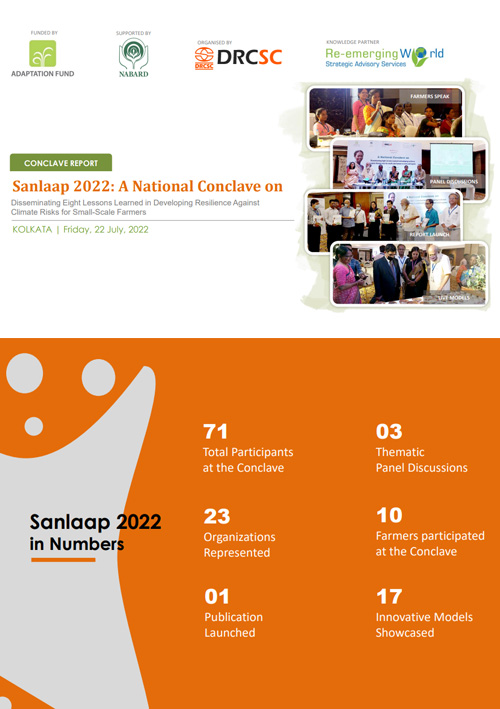
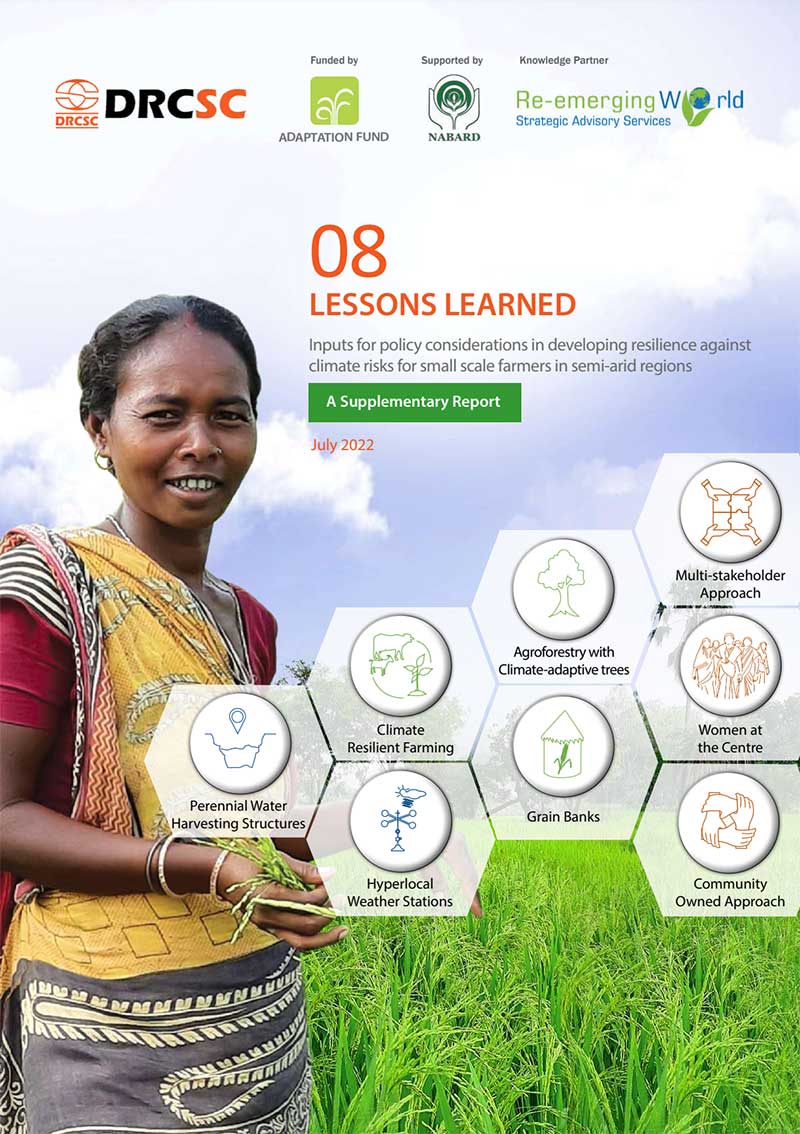
Eight Lessons Learned: Inputs for policy considerations in developing resilience against climate risks for small scale farmers in semi-arid regions, full report
Download Full Report
View Blog Posts
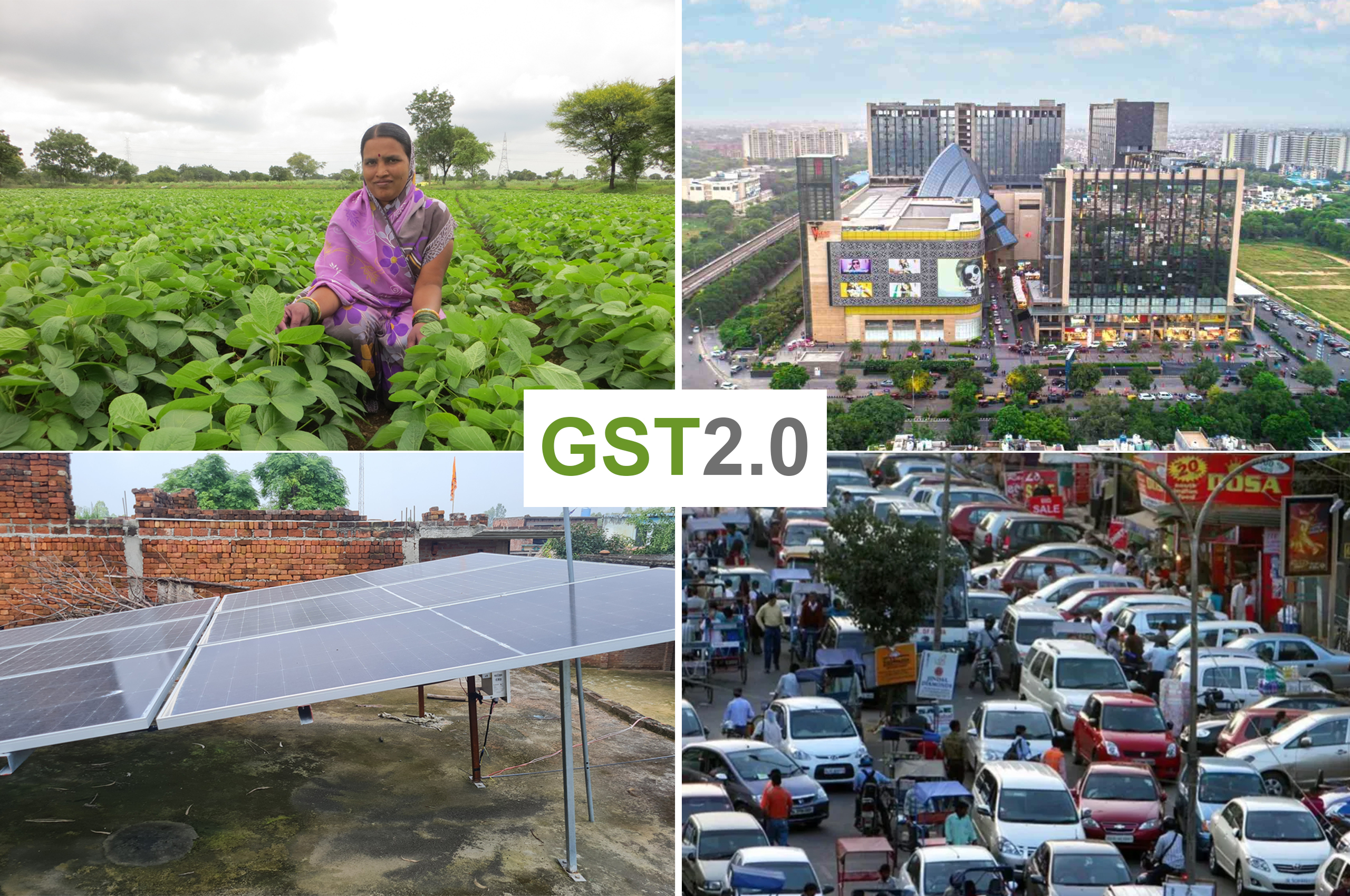
GST 2.0 and Tax Cuts: Can They Make Growth Fairer and Greener?
India's latest GST reform, being termed as GST 2.0, is more than just slashing rates. By simplifying the tax structure, cutting levies on essentials, and supporting renewable infrastructure, it's open..
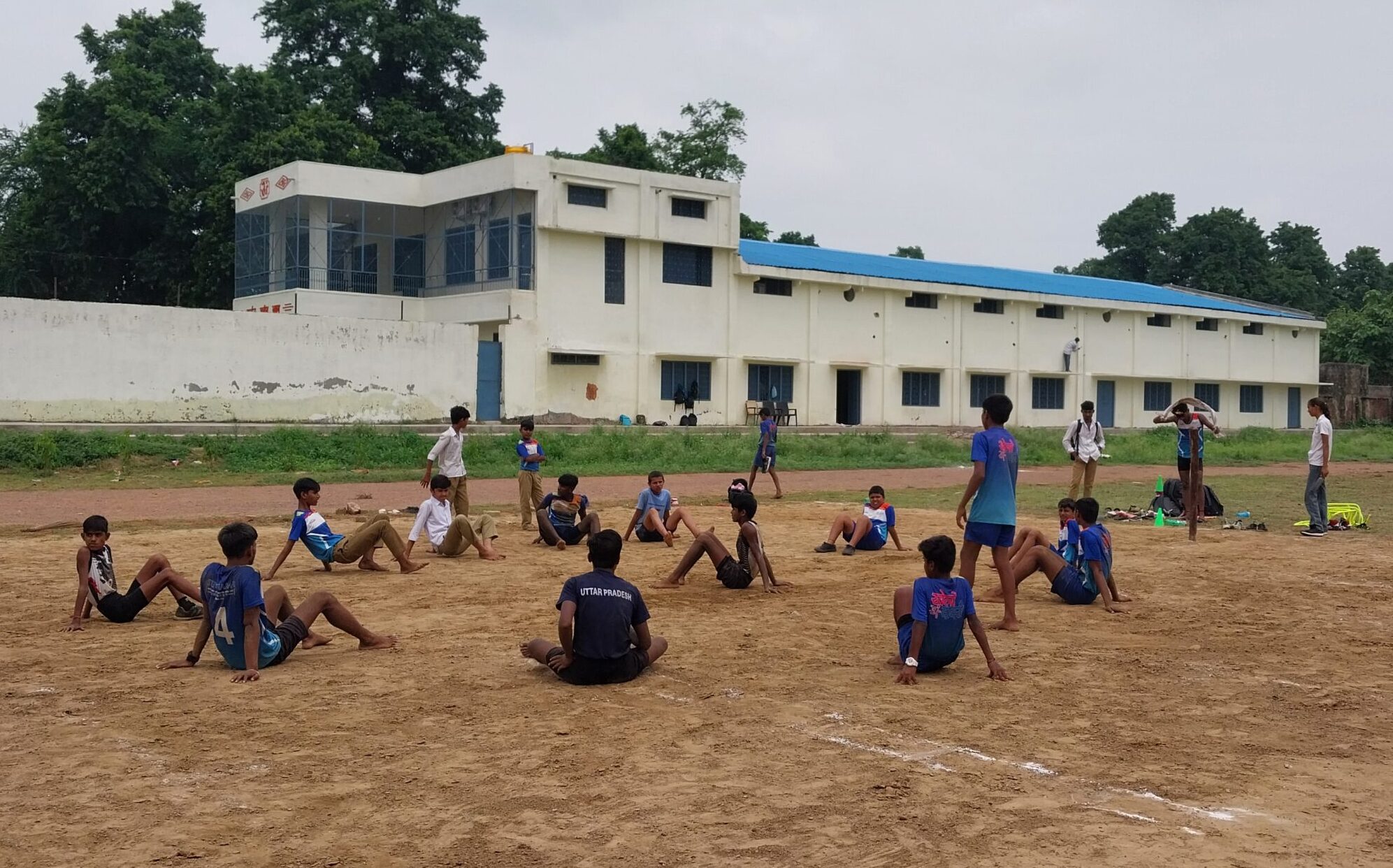
Reimagining Sports in CSR: From Tokenism to a Vehicle for Multiplying Impact
In 2023–24, Indian companies spent about ₹1,396 crore of their CSR budgets on sports — just 4% of the total ₹34,909 crore Indian corporates spent on CSR that year. Most of the rest went to edu..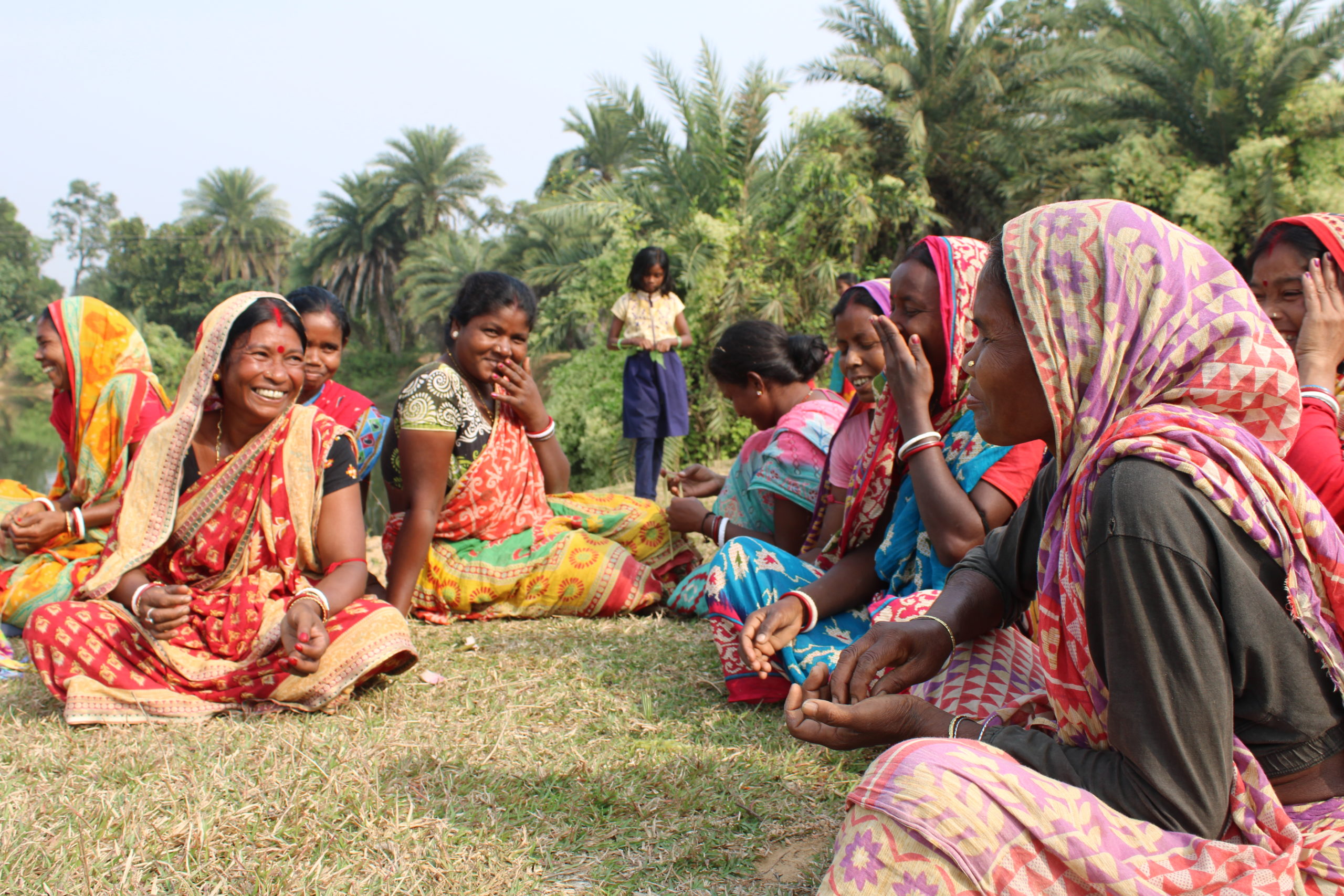
Interactive SHG Map of India: 7.5 million Women Self Help Groups are spread across 27 States and 6 UTs in India
Under the National Rural Livelihood Mission (NRLM), India has 7.5 million Women Self Help Groups (SHGs) spread across 27 states and 6 Union Territories. Each of these small, self-governed, and peer-co..