
Recent Developments,
Key Innovations, and
Insightful Reports
Your One Stop Platform for Regular Sector Updates
Sector news
View By Category
Categories
- See all
- Agriculture
- Clean Cookstoves
- Clean Energy
- Climate Action
- Digital Technology
- Education
- Financial Services
- General
- Healthcare
- Hygiene
- Impact Investment
- Inclusive Value Chains
- Livelihoods
- Livestock
- Lower Income Consumers
- Marketing, Distribution and Sales for BoP
- Nutrition
- Sanitation
- Water
- Women Empowerment


February 1, 2013
Looking ahead at global health in 2013
This post enlists the opinions of experts, regarding trends, patterns and events global healthcare in 2013 is likely to witness. Read more here.
February 1, 2013
The supply and distribution of essential medicines in Malawi
This brief summary of healthcare and medical aid in Malawi recognizes the key bottlenecks in medicine access in the country. It explores the procurement, supply and distribution of essential medicines in Malawi, through a political economy analysis. Read the report here.
February 1, 2013
HP’s out of the box education initiative in South Africa
HP is all set to roll out the concept of ‘classroom in a box’, a low cost solution for educational IT labs that are preinstalled on school equipment, for schools in South Africa. The blueprint for this innovative teaching space was conceptualized and developed by the Indian arm of HP. […]
February 1, 2013
Cell phones for Nigerian farmers
This post argues for the case of underserved and smallholder farmers owning cell phones. While most farmers may be uneducated, they are not unknown to use of cell phones, according to evidence. Using cell phones for multiple functions benefit the farmers in a number of ways. Read more here.
February 1, 2013
2.8 million people in the world now using mHealth systems
According to data from Berg Insights, there are as many as 2.8 million people across the world that use some or the other form of mobile health monitoring service or technology. Read more here.
February 1, 2013
Effectiveness of mHealth in poor countries falls short of supporting evidence
According to reviews led by Caroline Free from the London School of Hygiene & Tropical Medicine, there is a lack of evidence supporting the use of mobile phones as being effective in the fight against a number of health problems in the middle and low income countries. According to her, […]
February 1, 2013
mHealth being embraced by emerging economies
A report by market researched GBI Research brings to light the fact that healthcare access disparities across the developing countries has forced a robust use of mHealth, especially in the remote and underserved communities. Read more here.
February 1, 2013
A new way to look at mHealth Evidence – mHealth Alliance workshop drives the global discussion forward
This post is a summary of the mHealth Alliance’s inaugural mHealth Evidence in-country workshop for East Africa. The workshop was successful in identifying a number of strategic areas that prove problematic, and where innovation for streamlining can be brought it. Read more here.
February 1, 2013
The medical potential of smart phones in your pocket
76 per cent of the 6 million cell phones across the world are in the developing countries. Most of the users of cell phones here use old modelled basic phones that do not do much beyond calling and texting. This post visualizes the medical potential that the use of smartphones, […]
Get The Latest From The Social Sector In Your Inbox

Subscribe to our newsletter
View Our Publications
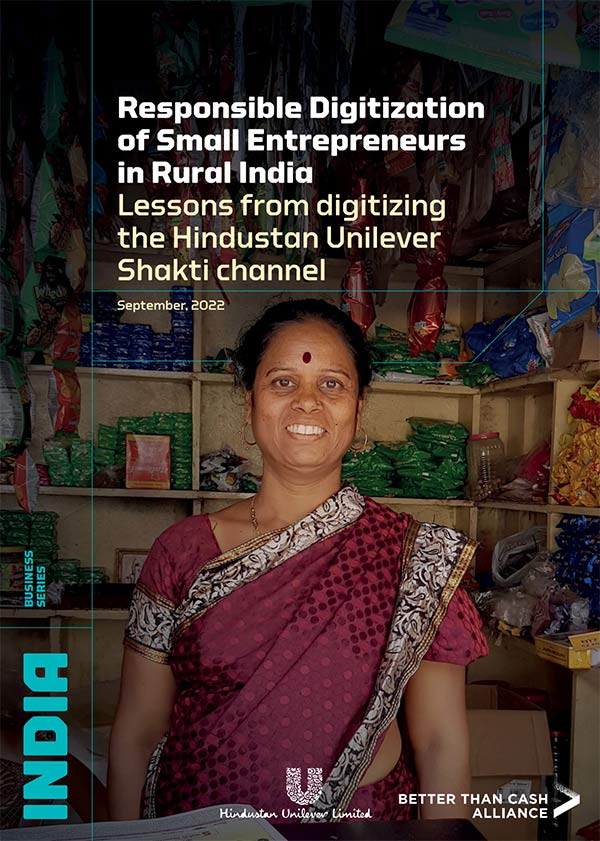
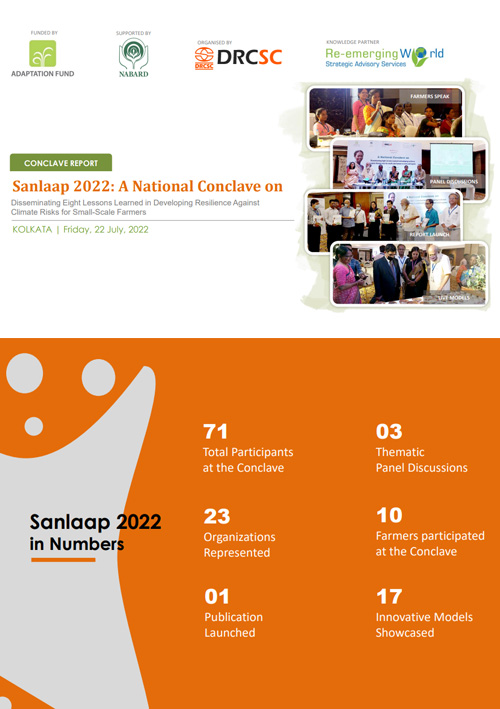
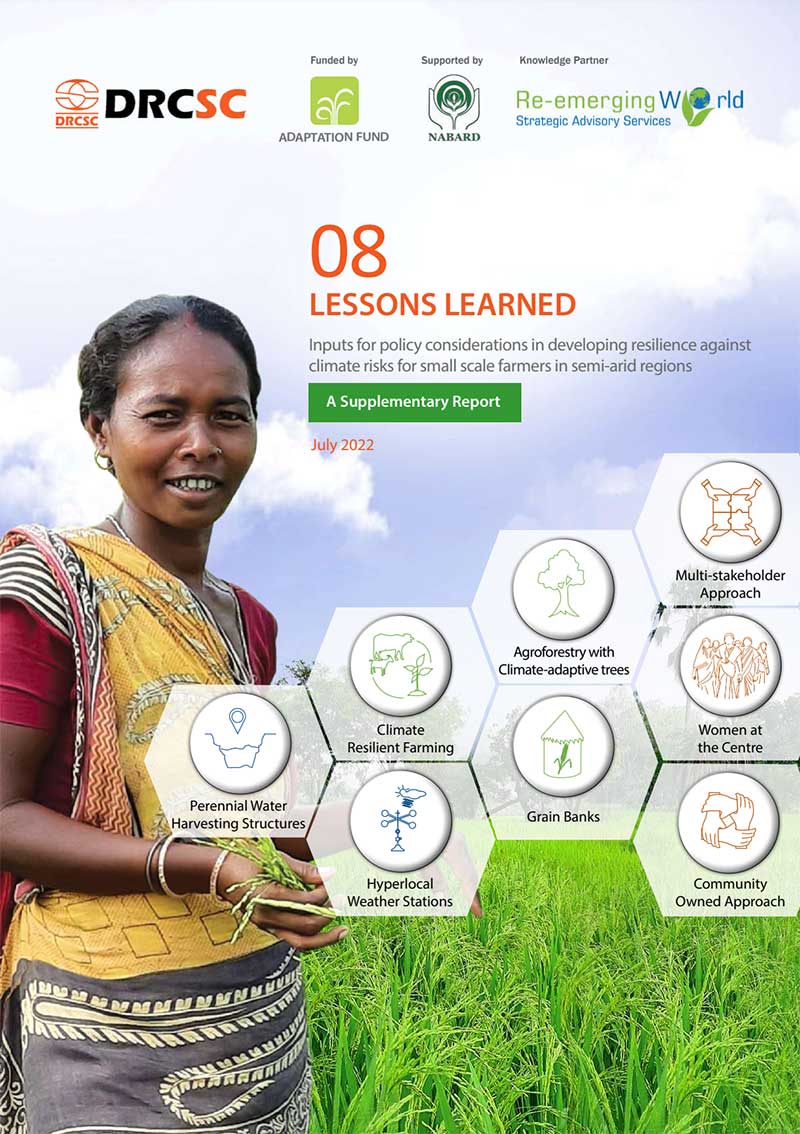
Eight Lessons Learned: Inputs for policy considerations in developing resilience against climate risks for small scale farmers in semi-arid regions, full report
Download Full Report
View Blog Posts
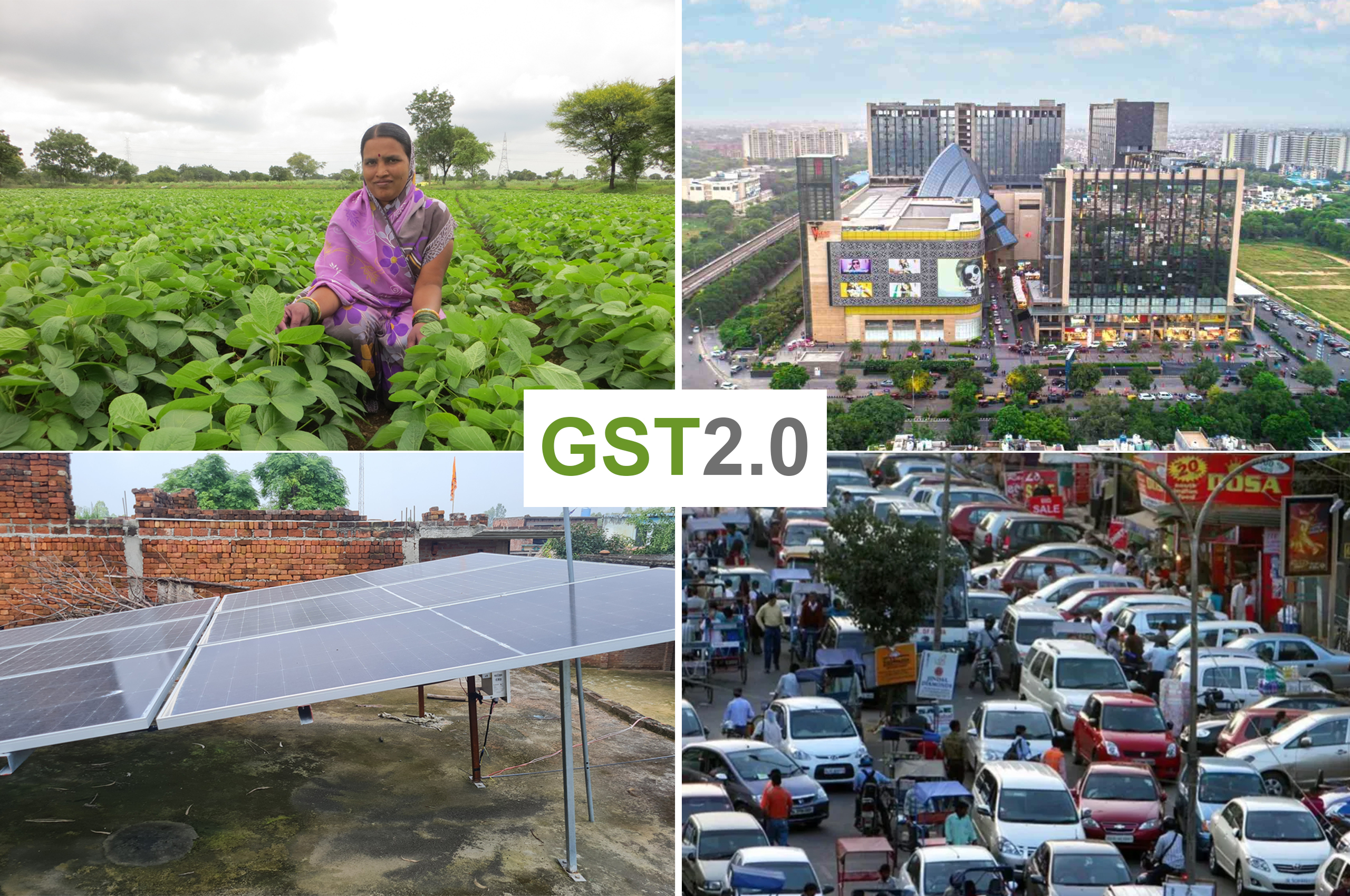
GST 2.0 and Tax Cuts: Can They Make Growth Fairer and Greener?
India's latest GST reform, being termed as GST 2.0, is more than just slashing rates. By simplifying the tax structure, cutting levies on essentials, and supporting renewable infrastructure, it's open..
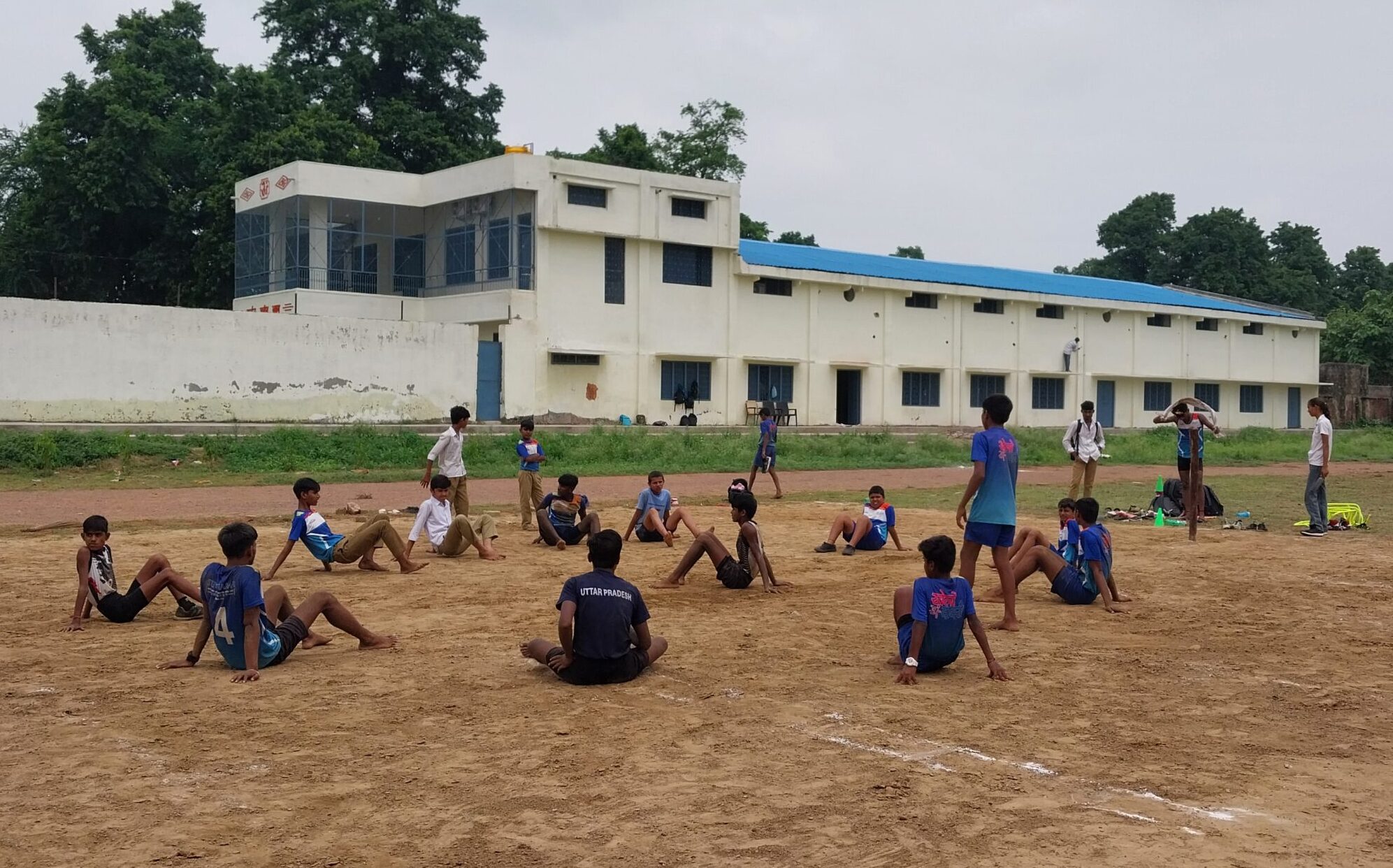
Reimagining Sports in CSR: From Tokenism to a Vehicle for Multiplying Impact
In 2023–24, Indian companies spent about ₹1,396 crore of their CSR budgets on sports — just 4% of the total ₹34,909 crore Indian corporates spent on CSR that year. Most of the rest went to edu..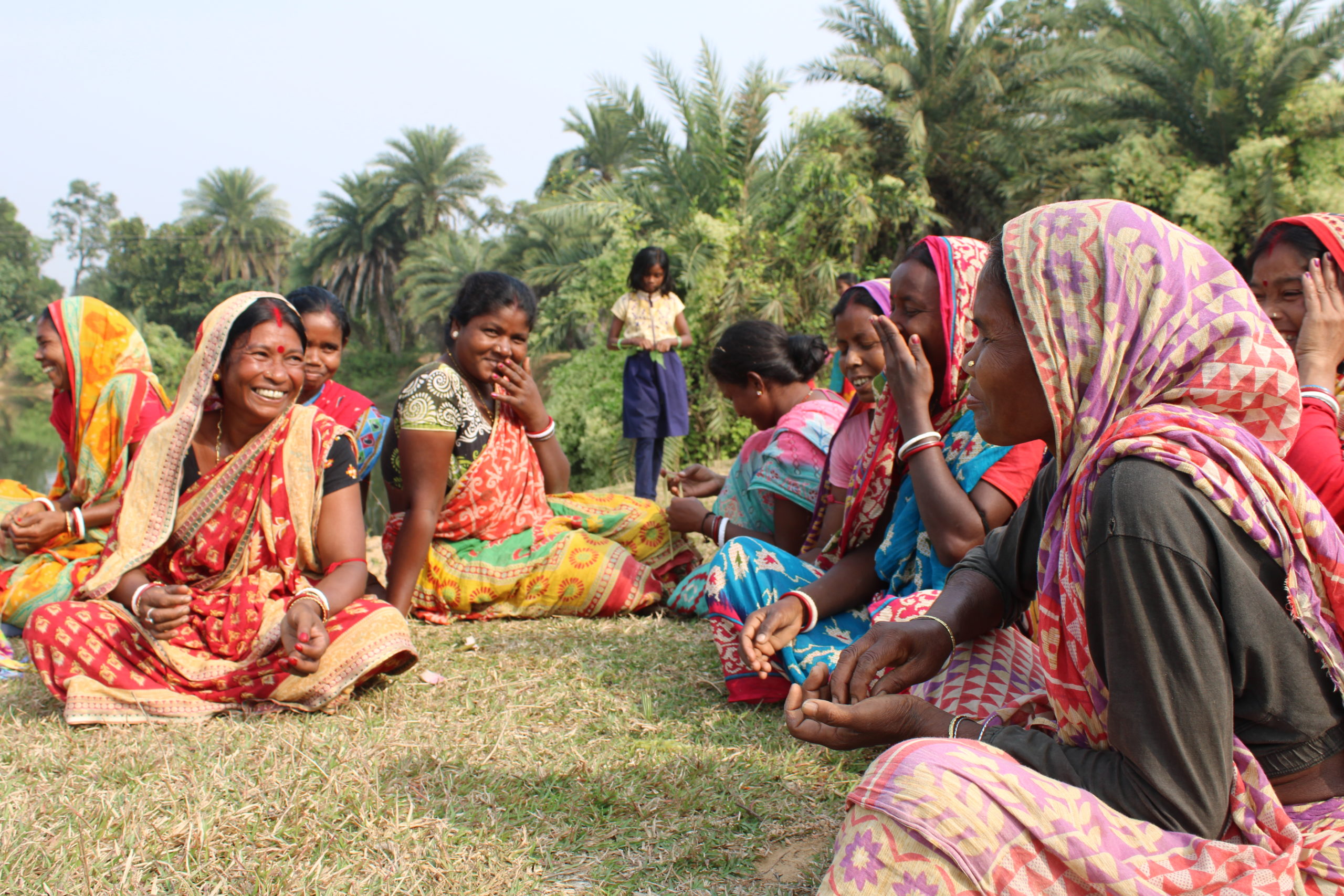
Interactive SHG Map of India: 7.5 million Women Self Help Groups are spread across 27 States and 6 UTs in India
Under the National Rural Livelihood Mission (NRLM), India has 7.5 million Women Self Help Groups (SHGs) spread across 27 states and 6 Union Territories. Each of these small, self-governed, and peer-co..