
Recent Developments,
Key Innovations, and
Insightful Reports
Your One Stop Platform for Regular Sector Updates
Sector news
View By Category
Categories
- See all
- Agriculture
- Clean Cookstoves
- Clean Energy
- Climate Action
- Digital Technology
- Education
- Financial Services
- General
- Healthcare
- Hygiene
- Impact Investment
- Inclusive Value Chains
- Livelihoods
- Livestock
- Lower Income Consumers
- Marketing, Distribution and Sales for BoP
- Nutrition
- Sanitation
- Water
- Women Empowerment


February 1, 2013
Liberia: VP launches water and sanitation Africa Foundation
Vice President of Liberia Joseph N. Boakai recently launched the Water and Sanitation for Africa Foundation in Dakar, Senegal. This was done on behalf of President Ellen- Johnson Sirleaf who is also the Goodwill Ambassador for Water and Sanitation. Read more here.
February 1, 2013
Egypt allocates additional US$468 million for water, sanitation projects
Egypt, where at least 85 per cent of the rural areas are still devoid of basic sanitation facilities, has now allocated an additional US$468 million for water and sanitation projects to be implemented across the country. Read more here.
February 1, 2013
EU and KfW grant for Tanzania water, sanitation supply
The European Union and the German aid agency KfW have contributed a total of € 71 million in updating the infrastructure of water and sanitation in Tanzania. Read more here.
February 1, 2013
Nigeria: EU signs NGN 5 billion agreement with UNICEF
The European Union has recently signed an agreement with UNICEF in Nigeria to provide a sum of NGN 5 billion for the Rural Water Supply and Sanitation Project, which is to be implemented in five states in the country. Read more here.
February 1, 2013
Bringing clean water and healthcare to Haiti, post Hurricane Sandy
With the help of international aid organizations like DFiD, International Medical Corps in now using the medium of Mobile Medical Units which dispense clean water and healthcare consultations to the already underserved regions of Haiti badly affected by Hurricane Sandy. Read more here.
February 1, 2013
Urban water woes
Urbanization rate has only gone up, while water sources are depleting across the cities of most developing countries. Sanitation and hygiene options are shrinking in availability too. Most of these countries are also climate disasters prone, where citizens are most vulnerable to cholera following a flash flood. This post identifies […]
February 1, 2013
Relationship between Use of Water from Community – Scale Water Treatment Refill Kiosks and Childhood Diarrhoea
This experiment traces the risk of diarrhoea among children 1-4 years of age, in Jakarta, Indonesia’s slums. In most developing country slums, access to piped water is all communities have, safe water is unavailable – and purchasing bottled water is prohibitively expensive. In this case, drinking water from community-scale decentralized […]
February 1, 2013
Why toilets, not cell phones can facilitate education in the world
John Kluge, social entrepreneur, philanthro-‘punk’ and ‘toilet-hacker’, has taken on the issue of low awareness about the availability of toilets in the developing world, through his ‘Give a Sh*t Manifesto’. This post is a Q&A with the rich entrepreneur. Read more here.
February 1, 2013
Nigeria: Central Bank renews commitment to aggressive financial inclusion agenda
According to the Central Bank of Nigeria, this year it will devise a strategy to financially include the 39.2 million Nigerian adults in the country’s mainstream economy. Read more here.
Get The Latest From The Social Sector In Your Inbox

Subscribe to our newsletter
View Our Publications
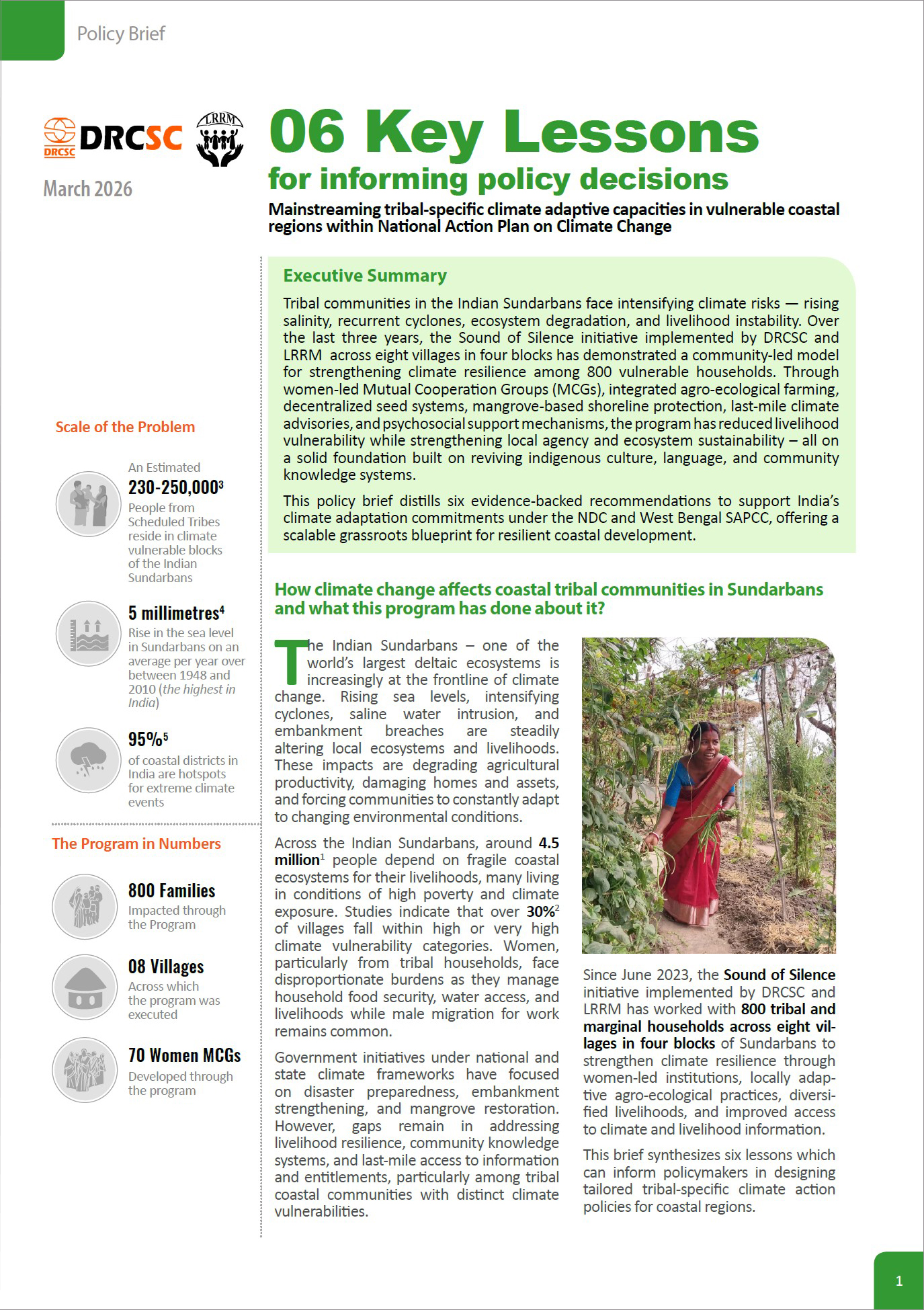
06 Key Lessons for informing policy decisions: Mainstreaming tribal-specific climate adaptive capacities in vulnerable coastal regions within National Action Plan on Climate Change
Download Full Report
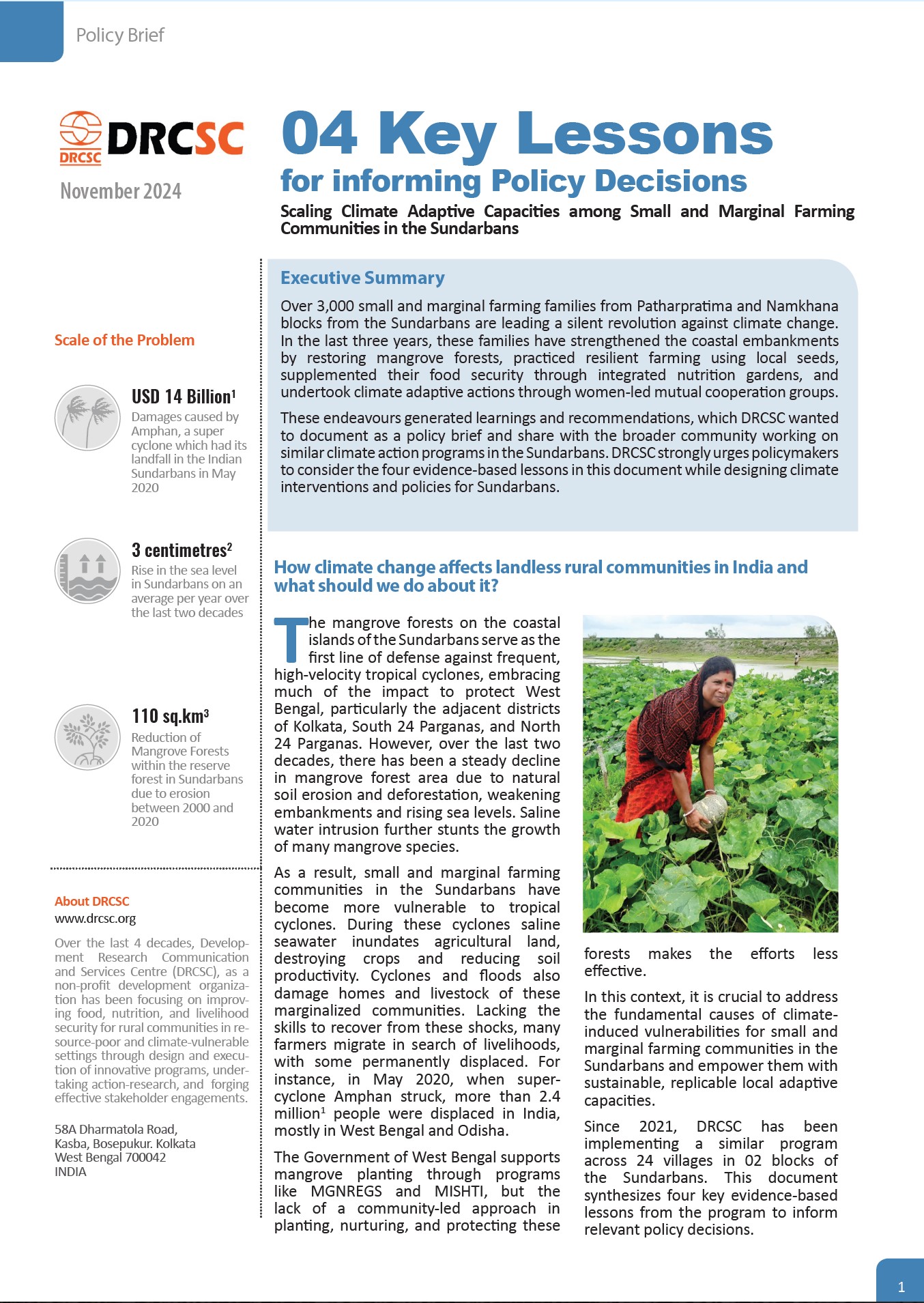
Four Key Lessons for Policy Consideration: Scaling Climate Adaptive Capacities among Small and Marginal Farming Communities in the Sundarbans
Download Full Report
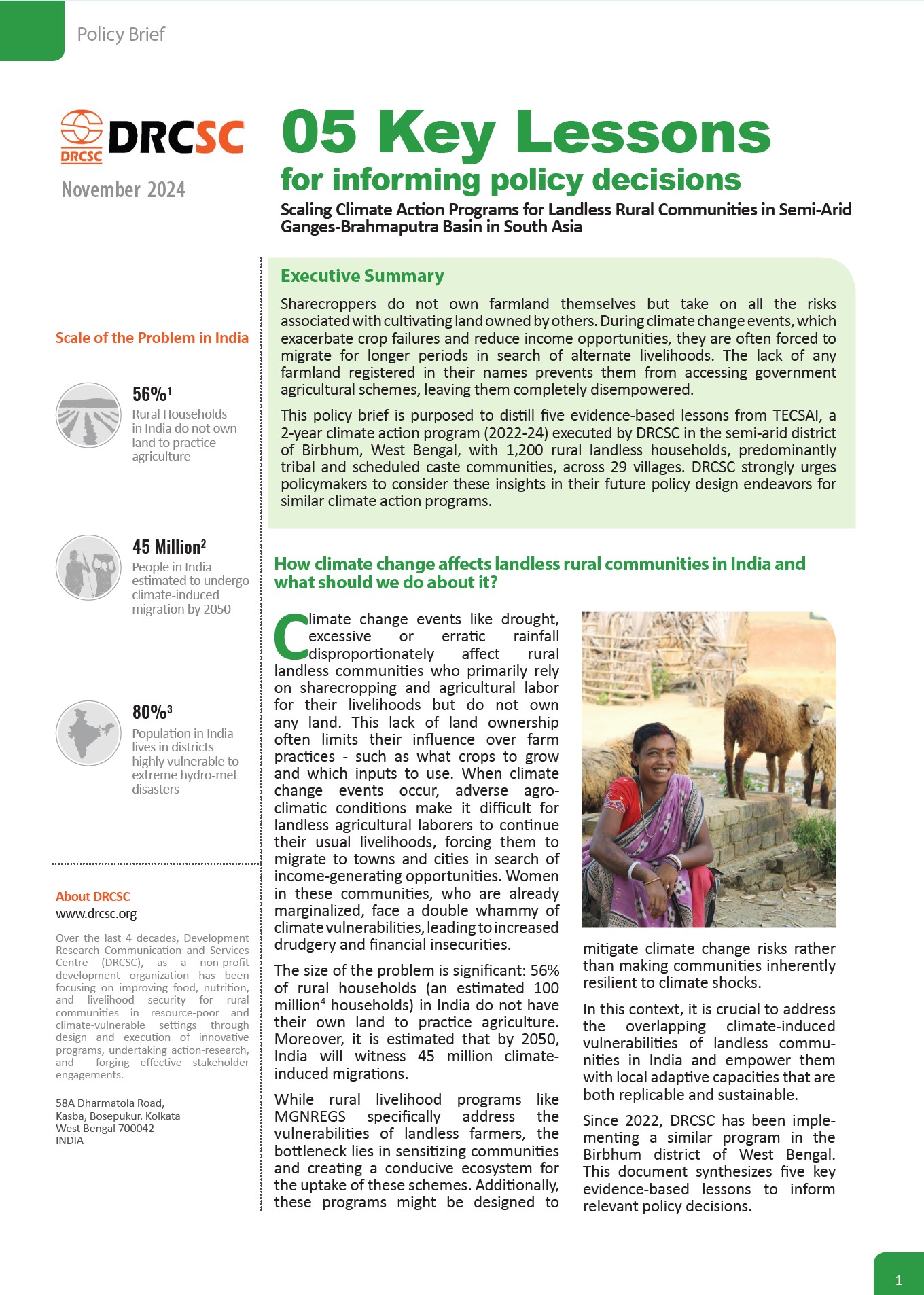
Five Key Lessons for Policy Consideration: Scaling Climate Action Programs for Landless Rural Communities in Semi-Arid Ganges-Brahmaputra Basin in South Asia
Download Full Report
View Blog Posts
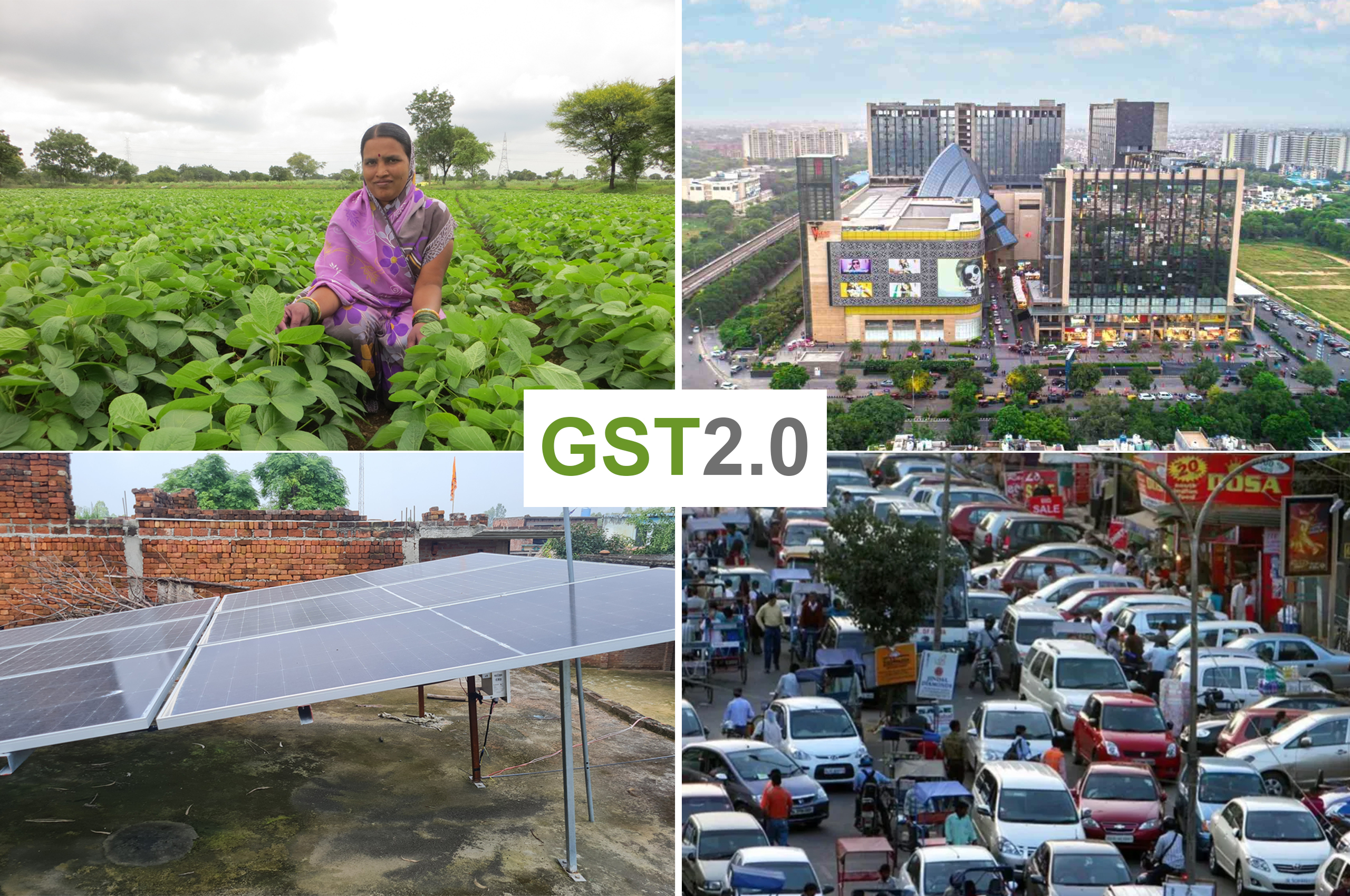
GST 2.0 and Tax Cuts: Can They Make Growth Fairer and Greener?
India's latest GST reform, being termed as GST 2.0, is more than just slashing rates. By simplifying the tax structure, cutting levies on essentials, and supporting renewable infrastructure, it's open..
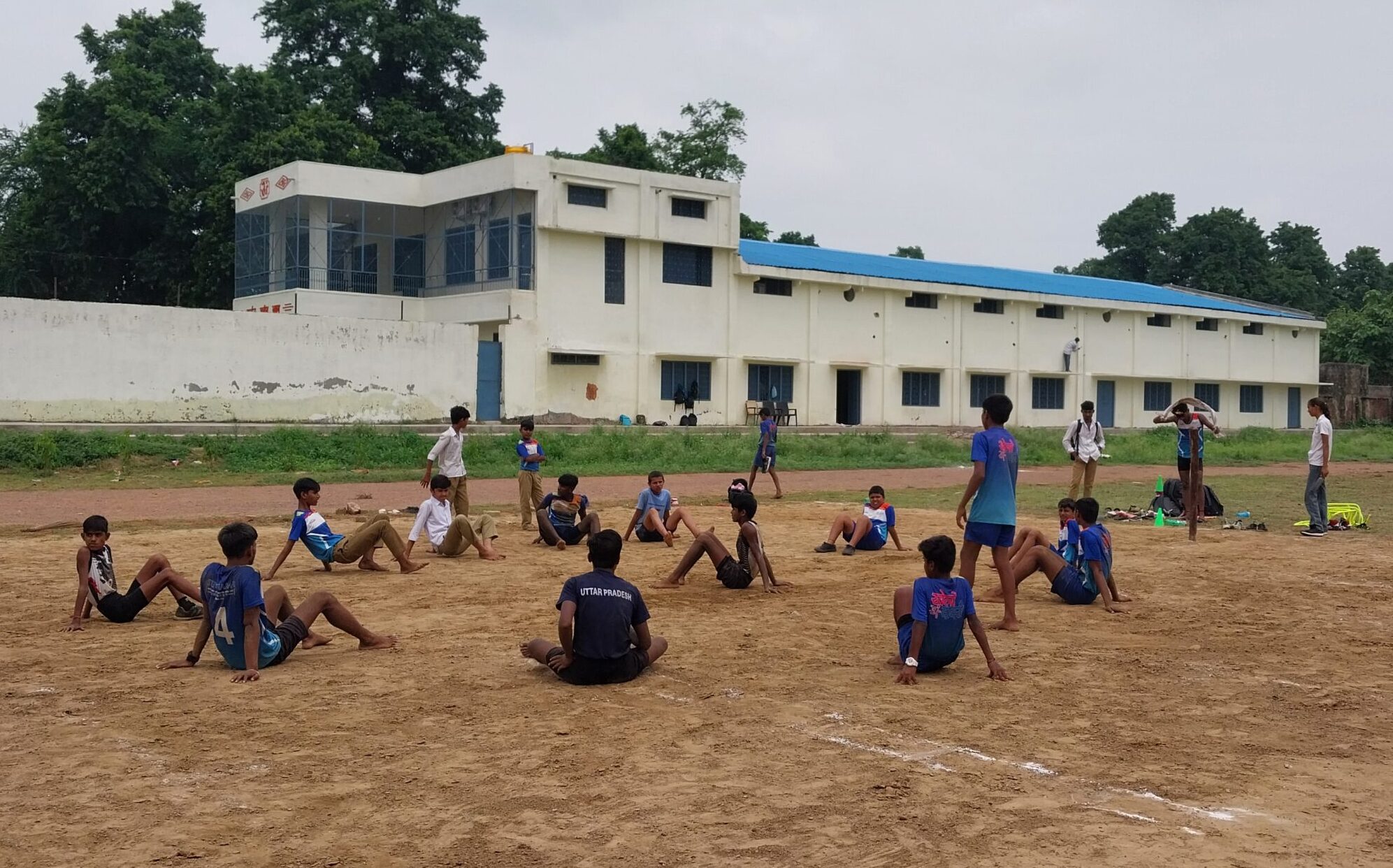
Reimagining Sports in CSR: From Tokenism to a Vehicle for Multiplying Impact
In 2023–24, Indian companies spent about ₹1,396 crore of their CSR budgets on sports — just 4% of the total ₹34,909 crore Indian corporates spent on CSR that year. Most of the rest went to edu..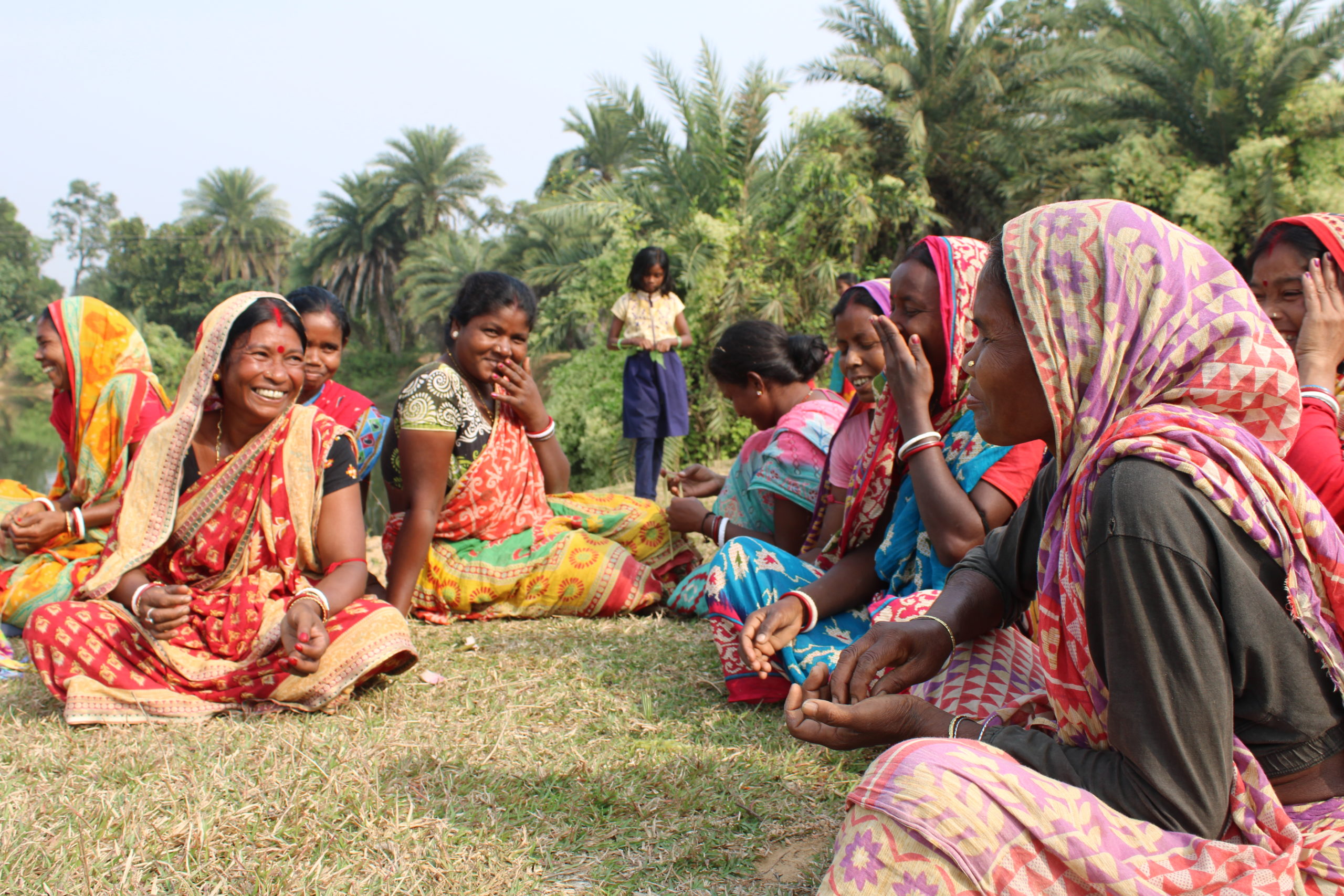
Interactive SHG Map of India: 7.5 million Women Self Help Groups are spread across 27 States and 6 UTs in India
Under the National Rural Livelihood Mission (NRLM), India has 7.5 million Women Self Help Groups (SHGs) spread across 27 states and 6 Union Territories. Each of these small, self-governed, and peer-co..