
Recent Developments,
Key Innovations, and
Insightful Reports
Your One Stop Platform for Regular Sector Updates
Sector news
View By Category
Categories
- See all
- Agriculture
- Clean Cookstoves
- Clean Energy
- Climate Action
- Digital Technology
- Education
- Financial Services
- General
- Healthcare
- Hygiene
- Impact Investment
- Inclusive Value Chains
- Livelihoods
- Livestock
- Lower Income Consumers
- Marketing, Distribution and Sales for BoP
- Nutrition
- Sanitation
- Water
- Women Empowerment


February 1, 2013
India: Microfinance institutions drift from traditional Grameen lending model
Most microfinance institutions in India are changing their repayment structures, in the face of stringent regulatory norms and lack of bank funding. Instead of collecting repayments weekly, institutions like Trident and Equitas are piloting monthly repayment schemes. This is aimed at reducing operational costs. Read more here.
February 1, 2013
Credit reporting for microfinance – how Pakistan achieved it
The State Bank of Pakistan has facilitated the adoption of microfinance, by becoming an early adopter of microfinance credit reporting systems. In 2003, this system was even made electronic. This post portrays some of the lessons to be learned from this concerted effort of all arms of the Pakistani financial […]
February 1, 2013
Tanzania: NHC sells 182 low cost housing units in 2 days
The National Housing Corporation of Tanzania is facing record levels of demand for low cost housing units, with customers paying immediate down-payments for housing units in Dar es Salaam. A record number of 182 houses were sold in a matter of two days. Read more here.
February 1, 2013
India: Government raises financial aid for rural housing
The Central Government has approved the increase in amount of aid disbursed to the poor for rural housing units acquisition from INR 45,000 (US$ 840) to INR 70,000 (US$ 1305) in plains and INR 75,000 (US$ 1399) in hilly and difficult regions. Read more here, and the funding details here.
February 1, 2013
Ghana: SADA launches rural housing programme
The Savannah Accelerated Development Authority (SADA) is all set to launch a new and improved housing programme for the NSEZ or the Northern Savannah Ecological Zone. Read more here.
February 1, 2013
Housing microfinance – how scale is a persistent problem
While the need for housing microfinance is great, given the rapid rate of urbanization in most developing countries, housing microfinance have not been able to find a balance between adequately serving need and bringing about developmental changes yet. Read more here.
February 1, 2013
Moladi: Innovation in housing for the base of the pyramid
This post talks about the need for decent and affordable housing to poor communities, termed as Moladi by Dr. Ernst Friedrich Schumacher. It takes into consideration Abraham Maslow’s “hierarchy of needs” pyramid to integrate housing with other human needs. Moladi is also the name of an affordable housing solution which […]
February 1, 2013
Egypt’s housing crisis exacerbates as housing remains in abundance
Almost 16 million people live in Egypt’s slums, mostly in greater Cairo metropolitan area. The residents of most of these slums are people who cannot afford to live in proper housing due to high and prohibitive prices. These slums have no basic amenities and provide no respite from the heat, […]
February 1, 2013
Slum rehabilitation promise to Mumbai’s 20 million
Mumbai is home to some of the largest slums in India. While plans to deal with informal settlements, which house about 60 per cent of the population, have gone from simple informal settlement vacating, to integrating into public infrastructure, nothing seems to be clear. Ambitious plans of providing education, healthcare, […]
Get The Latest From The Social Sector In Your Inbox

Subscribe to our newsletter
View Our Publications
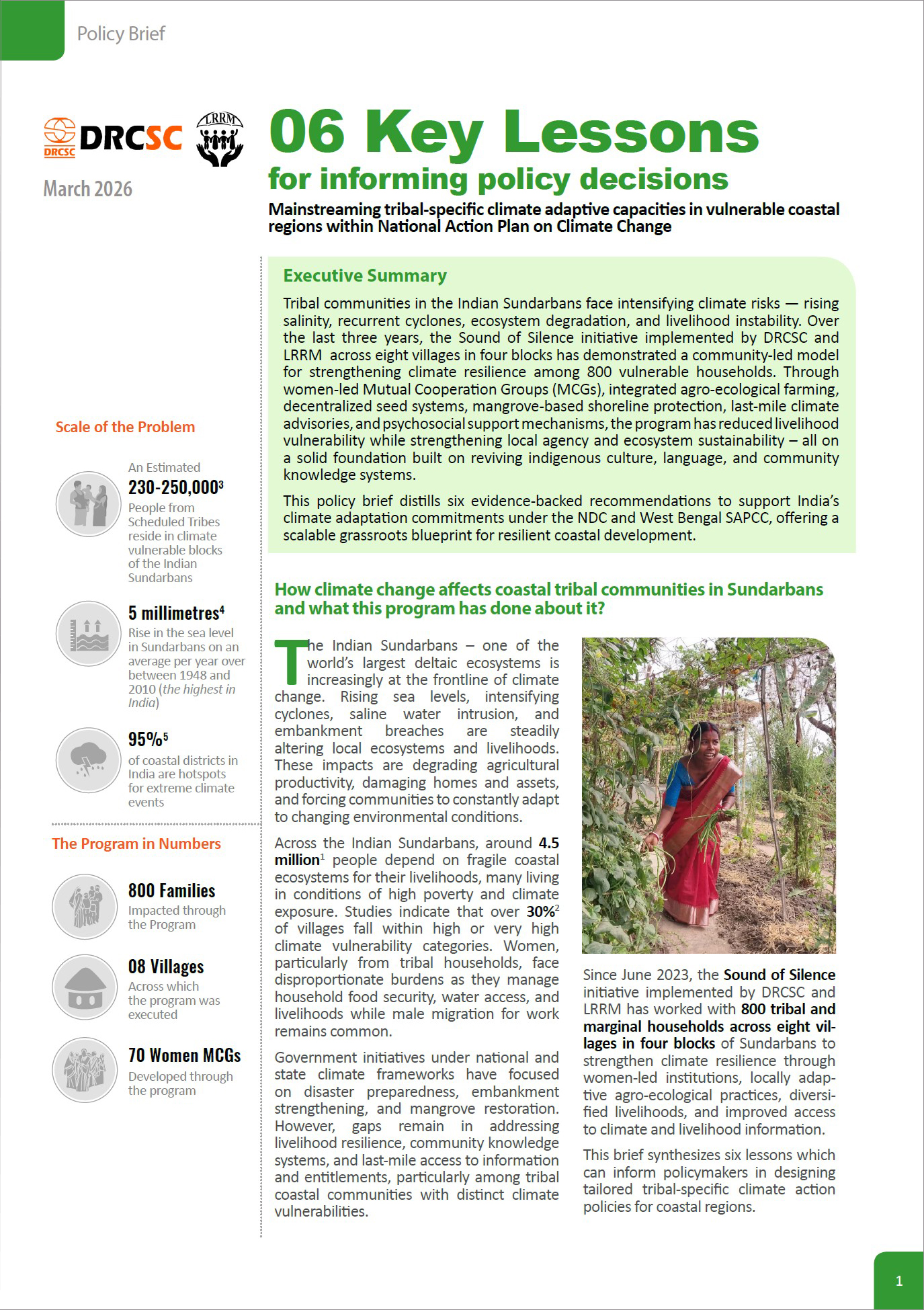
06 Key Lessons for informing policy decisions: Mainstreaming tribal-specific climate adaptive capacities in vulnerable coastal regions within National Action Plan on Climate Change
Download Full Report
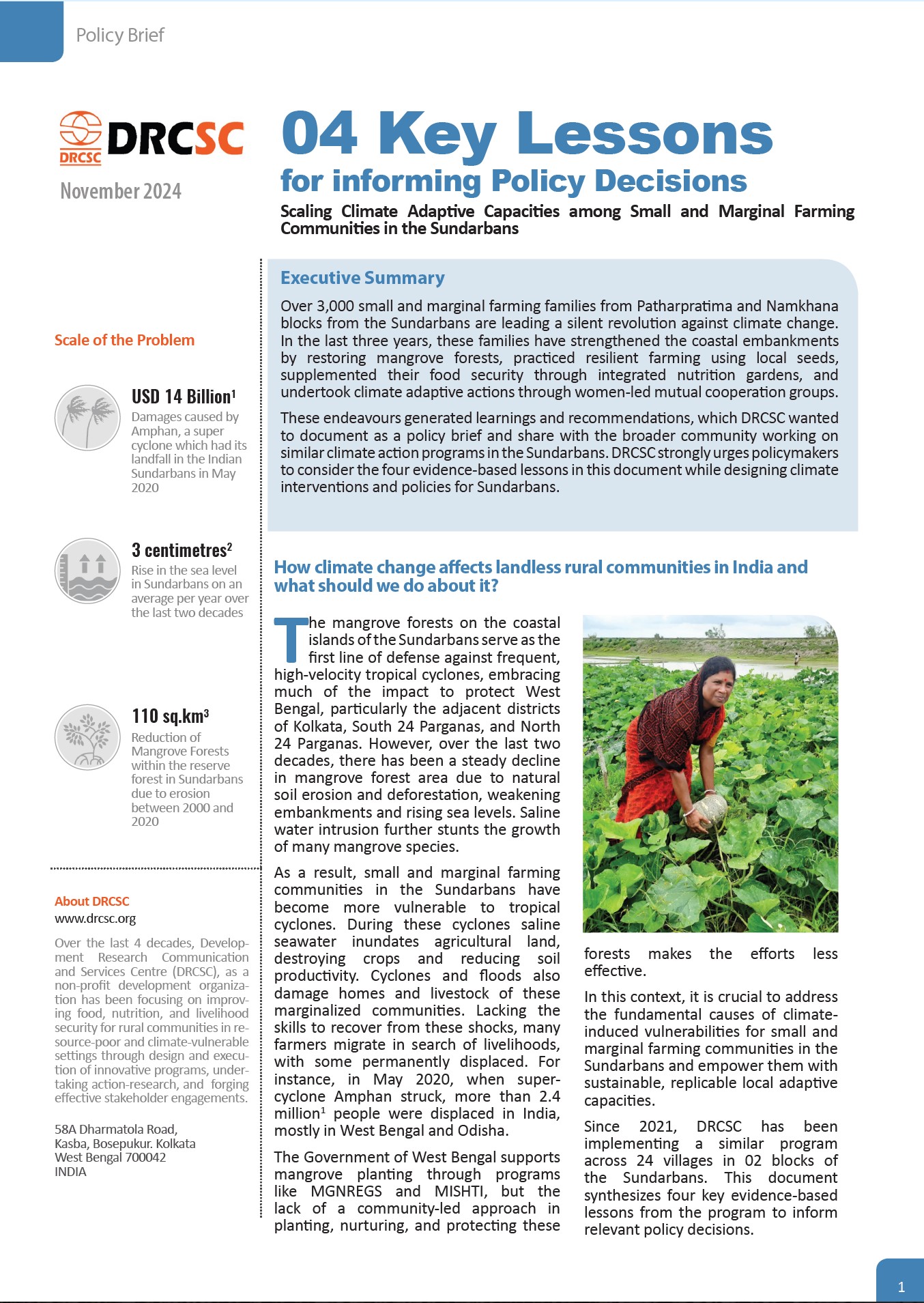
Four Key Lessons for Policy Consideration: Scaling Climate Adaptive Capacities among Small and Marginal Farming Communities in the Sundarbans
Download Full Report
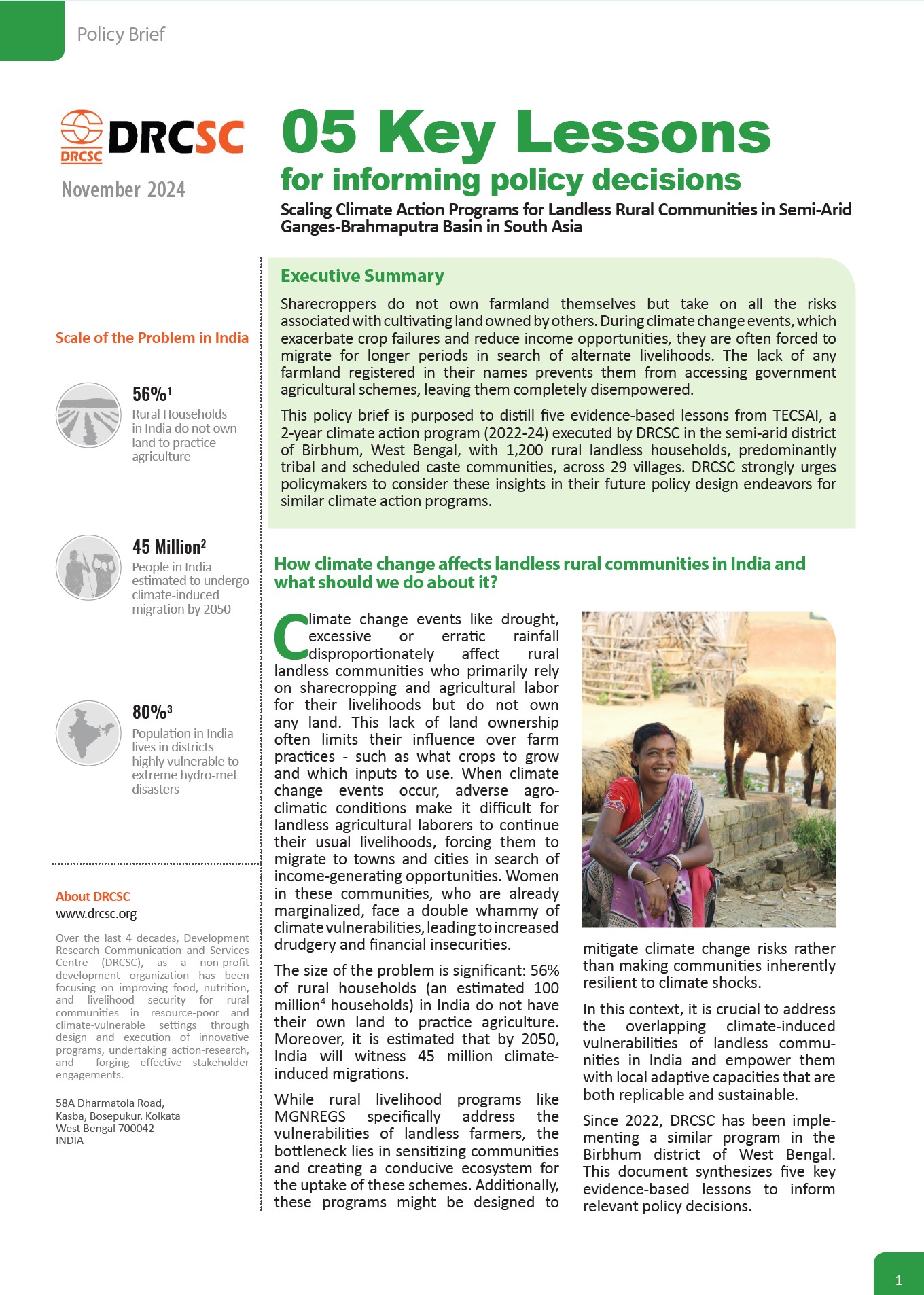
Five Key Lessons for Policy Consideration: Scaling Climate Action Programs for Landless Rural Communities in Semi-Arid Ganges-Brahmaputra Basin in South Asia
Download Full Report
View Blog Posts
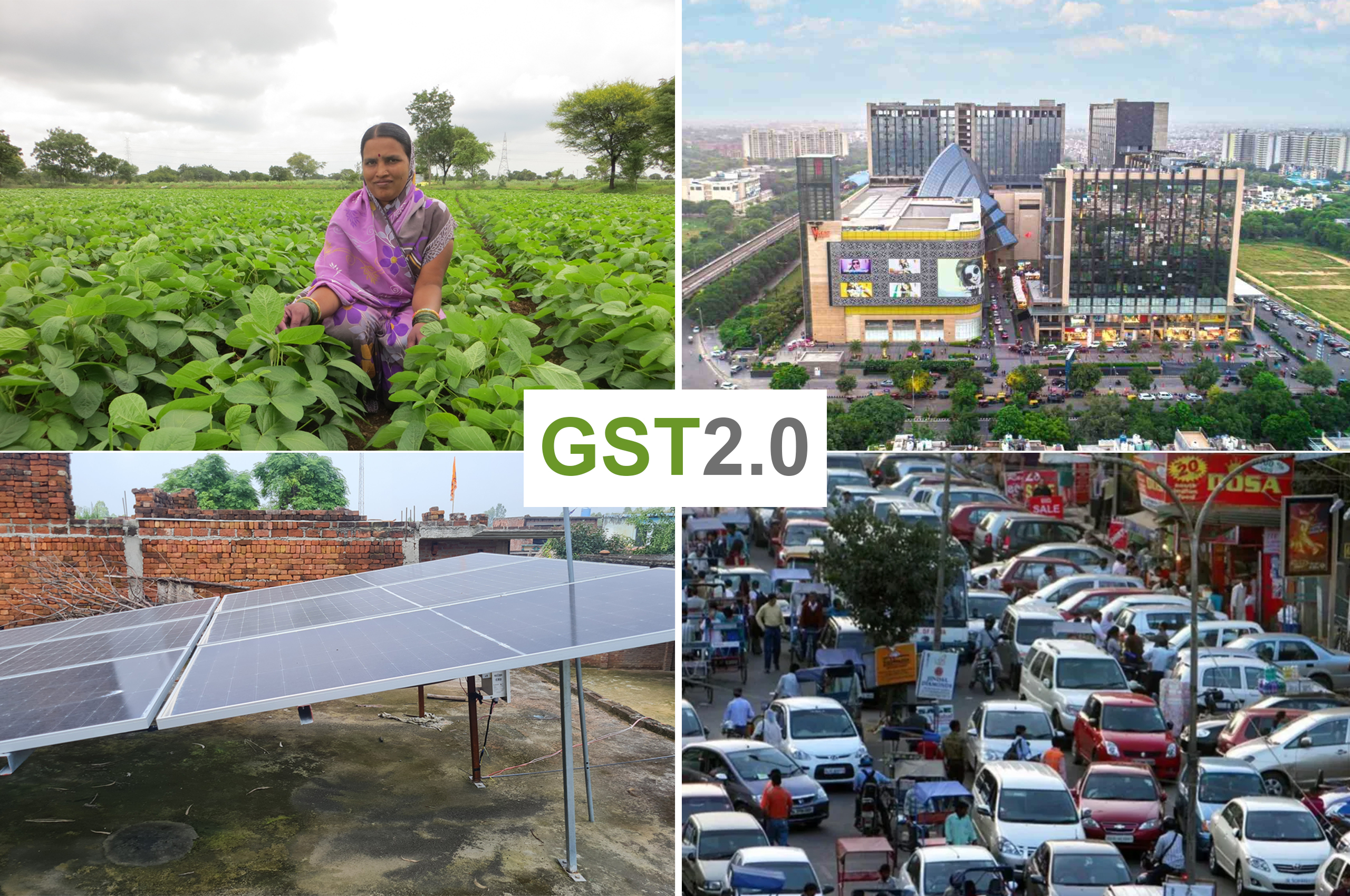
GST 2.0 and Tax Cuts: Can They Make Growth Fairer and Greener?
India's latest GST reform, being termed as GST 2.0, is more than just slashing rates. By simplifying the tax structure, cutting levies on essentials, and supporting renewable infrastructure, it's open..
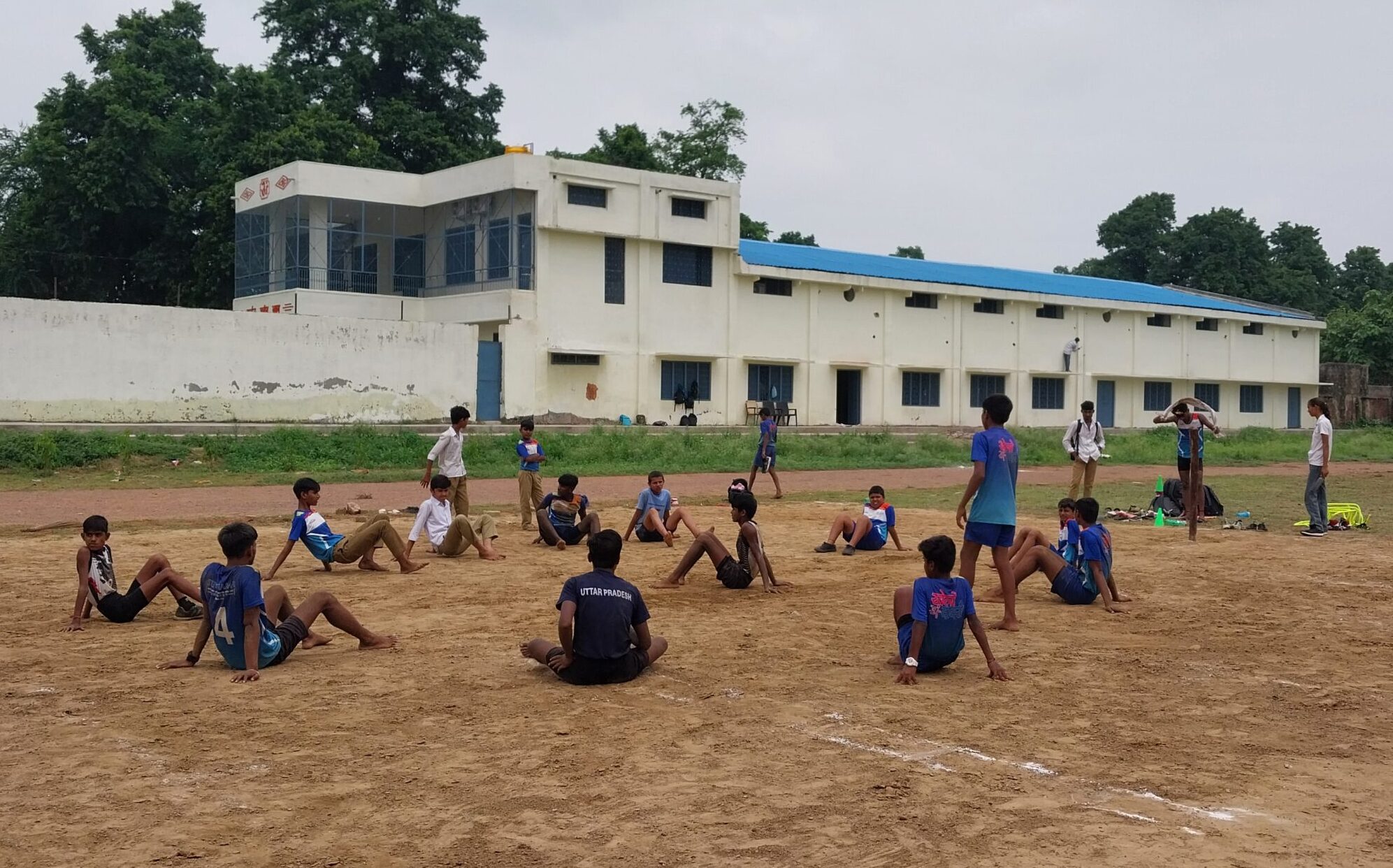
Reimagining Sports in CSR: From Tokenism to a Vehicle for Multiplying Impact
In 2023–24, Indian companies spent about ₹1,396 crore of their CSR budgets on sports — just 4% of the total ₹34,909 crore Indian corporates spent on CSR that year. Most of the rest went to edu..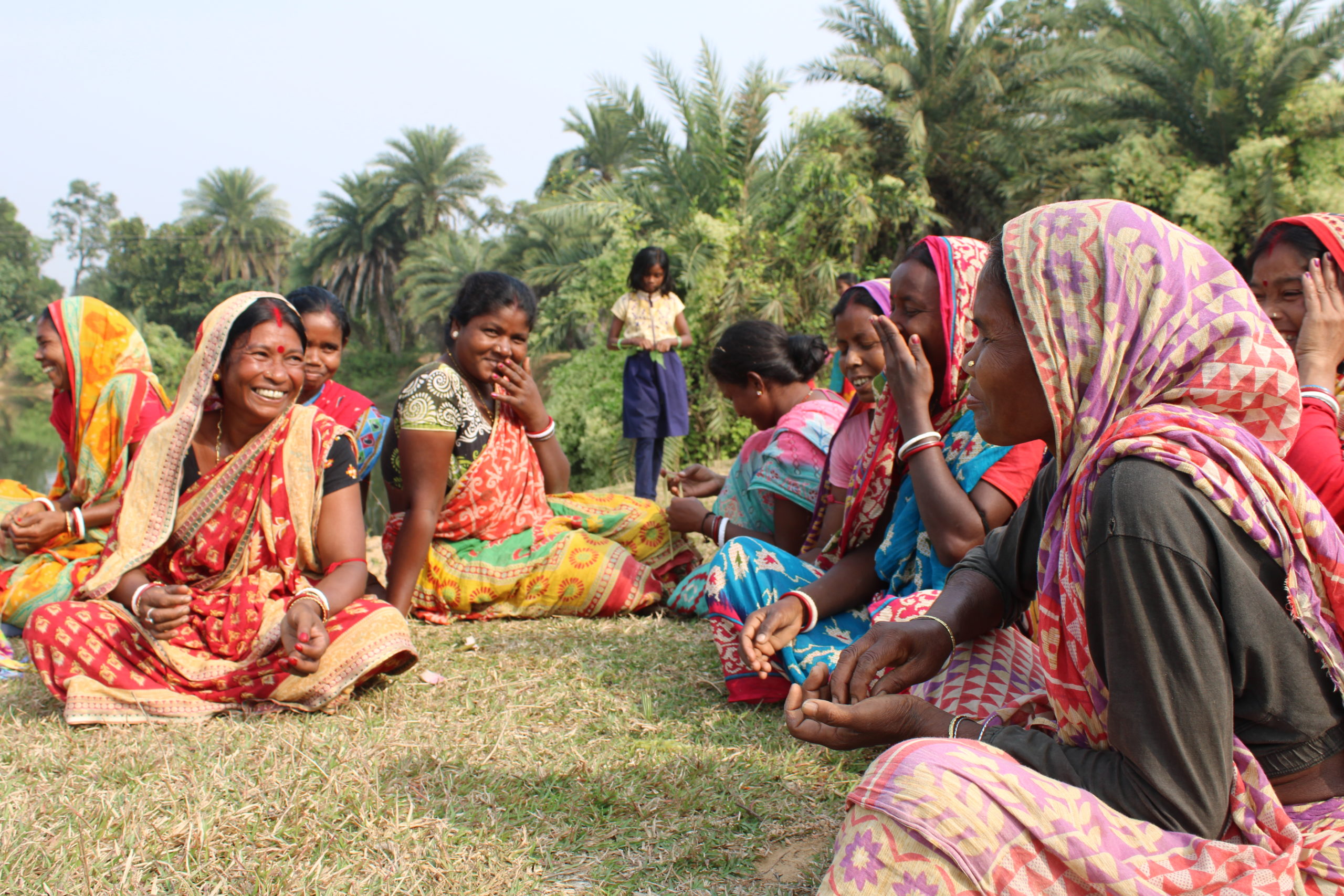
Interactive SHG Map of India: 7.5 million Women Self Help Groups are spread across 27 States and 6 UTs in India
Under the National Rural Livelihood Mission (NRLM), India has 7.5 million Women Self Help Groups (SHGs) spread across 27 states and 6 Union Territories. Each of these small, self-governed, and peer-co..