
Recent Developments,
Key Innovations, and
Insightful Reports
Your One Stop Platform for Regular Sector Updates
Sector news
View By Category
Categories
- See all
- Agriculture
- Clean Cookstoves
- Clean Energy
- Climate Action
- Digital Technology
- Education
- Financial Services
- General
- Healthcare
- Hygiene
- Impact Investment
- Inclusive Value Chains
- Livelihoods
- Livestock
- Lower Income Consumers
- Marketing, Distribution and Sales for BoP
- Nutrition
- Sanitation
- Water
- Women Empowerment


February 1, 2013
The Tokyo Model: From post-war slum to super power
Tokyo, Japan was really a post war slum which evolved into an organized and prosperous urban structure over time. In a recent addition to Rockefeller Foundation’s Informal City Dialogues, Matias Echanove and Rahul Srivastava discuss how principles of user involvement, incremental development and integration of neighbourhoods into a large urban […]
February 1, 2013
INR 200 million meant for night shelters in Delhi siphoned off
Delhi, the Indian capital which suffers from some of the lowest temperatures during winter has so far been unable to provide shelter for its poor homeless. According to reports, some INR 200 million earmarked for a 20-year long programme entailing the establishment of night shelters and welfare assistance to the […]
February 1, 2013
The rise of the megacities
The developing world will house 29 megacities by 2025, according to UN forecasts. This interactive graph by The Guardian shows how there are at least 23 megacities (cities with population of more than 10 million) across the world that will continue to grow regardless of whether problems of informal settlements […]
February 1, 2013
India: Co-operative banks step forth to solve India’s housing crisis
In the Indian state of Madhya Pradesh, co-operative banks have stepped forth to support the housing problem in the state. In effect, in Bhopal District Co-operative Central Bank signed an MoU with a state-level housing mission. Read more here.
February 1, 2013
Econet Zimbabwe: 400,000 lamps sold so far
Econet in Zimbabwe has reached the ambitious goal of having as many as 400,000 of its solar lamps Zimbabwean homes. These lanterns also charge cell phones, and Econet is also planning more innovative features to add to it. Read more here.
February 1, 2013
How Luci will serve the developing world
This post about Luci, the inflatable solar lantern, which has taken the developmental world by a storm, talks about the alternate applicability of the lanterns. While these easily inflatable, and very cheap lanterns are great for hikers and campers, these lamps will serve the developing world deprived of main-grid lighting, […]
February 1, 2013
Malawi: US and Ireland partner to scale 2 million cookstoves by 2020
The governments of US and Ireland have collaborated with Malawian President Joyce Banda to scale the usage of clean cookstoves in the country. The aim has been stated as reaching a goal of as many as 2 million clean cookstoves in usage, by 2020. Read more here.
February 1, 2013
India: Grassroot innovation – Vidya Ratan Sharma’s biomass cookstoves
DEEP Chulha are cleaner and more efficient cookstoves made by social entrepreneur Vidya Ratan Sharma, for the districts of upper Himachal Pradesh. Having served as a cook for an NGO for five years, the idea to create cookstoves emitting less smoke and helping village folk of the mountainous region warm […]
February 1, 2013
Tanzania: Energy saving cookstoves benefit rural Muheza district
Tanzania Traditional Energy Development and Environmental Organisation’s (TaTEDO) has been using the medium of training poor women in making cleaner and more efficient cookstoves. This takes care of dual concerns – improving livelihoods of the concerned women, and sensitizing the public in general – the neighbours, or the village folks […]
Get The Latest From The Social Sector In Your Inbox

Subscribe to our newsletter
View Our Publications
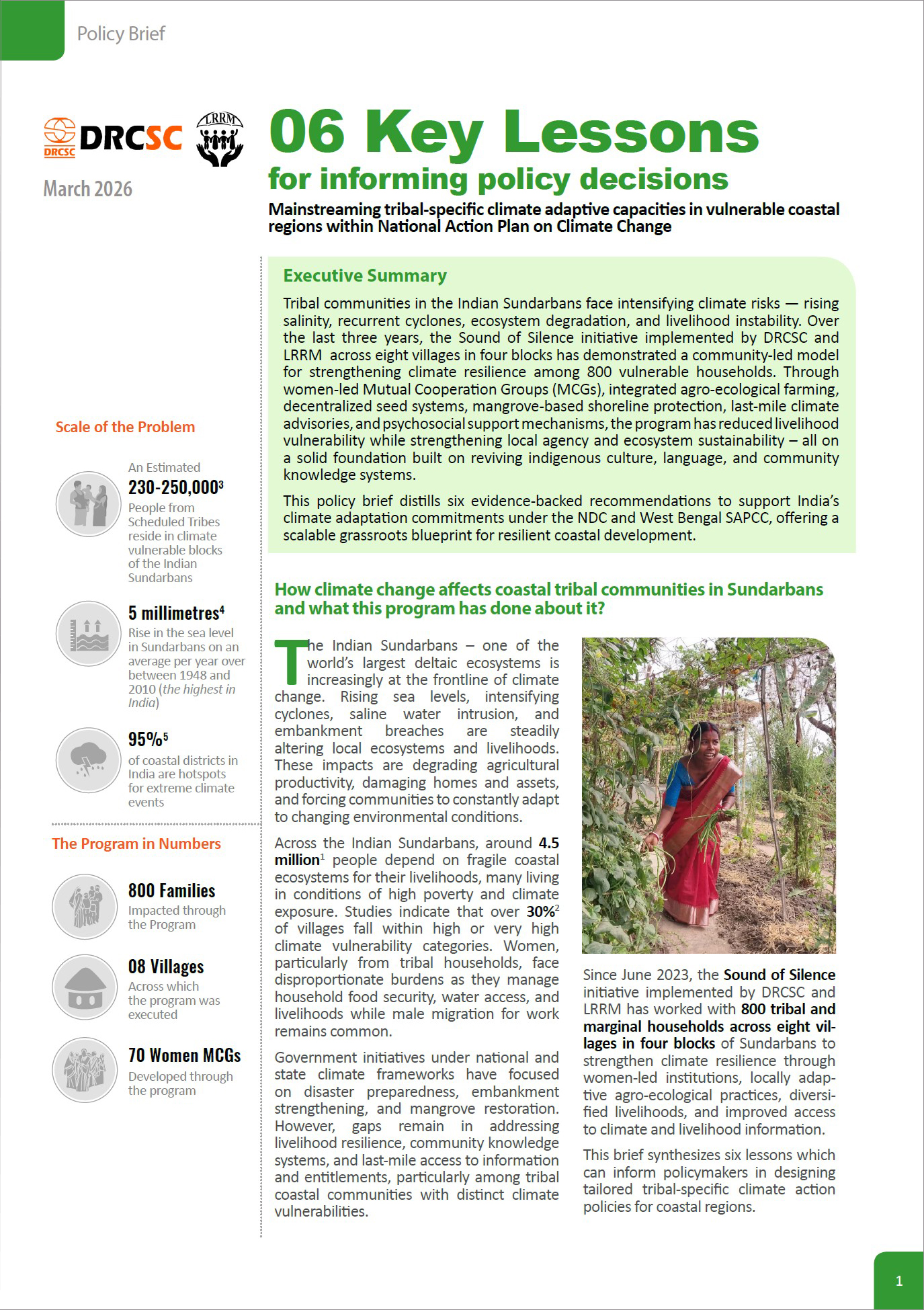
06 Key Lessons for informing policy decisions: Mainstreaming tribal-specific climate adaptive capacities in vulnerable coastal regions within National Action Plan on Climate Change
Download Full Report
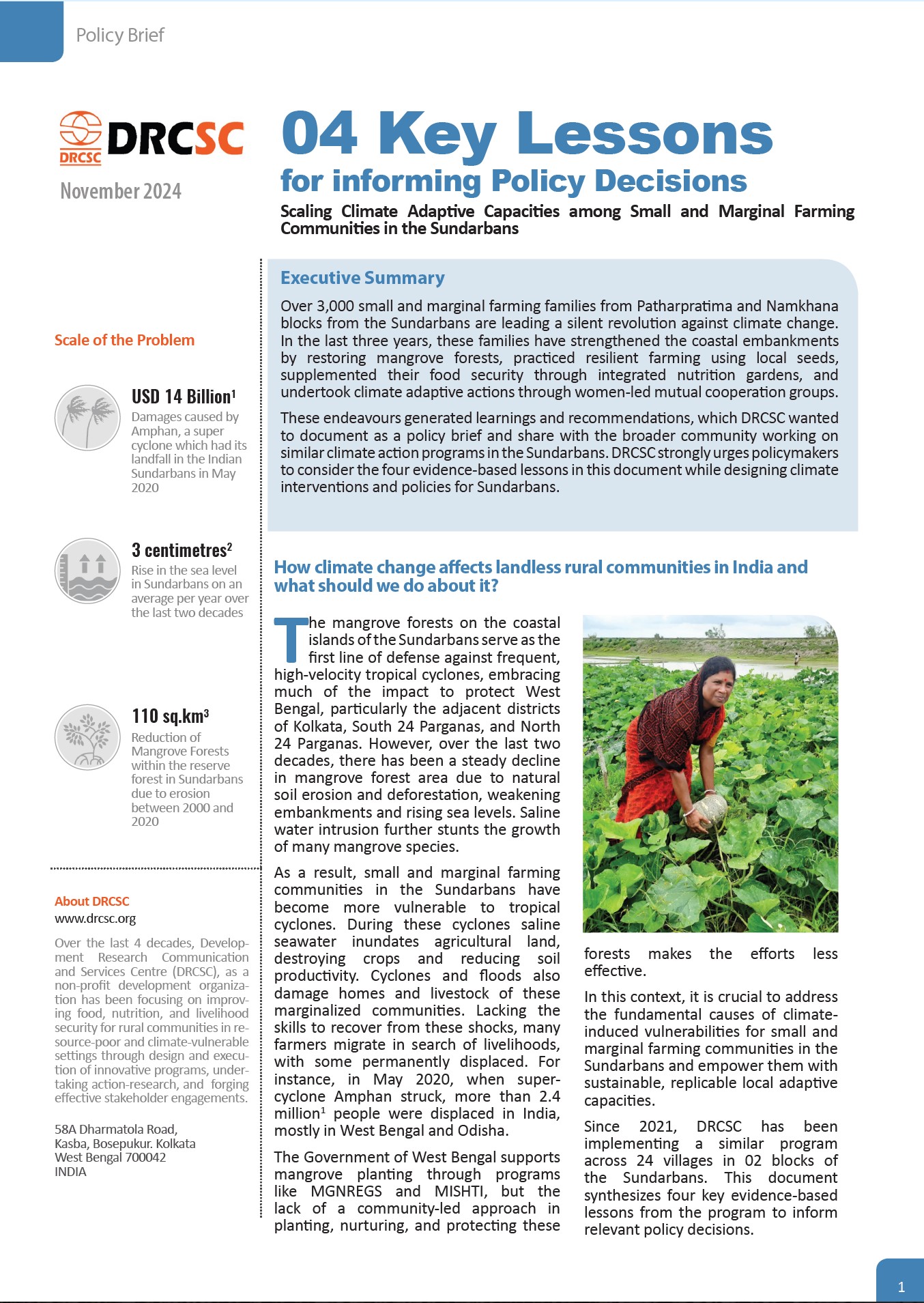
Four Key Lessons for Policy Consideration: Scaling Climate Adaptive Capacities among Small and Marginal Farming Communities in the Sundarbans
Download Full Report
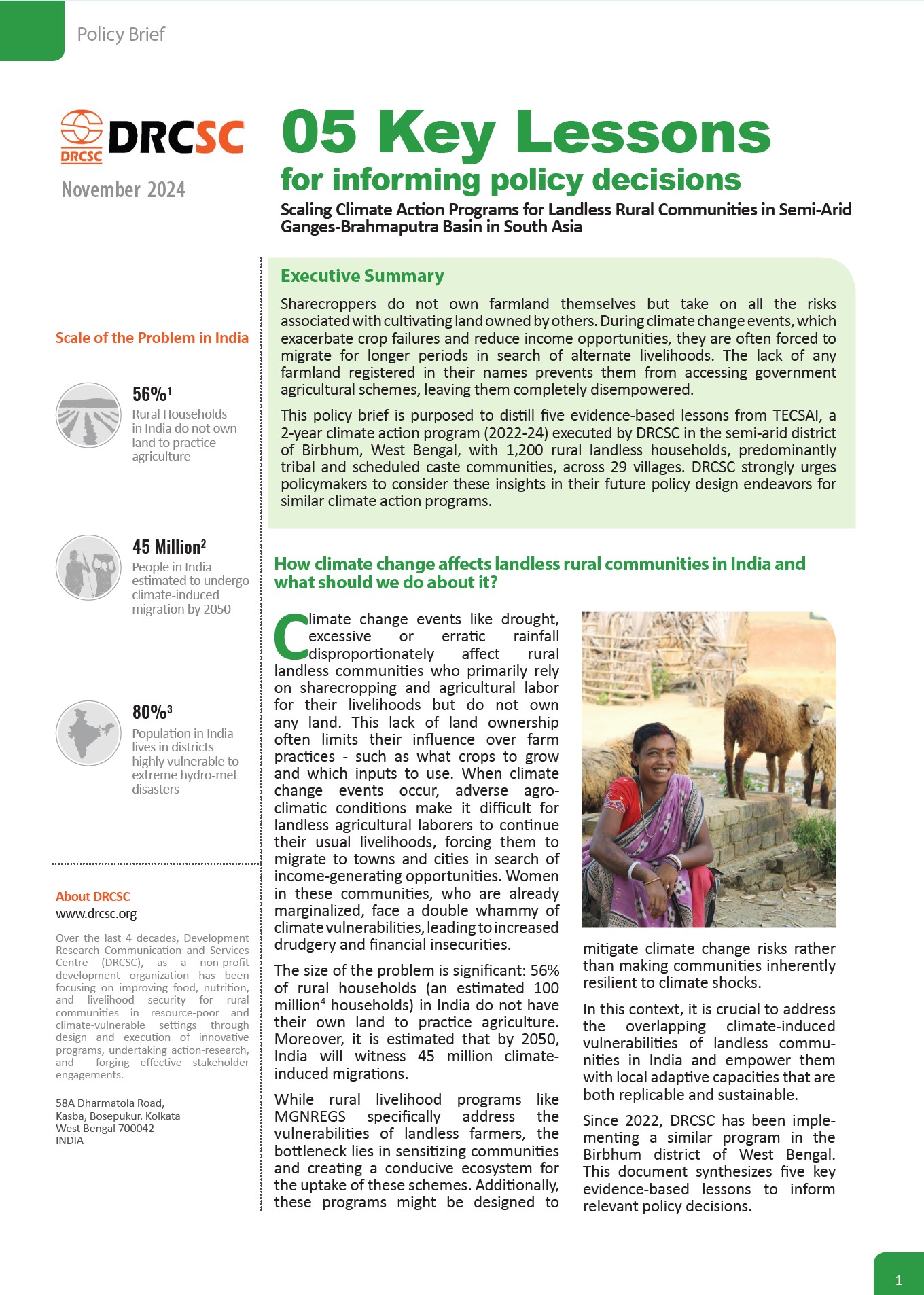
Five Key Lessons for Policy Consideration: Scaling Climate Action Programs for Landless Rural Communities in Semi-Arid Ganges-Brahmaputra Basin in South Asia
Download Full Report
View Blog Posts
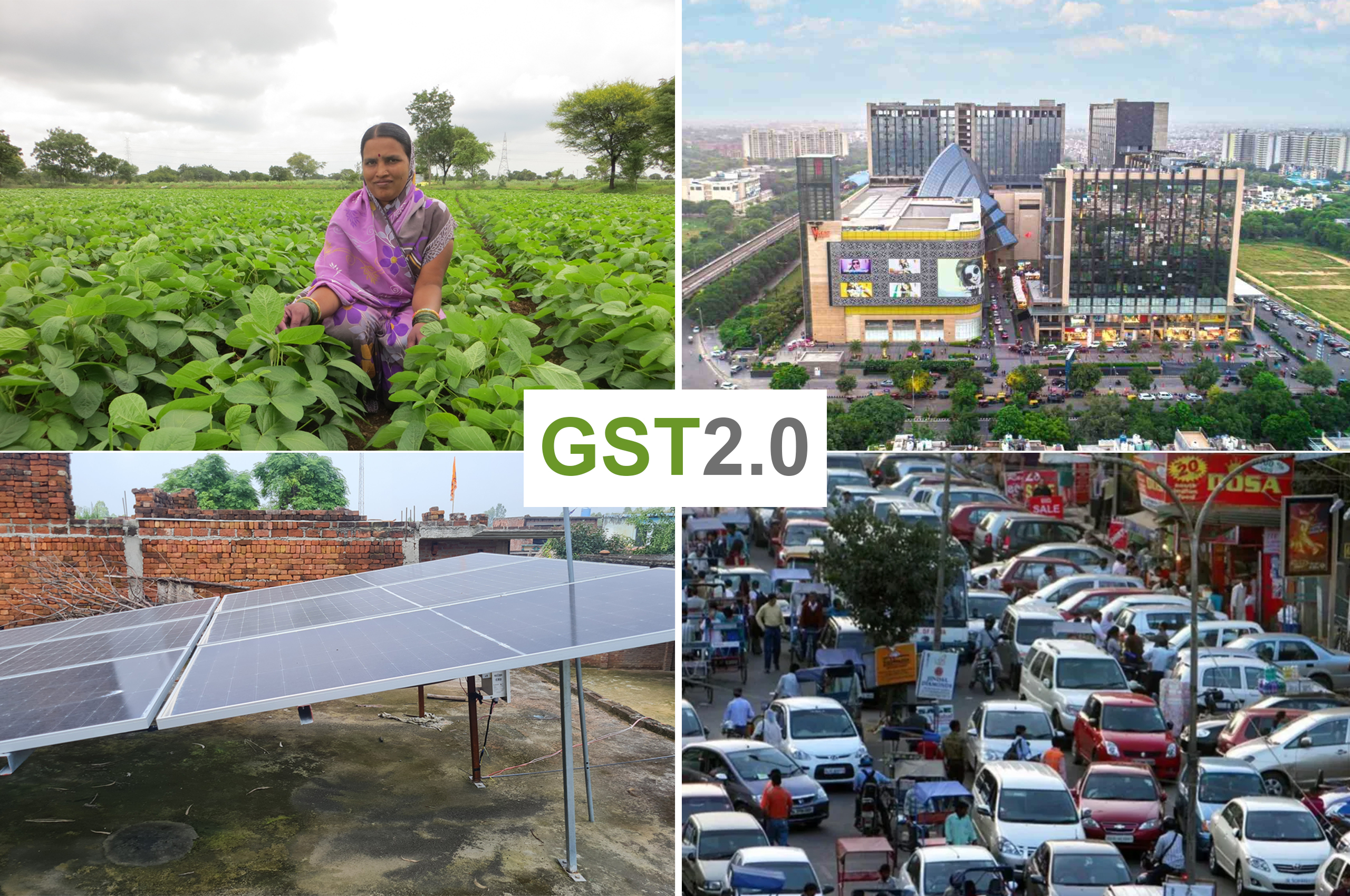
GST 2.0 and Tax Cuts: Can They Make Growth Fairer and Greener?
India's latest GST reform, being termed as GST 2.0, is more than just slashing rates. By simplifying the tax structure, cutting levies on essentials, and supporting renewable infrastructure, it's open..
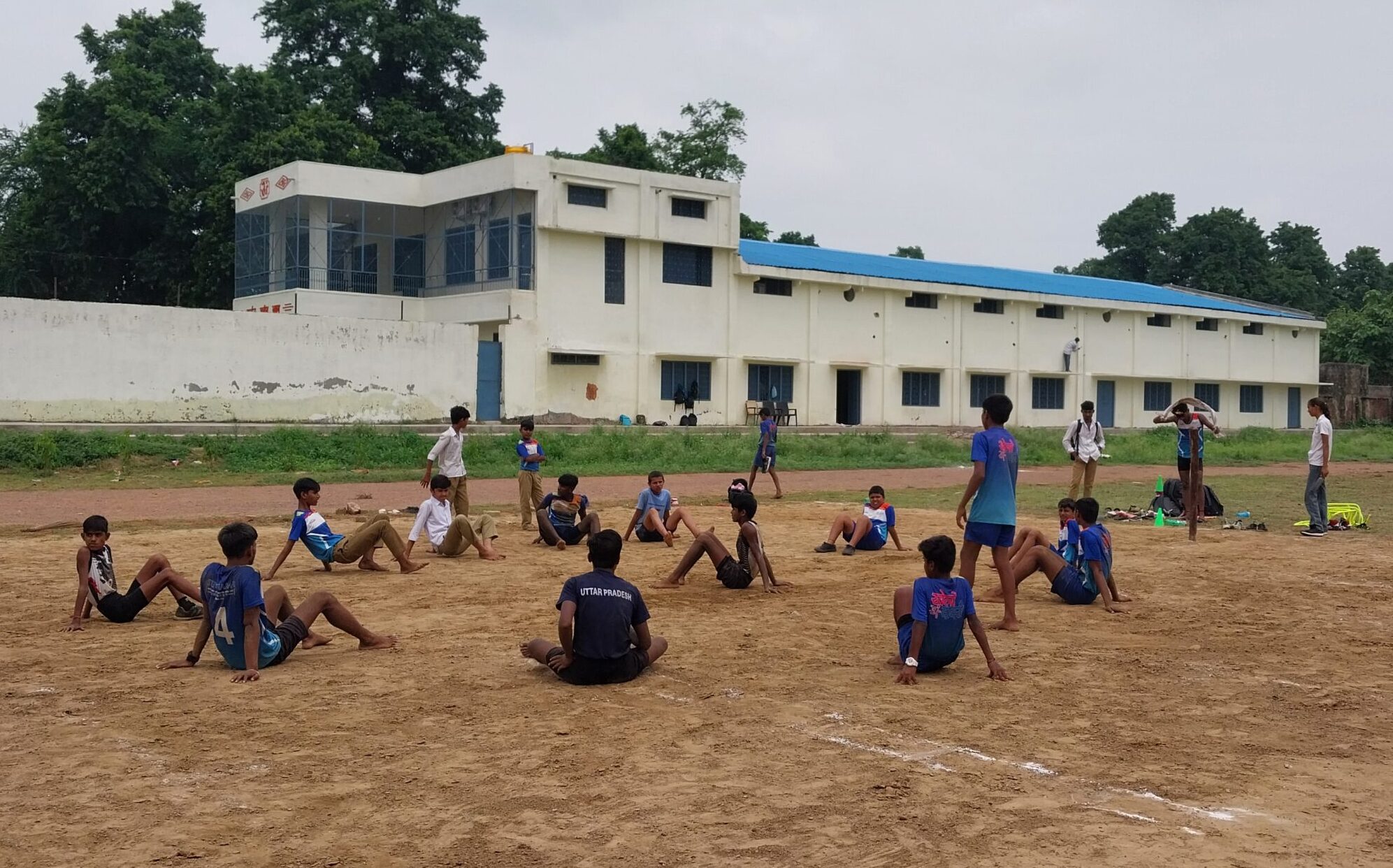
Reimagining Sports in CSR: From Tokenism to a Vehicle for Multiplying Impact
In 2023–24, Indian companies spent about ₹1,396 crore of their CSR budgets on sports — just 4% of the total ₹34,909 crore Indian corporates spent on CSR that year. Most of the rest went to edu..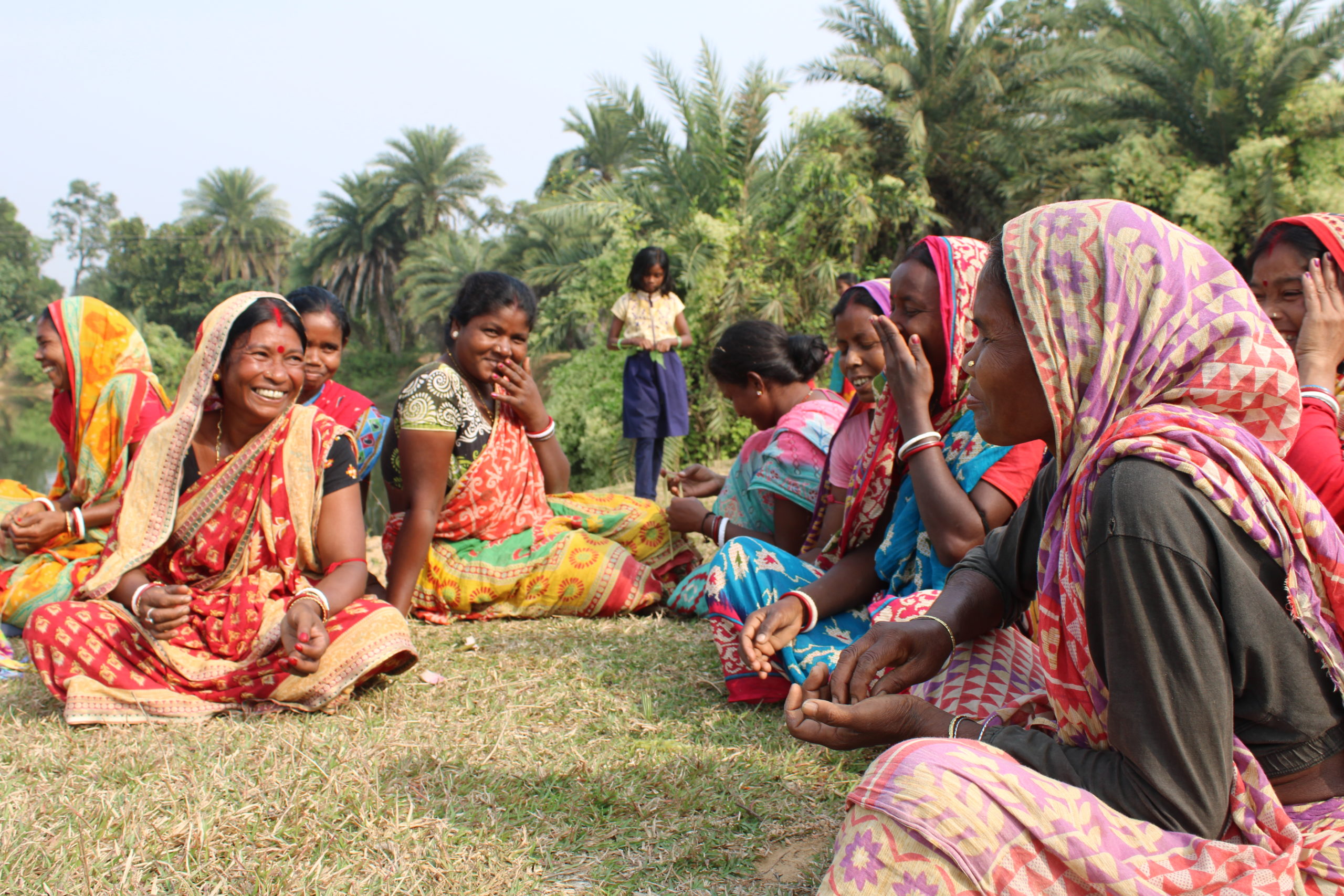
Interactive SHG Map of India: 7.5 million Women Self Help Groups are spread across 27 States and 6 UTs in India
Under the National Rural Livelihood Mission (NRLM), India has 7.5 million Women Self Help Groups (SHGs) spread across 27 states and 6 Union Territories. Each of these small, self-governed, and peer-co..