
Recent Developments,
Key Innovations, and
Insightful Reports
Your One Stop Platform for Regular Sector Updates
Sector news
View By Category
Categories
- See all
- Agriculture
- Clean Cookstoves
- Clean Energy
- Climate Action
- Digital Technology
- Education
- Financial Services
- General
- Healthcare
- Hygiene
- Impact Investment
- Inclusive Value Chains
- Livelihoods
- Livestock
- Lower Income Consumers
- Marketing, Distribution and Sales for BoP
- Nutrition
- Sanitation
- Water
- Women Empowerment


January 28, 2013
Raising capital through impact investing
This post by the Social Business enlists the trends in impact investment across the world, and how they ensure that impact investment is available for social enterprises as seed funding, and most must be financially sustainable on their own soon after. Read more here.
January 28, 2013
What is impact investment and how does it work
Impact investment, as explained by Professor Cathy Clark in a Fuqua Q&A session. This post explains what impact investment really is, complete with a few examples, when it worked, and best practices. Read more here.
January 28, 2013
It shows a market based growth in impact investments and an increased level of satisfaction among impact investors. Read more here.
It also says that the impact investment industry is going to grow up to a total worth of US$9 billion in 2013. Read more here and here.
January 28, 2013
Perspectives on Progress
This is a research report released by JP Morgan and the GIIN (Global Impact Investment Network). It enlists the experiences, perceptions and plans for 2013 for 99 impact investors. Read the report here.
January 28, 2013
UK: Big Society Capital has committed upto £100 million for 2013, ‘Payments by Results’ to be the testing model
Social investment bank in the UK, the Big Society Capital has committed up to £100 million in new social projects in 2013. The organization will be targeting up to 20 new investments this year. Read more here. According to BSC’s CEO, Nick O’Donohue’s, plans to use a mode of “Payments […]
January 28, 2013
CSI – How companies can successfully drive it to achieve full potential
In the past, CSI, or corporate social investment has earned itself a reputation for ‘flakiness’, according to a blogger for The Economist. For companies looking to tap CSI to its full potential, measuring impact of investments through effective measurements is of the utmost importance. Read more here.
January 28, 2013
Kenya: Firms increasingly interested in backing social ventures
This post talks about the newest trend in the corporate area in Kenya, wherein firms are increasingly avoiding the route giving handouts to needy communities. The firms are instead, deriving more value under the CSI, or the Corporate Social Investment model. Read more here.
January 28, 2013
India: Rang De to allow foreign investors to invest
Rang De, a peer to peer online lending platform which raises social investments for social entrepreneurs has now opened up the option for foreign investors to invest through its platform. Rang De receives two kinds of capital – debt and donated, and so far, only Indians were allowed to invest. […]
January 28, 2013
How social entrepreneurship and impact investing align to drive change
This post is a Q&A with Skoll Foundation’s Edwin Ou, who talks about his take on how Skoll Foundation has facilitated a symbiotic and mutually beneficial relationship between impact investors and social entrepreneurs. Read more here.
Get The Latest From The Social Sector In Your Inbox

Subscribe to our newsletter
View Our Publications
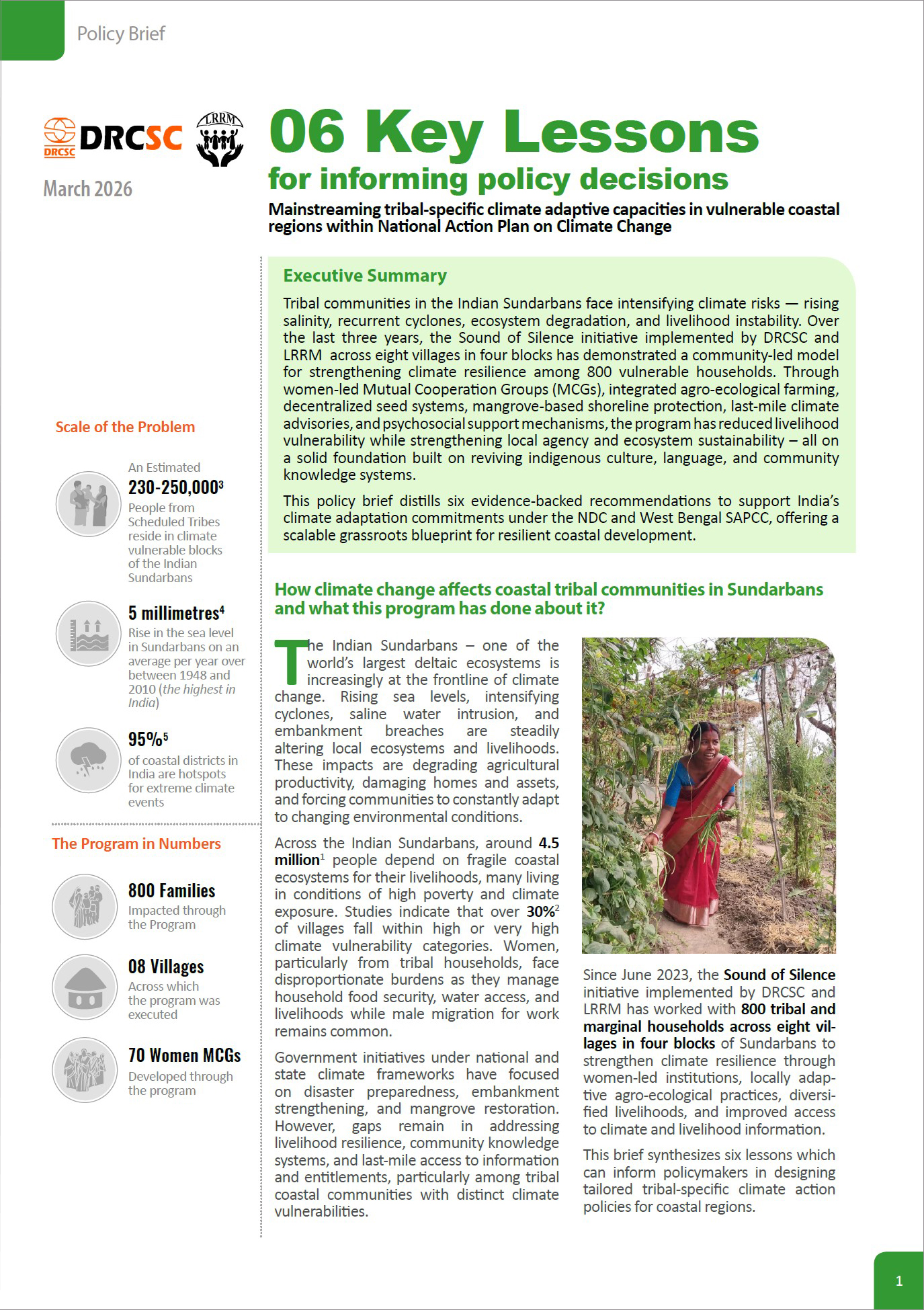
06 Key Lessons for informing policy decisions: Mainstreaming tribal-specific climate adaptive capacities in vulnerable coastal regions within National Action Plan on Climate Change
Download Full Report
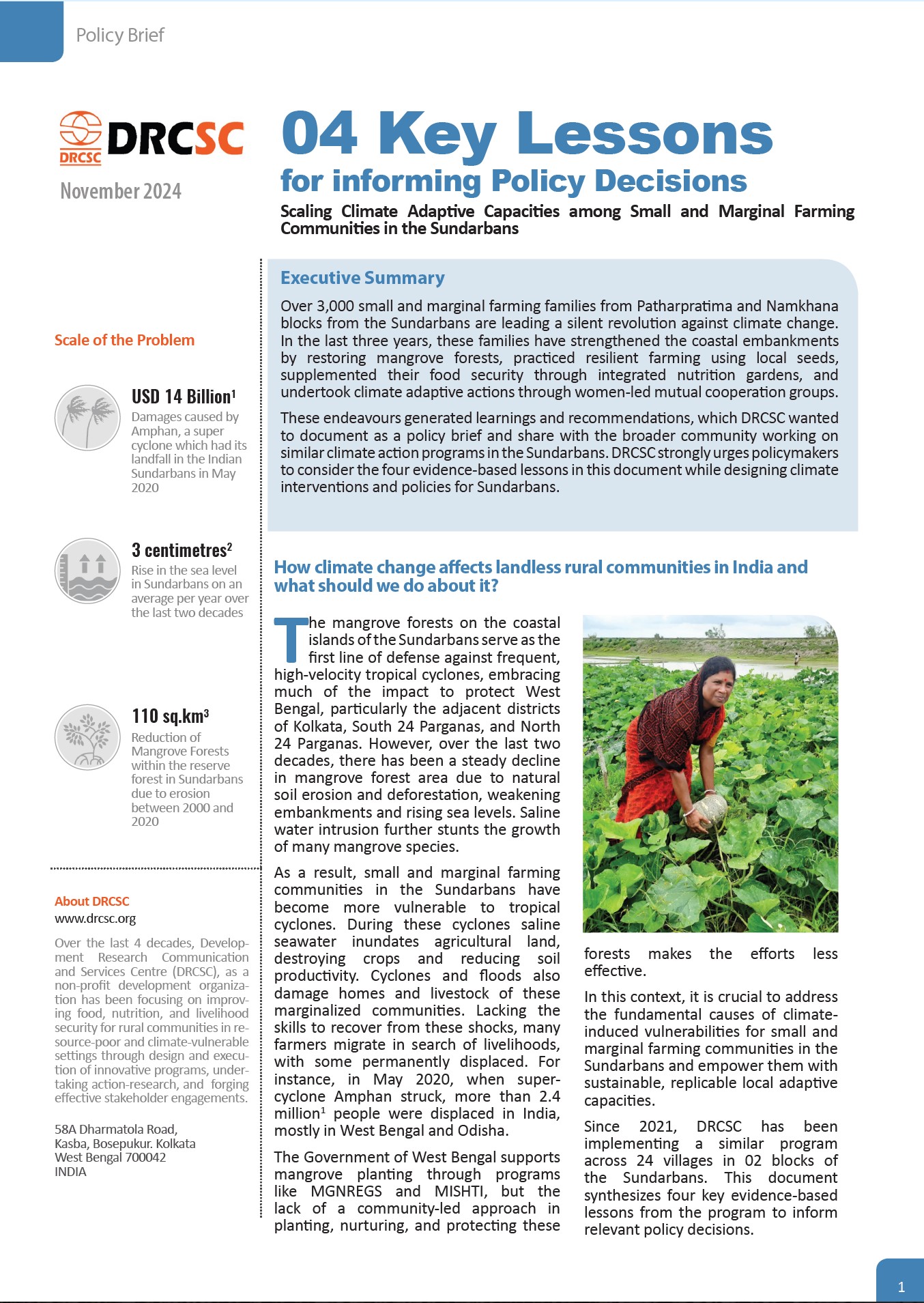
Four Key Lessons for Policy Consideration: Scaling Climate Adaptive Capacities among Small and Marginal Farming Communities in the Sundarbans
Download Full Report
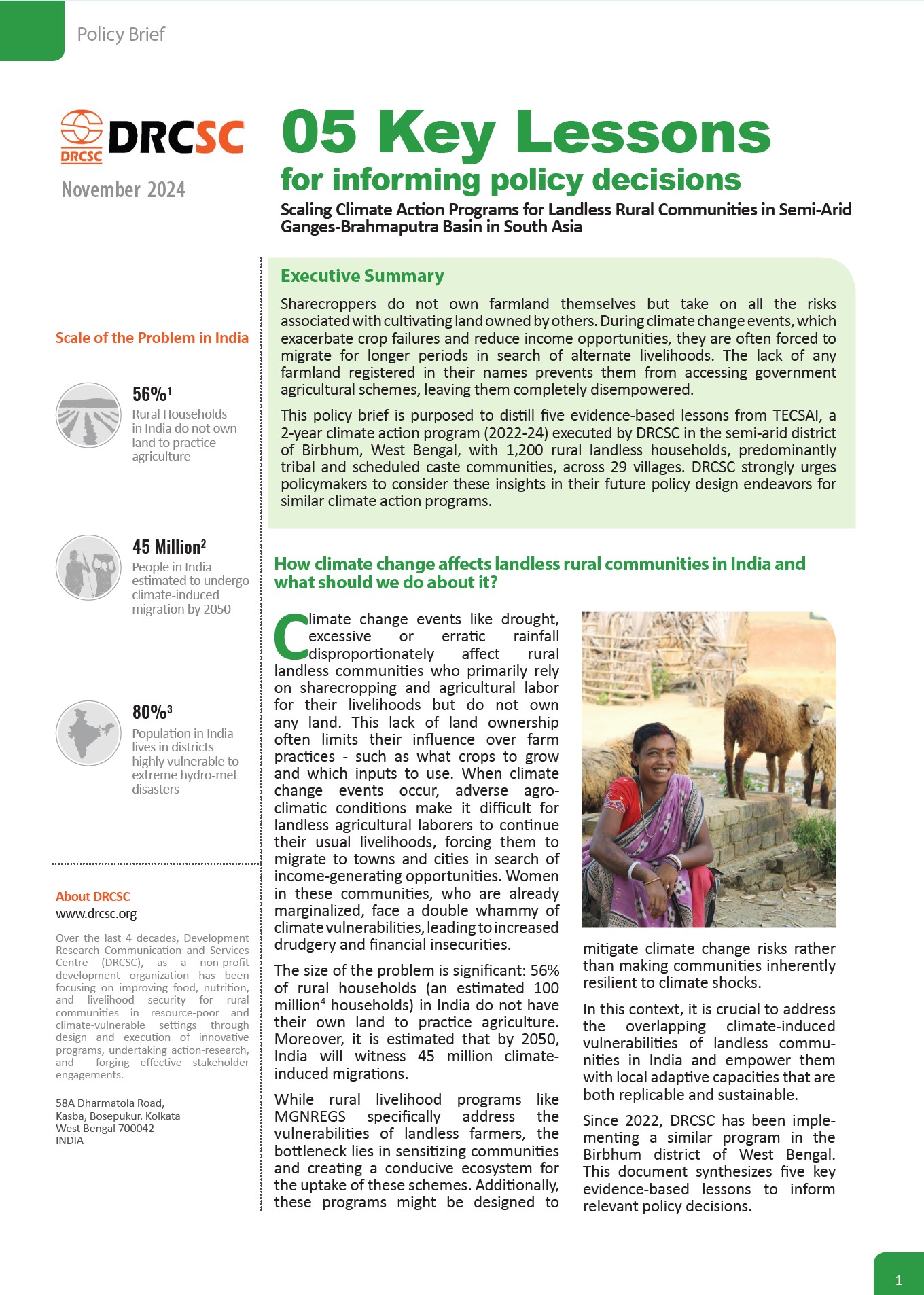
Five Key Lessons for Policy Consideration: Scaling Climate Action Programs for Landless Rural Communities in Semi-Arid Ganges-Brahmaputra Basin in South Asia
Download Full Report
View Blog Posts
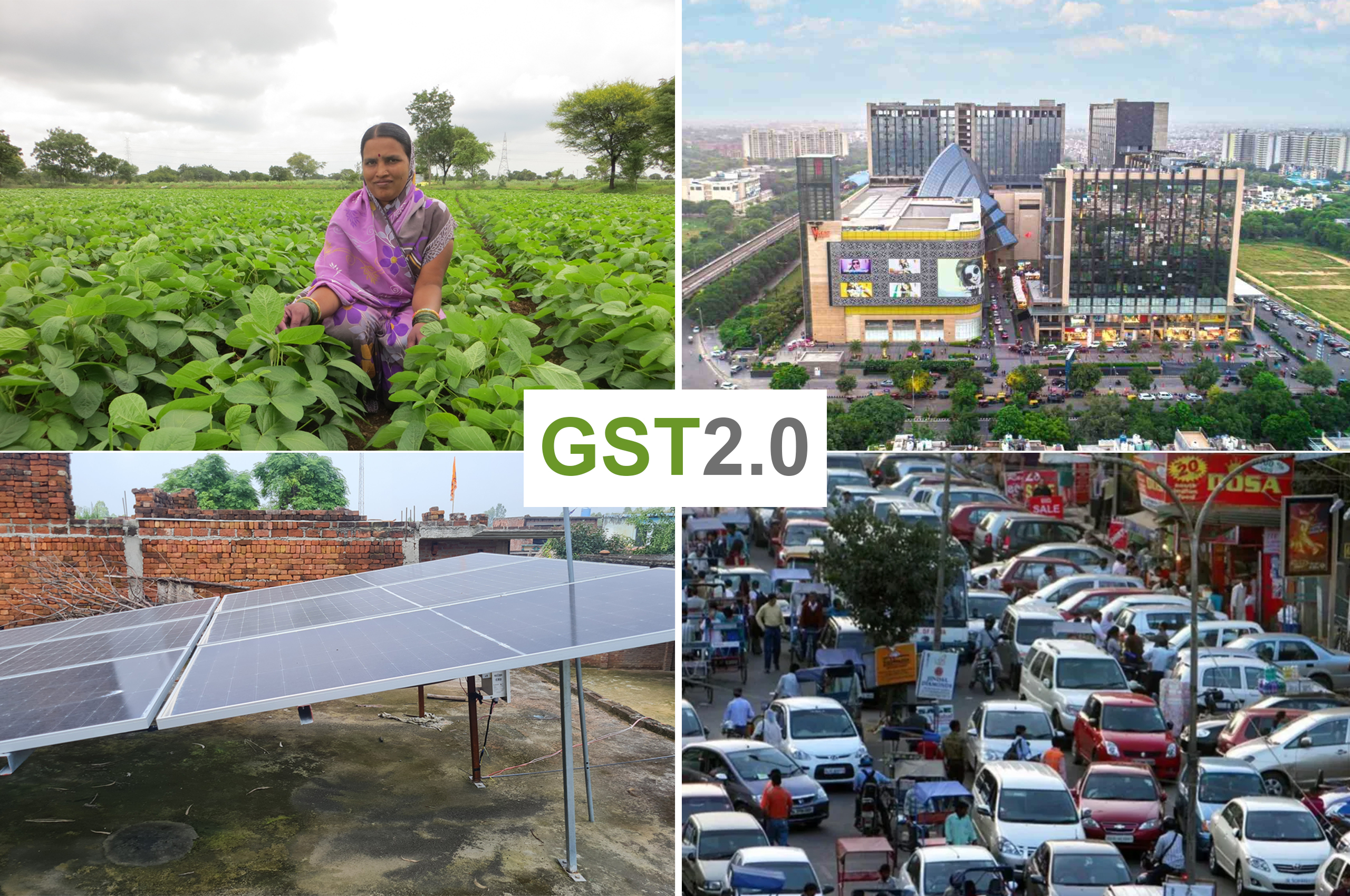
GST 2.0 and Tax Cuts: Can They Make Growth Fairer and Greener?
India's latest GST reform, being termed as GST 2.0, is more than just slashing rates. By simplifying the tax structure, cutting levies on essentials, and supporting renewable infrastructure, it's open..
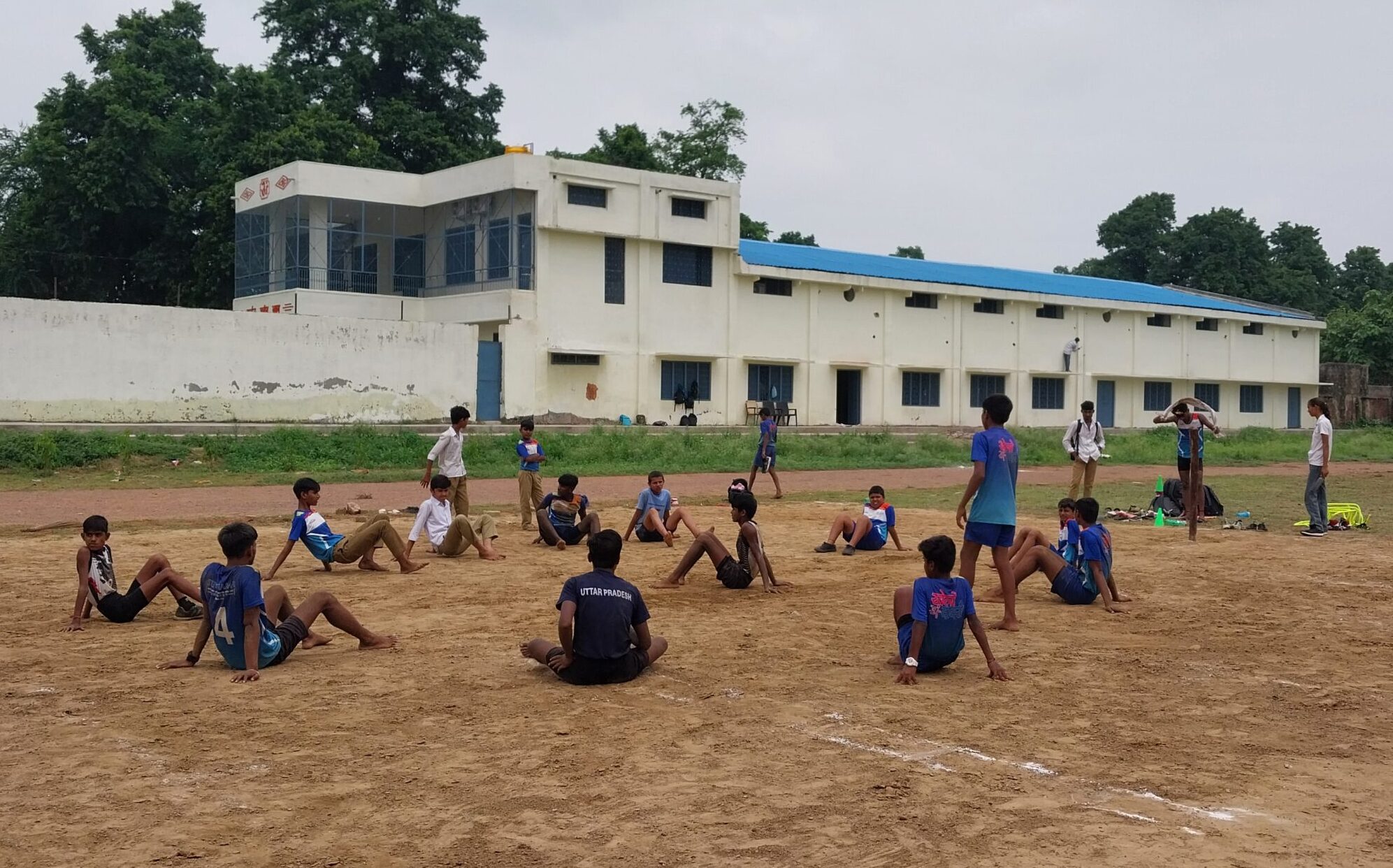
Reimagining Sports in CSR: From Tokenism to a Vehicle for Multiplying Impact
In 2023–24, Indian companies spent about ₹1,396 crore of their CSR budgets on sports — just 4% of the total ₹34,909 crore Indian corporates spent on CSR that year. Most of the rest went to edu..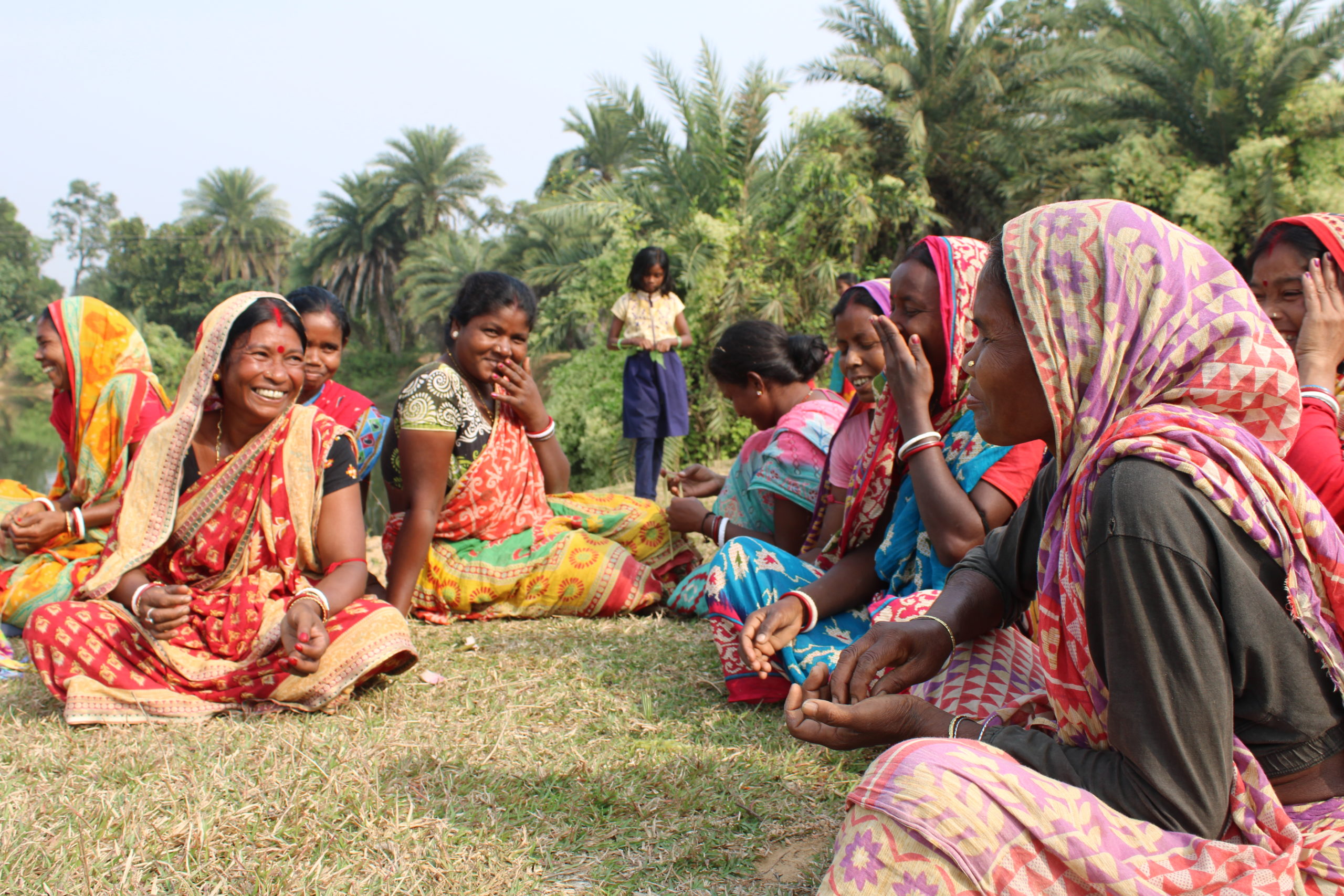
Interactive SHG Map of India: 7.5 million Women Self Help Groups are spread across 27 States and 6 UTs in India
Under the National Rural Livelihood Mission (NRLM), India has 7.5 million Women Self Help Groups (SHGs) spread across 27 states and 6 Union Territories. Each of these small, self-governed, and peer-co..