
Recent Developments,
Key Innovations, and
Insightful Reports
Your One Stop Platform for Regular Sector Updates
Sector news
View By Category
Categories
- See all
- Agriculture
- Clean Cookstoves
- Clean Energy
- Climate Action
- Digital Technology
- Education
- Financial Services
- General
- Healthcare
- Hygiene
- Impact Investment
- Inclusive Value Chains
- Livelihoods
- Livestock
- Lower Income Consumers
- Marketing, Distribution and Sales for BoP
- Nutrition
- Sanitation
- Water
- Women Empowerment


January 28, 2013
How Venture Social Investment could be the newest form of developmental aid
This post argues for the case of Venture Capital (VC) being the motivating factor behind impact investment through developmental aid. This would help LICs, or Low Income Countries progress, and create a progressive and symbiotic relationship in terms of international trade, and would benefit developed and developing countries alike. The […]
January 28, 2013
Social impact investing in the US
This post enlists the process of social impact investing, through social impact bonds, in the US. It mentions the potential sources of impact investors in this ecosystem, and the organizations that are recipients of this impact investing. Read more here.
January 28, 2013
Growth in market and satisfaction for impact investors
According to the new report by the GIIN and JPMorgan, “Perspectives on Progress” (read here) there has been a steady growth in the impact investment market, with the interviewed 99 respondents planning to commit up to US$ 9 billion in 2013, up from US$ 8 billion in 2012. Read more […]
January 28, 2013
Why social impact investing will be the future’s new venture capital
This post compares social entrepreneurship, and the required social impact investing for it to venture capital funding, and how they are not quite so different. Impact investment has motivated an entrepreneurship and market based model to social programmes, and a number of innovations are already apparent. These innovations will only […]
January 28, 2013
Canadian SRI up by 16 per cent since 2010
According to a report by the Social Investment Organization, socially responsible investments in Canada have risen by 16 per cent since 2010. This growth is seen in virtually every major market segment and outpaces growth of total assets under management. Read more here.
January 28, 2013
Opening the black box: social investment and social innovation
This paper by the European Social Innovation Research distils the essences of social innovation and the capital flows required for it. A previously published full report explores links between social finance and social innovation in more detail. Read the three page report here, and the full report here.
January 28, 2013
Philanthopy and the Social Economy: Blueprint 2013
This report by the Foundation Centre and the European Foundation Centre predicts a number of potential social impact projects in 2013. It predicts that as many as 6 social impact bonds will be released this year. Read more here, and read the report here.
January 28, 2013
Venezuela: 88 per cent more social investment in 2012
This video report highlights the efforts made by the government in increasing social investment to address several issues like education, social security, health, housing and more. In the last year social investment has increased by an overall 88 per cent in the country. Read more here.
January 28, 2013
Calvert benefits through private partner Incapital
Calvert Foundation’s partner since 2005, Incapital has been supporting the organization by selling its Community Investment Notes through their sales platform. This has been so successful that sales of these notes account for 80 per cent of Calvert’s total sales. Read more here.
Get The Latest From The Social Sector In Your Inbox

Subscribe to our newsletter
View Our Publications
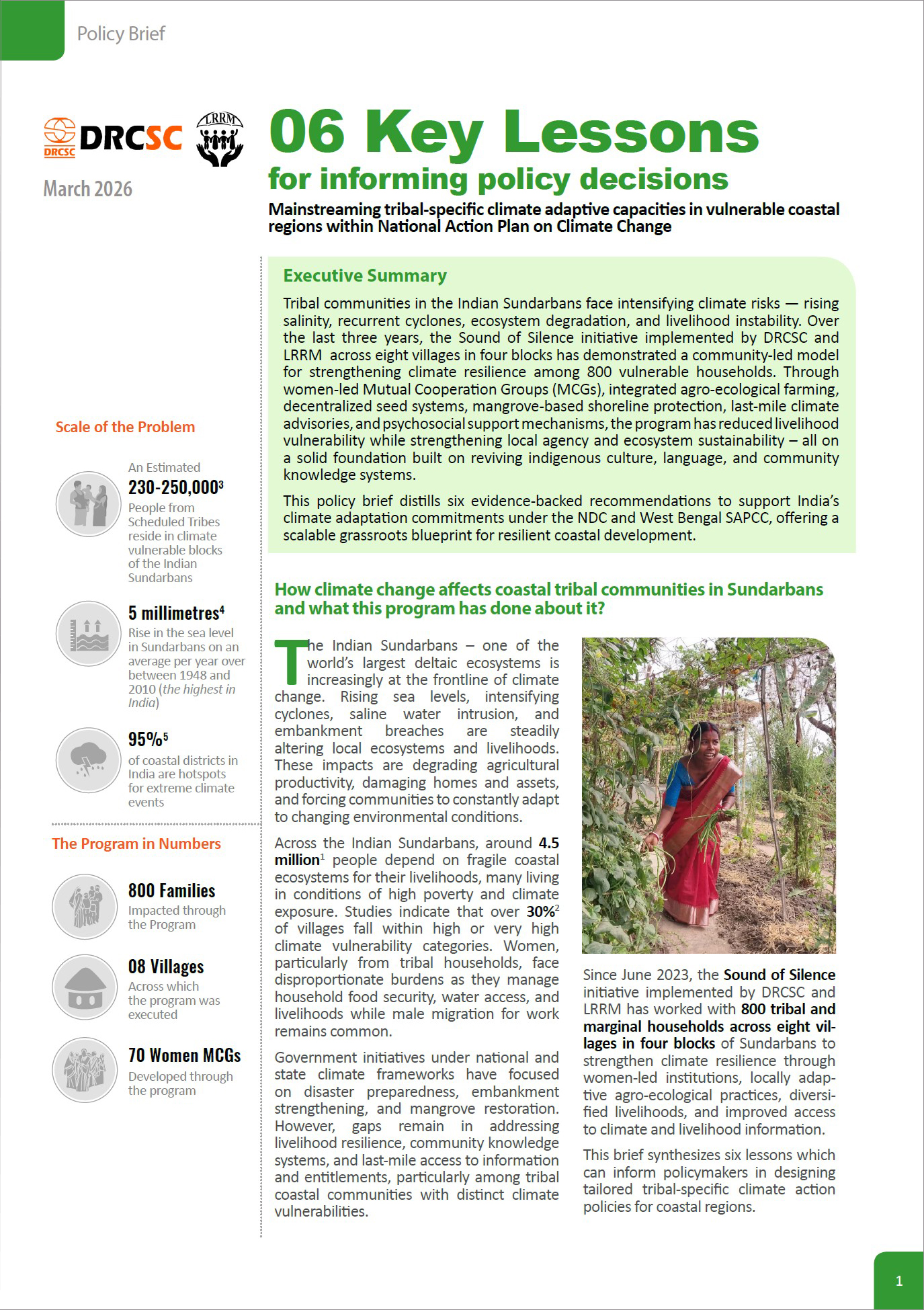
06 Key Lessons for informing policy decisions: Mainstreaming tribal-specific climate adaptive capacities in vulnerable coastal regions within National Action Plan on Climate Change
Download Full Report
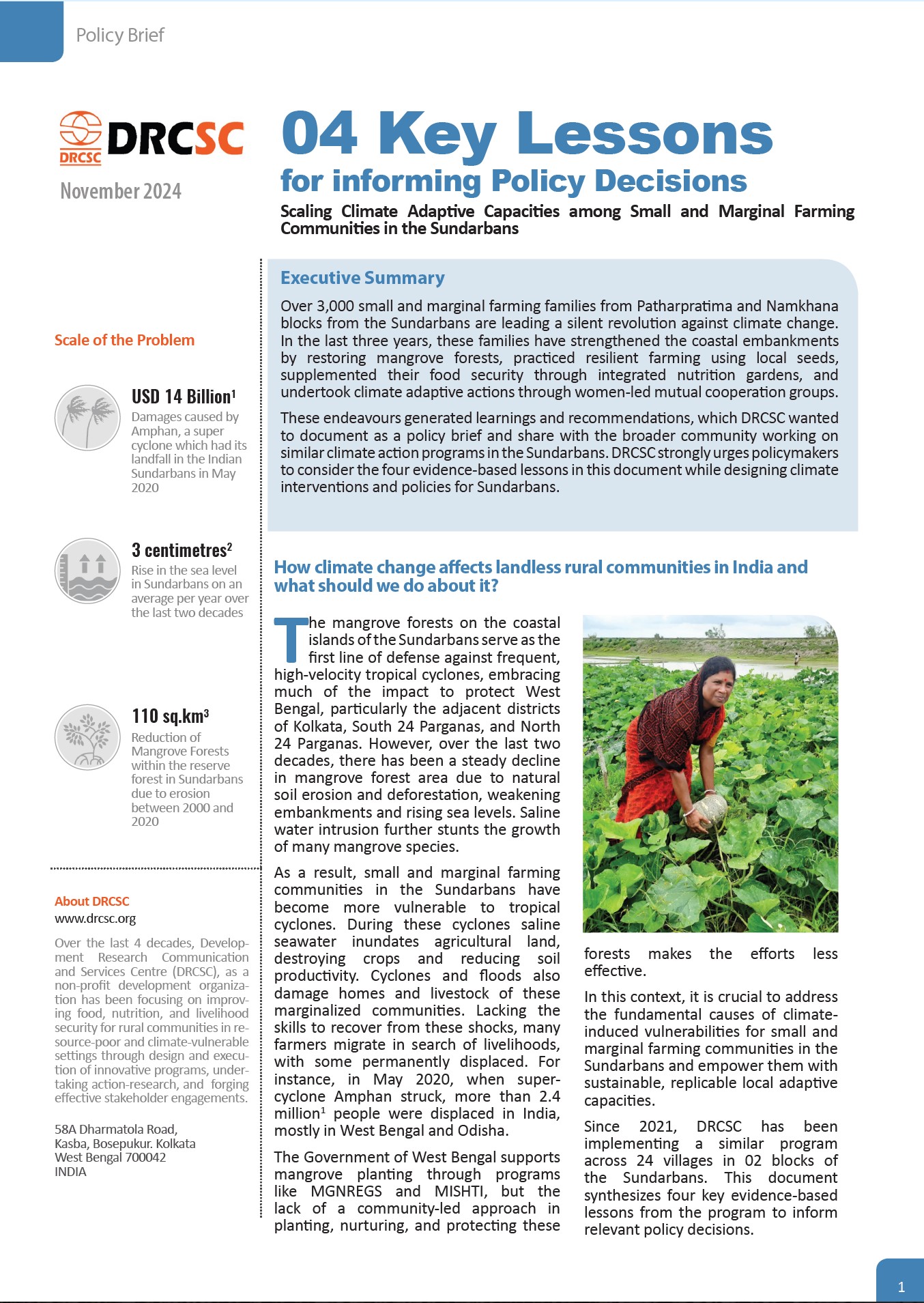
Four Key Lessons for Policy Consideration: Scaling Climate Adaptive Capacities among Small and Marginal Farming Communities in the Sundarbans
Download Full Report
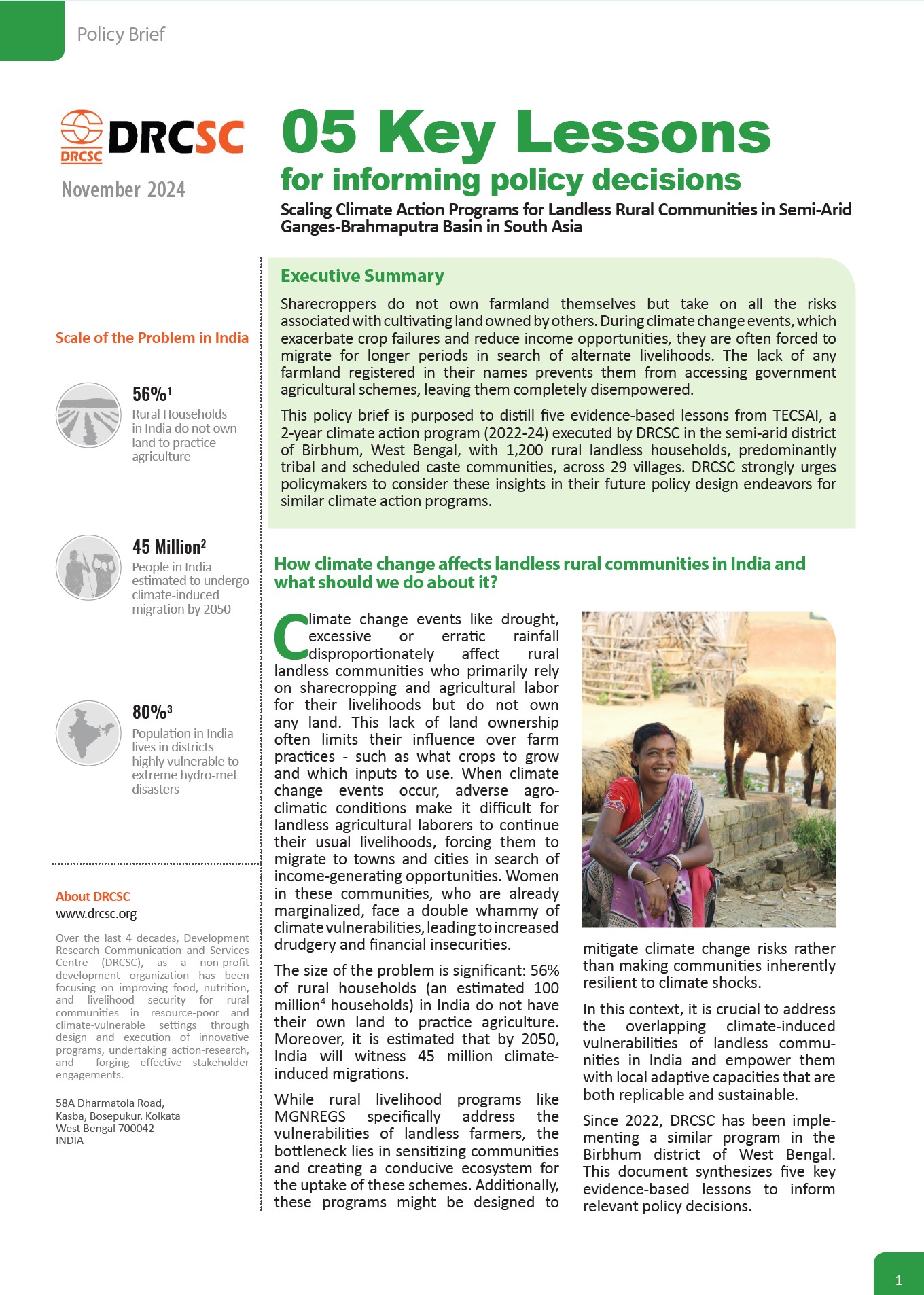
Five Key Lessons for Policy Consideration: Scaling Climate Action Programs for Landless Rural Communities in Semi-Arid Ganges-Brahmaputra Basin in South Asia
Download Full Report
View Blog Posts
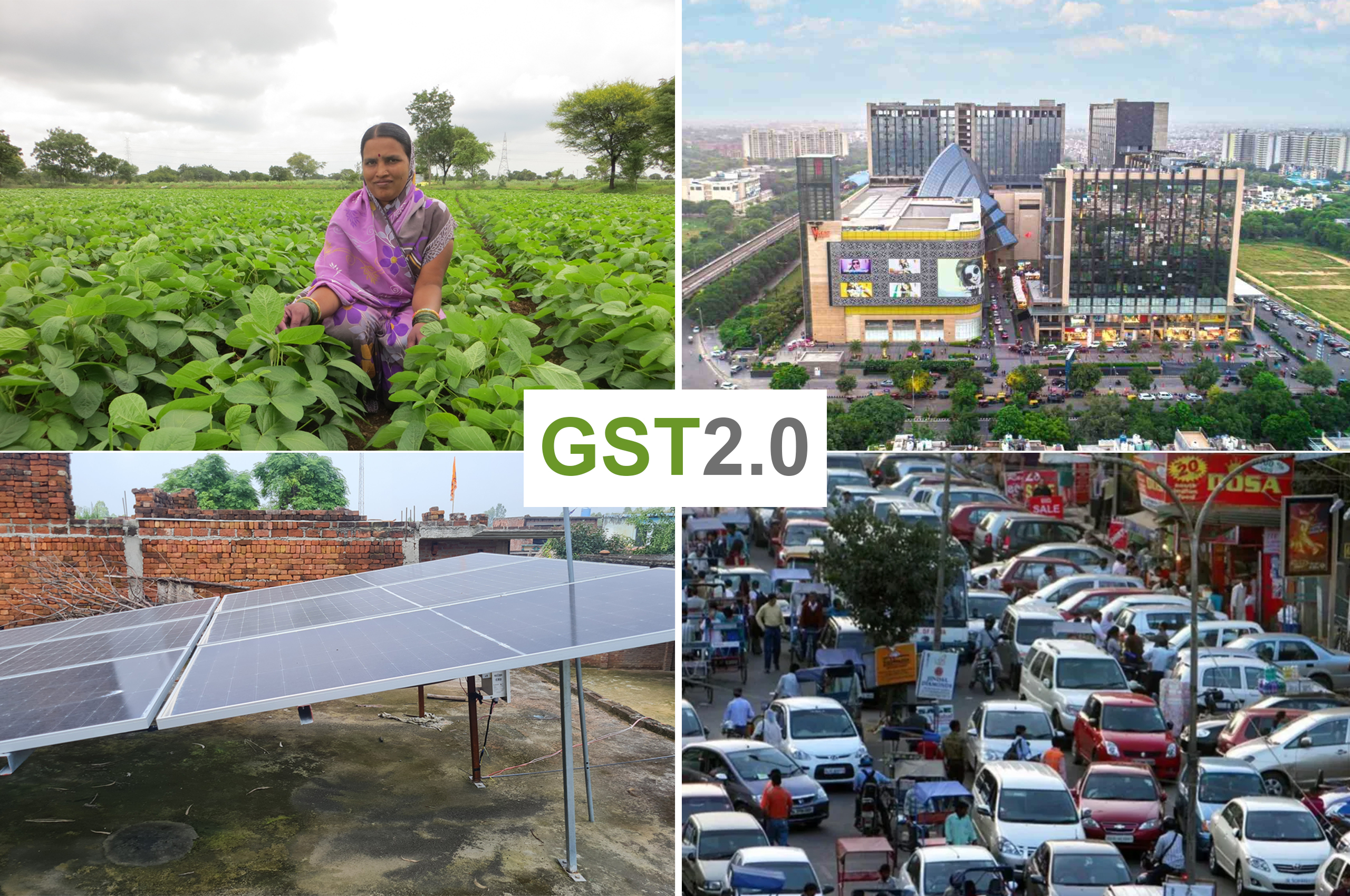
GST 2.0 and Tax Cuts: Can They Make Growth Fairer and Greener?
India's latest GST reform, being termed as GST 2.0, is more than just slashing rates. By simplifying the tax structure, cutting levies on essentials, and supporting renewable infrastructure, it's open..
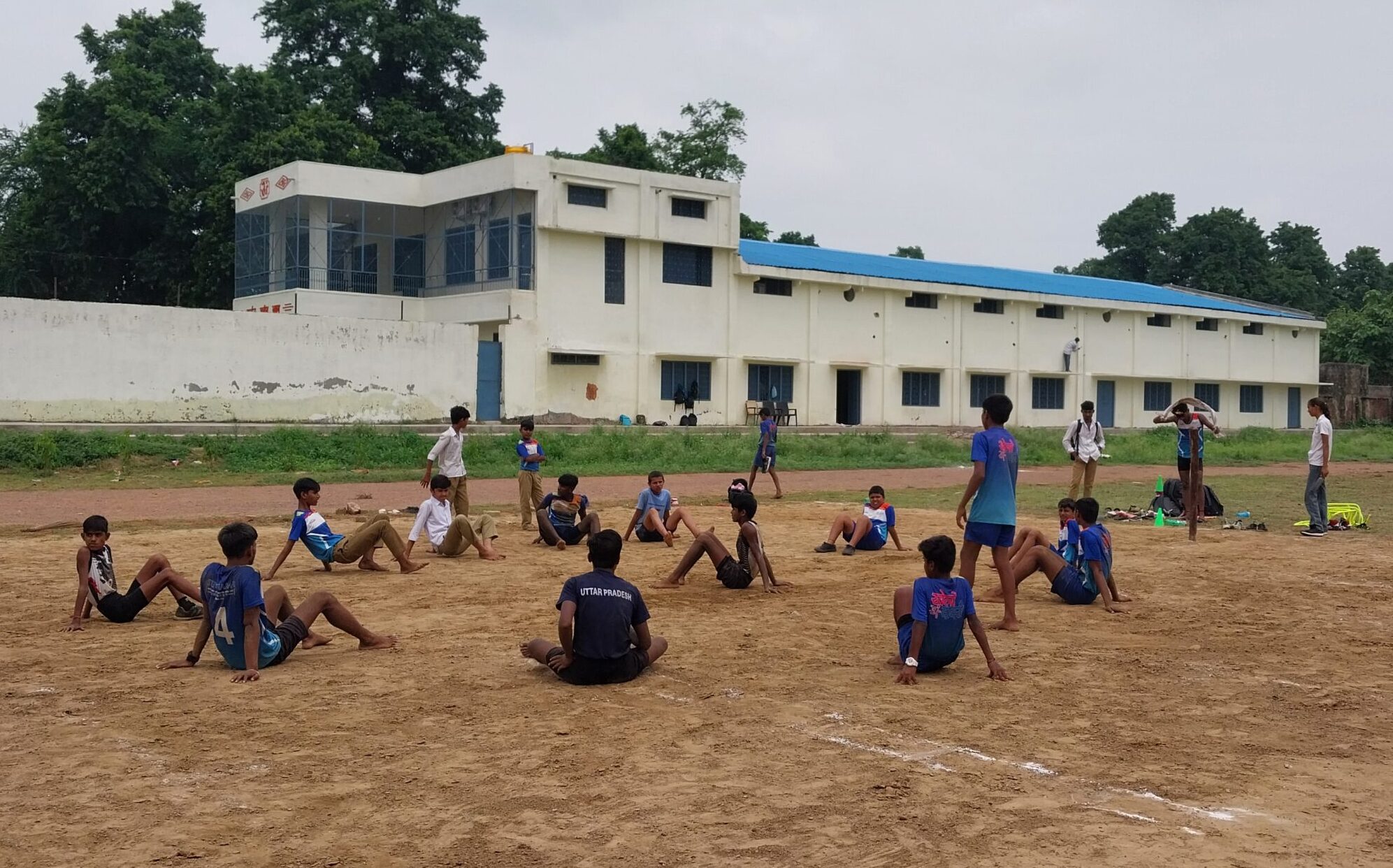
Reimagining Sports in CSR: From Tokenism to a Vehicle for Multiplying Impact
In 2023–24, Indian companies spent about ₹1,396 crore of their CSR budgets on sports — just 4% of the total ₹34,909 crore Indian corporates spent on CSR that year. Most of the rest went to edu..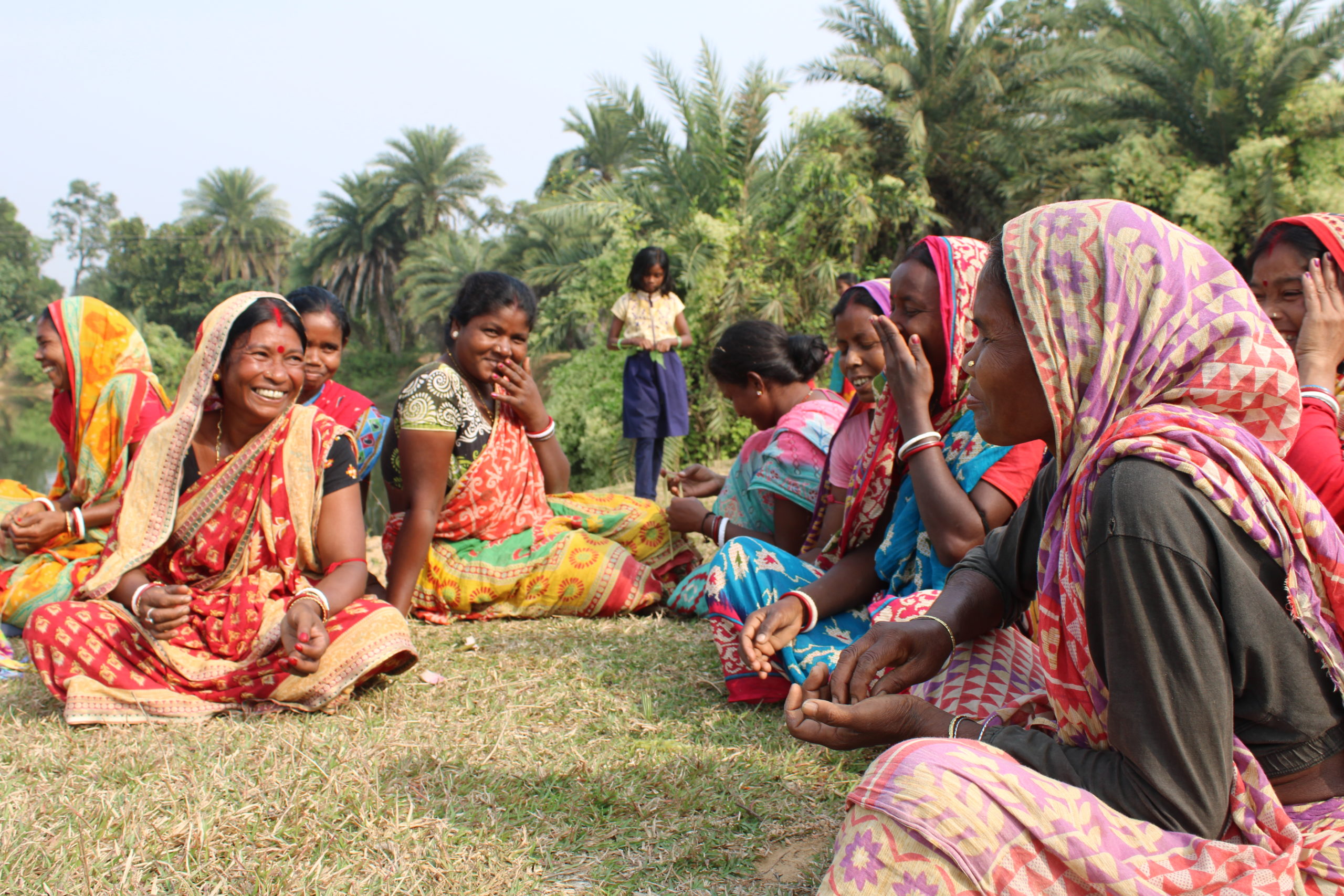
Interactive SHG Map of India: 7.5 million Women Self Help Groups are spread across 27 States and 6 UTs in India
Under the National Rural Livelihood Mission (NRLM), India has 7.5 million Women Self Help Groups (SHGs) spread across 27 states and 6 Union Territories. Each of these small, self-governed, and peer-co..